24H

Basic Information

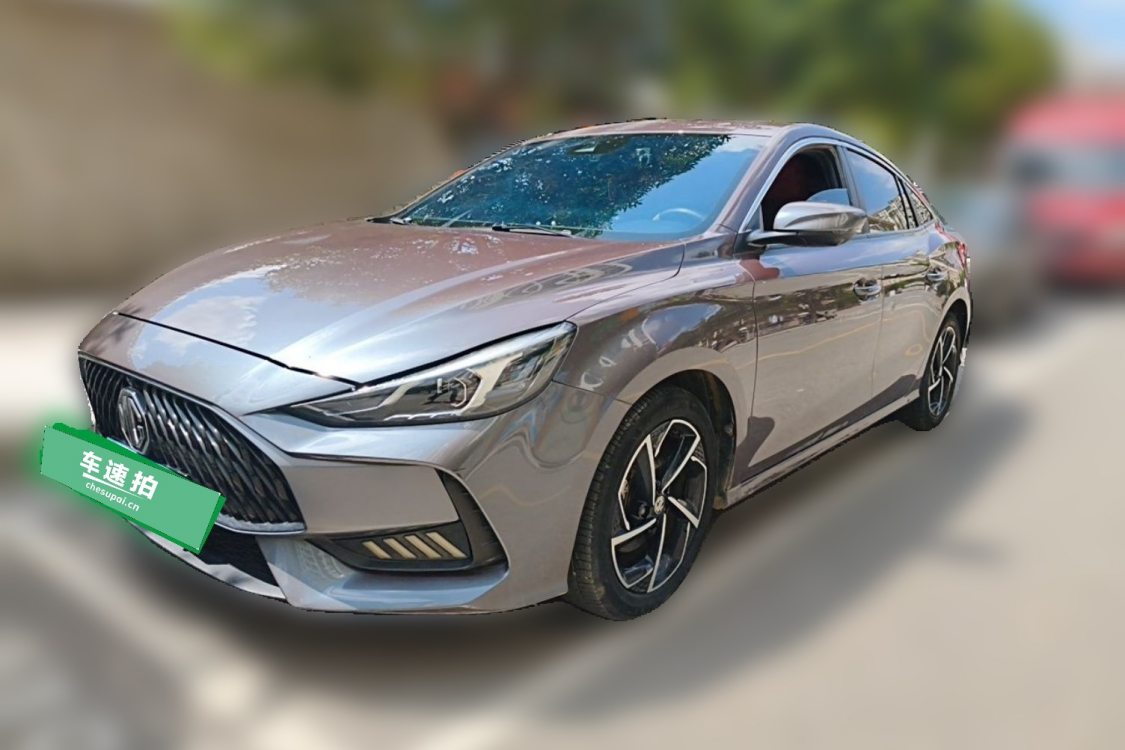
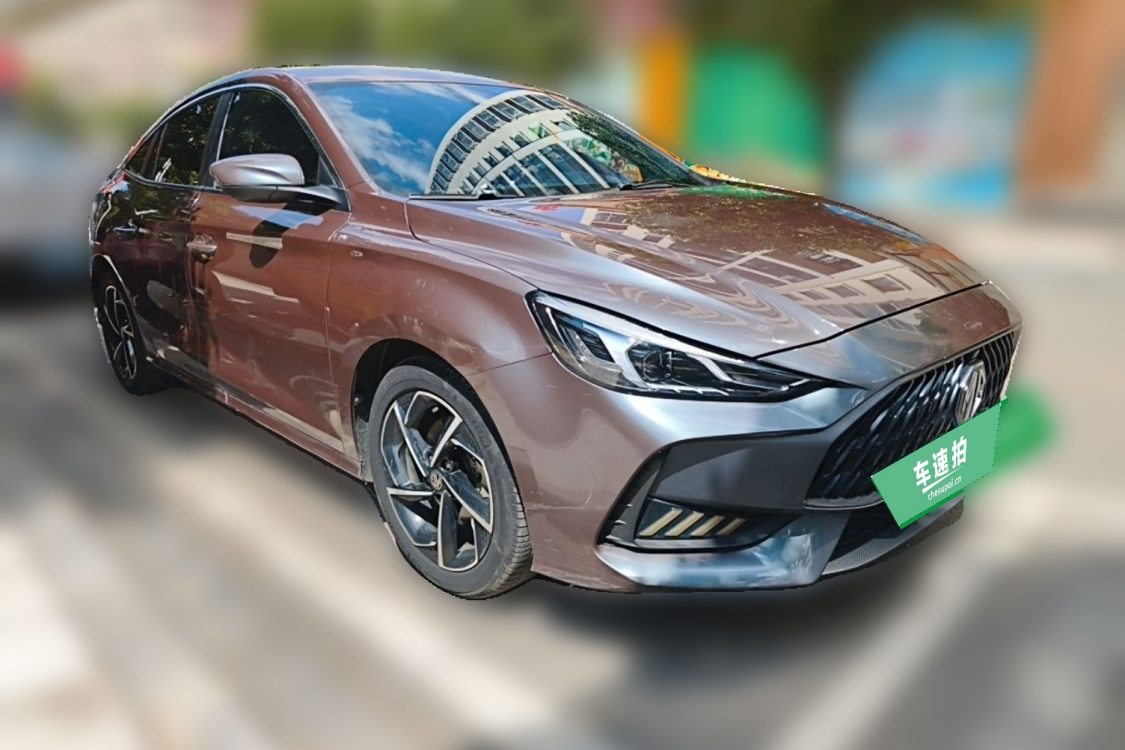
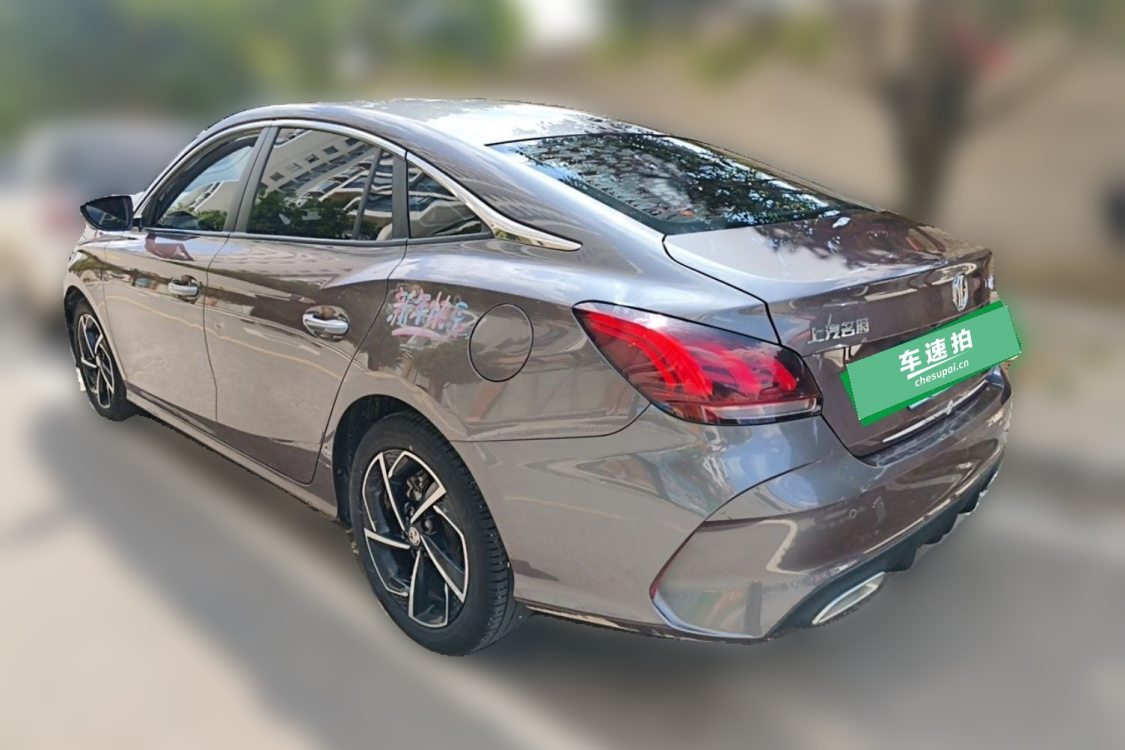
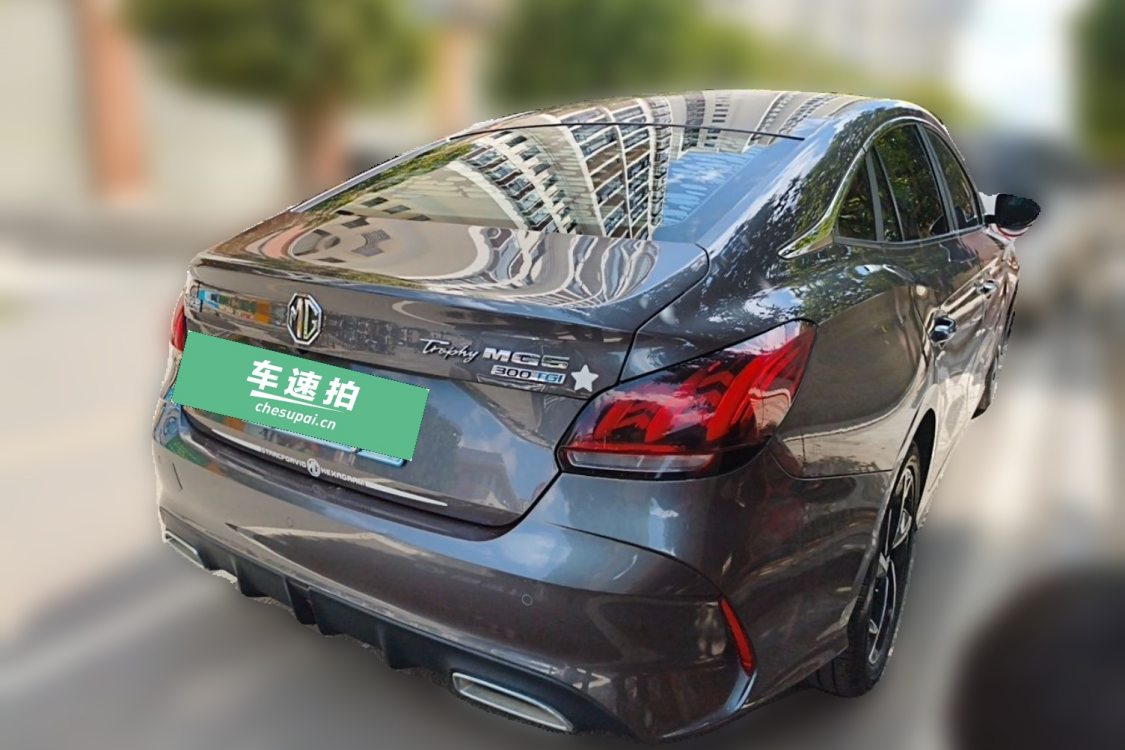
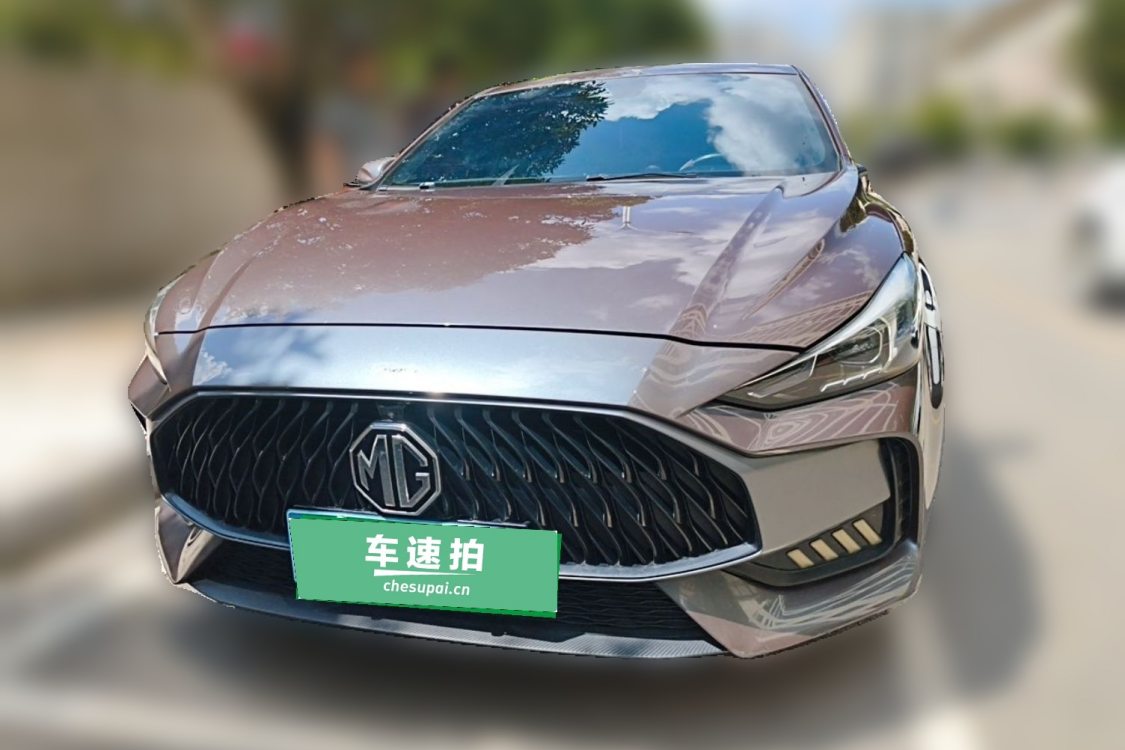
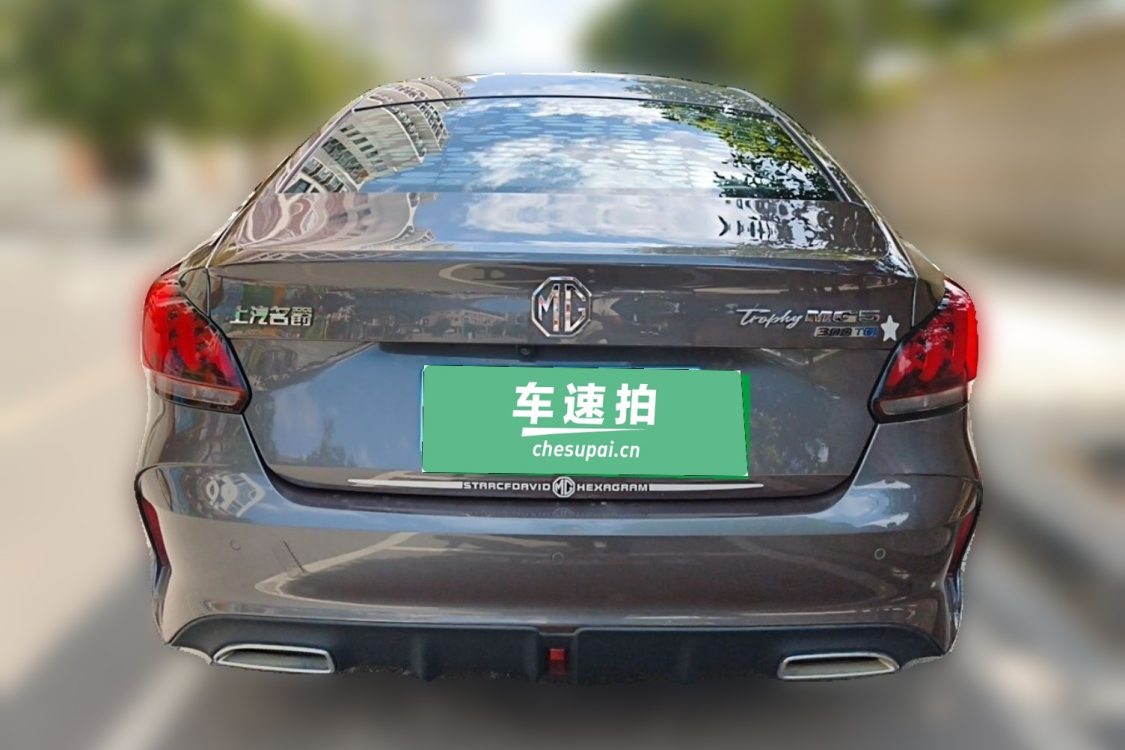
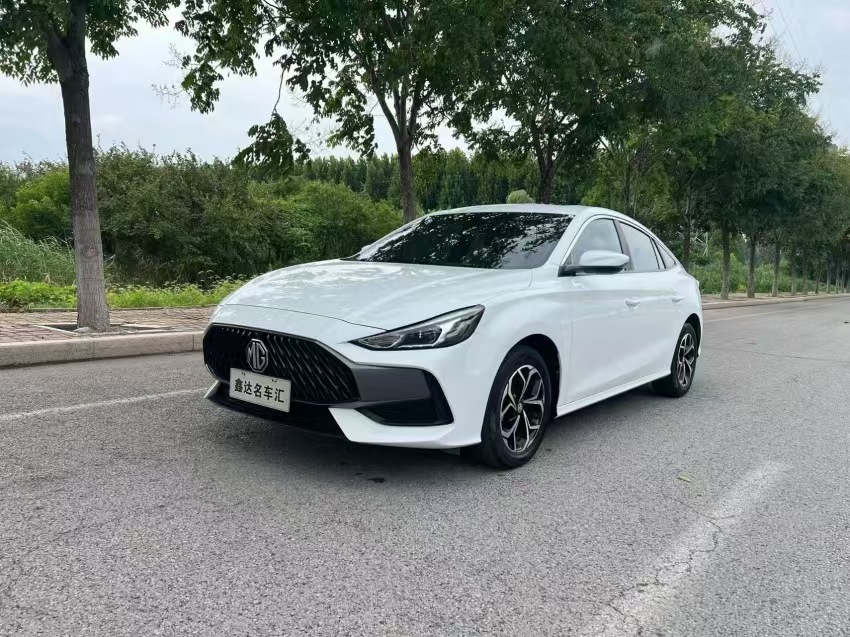
BrandMG
Series5
Year2021
First Registration2021/09
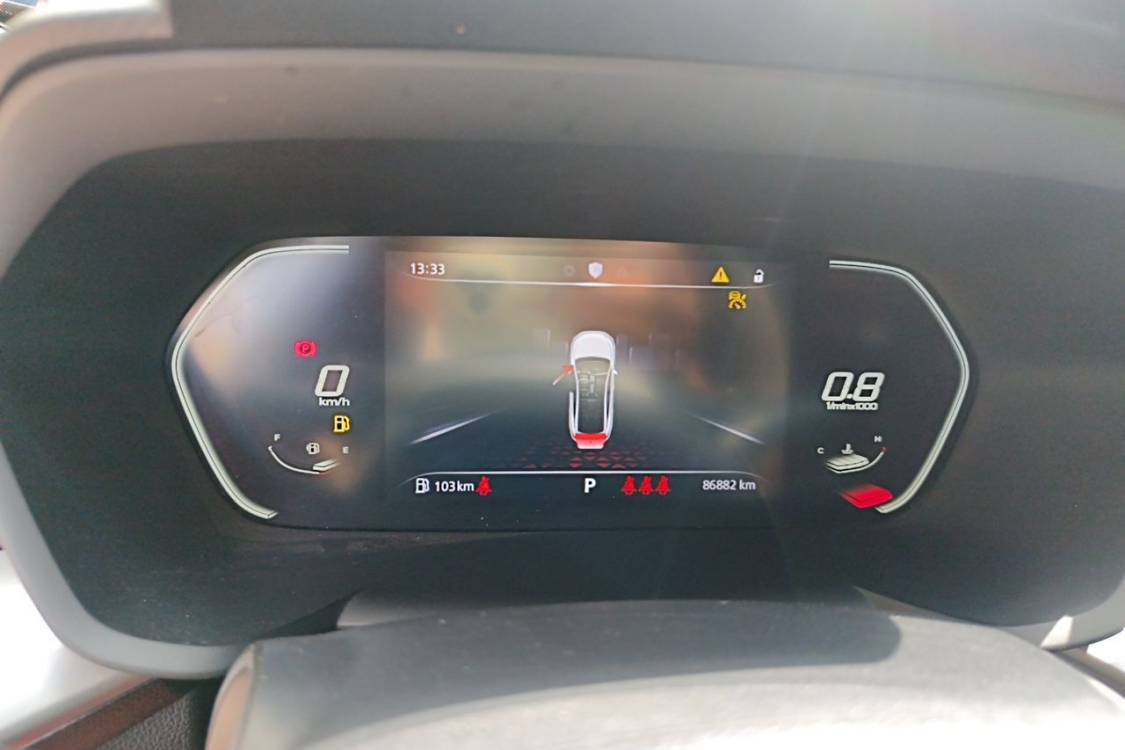
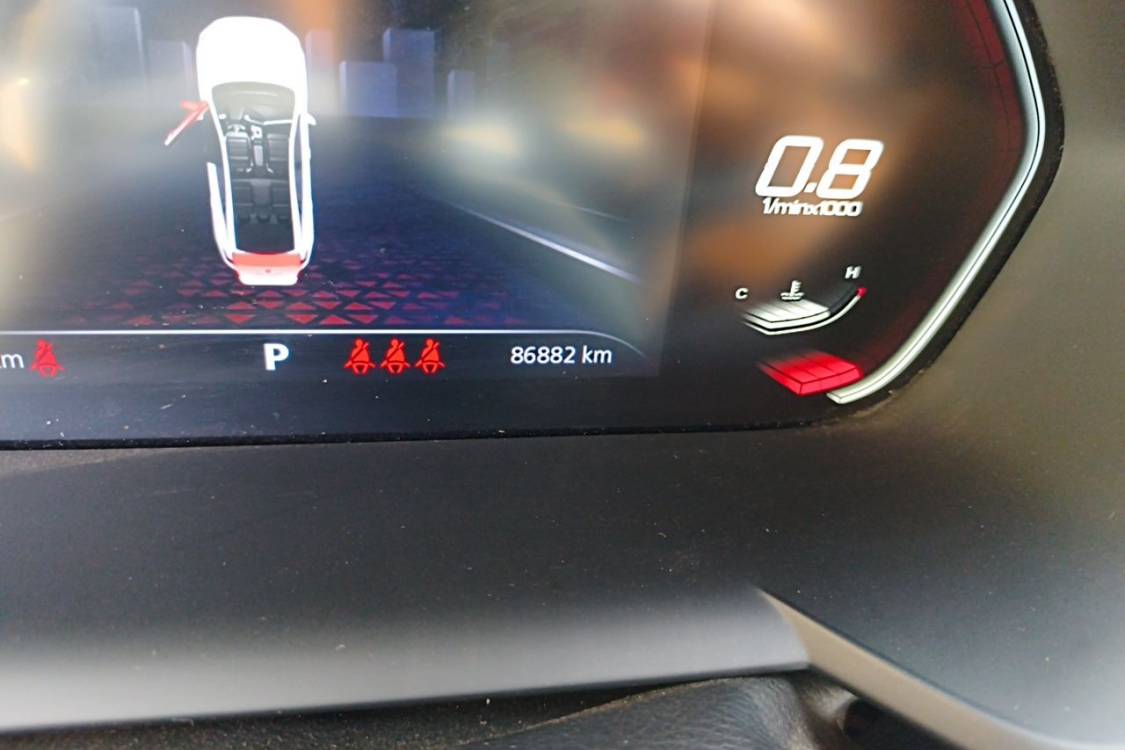
Mileage86,900km
Transfer Count-
FuelGasoline
TransmissionDCT
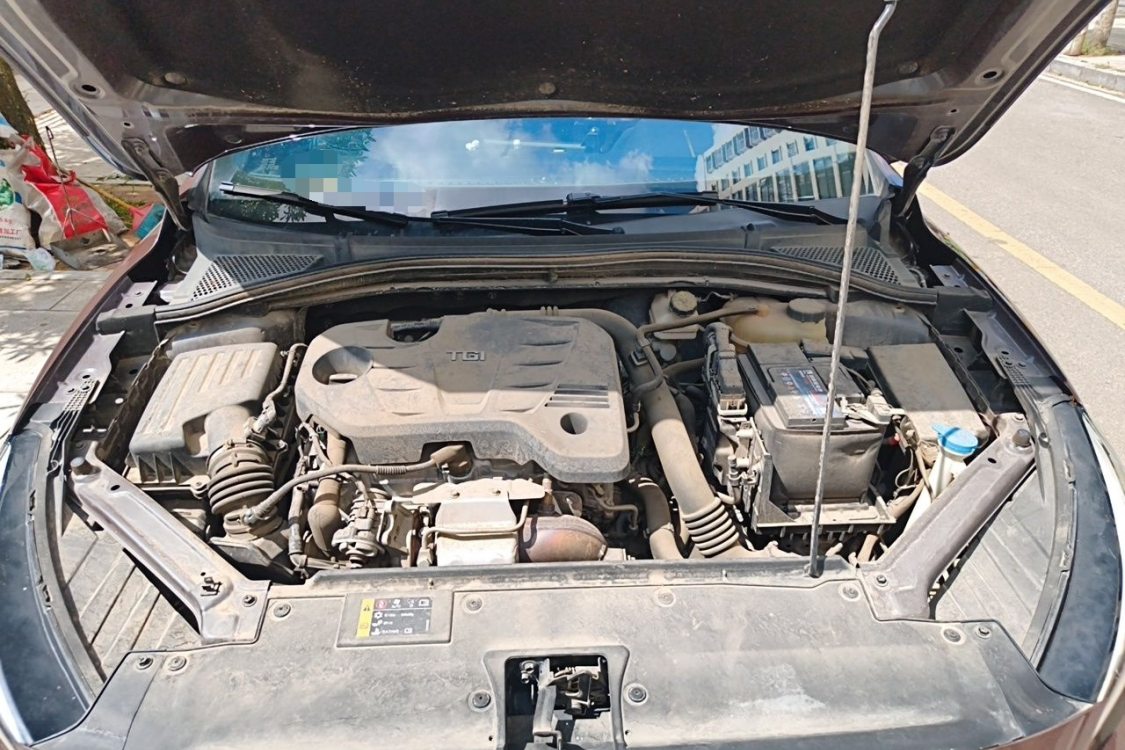
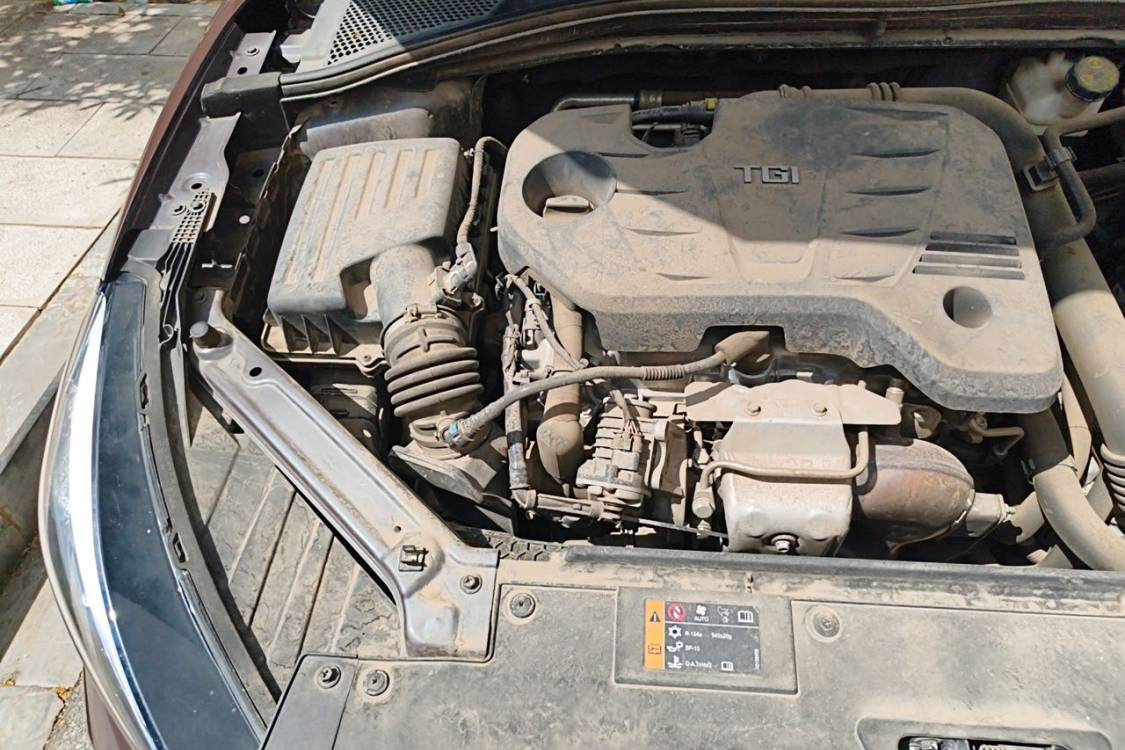
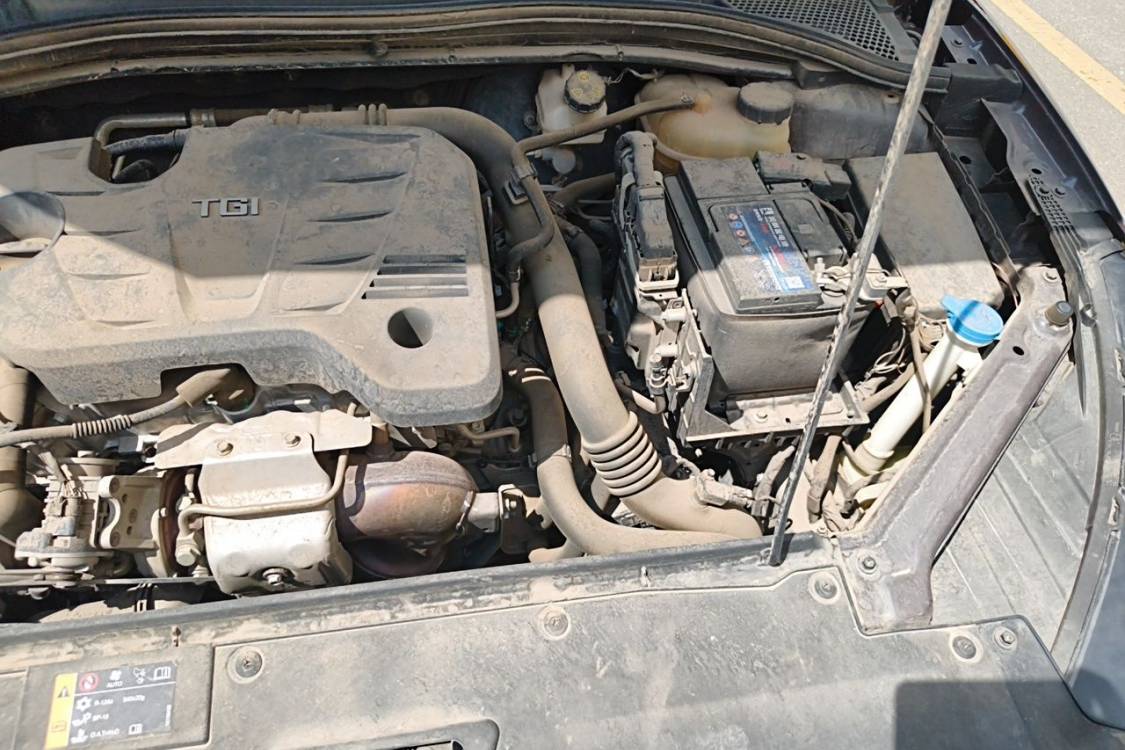
Engine1.5T 173 L4
ColorBrown
Seats-

Condition Description

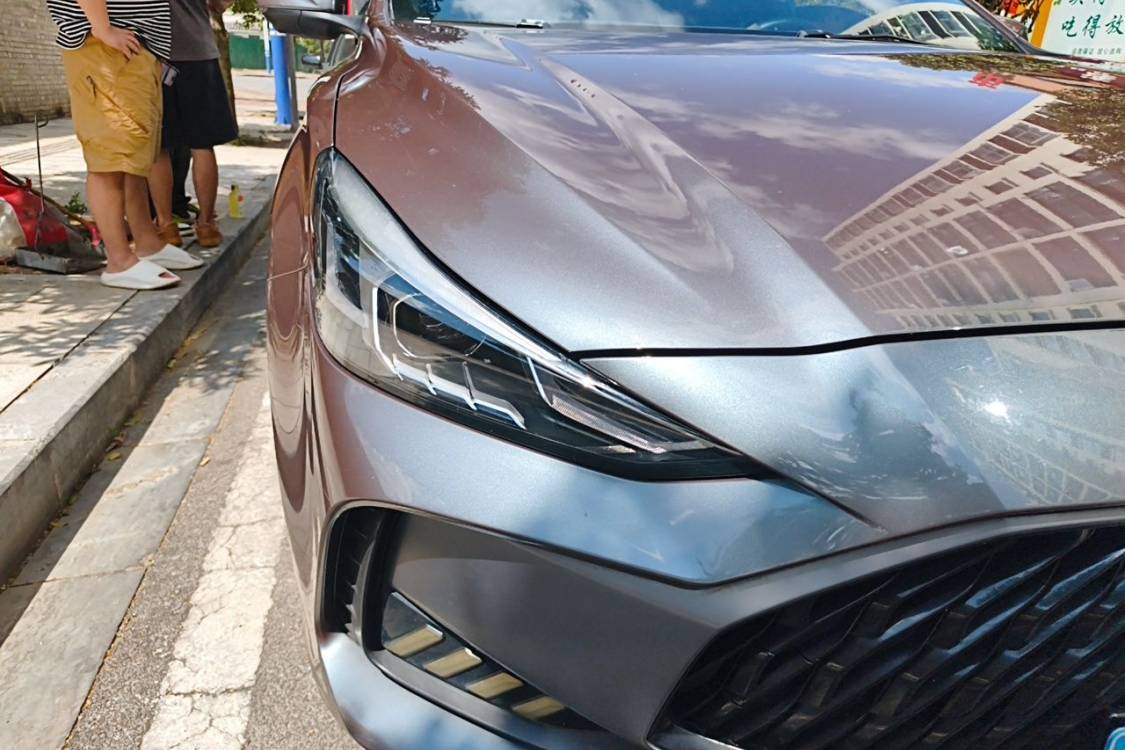
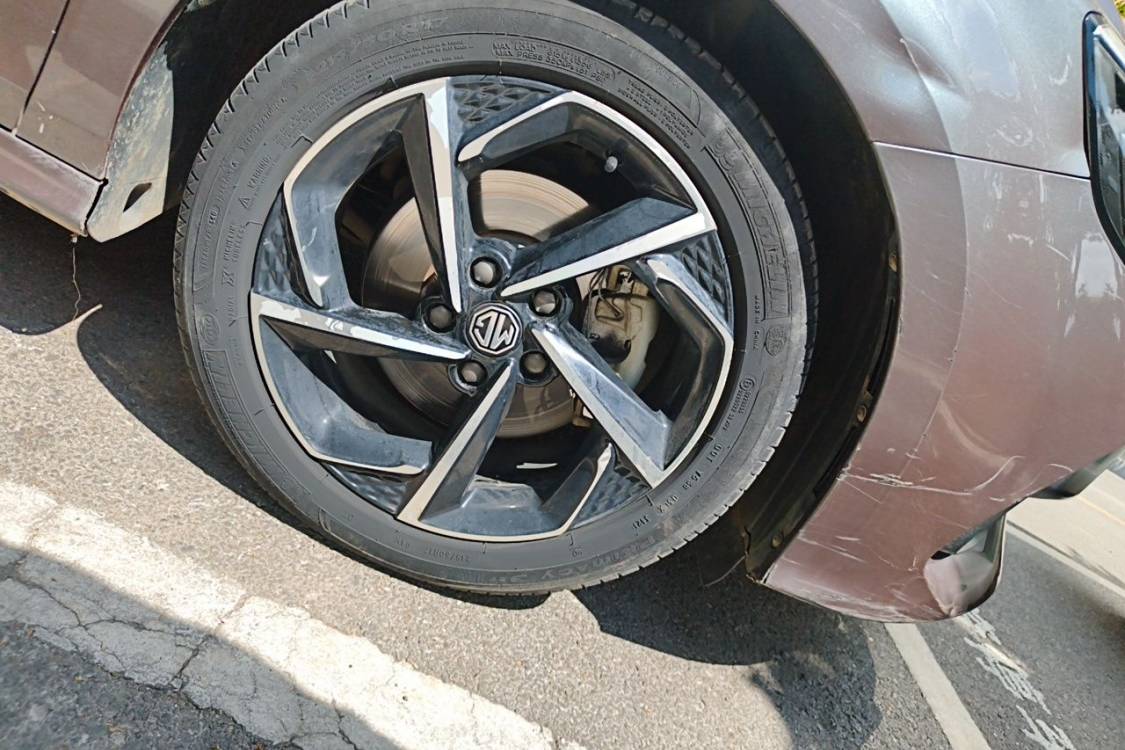
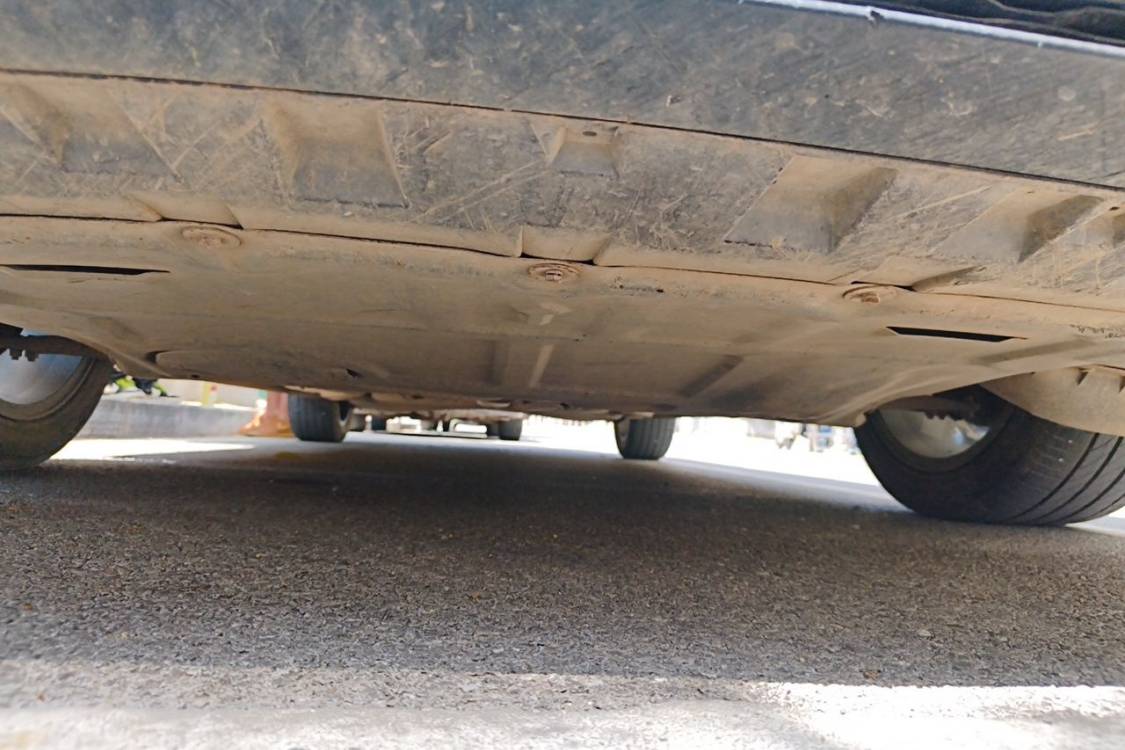
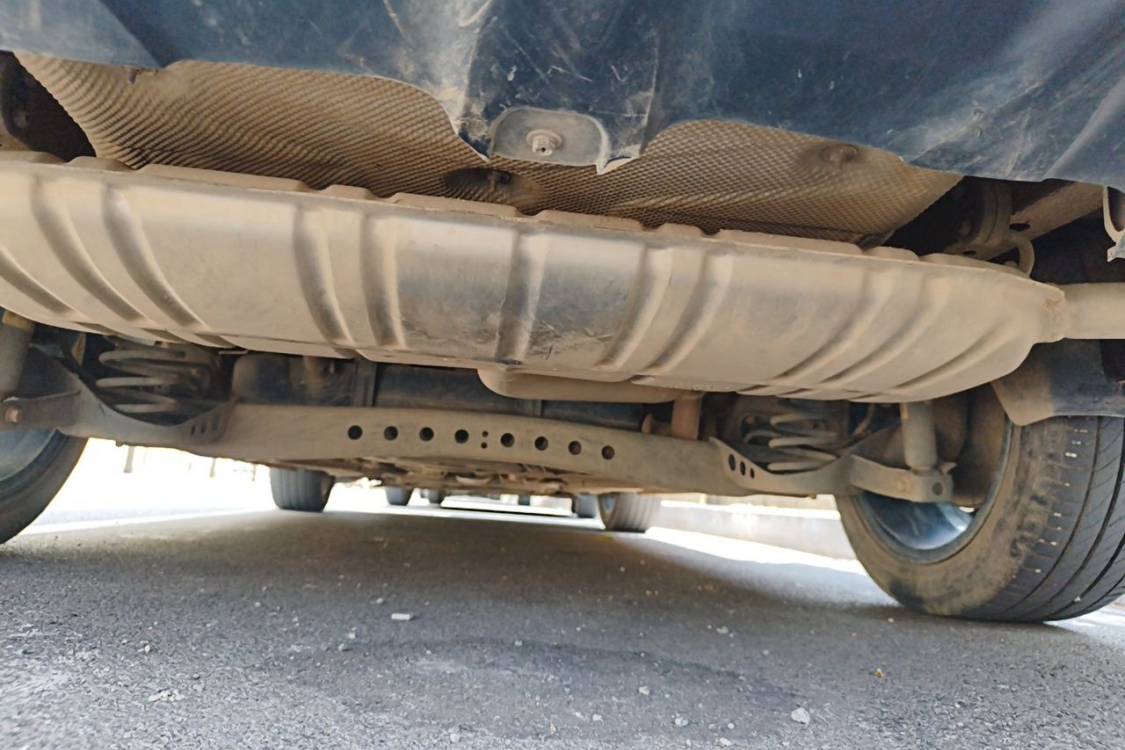
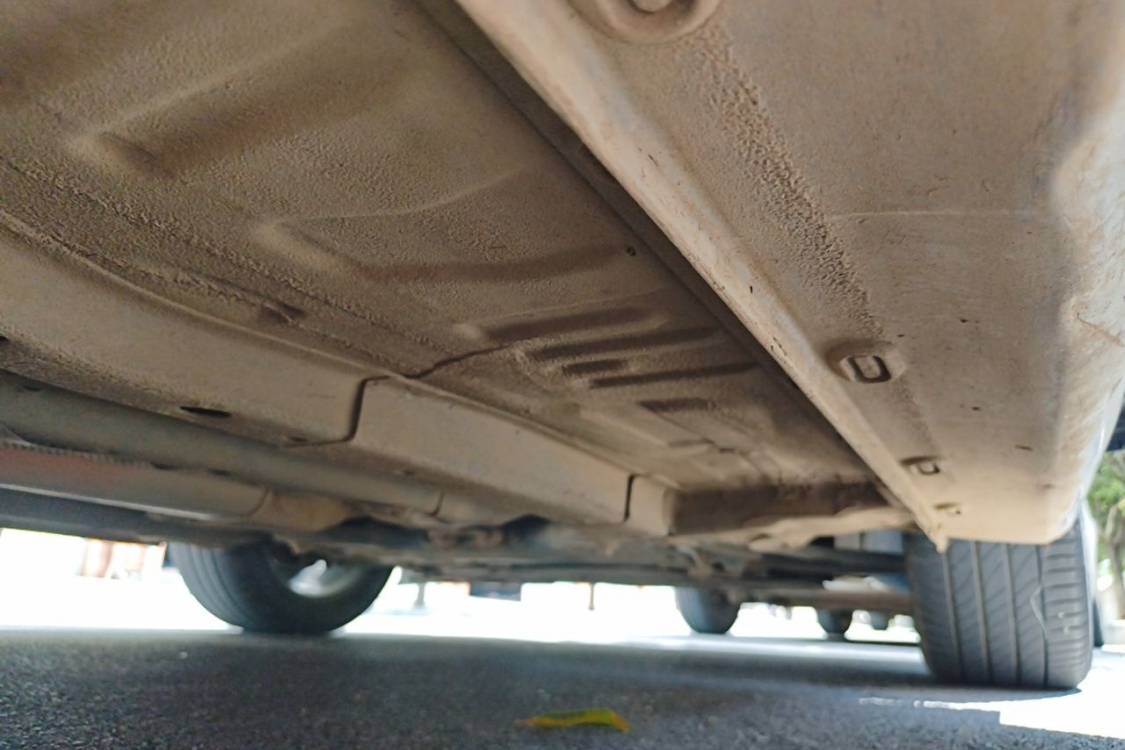
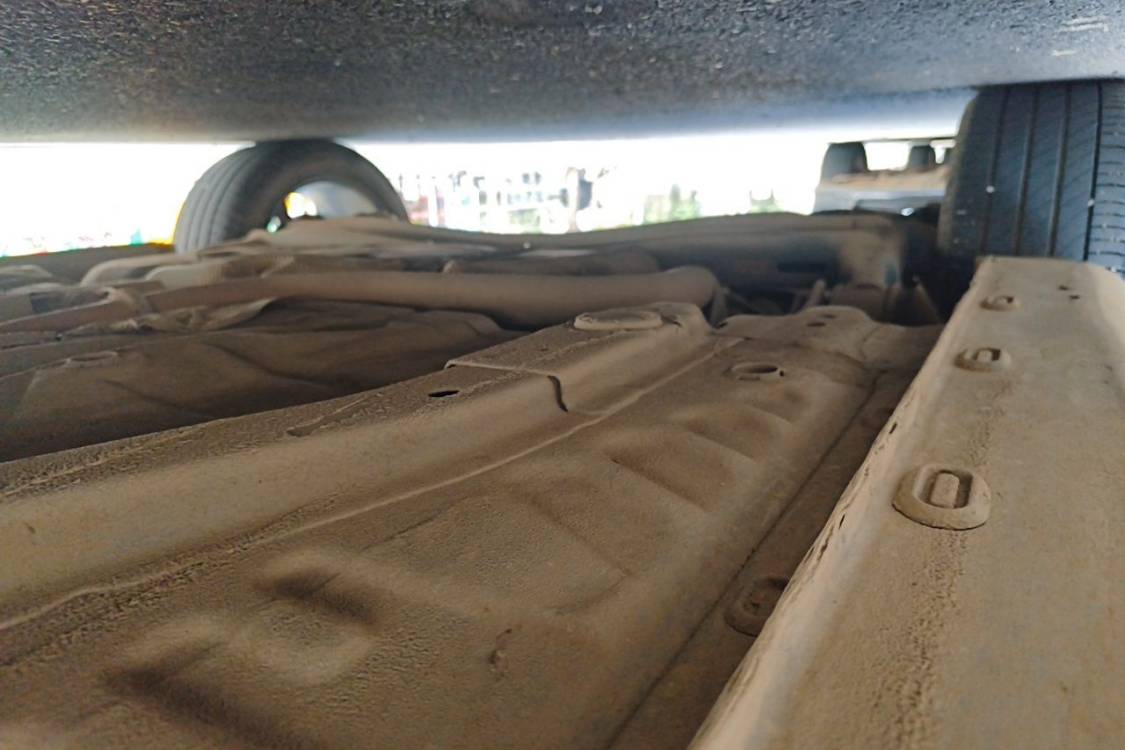
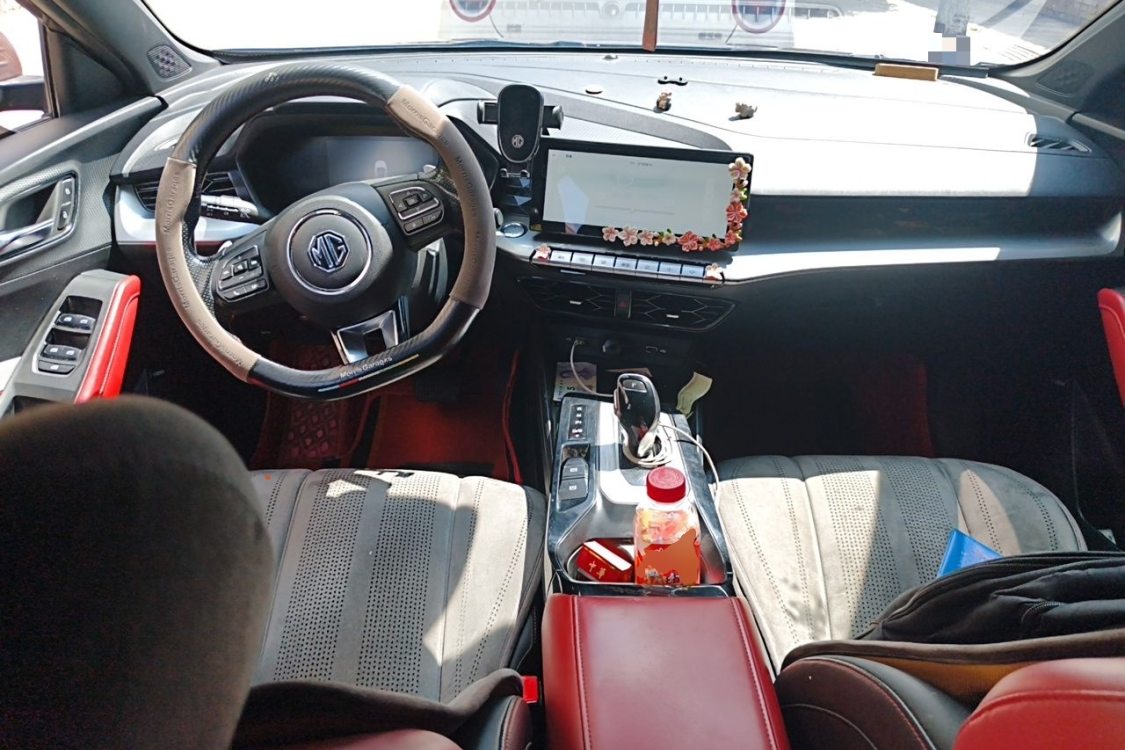
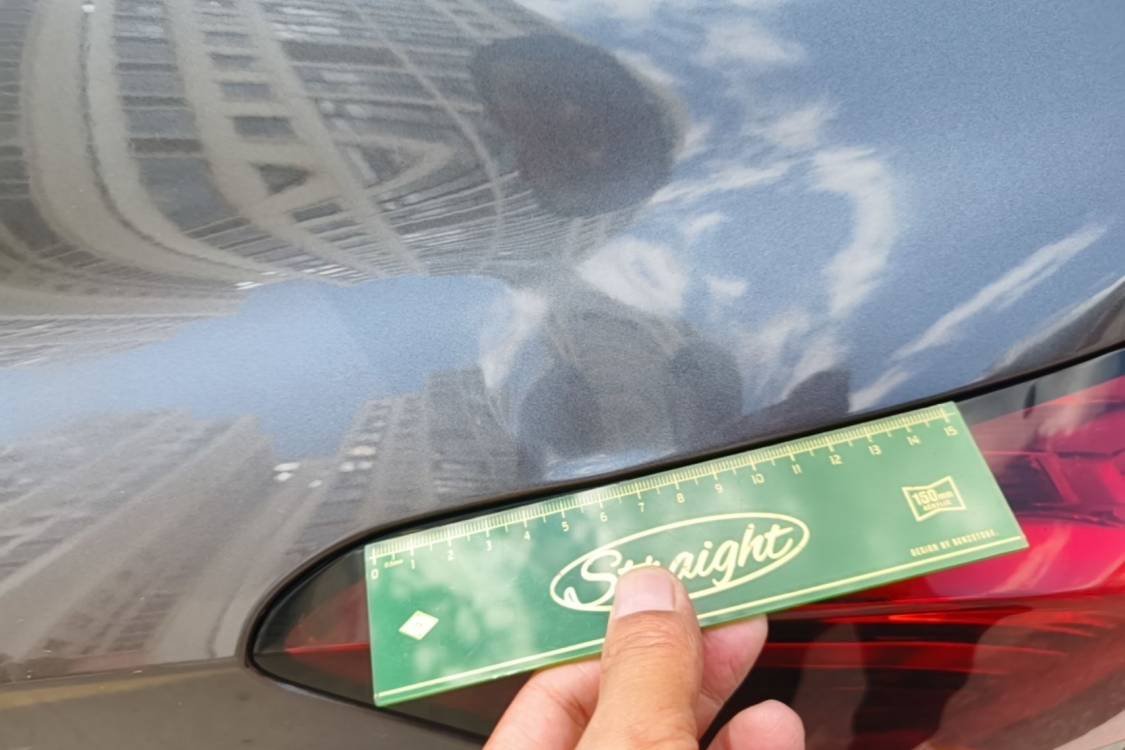
Body components (structural/reinforcing/panels) have accident-type damage; passive safety devices are defective; vehicle performance (including three-electric system) is degraded or remains performance-limited after repair.

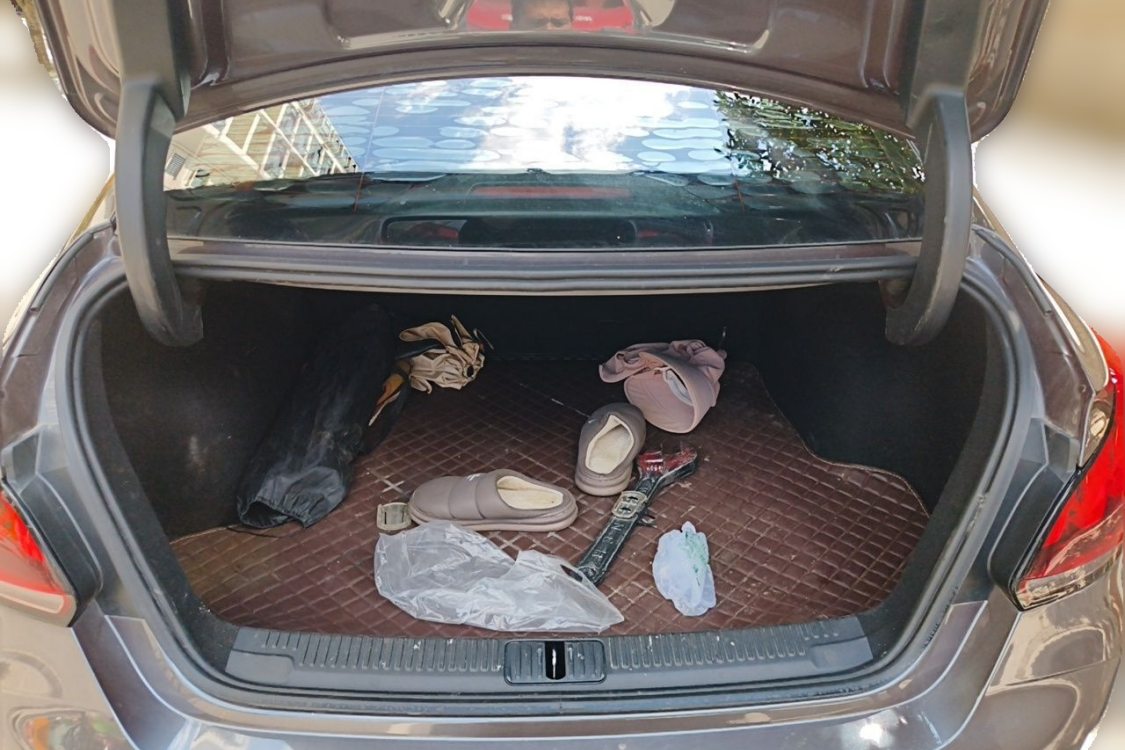
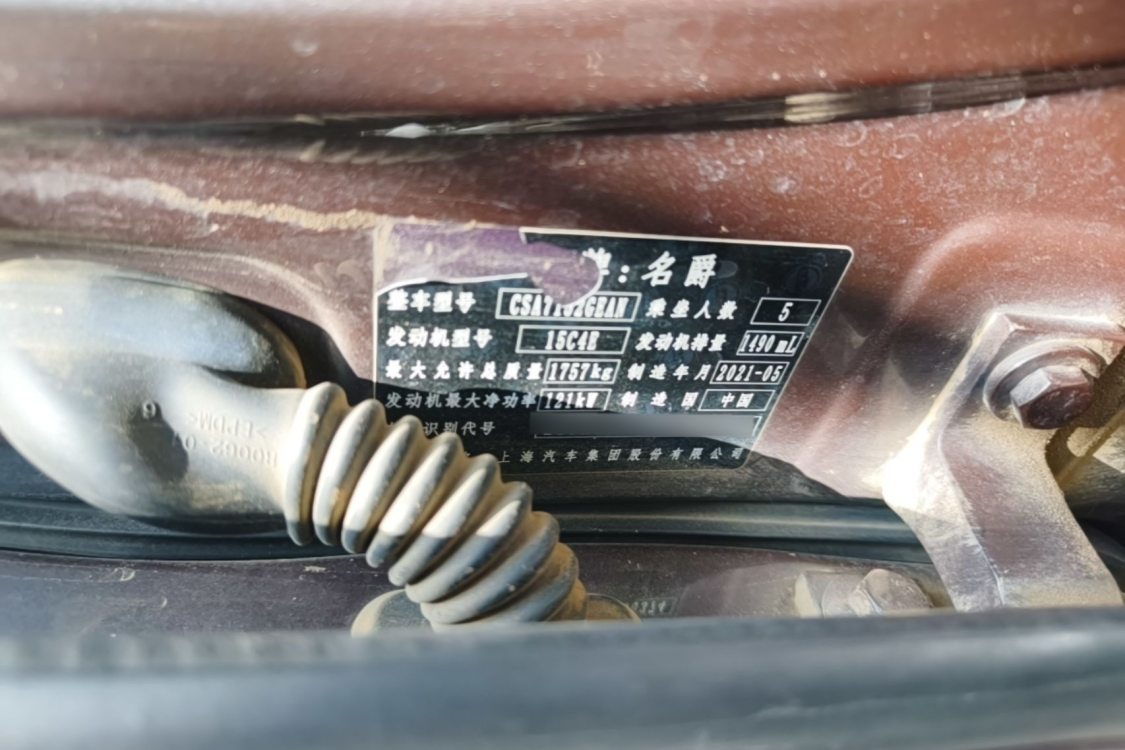
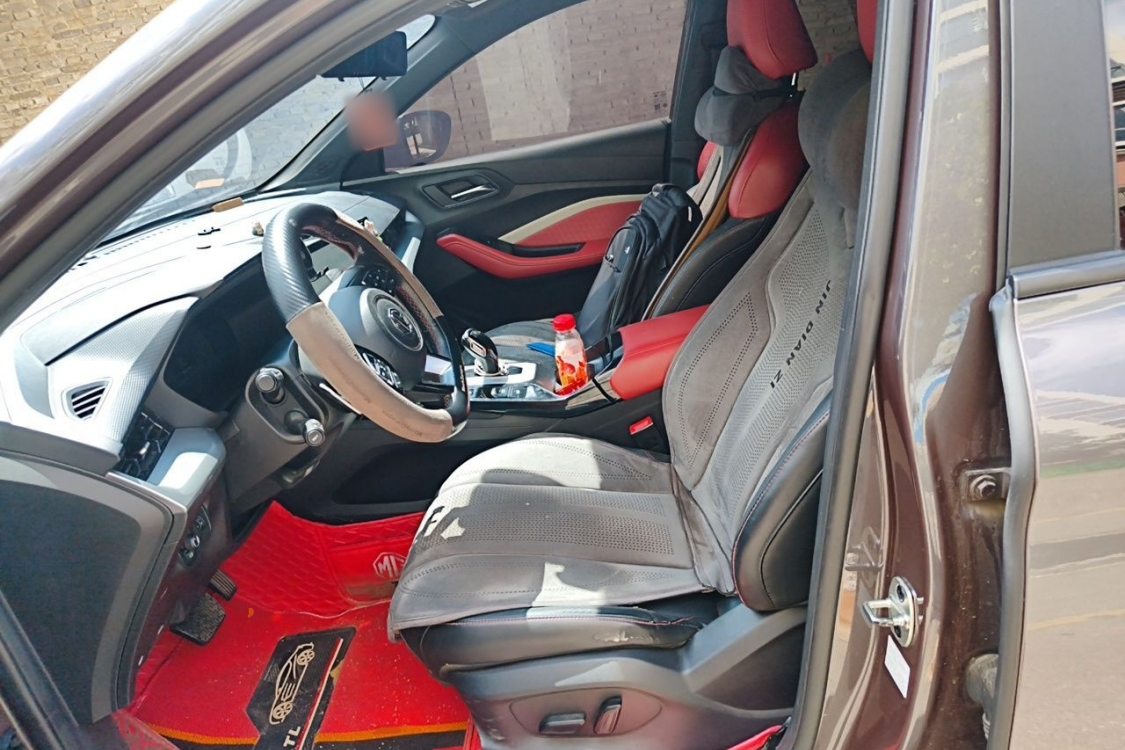
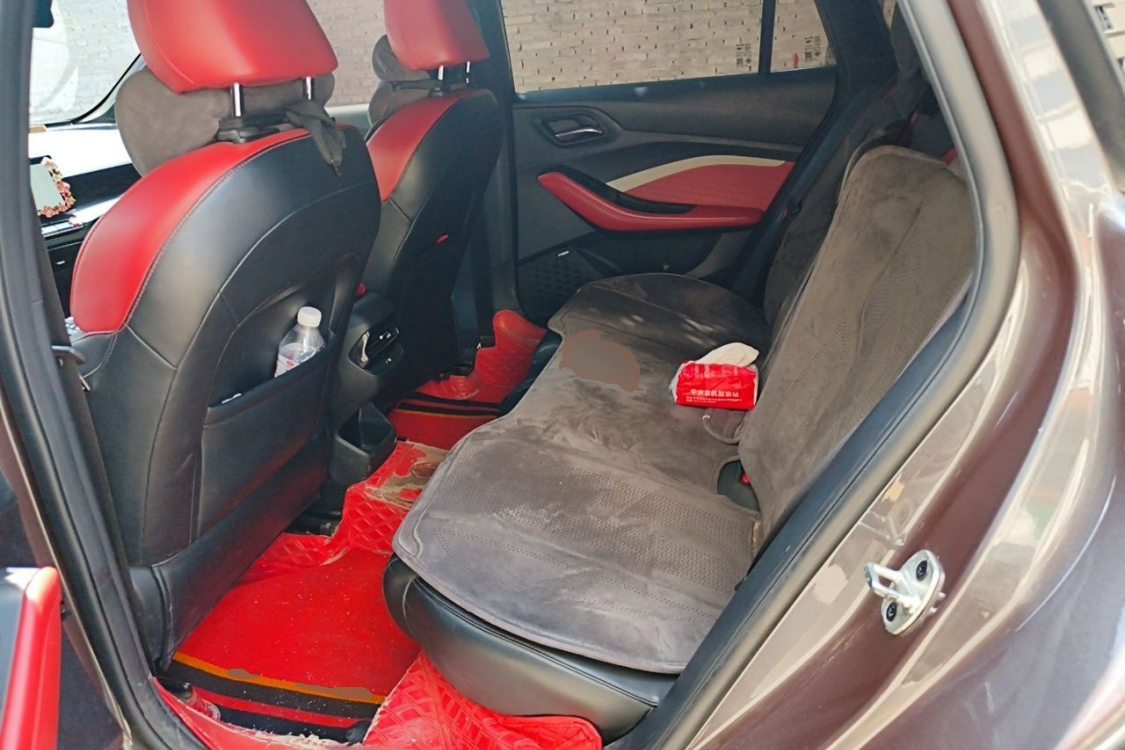
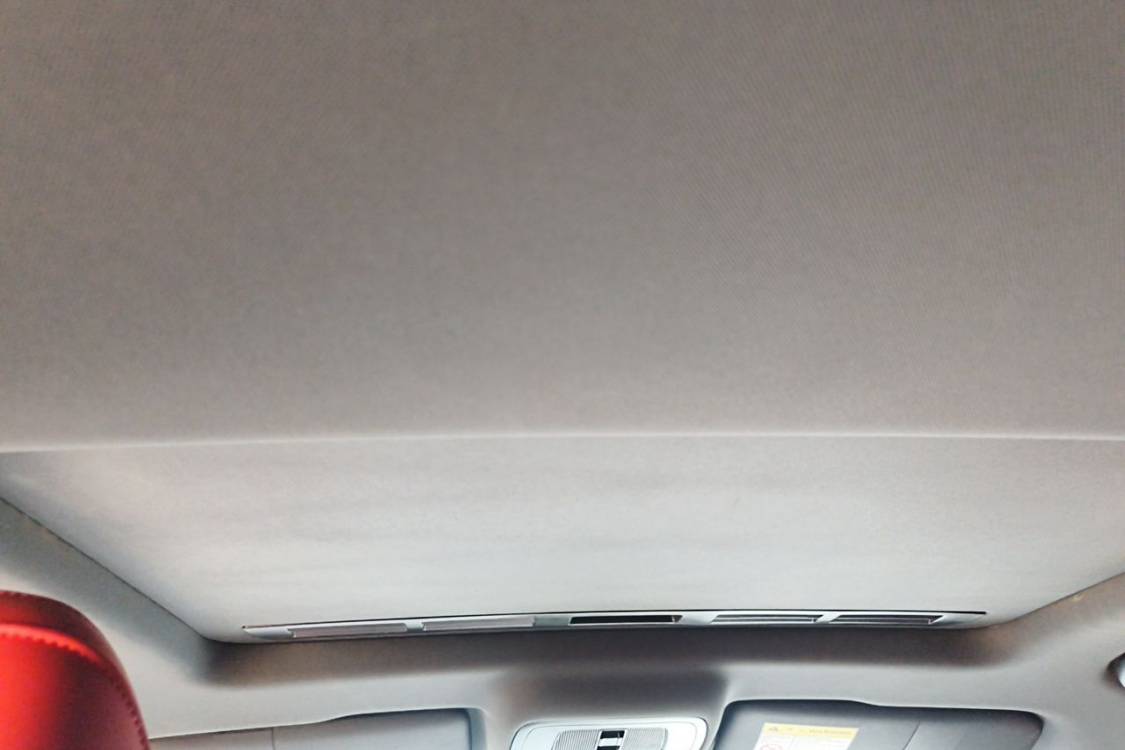
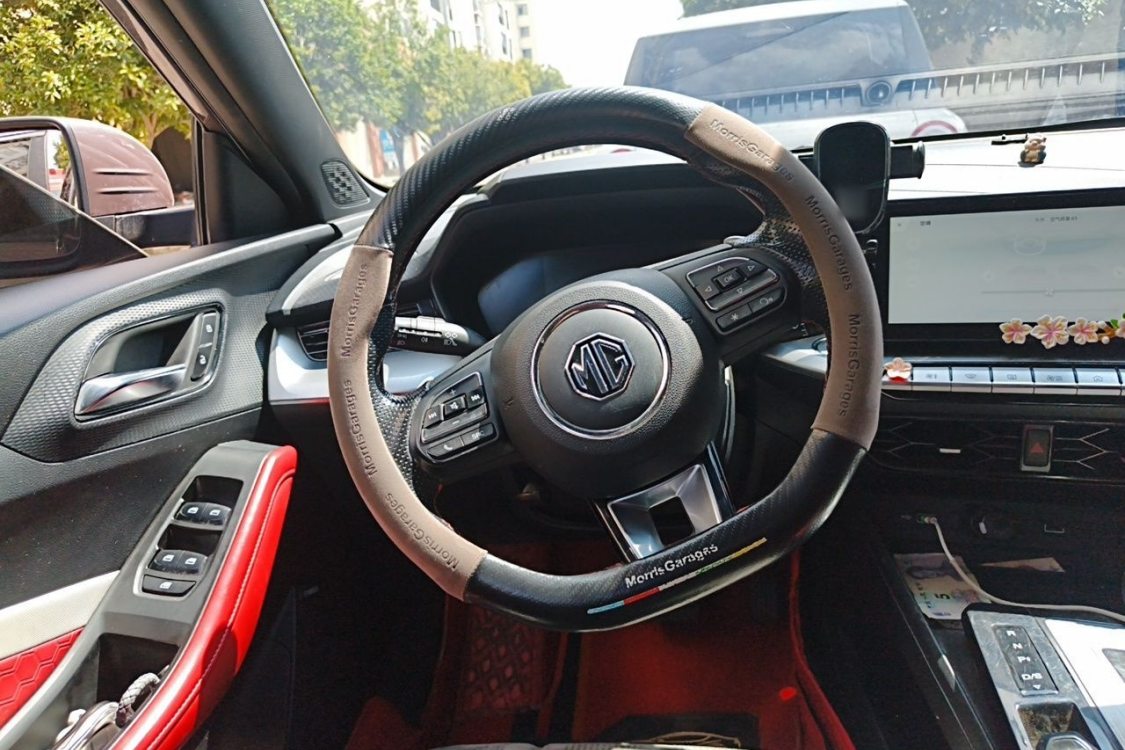
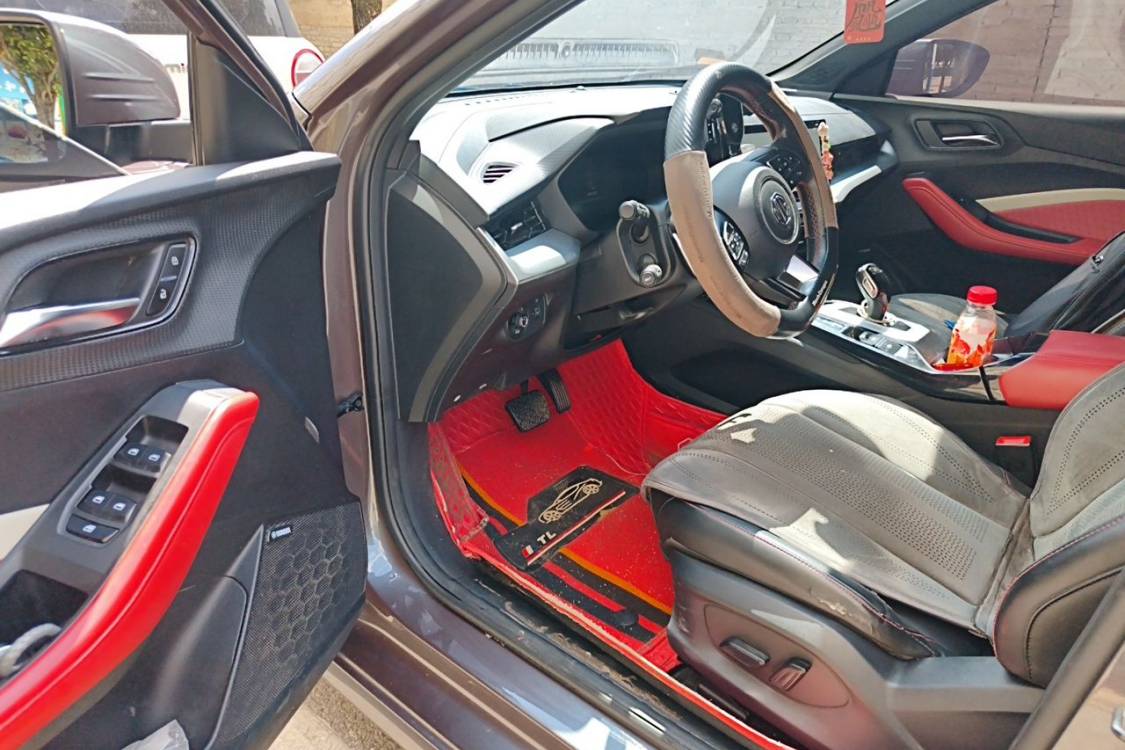
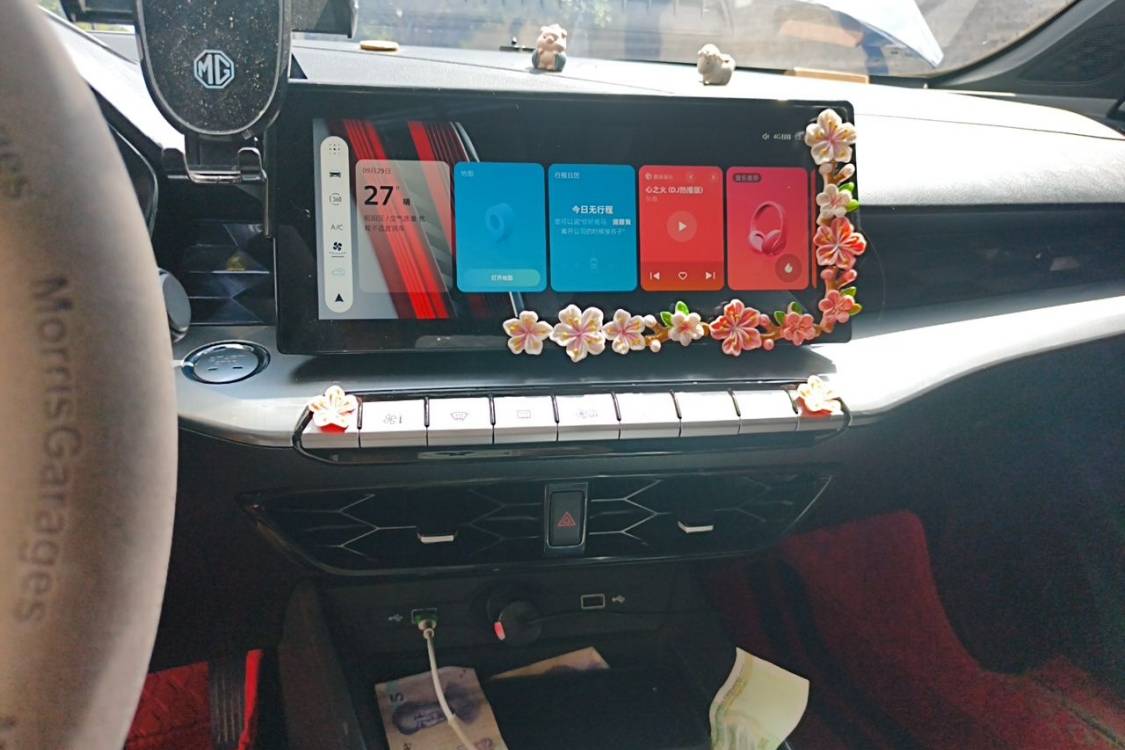
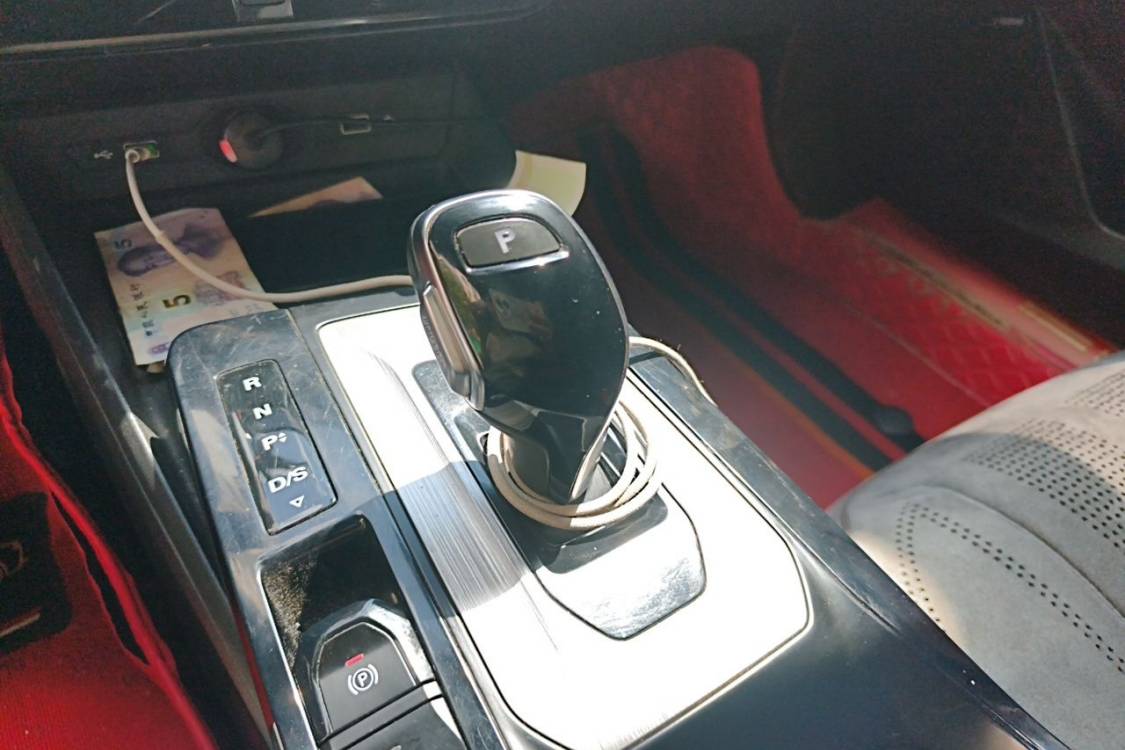
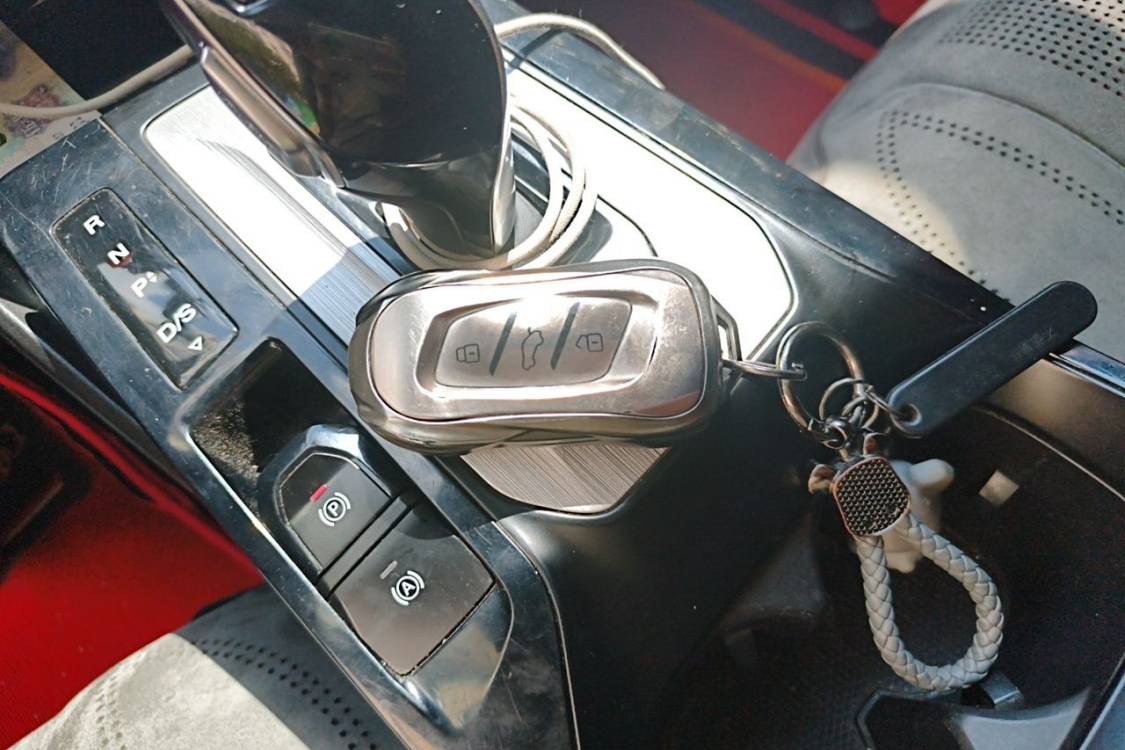
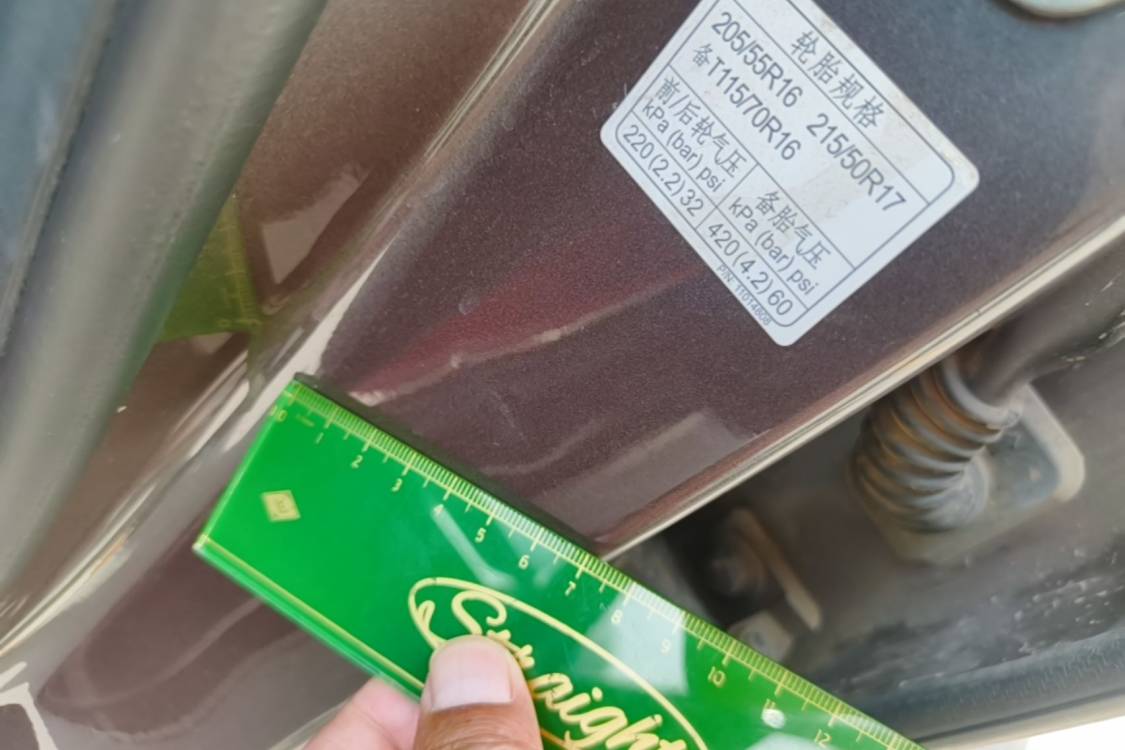
Accident inspection: main structure damaged, reinforcing parts undamaged, panels damaged, hinges normal. Engine bay: VIN code corroded. Exterior: 1 area of sheet metal repair, 1 area of repaint. Interior: right C-pillar trim scratched, center console scratched, headliner dirty, dashboard AC vent blades missing and damaged. Most features normal, airbag inspection normal, lighting system normal. Startup inspection: main components normal. Tool kit: absent.

电话直连
可讲价
平台物流
VIP车源
车主降价
零过户
新检测标准升级>
非泡水

Document Information

Inspection Expiry Date2027/09
Warranty Expiry Date-
Insurance Expiry Date2026/12

Q&A

More

If my local repair shop damages the vehicle due to lack of special tools, does that fall under your extended warranty?

Absolutely not. Any secondary damage caused by overseas non-professional repairs, violent disassembly, or the use of inferior replacement fluids will immediately void any form of "extended parts compensation" we provide.

How many times has this car been in an accident? How can I check the claims record?

Use credit check apps (like Check Doctor or Ant Queen) to pull the complete accident record.

What should a purchase contract with a Chinese used-car exporter include to protect me?

A solid contract is your main protection in a cross-border deal. It should specify: 1. Vehicle identification: VIN, year, mileage, trim level, and photos of the actual car appended as an annex — not just「a 2021 Toyota」. 2. Condition guarantees: no accident, no flood or fire damage, no structural repairs, supported by a third-party inspection report referenced in the contract. 3. Price and Incoterm: total amount, currency, the named port, and whether freight and insurance are included. 4. Payment schedule: e.g., 20–30% deposit after contract signing, balance against copy of the Bill of Lading. Avoid 100% upfront. Use T/T to the company's corporate bank account only — never a personal account. 5. Timeline: inspection date, estimated loading date, and latest shipment date, with remedies if delayed. 6. Dispute clause: governing law and arbitration (CIETAC or your local chamber) rather than foreign court litigation. Ask for the contract in English (or bilingual) with the supplier's company chop. A company that refuses a written contract or pushes for full prepayment is a red flag.