


24H

Basic Information

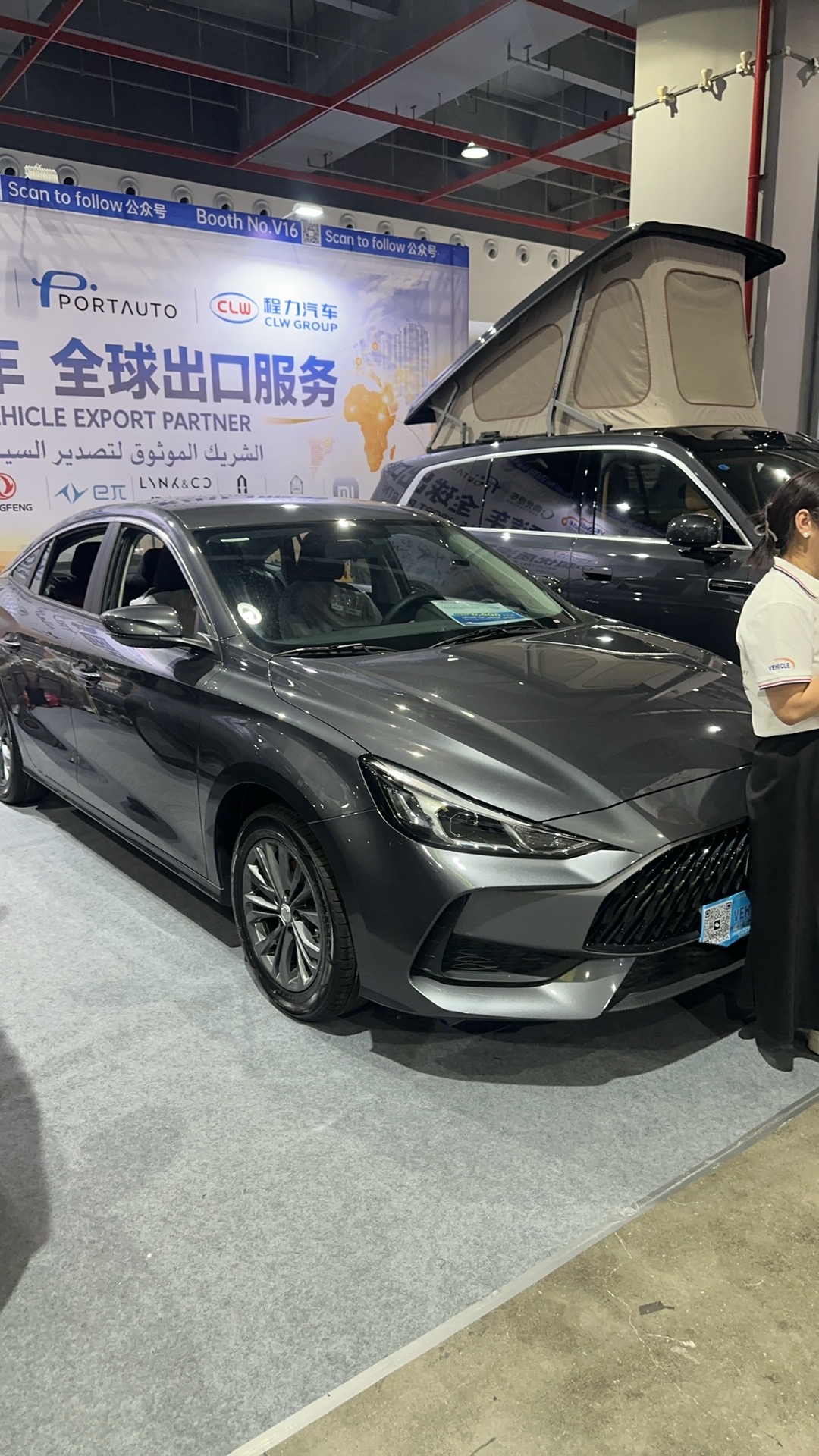
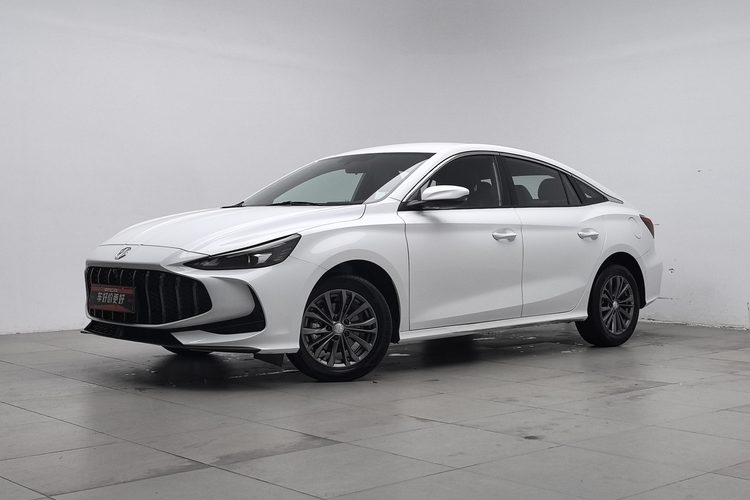
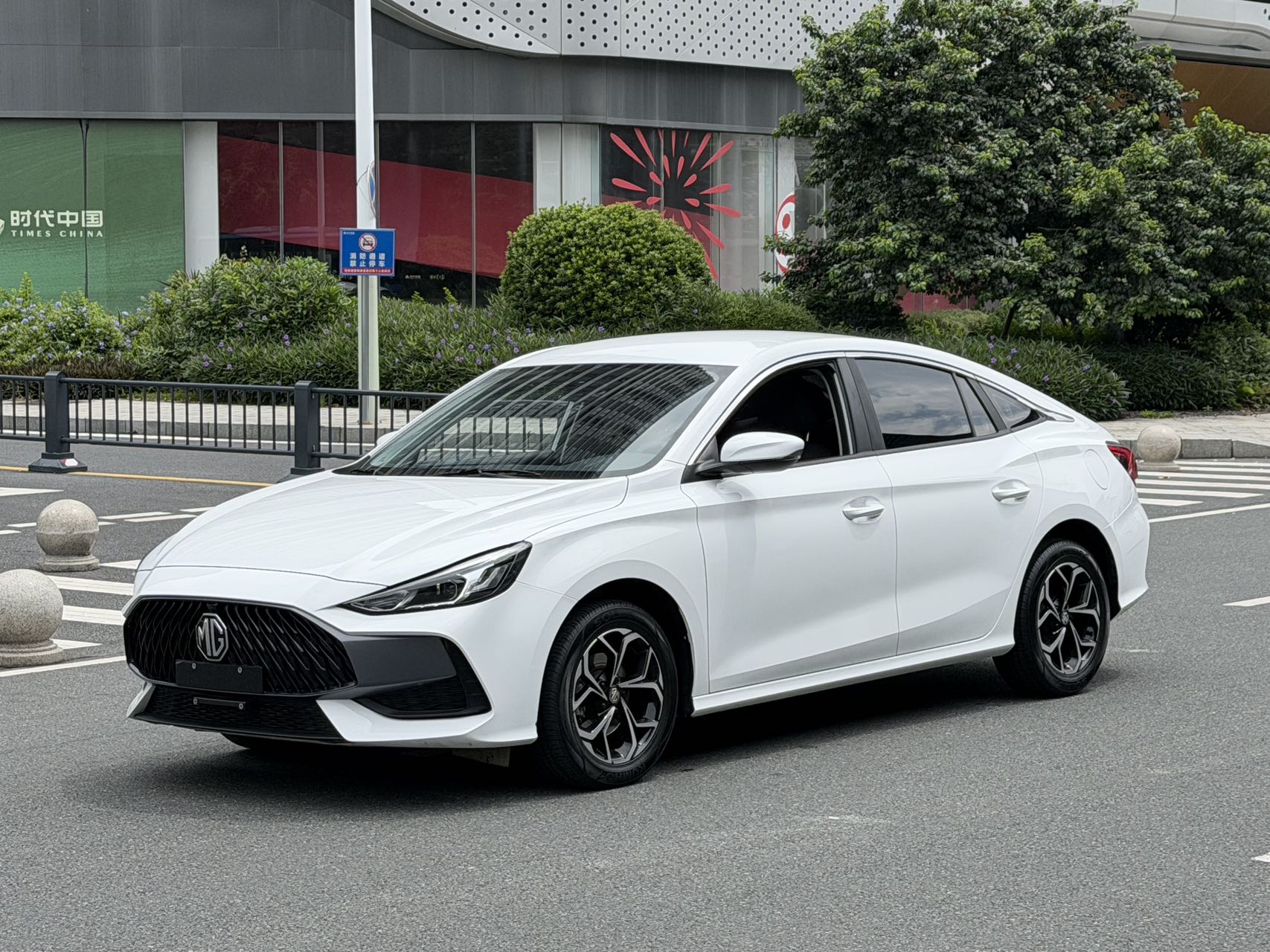
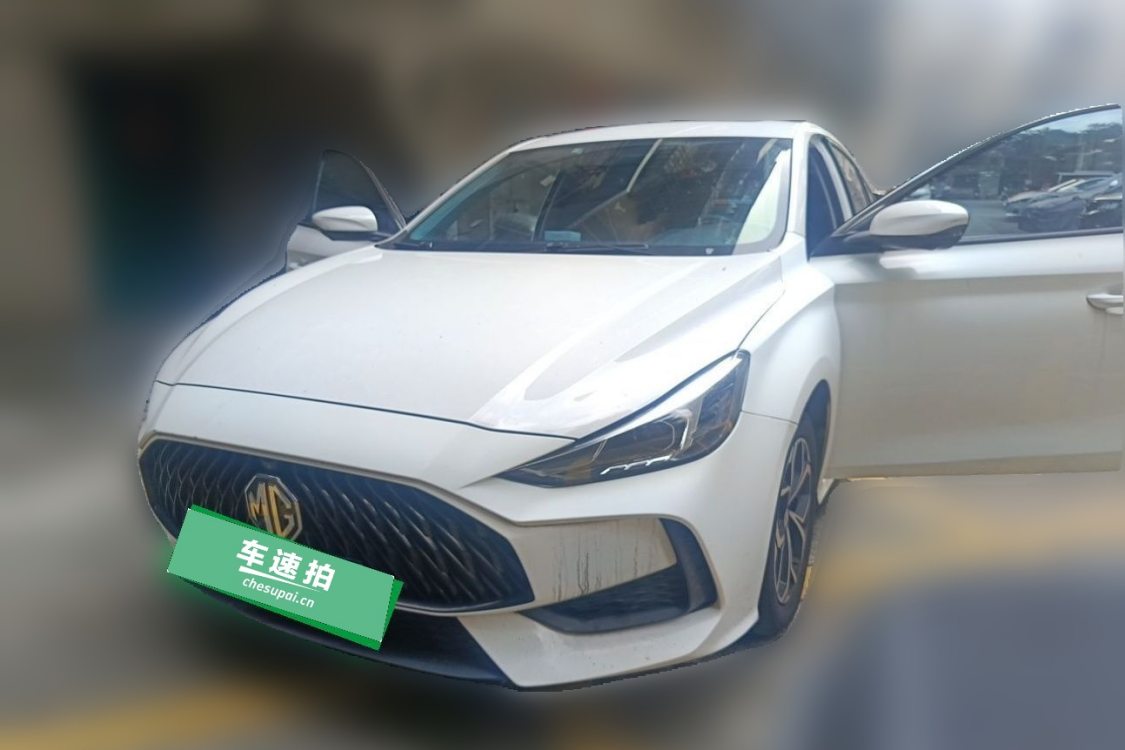
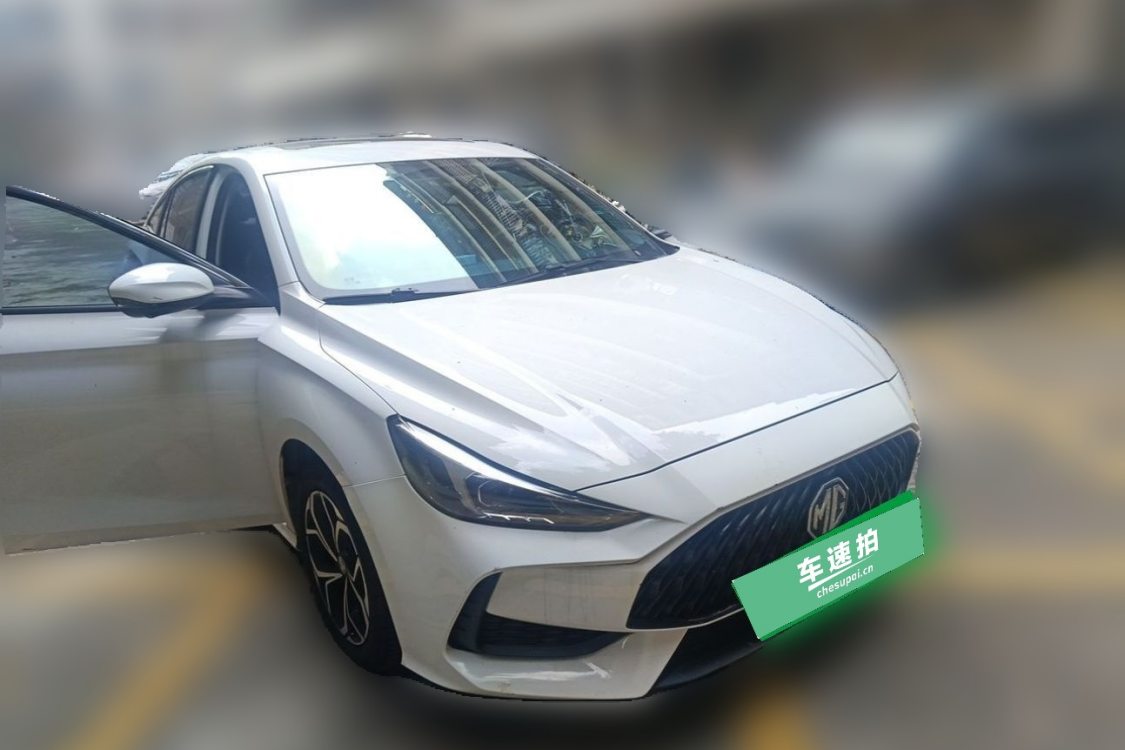
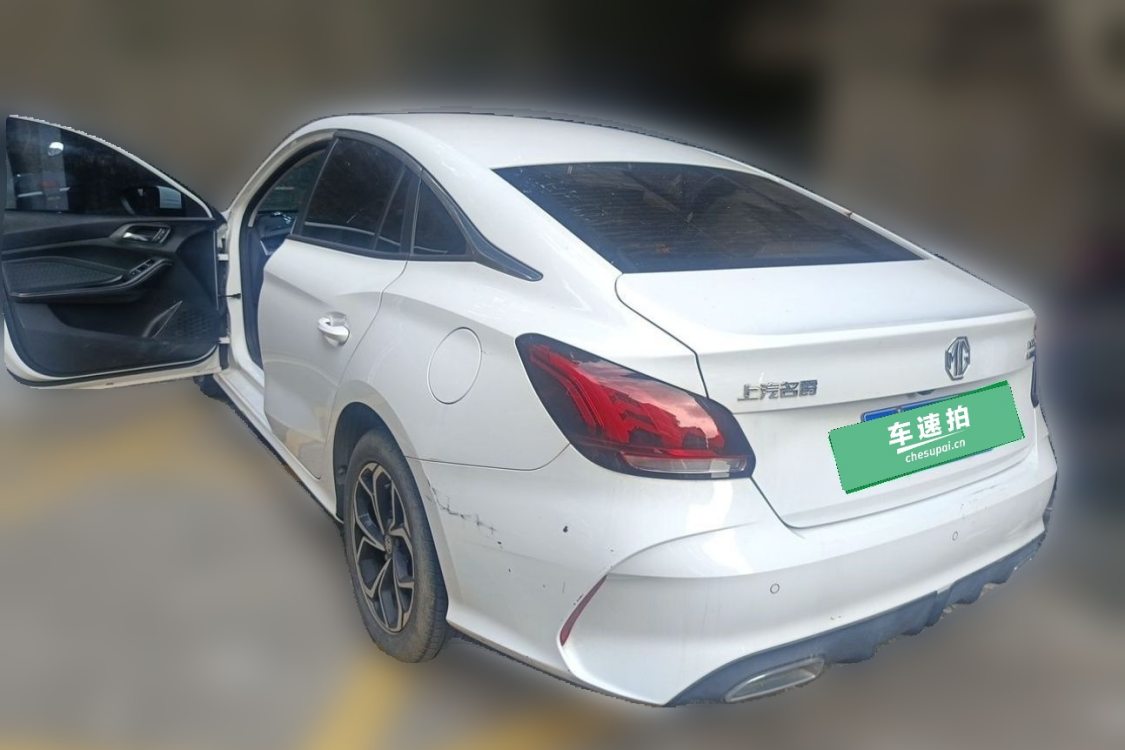
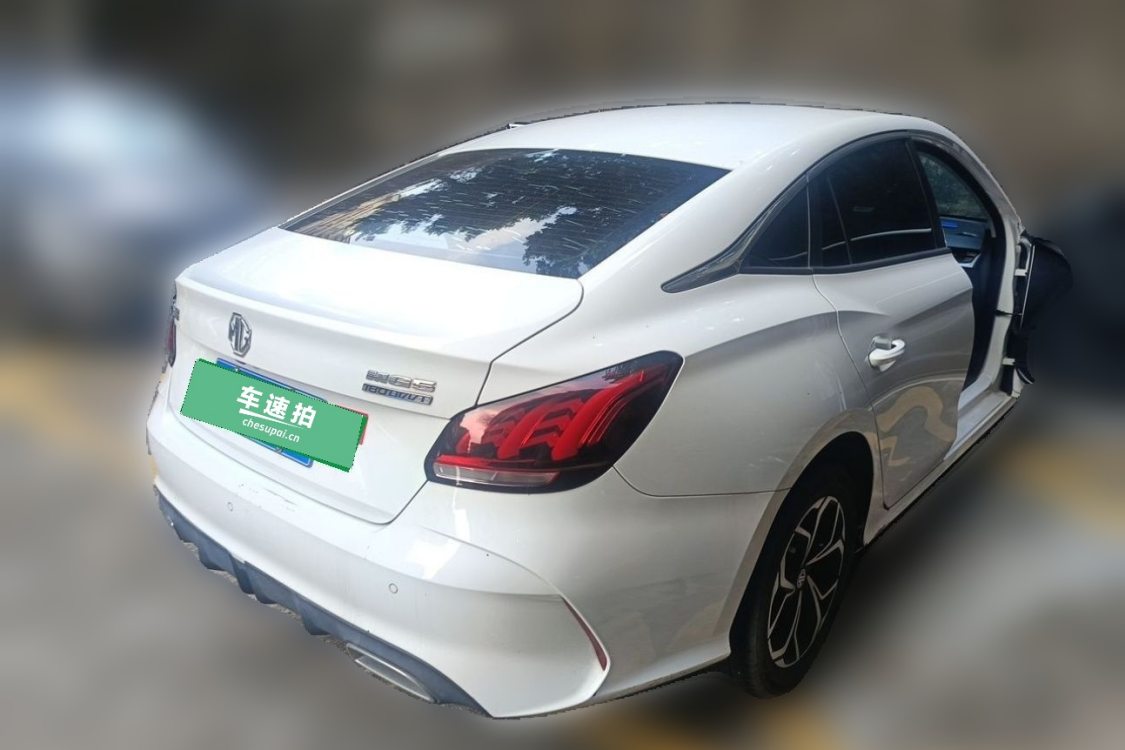
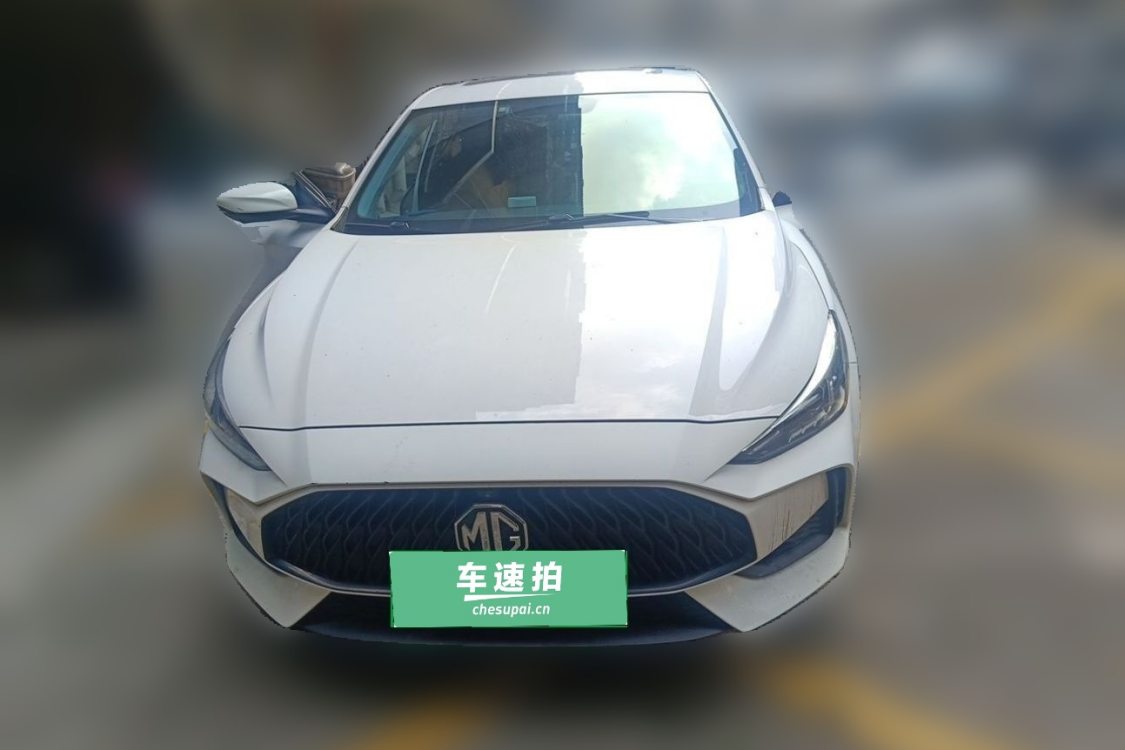
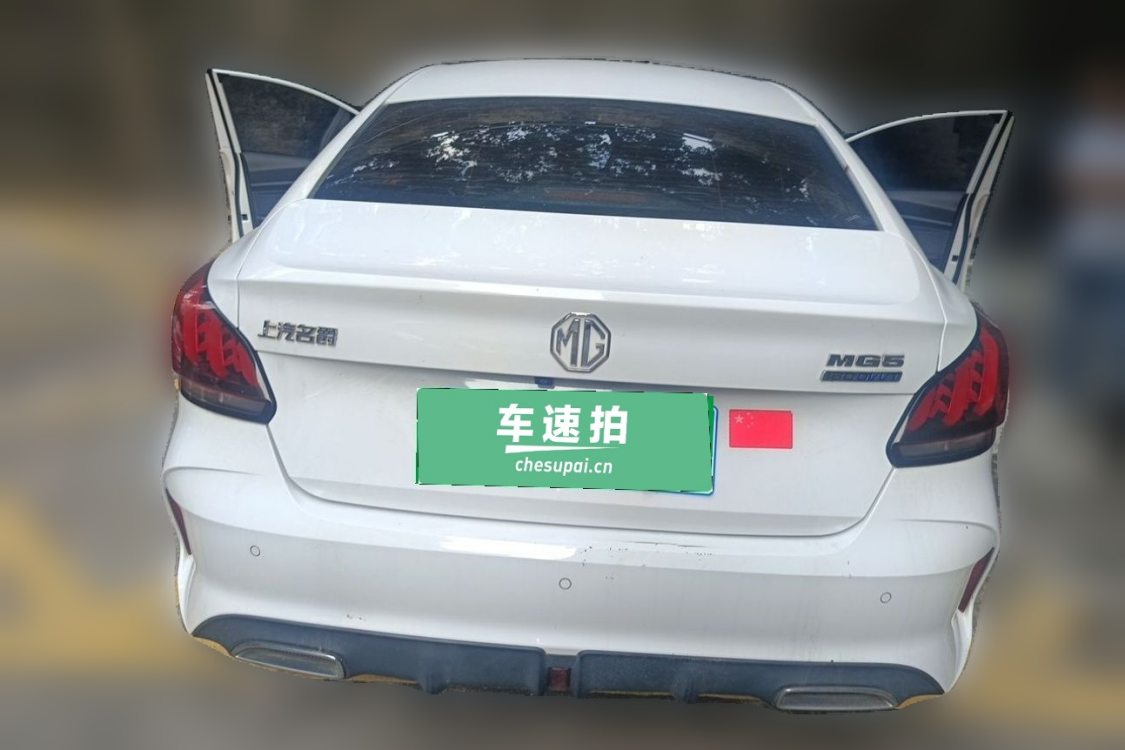
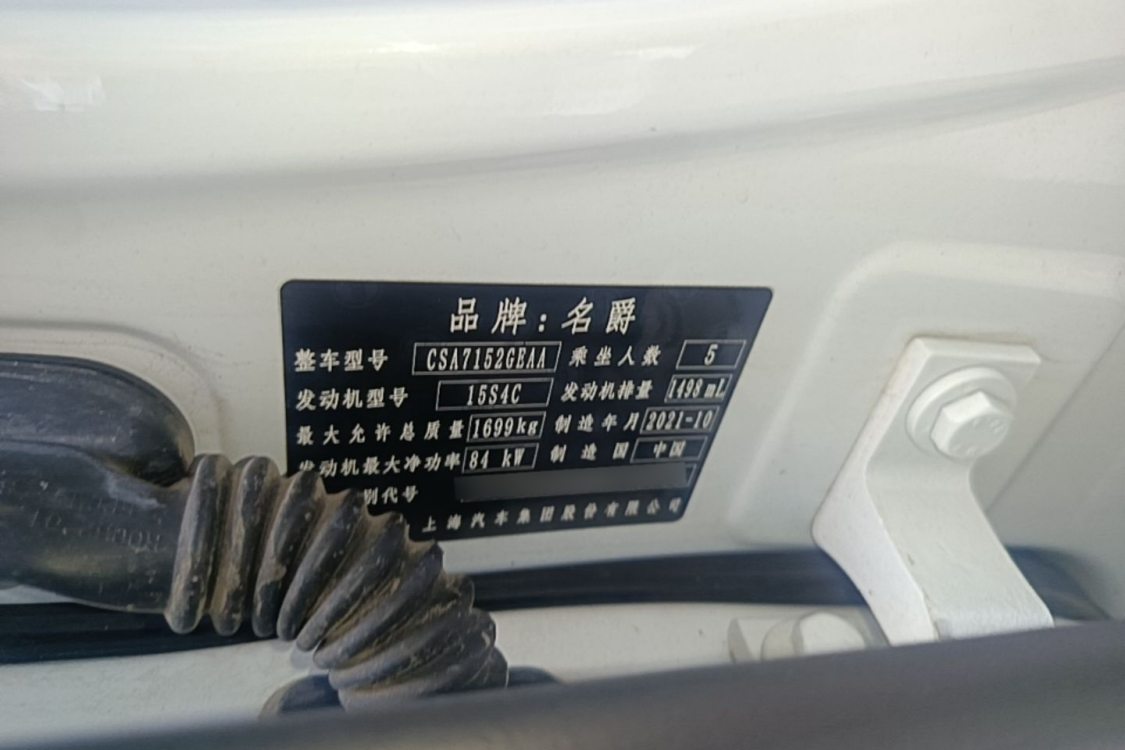
BrandMG
Series5
Year2022
First Registration2022/02
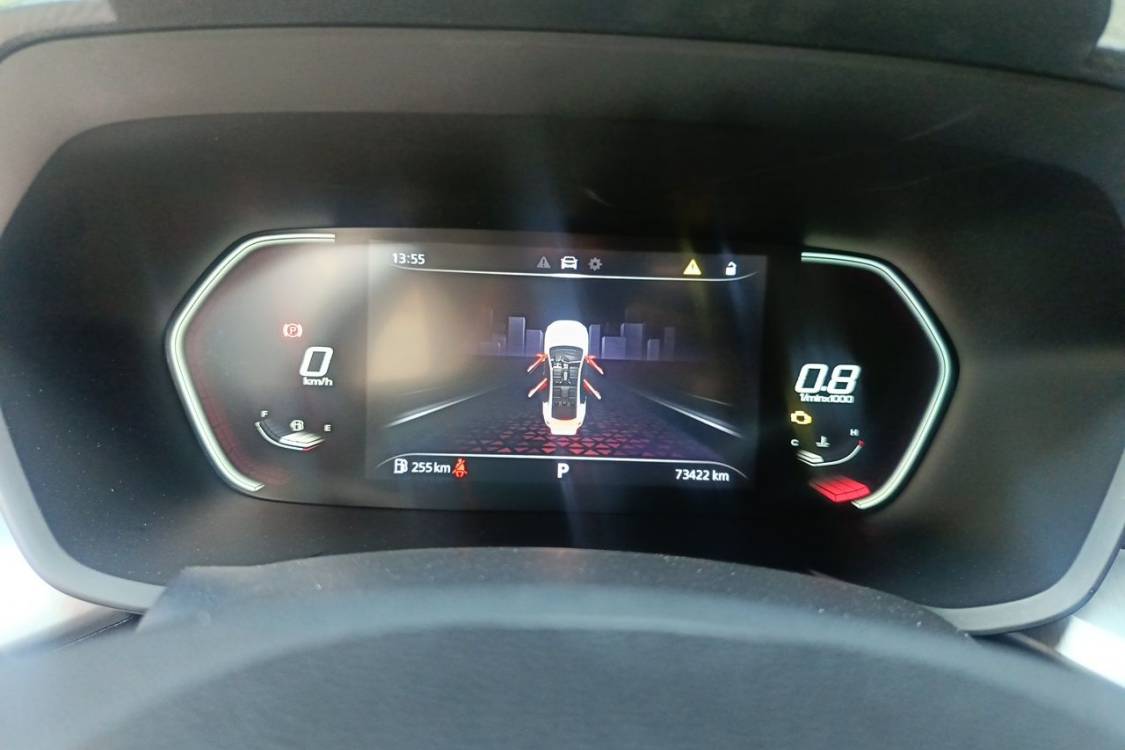
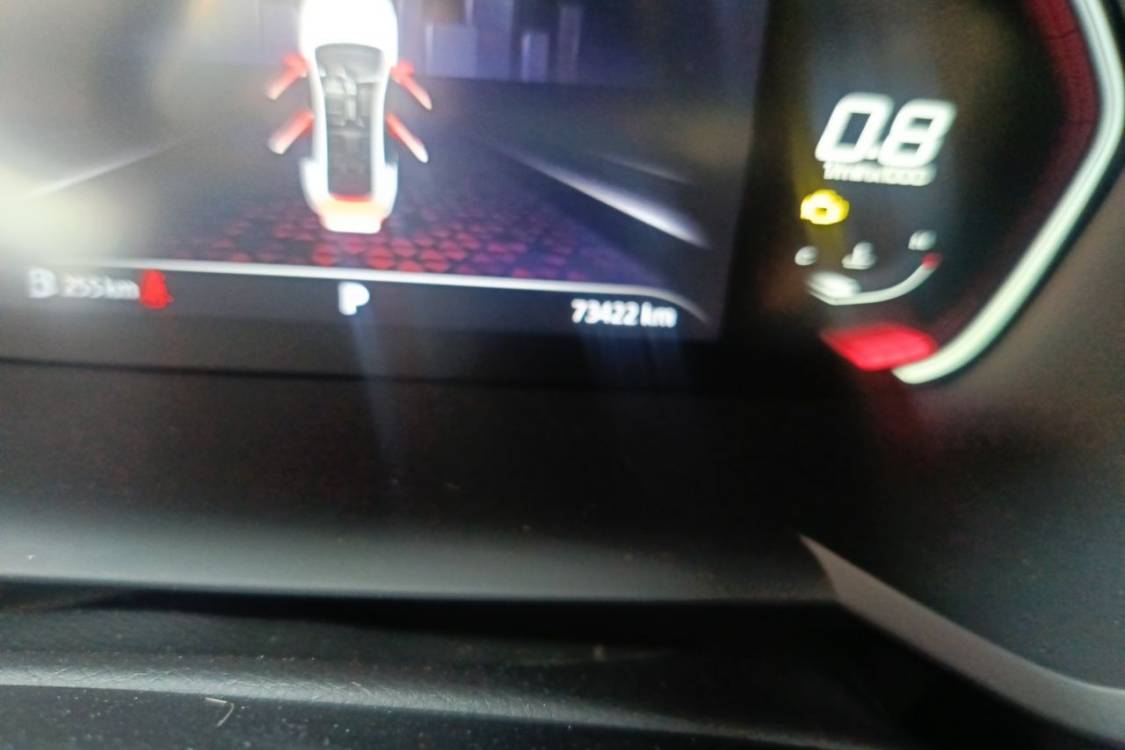
Mileage73,400km
Transfer Count-
FuelGasoline
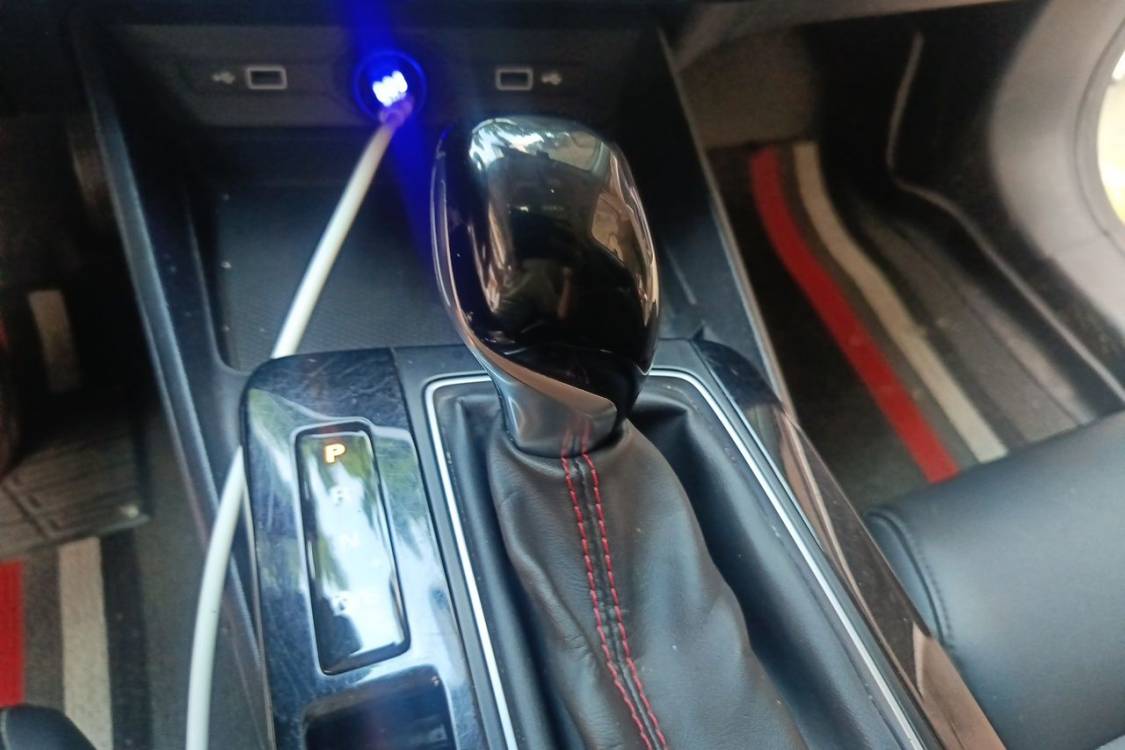
TransmissionCVT
Engine1.5L 120 L4
ColorWhite
Seats-

Condition Description

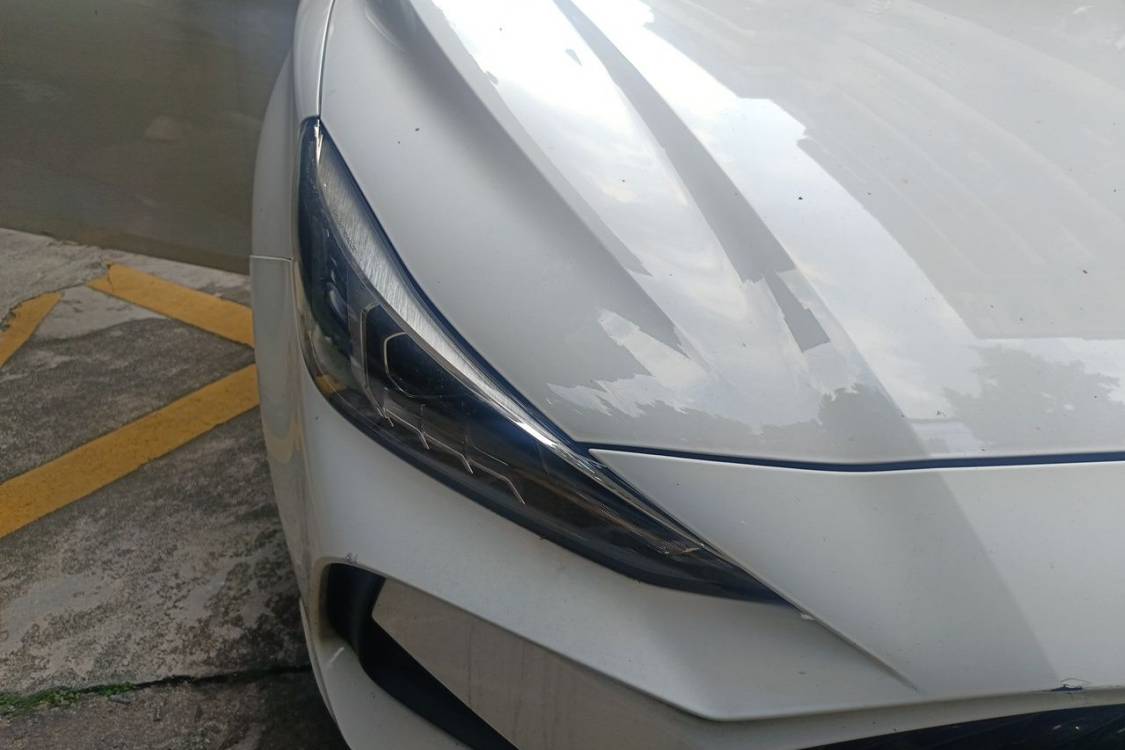
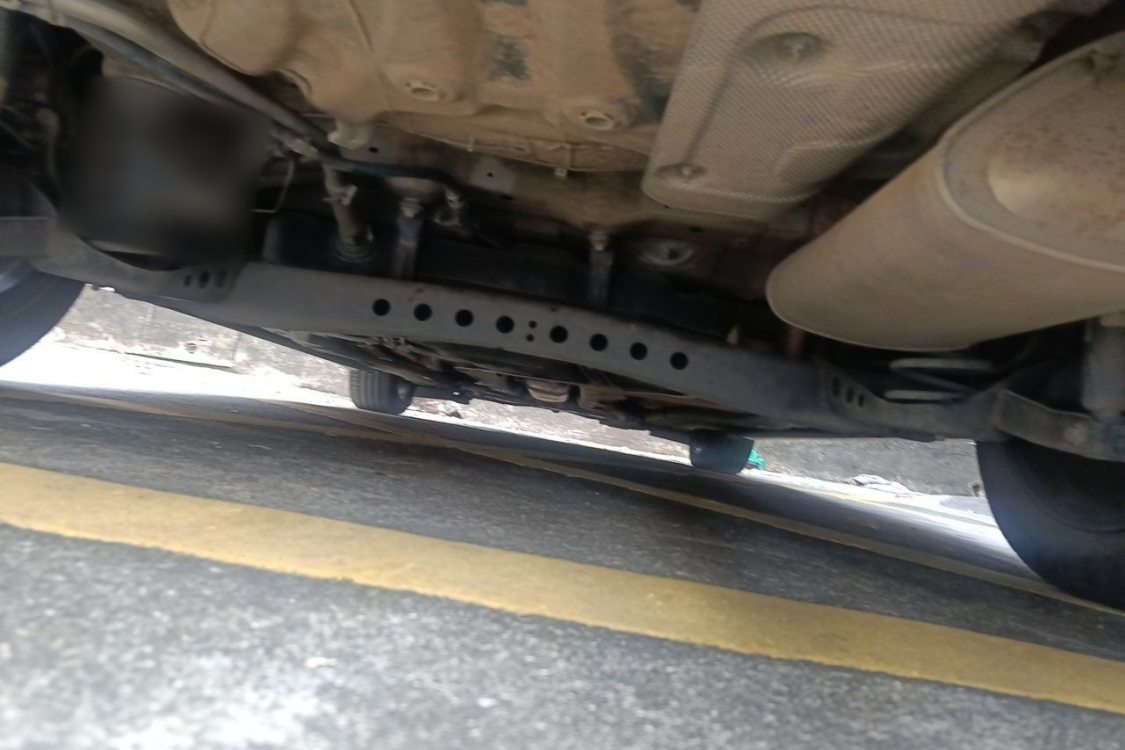
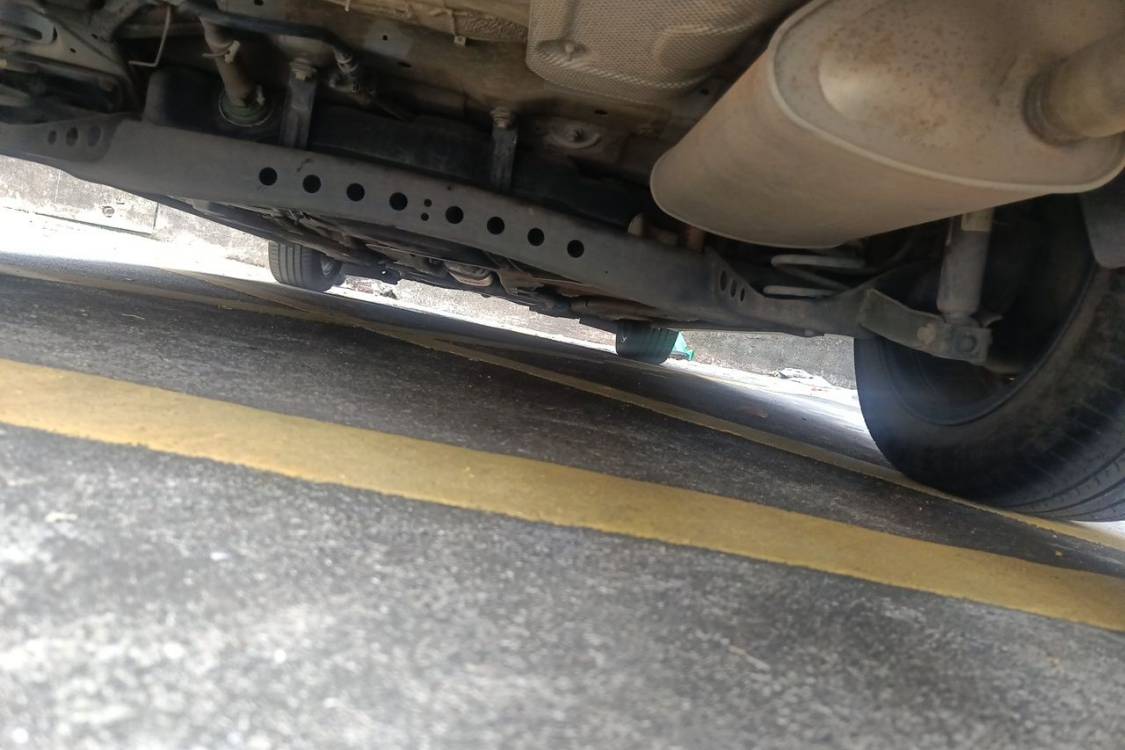
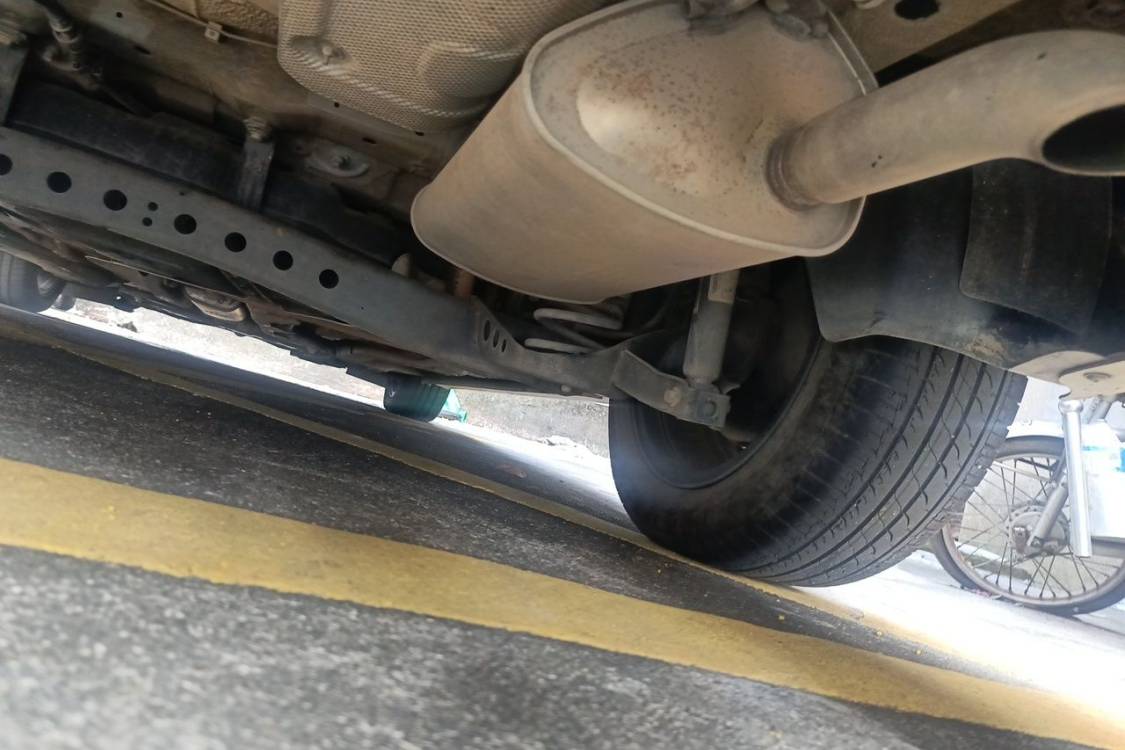
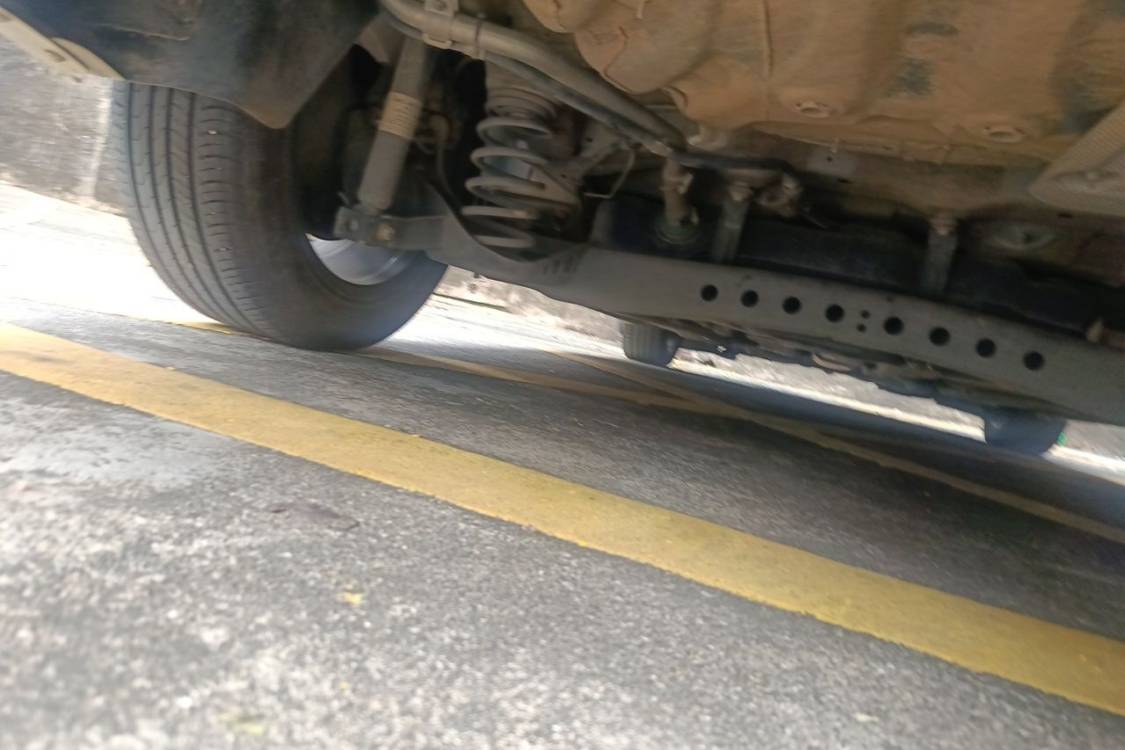
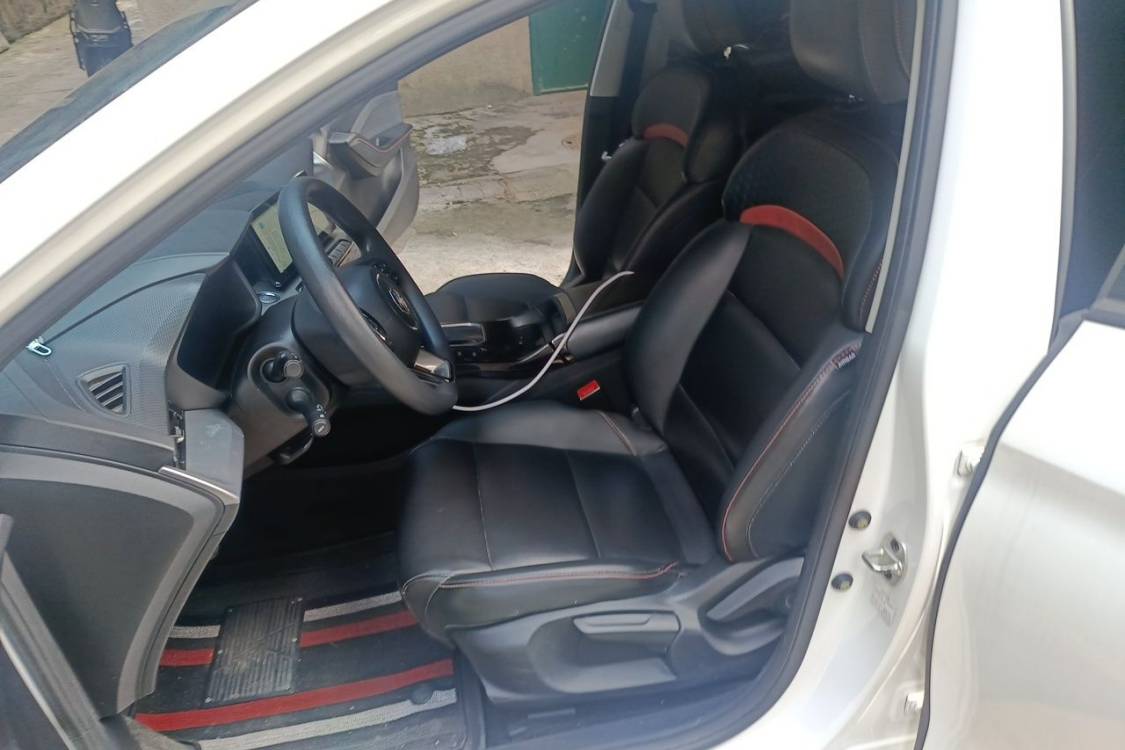
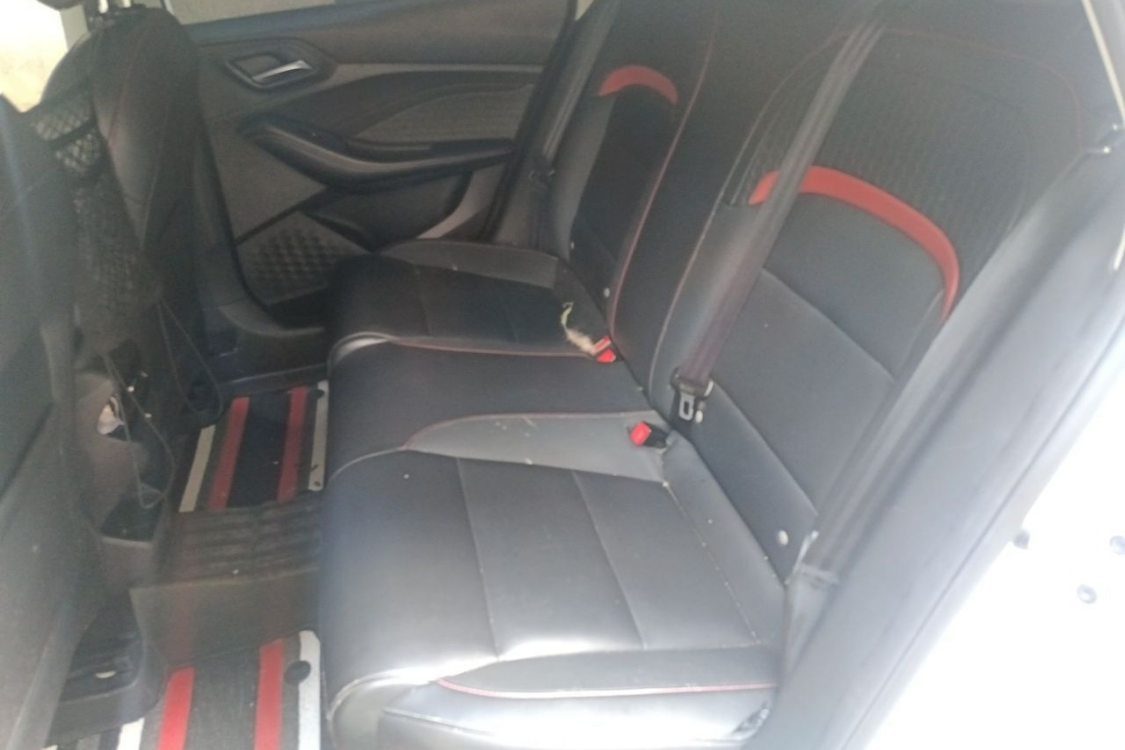
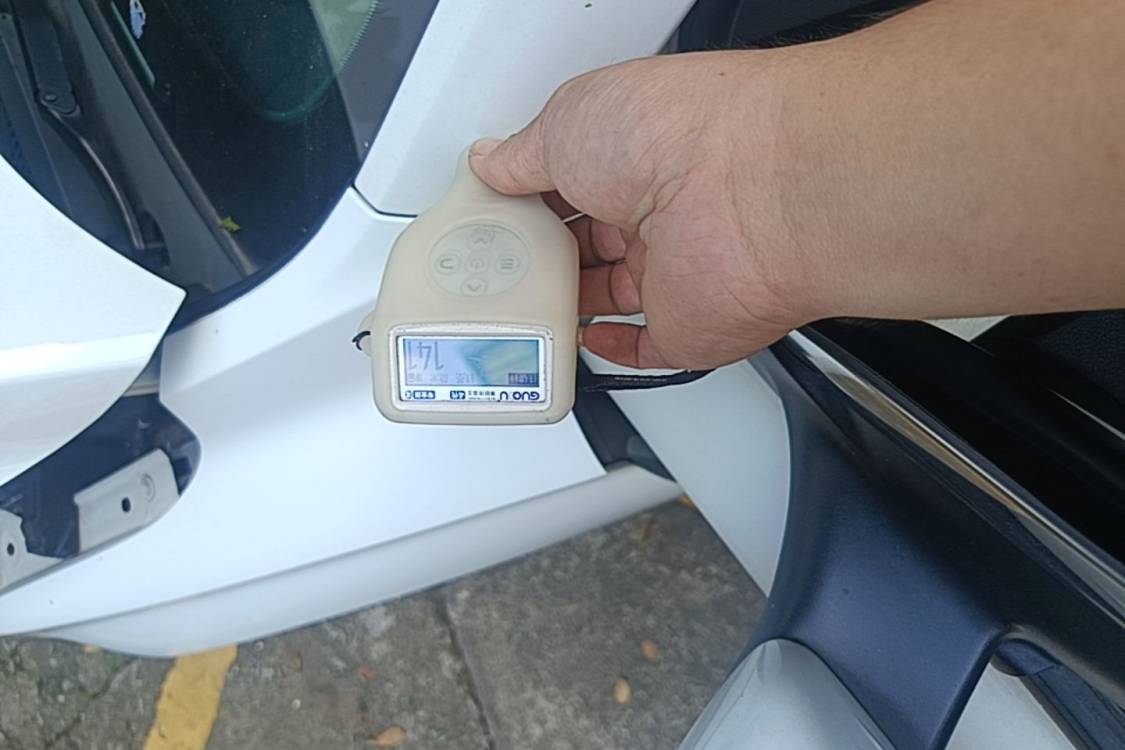
Body components (structural/reinforcing/panels) have accident-type damage; passive safety devices are defective; vehicle performance (including three-electric system) is degraded or remains performance-limited after repairs.

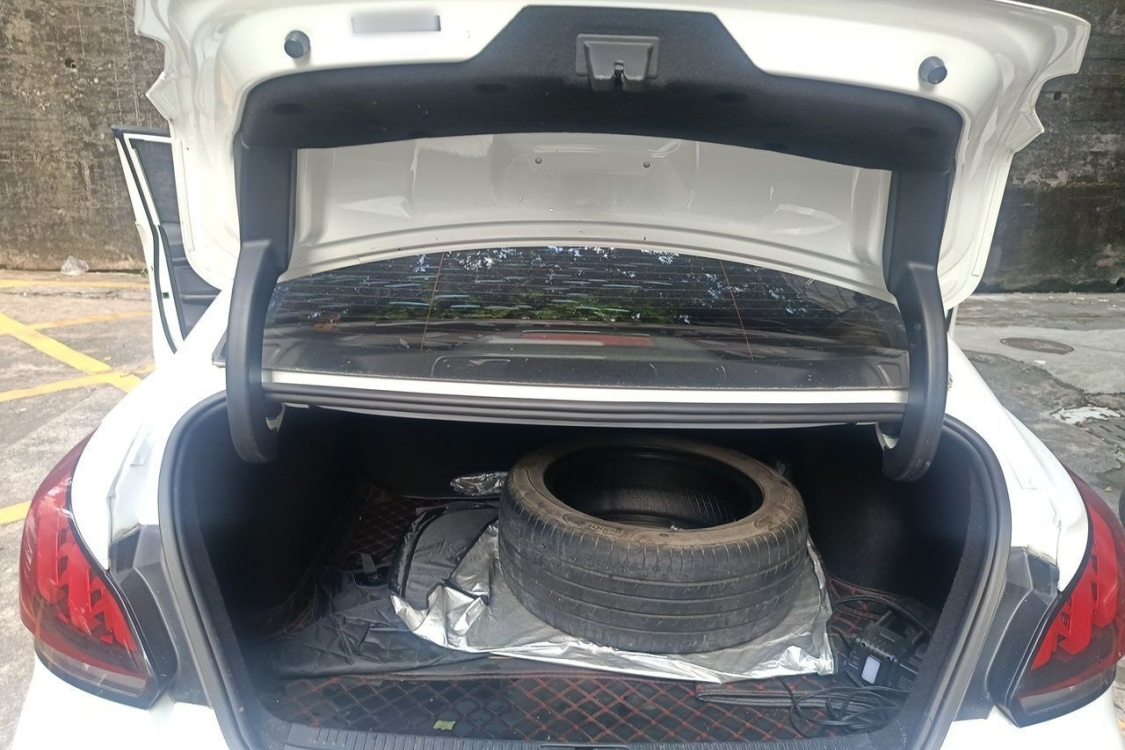
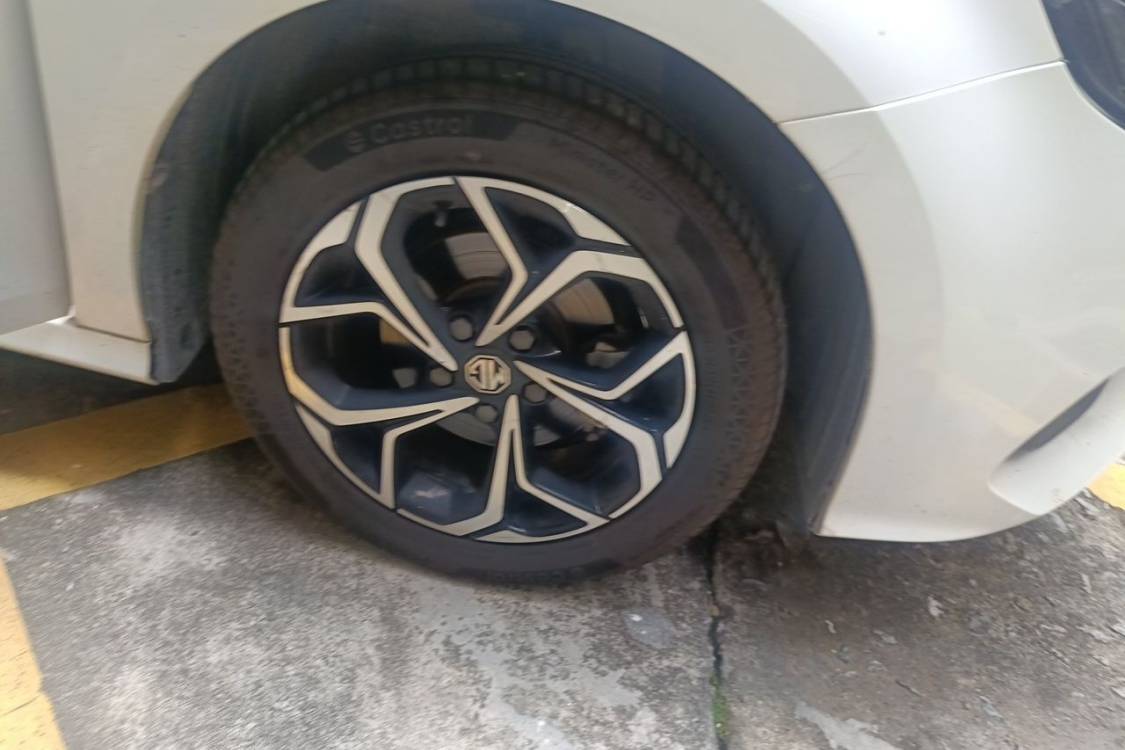
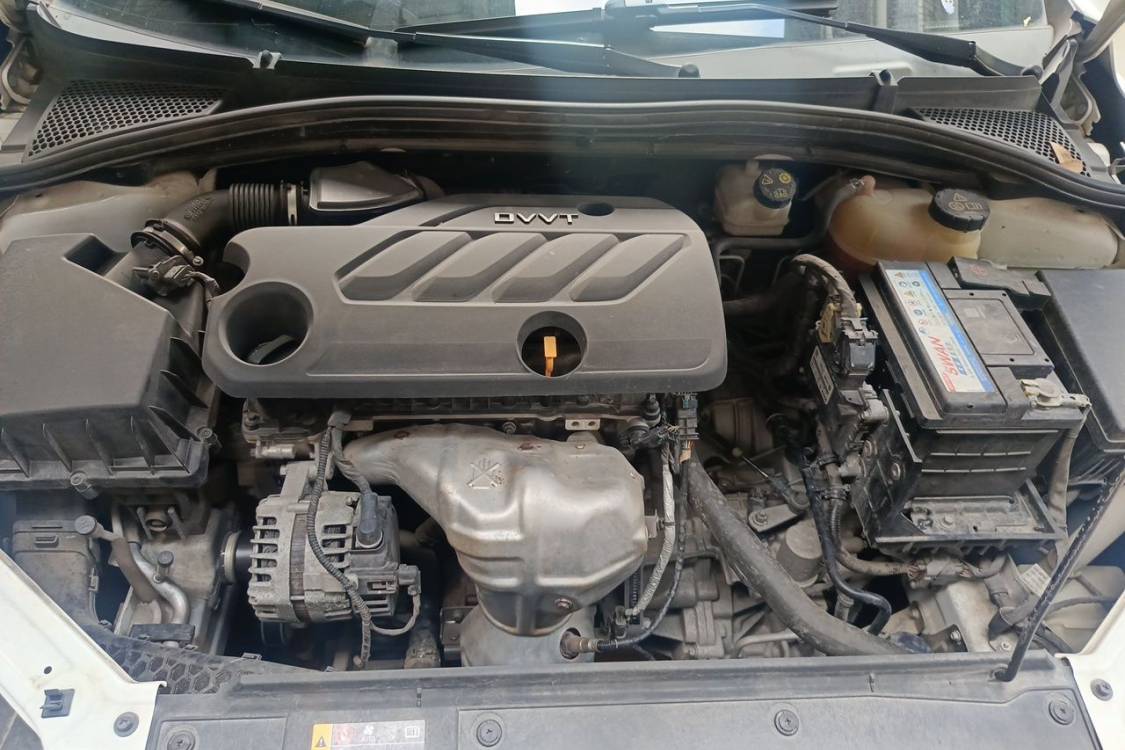
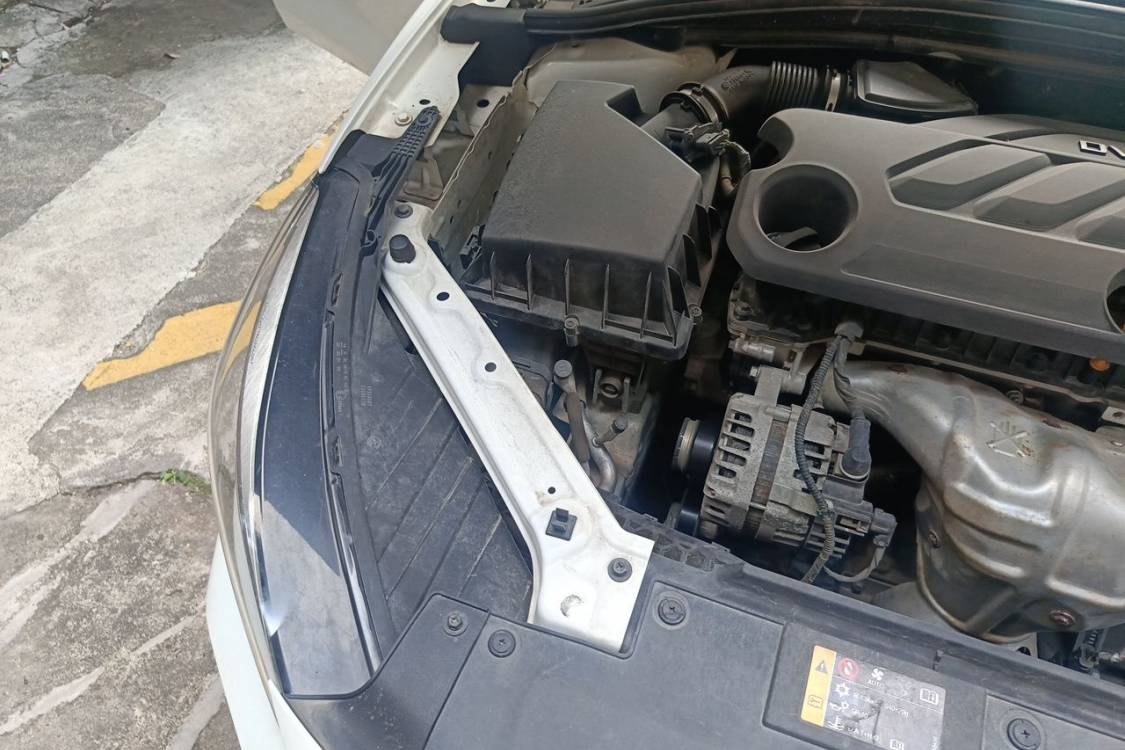
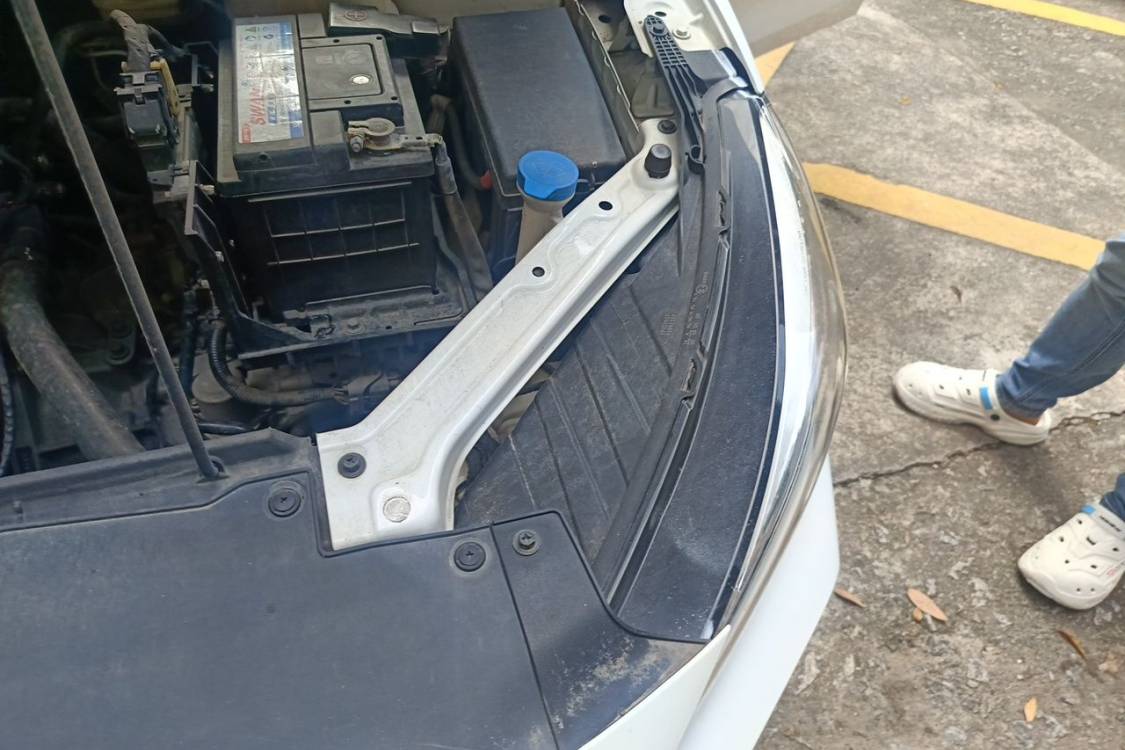
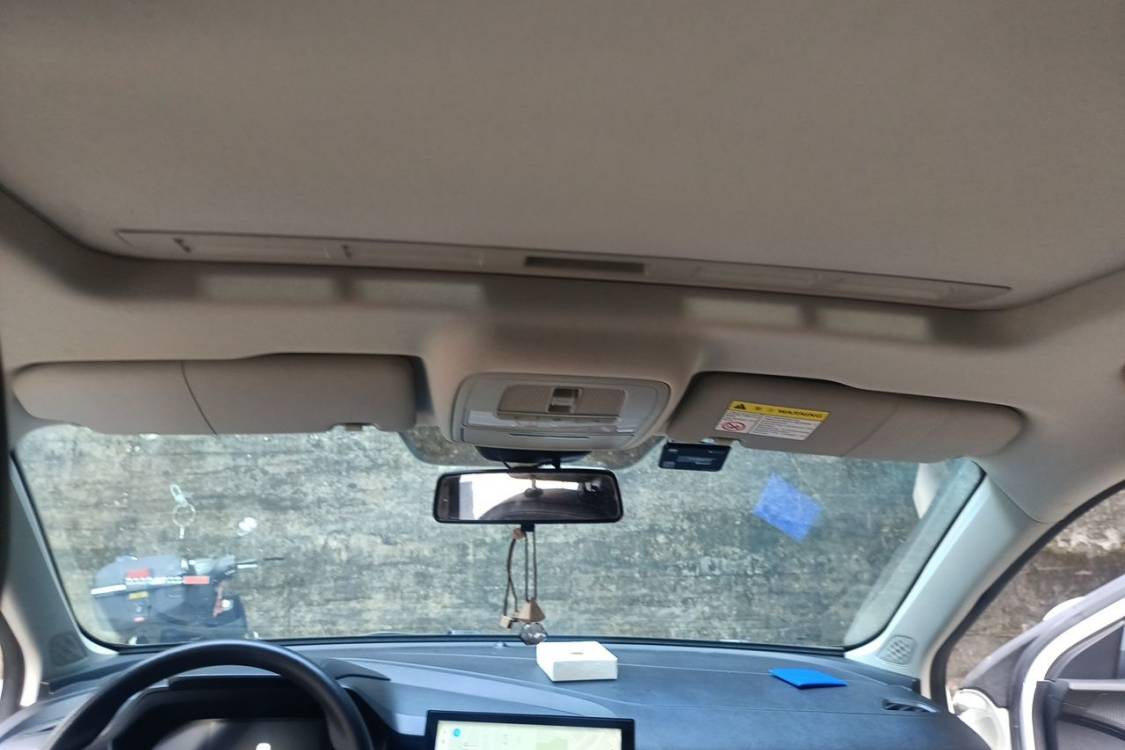
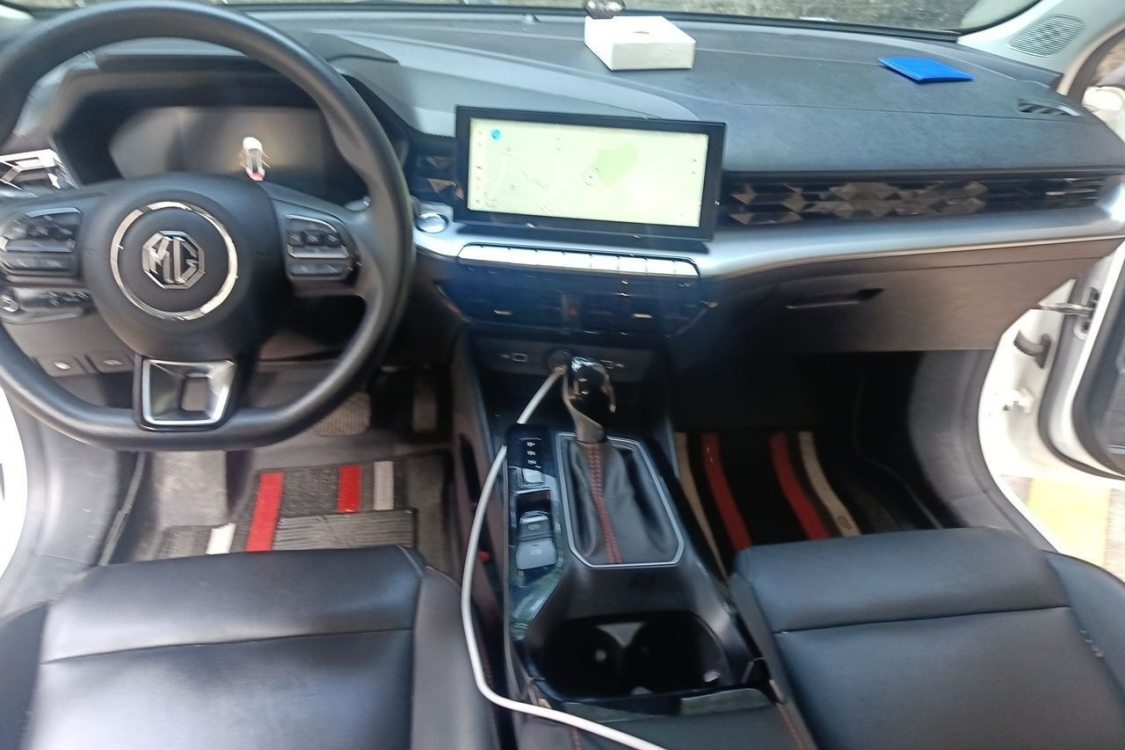
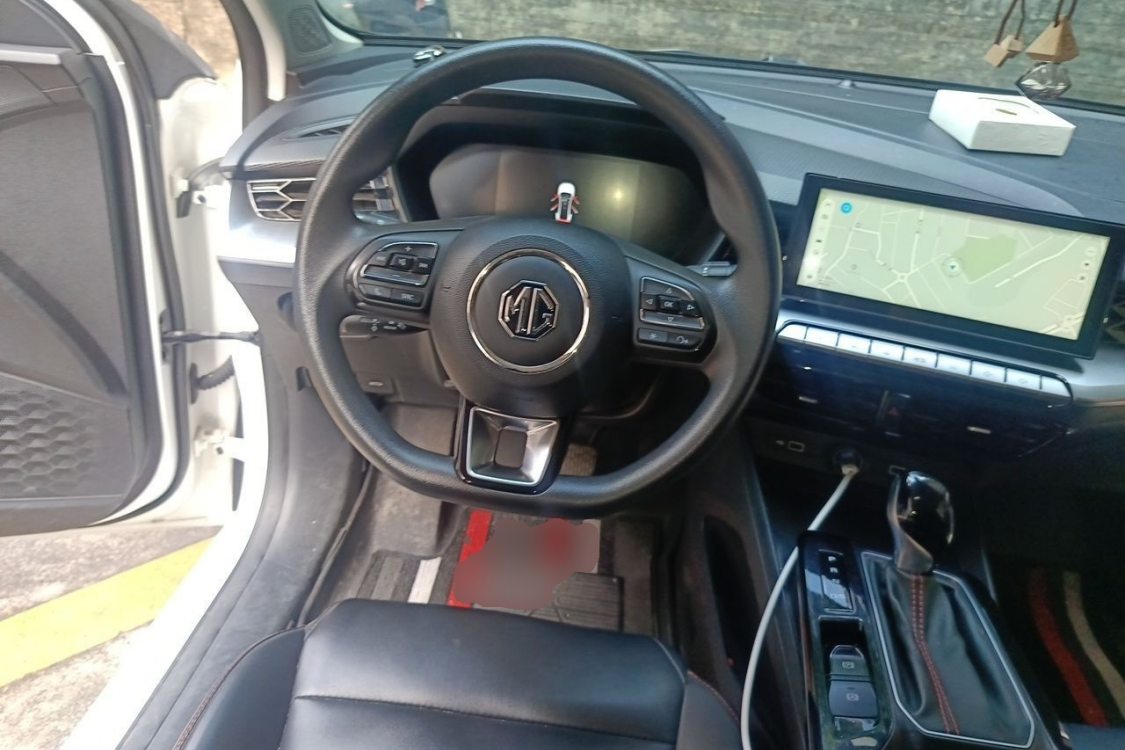
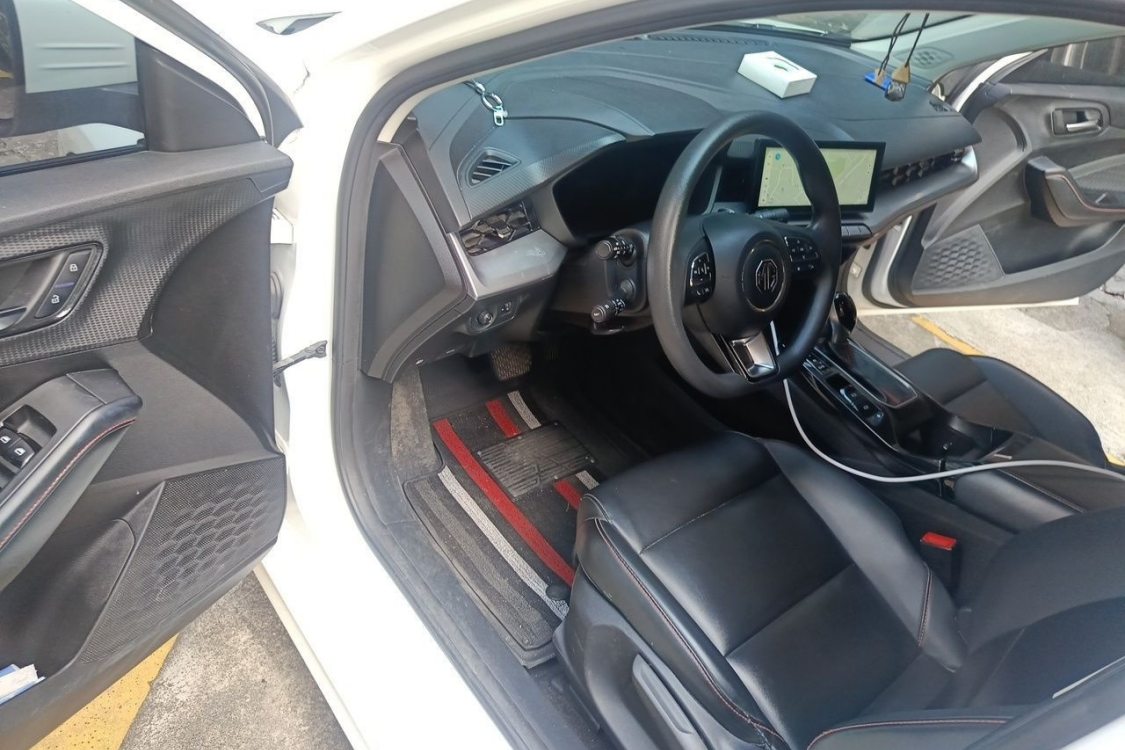
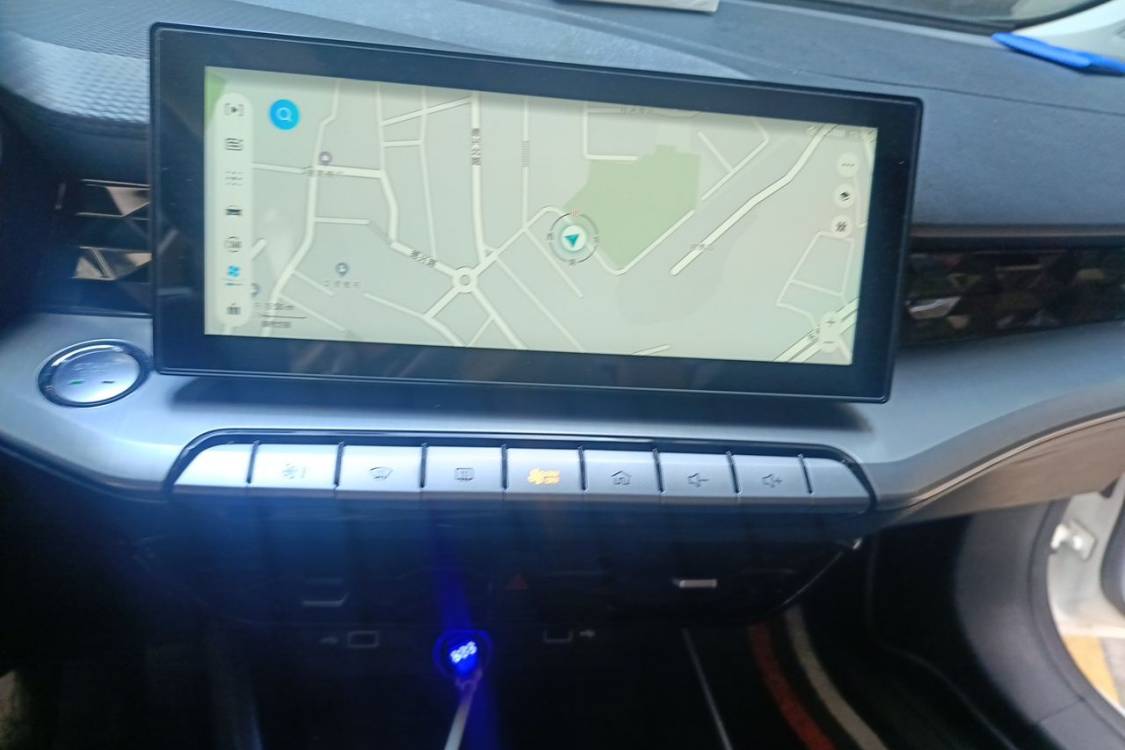
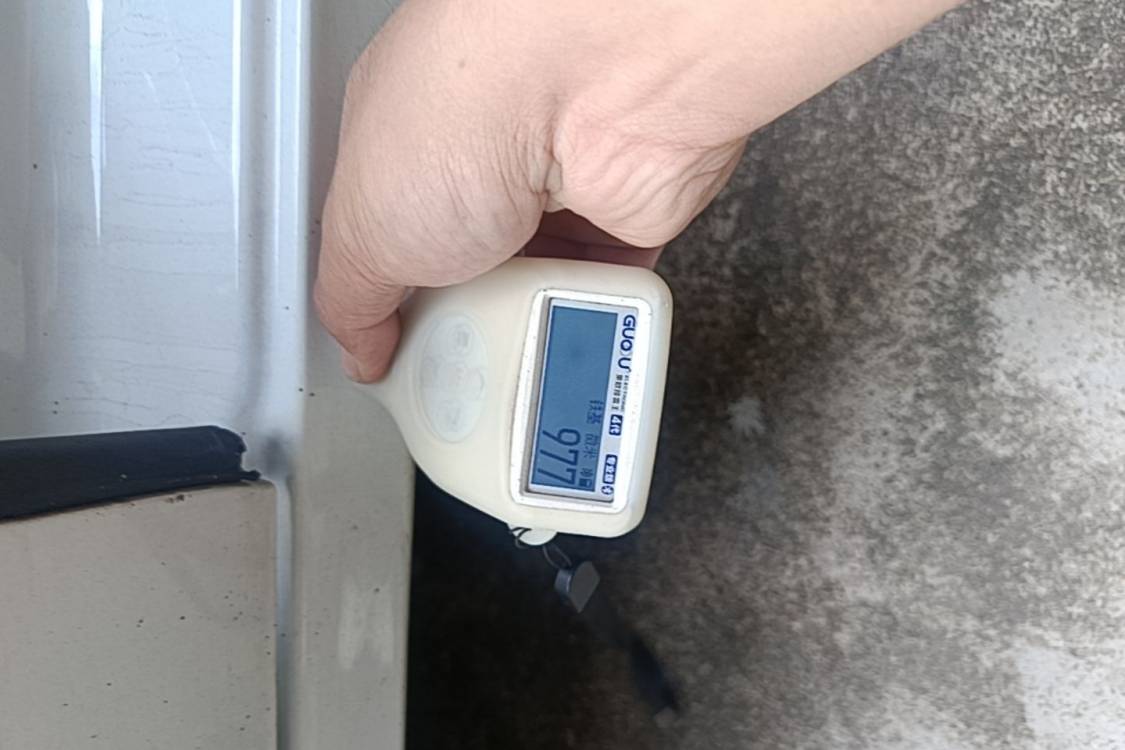
Accident inspection: main structure damaged, reinforcing parts undamaged, panels damaged, hinges normal. Engine bay: key mechanical components normal. Exterior: 3 areas of sheet metal repair. Interior: most functions normal, airbag normal, seatbelt normal, dashboard normal, instrument readings normal, lighting system normal. Startup test: engine condition indicator abnormal. Onboard tools: none.

可讲价
平台物流
可转售
VIP车源
车主降价
零过户
新检测标准升级>
必卖车源
非泡水

Document Information

Inspection Expiry Date2027/02
Warranty Expiry Date-
Insurance Expiry Date2027/02

Q&A

More

Can the Chinese electric vehicles (EVs) you export use charging interfaces directly overseas?

Chinese standard electric vehicles use the national standard (GB/T) charging interface. If your country uses the European standard (CCS2), American standard (CCS1), or Japanese standard (CHAdeMO), the vehicle cannot be plugged directly into local charging stations. To address this issue, we will recommend or provide high-quality certified adapters (Adapter) with CE/UL safety certification. Please confirm the charging station specifications in your area with our sales personnel before purchasing.


How do I handle recalls and software updates for my imported Chinese car once I'm back home?

Recalls and software updates depend on the brand's official presence in your country. Recalls: ask the seller for the VIN and confirm with the manufacturer whether any recall campaigns apply. Some Chinese brands have overseas service networks that honor recalls even for exported used cars; others don't. OTA updates: many connected features update over the air regardless of location, but some are region-locked. Before buying, ask the seller to confirm the car's software region and whether updates work outside China. Practical steps: keep your export documents and purchase invoice—they may be required to prove eligibility for warranty or recall work. Join owner communities for your model, as they share firmware and service information, and budget for dealer-level diagnostics at an independent shop familiar with Chinese vehicles. If the brand has no local presence, parts and software support will come mostly from parallel importers, so factor that into your decision.

What engine checks beyond a cold start should a pre-purchase inspection of a used Chinese car include?

A cold start tells you a lot, but it isn't enough. Ask your inspector for these additional checks: Compression test: measures cylinder pressure in each cylinder. Consistent readings across cylinders mean healthy piston rings and valves; one low cylinder suggests internal wear. Timing system: listen at idle and at 2000 rpm for chain rattle or belt squeal. On turbo engines, check for play in the turbo shaft and oil in the intake piping. Exhaust analysis: blue smoke means oil burning (worn rings or valve seals); white sweet-smelling smoke can mean head gasket issues; black smoke points to running too rich. Fluid condition: engine oil on the dipstick should not smell burnt or look milky; coolant should be clean without oil traces. Fault codes: a full OBD scan beyond pending codes — look at misfire counters, fuel trim values, and any history codes that were recently cleared. Ask for photos of the dipstick, exhaust at idle and revving, and the live OBD data. These give you an objective engine health record.