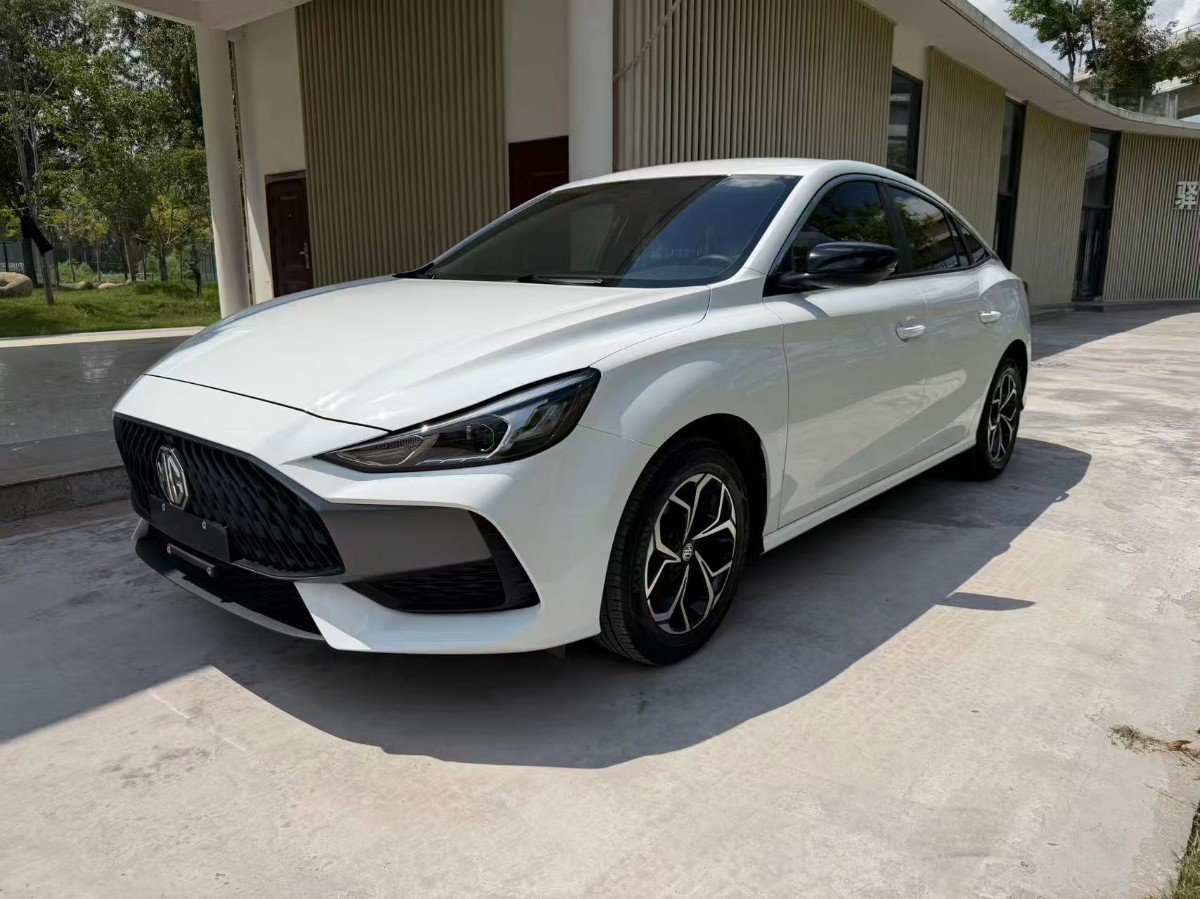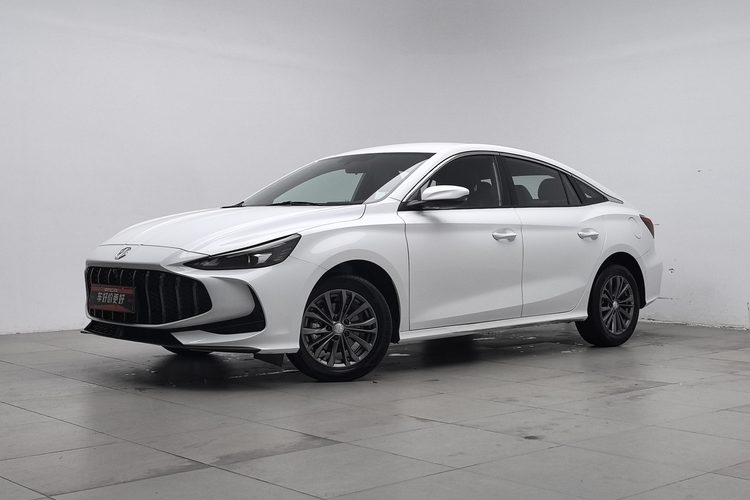
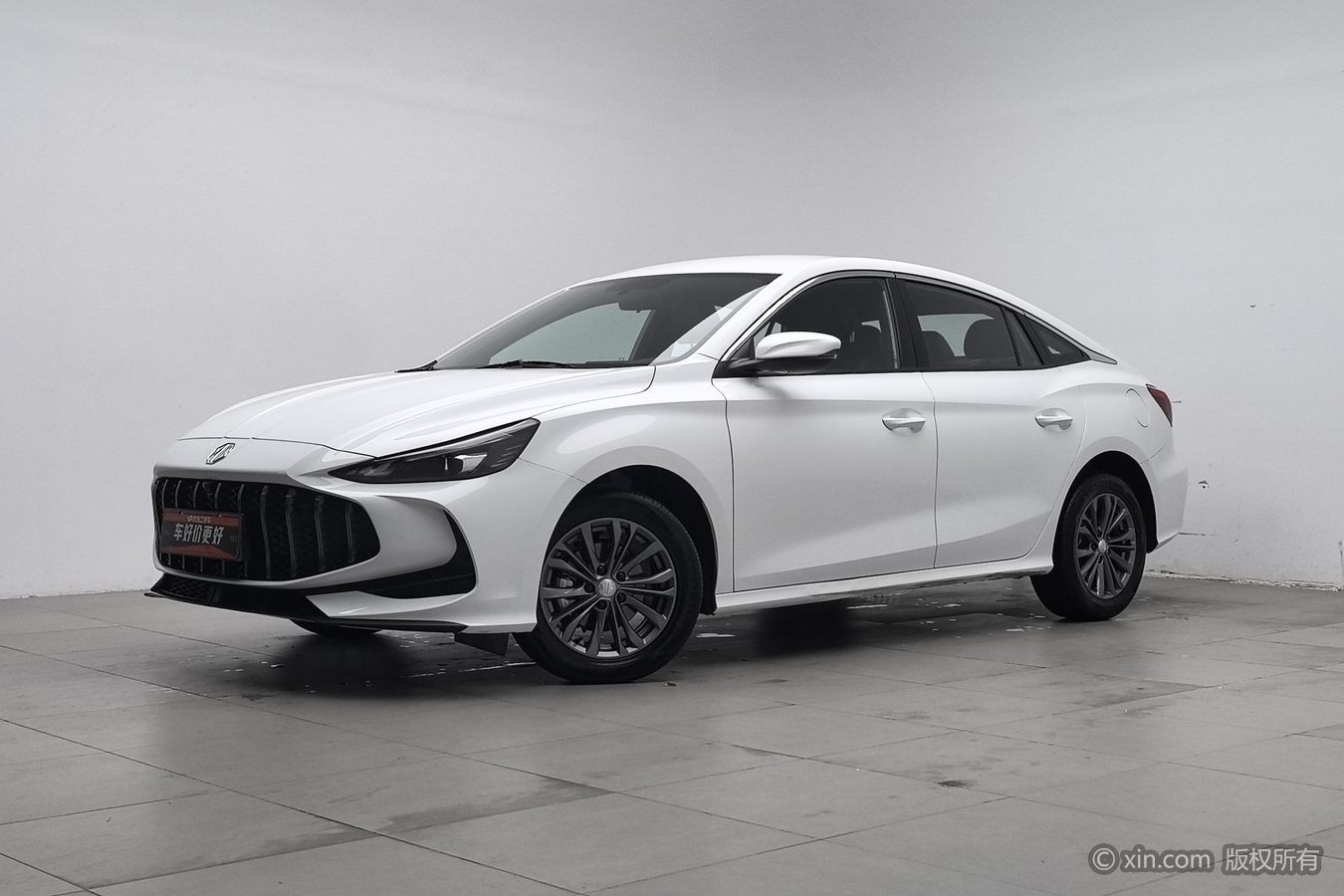
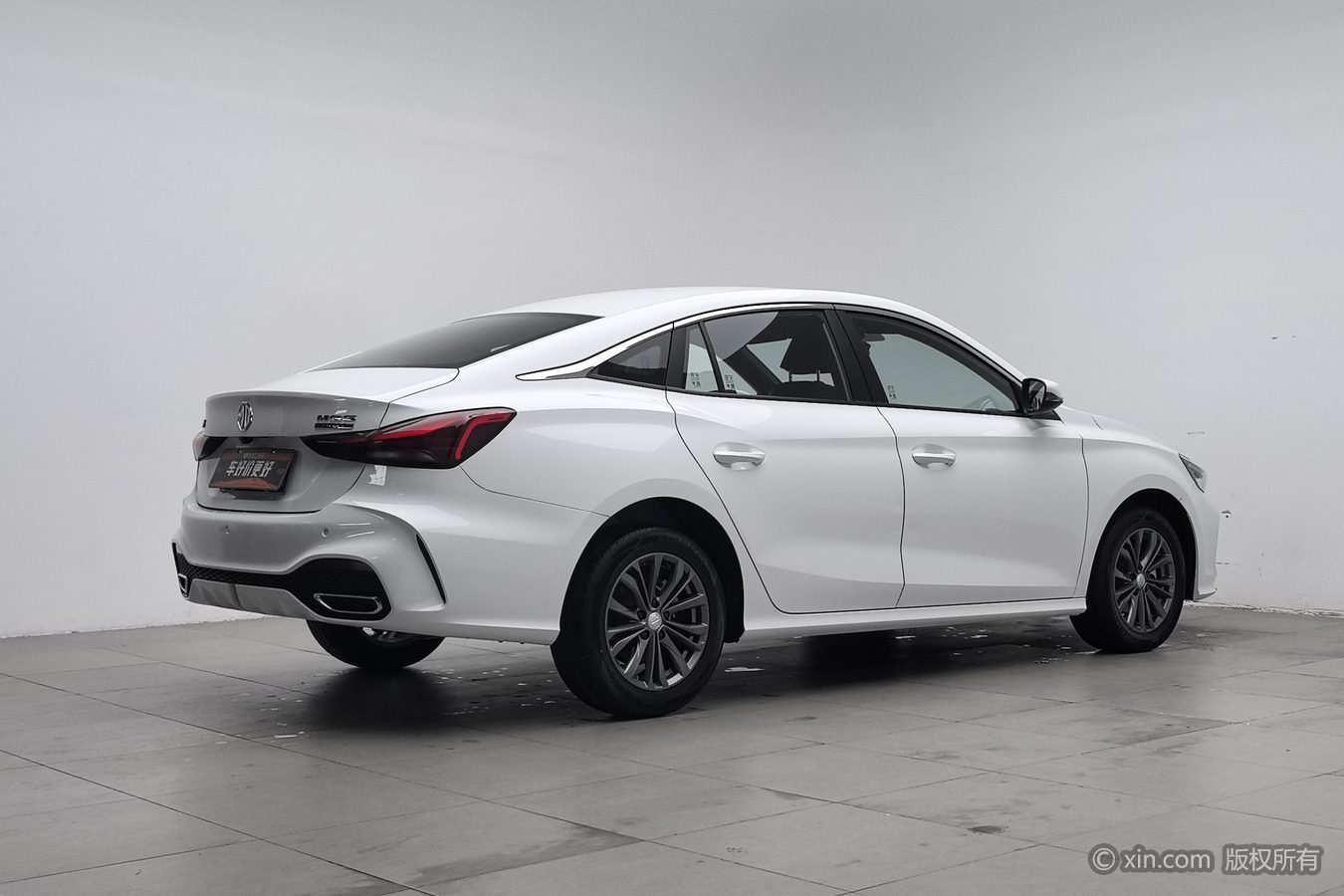
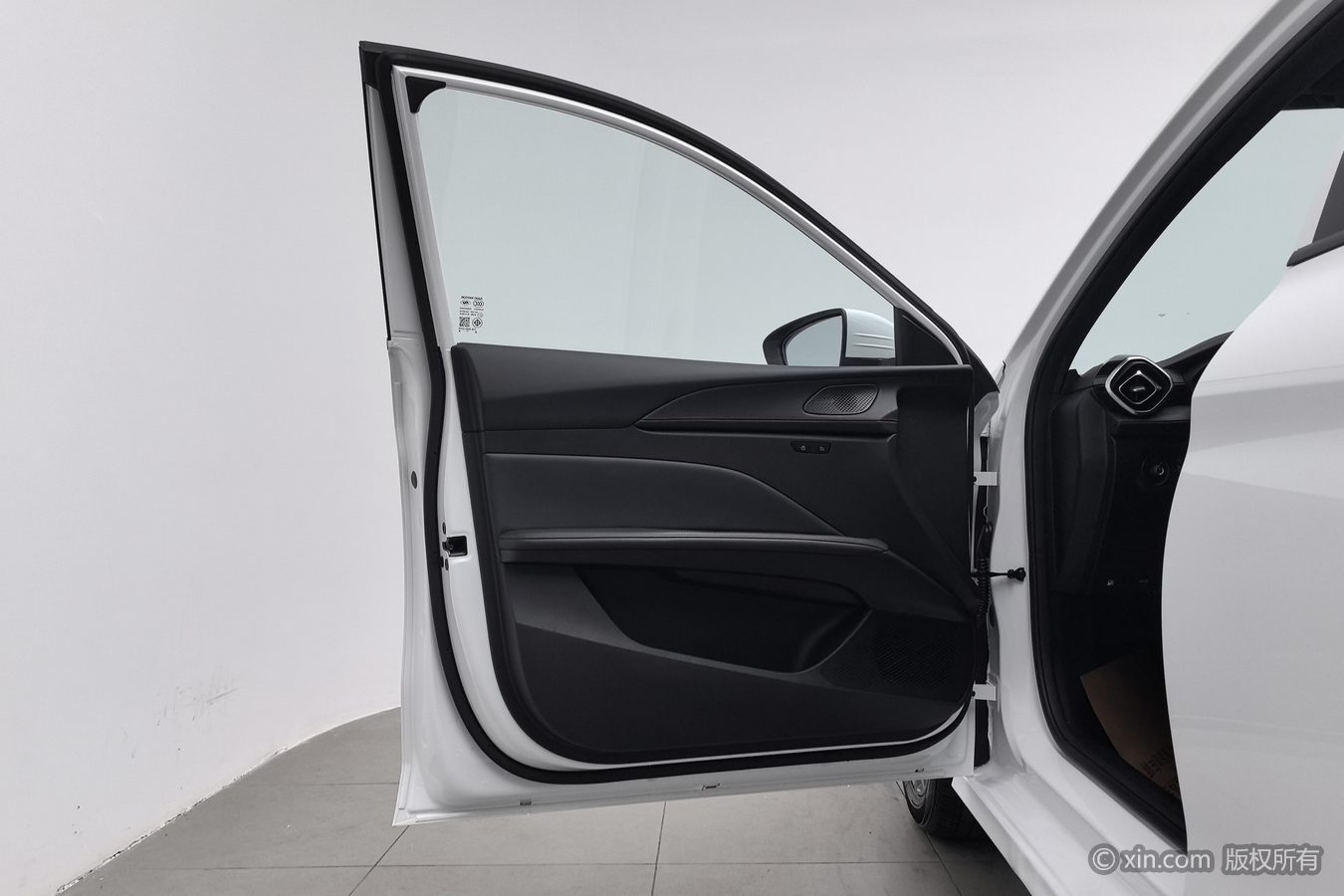
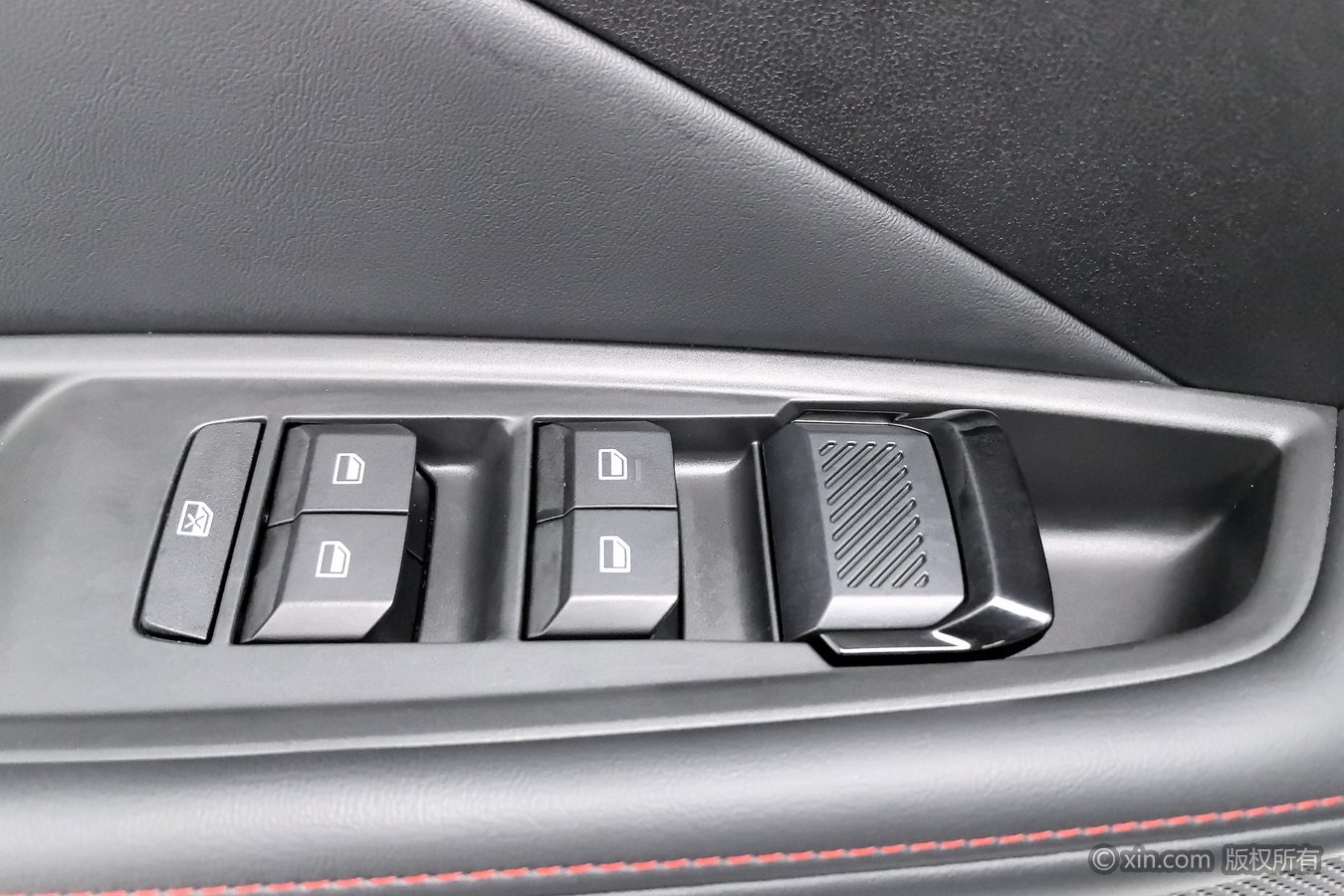
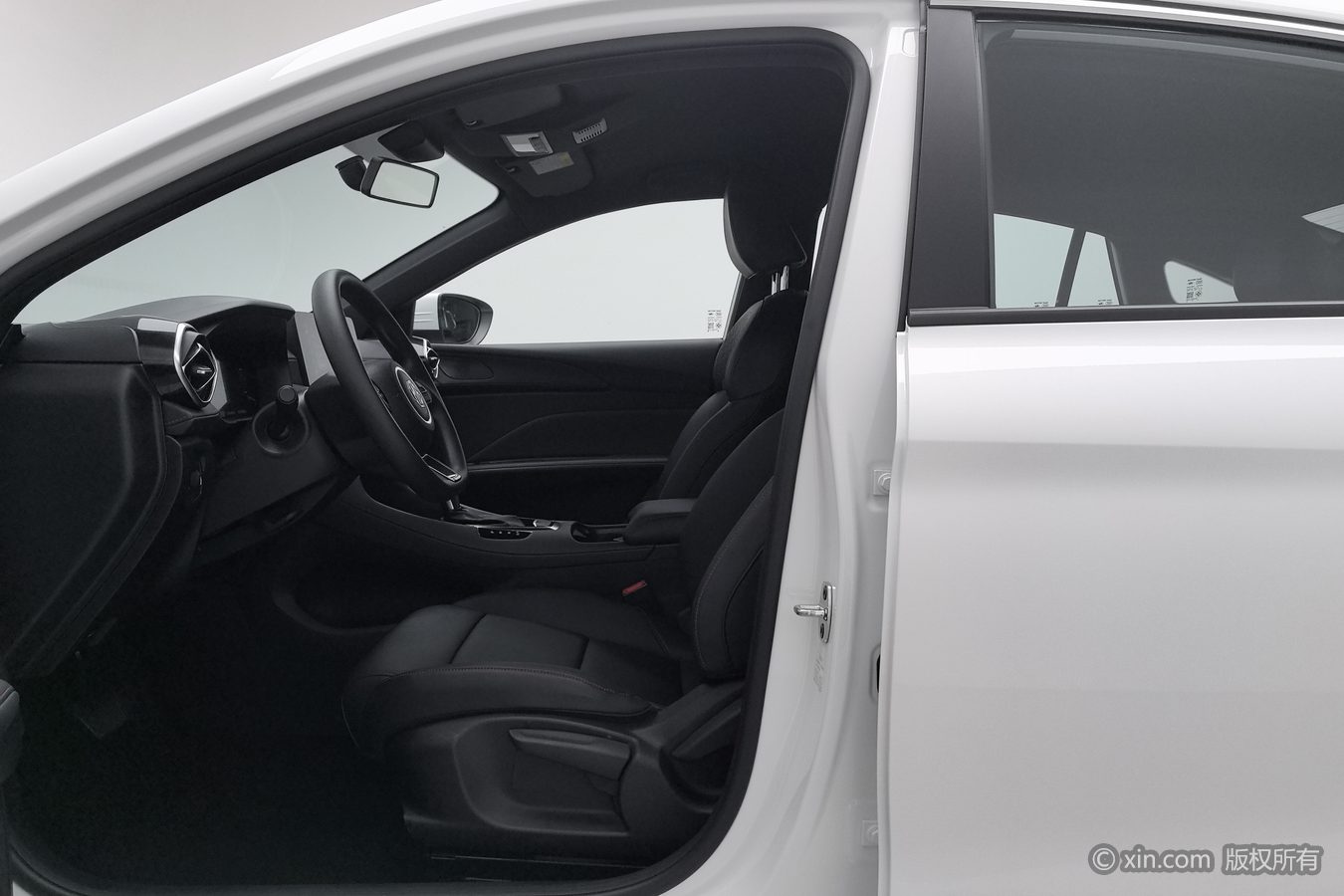
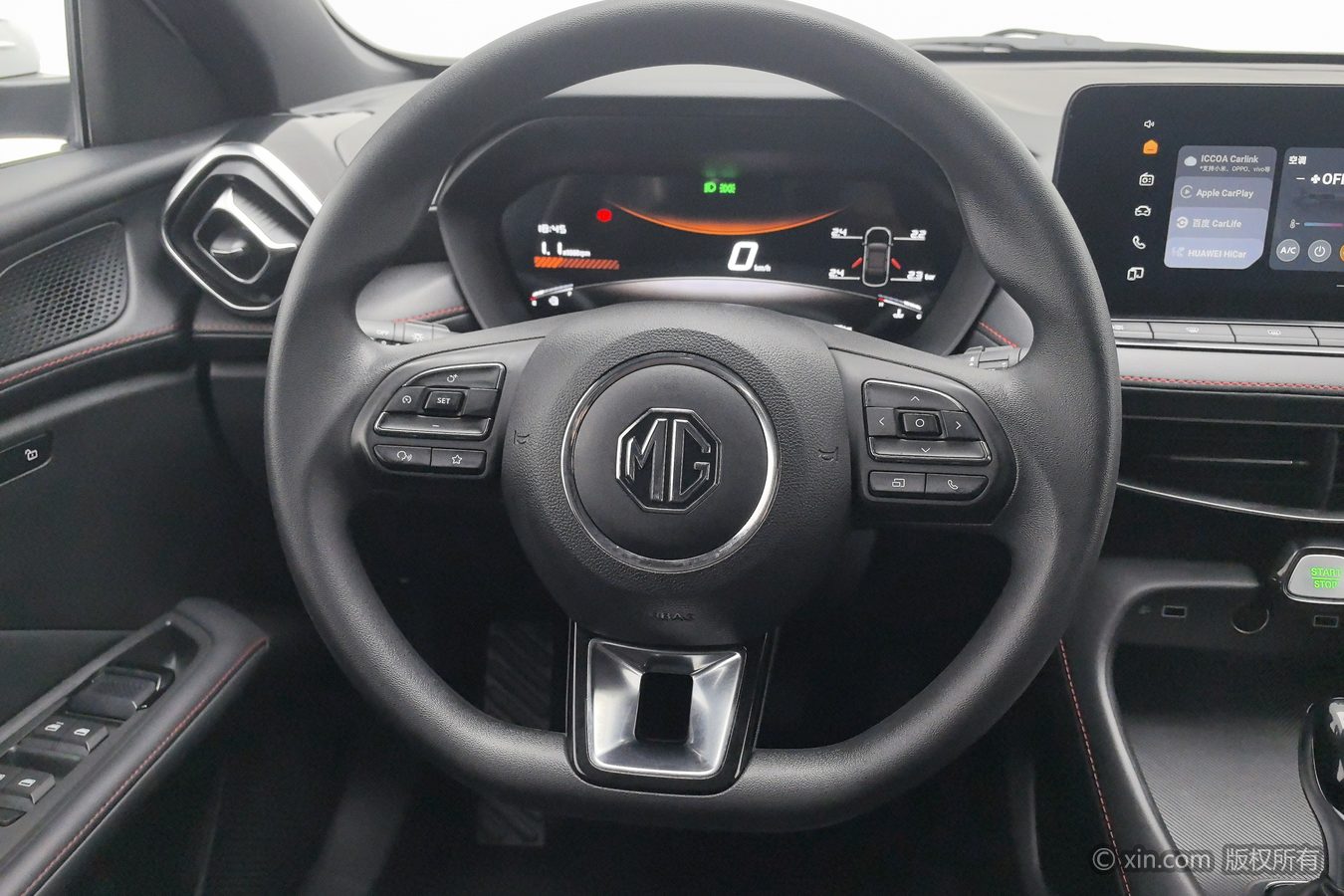
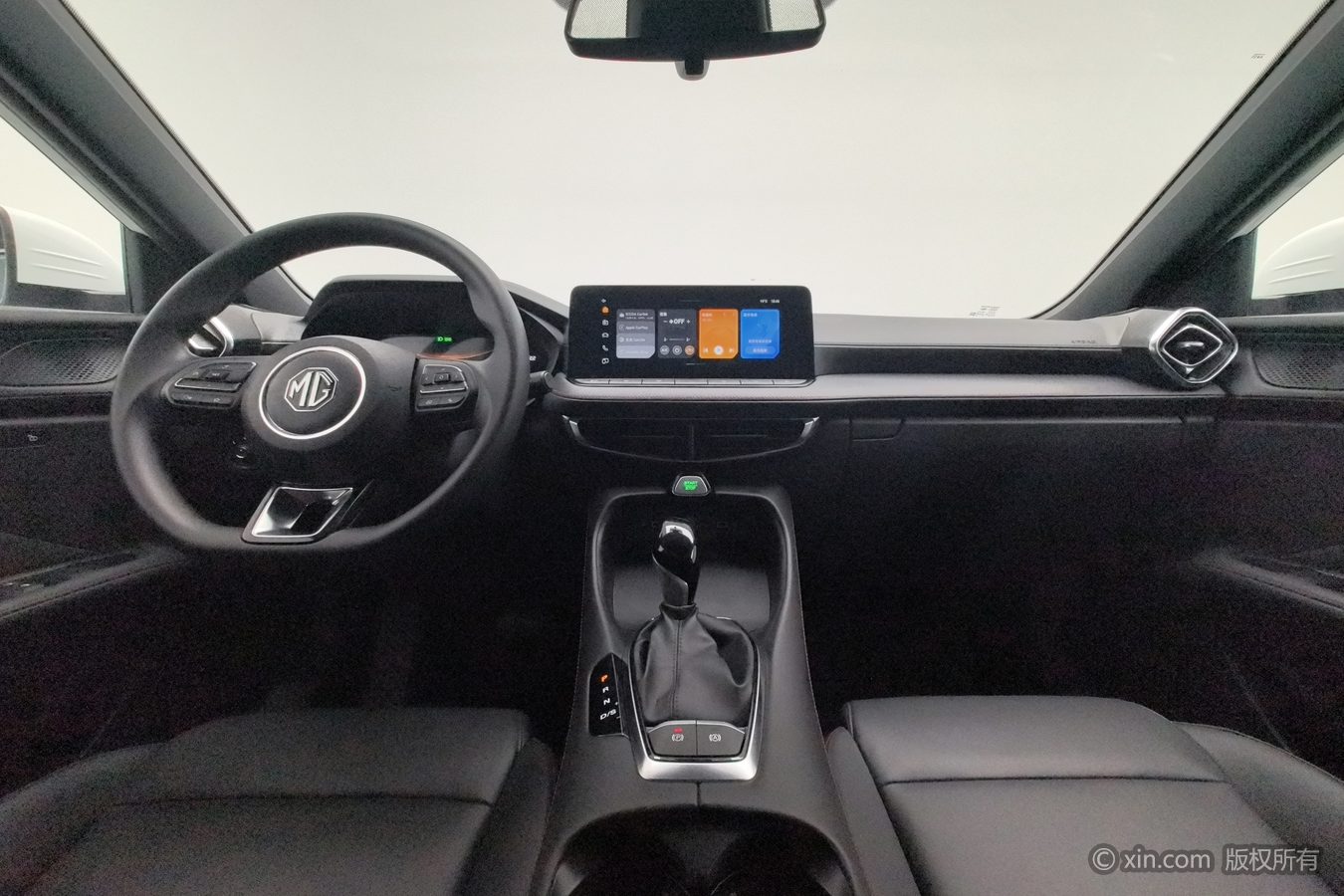
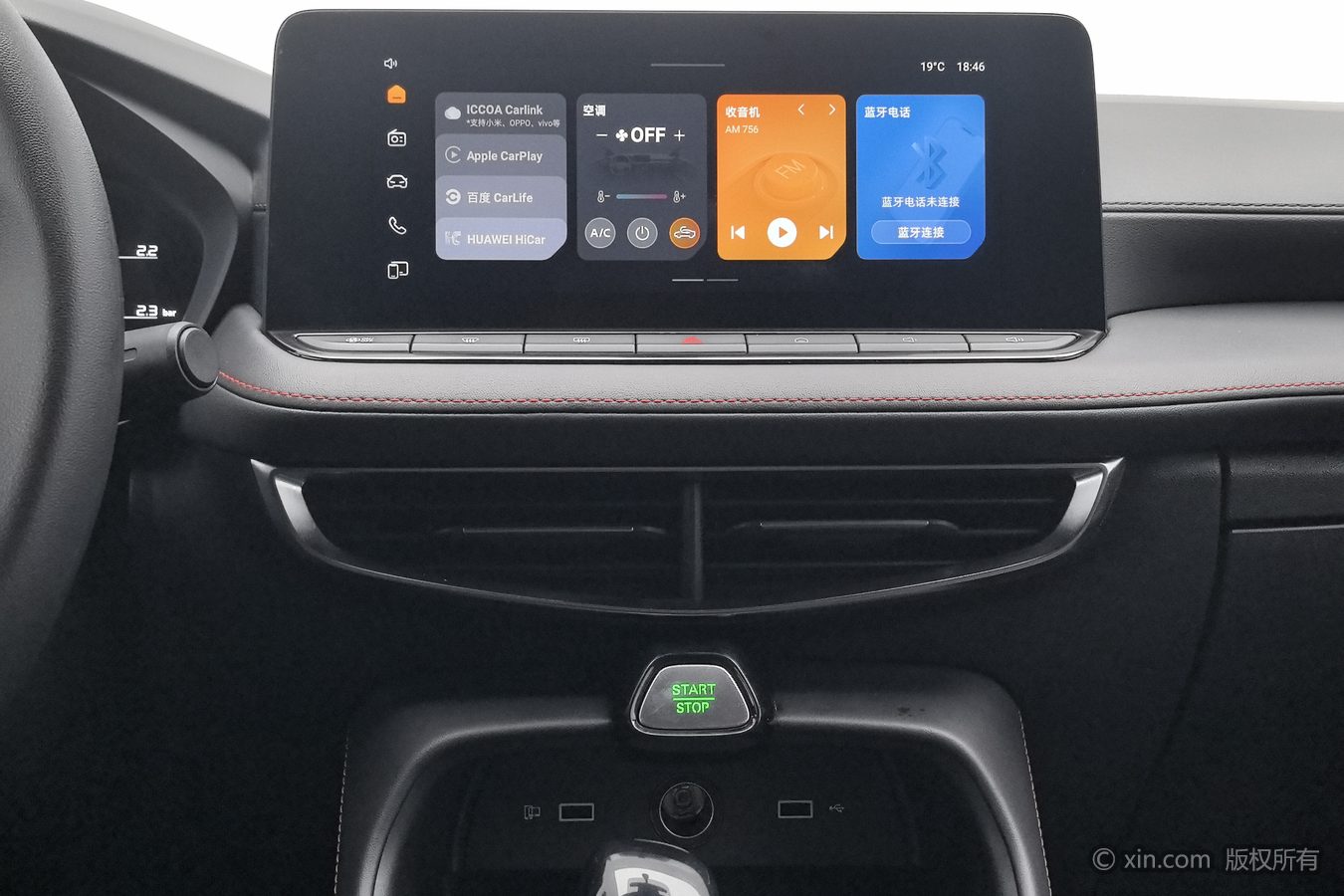
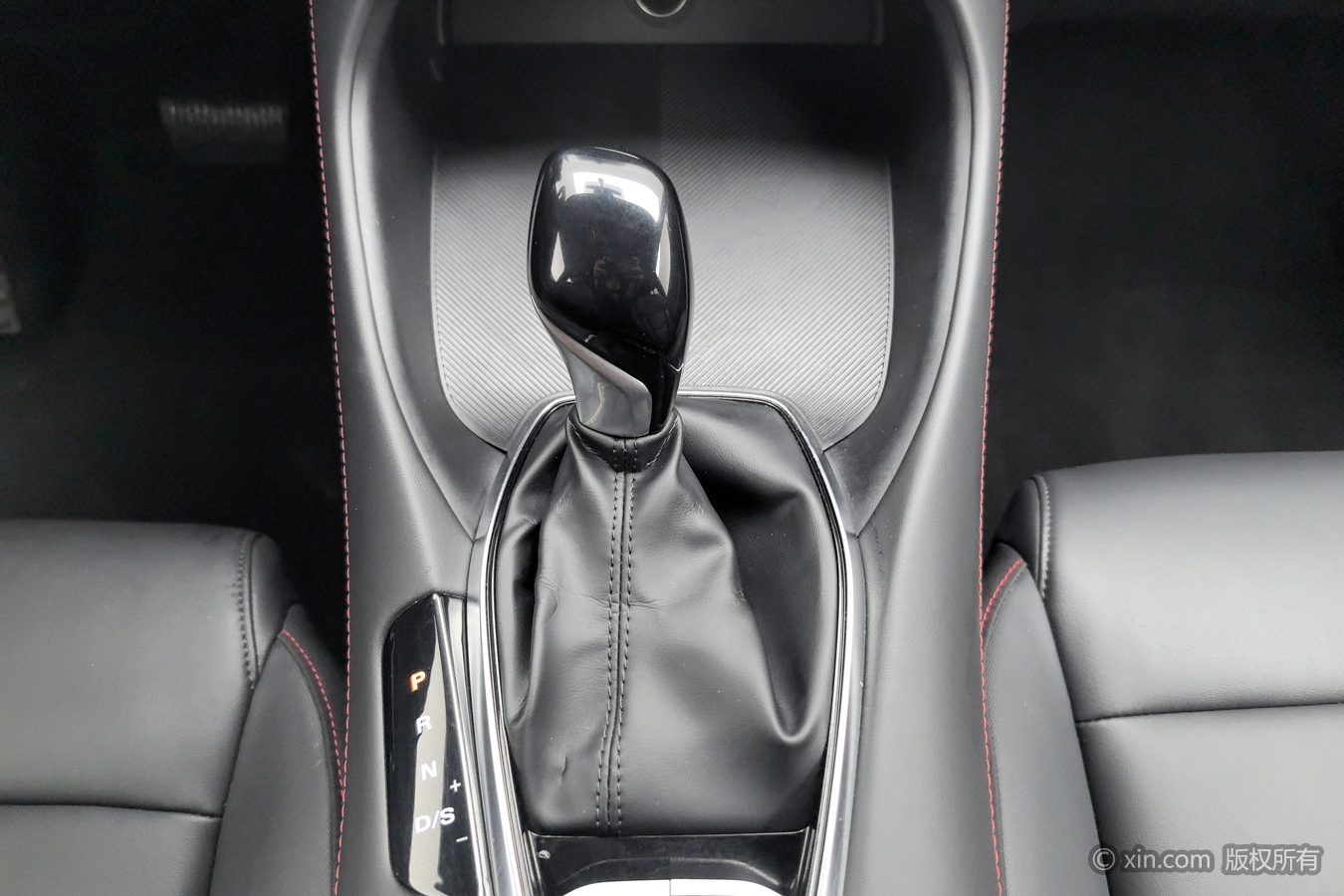
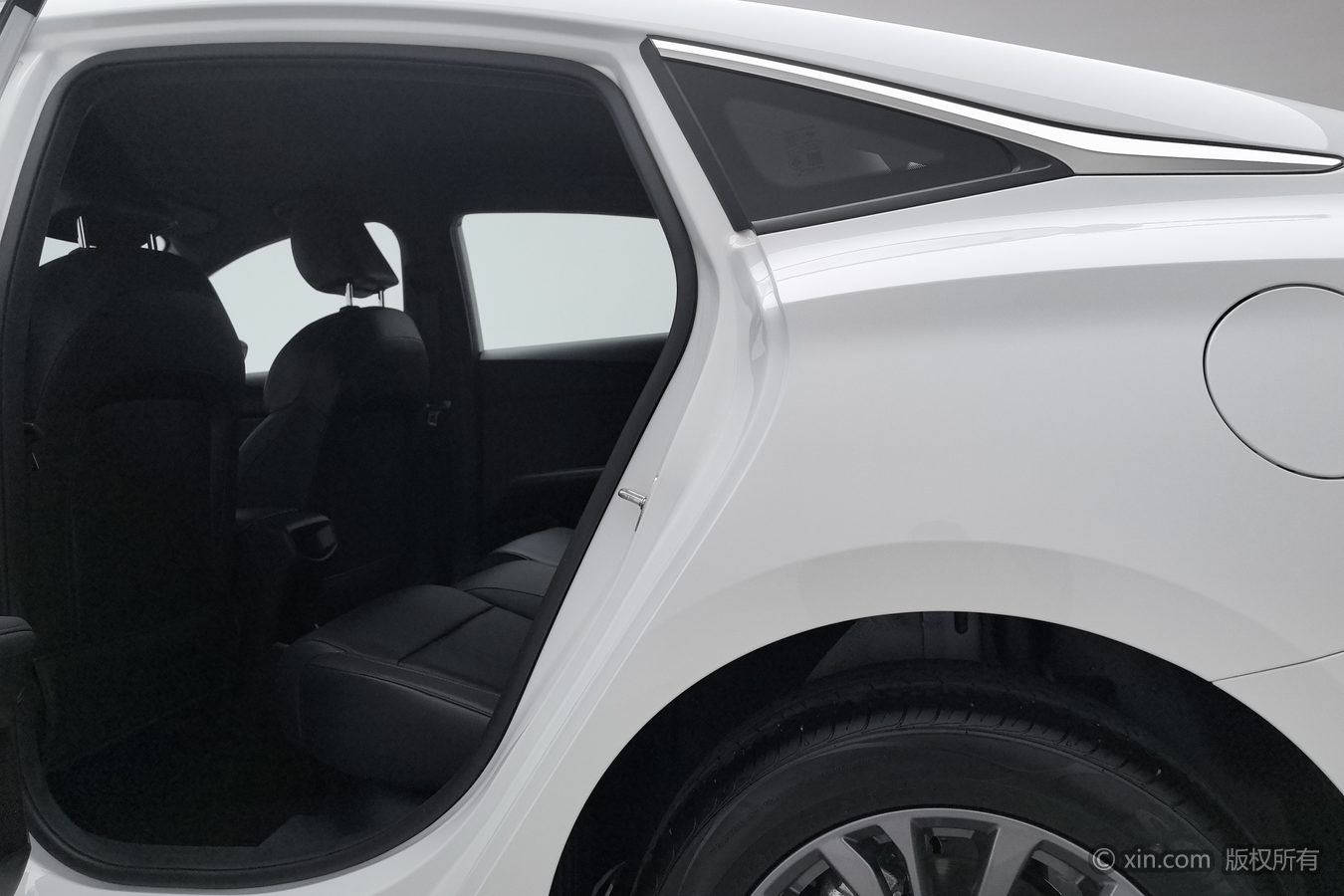
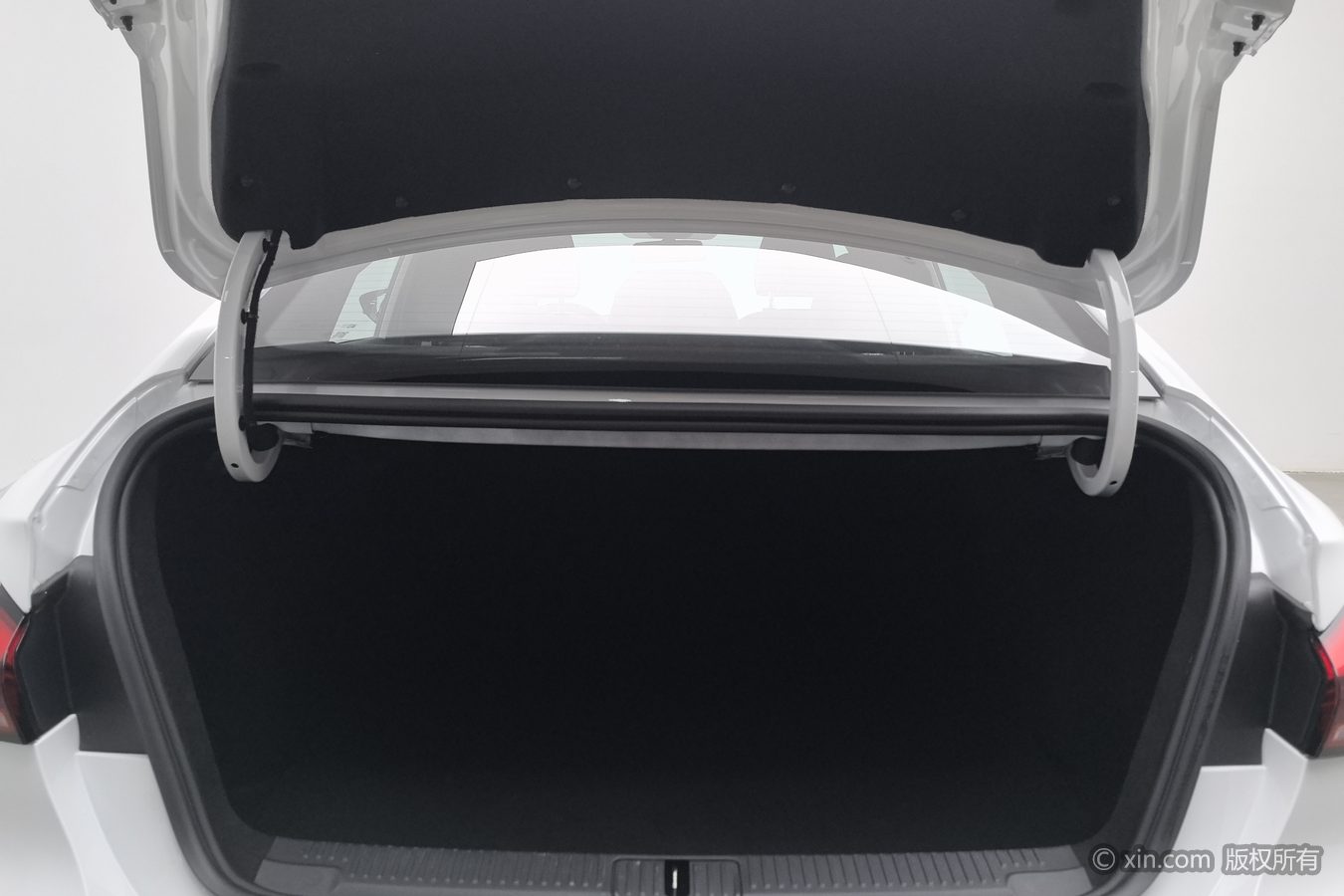
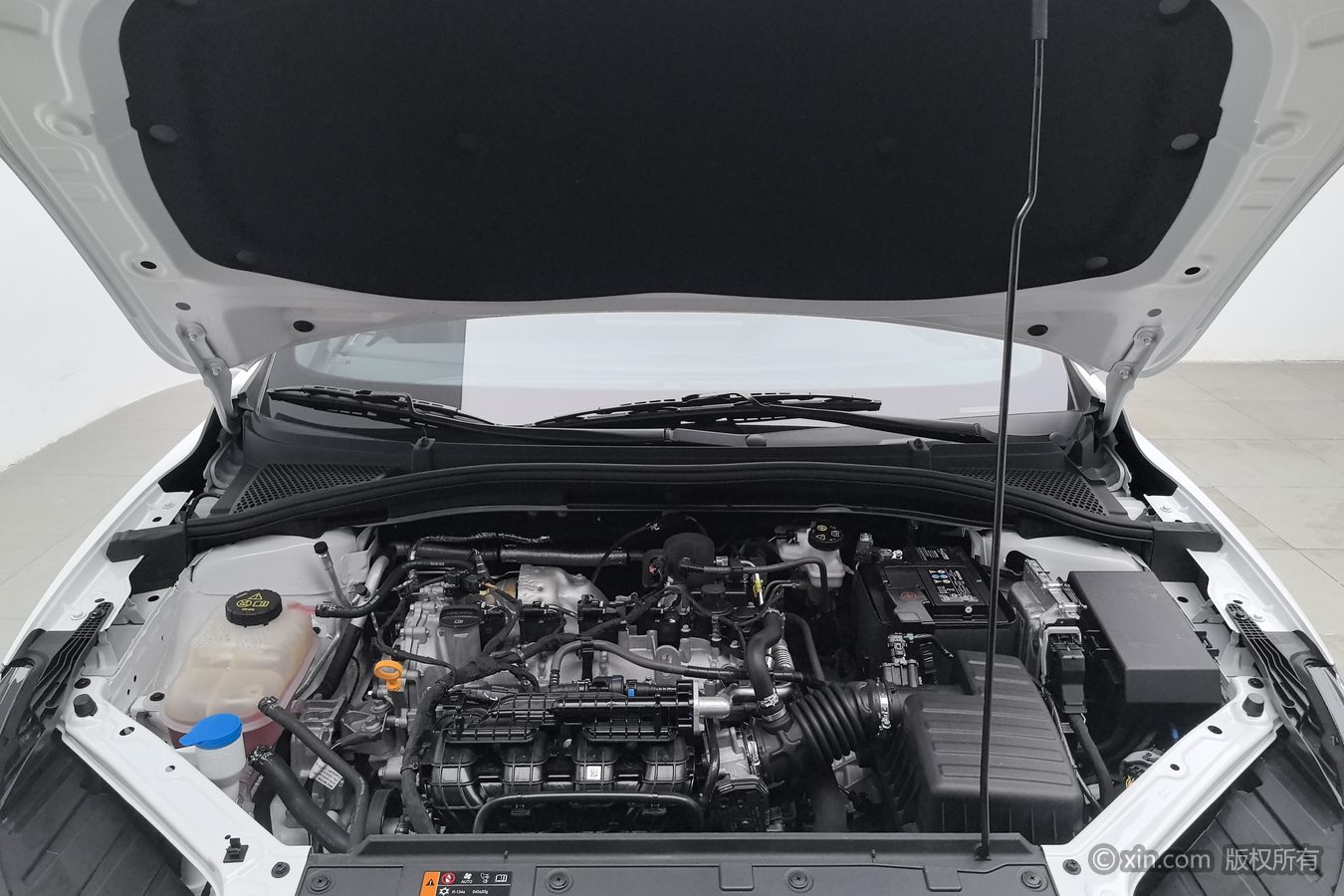
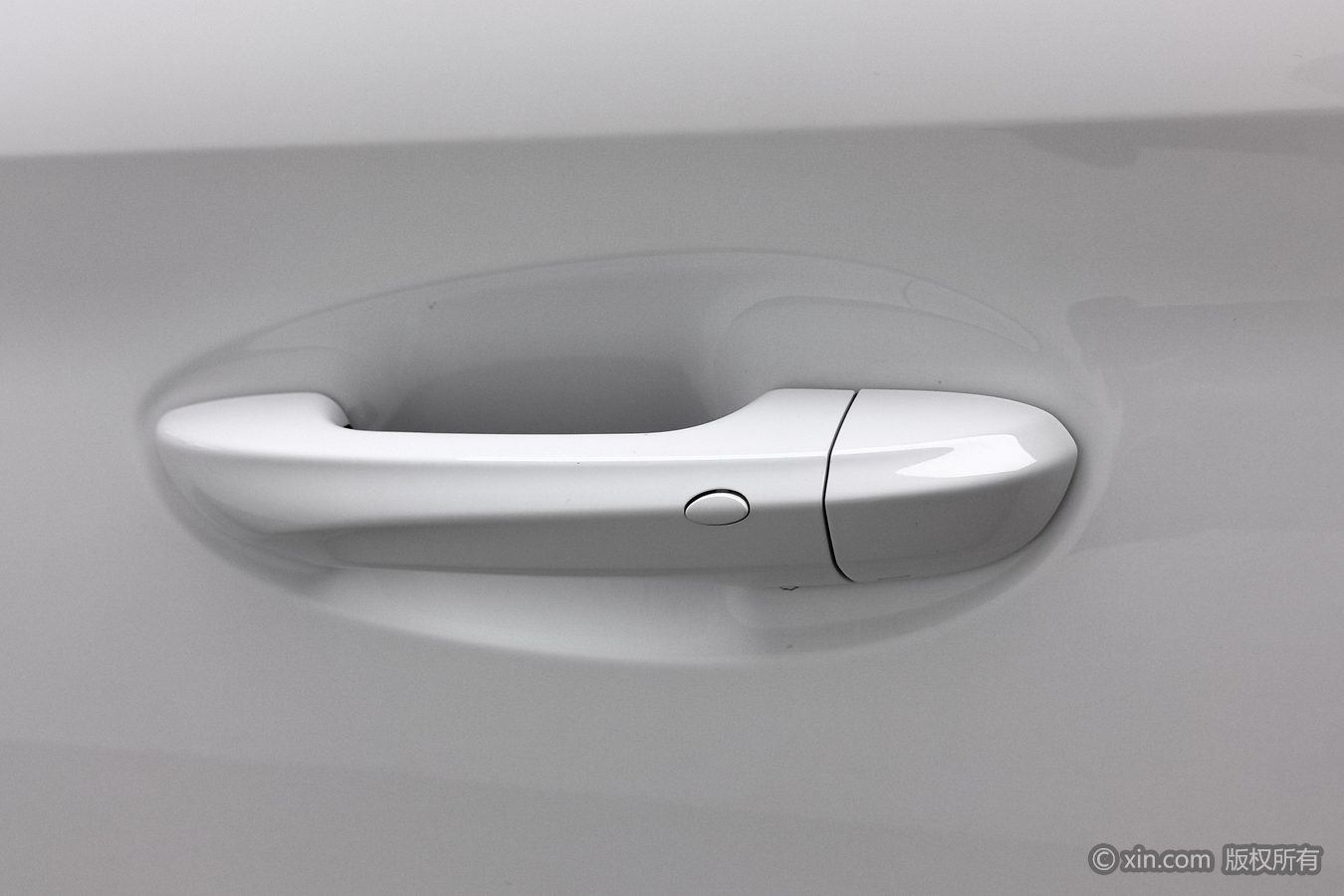
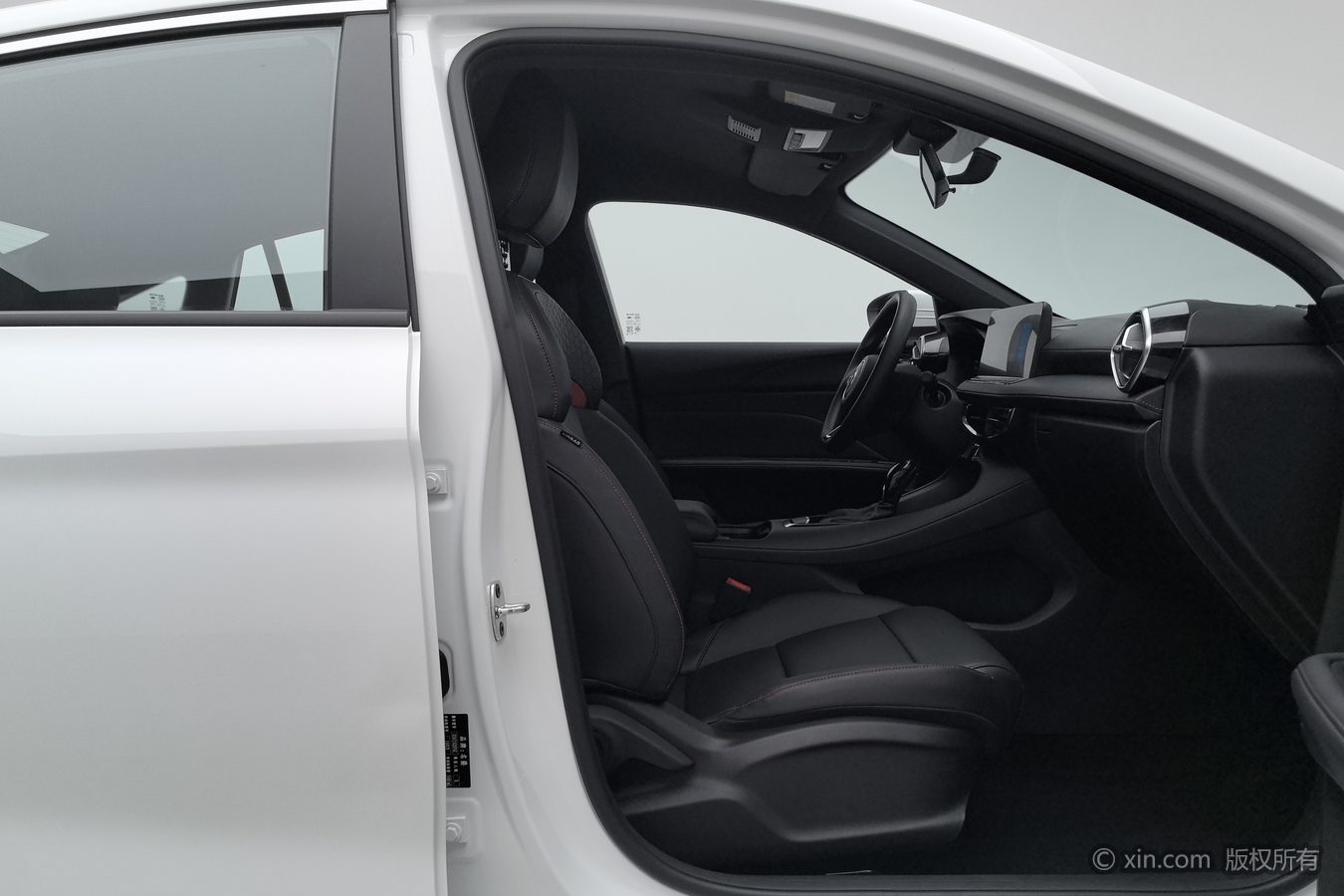
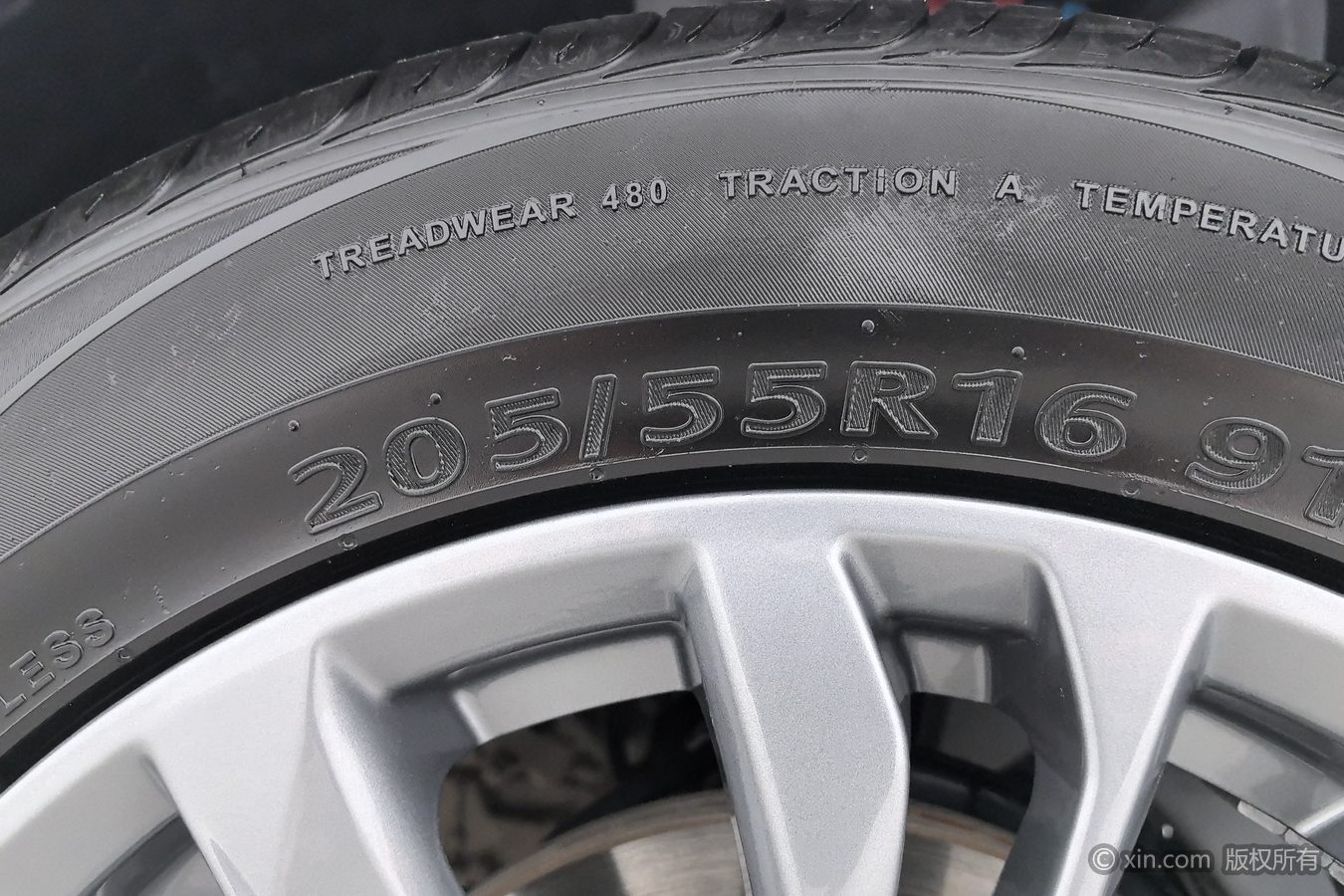



Basic Information

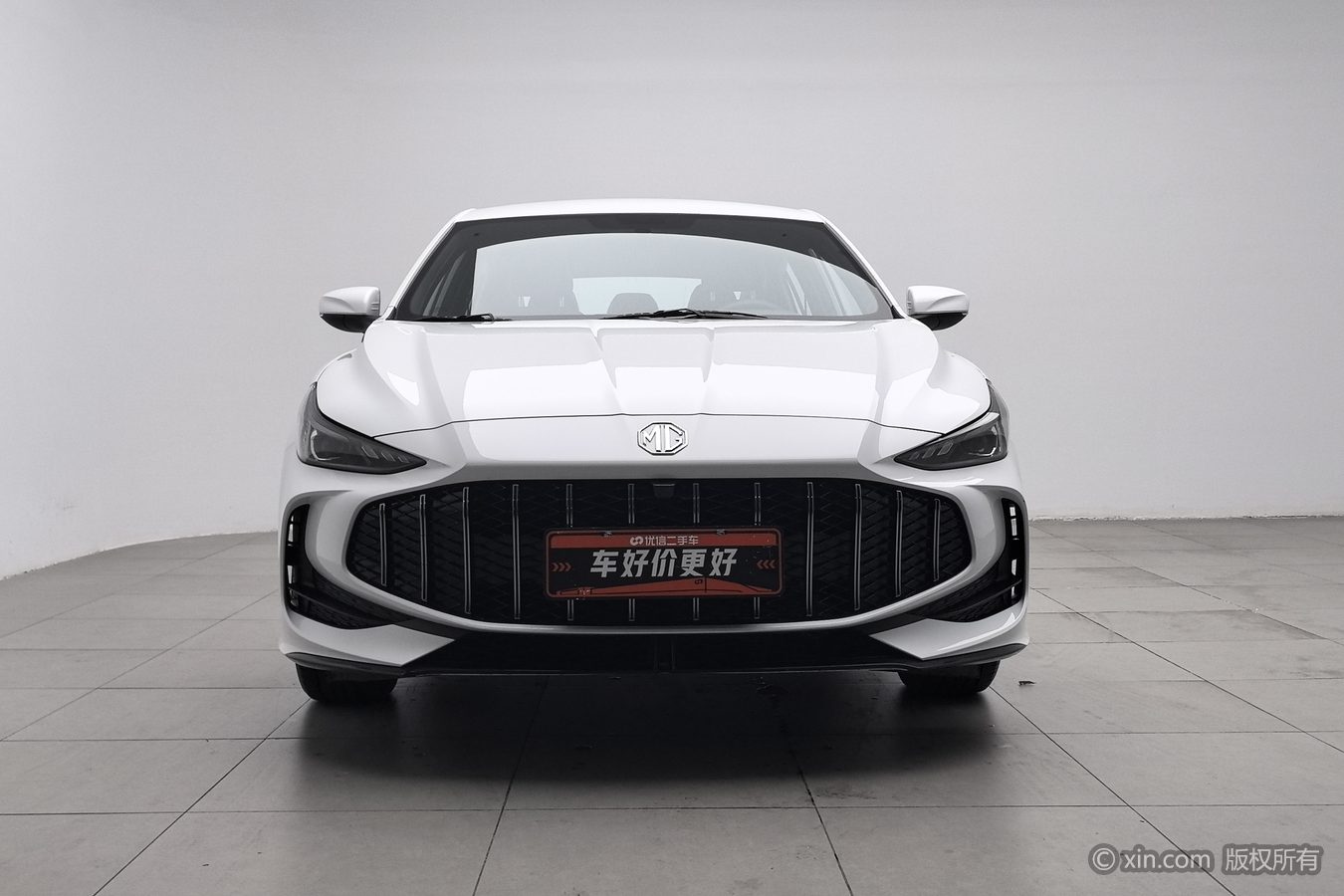
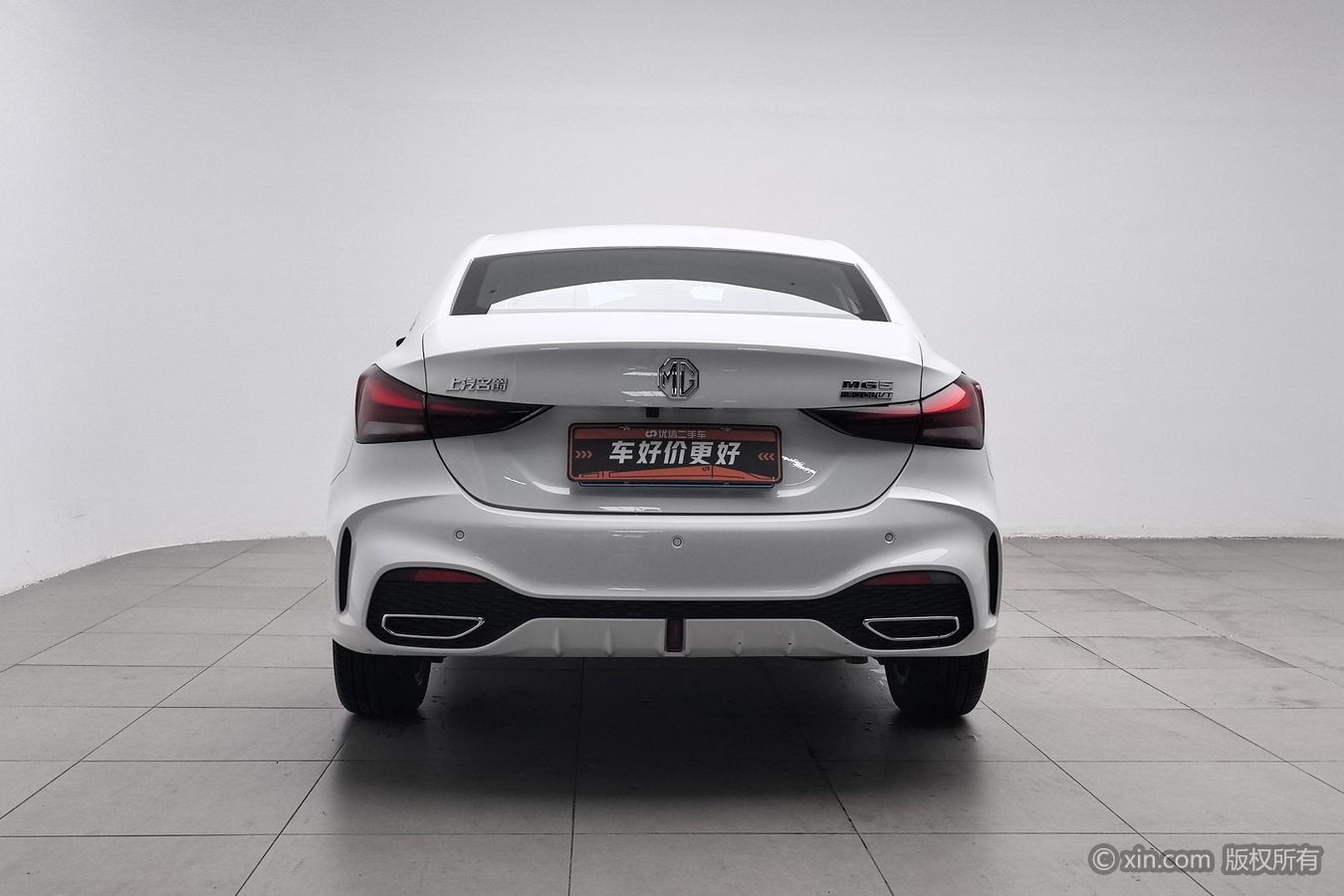
BrandMG
Series5
Year2025
First Registration2025/09
Mileage18,000km
Transfer Count1times
FuelGasoline
TransmissionCVT
Engine1.5L 129 L4
ColorWhite
Seats5seats

Condition Description

No odometer tampering, no structural damage, no water damage, no fire damage.

Configuration Highlights

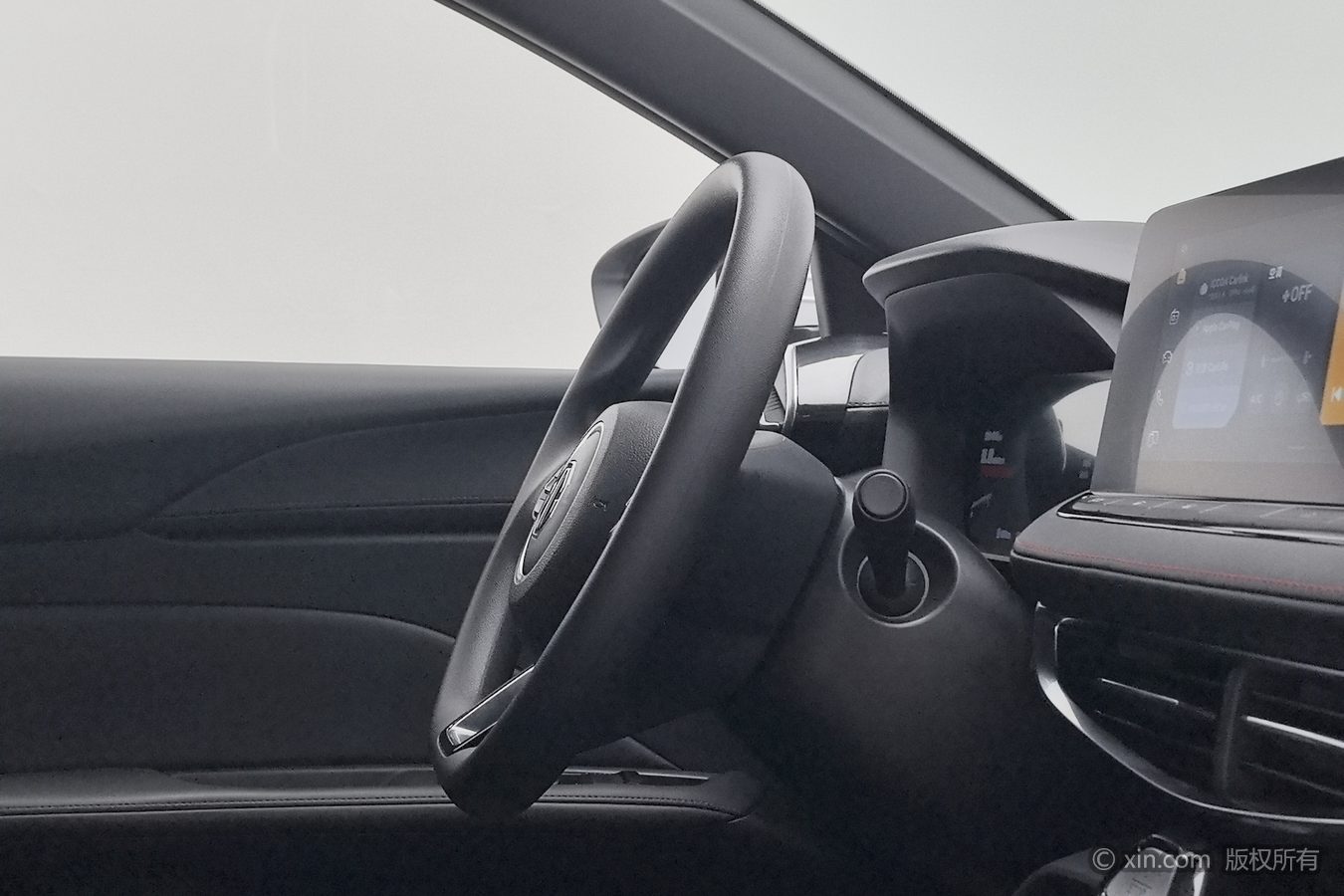
✓液晶仪表盘
✓Auto Hold
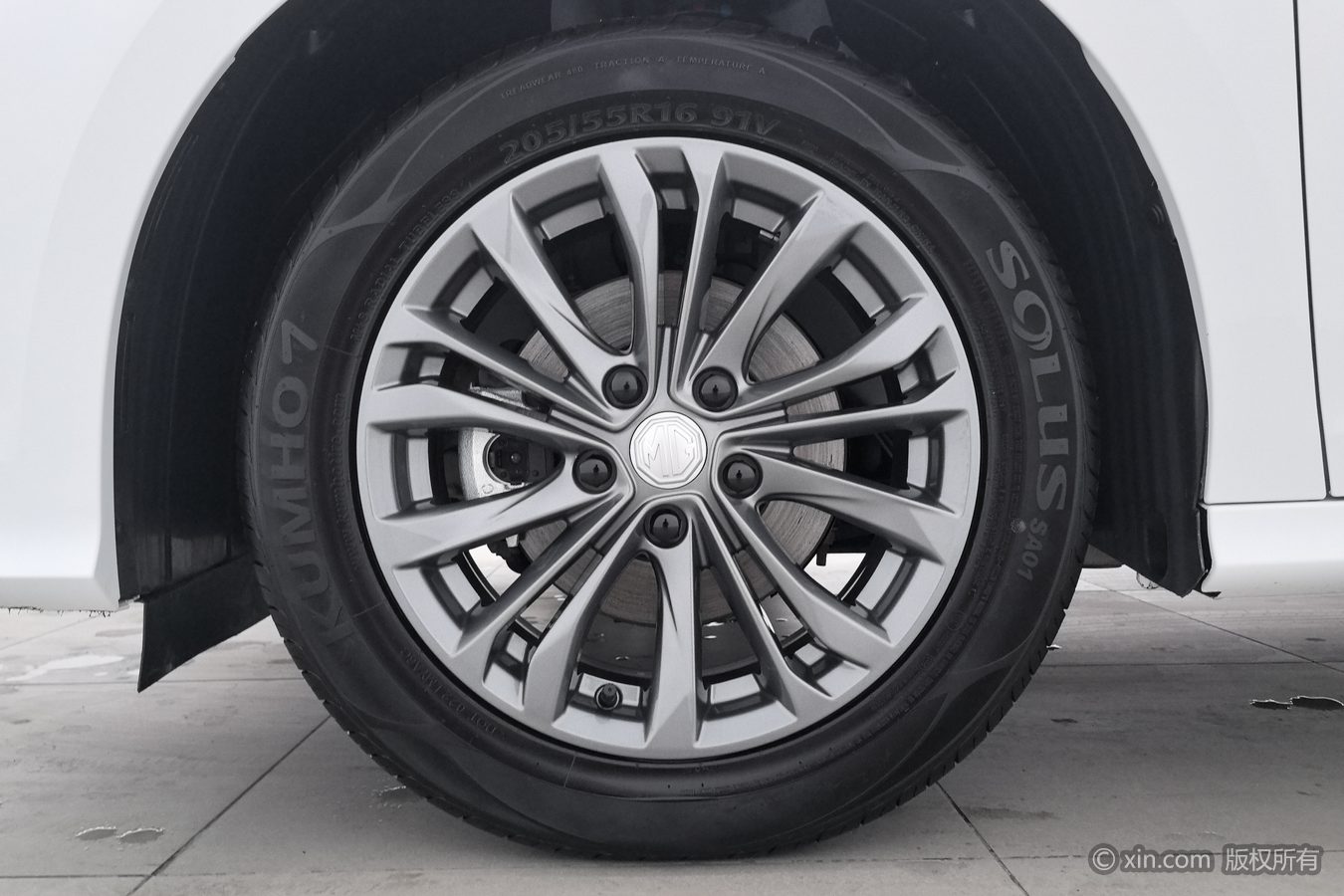
✓Tire Pressure Monitoring
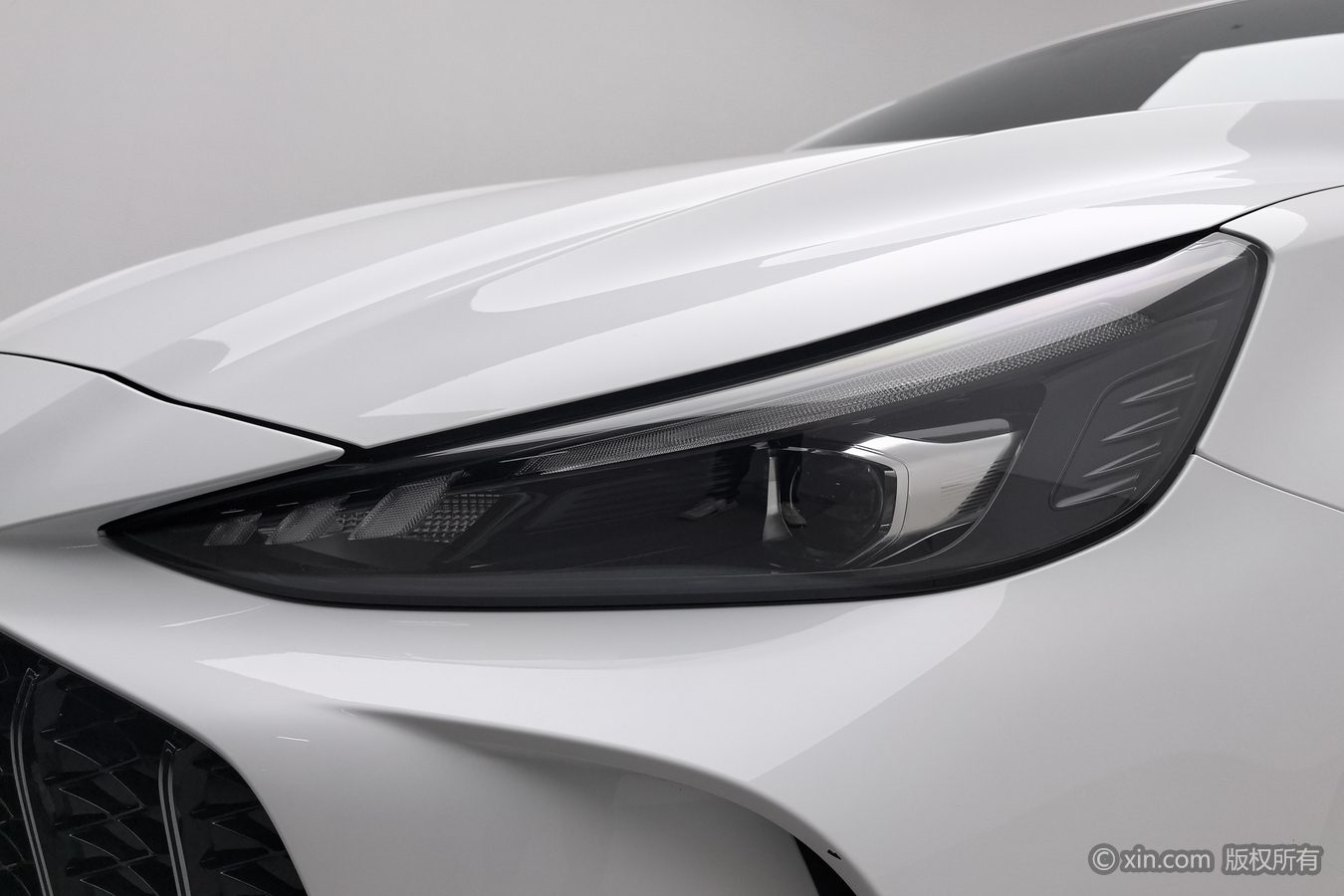
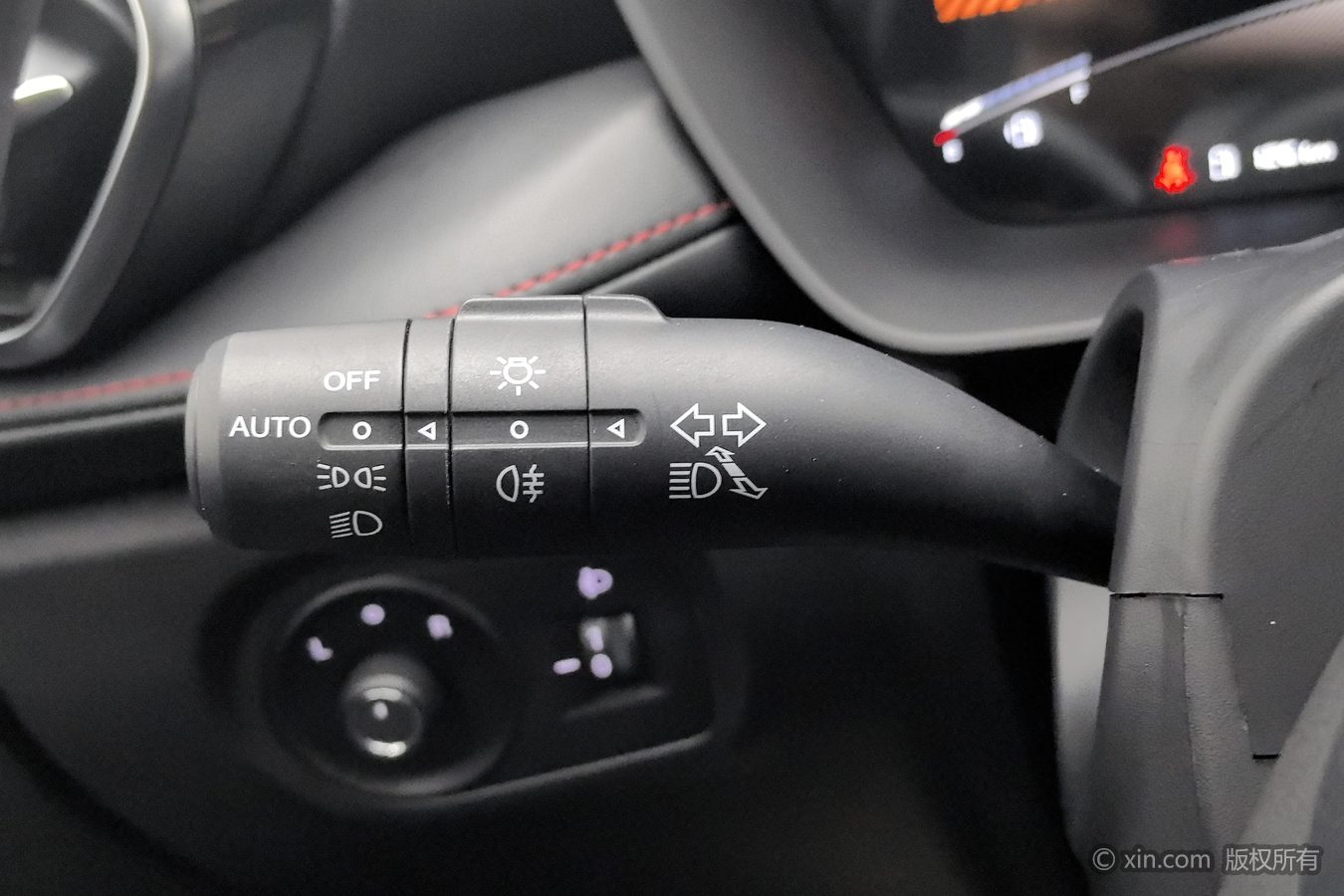
✓Auto Headlights

Document Information

Inspection Expiry Date2027/09
Warranty Expiry Date-
Insurance Expiry Date-

Q&A

More

Which Chinese ports are best for exporting used cars, and how do I choose the right one for my destination?

The main export hubs are Shanghai, Guangzhou/Shenzhen, Qingdao, Tianjin, and Ningbo. Shanghai has the most RoRo and container sailings to Europe, Africa, and the Americas. Southern China (Guangzhou/Shenzhen) is best for Southeast Asia and Oceania. Qingdao and Tianjin serve Korea, Japan, and northern routes efficiently. Choose based on three factors: sailing frequency to your port (weekly is ideal), total inland logistics cost from the car's location to the port, and whether your exporter has used-car export qualification at that port—some only operate from one or two ports. Also confirm the terminal handles used-car export declarations, since not every port processes them. Your exporter should recommend the optimal port-to-port combination with a written quote breakdown.


Beyond the car price, what costs should I budget when importing a used car from China?

A realistic budget has several layers beyond the vehicle price. First, inland logistics in China: moving the car to the export port typically costs $300-$800. Second, export handling: inspection, customs declaration and paperwork usually add $500-$1,000. Third, ocean freight. A 20ft container to most destinations runs $1,200-$3,000 depending on route; RoRo shipping can be cheaper for driveable cars. Add marine insurance, usually 0.3%-0.5% of the car value. Fourth, destination charges: port handling, customs duties, VAT/GST and local registration fees. These vary widely; some countries charge duties of 20%-80% of the vehicle value plus an excise based on engine capacity. Finally, any compliance work: inspection certificates, modifications to meet local standards, or homologation. Ask your exporter for a full CIF quote and have a local customs broker confirm destination taxes before you commit.

Will the connected app, remote control, and OTA updates of a used Chinese EV keep working in my country after import?

Usually yes, but with conditions. The seller must transfer the vehicle's account binding to you — without that, the app stays locked to the previous owner. Ask for a screen recording showing the unbinding and re-binding process. OTA updates and remote functions depend on the manufacturer keeping servers accessible from your region. Most major brands now support overseas accounts, but features like voice assistants or map data may be limited outside China. In-car navigation may default to Chinese maps, so plan to use Android Auto, CarPlay, or phone mirroring instead. Before purchase, confirm with the exporter in writing: which connected functions work in your country, and whether a regional account conversion is included in the price.