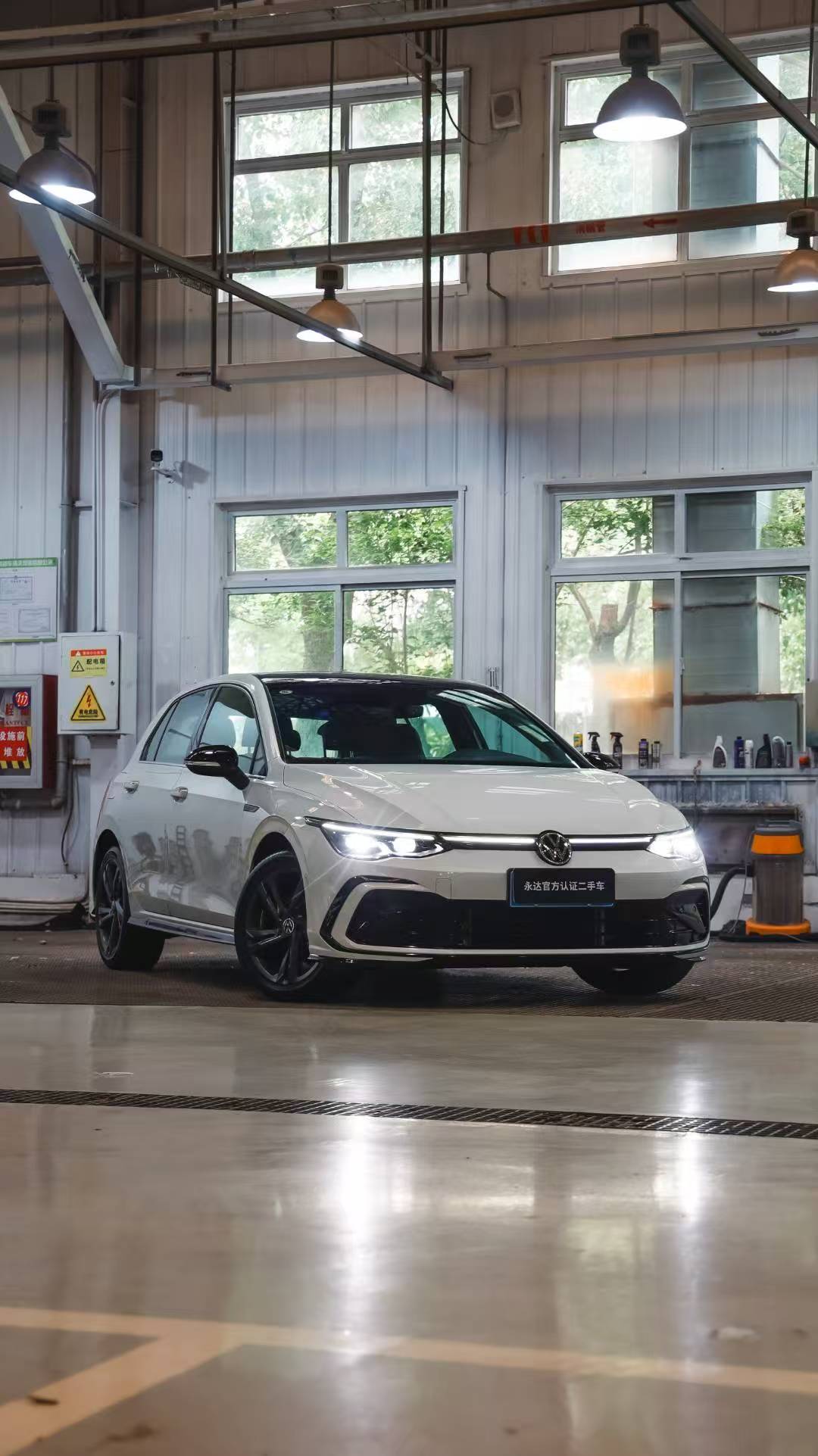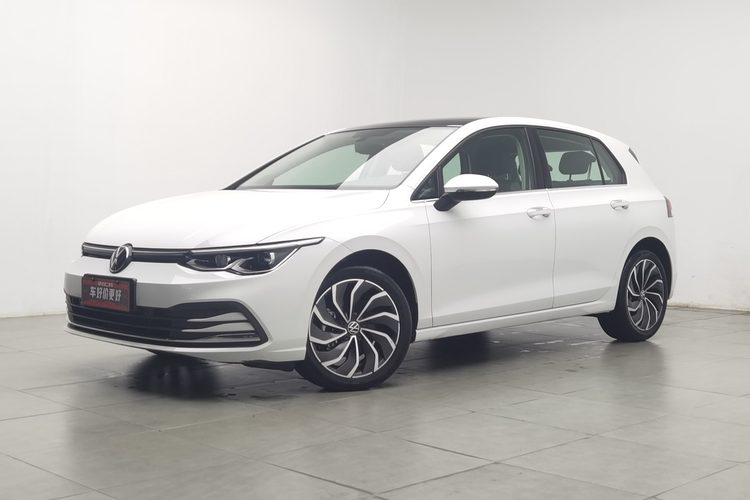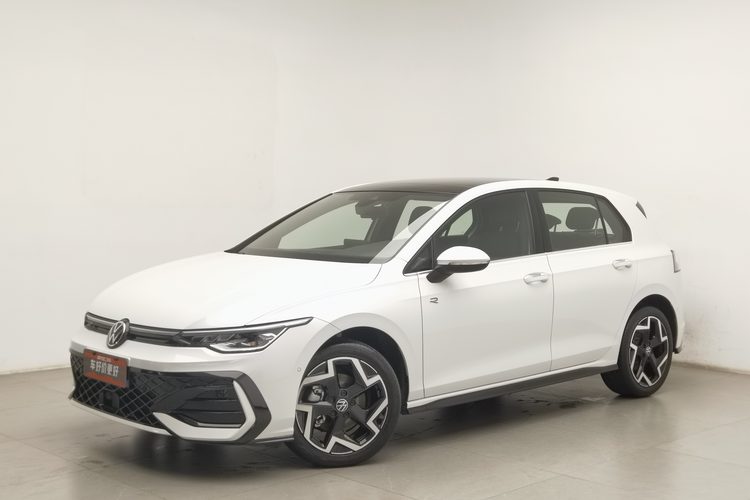
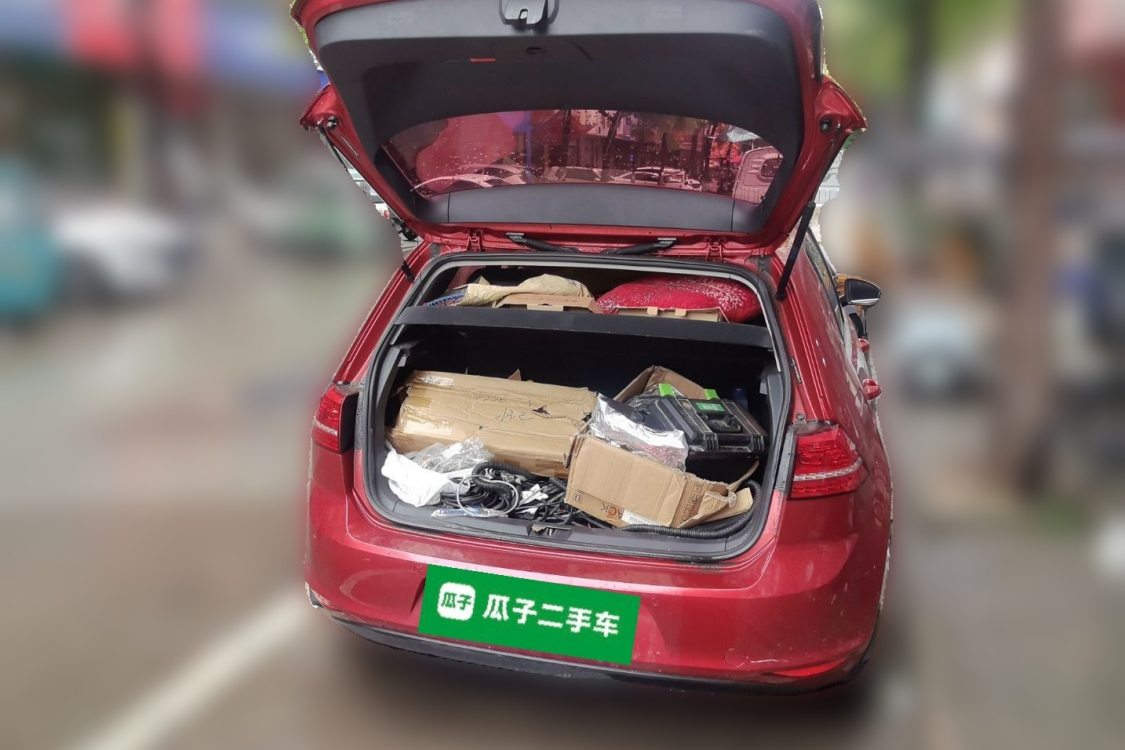
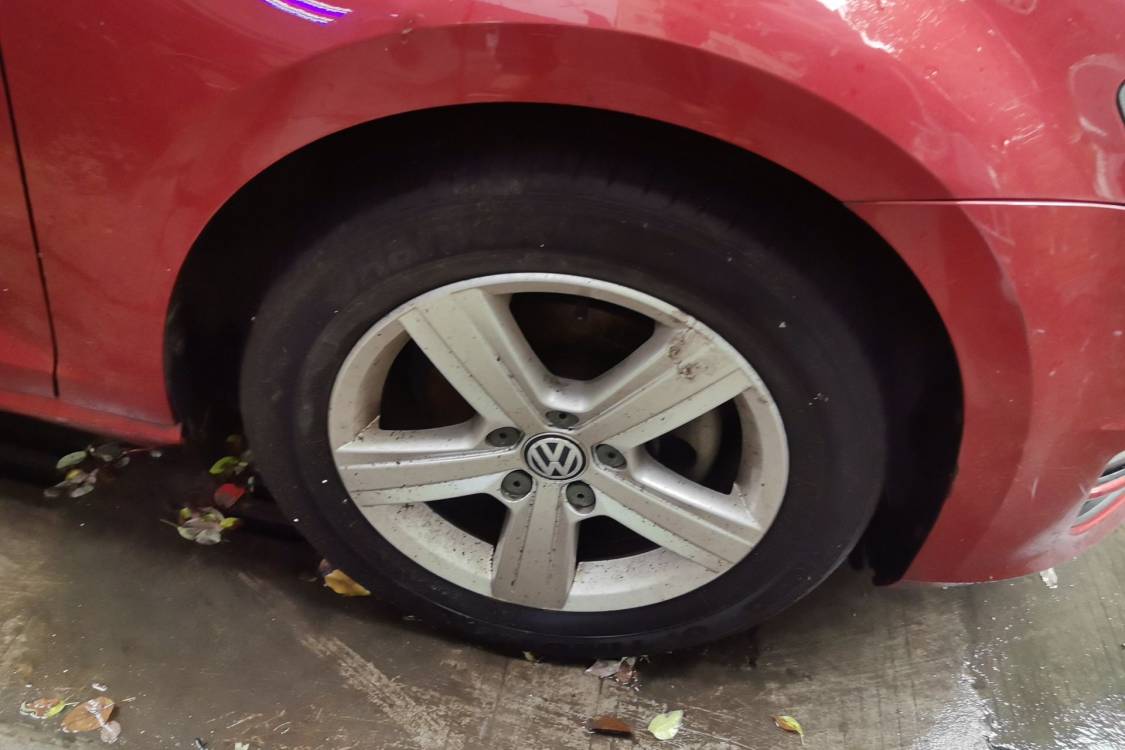
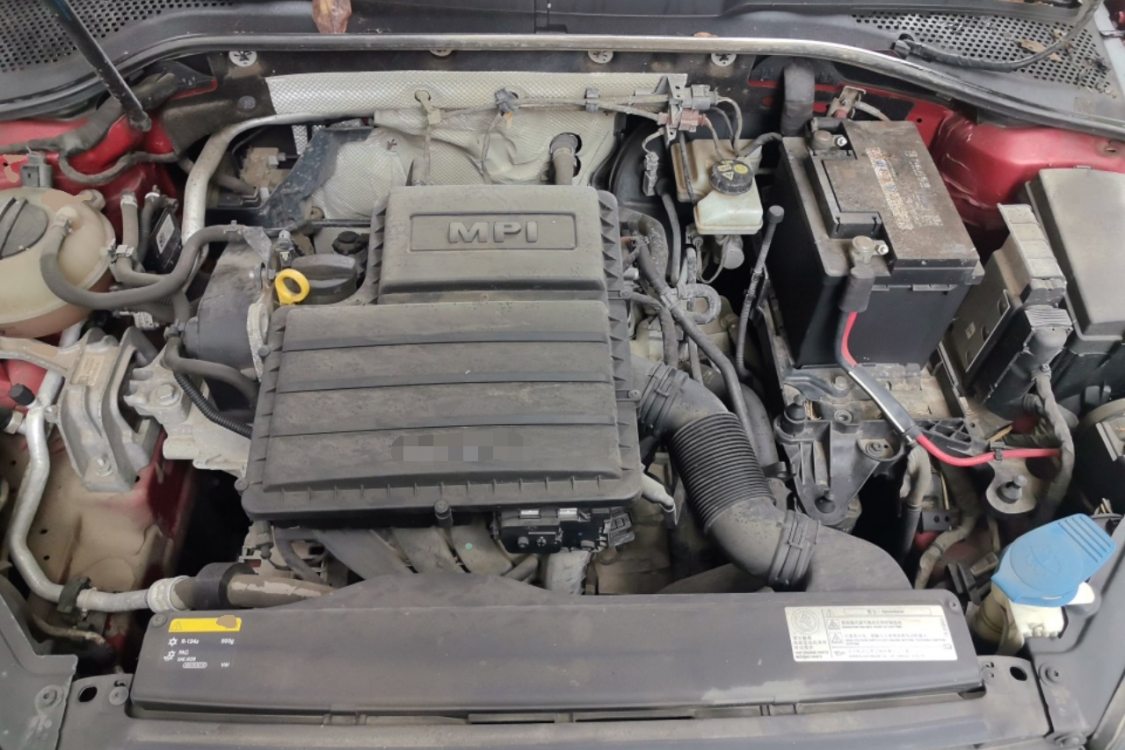
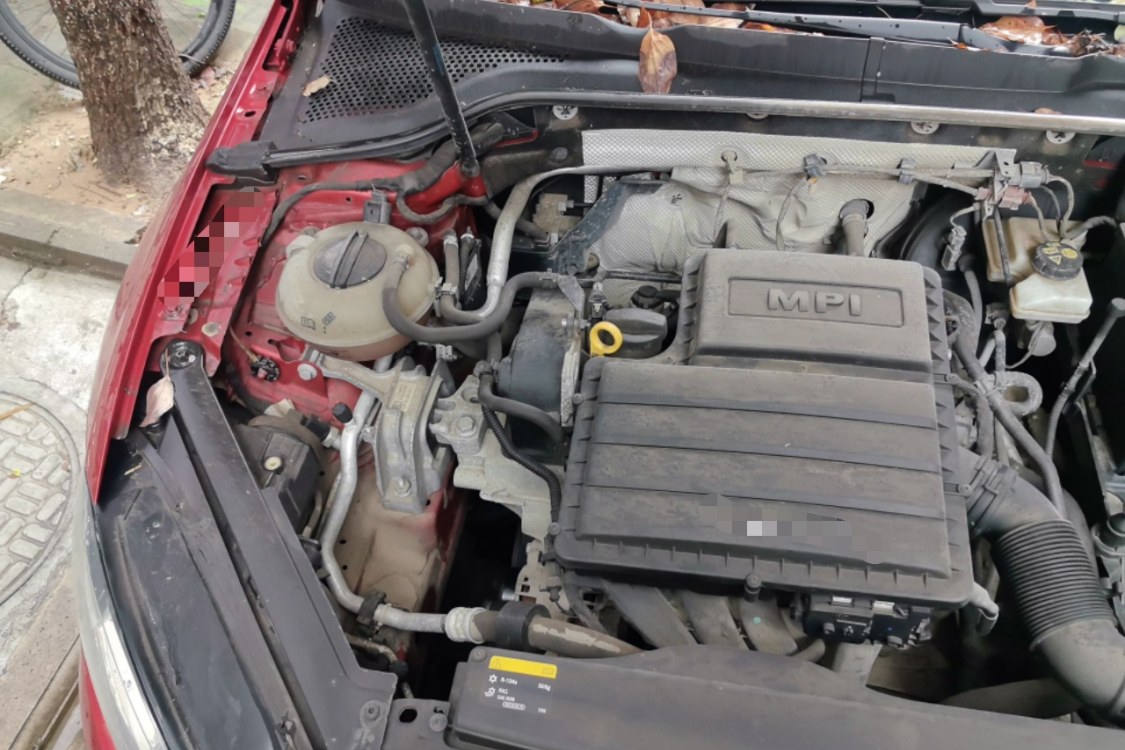




48H

Basic Information

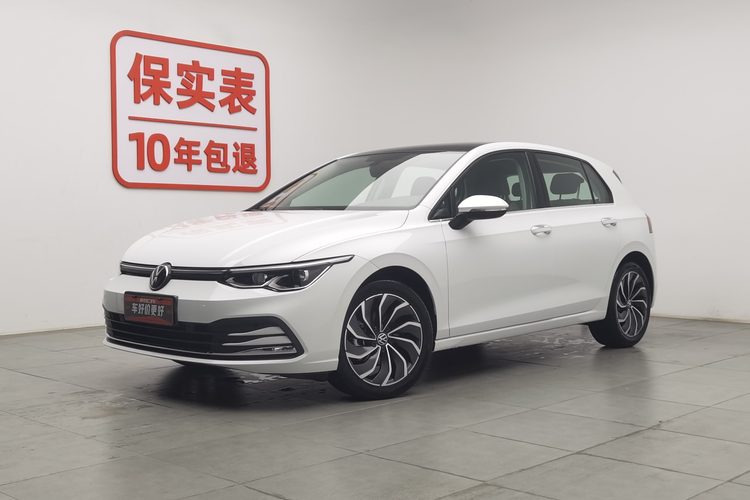
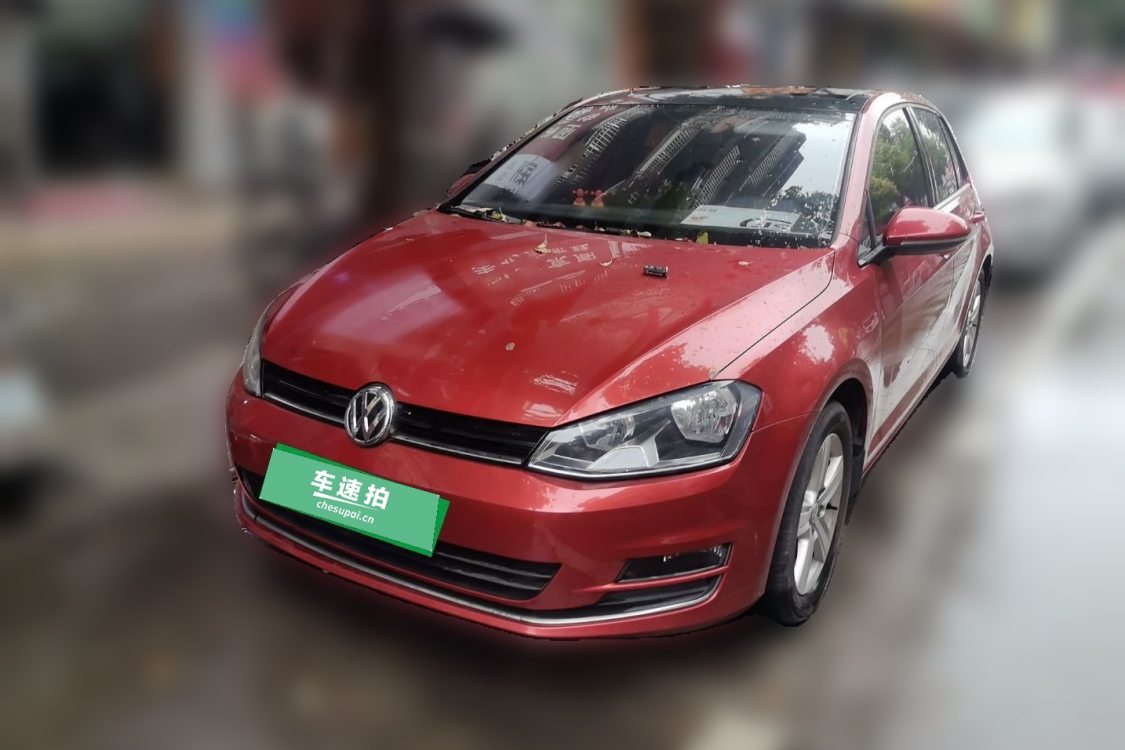
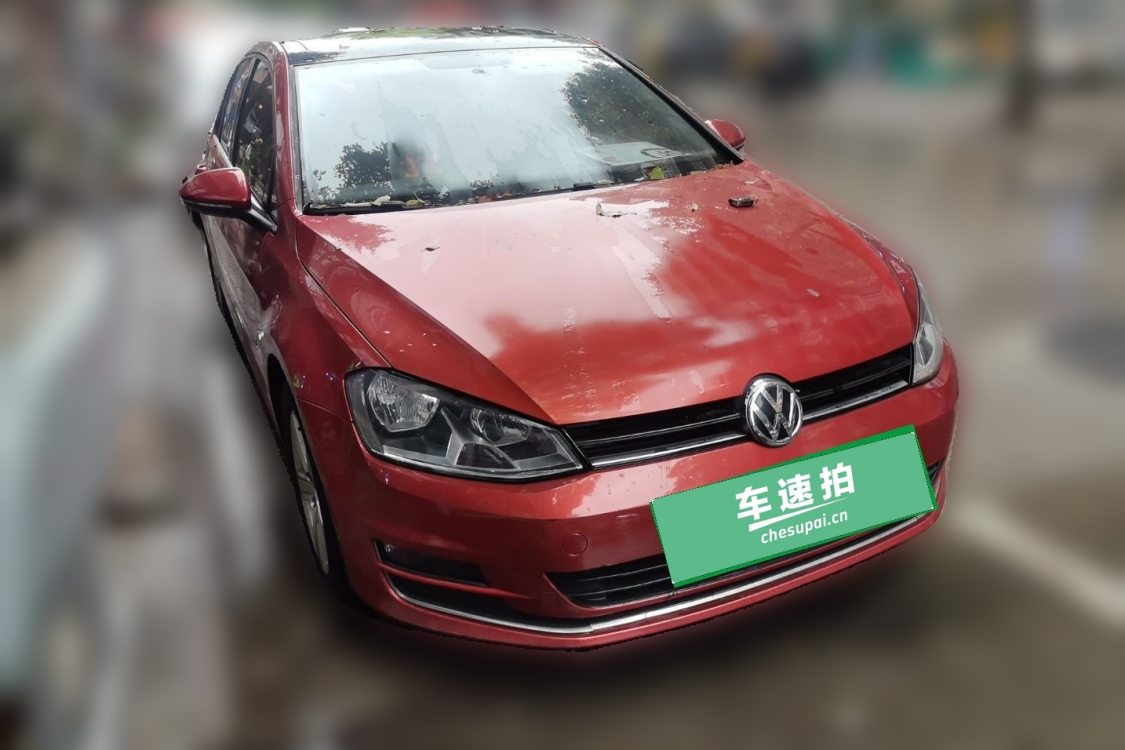
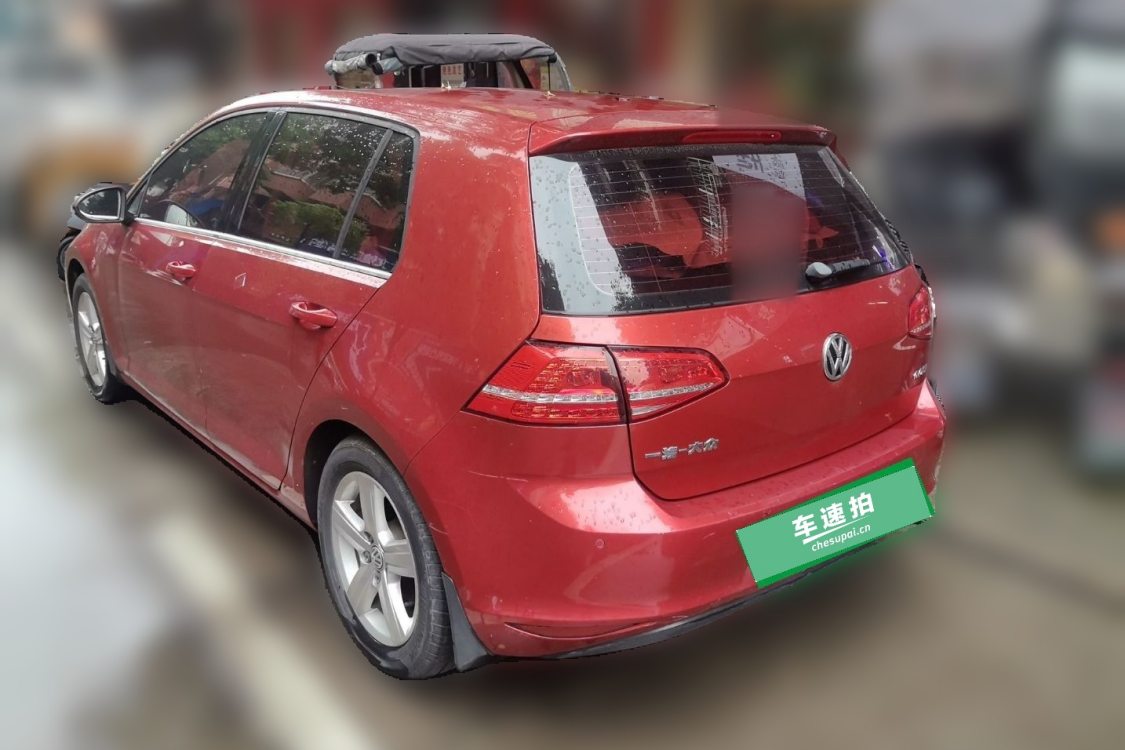
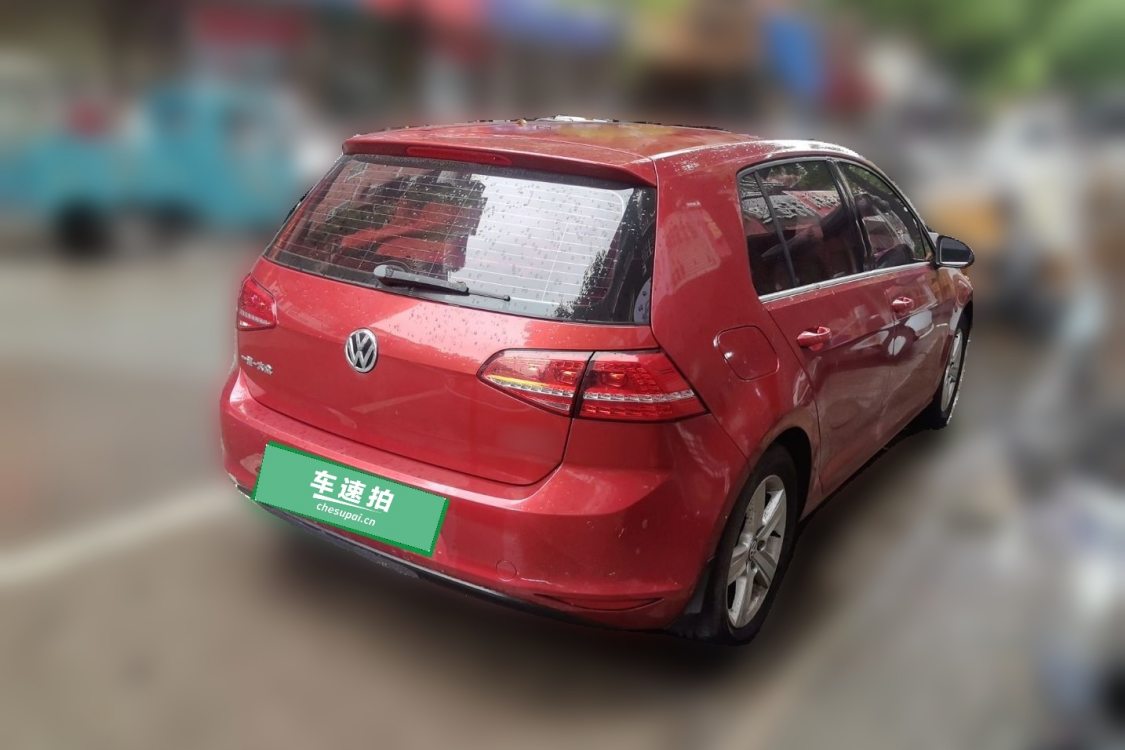
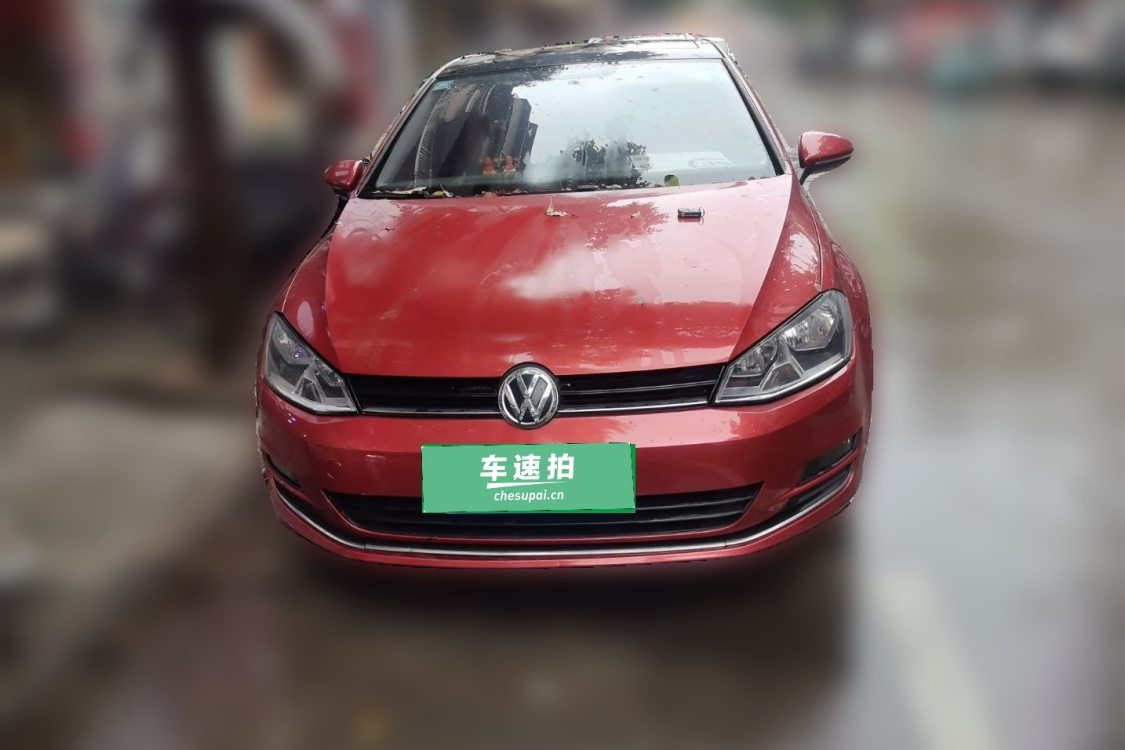
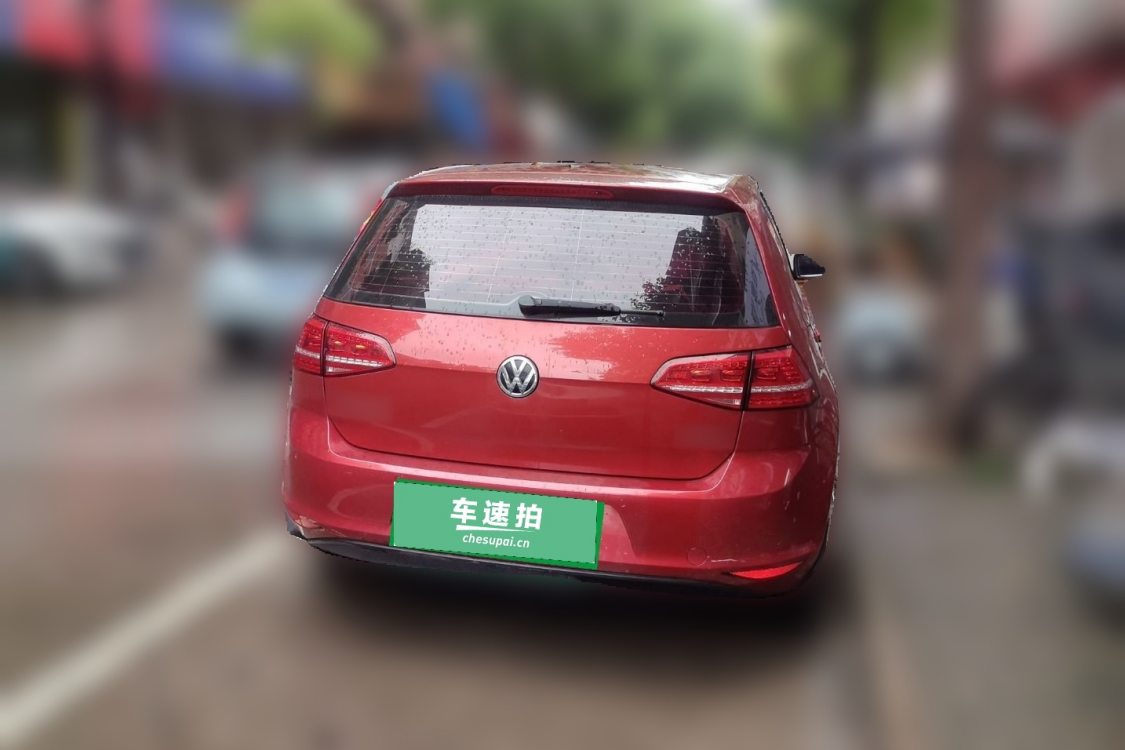
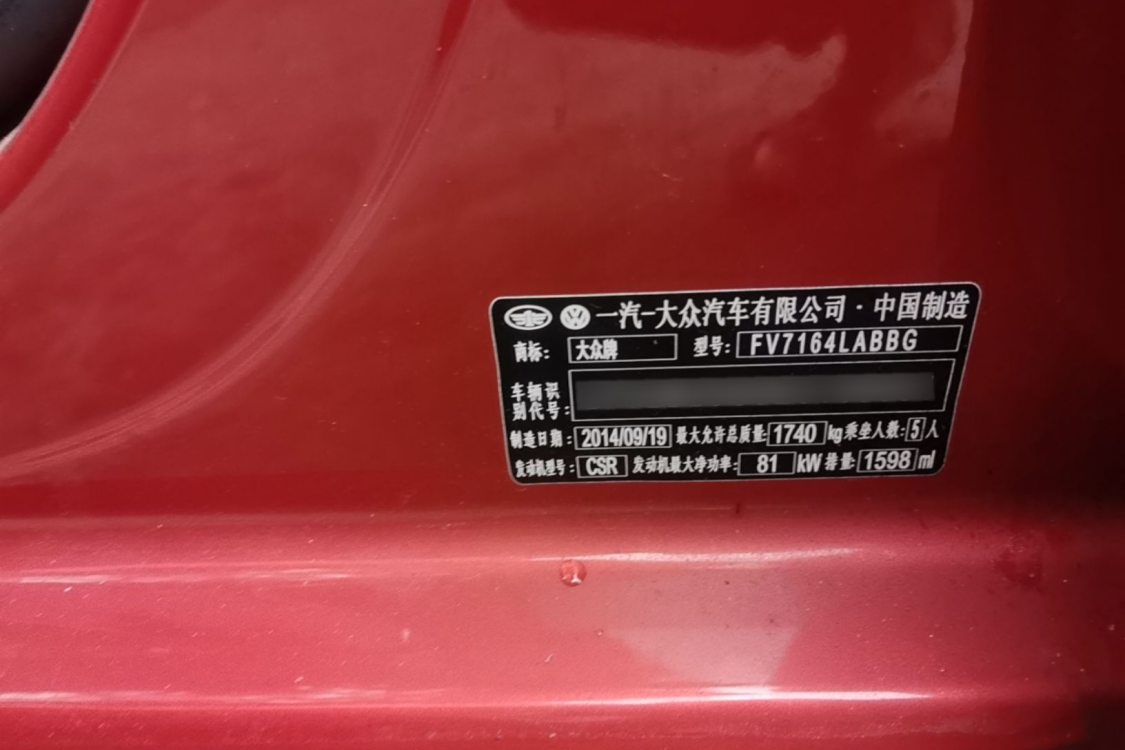
BrandVolkswagen
SeriesGolf
Year2014
First Registration2014/10
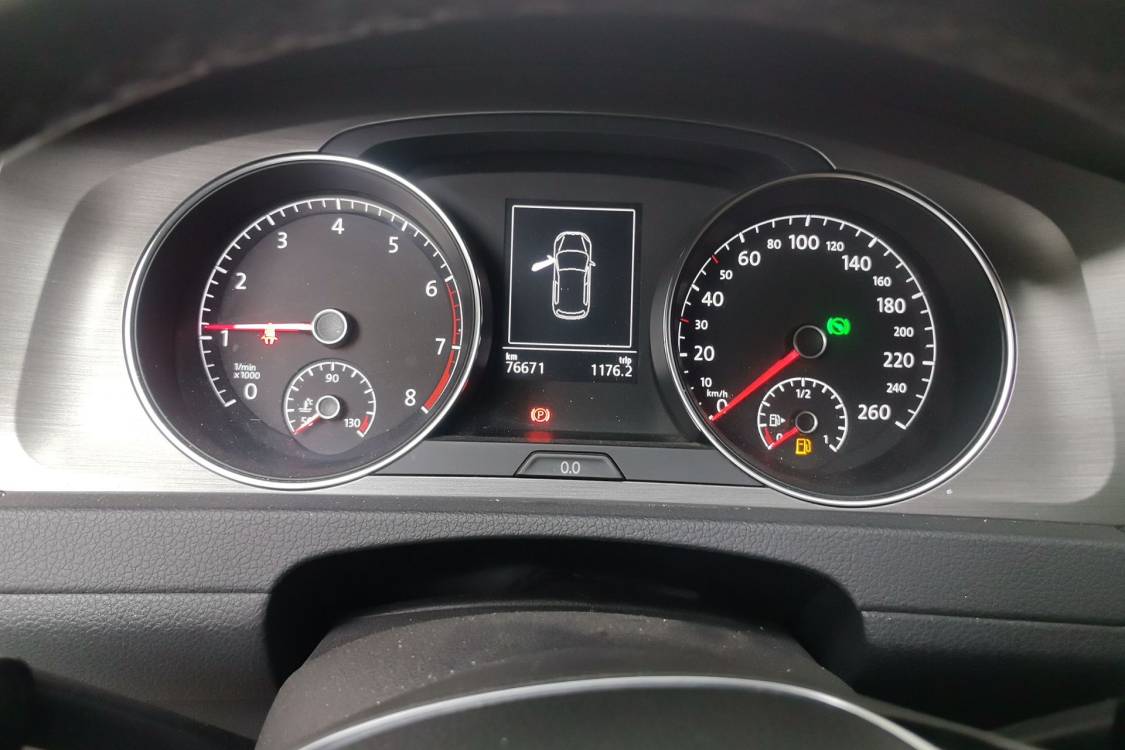
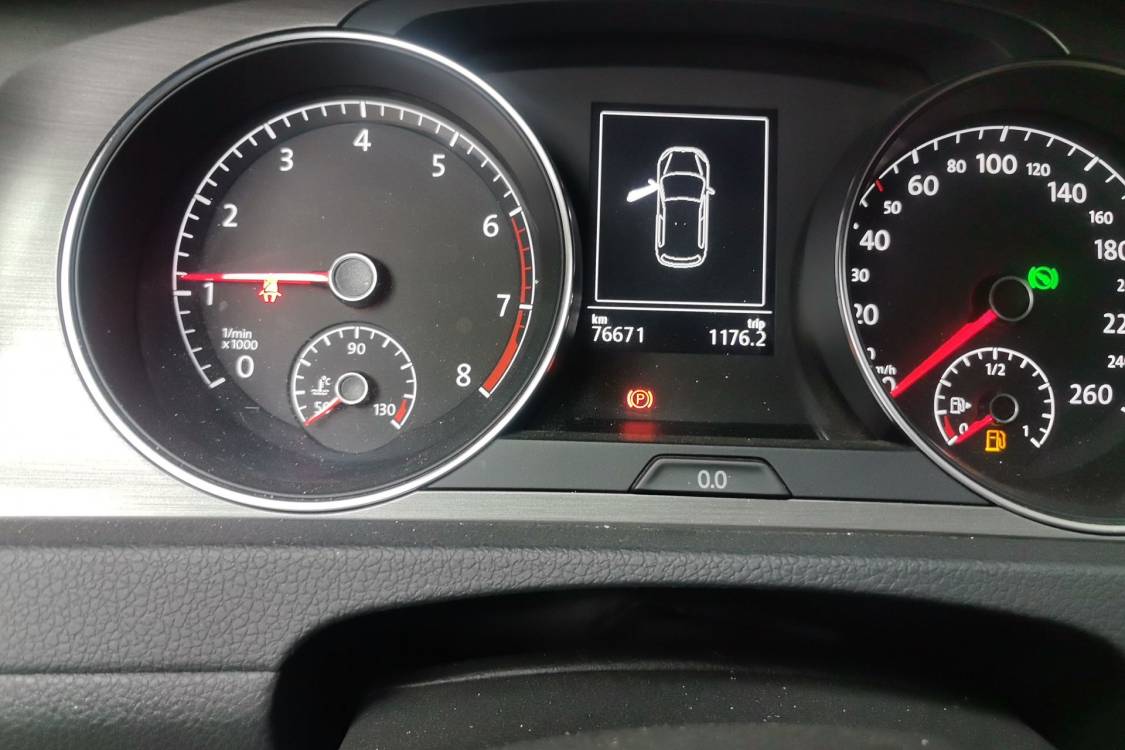
Mileage76,600km
Transfer Count2times
FuelGasoline
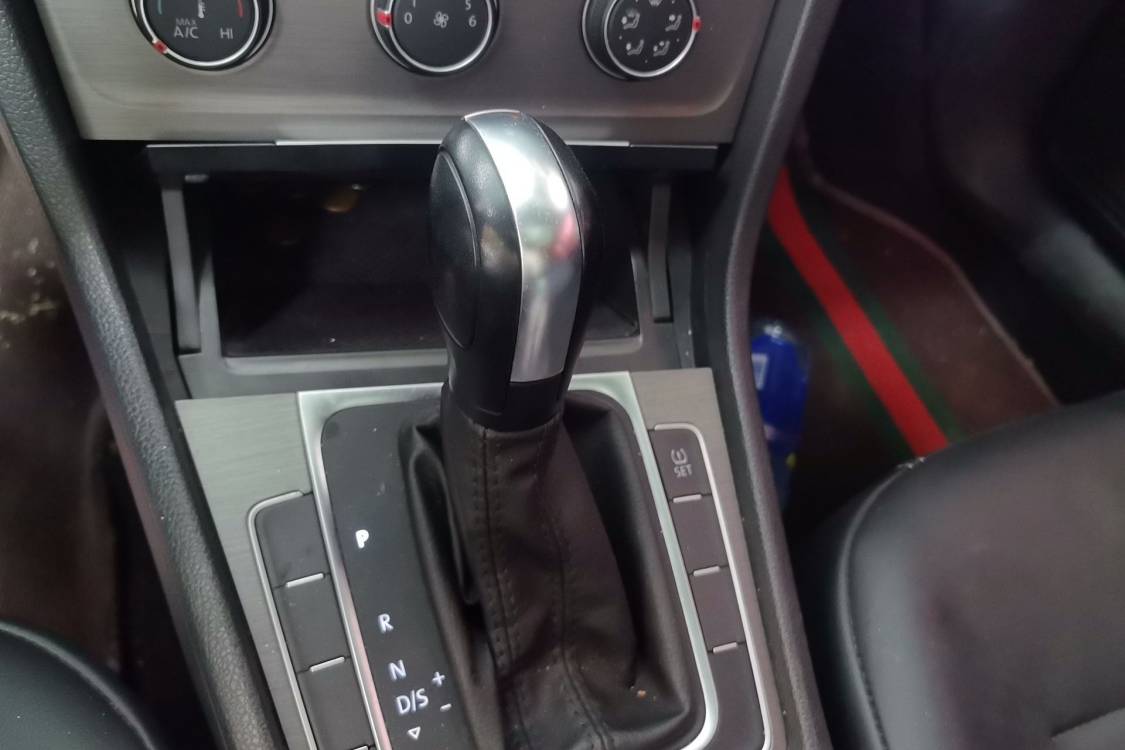
TransmissionManumatic
Engine1.6L 110 L4
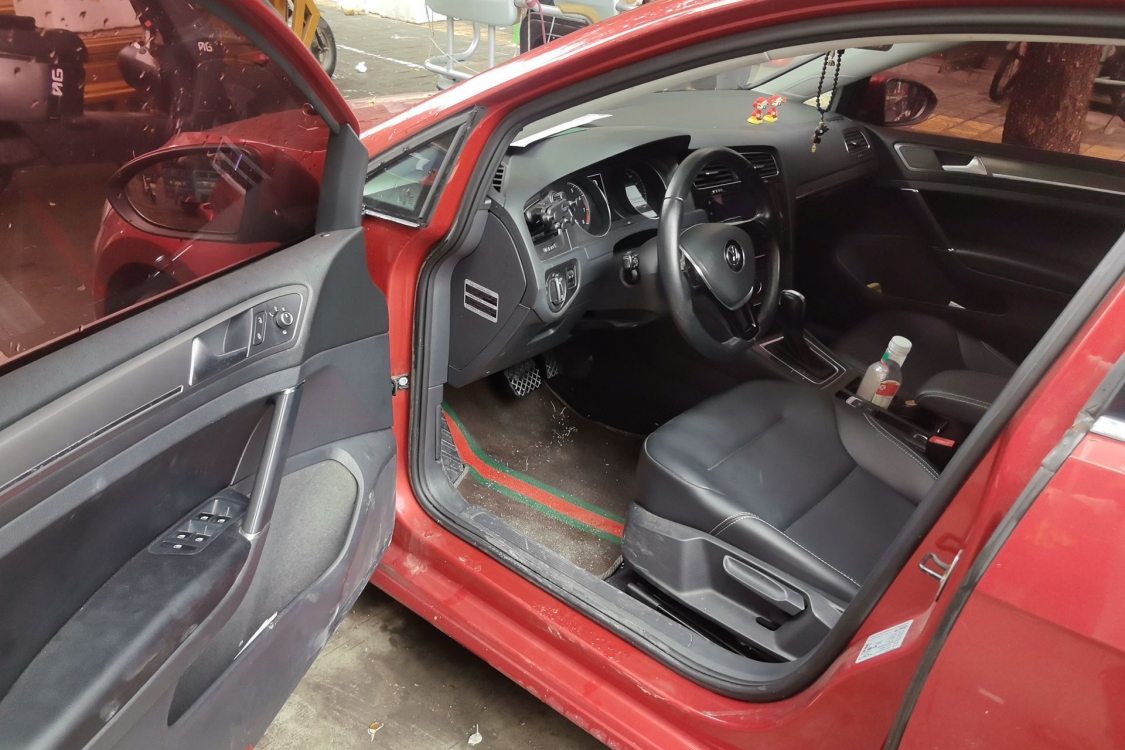
ColorRed
Seats-

Condition Description

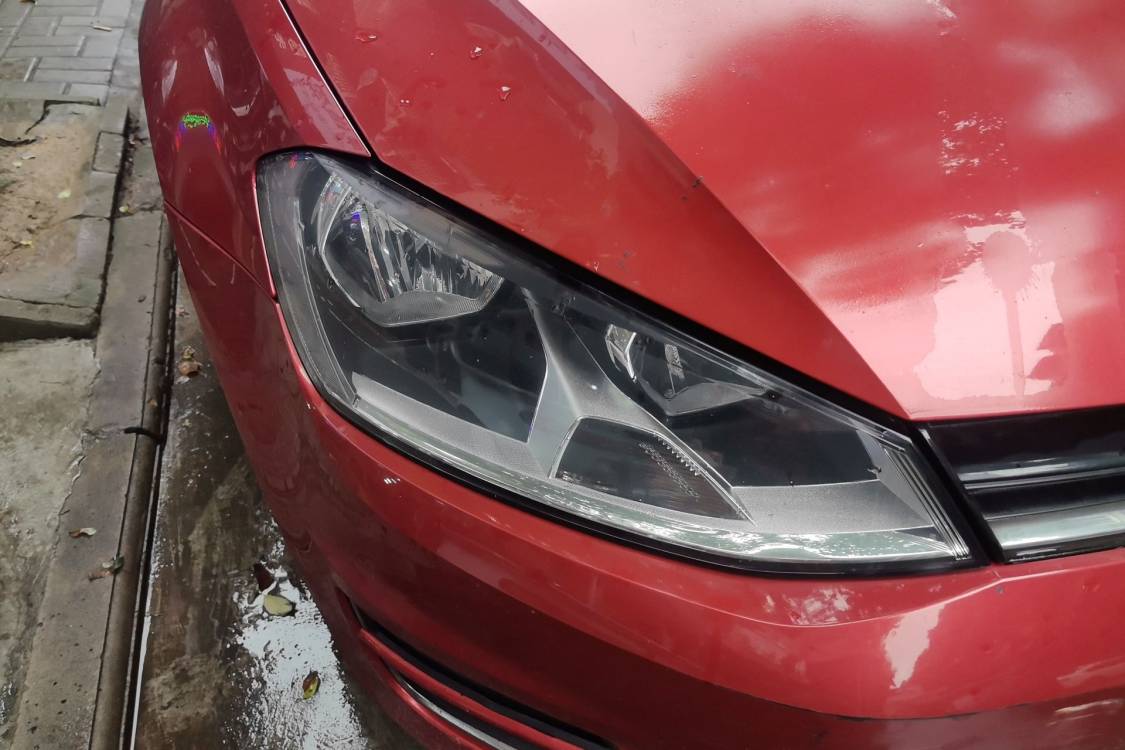
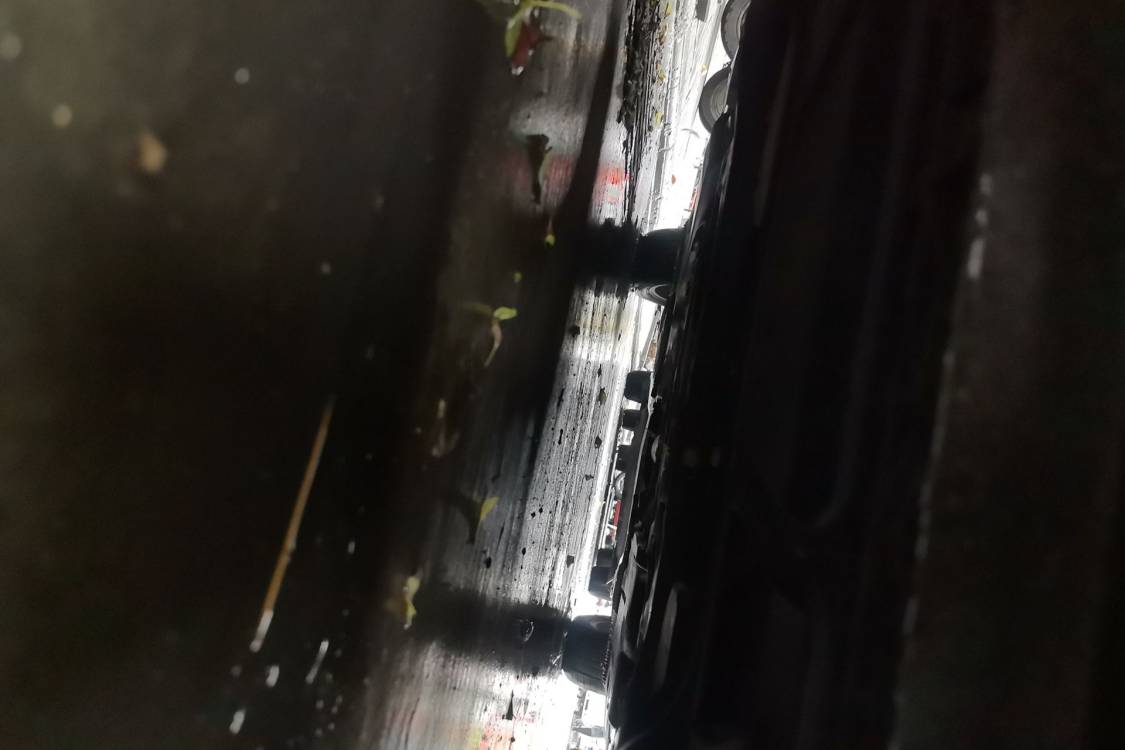
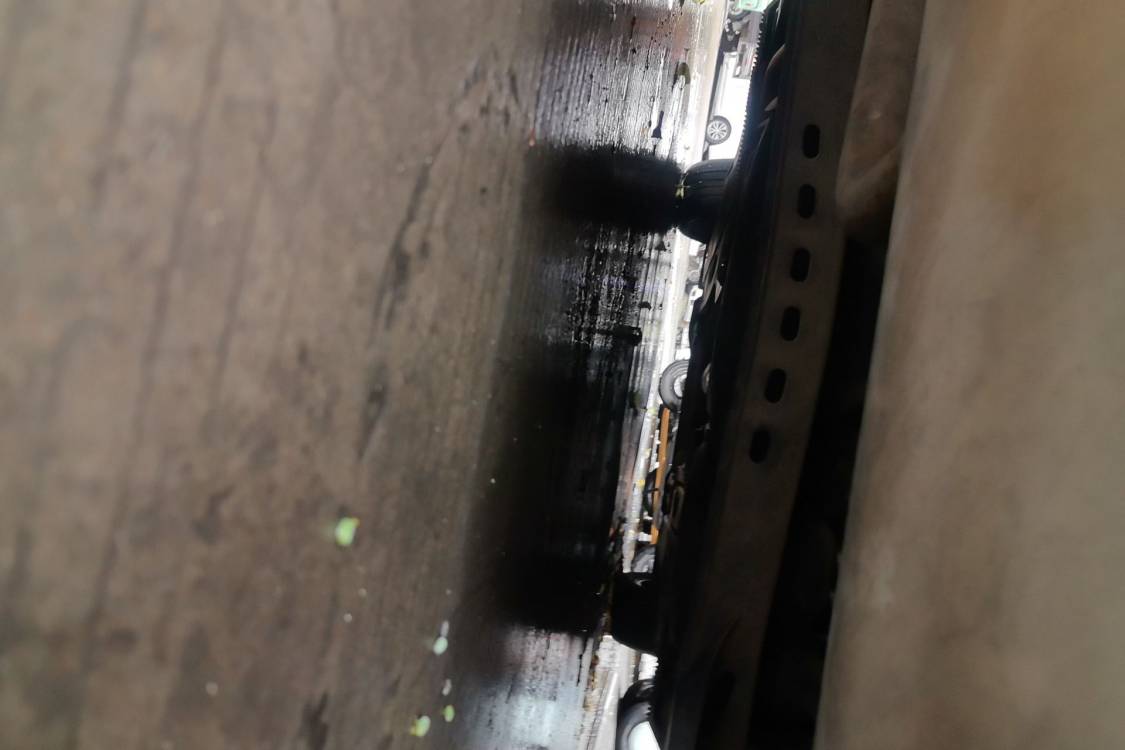
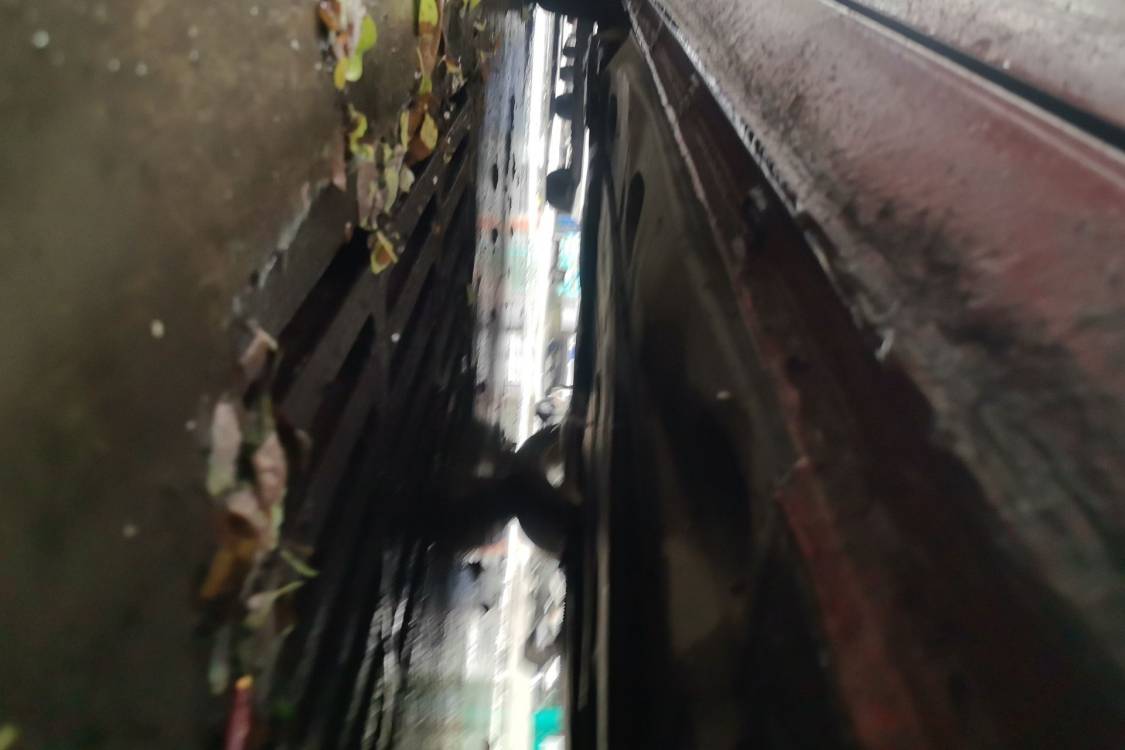
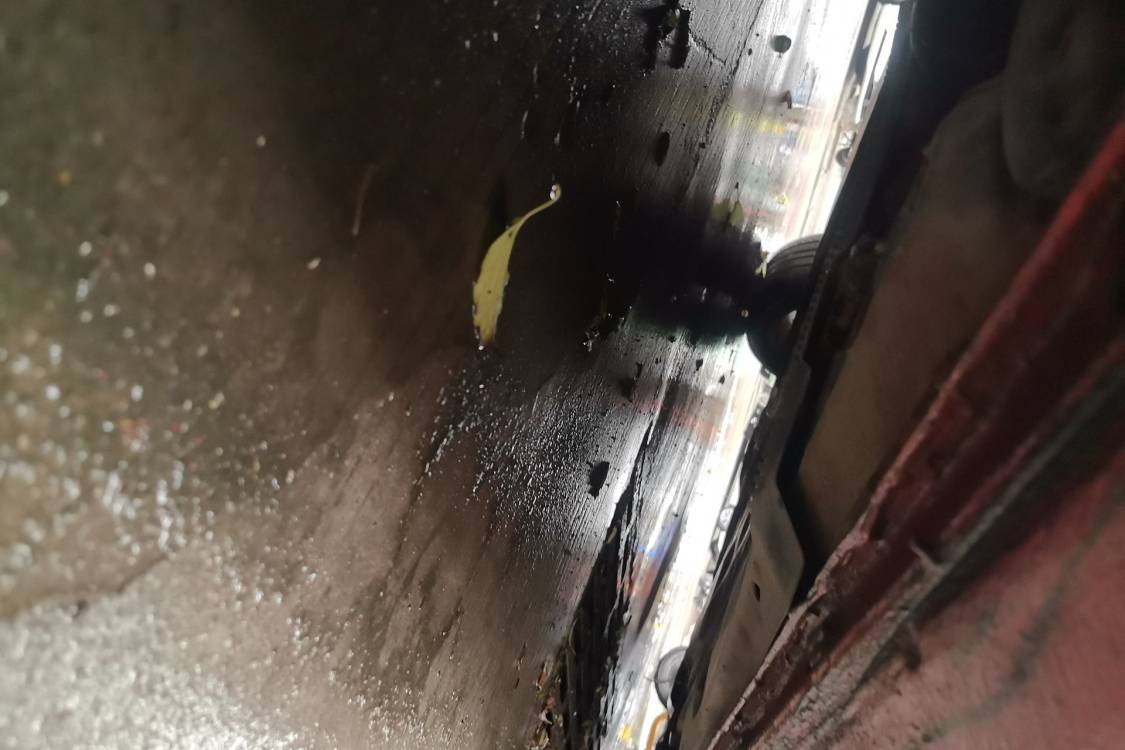
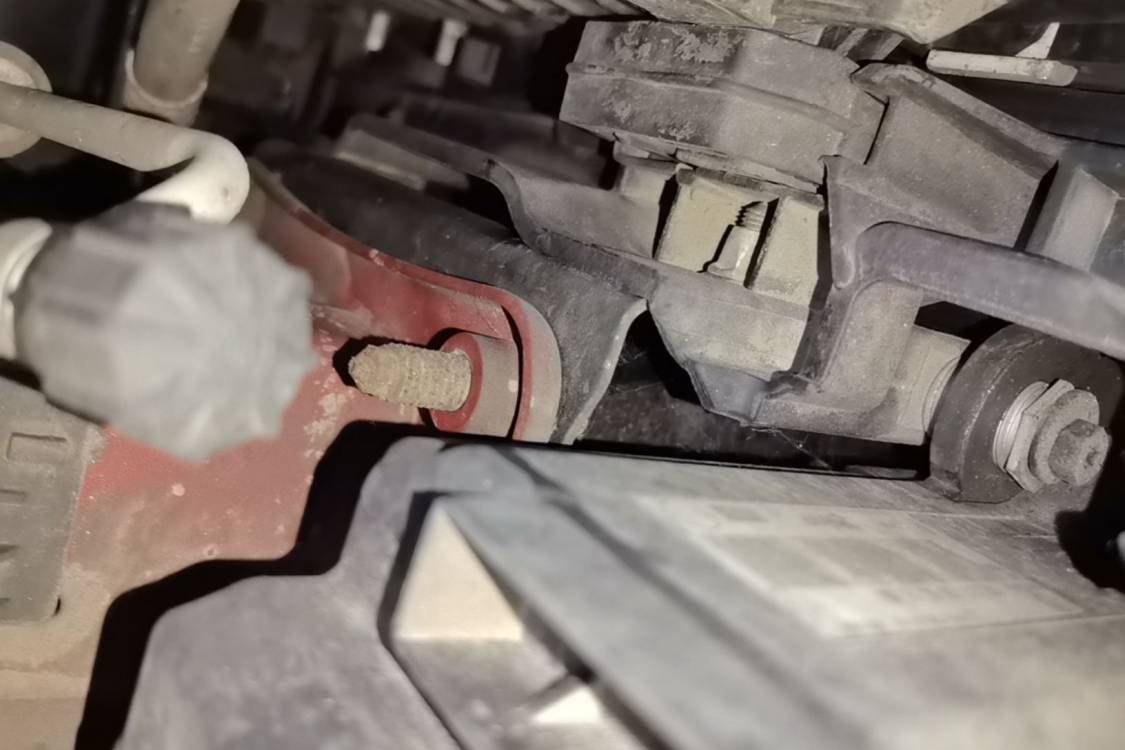
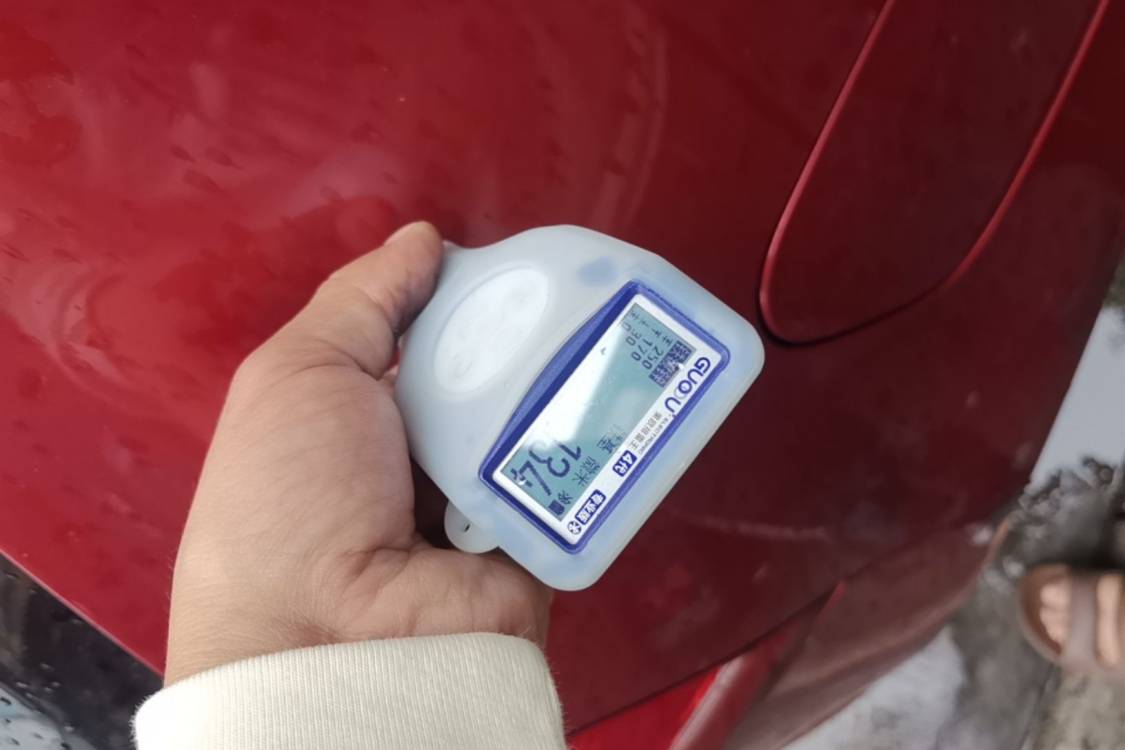
Body components (structural/reinforcing/panels) have accident-type damage; passive safety devices are defective; vehicle performance (including three-electric system) is degraded or remains performance-limited after repairs.

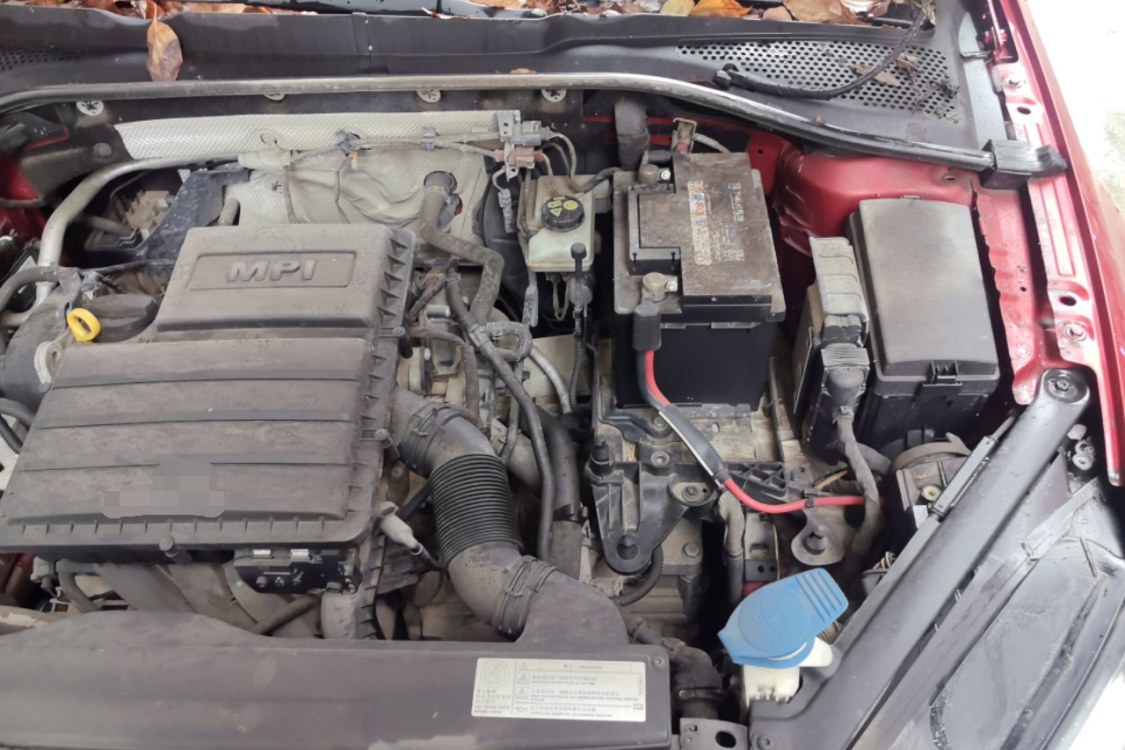
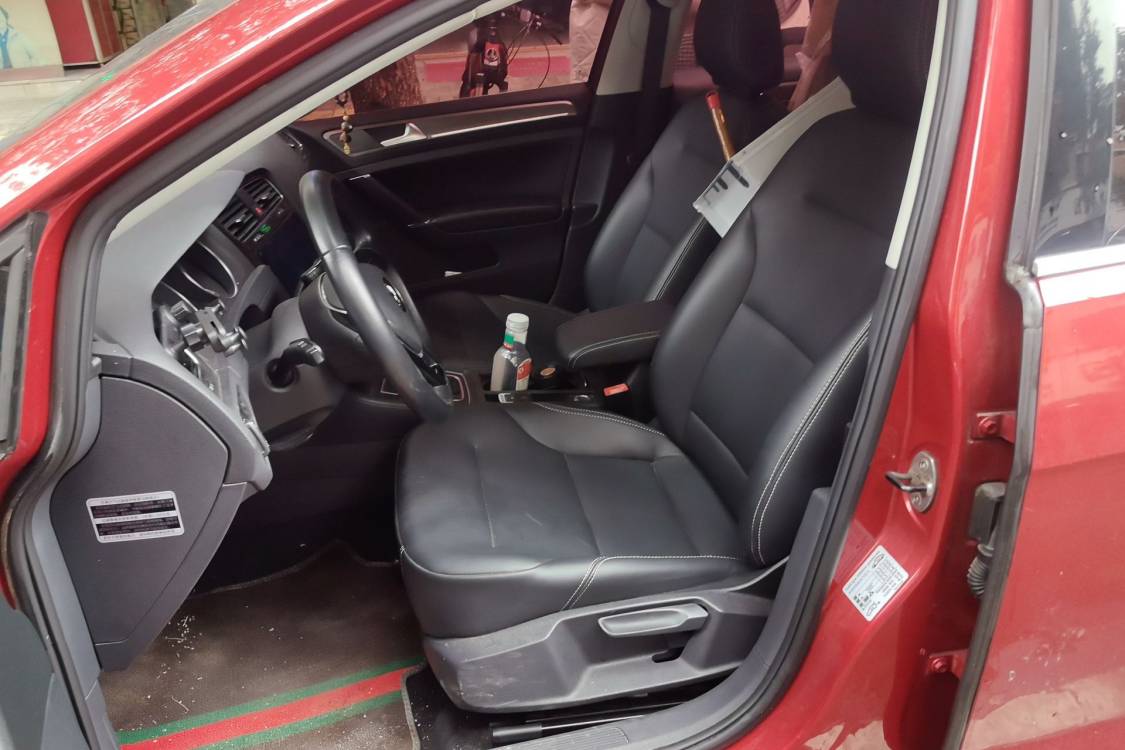
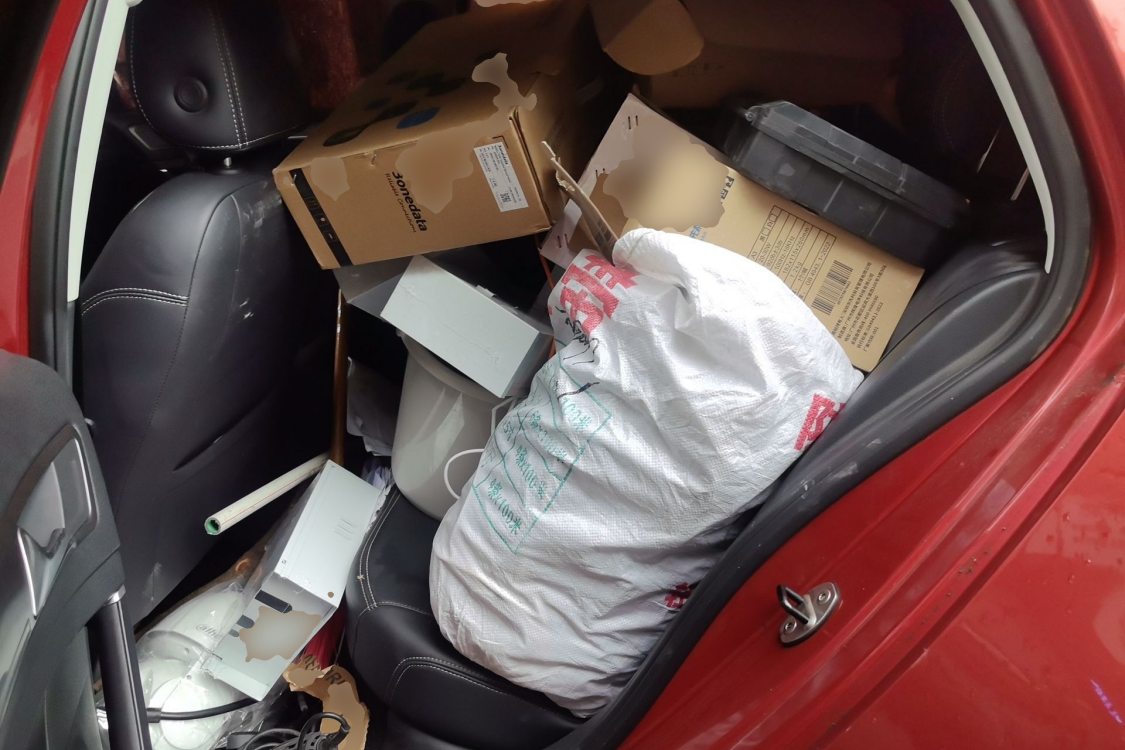
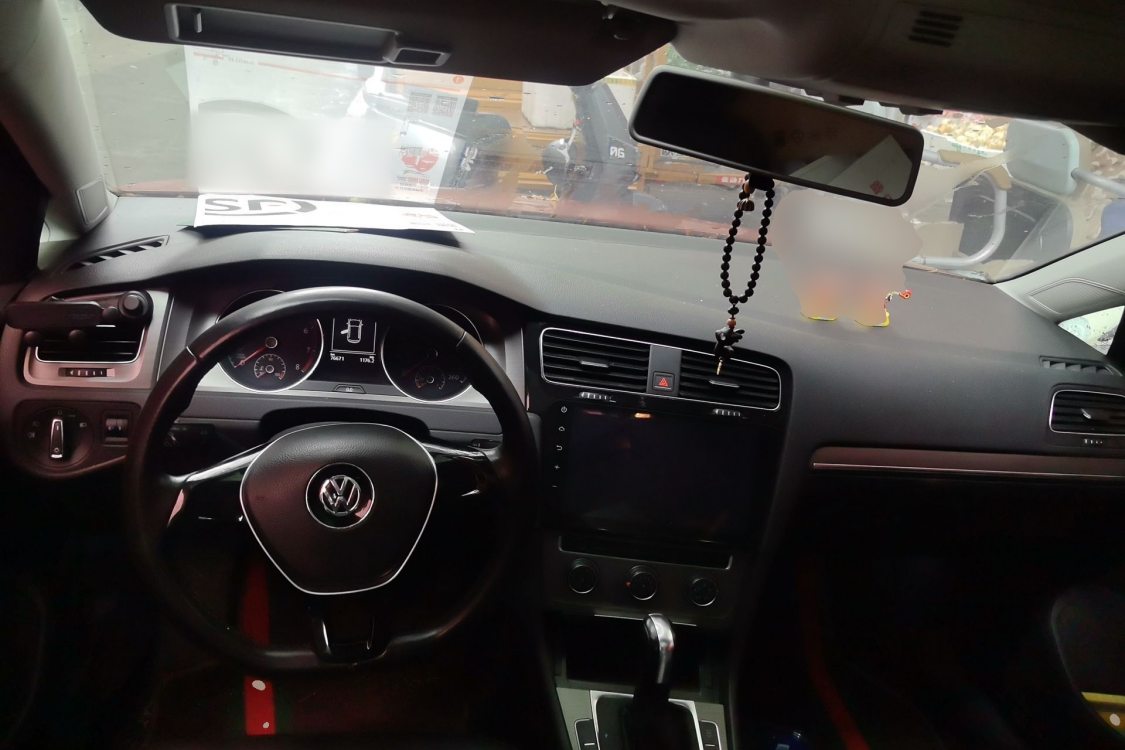
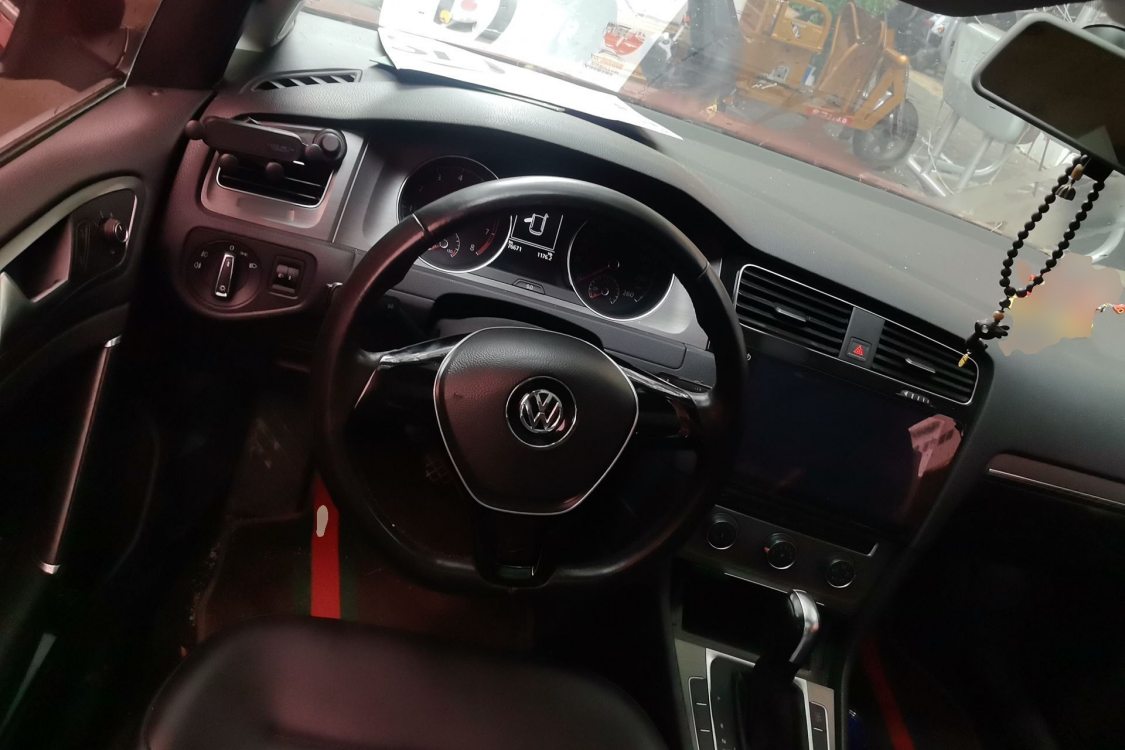
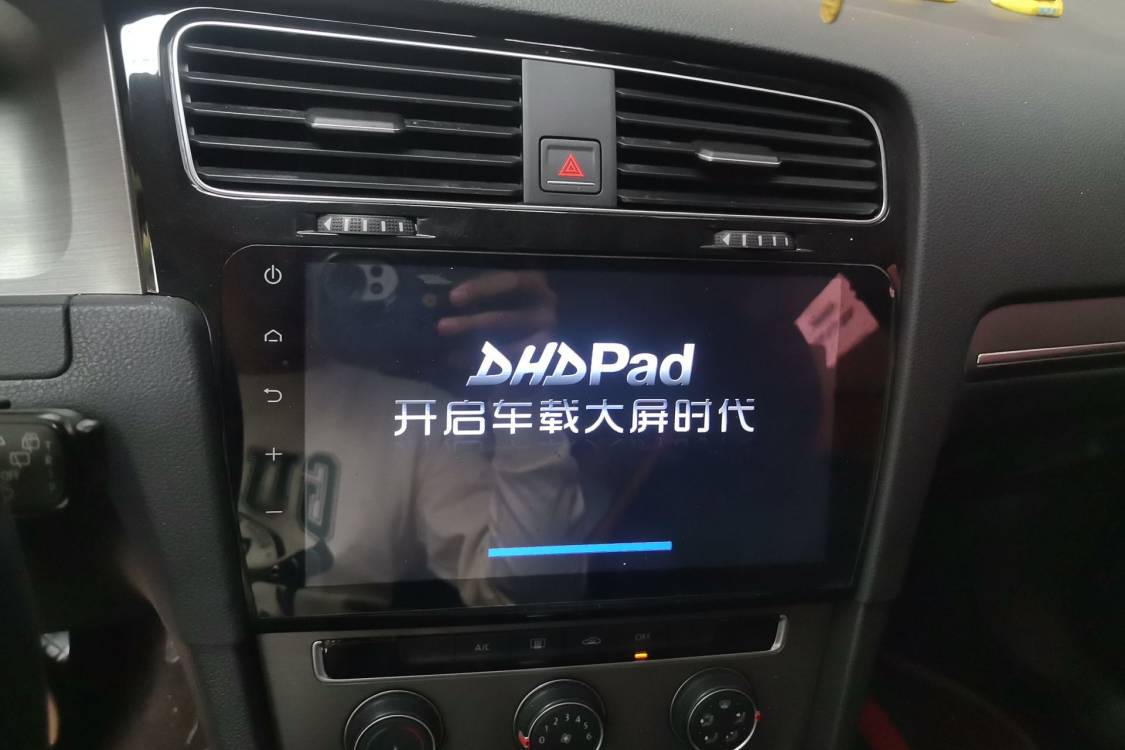
Accident inspection: main structure damaged, reinforcing parts damaged, panels damaged, hinges abnormal. Engine bay: key mechanical components normal. Exterior: 5 areas of sheet metal repair. Interior: most features normal, airbags normal, seatbelts normal, dashboard normal, instrument readings normal, lighting system normal. Start-up test: main components normal. Onboard tools: none.

电话直连
可讲价
平台物流
可转售
车主降价
新检测标准升级>
非泡水

Document Information

Inspection Expiry Date2026/10
Warranty Expiry Date-
Insurance Expiry Date2026/10

Q&A

More

My imported Chinese car needs a repair part. How do I claim warranty or order parts from the exporter?

Start by checking the after-sales clause in your contract—reputable exporters typically offer 3-12 months of parts support. The usual process: send the exporter a fault description with photos or a short video, plus your VIN and contract number. They will confirm whether it is a warranty case or a paid parts order. For warranty claims, common resolutions are free parts shipped with your next container, or a credit/refund for parts you source locally. Keep all communication in writing. To avoid long waits, ask for the OE part numbers in advance and check whether local dealers stock the same components—many Chinese brands share suppliers. Ordering common wear parts (filters, brake pads) together with the car shipment is the cheapest option by far.


What are port free time and demurrage, and how do I avoid storage charges when my car arrives?

When your car reaches the destination port, the shipping line and terminal give you a limited number of free days — typically 5 to 14 — to clear customs and collect the vehicle. After that, storage and demurrage charges start accruing daily, and they add up fast: USD 20–80 per day is common depending on the port. To avoid these fees: 1. Before shipment, confirm the exact free time with your forwarder and get it in writing — it varies by carrier and port. 2. Prepare customs paperwork in advance: import declaration, invoice, bill of lading, and any required certificates. Most delays come from missing documents, not from the port itself. 3. Book a customs broker and a truck before the vessel arrives, not after. 4. Track the vessel online and plan pickup within the first free days. If you know you cannot clear in time, ask about extending free time when booking — it is sometimes negotiable and far cheaper than paying demurrage later.

If the destination country requires a "Certificate of Conformity (COC)" for the vehicle, can used cars from China provide the original factory COC?

Vehicles sold domestically in China only have the "Environmental Information List" and the "Vehicle Qualification Certificate," which are not the COC of the European system. We will provide a notarized English translation of the Chinese qualification certificate. If local customs strictly require the original European COC, the vehicle will not be able to clear customs.