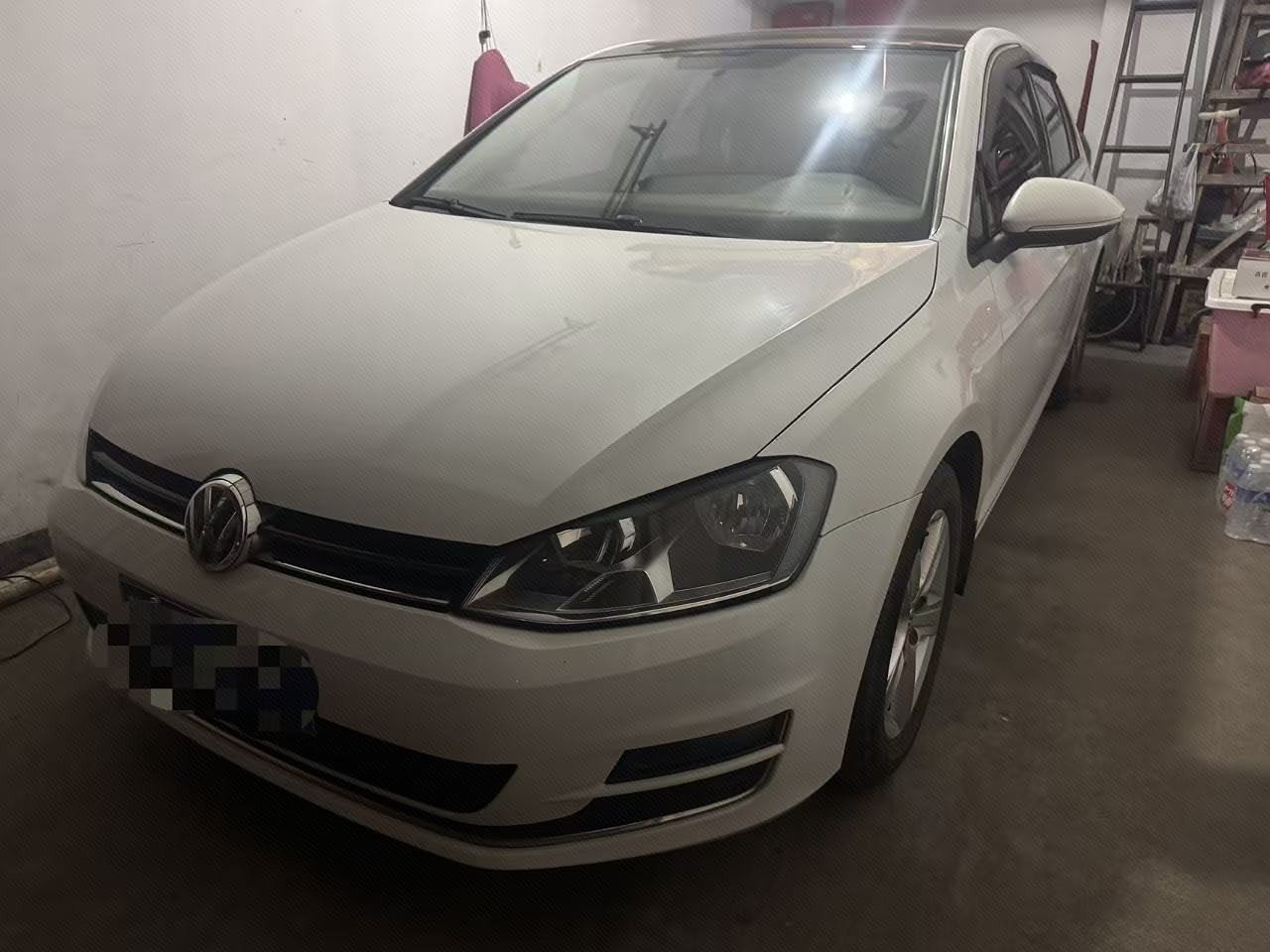
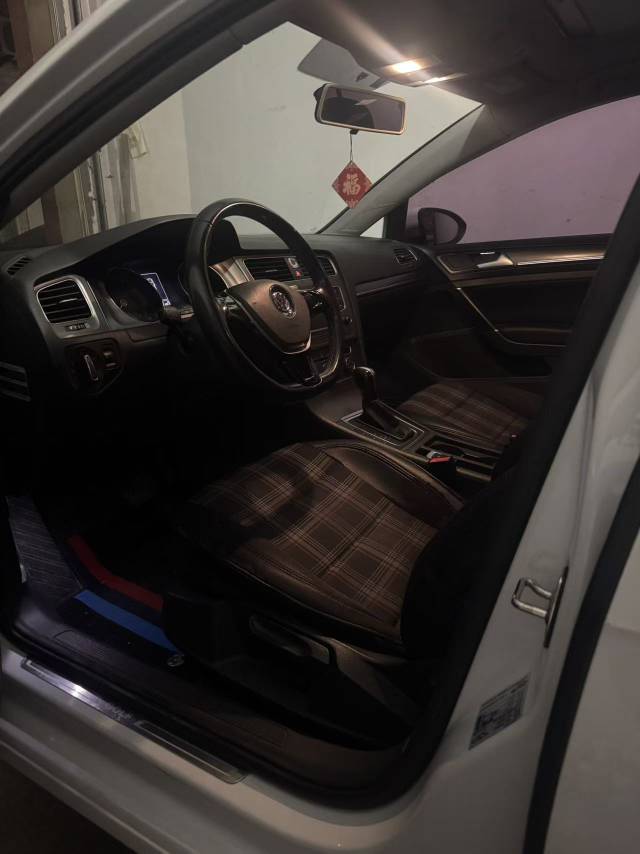
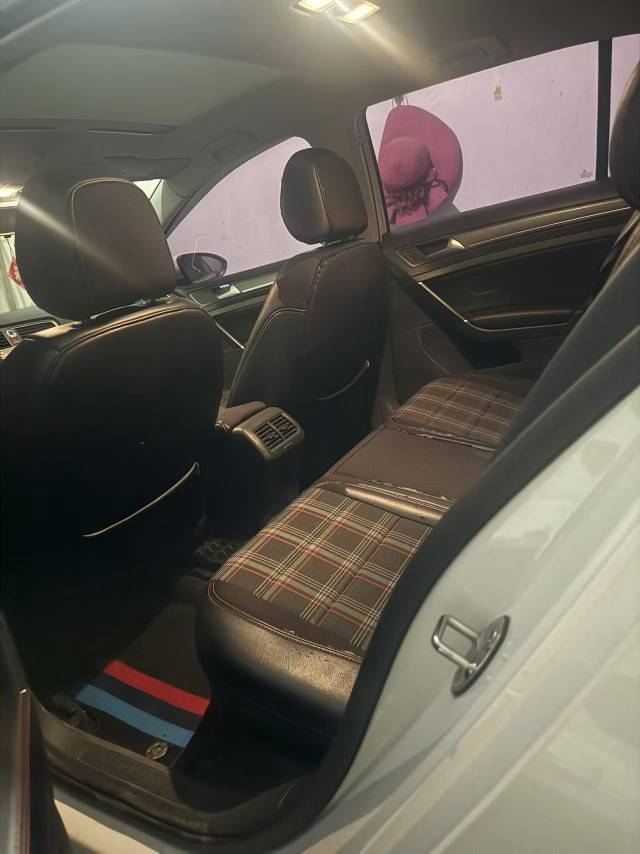
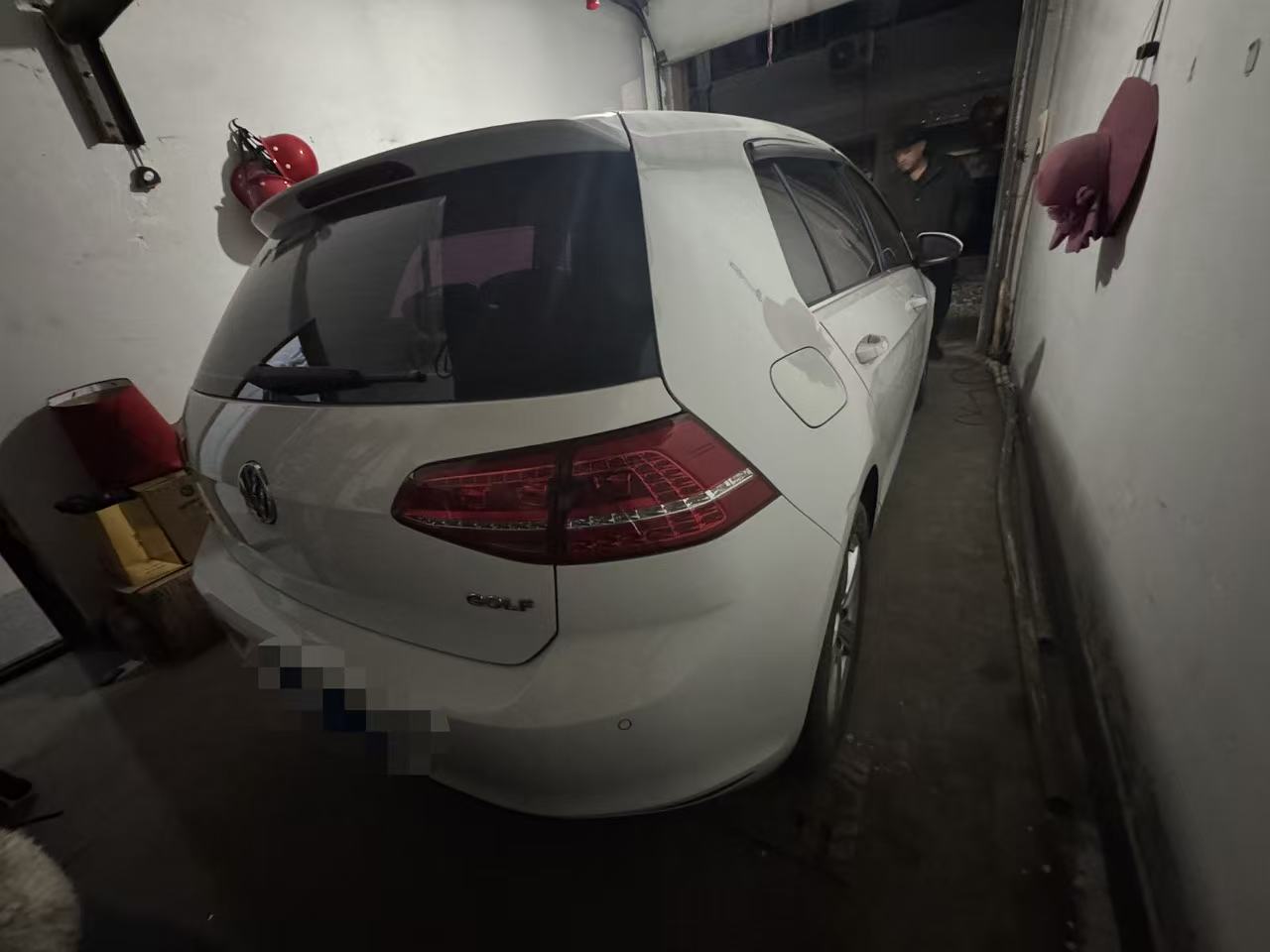
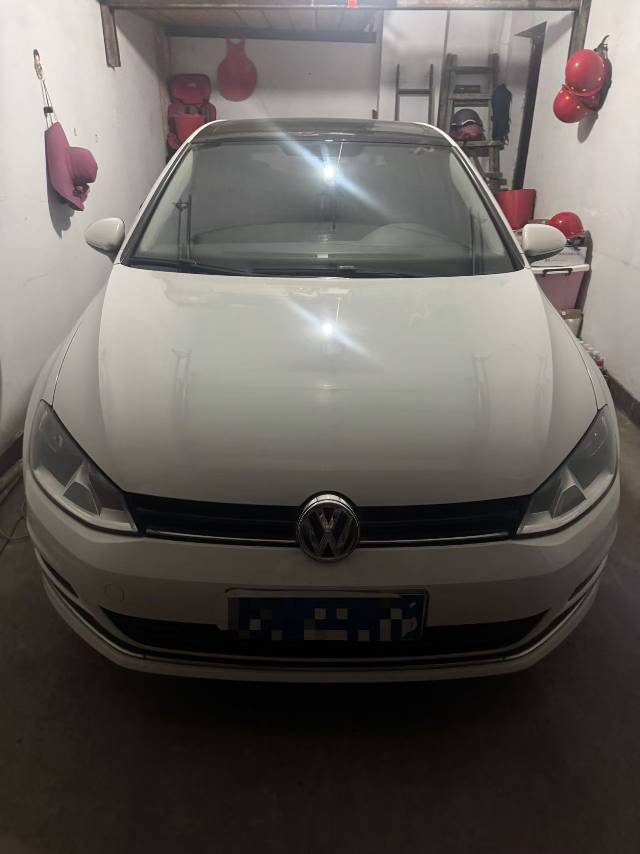



Basic Information

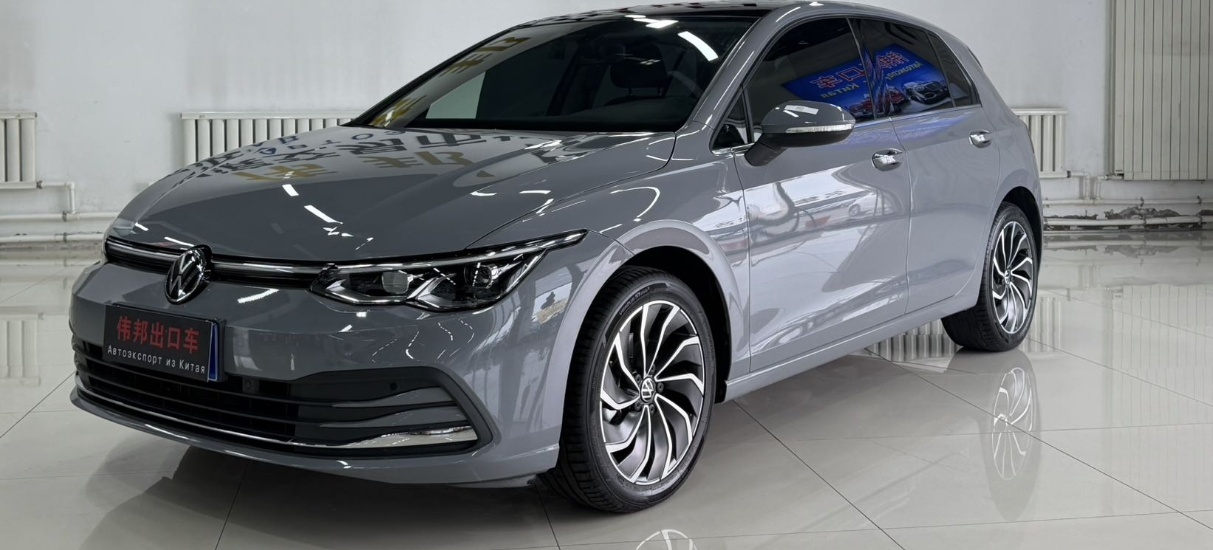
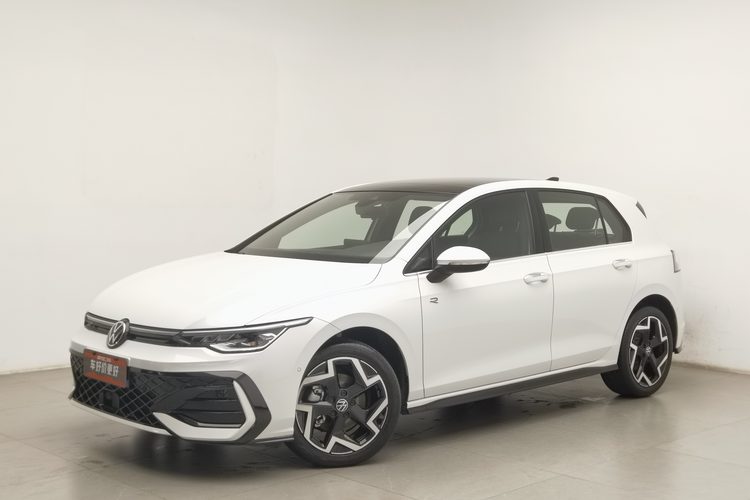
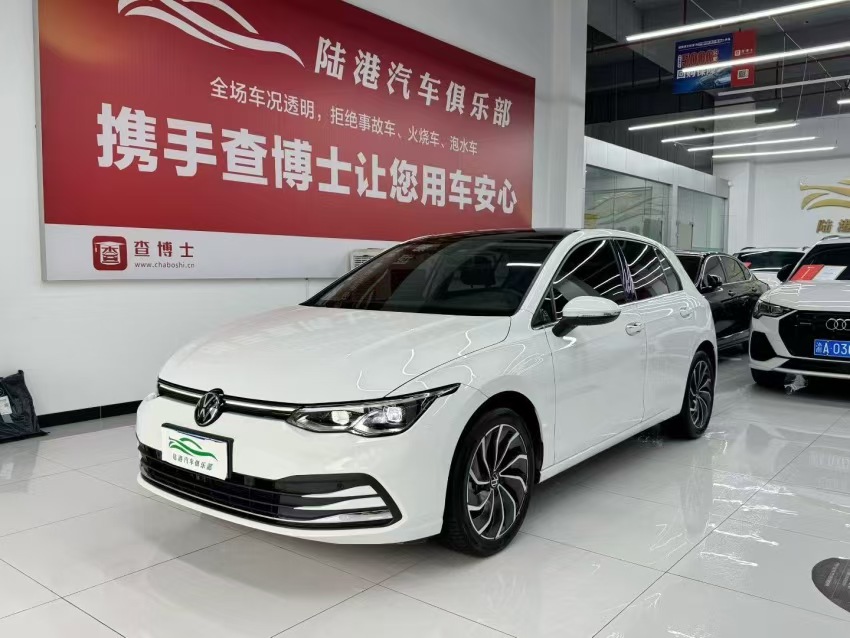
BrandVolkswagen
SeriesGolf
Year2016
First Registration2016/11
Mileage130,000km
Transfer Count0times
FuelGasoline
TransmissionManumatic
Engine1.6L 110 L4
ColorWhite
Seats-

Condition Description

Left front fender repaired (panel beating); right rear fender dented.

Document Information

Inspection Expiry Date-
Warranty Expiry Date-
Insurance Expiry Date2026/11

Q&A

More

How do I verify the real battery health and range of a used Chinese EV before buying from overseas?

Battery health is the single biggest risk when buying a used Chinese EV remotely. Ask for a battery report showing state of health (SOH) and cell voltage balance from the car's BMS or a diagnostic scan — anything below 85% SOH deserves a price reduction or a pass. Check fast-charge counts and whether the pack has warranty remaining; many Chinese EVs carry 8-year/150,000 km battery warranties that may or may not transfer. Verify real-world range from energy consumption history rather than the dashboard estimate. Also confirm the on-board charger works with your country's voltage, and ask whether the connected app and OTA updates will remain accessible in your region before you pay.


Should I ship my car from China in a container or by RoRo vessel?

Both are common, and the right choice depends on budget and destination: 1. Container shipping (20ft/40ft): The car is sealed inside a container, offering better protection and allowing you to load spare parts inside the car. Typical cost from Shanghai to major world ports: $1,500-$3,000 per car. Best for long distances and high-value vehicles. 2. RoRo (roll-on/roll-off): The car is driven onto the ship and secured on deck. Cheaper ($800-$1,800 to most ports) and faster to load, but exposed to weather and port handling. Not all routes offer RoRo service. Transit time examples: to the Gulf 15-25 days, to West Africa 30-45 days, to Latin America 25-40 days, to Europe 20-35 days. Ask your exporter which option serves your destination port, and always insure the shipment for full value.

How do I verify that a Chinese used car exporter is a legitimate registered company and not a middleman or scammer?

Start with the business license: every legitimate Chinese company has a Unified Social Credit Code. Ask for a copy and verify it on the National Enterprise Credit Information system or via your freight forwarder. Check that the business scope includes 'used car export'—this requires specific qualifications. Next, look for proof of substance: a real office or yard (verify via live video call, not pre-recorded), staff answering on Chinese business platforms like WeChat with consistent branding, and a corporate bank account in the company's name—never pay a personal account. Cross-check trade history: ask for recent shipping documents (blurred bills of lading with customer info hidden), references from buyers in your region, and whether they hold export licenses issued by Chinese commerce authorities. Red flags: prices far below market, pressure to pay quickly, refusal of video calls, or bank accounts in third countries 'for convenience'. Take your time—real exporters pass these checks easily.