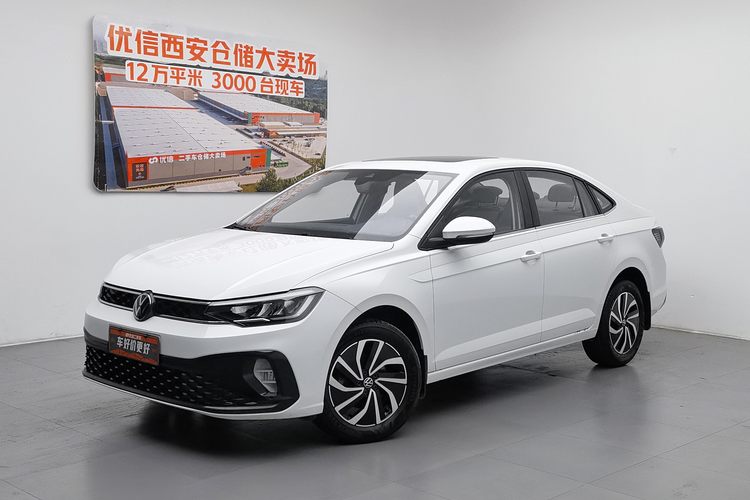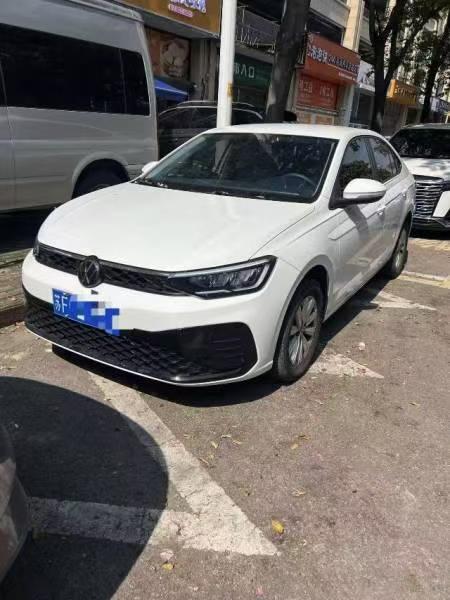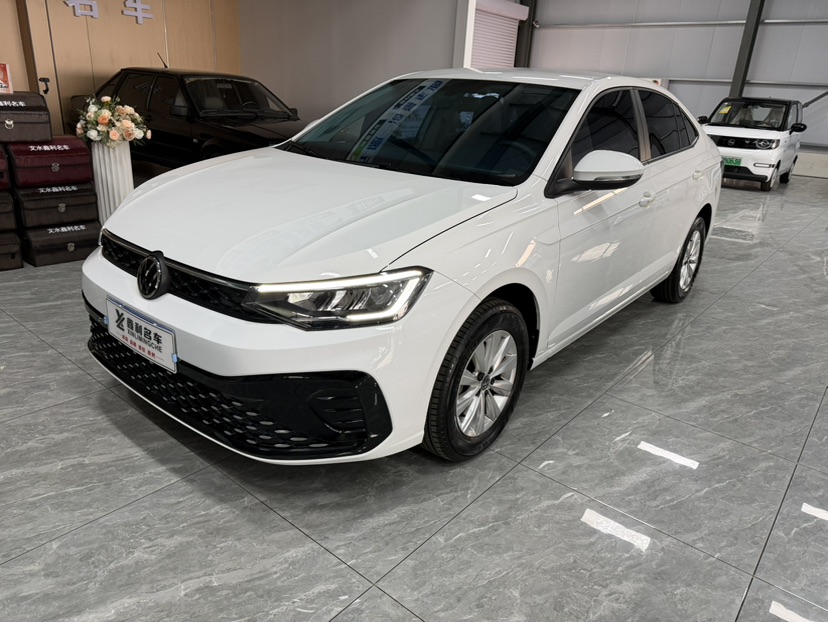
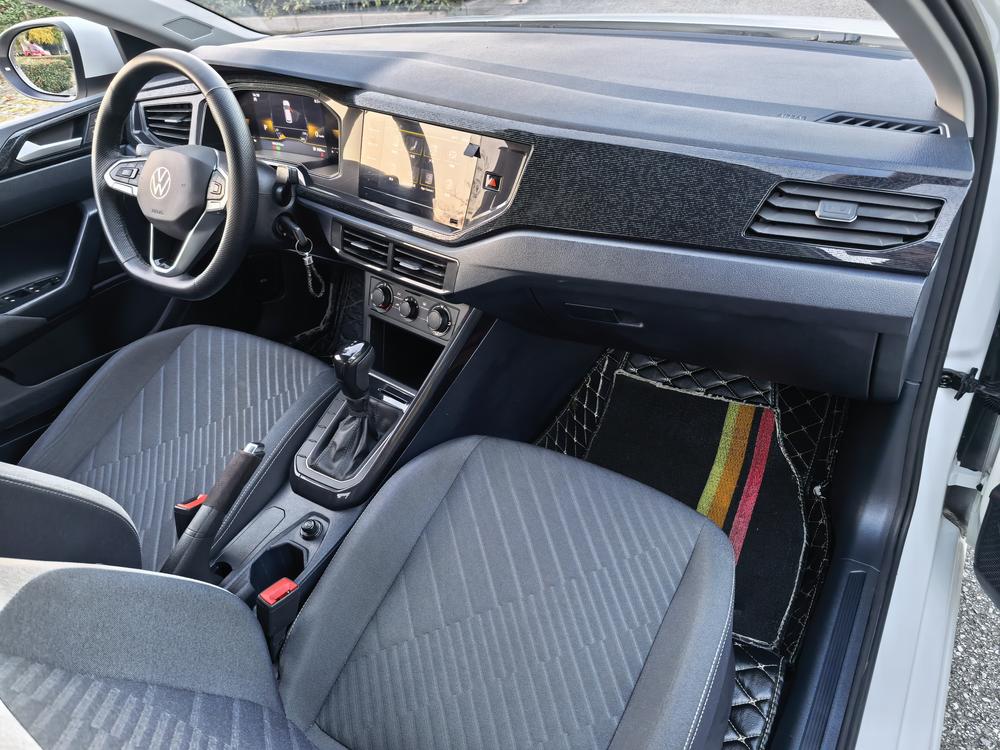
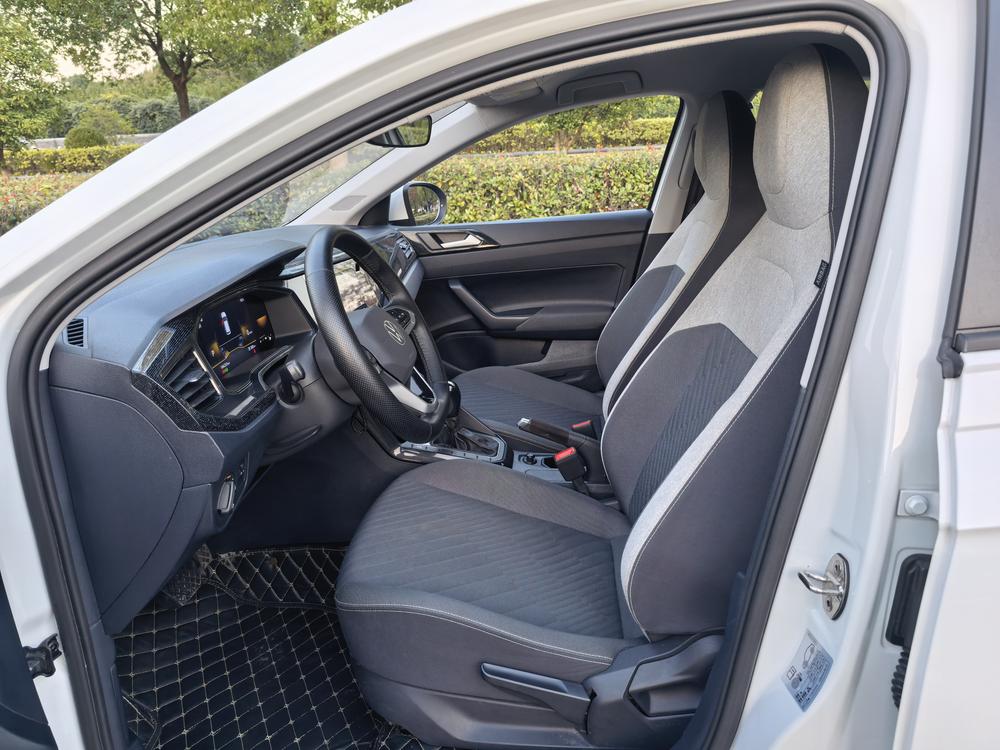
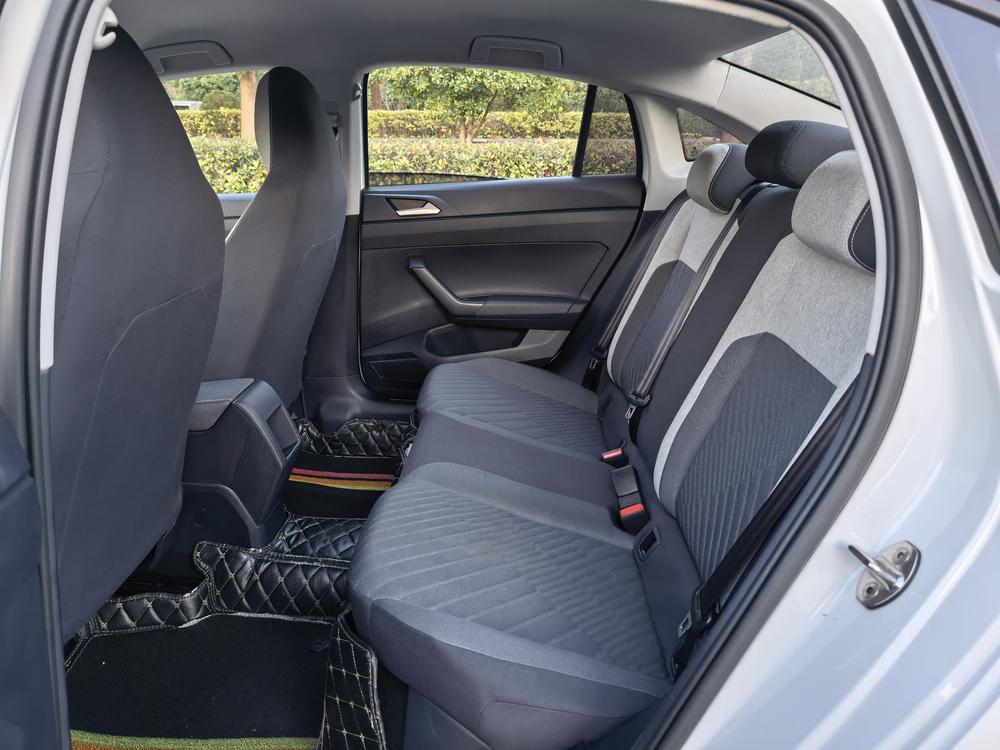
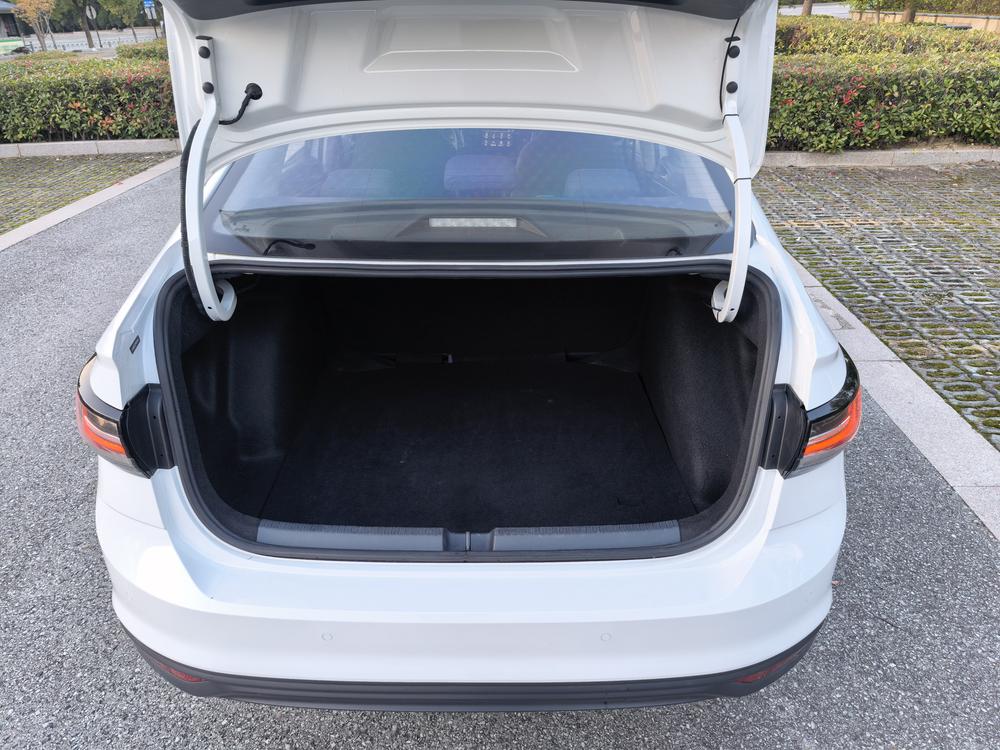



24H

Basic Information

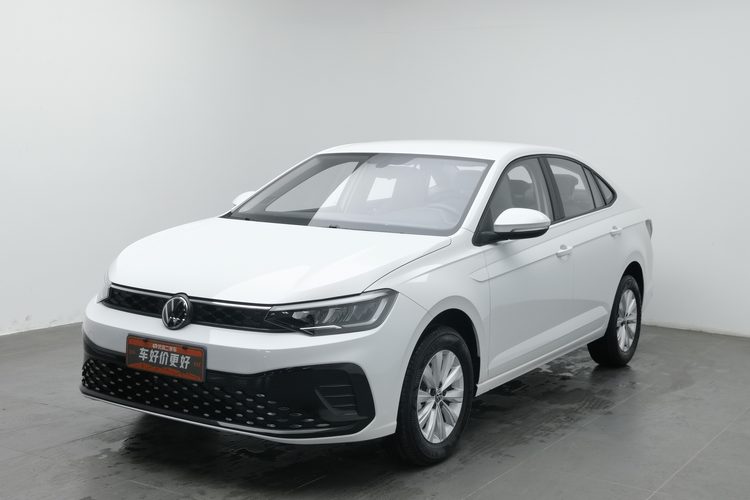
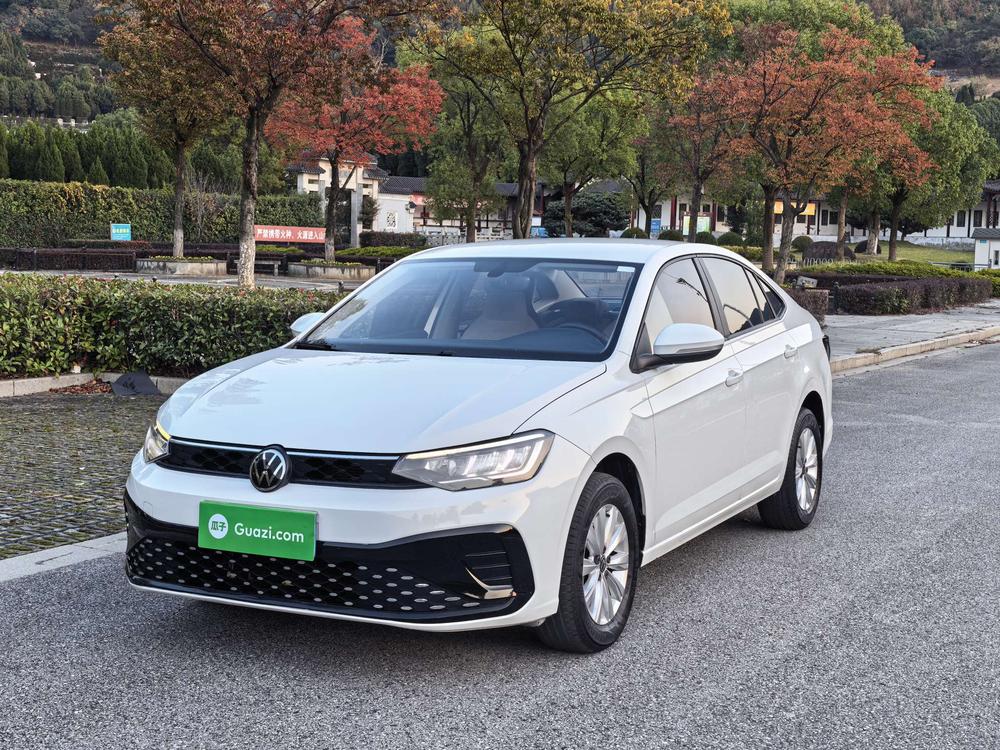
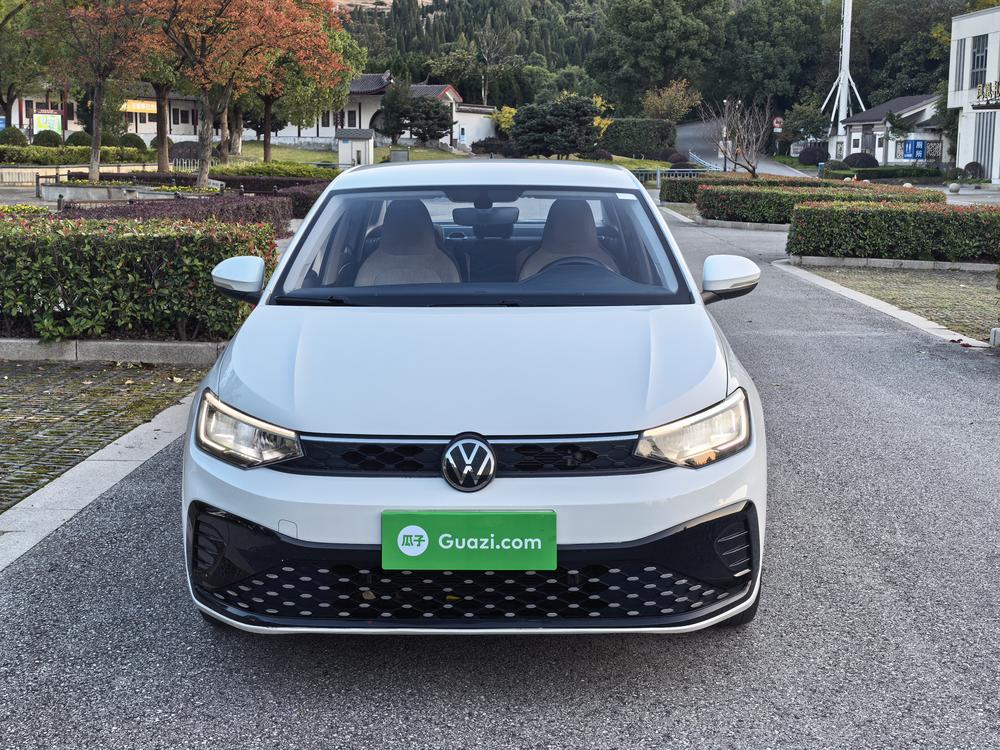
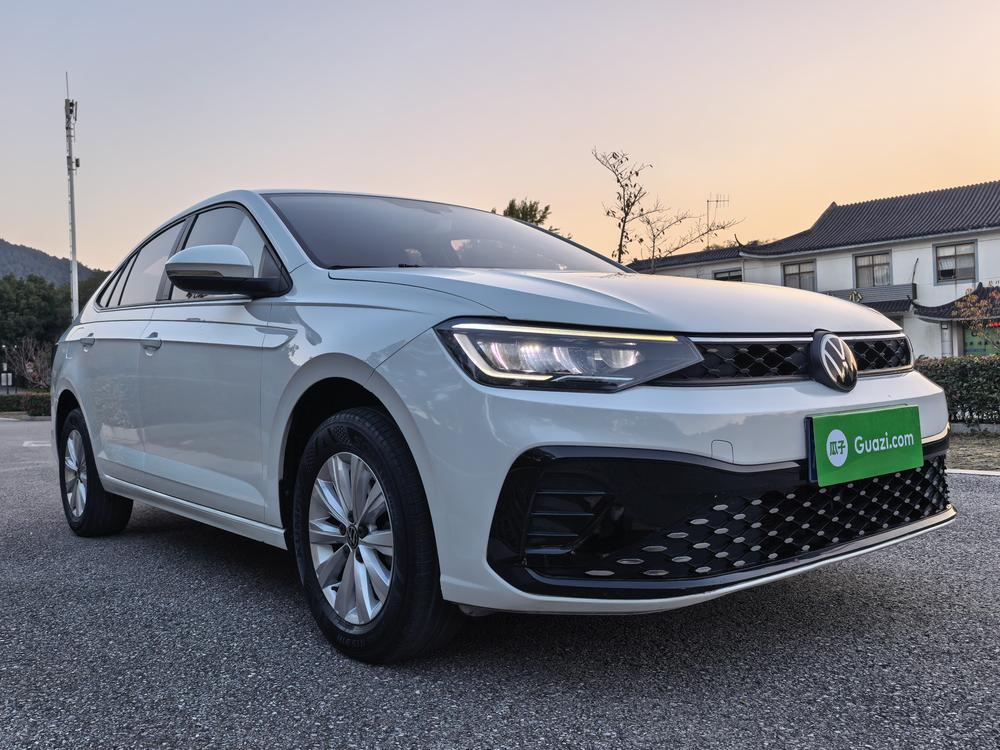
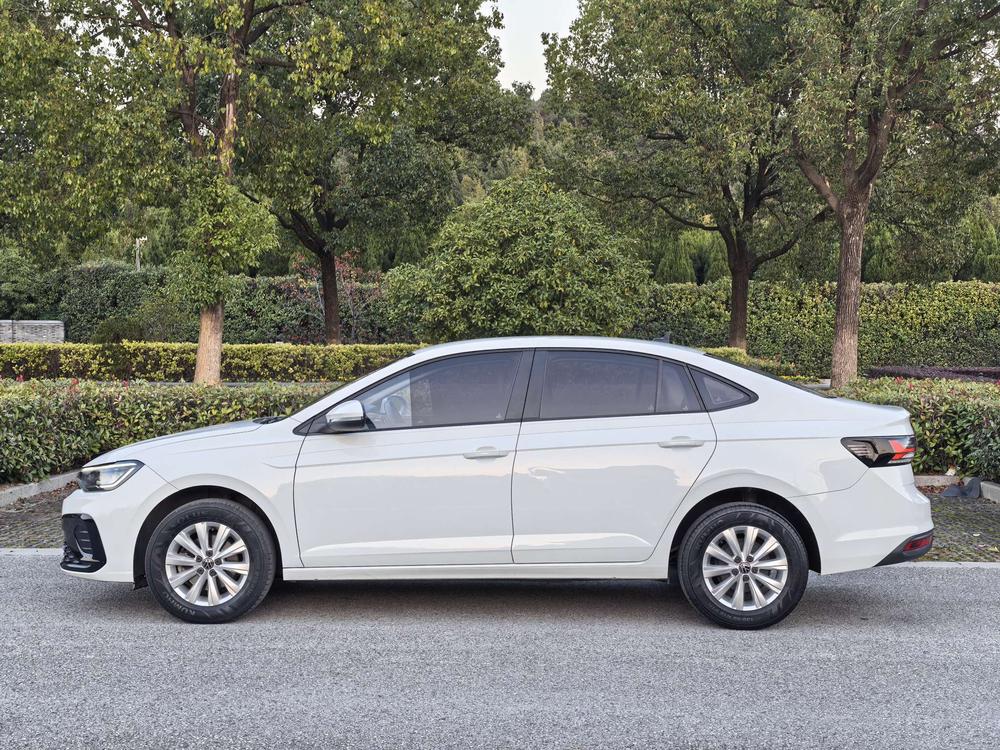
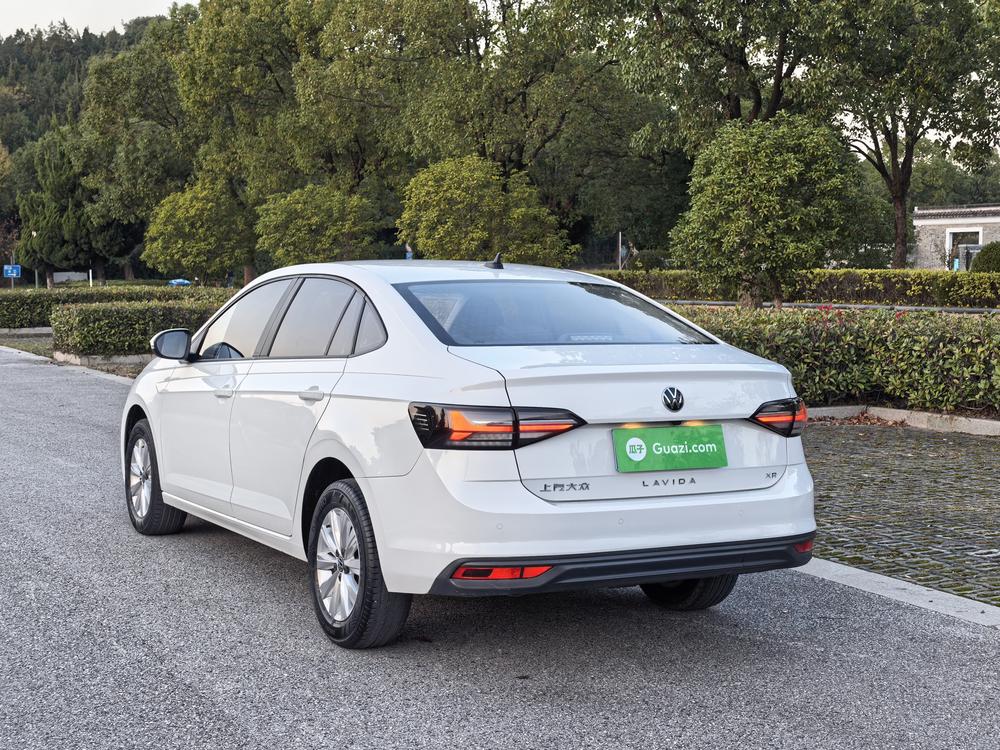
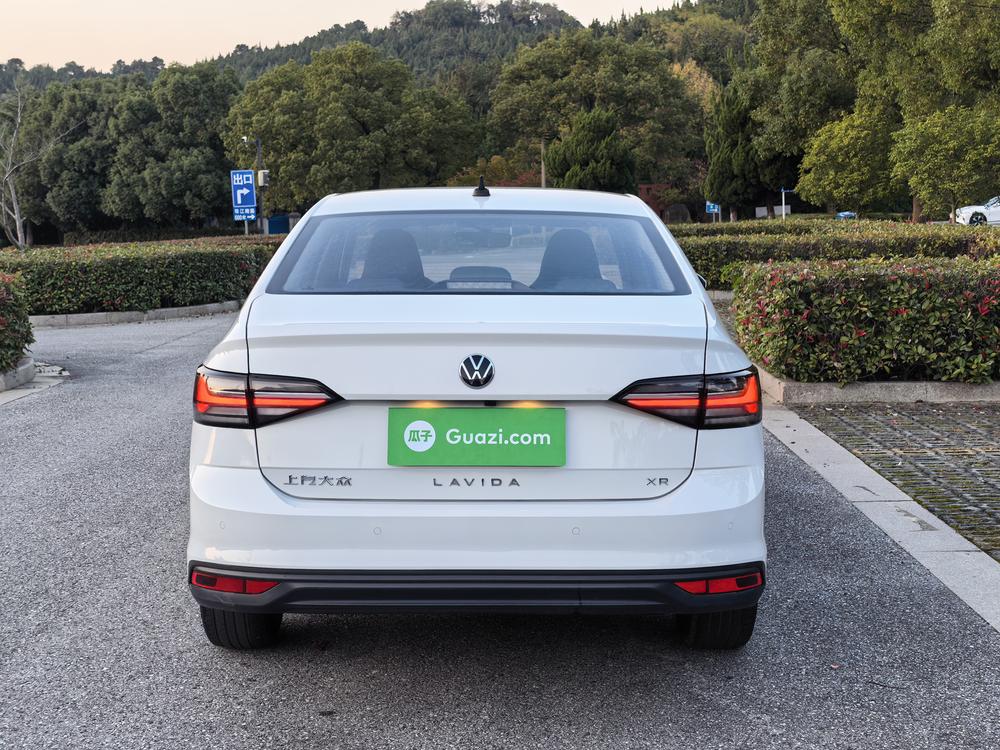
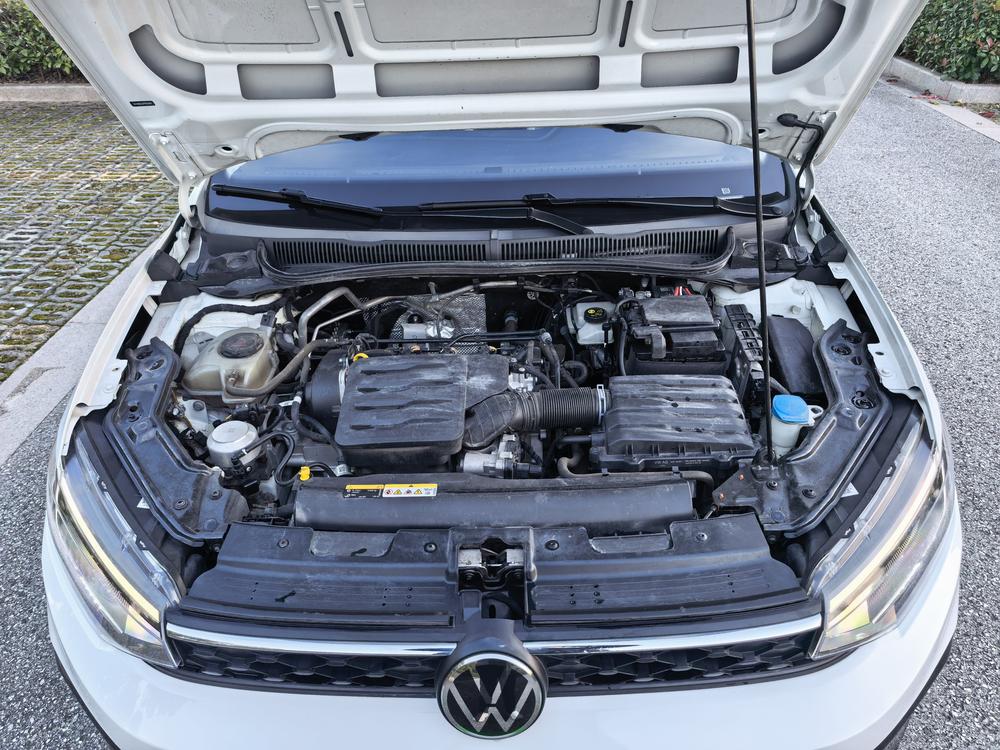
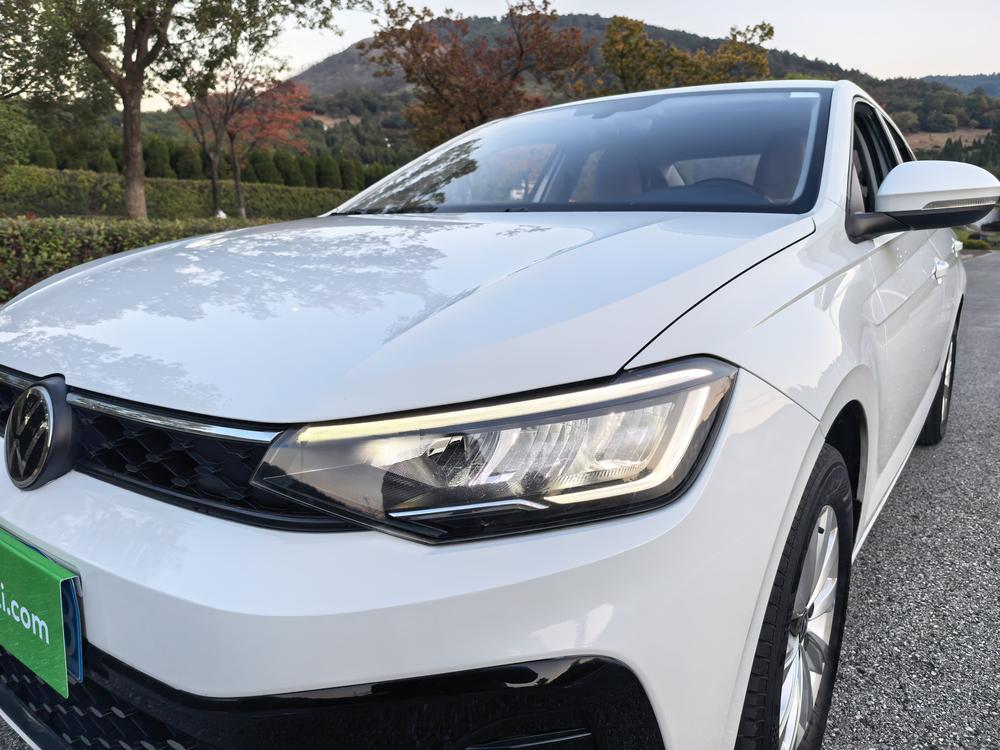
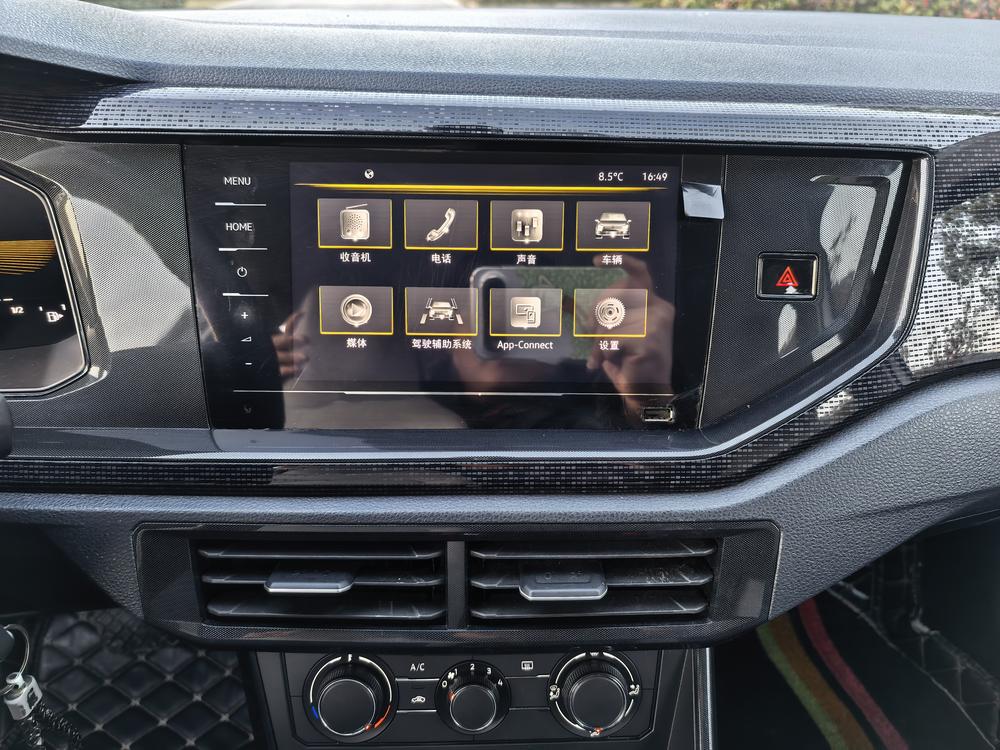
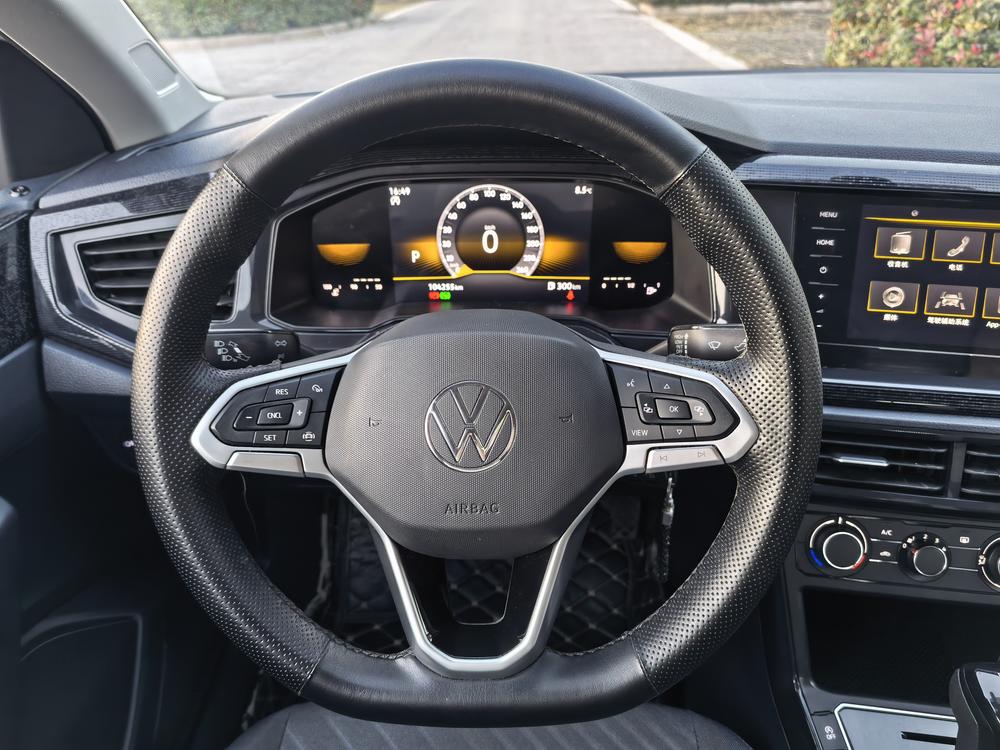
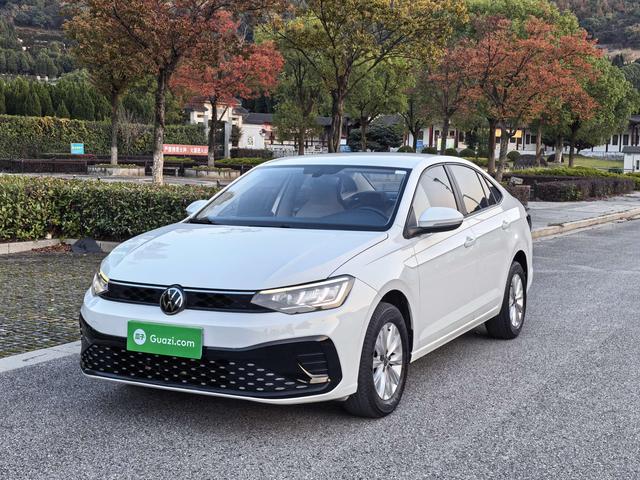
BrandVolkswagen
SeriesLavida
Year2023
First Registration2023/08
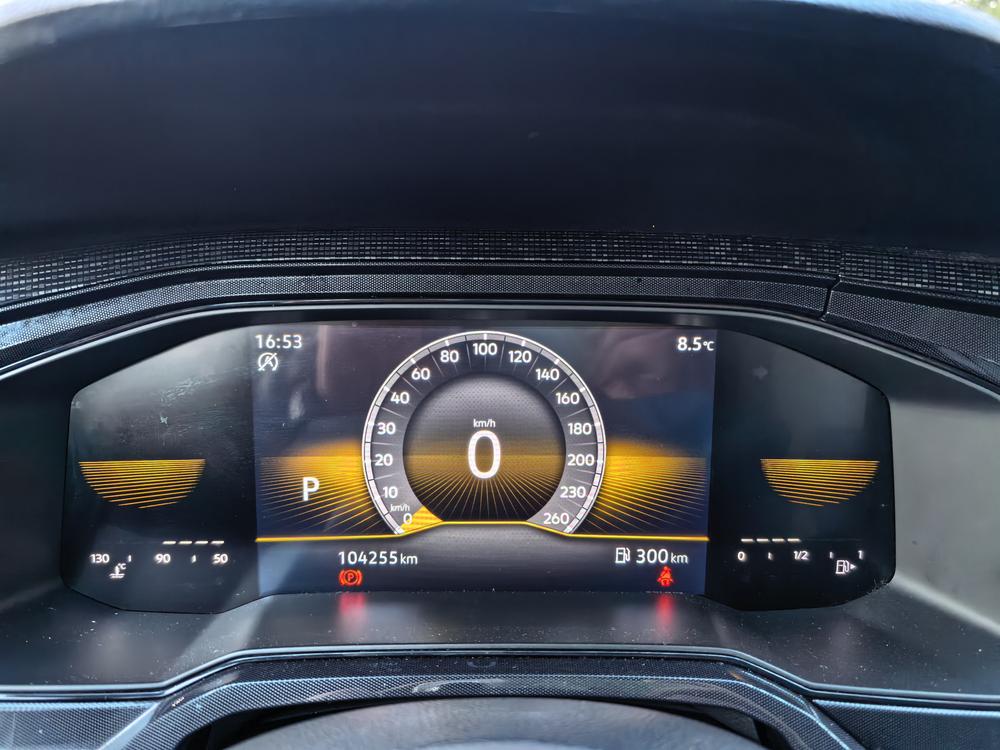
Mileage104,000km
Transfer Count0times
FuelGasoline
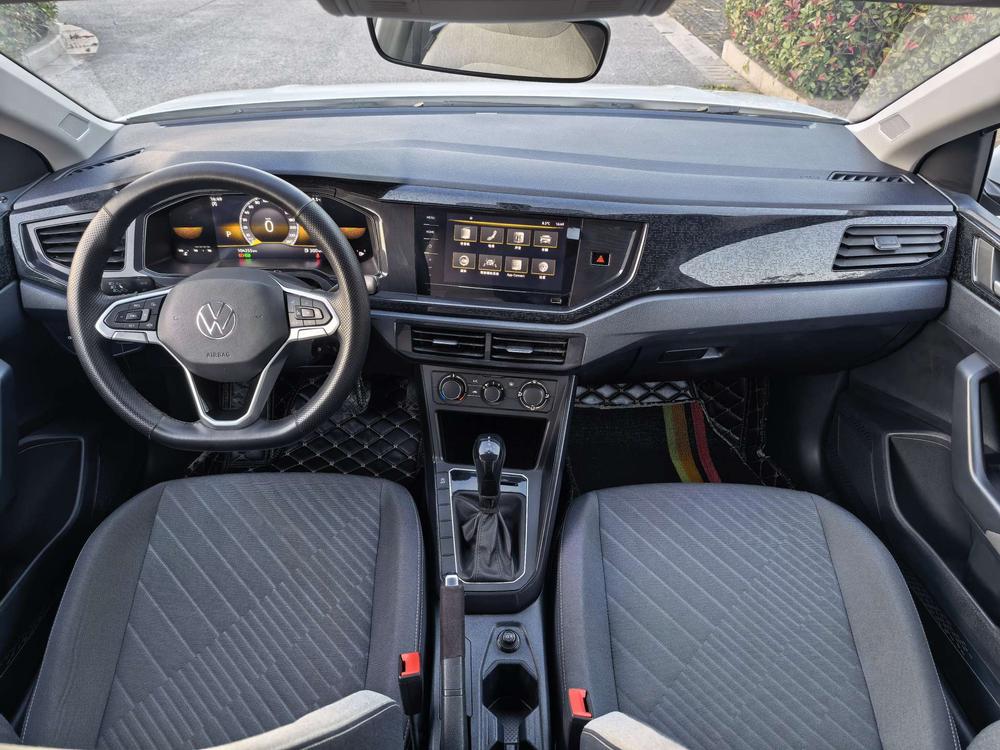
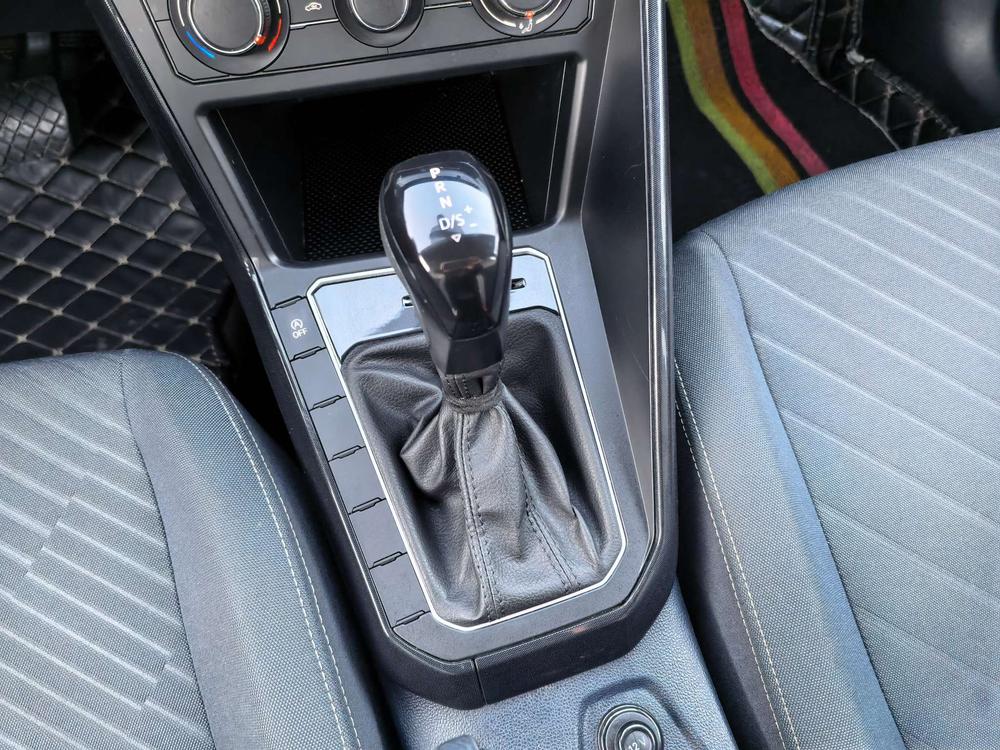
TransmissionManumatic
Engine1.5L 110 L4
Color
Seats5seats

Condition Description

官方质检 · 60天全车质保· 7天无理由有偿退车

Configuration Highlights

✓上牌时间: 2023-08
✓表显里程: 10.4万公里
✓车源地: 苏州
✓排放标准: 国六
✓发动机: 1.5L
✓轴距: 2651mm
✓变速箱: 自动
✓最大功率: 81kW
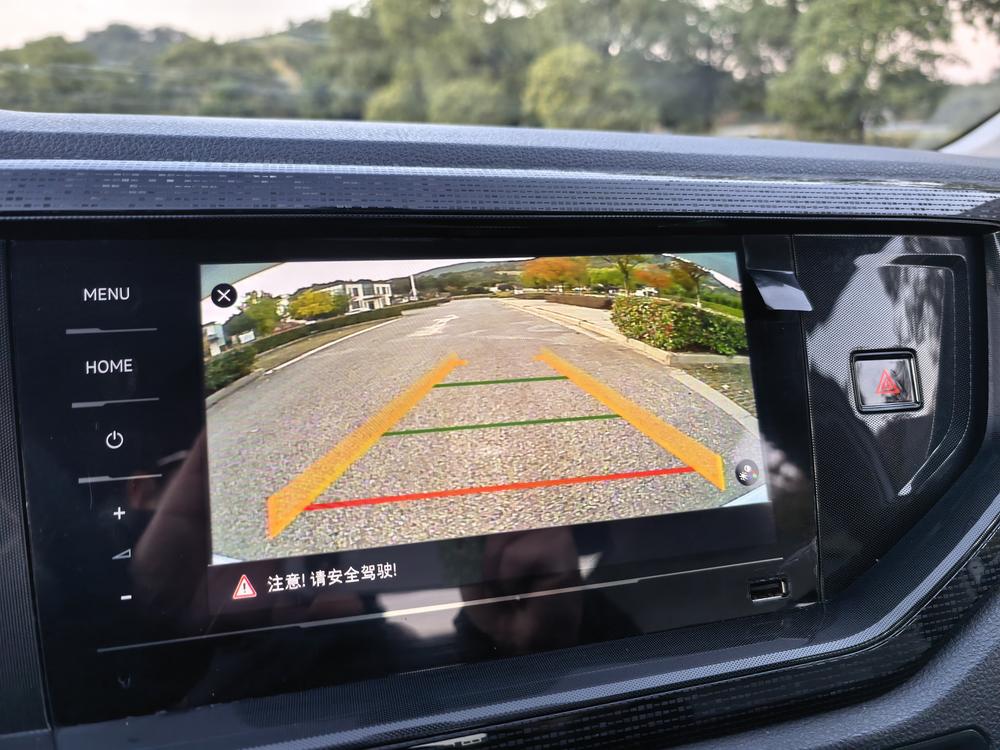
✓功能配置: 4项
✓安全配置: 4项
✓动力类型: 前驱
✓空间舒适性: 一般

Q&A

More

How do I verify the ownership and registration history of a used car in China before buying it for export?

Verifying ownership protects you from buying a car that can't legally be exported. Start with the registration certificate (机动车登记证书), China's title document. It lists every owner change with dates. Ask the seller for clear photos of all pages — check that the current seller's name matches the latest entry. Next, ask for the seller's ID (or business license for a dealer) and confirm it matches the registration certificate. A mismatch is a red flag unless there's a documented agency arrangement. Also verify the vehicle isn't mortgaged or seized: the registration certificate has a section for mortgage records, and your inspection agent can check the official vehicle management system by VIN. Finally, confirm the car is deregistered (or can be) before export — Chinese law requires deregistration and an export certificate for used cars leaving the country. Summary: title photos, seller ID match, no mortgage flags, export-ready status. Any gap in this chain should stop the deal.


What insurance should I arrange when shipping a used car from China, and what do Incoterms like FOB and CIF mean for me?

Two separate protections matter: cargo insurance and contractual risk transfer. Cargo insurance: for container or RoRo shipments, buy marine cargo insurance covering total loss and damage, typically 110% of the CIF value (average cost 0.3%–0.8%). Check exclusions — many policies exclude pre-existing damage, so a pre-shipment inspection report is essential to prove the car's condition at loading. Incoterms define who bears risk and cost at each stage: 1. FOB (Free On Board): exporter pays until the car is loaded on the vessel; risk passes to you at that point. You pay ocean freight and insurance. Common and usually cheapest if you have your own freight forwarder. 2. CIF (Cost, Insurance and Freight): exporter pays freight and minimum insurance to your port. Convenient but the insurance coverage is basic — consider topping it up. 3. EXW (Ex Works): you handle everything from the exporter's yard; only choose this if you have a trusted agent in China. Put the agreed Incoterm and port clearly in the contract, and never release final payment before the Bill of Lading is issued.

The bank returned my car payment due to compliance issues. Who bears the exchange rate loss and fees?

If the buyer's country is under international sanctions, or if the buyer fails to provide a legitimate source of funds leading to the bank returning the payment, all transfer fees and exchange rate losses incurred during this period are to be borne entirely by the buyer.