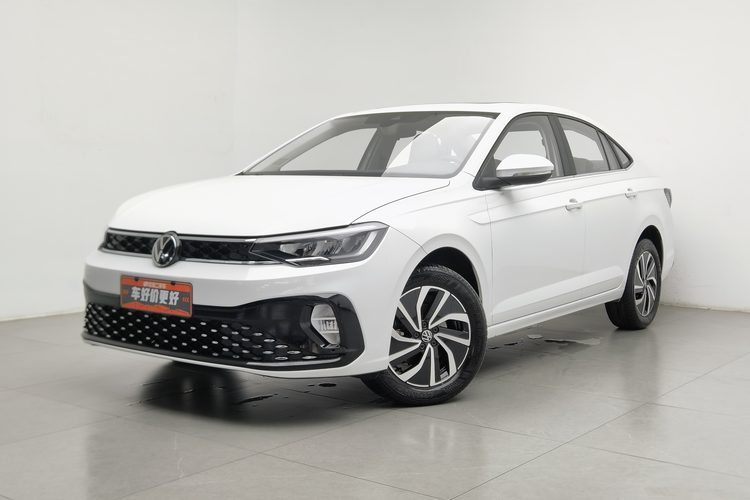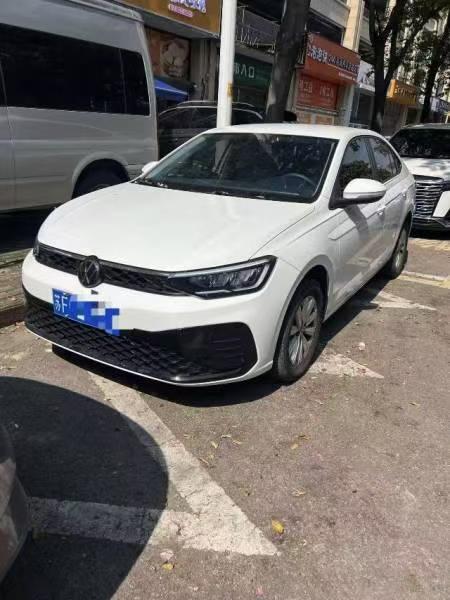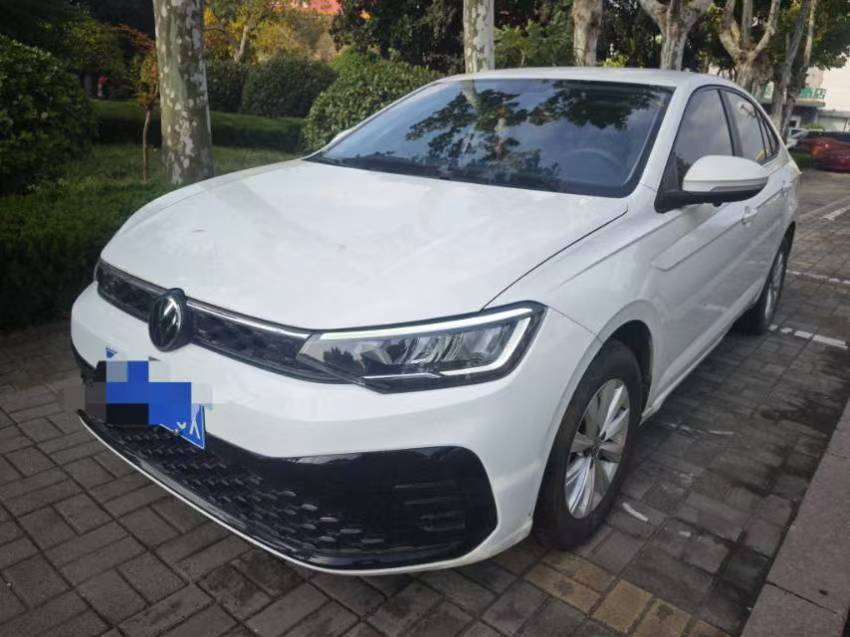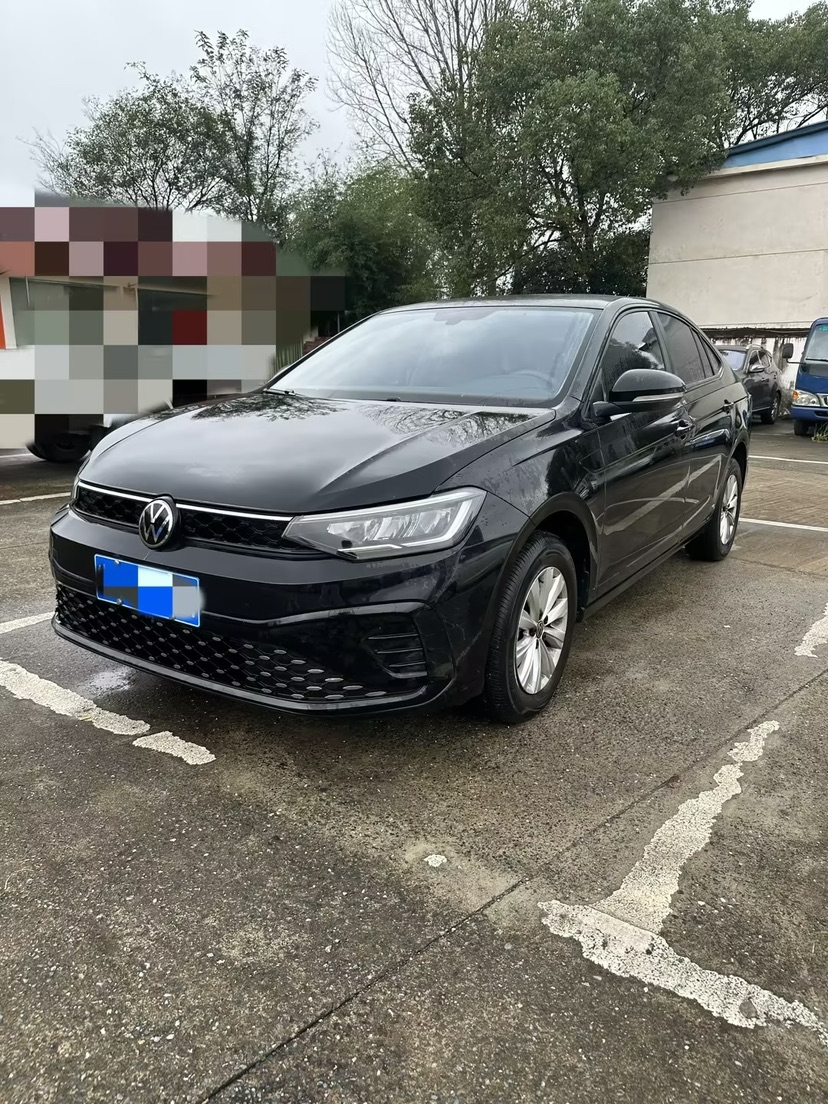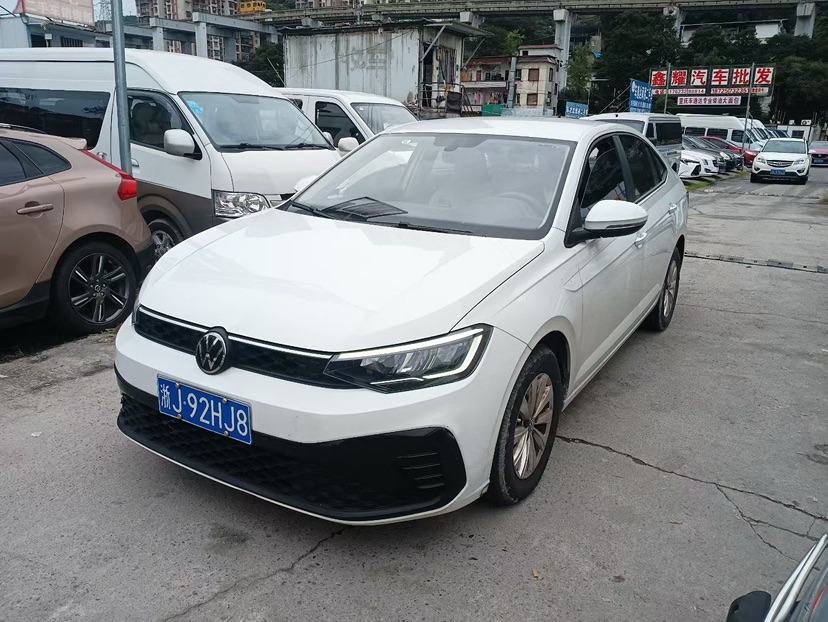
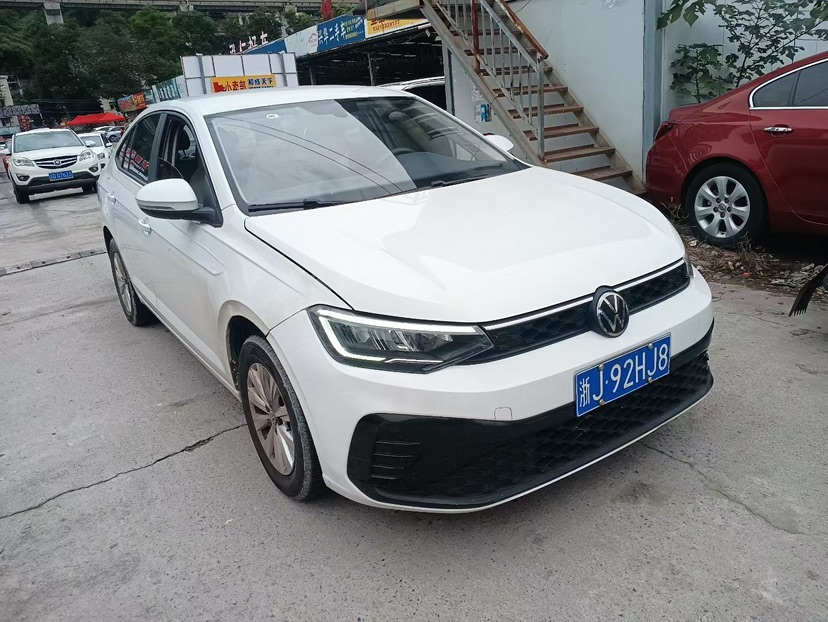
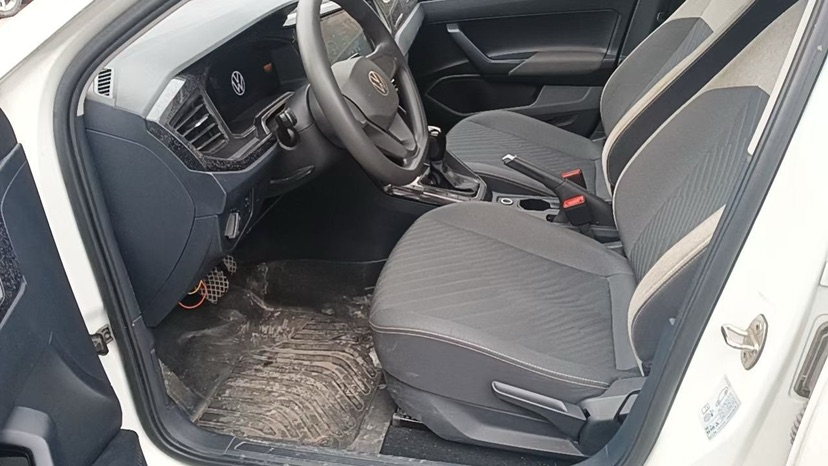
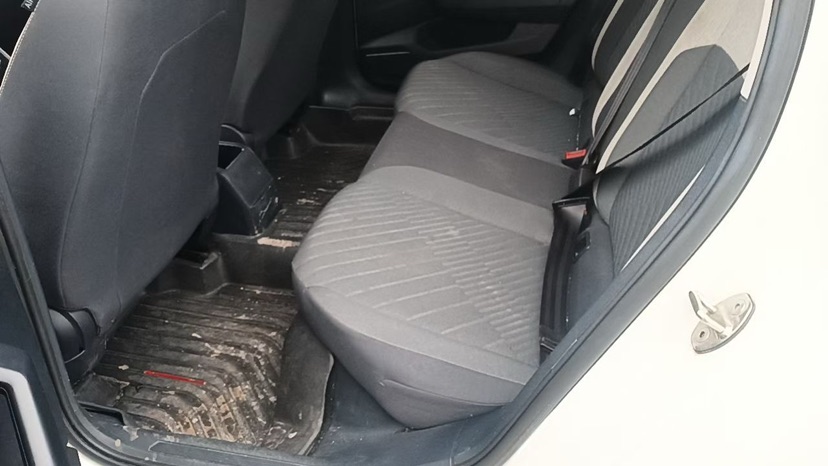
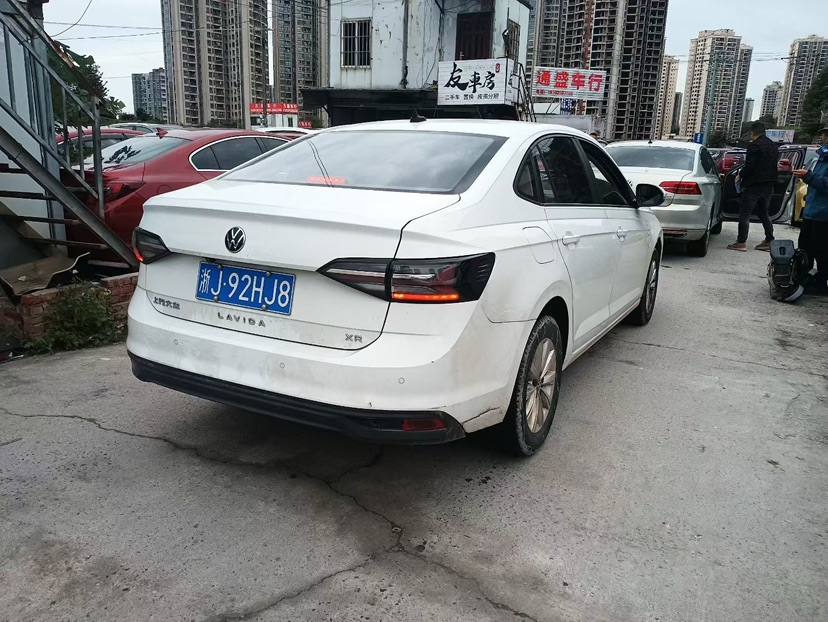
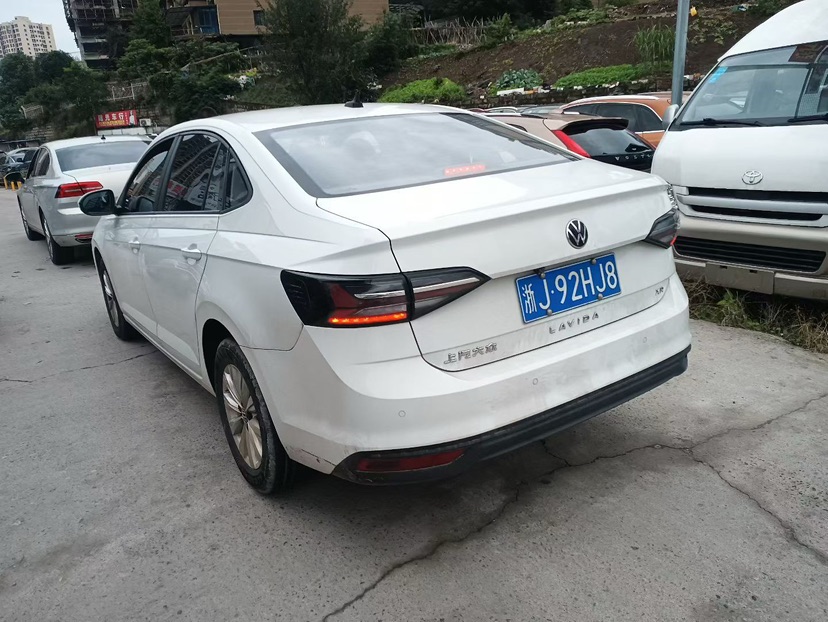
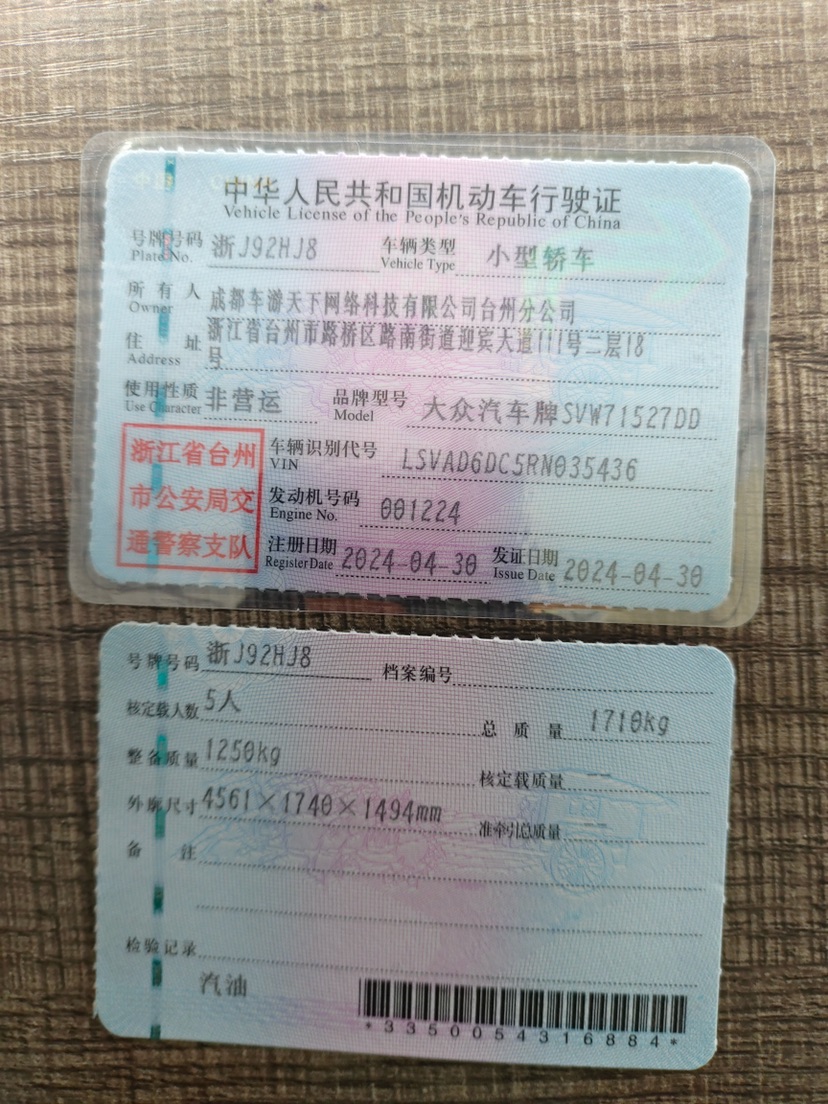



Basic Information

BrandVolkswagen
SeriesLavida
Year2024
First Registration2024/04
Mileage50,000km
Transfer Count1times
FuelGasoline
TransmissionManumatic
Engine1.5L 110 L4
ColorWhite
Seats5seats

Condition Description

燃油车
轿车
自动
维保开放
事故开放
查验开放

Configuration Highlights

✓品牌: 大众
✓车系: 朗逸
✓车型: 2023款 新锐 1.5L 自动新愿版
✓车身类型: 轿车
✓座位数: 5
✓排量: 1.5L
✓变速箱: 自动
✓能源类型: 燃油车
✓VIN: LSVAD6DC5RN035436
✓搜索关键词: 大众朗逸 2023款朗逸新锐1.5L自动新愿版

Document Information

Inspection Expiry Date2028/04
Warranty Expiry Date-
Insurance Expiry Date2027/04

Q&A

More

How do I make sure the VIN on my used car from China matches all the export paperwork?

VIN consistency is checked at customs in both China and your country, and a mismatch can block clearance. Do the following: 1. Verify early: before payment, ask for clear photos of the VIN plate (dashboard, door frame, engine bay on some models) and compare them with the VIN on the purchase contract, inspection report and any registration documents. 2. Check the characters: VINs never contain the letters I, O or Q. If you see them, the document is either fake or mistyped. 3. Decode it: the first 3 characters are the world manufacturer code, characters 4-8 describe the model and configuration. Decode it online to confirm the documents match the actual trim level you are buying. 4. At destination: when the car arrives, re-check the VIN against the bill of lading and your import declaration before accepting delivery. Any discrepancy found before shipping can be corrected cheaply; after arrival it becomes a legal problem. Make VIN verification part of your pre-shipment inspection checklist.


When buying remotely, how do I assess the engine, transmission, brakes, and tires of a used car from China over a live video call?

A structured live video inspection can catch most mechanical problems. Ask the seller to do the following in order: Cold start: film the engine bay before starting — check for leaks, cracked hoses, and corrosion. Then start from cold and listen for rattling or knocking during the first minute; abnormal noises on cold start often mean worn internals. Fluids: pull the oil dipstick — milky or foamy oil suggests head gasket issues. Check coolant color and level. Transmission: with the car warmed up, film each gear shift, forward and reverse. Hesitation, harsh jerks, or slipping RPM are red flags. Brakes: test at low speed in a safe area — the pedal should feel firm, not spongy, and the car must not pull to one side. Tires: walk around and film each tire's sidewall and tread. Uneven wear suggests alignment or suspension problems. Combine this with an independent pre-shipment inspection for a professional report — the video call is your first filter, not the final verdict.

How is liability defined if the battery pack is damaged during long-distance sea transport due to extreme temperatures?

This is considered a force majeure risk. We will require the vehicle's state of charge (SOC) to be maintained in a safe dormant range of 30%-50% before loading, and we will insure you for all marine risks under CIF terms. If the battery suffers thermal runaway total loss due to abnormal cargo hold temperatures, the insurance company will compensate.