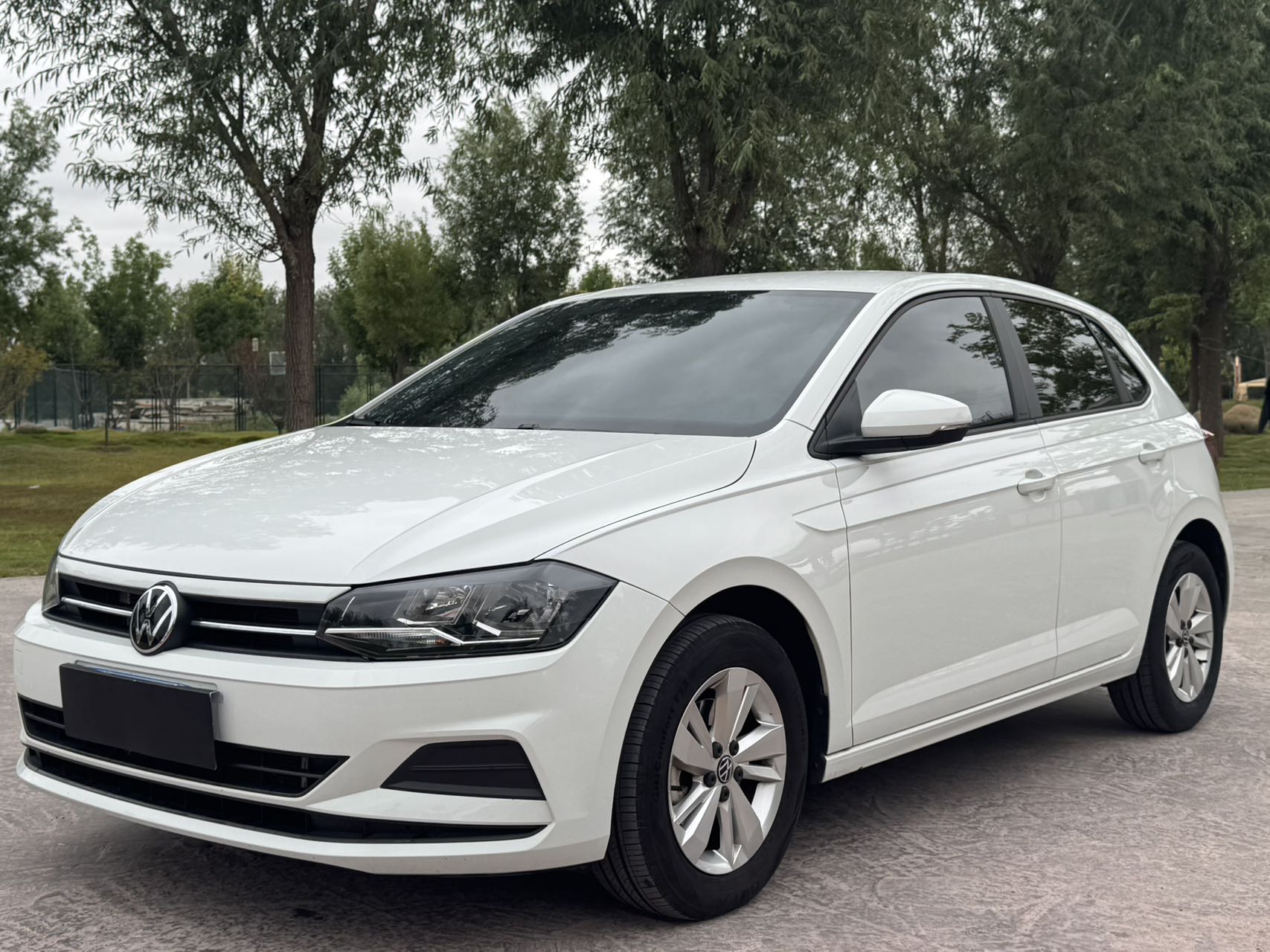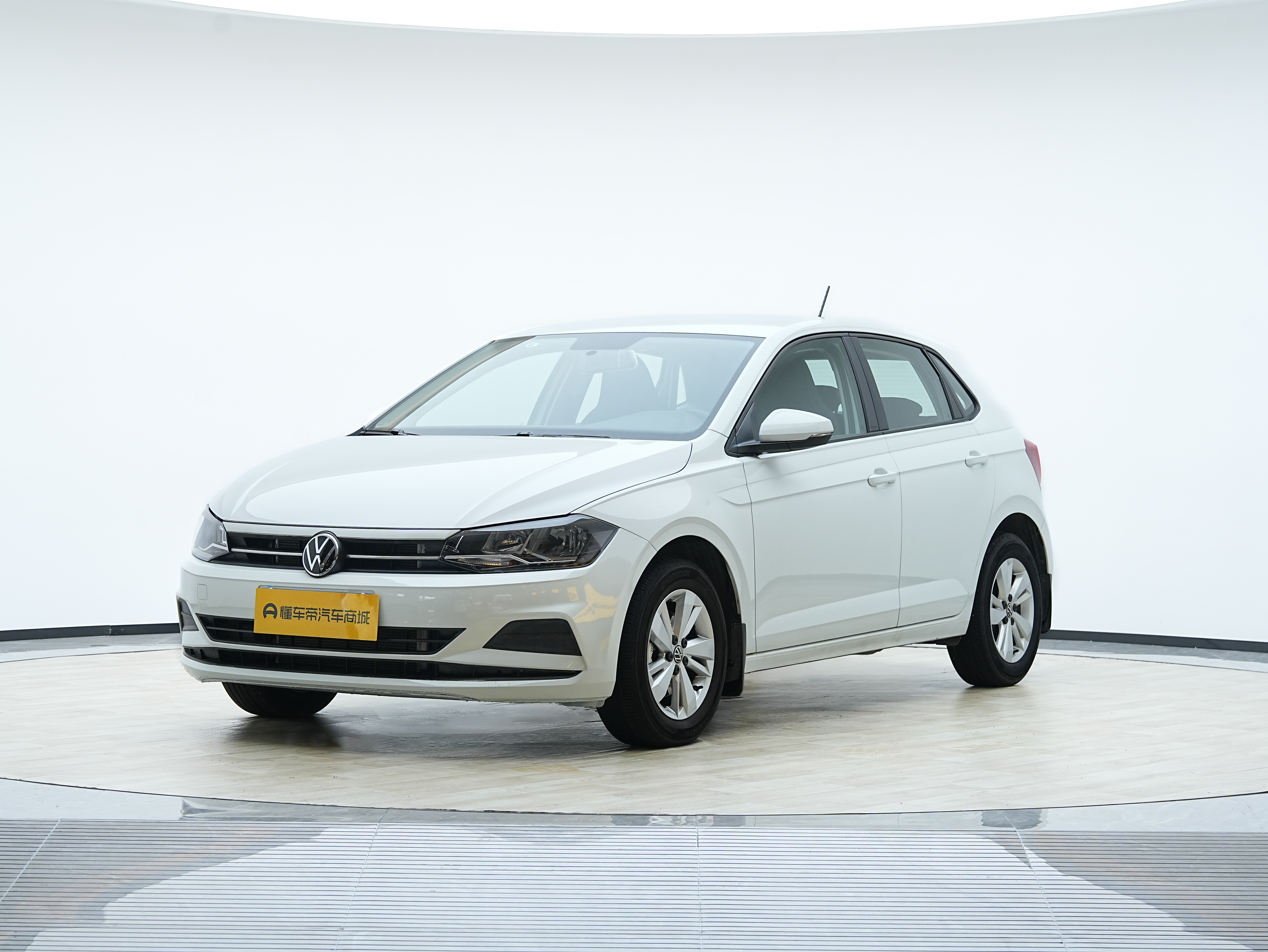
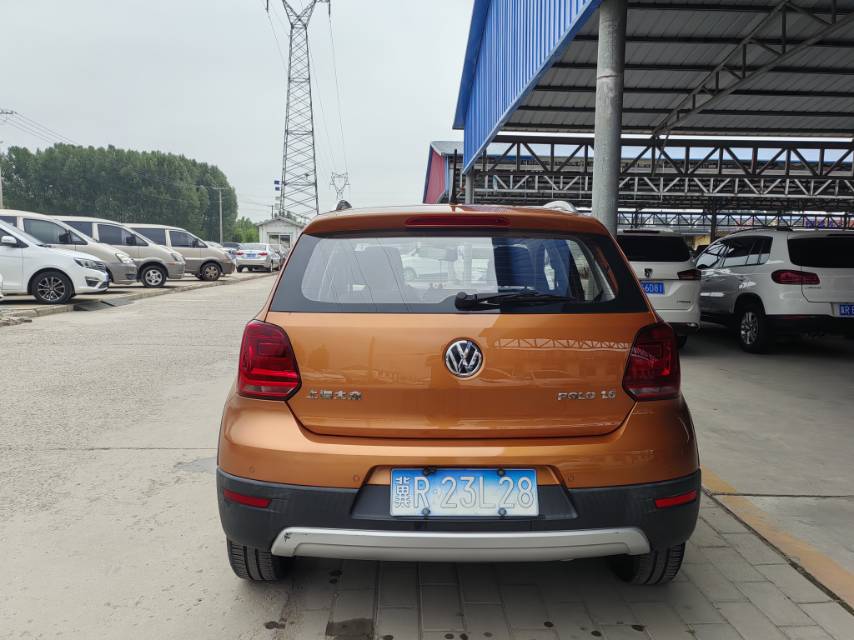
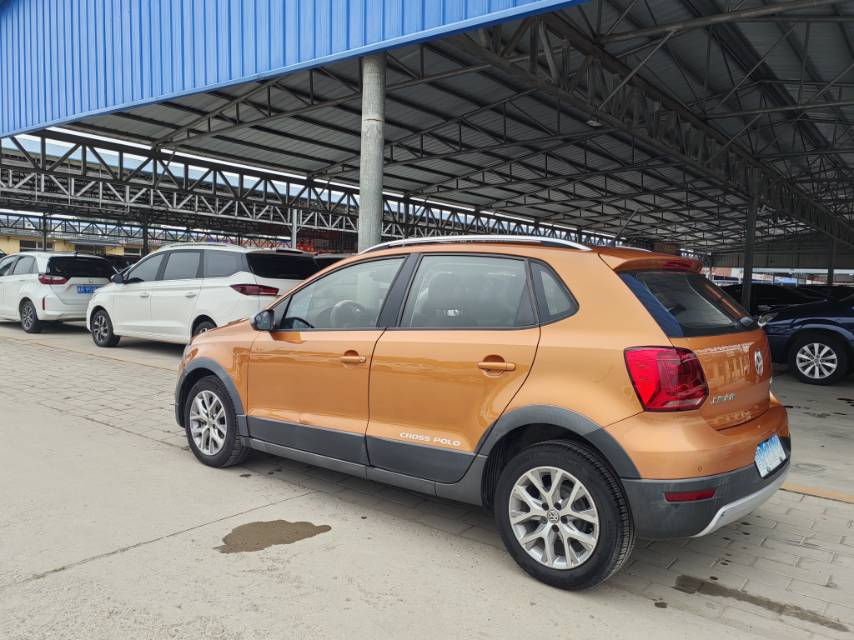
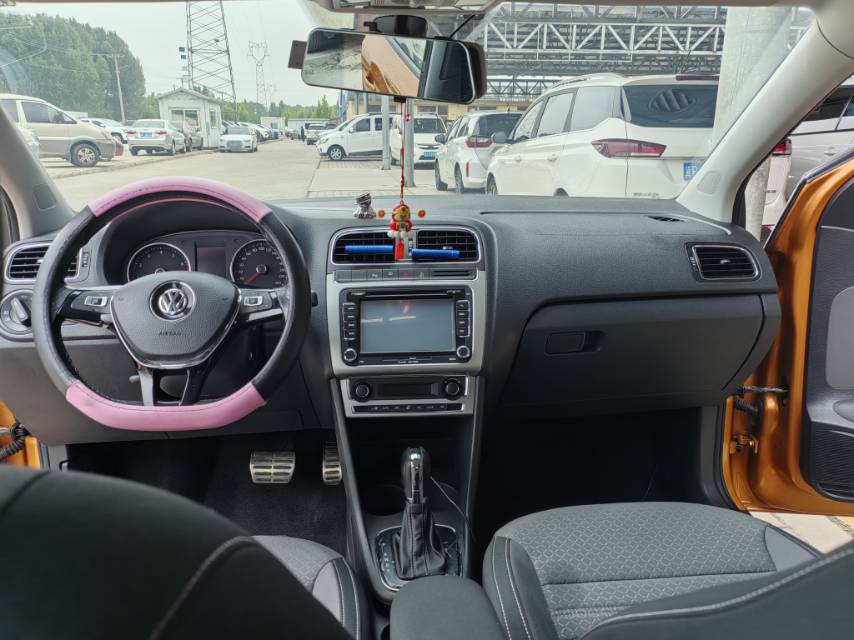
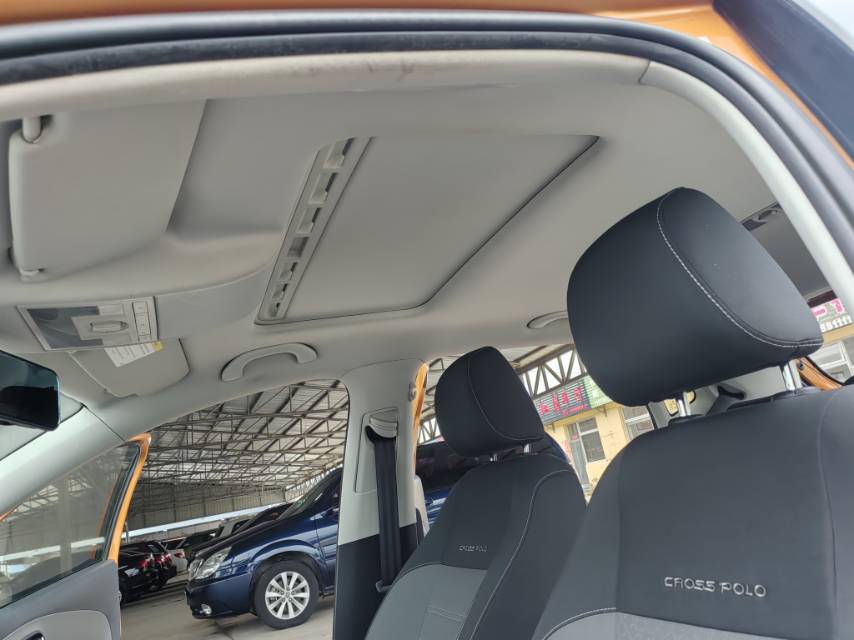
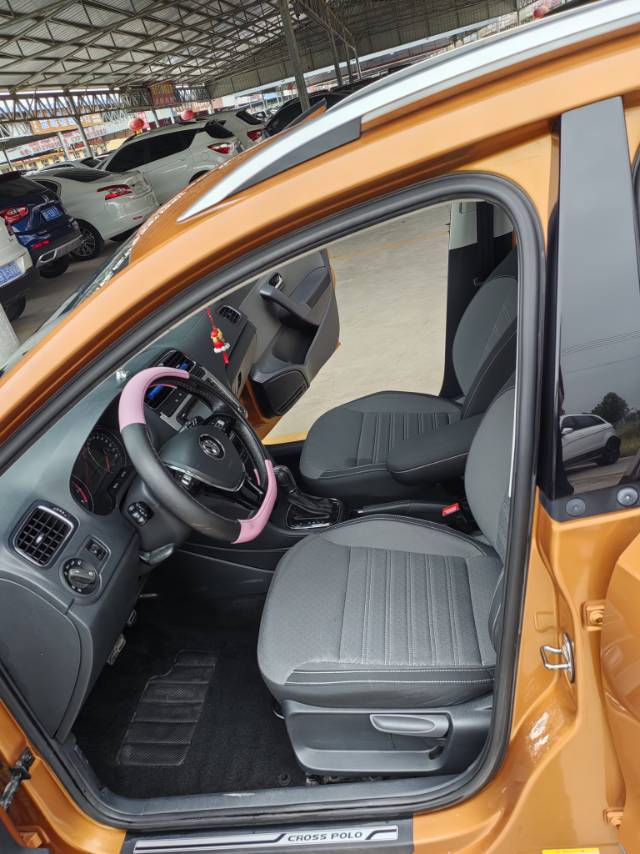
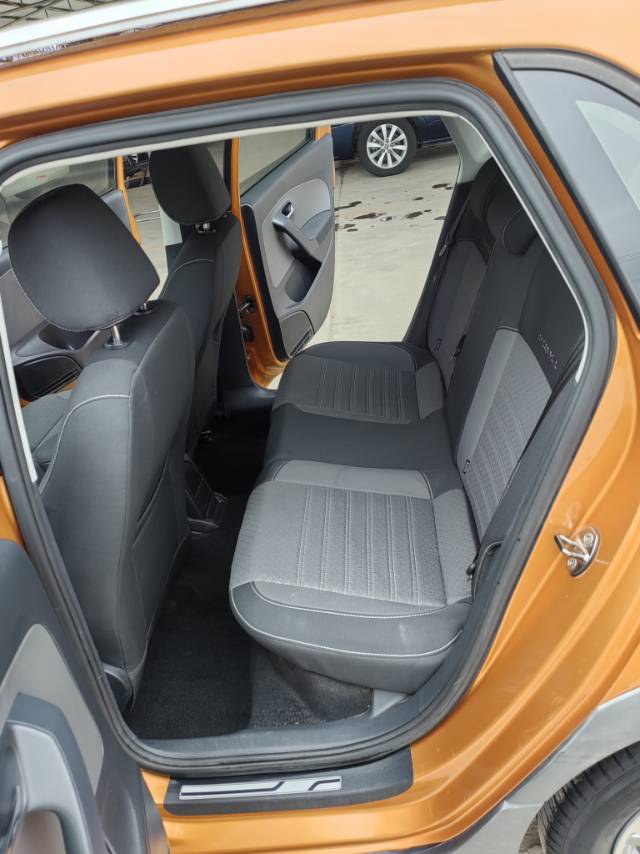



Basic Information

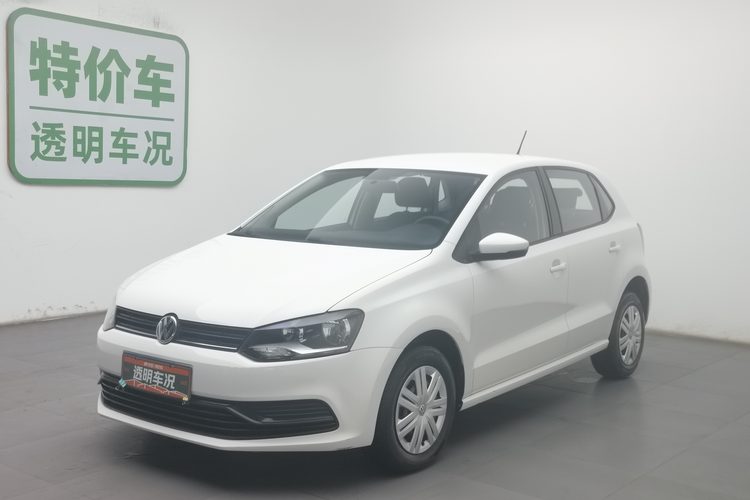
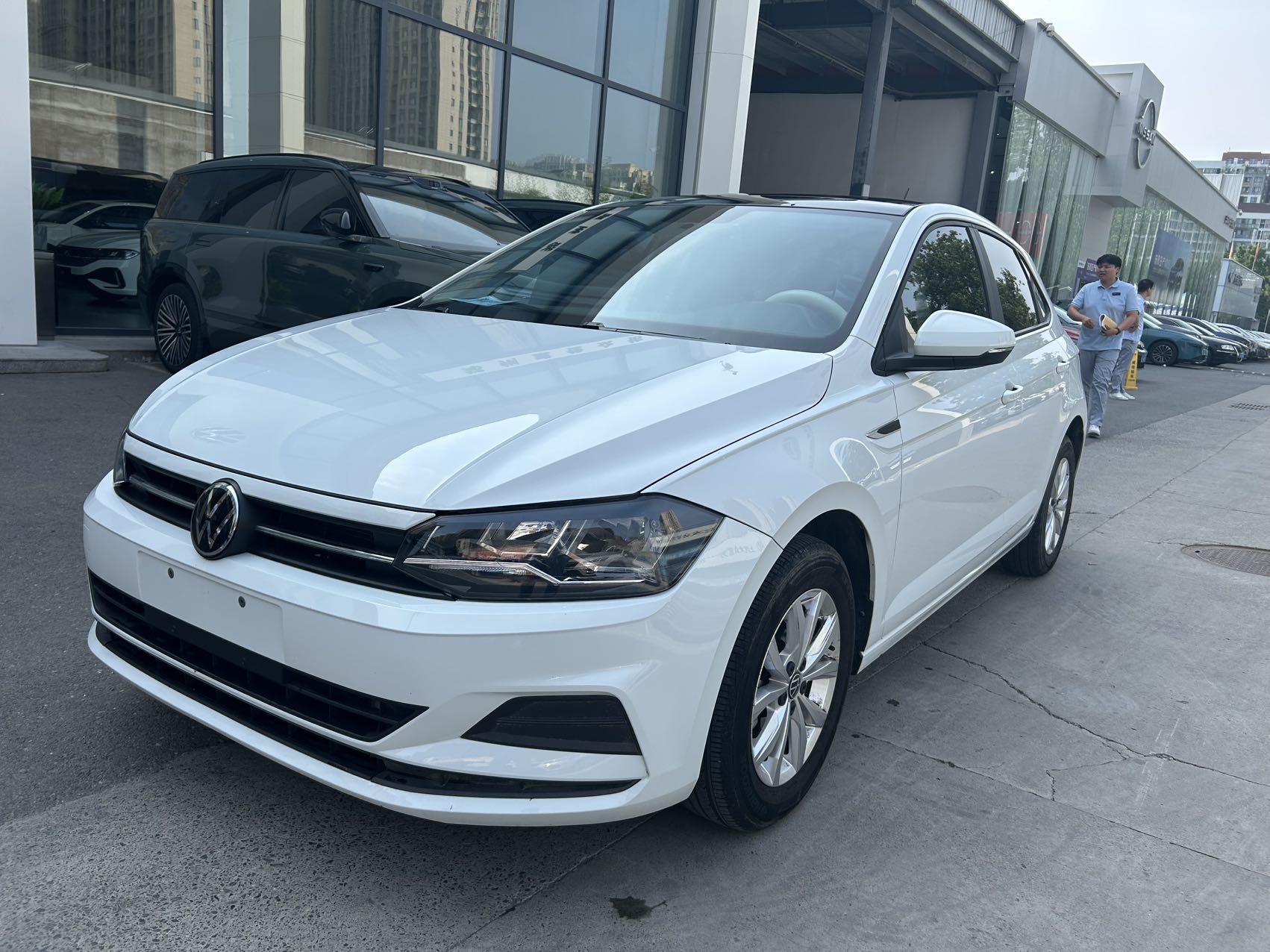
BrandVolkswagen
SeriesPolo
Year2014
First Registration2014/09
Mileage100,000km
Transfer Count0times
FuelGasoline
TransmissionManumatic
Engine1.6L 110 L4
ColorOrigin
Seats-

Condition Description

Average condition.

Personal first-owner vehicle, original body panels, one scratch repainted without filler, zero insurance claims, actual mileage 100,000 km.

可议价
已上架
新到车源

Configuration Highlights

✓品牌: 大众
✓车系: Polo
✓车型: 大众 Polo 2014款 1.6L 自动 CrossPOLO
✓能源类型: 燃油车
✓发动机: 1.6L
✓变速箱: 手自一体
✓驱动方式: 前轮驱动
✓排放标准: 国V
✓指导价: 11.79万
✓车源编号: 12772922
✓VIN: LSVP026R4E2081495

Document Information

Inspection Expiry Date2026/09
Warranty Expiry Date-
Insurance Expiry Date2026/09

Q&A

More

Is the platform responsible if the car wireless charging panel cannot charge due to the buyer's outdated phone model?

The vehicle's wireless charging module (usually Qi protocol) is considered functional as long as it can properly sense and light up with our tested mainstream models. The seller is not responsible for charging issues caused by the buyer's personal electronic device compatibility.
When checking the history records, can you distinguish whether the vehicle was involved in a "single-vehicle accident (like hitting a wall)" or a "multi-vehicle rear-end collision"?

If insurance claims records are accessed, there will usually be notes like "the insured vehicle is fully responsible for hitting a fixed object" or "third-party liability insurance payment." We can roughly reconstruct the accident scene based on this and cross-verify the stress points on the vehicle's frame with paint thickness gauge data.

Why are the shipping costs for used electric vehicles (EVs) usually higher than for internal combustion engine vehicles (ICEs)?

Pure electric vehicles are classified as Class 9 Dangerous Goods due to their large lithium batteries, leading to strict shipping regulations. Shipping companies have high requirements for the loading position and fire isolation measures for dangerous goods, and some roll-on/roll-off ships refuse to accept used EVs. As a result, EVs often require more expensive special container shipping and incur additional handling fees for hazardous materials.