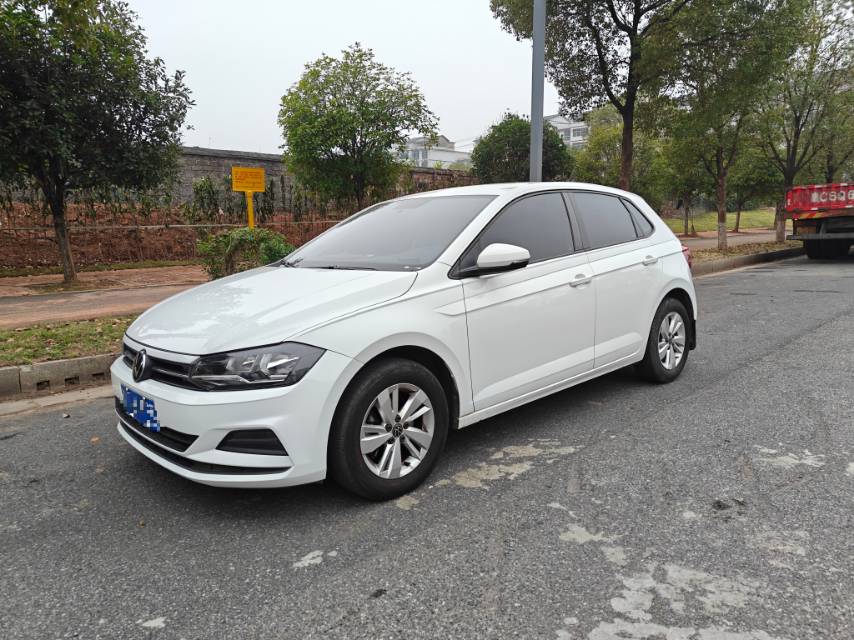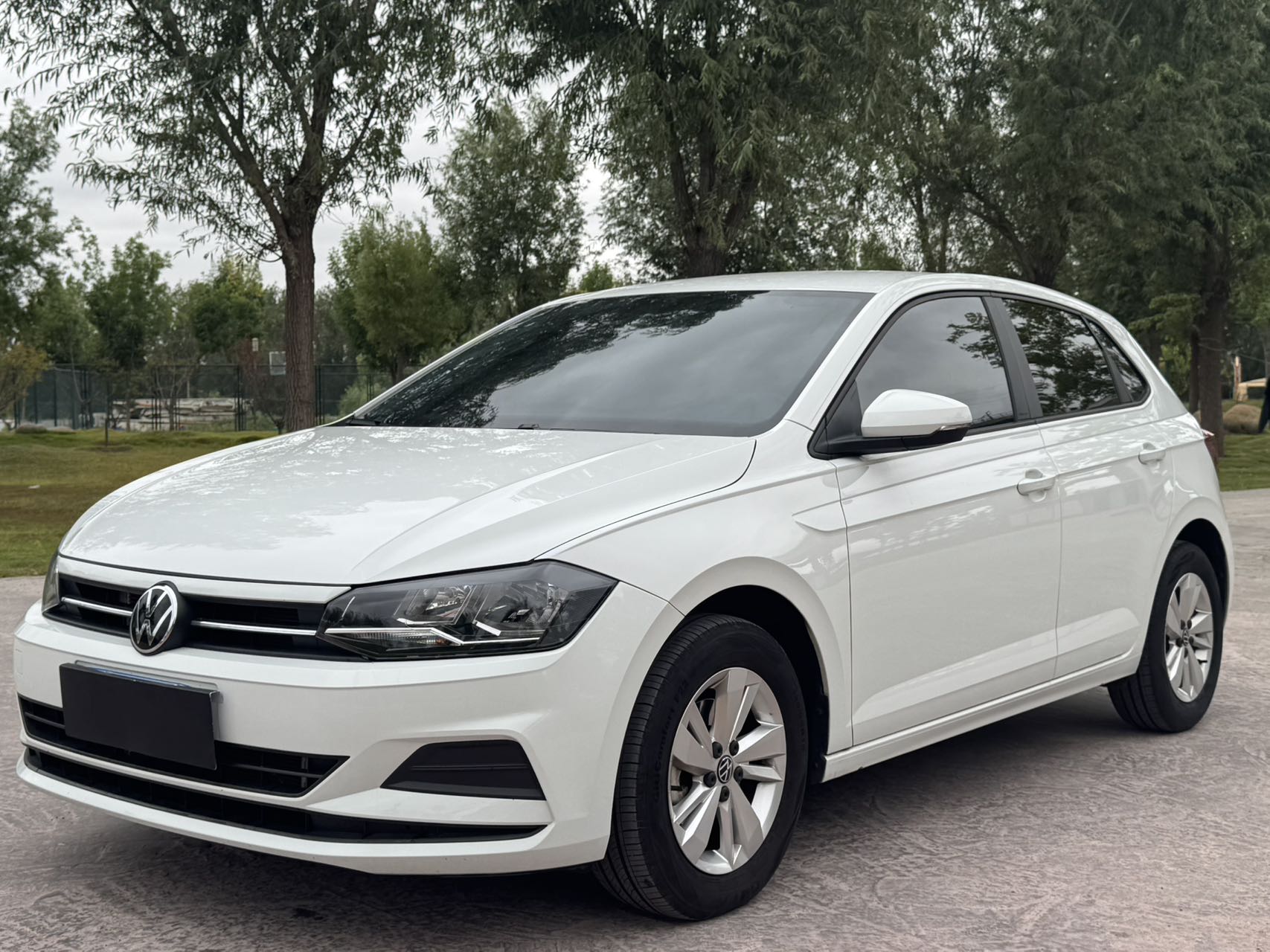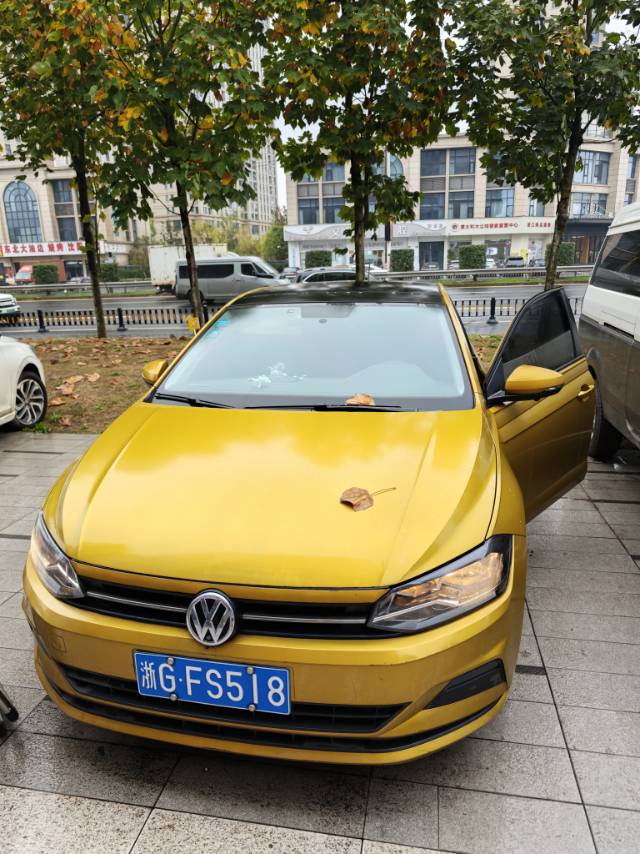

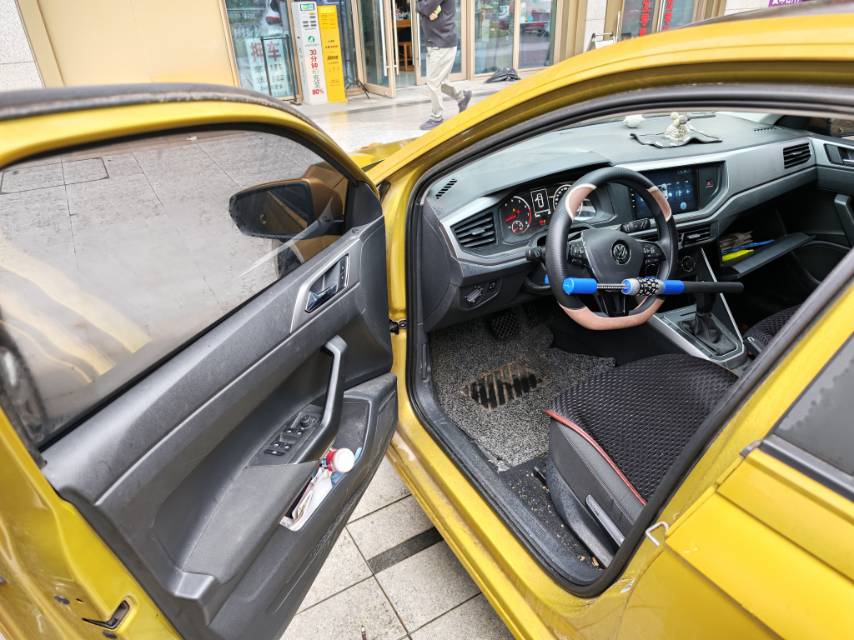
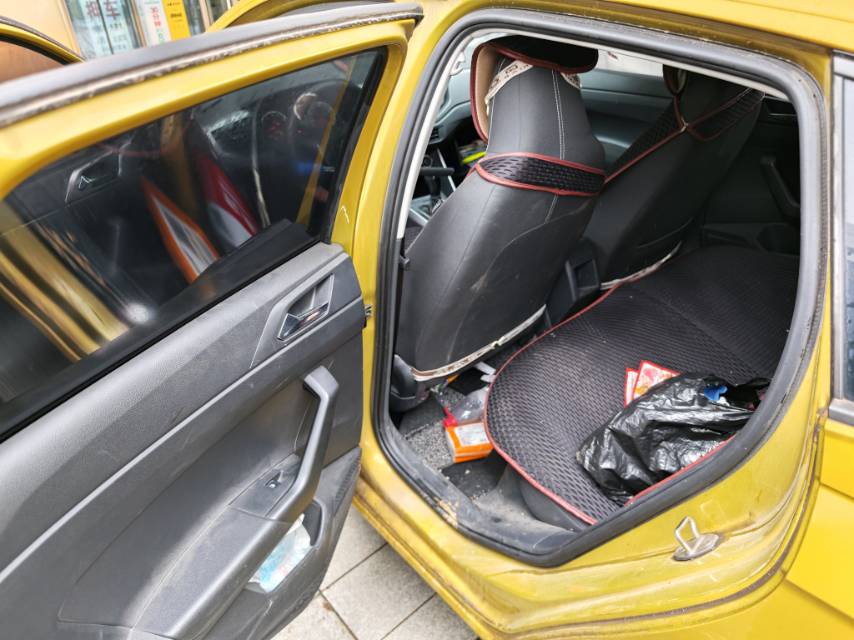

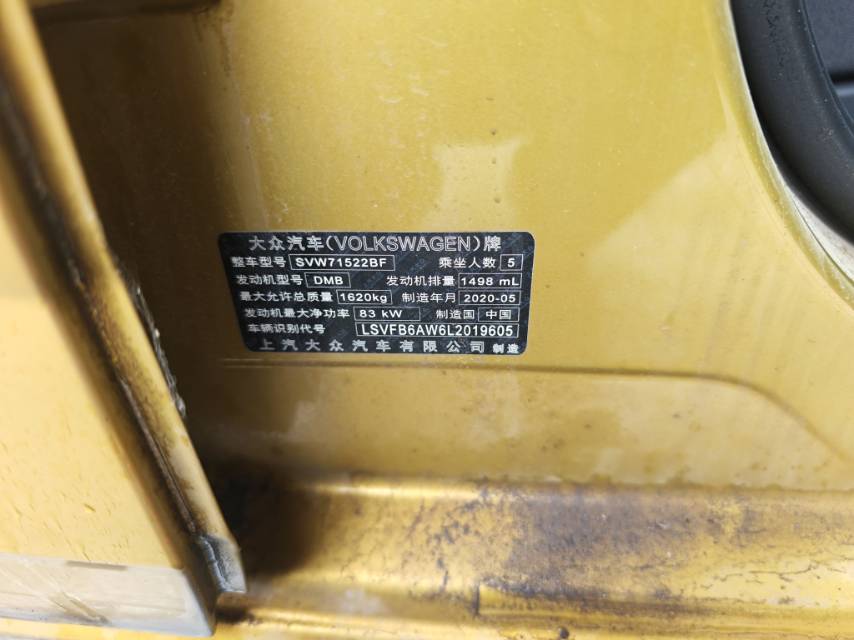



Basic Information

BrandVolkswagen
SeriesPolo
Year2020
First Registration2020/08
Mileage25,000km
Transfer Count1times
FuelGasoline
TransmissionManumatic
Engine1.5L 113 L4
ColorYellow
Seats-

Condition Description

燃油车
轿车
自动
维保开放
事故开放
查验开放

Configuration Highlights

✓品牌: 大众
✓车系: Polo
✓车型: 2019款 Plus 1.5L 自动全景乐享版
✓车身类型: 轿车
✓座位数: 5
✓排量: 1.5L
✓变速箱: 自动
✓能源类型: 燃油车
✓VIN: LSVFB6AW6L2019605
✓搜索关键词: 大众Polo 2019款PoloPlus1.5L自动全景乐享版

Q&A

More

How do I compare quotes from different Chinese exporters, and why is the cheapest offer often risky?

Comparing quotes properly means comparing the same thing: 1. Normalize the scope: some quotes include inland transport, export clearance, inspection and ocean freight, others are FOB only. Ask each exporter for a line-item breakdown so you can compare like with like. 2. Check what is excluded: port charges at destination, customs duties, homologation and registration are almost always on you. Get a written list of everything NOT included. 3. Look beyond the number: a quote 10-15% below the market usually means the car has an issue (accident history, rolled-back mileage, pending lien) or the exporter plans to cut corners on inspection and loading. 4. Verify the exporter: business license, export qualification, recent shipment records, and references from buyers in your region. A realistic quote from a verifiable exporter is worth more than a bargain that turns into a dispute. Always pay against milestones with inspection before balance payment.


What is the latest time to request changes to the consignee and notify party on the bill of lading?

Changes must be requested before the shipping cut-off date (SI Cut-off Date) prior to the vessel's departure. Once the vessel has sailed, the shipping company will charge a high amendment fee, which may also cause delays in customs clearance at the destination port, with costs borne by the buyer.

How often do you calibrate the instruments used to detect vehicles (such as paint thickness gauges and OBD diagnostic tools) for accuracy?

All our measuring instruments (especially calipers, paint thickness gauges, and refrigerant pressure gauges) are calibrated quarterly according to ISO quality management system requirements to ensure the data we provide you is objective, accurate, and reliable.