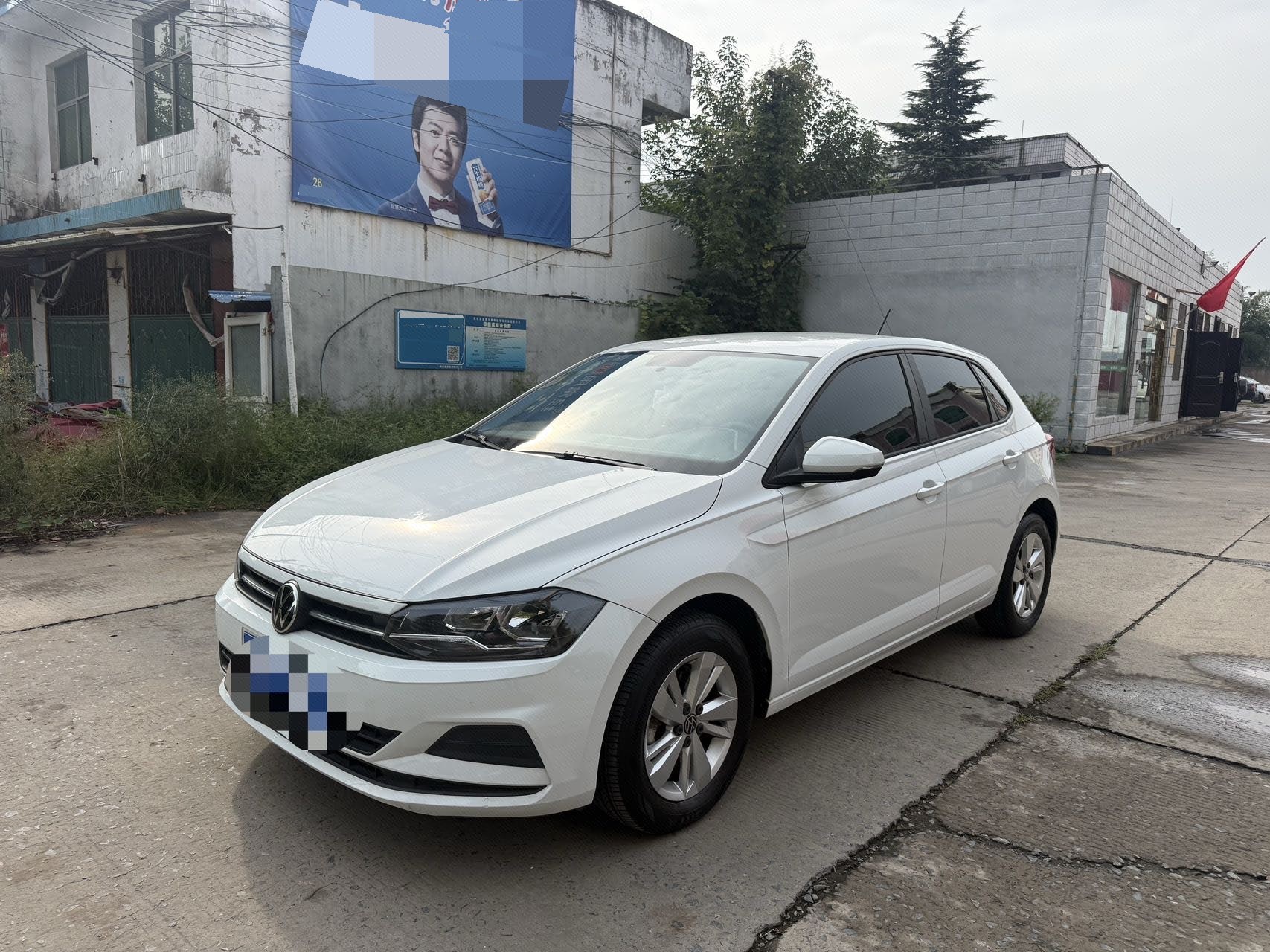
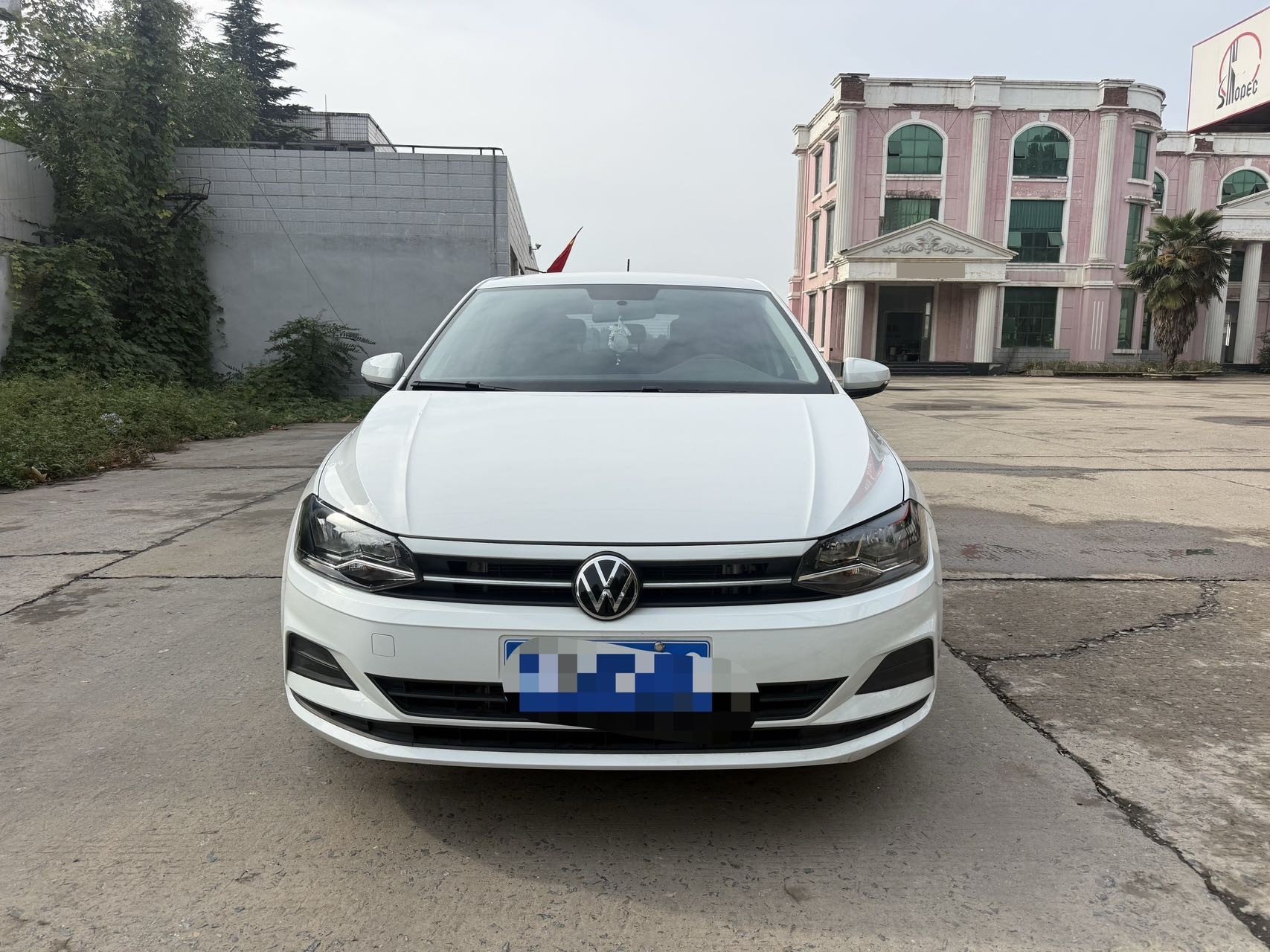
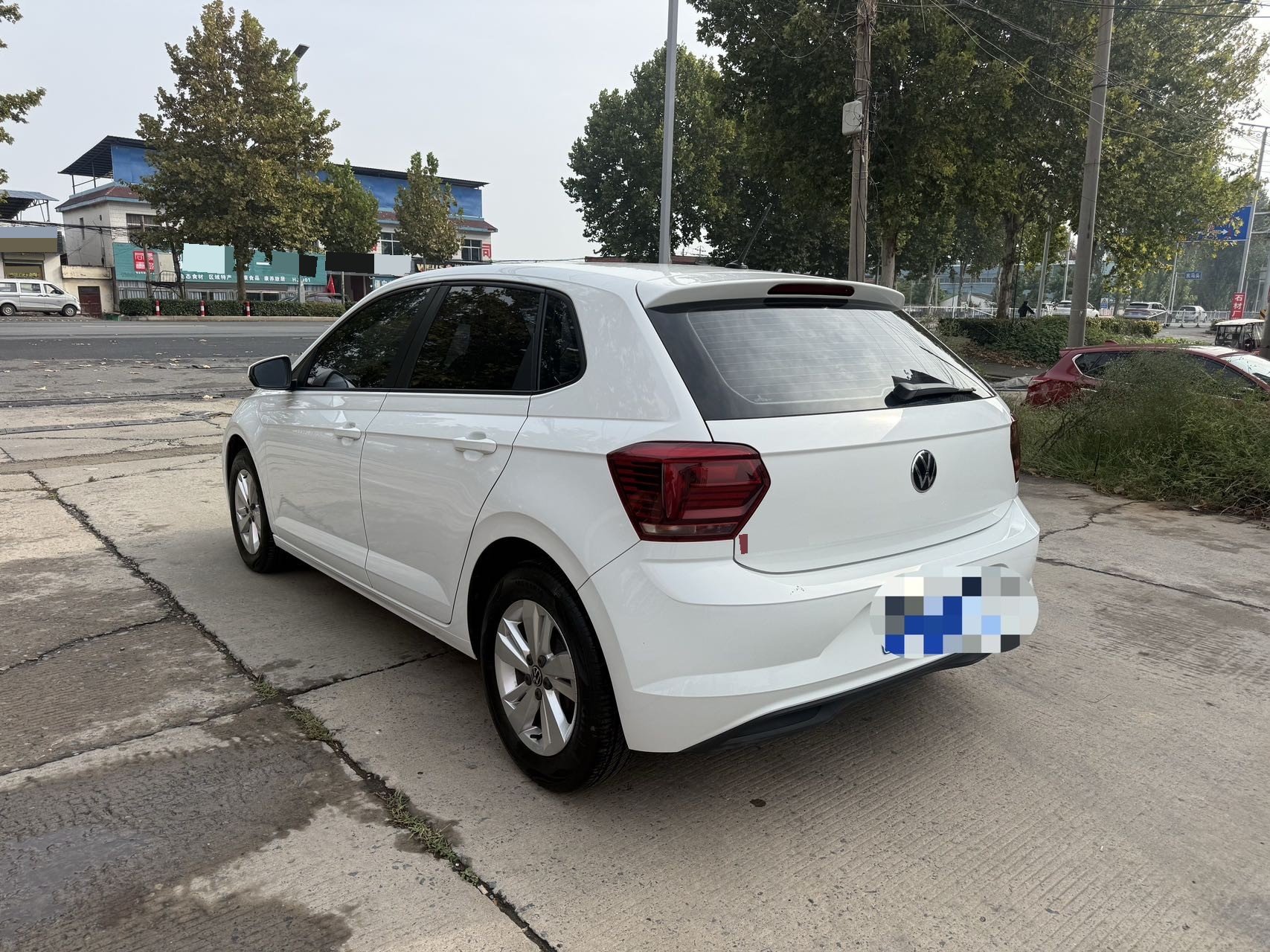
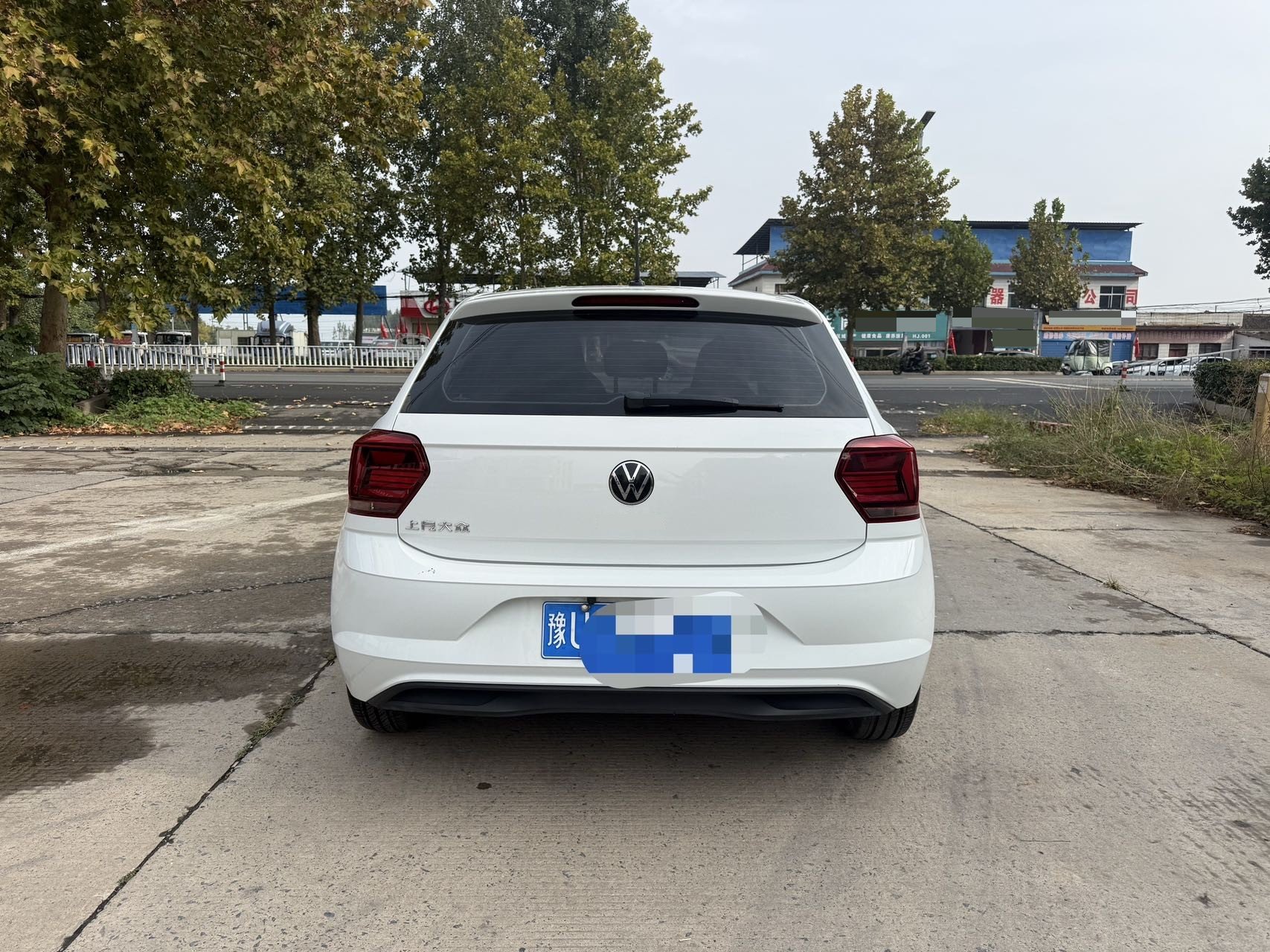



48H

Basic Information

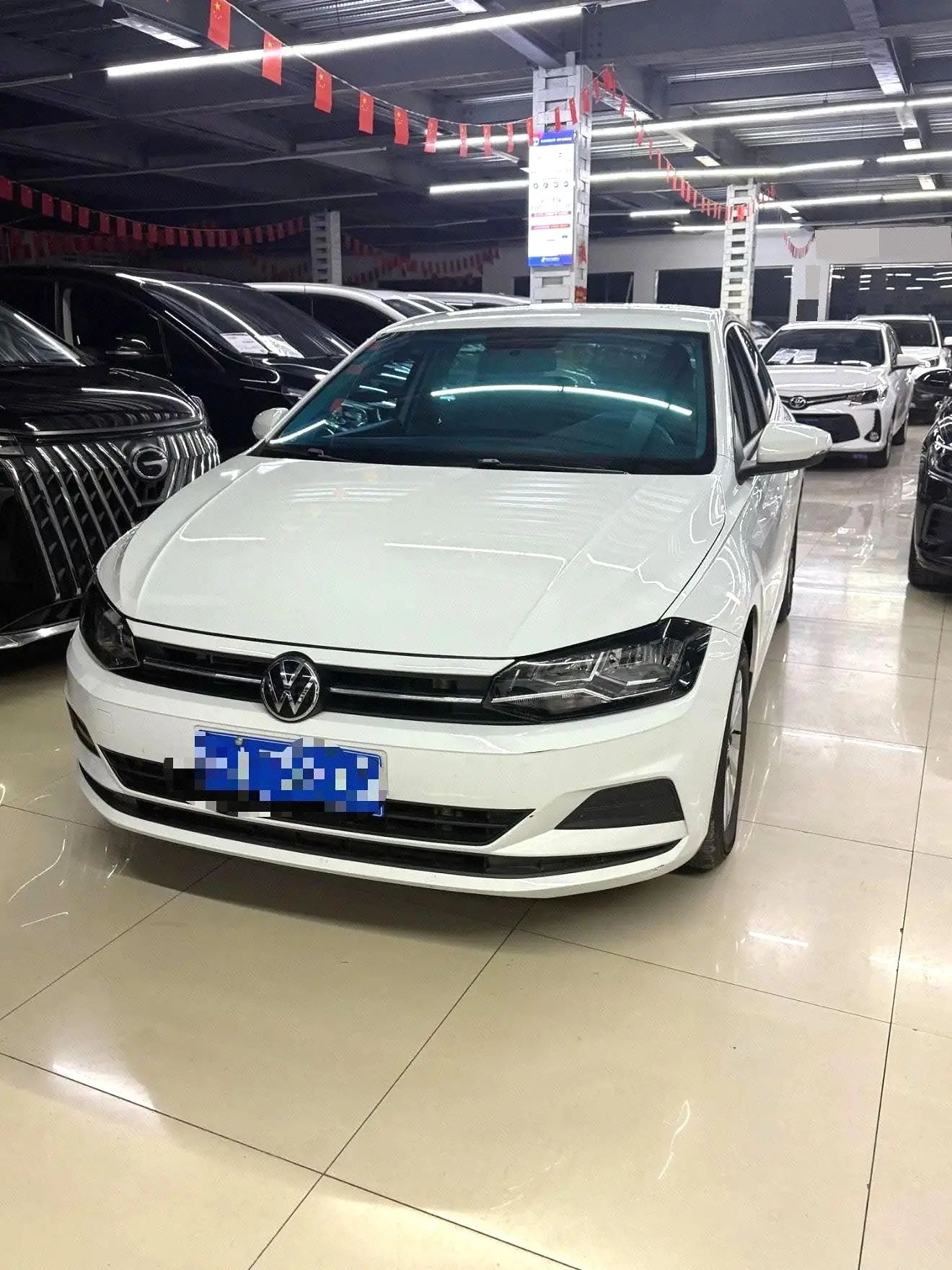
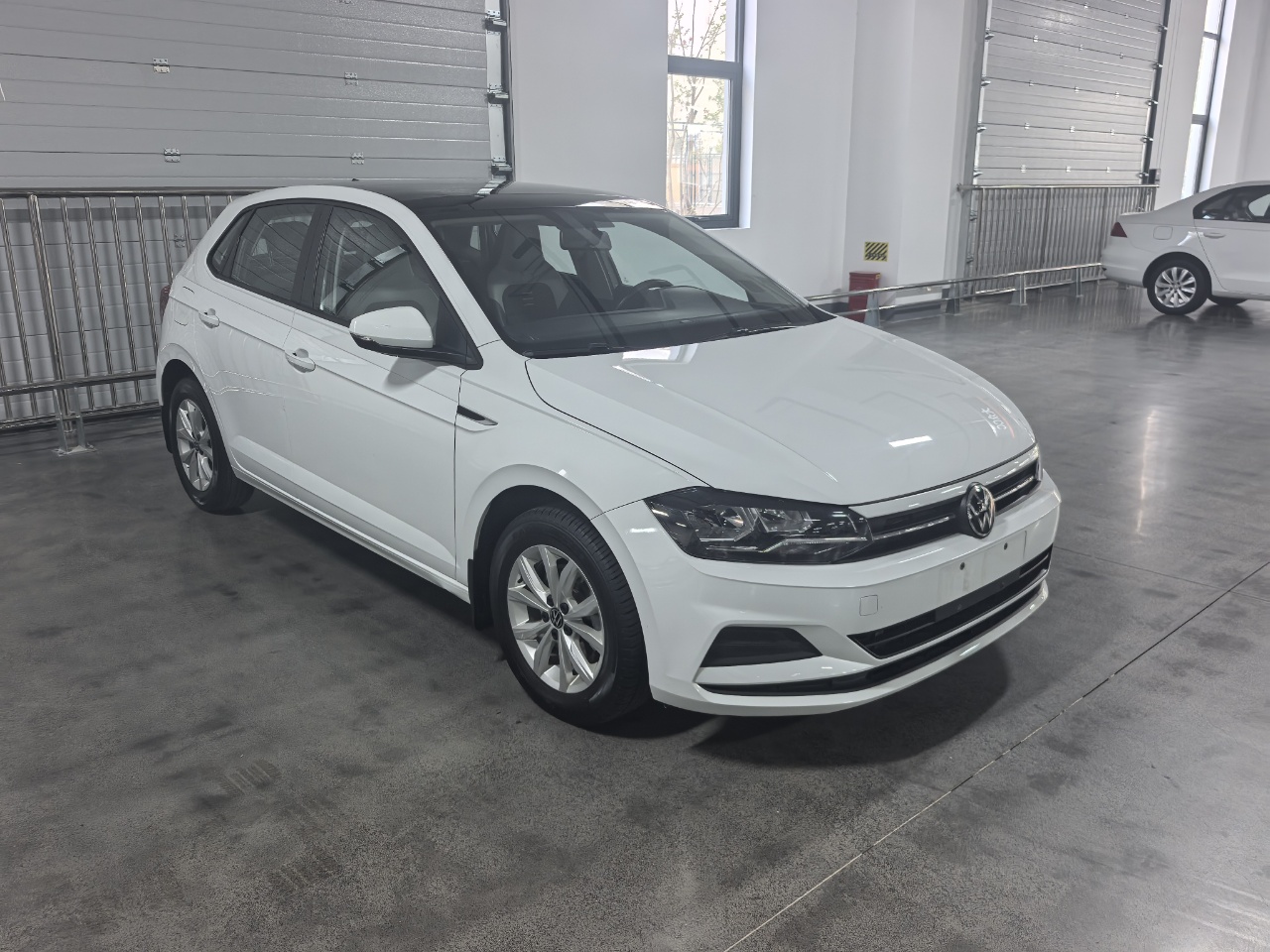
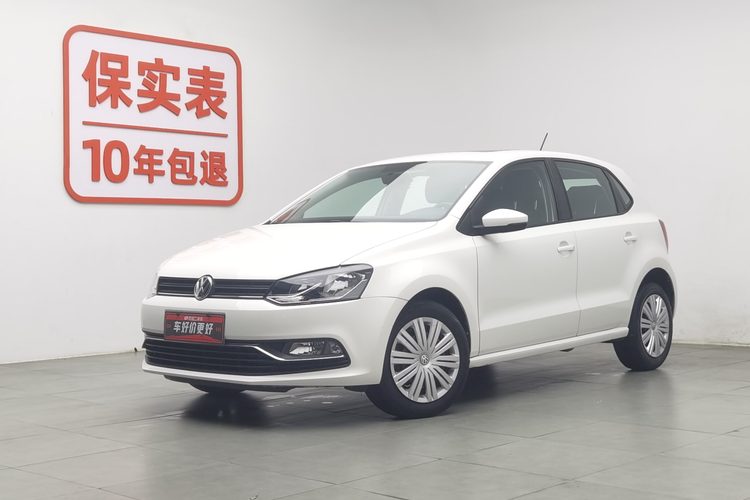
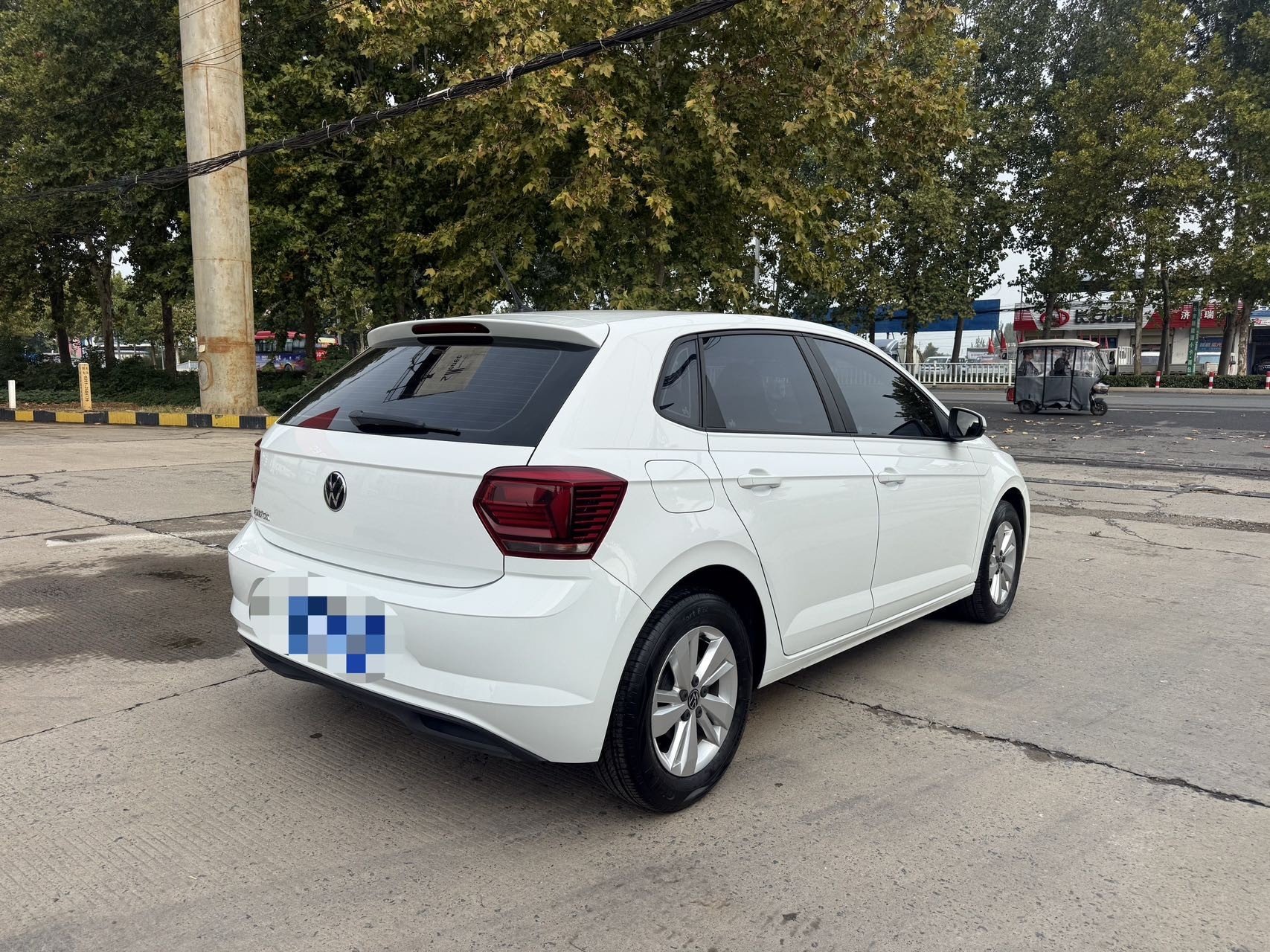
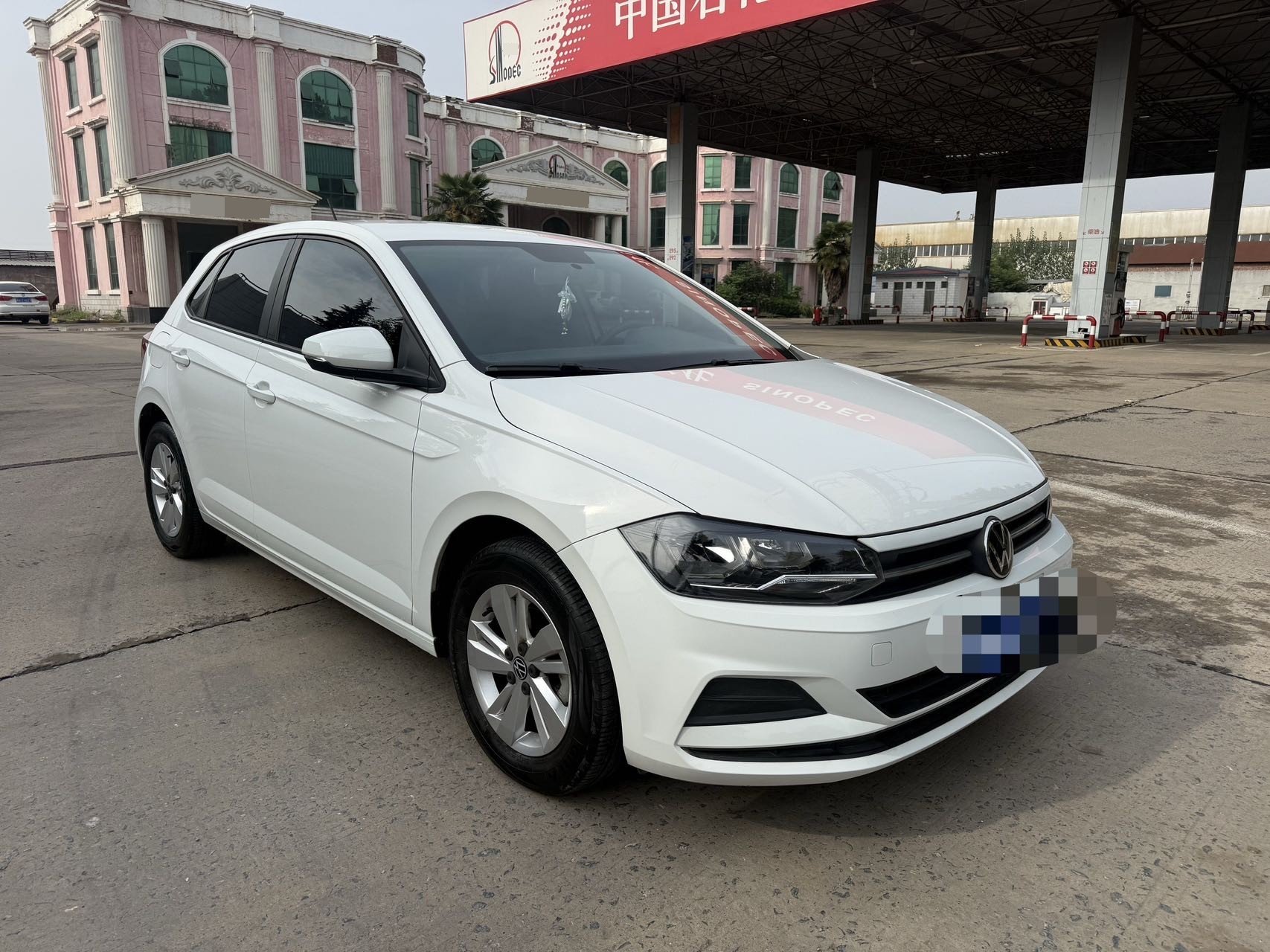
BrandVolkswagen
SeriesPolo
Year2023
First Registration2023/09
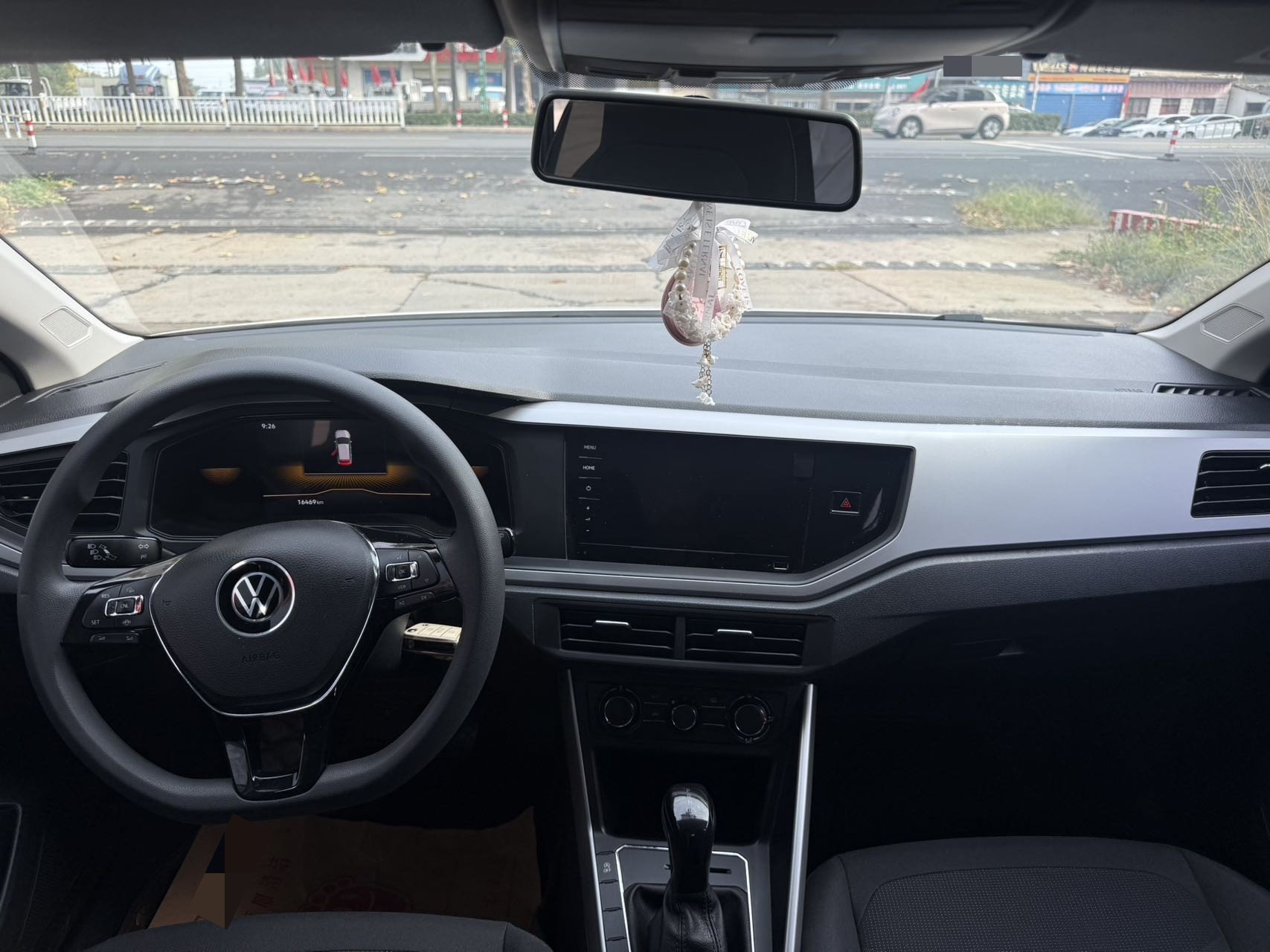
Mileage16,000km
Transfer Count0times
FuelGasoline
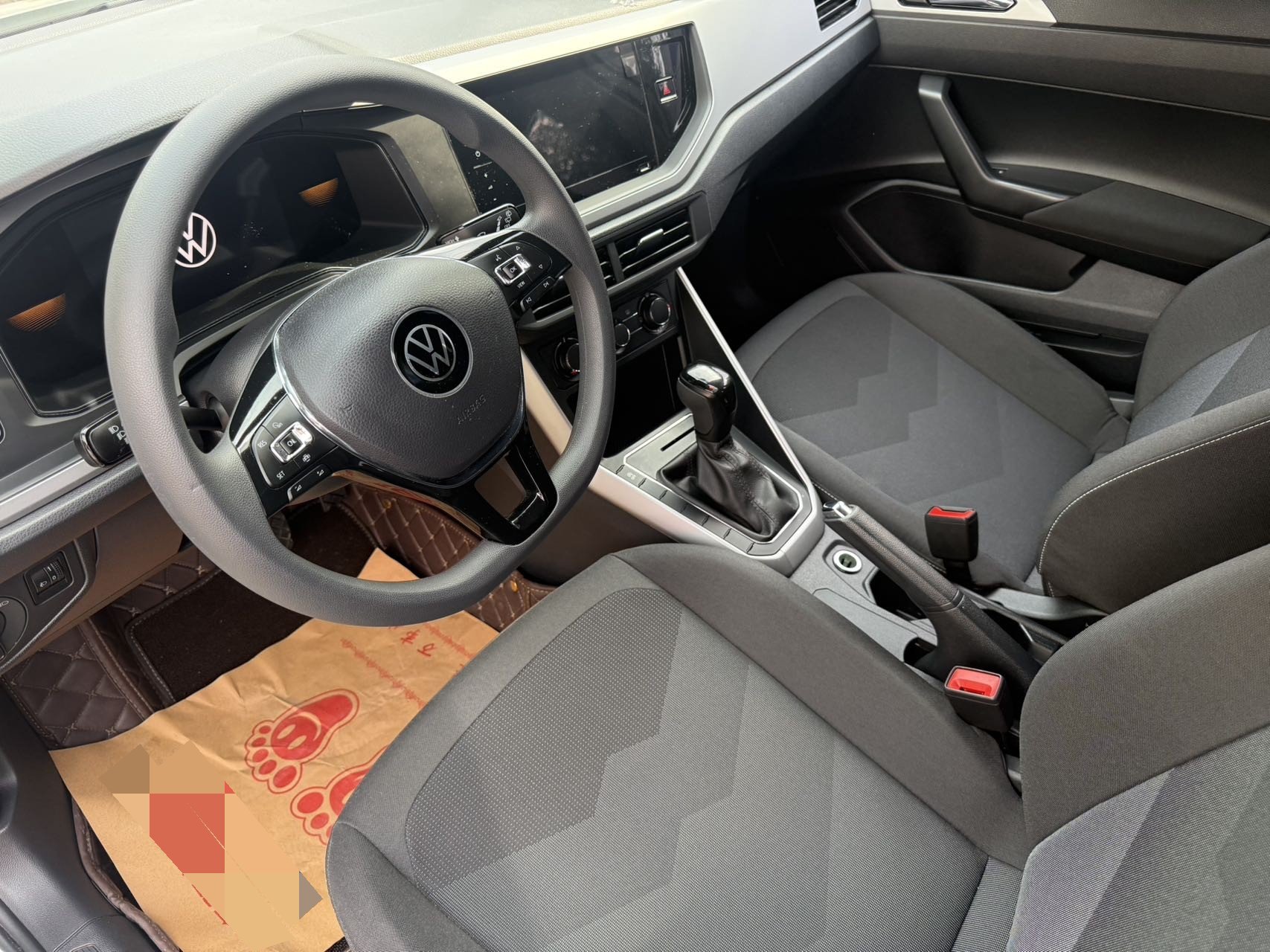
TransmissionManumatic
Engine1.5L 113 L4
ColorWhite
Seats-

Condition Description

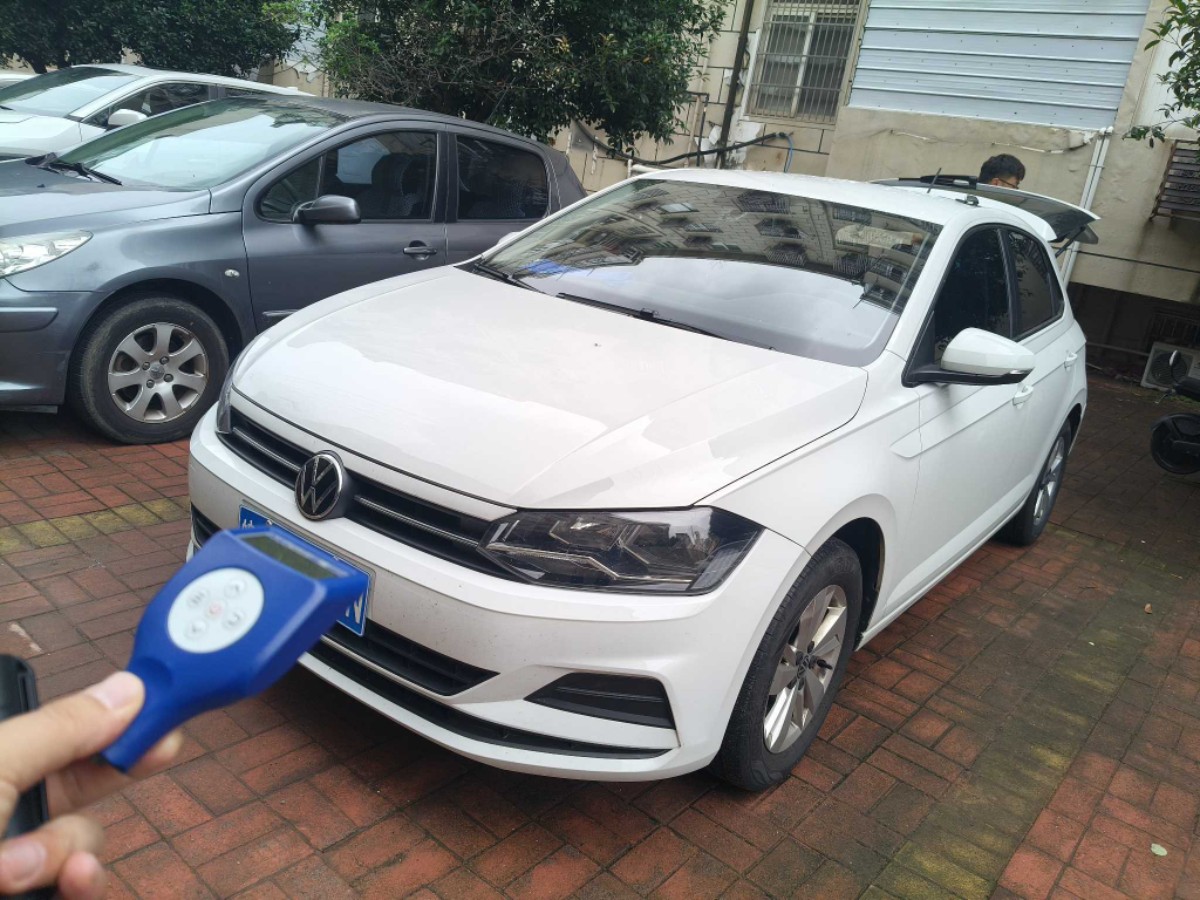
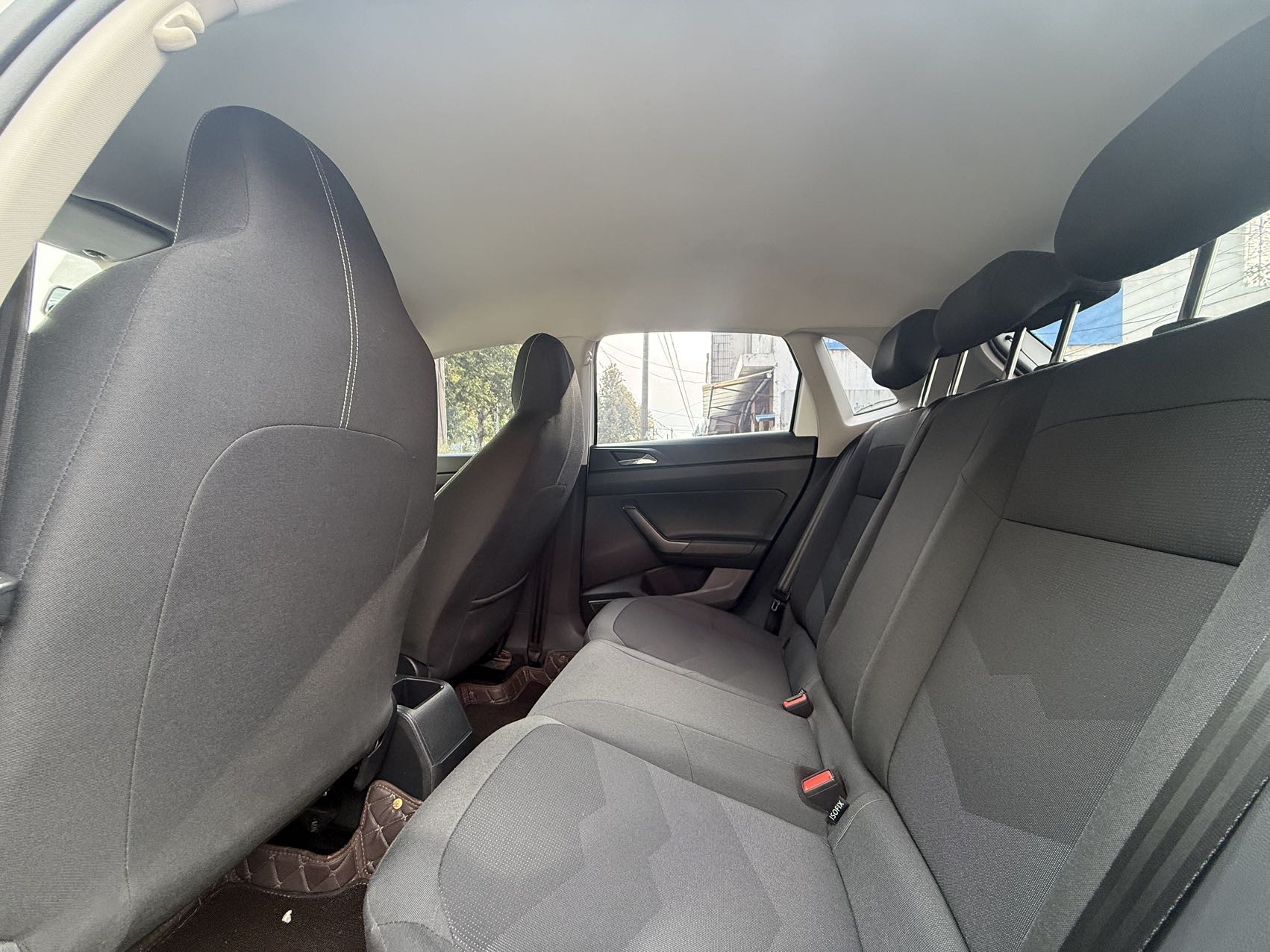
Original condition, all original paint, original paint on metal parts.

Document Information

Inspection Expiry Date-
Warranty Expiry Date-
Insurance Expiry Date2027/09

Q&A

More

If a problem arises after the car arrives, how are disputes and claims typically handled with a Chinese exporter?

Handling claims with an overseas exporter works best when expectations are set before payment. Prevention: put the inspection standard, photo/video evidence requirements, and a dispute clause into the sales contract. Keep all chat records and payment receipts. Typical process if issues arise: 1) Notify the exporter within 48-72 hours of delivery with photos/videos as evidence. 2) Most disputes fall into two buckets: shipping damage (handled via marine insurance — this is why insurance matters) or undisclosed mechanical defects (handled per contract, often via partial refund, spare parts, or repair cost sharing). Realistic expectations: exporters rarely accept returns, so negotiate compensation instead. A reputable company will usually cover reasonable repair costs for defects confirmed to pre-exist shipment. Tip: for higher-value cars, hire a local third-party inspection at destination as final evidence — it strengthens any claim significantly.


Who is responsible if a vehicle is damaged in a rear-end collision during inland highway transport to a port in China?

Under FOB or CIF terms, all risks before crossing the ship's rail are borne by the seller (us). For minor scratches, we will provide a price discount based on the damage assessment; for serious damage, we will immediately terminate the vehicle delivery, refund the full amount, or replace it with a vehicle of equivalent configuration.

How is liability defined if the battery pack is damaged during long-distance sea transport due to extreme temperatures?

This is considered a force majeure risk. We will require the vehicle's state of charge (SOC) to be maintained in a safe dormant range of 30%-50% before loading, and we will insure you for all marine risks under CIF terms. If the battery suffers thermal runaway total loss due to abnormal cargo hold temperatures, the insurance company will compensate.