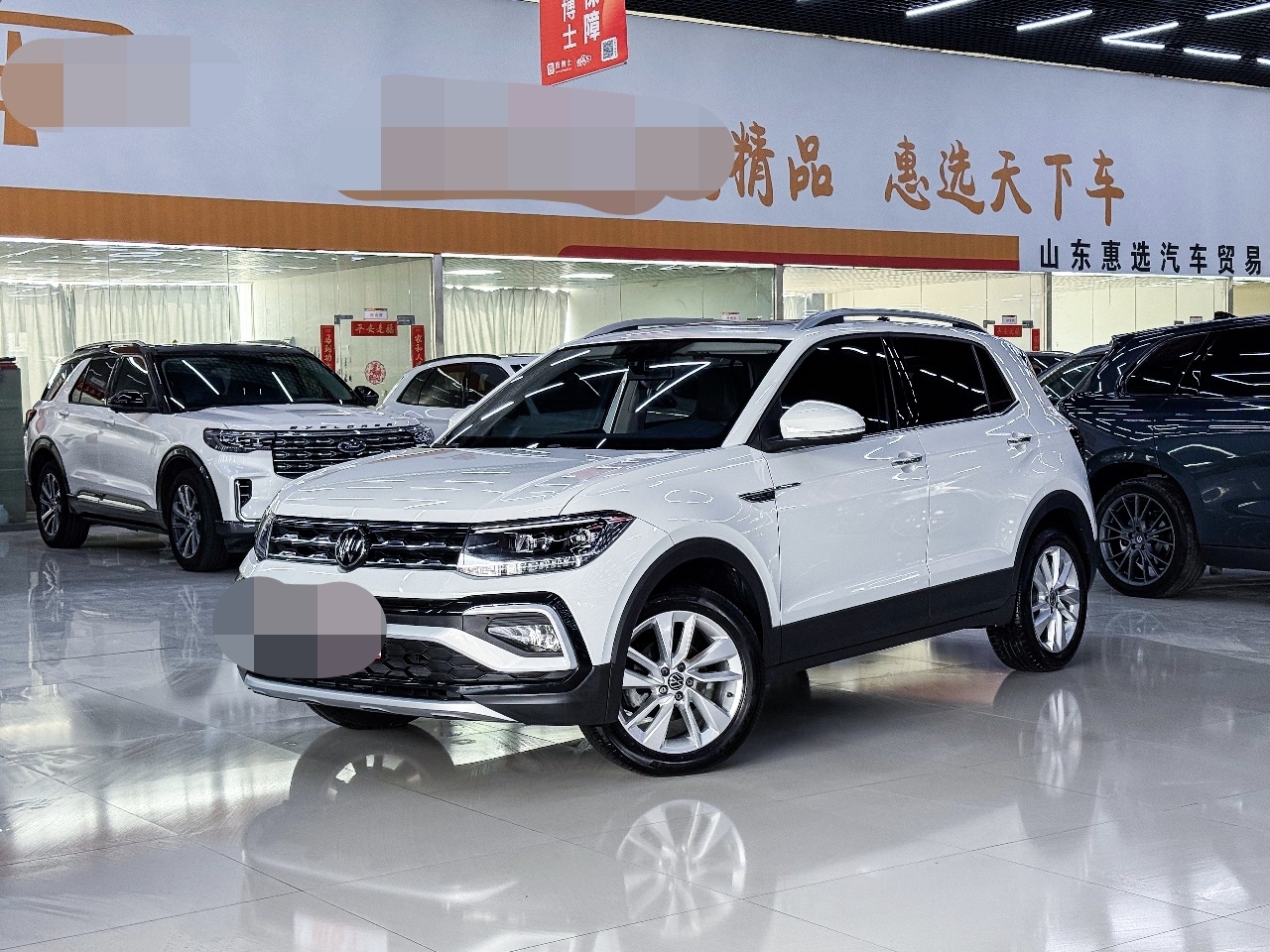
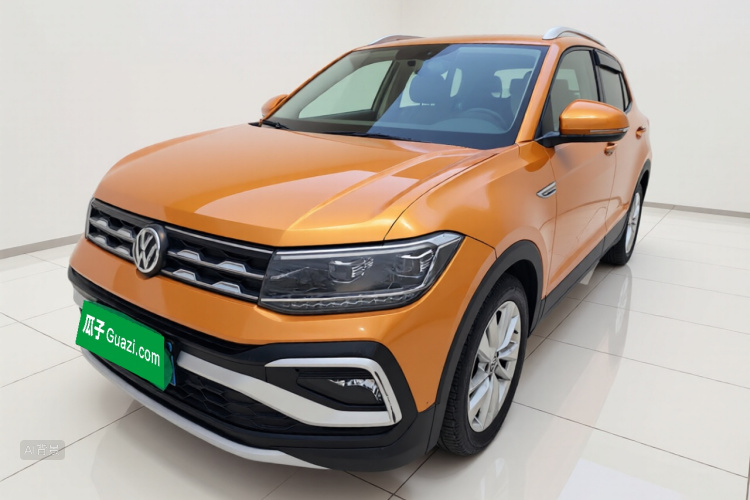
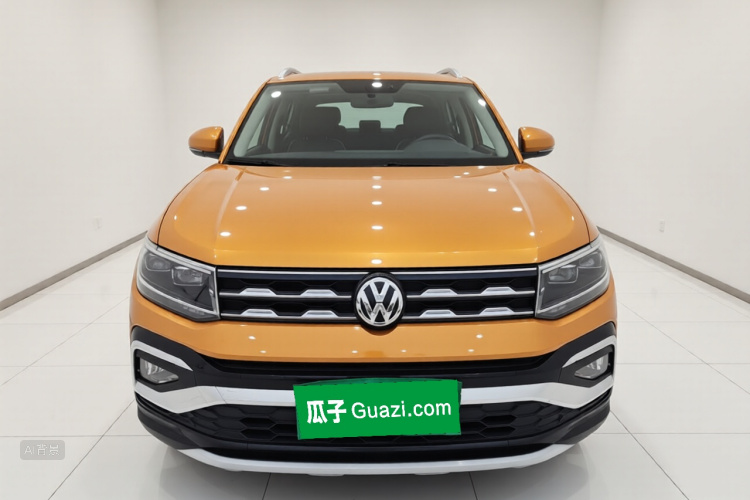

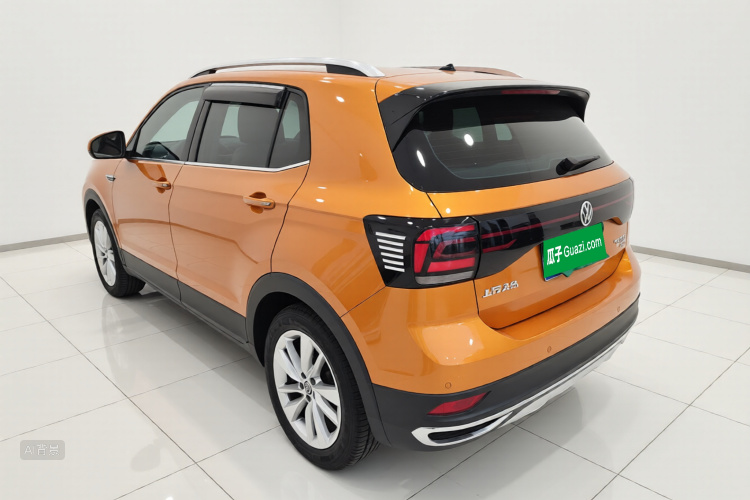
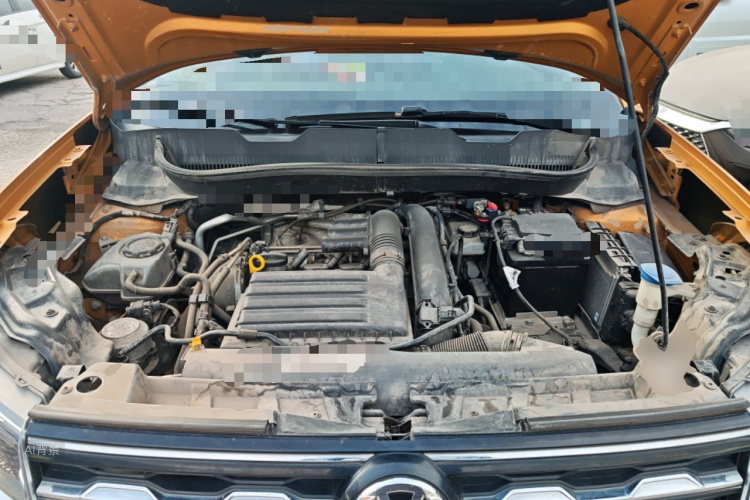



Basic Information

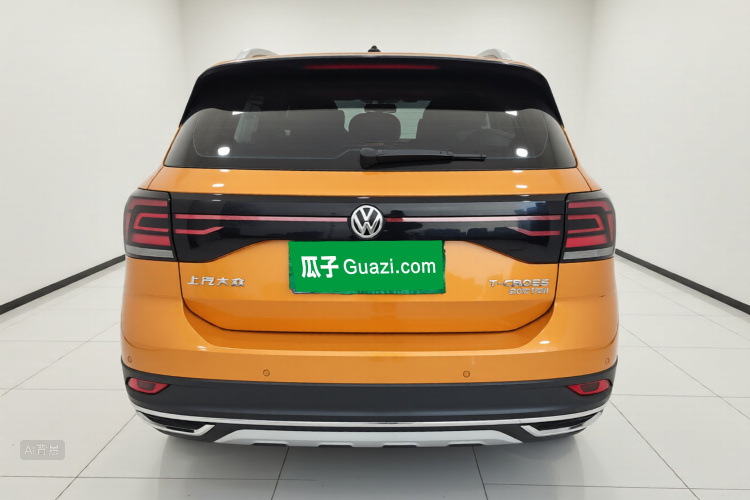
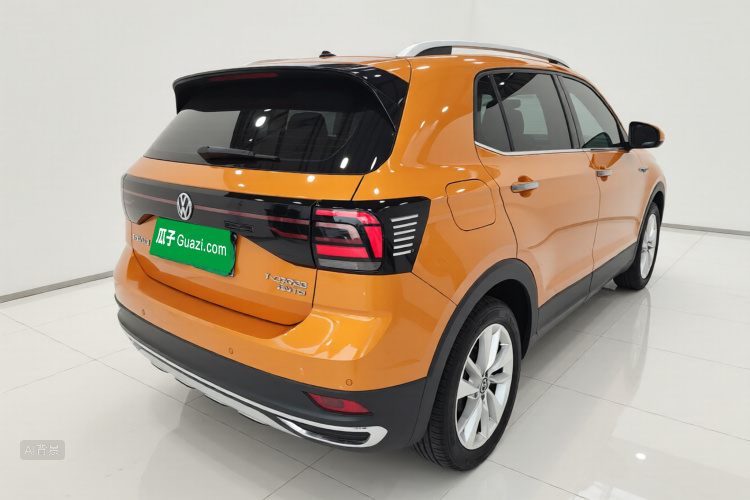
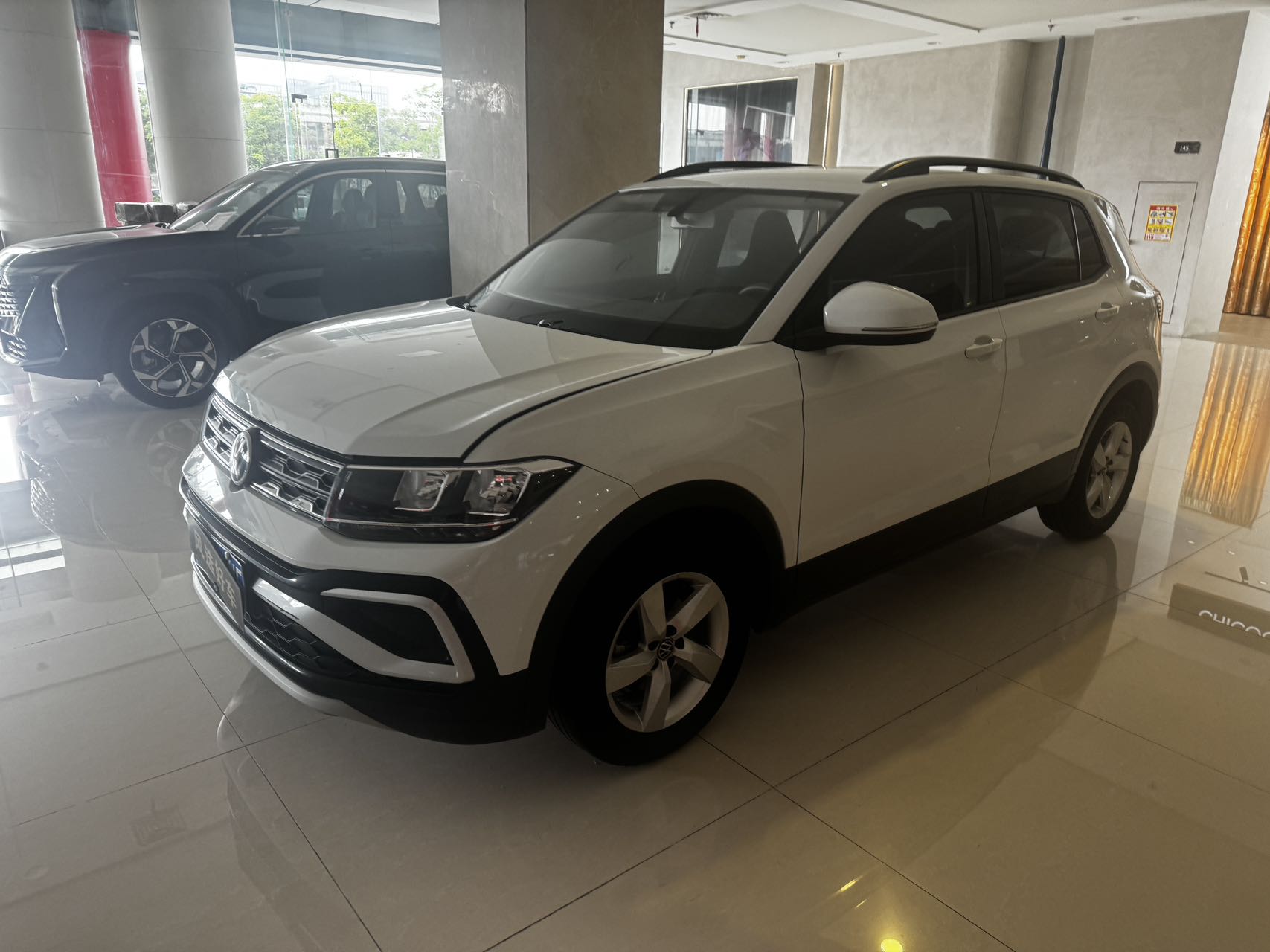
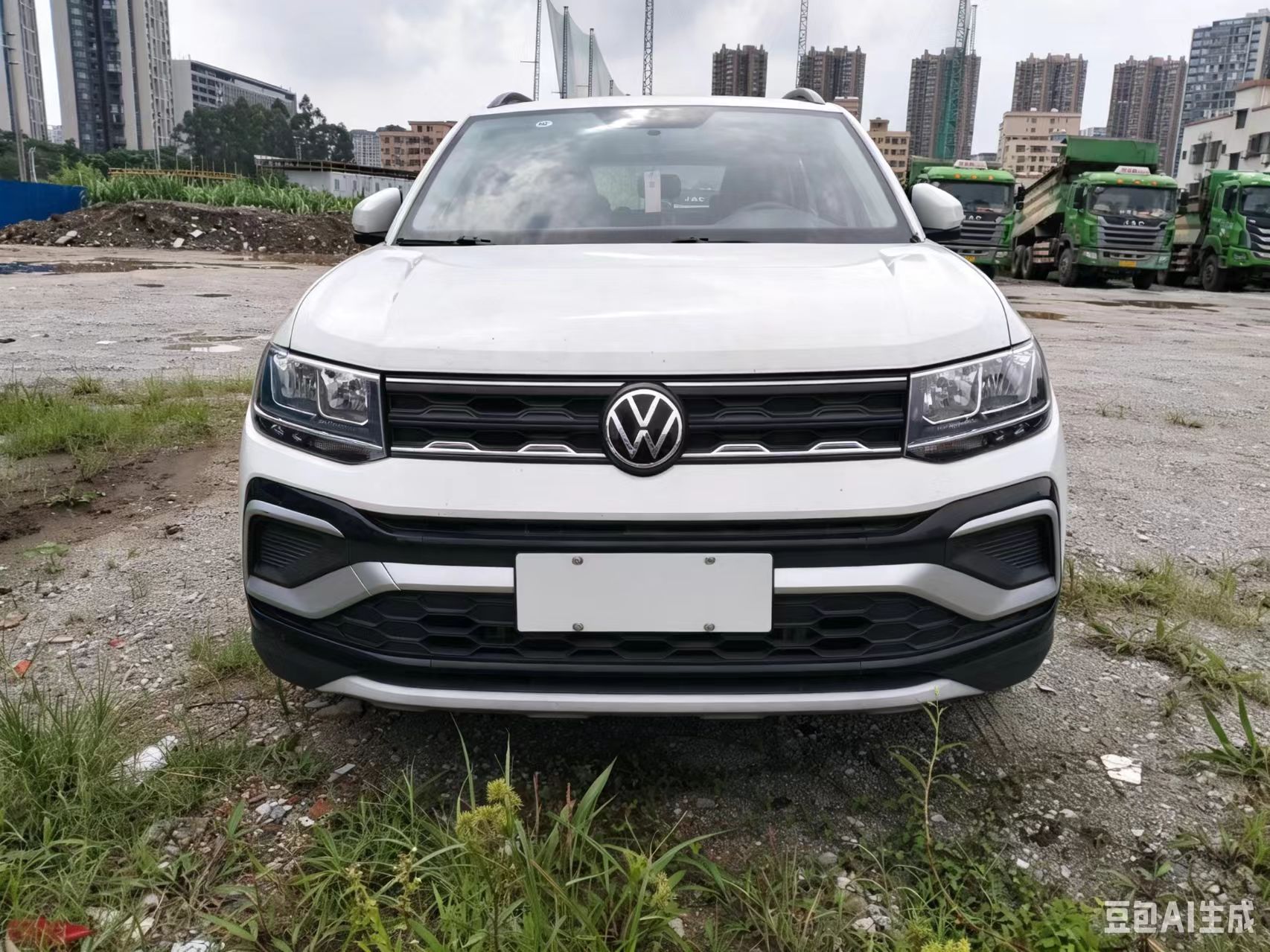
BrandVolkswagen
SeriesT-Cross
Year2019
First Registration2019/04
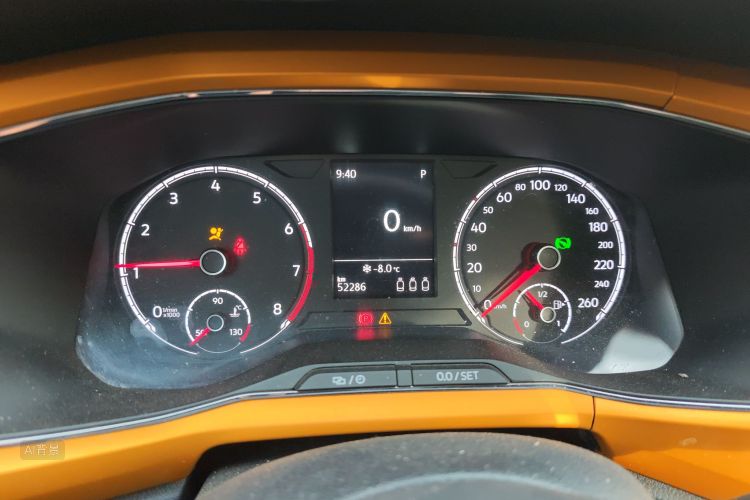
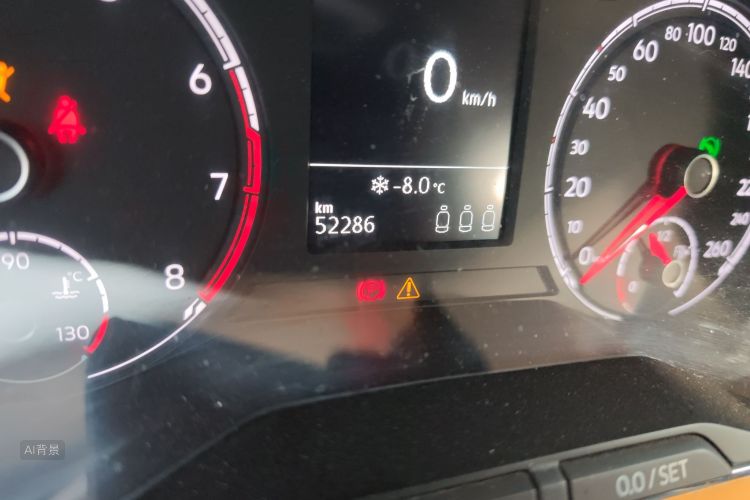
Mileage52,200km
Transfer Count1times
FuelGasoline
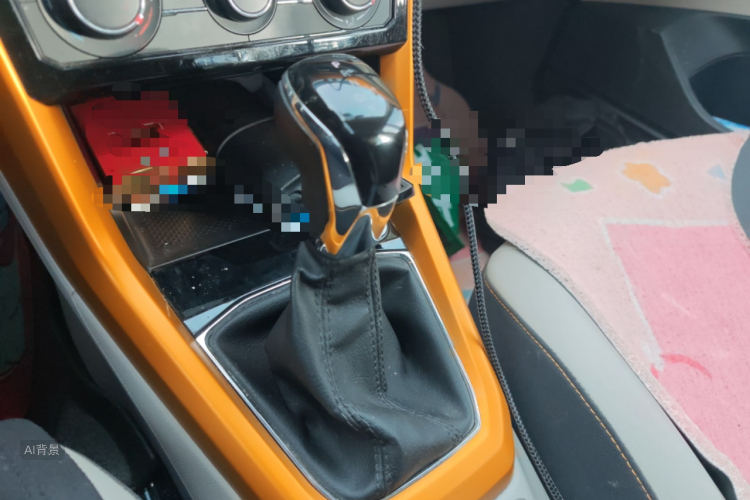
TransmissionDCT
Engine1.4T 150 L4
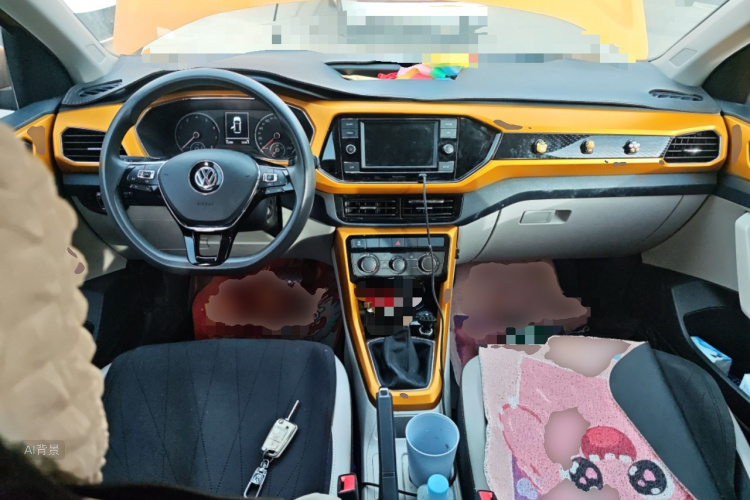
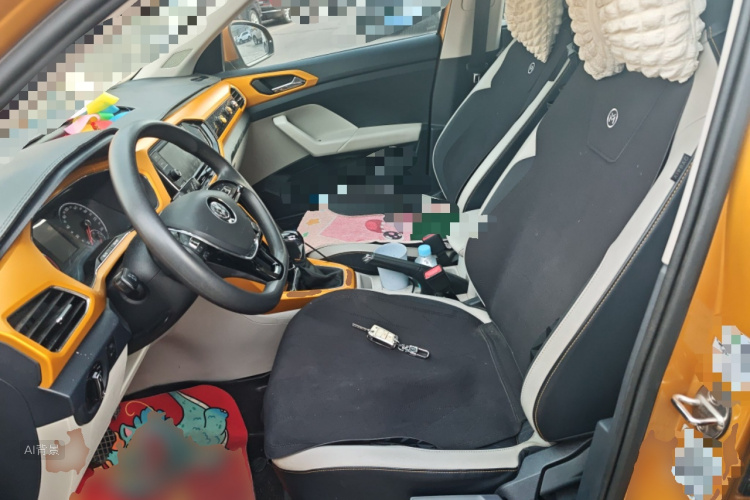
ColorYellow
Seats-

Condition Description

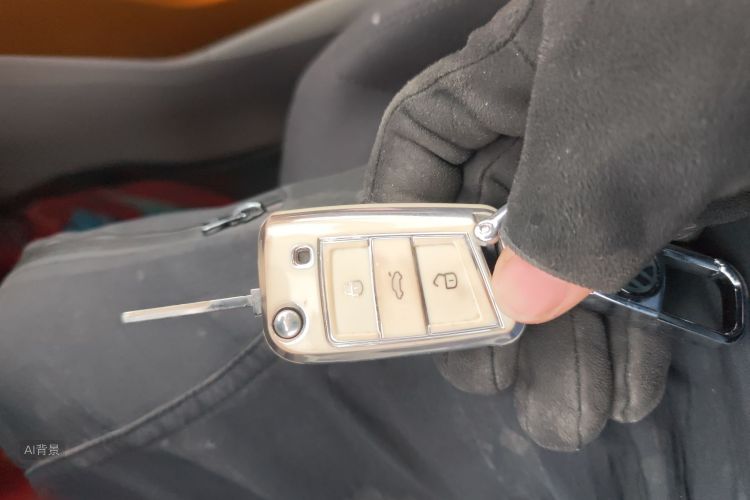
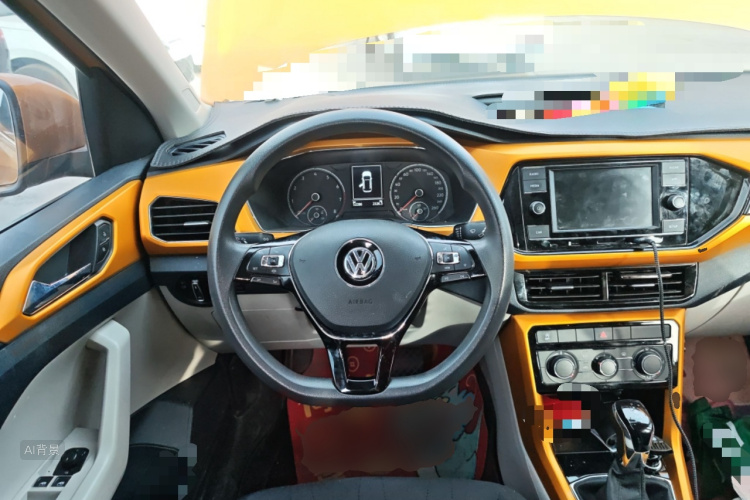
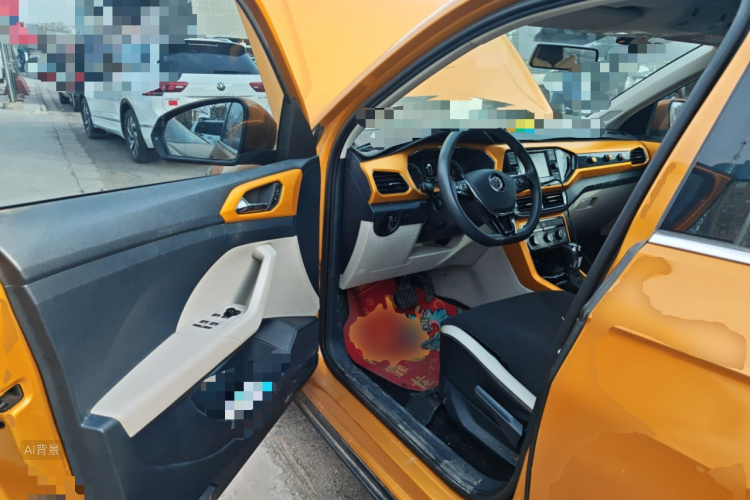
Vehicle in good condition, passed inspection, excellent condition, one claim filed, one ownership transfer completed.

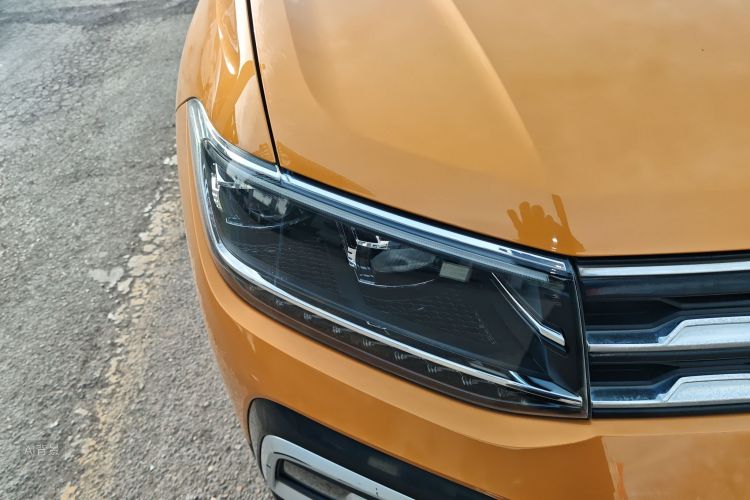
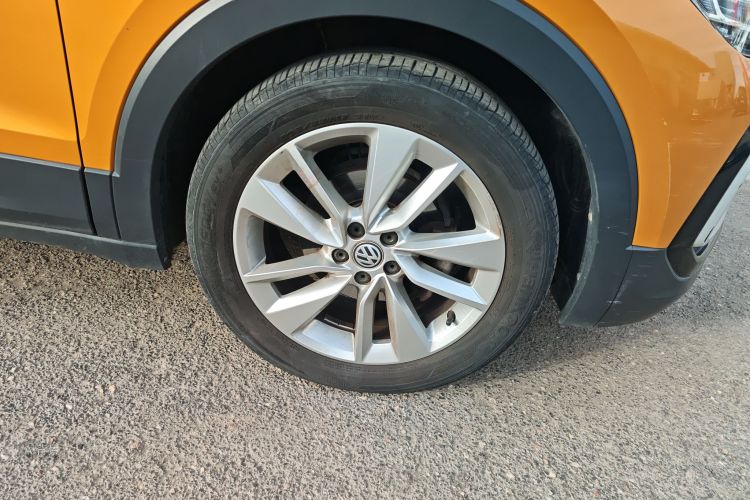
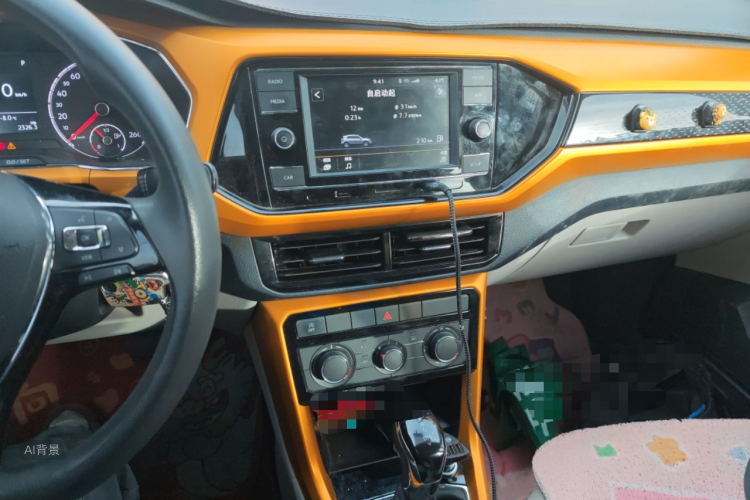
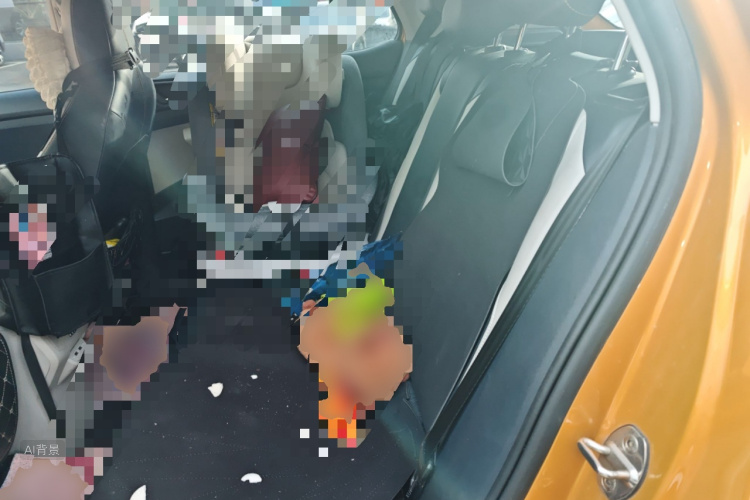
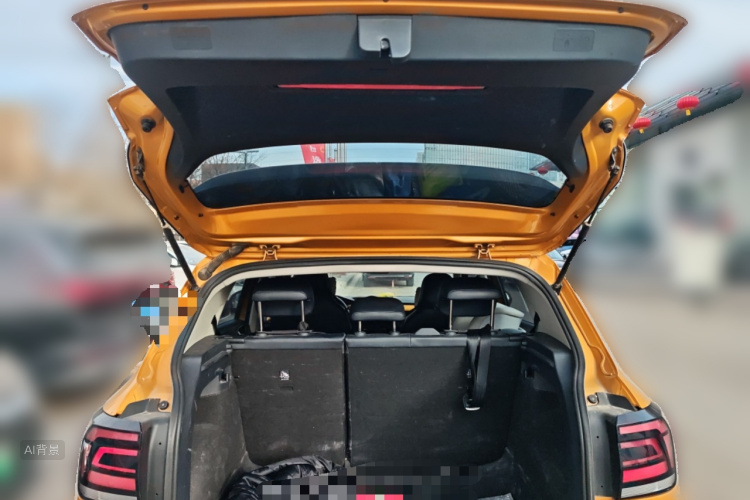
This vehicle is 7 years old, with an average annual mileage of 7,500 kilometers. It has been used infrequently and has been transferred to another owner once. The exterior paint is in good condition, although there may be minor marks. The interior is in good condition with normal signs of use. The overall body frame is intact and without any abnormalities. Fluids are normal, and the powertrain is functioning well.

Configuration Highlights

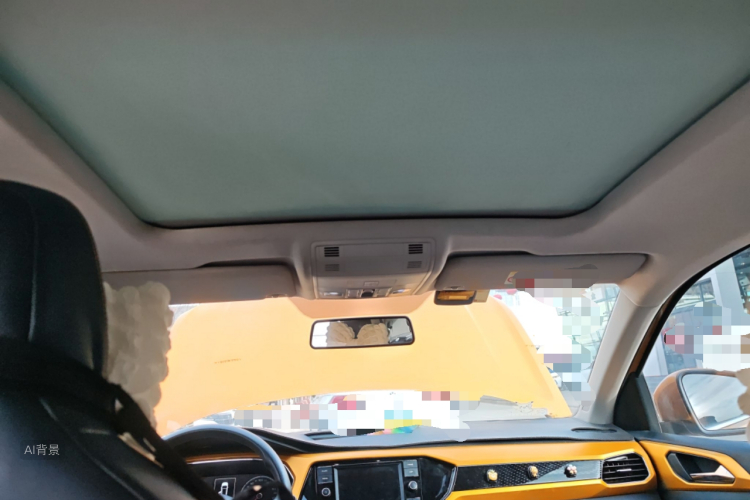
✓Panoramic Sunroof
✓Cornering Lights
✓Ambient Lighting
✓Smartphone Connectivity
✓High Beam Assist
✓High-definition Low Beam
✓Engine Start-Stop
✓Cruise Control
✓Rear Air Vents
✓Tire Pressure Monitoring
✓Heated Mirrors
✓Hill Start Assist
✓Rear Parking Sensors
✓Anti-pinch Windows

Q&A

More

Is the delivery date specified in the contract based on the "Estimated Time of Departure (ETD)" or the "Date of Arrival at Port"?

Our legal delivery milestone is based on the "Estimated Time of Departure (ETD)". As long as the vehicle enters the port area and customs clearance is completed within the agreed timeframe, any delays in shipping schedules due to the shipping company's capacity adjustments will not be considered a breach on our part. The uncontrollability of maritime transport must be factored into your expectations.
Why are the shipping costs for used electric vehicles (EVs) usually higher than for internal combustion engine vehicles (ICEs)?

Pure electric vehicles are classified as Class 9 Dangerous Goods due to their large lithium batteries, leading to strict shipping regulations. Shipping companies have high requirements for the loading position and fire isolation measures for dangerous goods, and some roll-on/roll-off ships refuse to accept used EVs. As a result, EVs often require more expensive special container shipping and incur additional handling fees for hazardous materials.

After picking up the car, I found the tire pressure warning (TPMS). How can I reset the tire pressure sensor myself?

Temperature differences during sea transport can easily trigger the tire pressure warning. After inflating the tires to the standard pressure (usually 2.5 Bar), most vehicles will automatically clear the warning after driving a few kilometers; some models require manually clicking "Tire Pressure Reset" in the "Vehicle Settings" on the central screen.