


48H

Basic Information

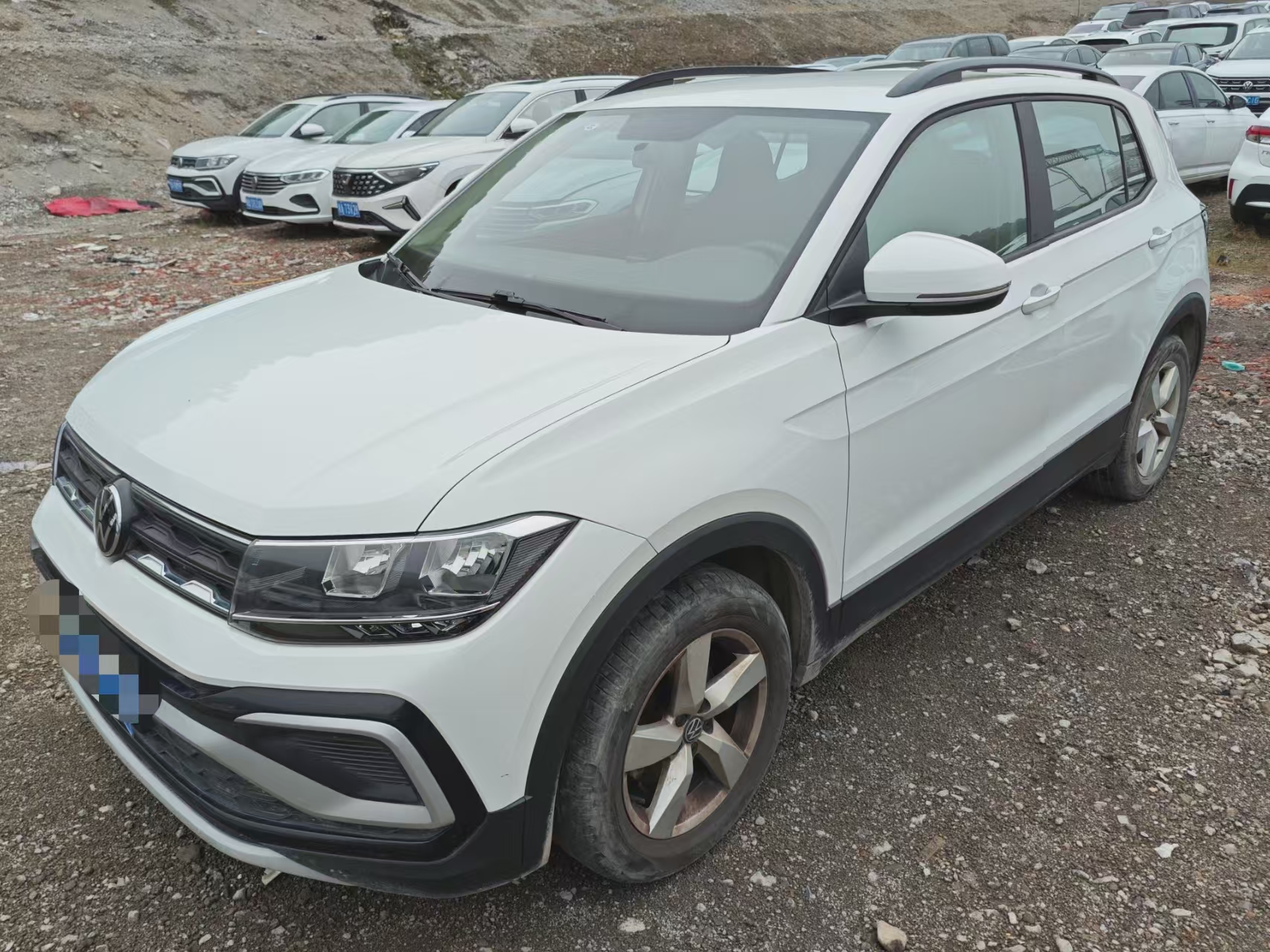
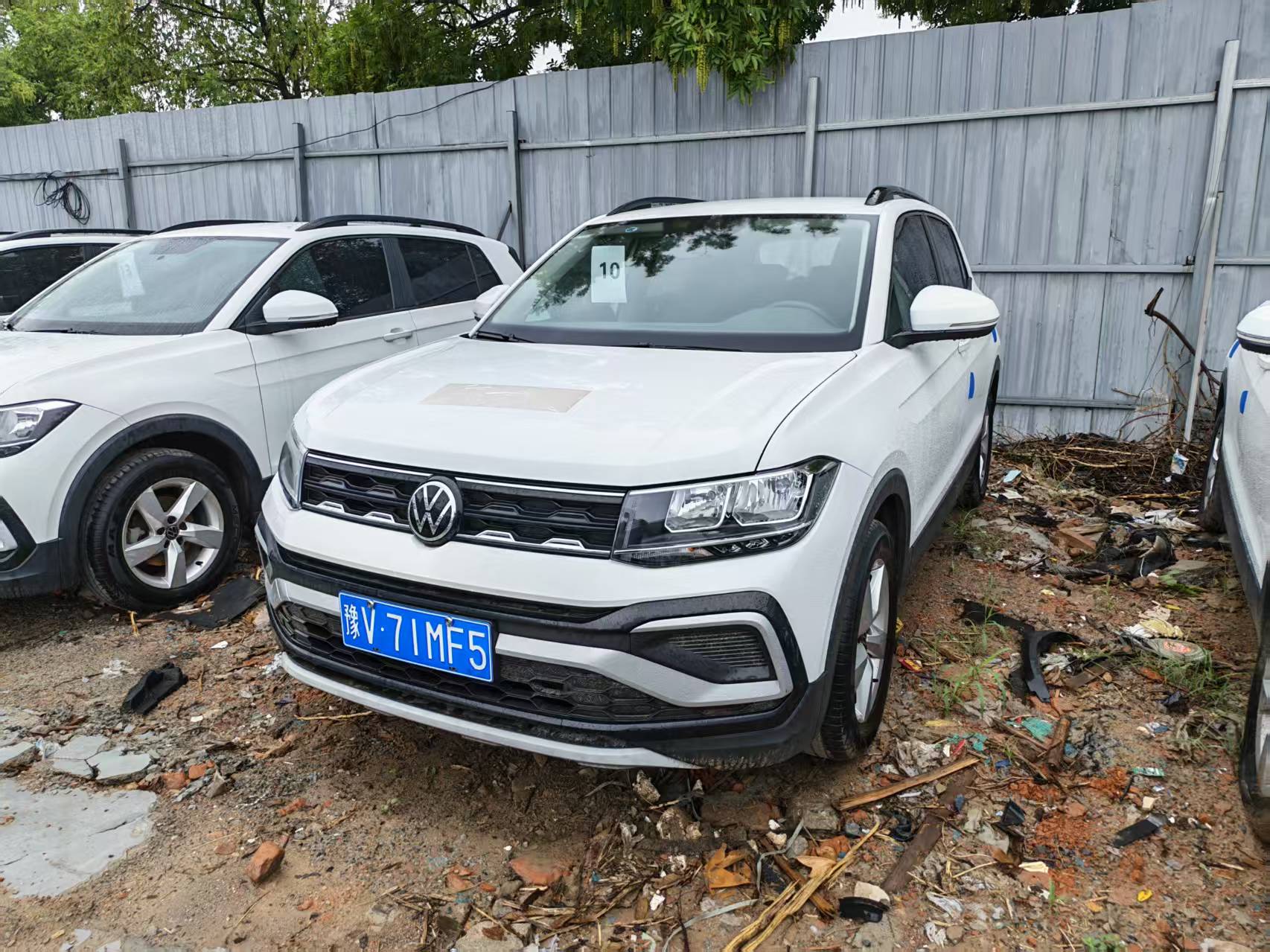
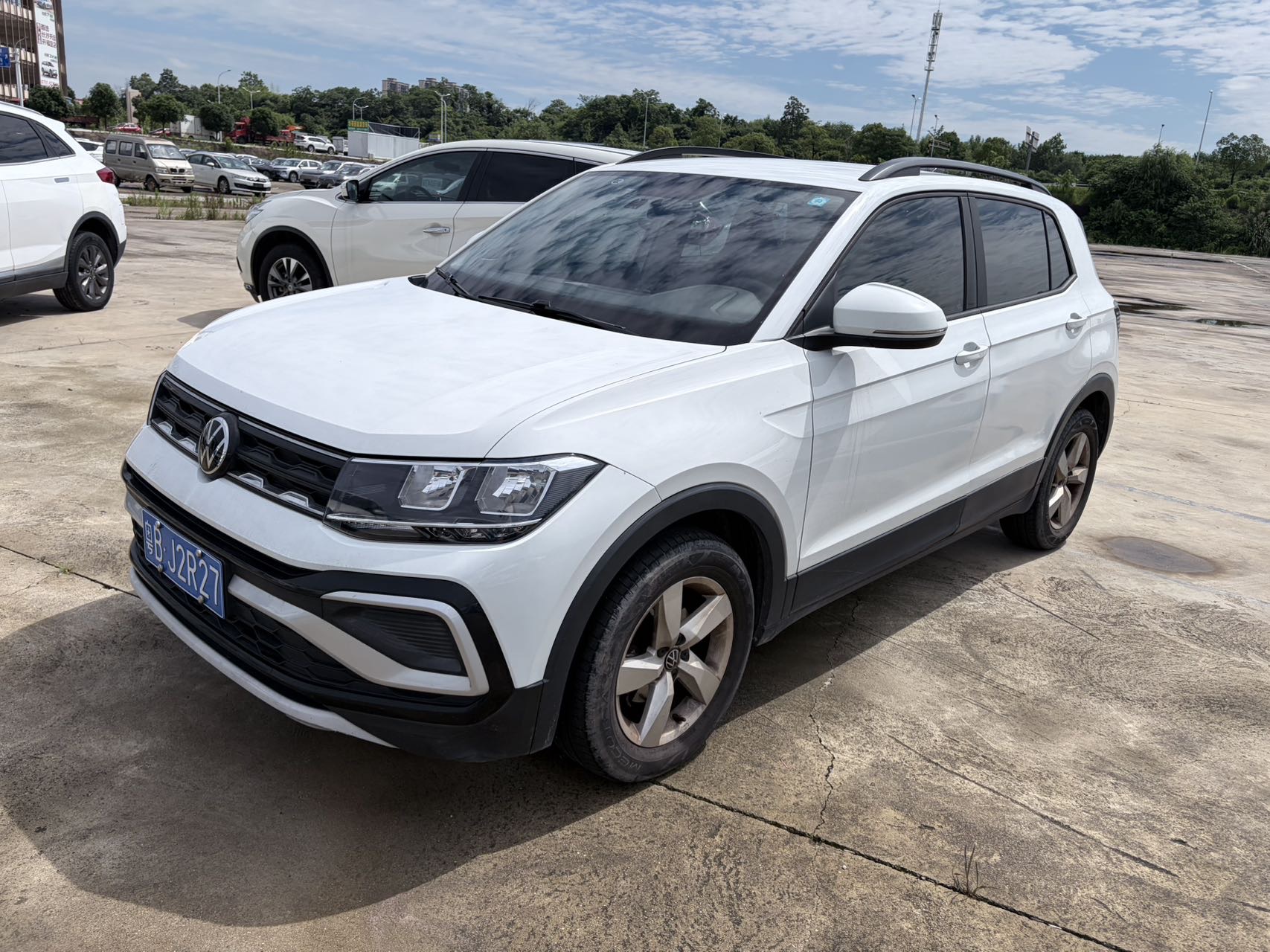
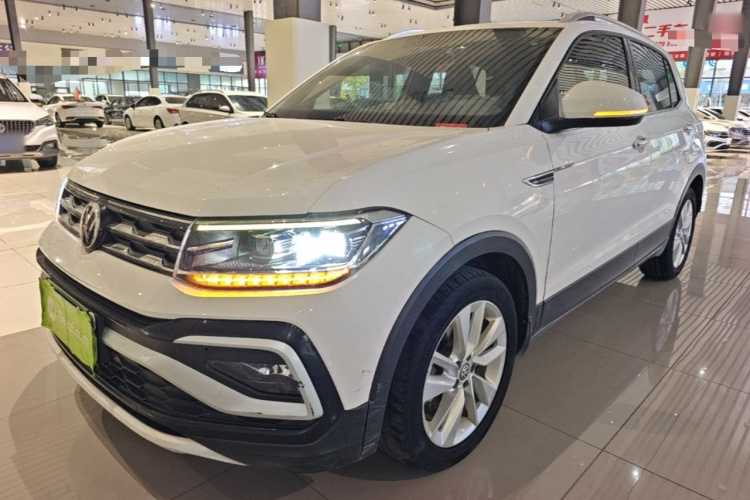
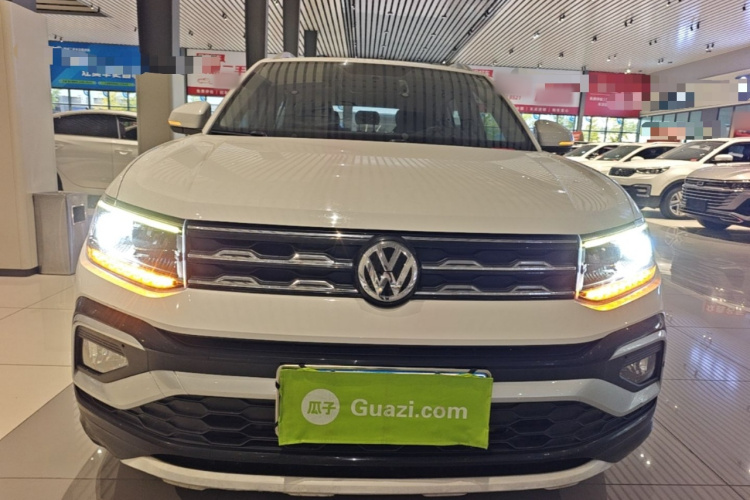
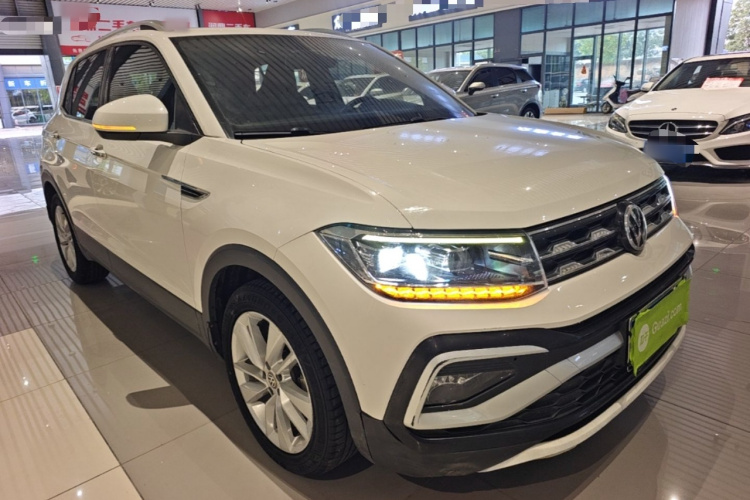
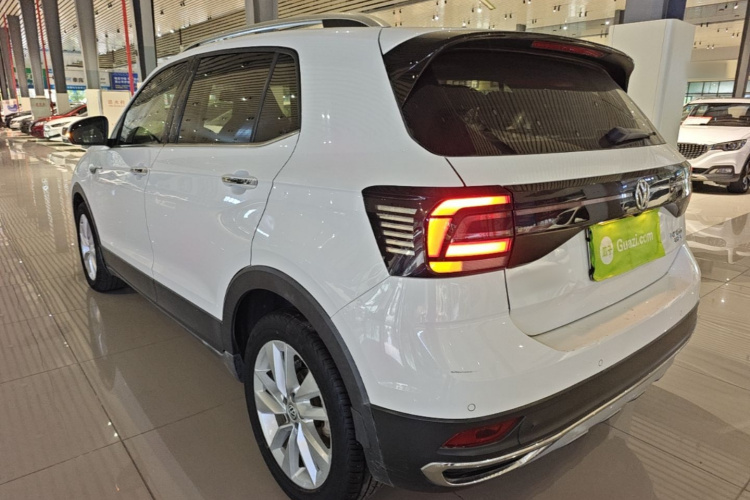
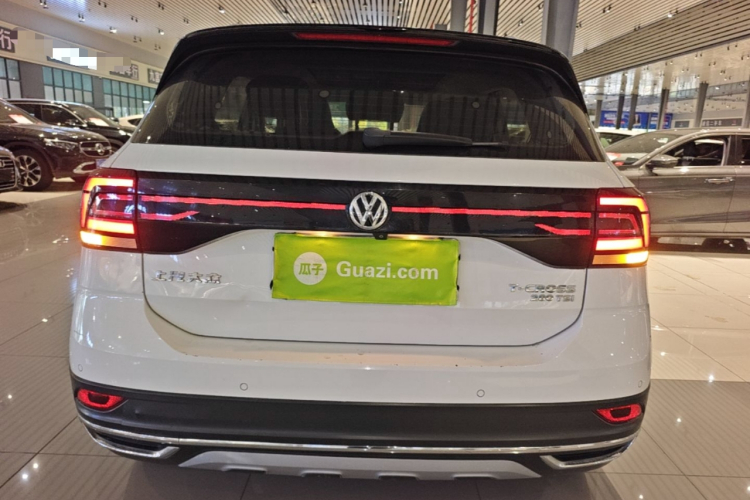
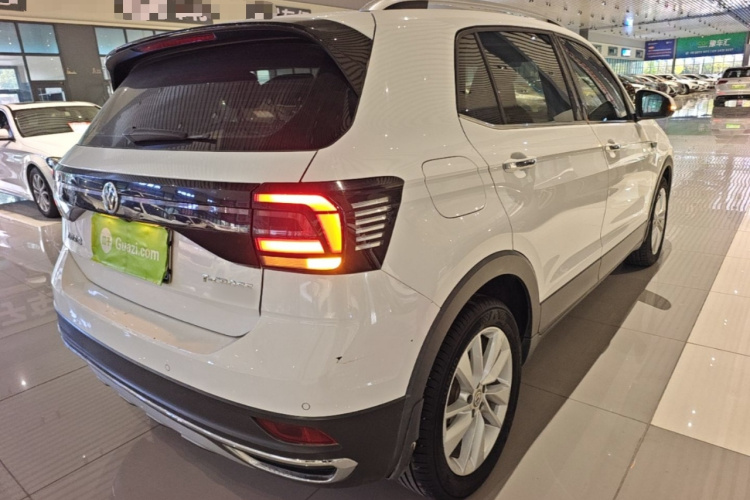
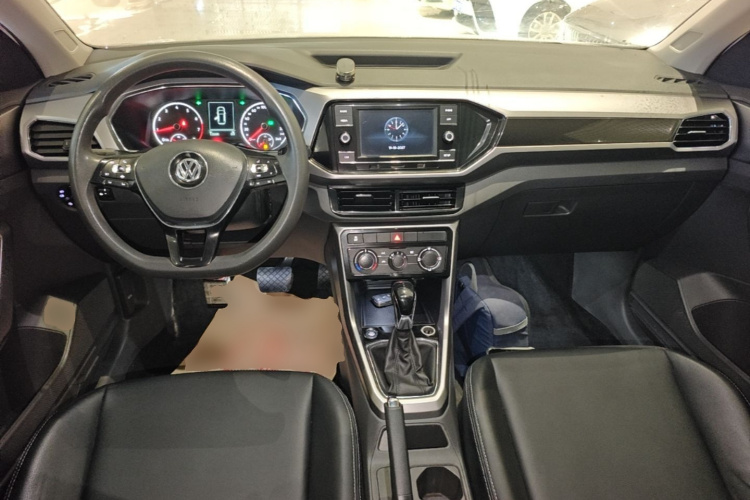
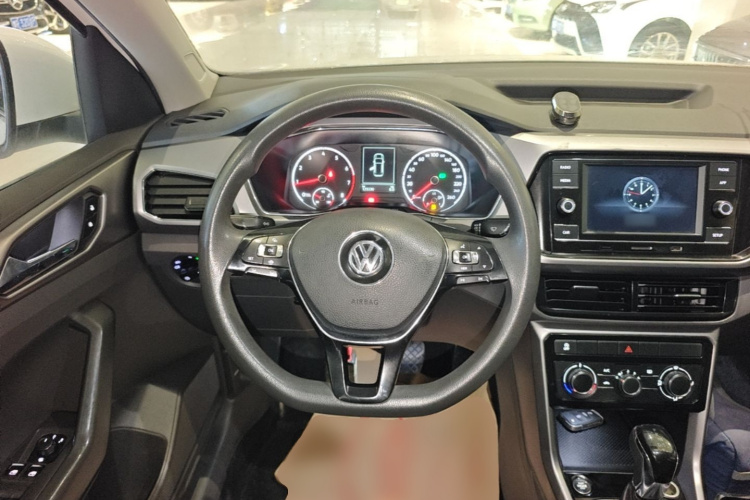
BrandVolkswagen
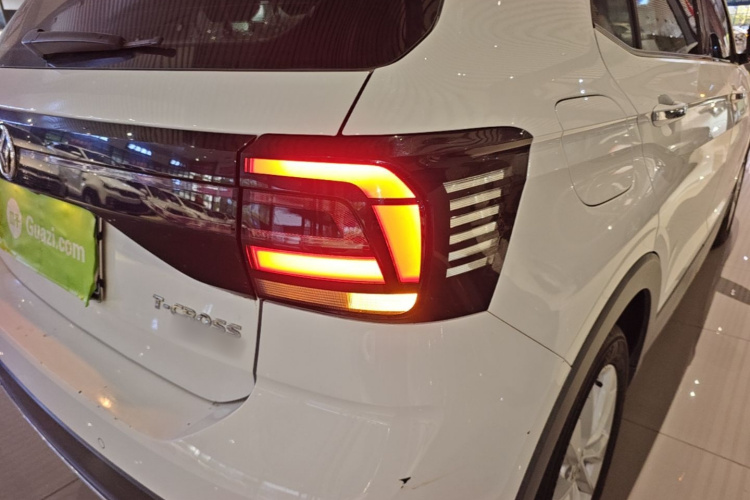
SeriesT-Cross
Year2020
First Registration2020/11
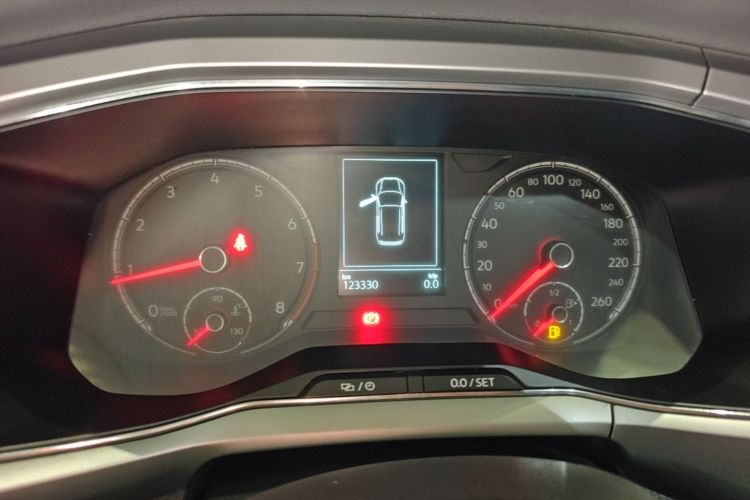
Mileage123,300km
Transfer Count0times
FuelGasoline
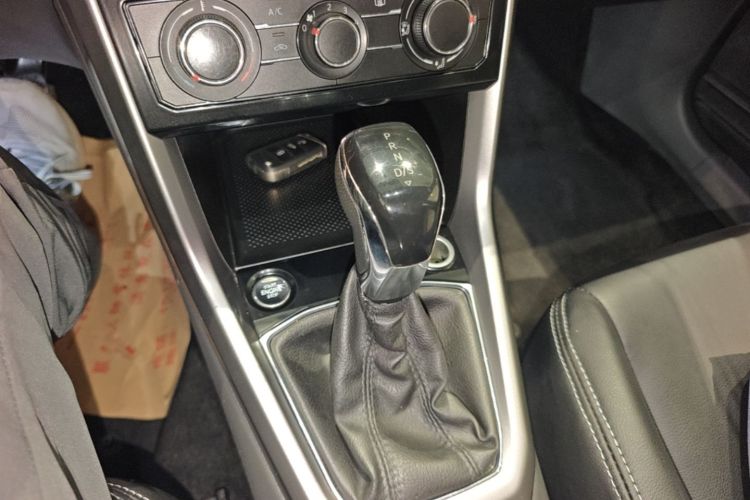
TransmissionDCT
Engine1.4T 150 L4
Color
Seats-

Condition Description

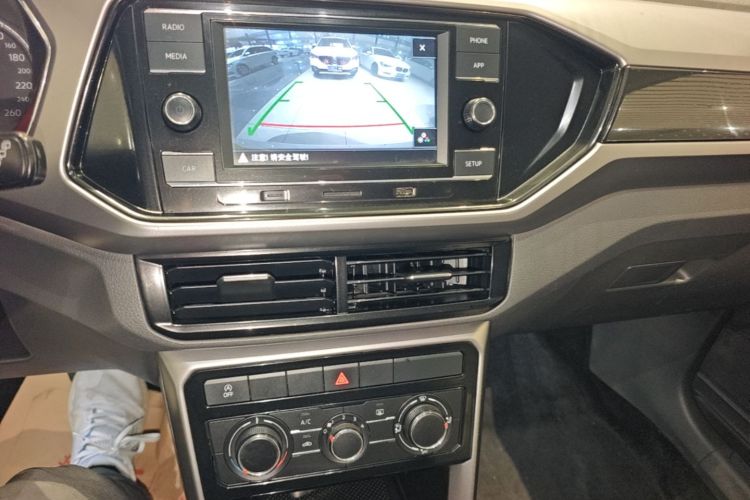
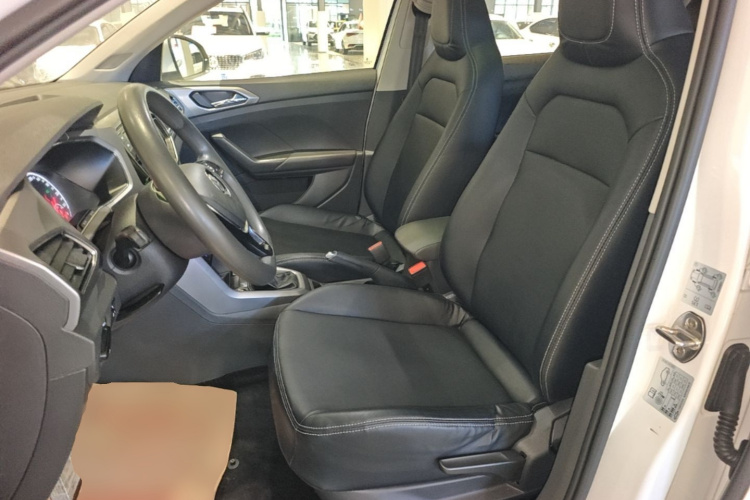
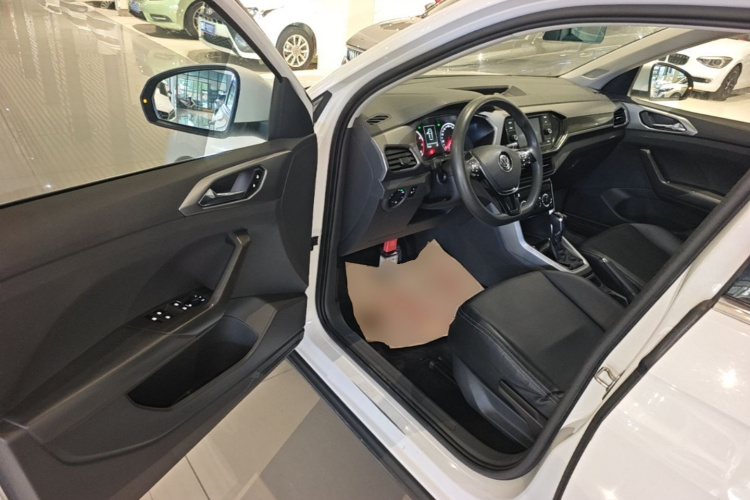
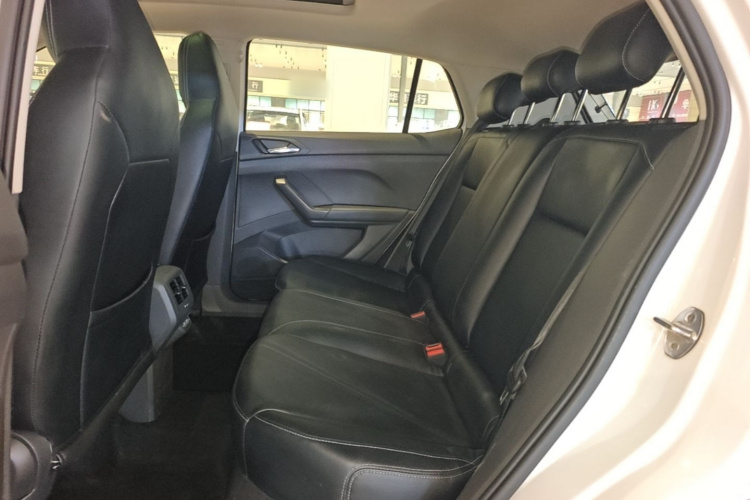
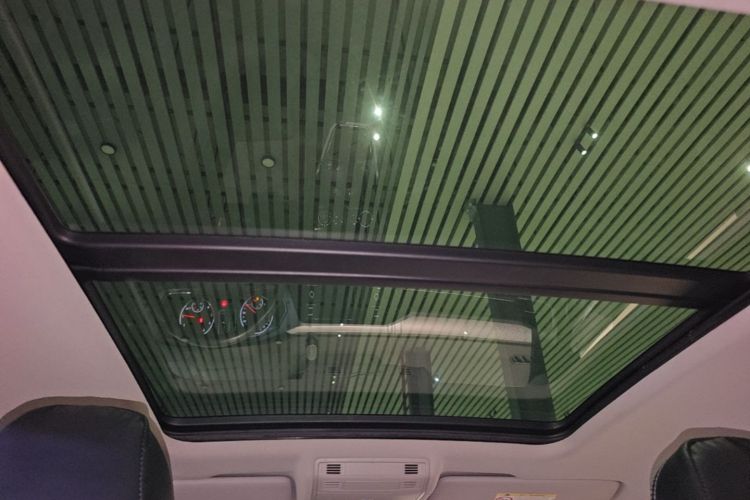
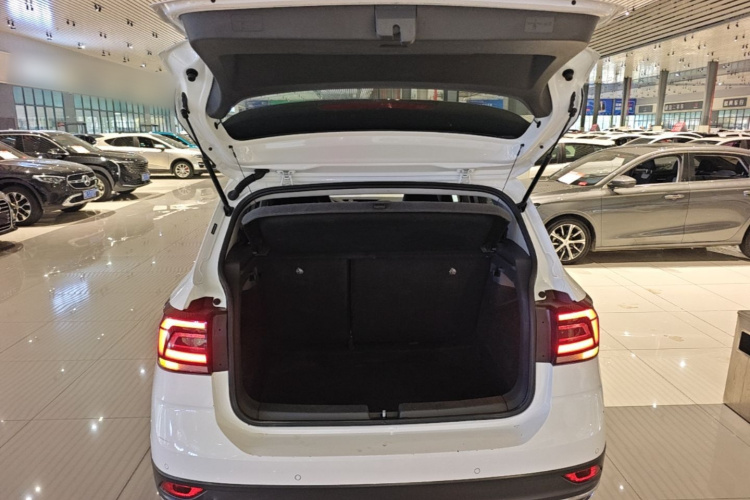
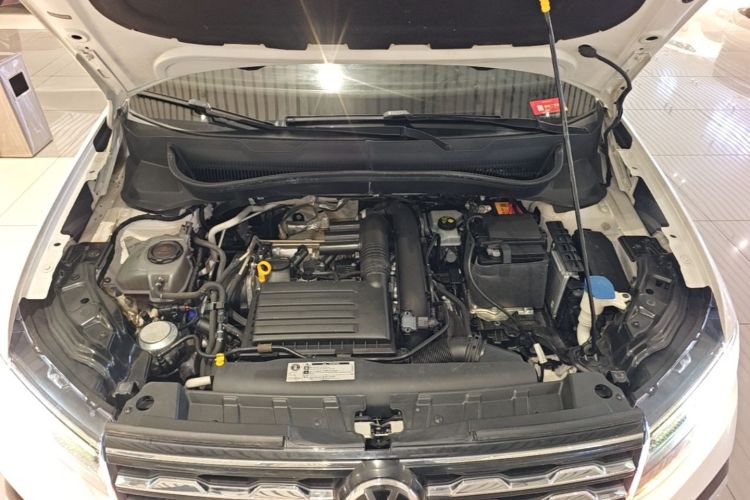
Basic condition passed | 0 claims | 0 transfers

Q&A

More

What is a battery SOH certificate and why does it matter when buying a used EV from China?

SOH (State of Health) measures the battery's remaining capacity as a percentage of its original capacity. Two EVs with the same mileage can have very different SOH depending on charging habits and climate exposure, and since the battery represents 30-50% of a used EV's value, the SOH number is effectively the real price tag. A proper certificate includes current SOH percentage, cell voltage balance, charge cycle counts, battery management system fault codes, and often a projected range estimate. In hot-climate markets like the Gulf, a degraded battery degrades even faster, so a documented SOH above 85-90% is strongly recommended. Exporters who provide verified SOH certificates close deals faster and command better prices, so treat the certificate as a core purchase document, not an extra.


Will OTA remote upgrades and mobile app control still work after the vehicle is exported overseas?

We must inform you objectively: Most Chinese car manufacturers' connected services (cloud servers) are restricted by data security regulations and overseas network limitations. Once the vehicle leaves China, the factory-installed SIM card will become inactive. This means that official OTA upgrades and factory mobile app remote controls (like pre-cooling the car or unlocking doors) typically cannot be used overseas. The vehicle will operate as a standalone version, but this will not affect basic driving and physical button functions.

What should a purchase contract with a Chinese used-car exporter include to protect me?

A solid contract is your main protection in a cross-border deal. It should specify: 1. Vehicle identification: VIN, year, mileage, trim level, and photos of the actual car appended as an annex — not just「a 2021 Toyota」. 2. Condition guarantees: no accident, no flood or fire damage, no structural repairs, supported by a third-party inspection report referenced in the contract. 3. Price and Incoterm: total amount, currency, the named port, and whether freight and insurance are included. 4. Payment schedule: e.g., 20–30% deposit after contract signing, balance against copy of the Bill of Lading. Avoid 100% upfront. Use T/T to the company's corporate bank account only — never a personal account. 5. Timeline: inspection date, estimated loading date, and latest shipment date, with remedies if delayed. 6. Dispute clause: governing law and arbitration (CIETAC or your local chamber) rather than foreign court litigation. Ask for the contract in English (or bilingual) with the supplier's company chop. A company that refuses a written contract or pushes for full prepayment is a red flag.