


48H

Basic Information

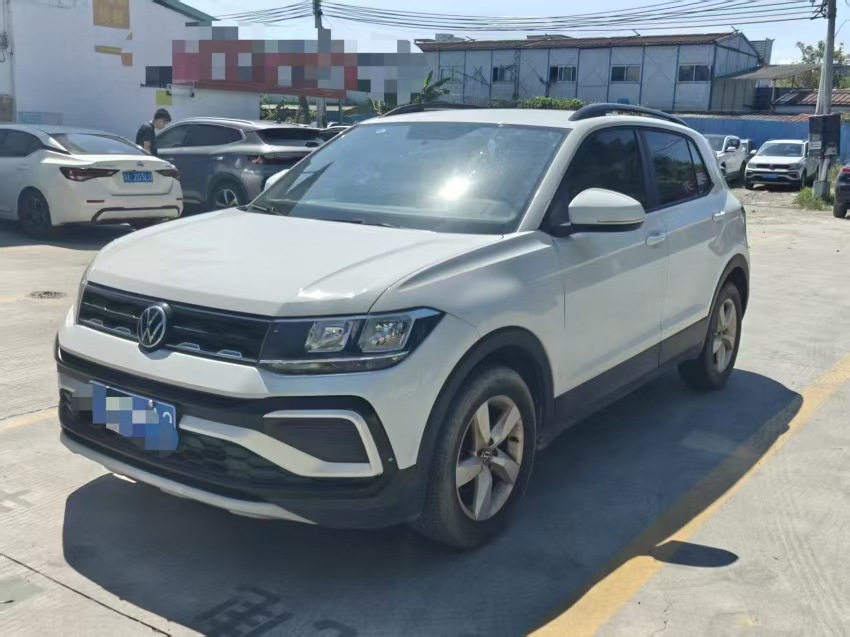
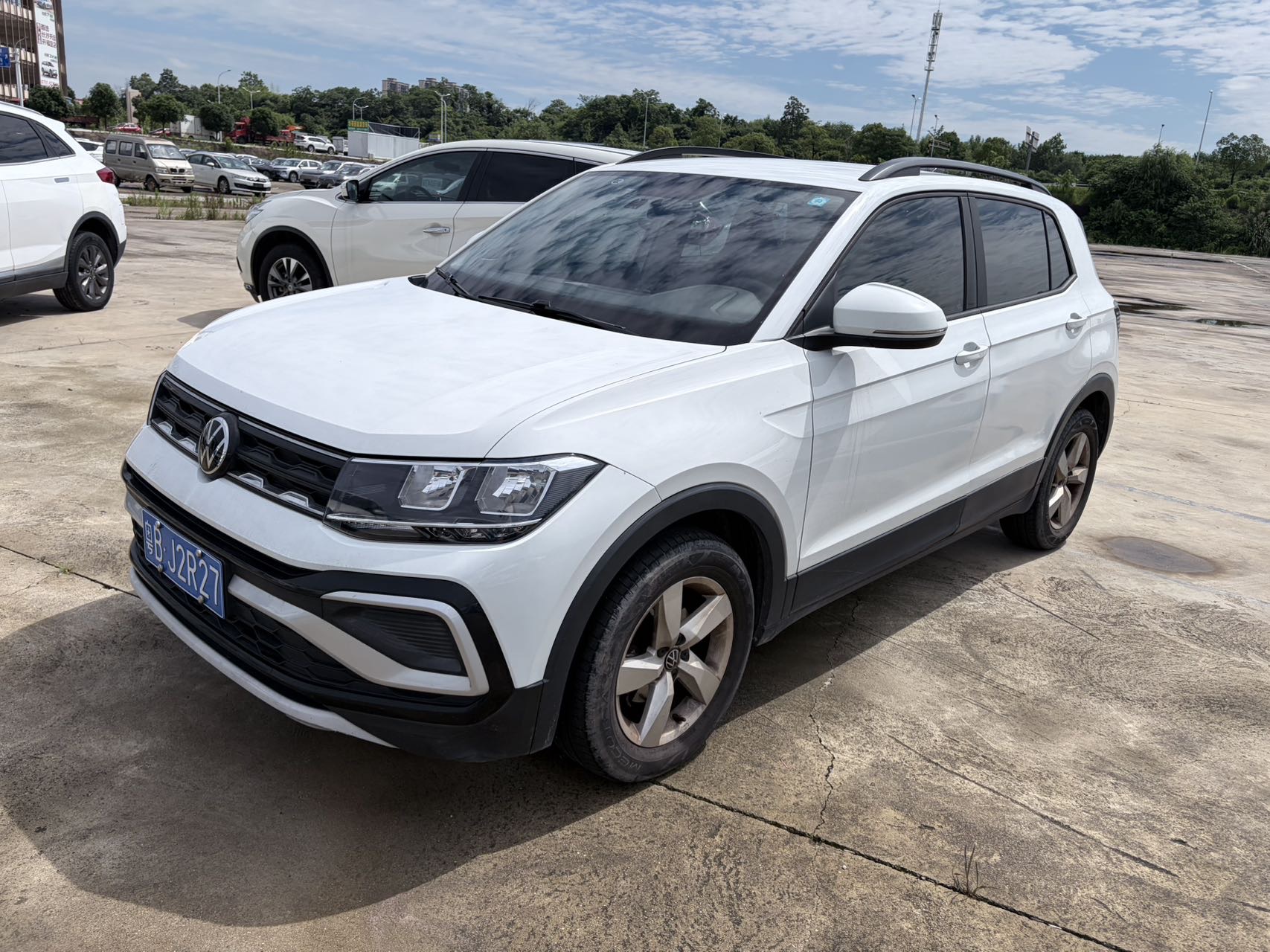
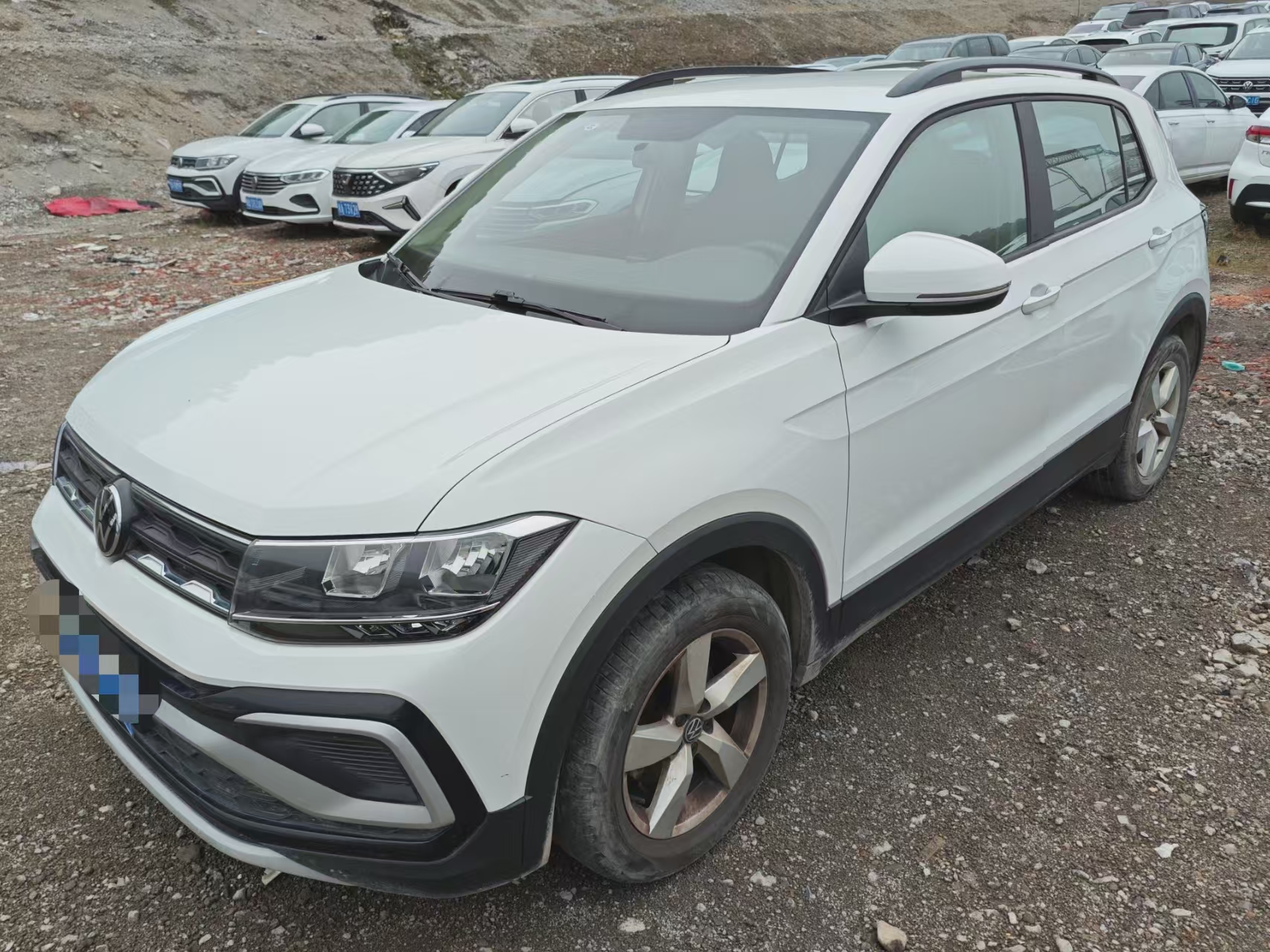
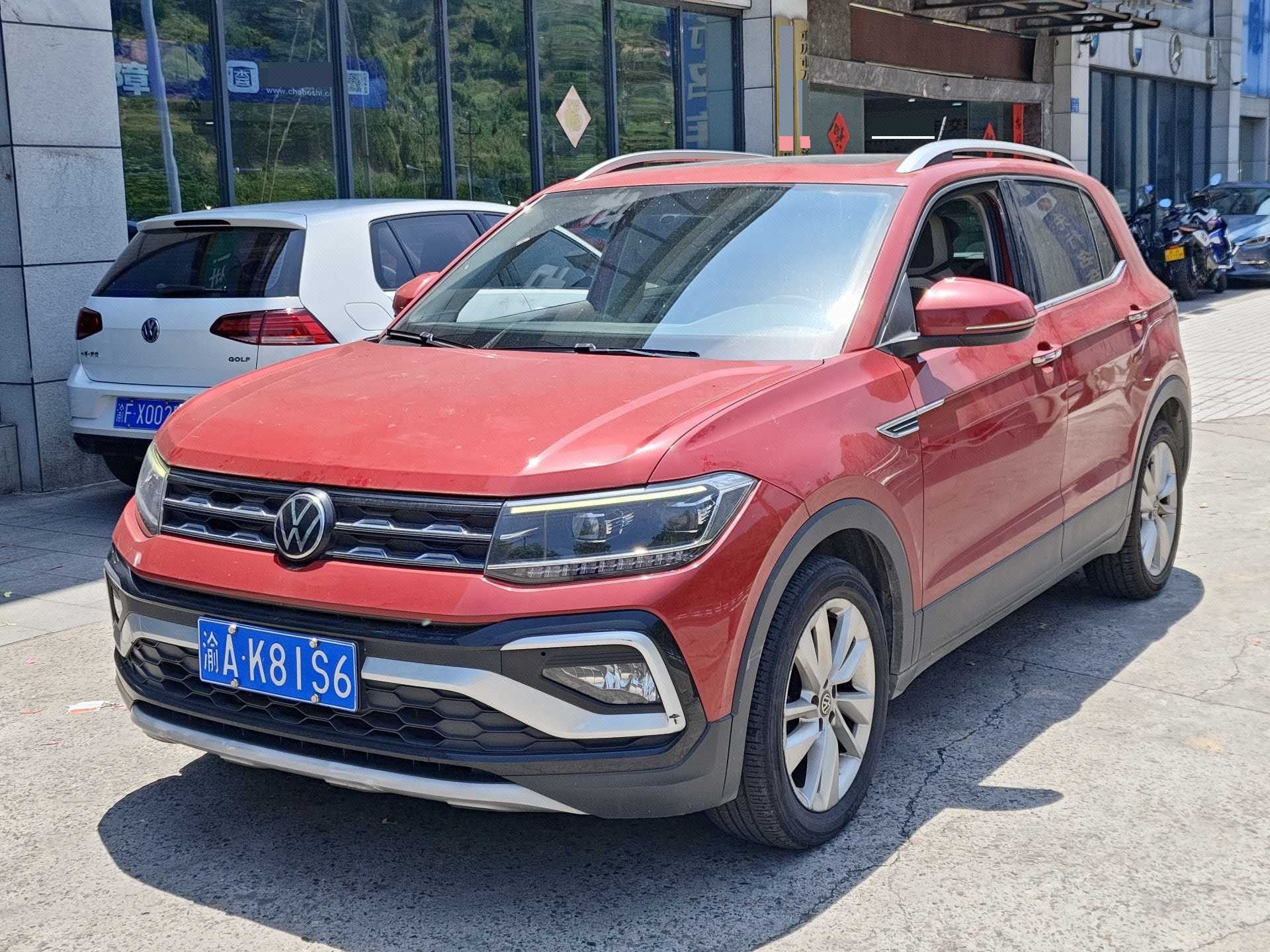
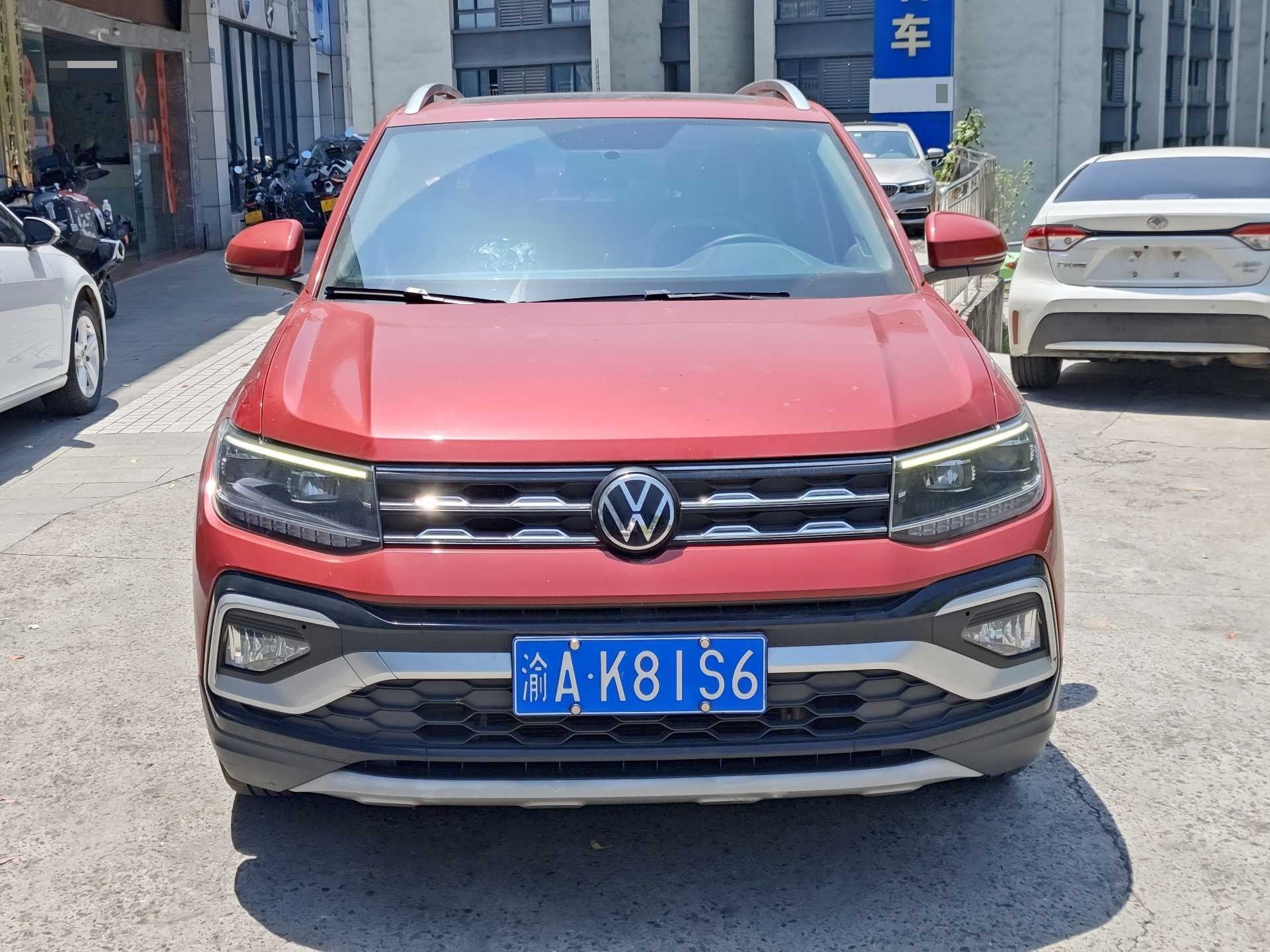
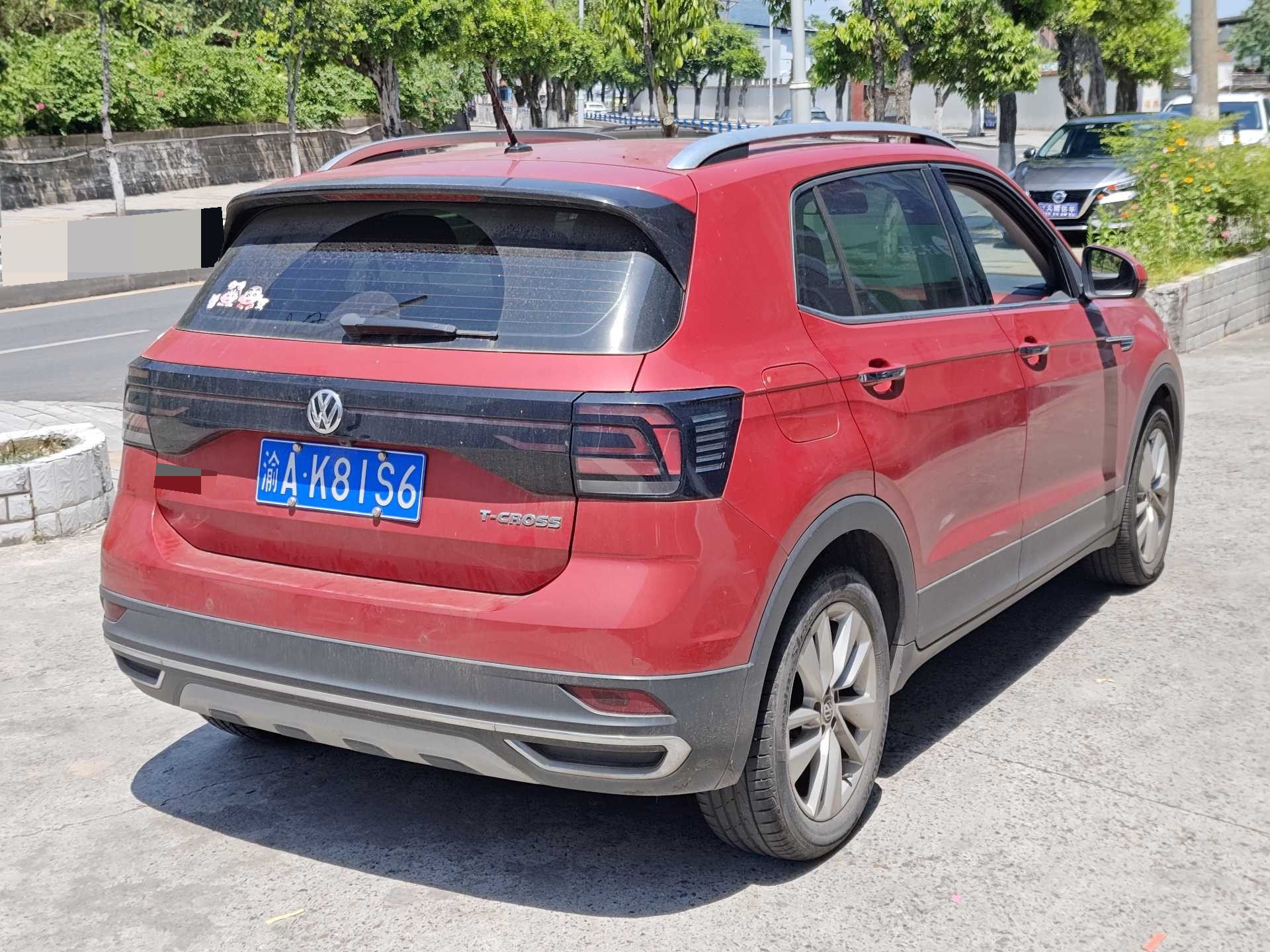
BrandVolkswagen
SeriesT-Cross
Year2020
First Registration2020/11
Mileage88,700km
Transfer Count0times
FuelGasoline
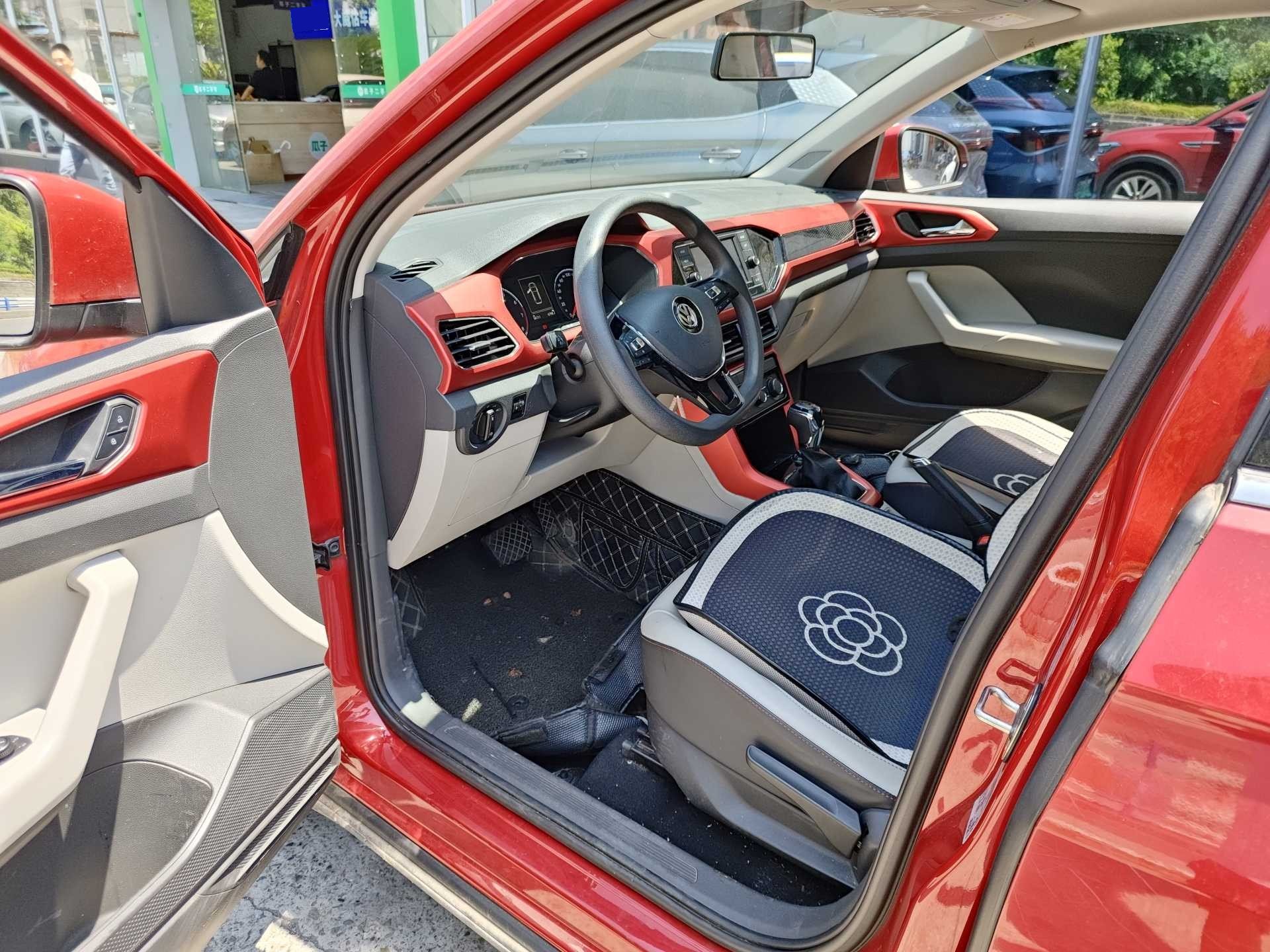
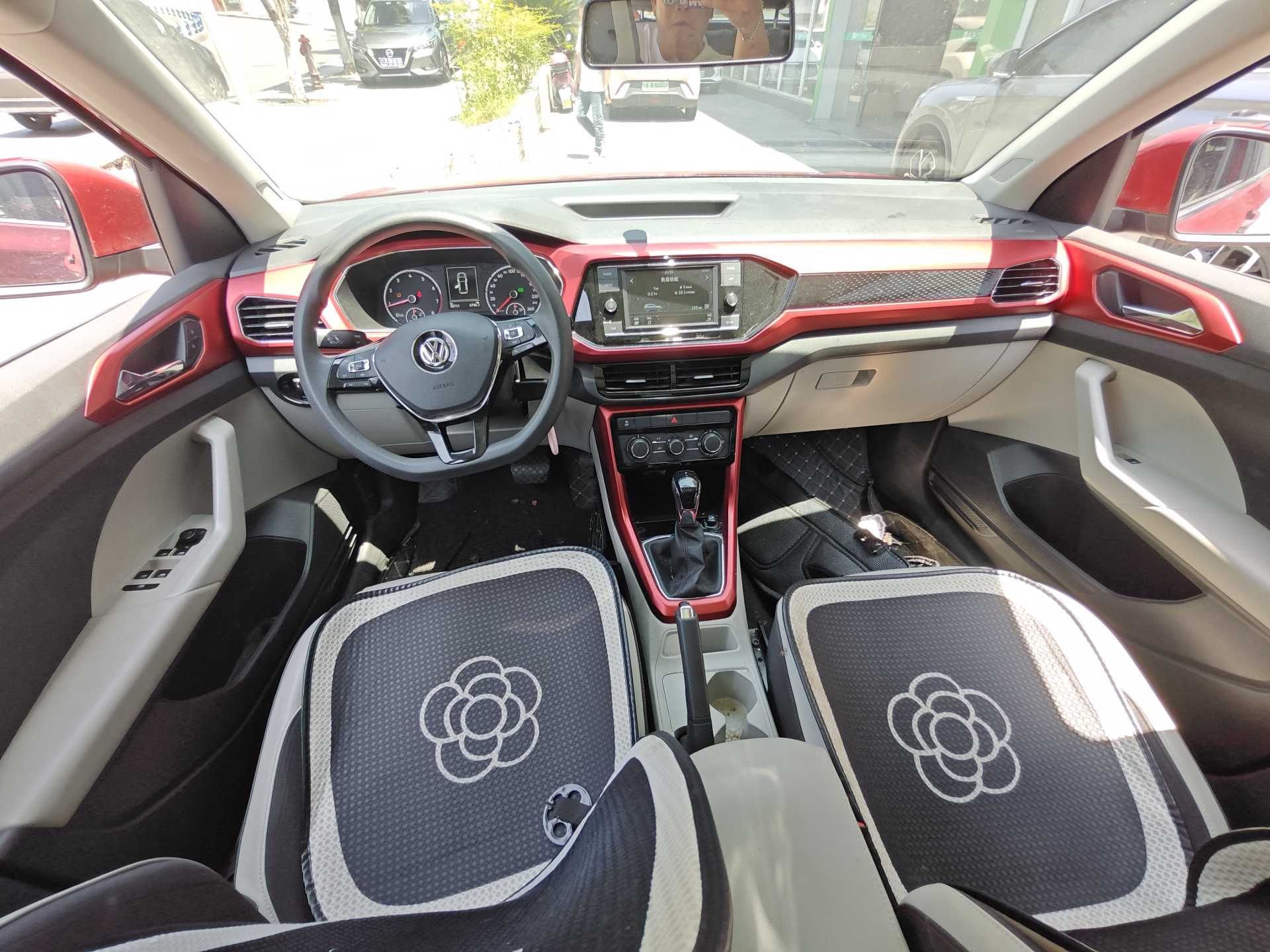
TransmissionManumatic
Engine1.5L 113 L4
ColorRed
Seats-

Condition Description

Hood repaired and repainted.

Document Information

Inspection Expiry Date-
Warranty Expiry Date-
Insurance Expiry Date2026/12

Q&A

More

What insurance should I arrange when shipping a used car from China, and what do Incoterms like FOB and CIF mean for me?

Two separate protections matter: cargo insurance and contractual risk transfer. Cargo insurance: for container or RoRo shipments, buy marine cargo insurance covering total loss and damage, typically 110% of the CIF value (average cost 0.3%–0.8%). Check exclusions — many policies exclude pre-existing damage, so a pre-shipment inspection report is essential to prove the car's condition at loading. Incoterms define who bears risk and cost at each stage: 1. FOB (Free On Board): exporter pays until the car is loaded on the vessel; risk passes to you at that point. You pay ocean freight and insurance. Common and usually cheapest if you have your own freight forwarder. 2. CIF (Cost, Insurance and Freight): exporter pays freight and minimum insurance to your port. Convenient but the insurance coverage is basic — consider topping it up. 3. EXW (Ex Works): you handle everything from the exporter's yard; only choose this if you have a trusted agent in China. Put the agreed Incoterm and port clearly in the contract, and never release final payment before the Bill of Lading is issued.


How can we ensure that the electronic parking brake (EPB) servo motor does not seize the brake disc due to rust after long sea transport?

This is a common issue with sea transport. If the vehicle is parked at a humid dock, the EPB can easily rust to the brake disc. In addition to testing its release before shipping, we try to ask dock workers to secure the wheels with chocks instead of fully engaging the electronic parking brake.

How do I evaluate rust and corrosion on a used car from China, especially for coastal cities or snowy regions?

Rust is a deal-breaker that photos can hide, so be systematic. High-risk areas to check: 1. Underbody and frame rails—surface rust is normal, but flaking or bubbling paint means advanced corrosion 2. Wheel arches and rocker panels—these trap mud and salt 3. Door bottoms and the trunk floor—water collects here; lift the trunk mat and look for dampness or repair welds 4. Around the windshield and sunroof drains—leaks cause hidden rust in the A-pillars Ask the inspector to do a magnet test: filler-repaired areas won't hold a magnet, indicating past accident repairs. A paint thickness gauge reveals resprayed sections—uniform readings around 80-150 microns are normal; spikes over 300 suggest bodywork. Cars from northern China (salted roads in winter) or coastal cities need extra scrutiny on the underbody. If structural members show corrosion, walk away—repairs rarely restore original strength.