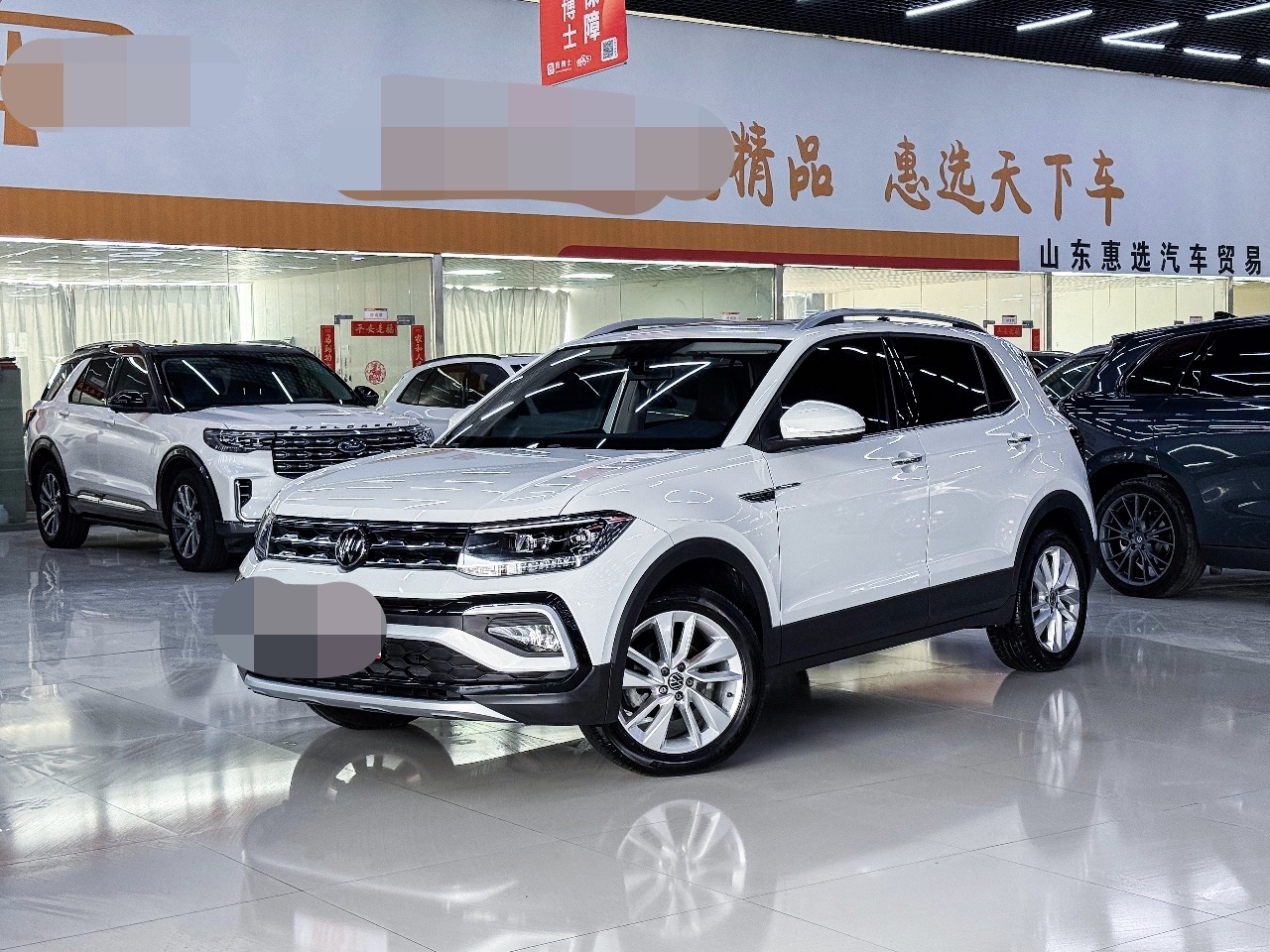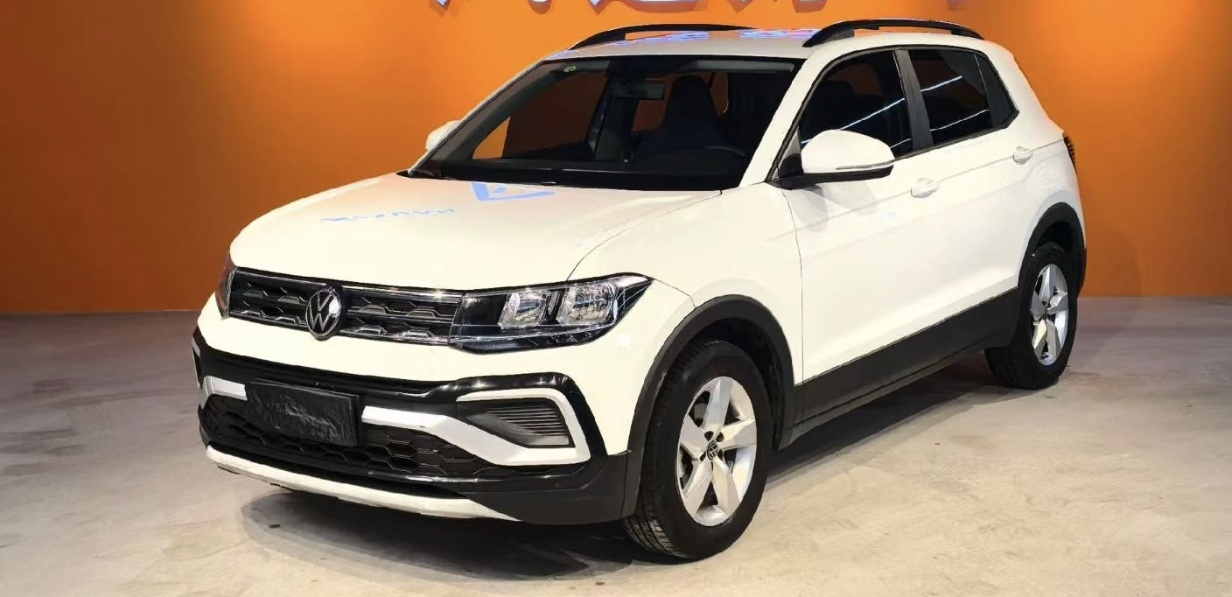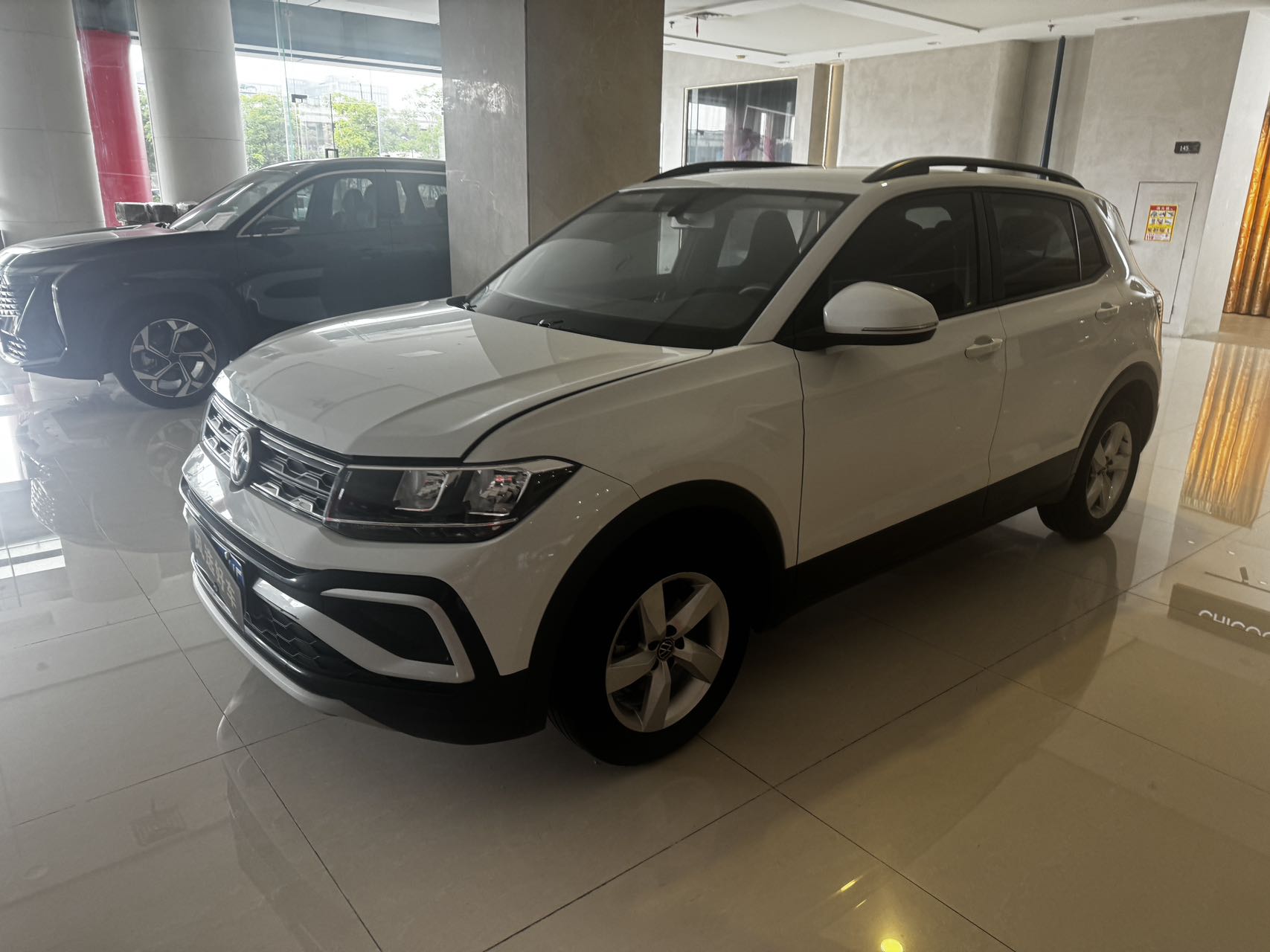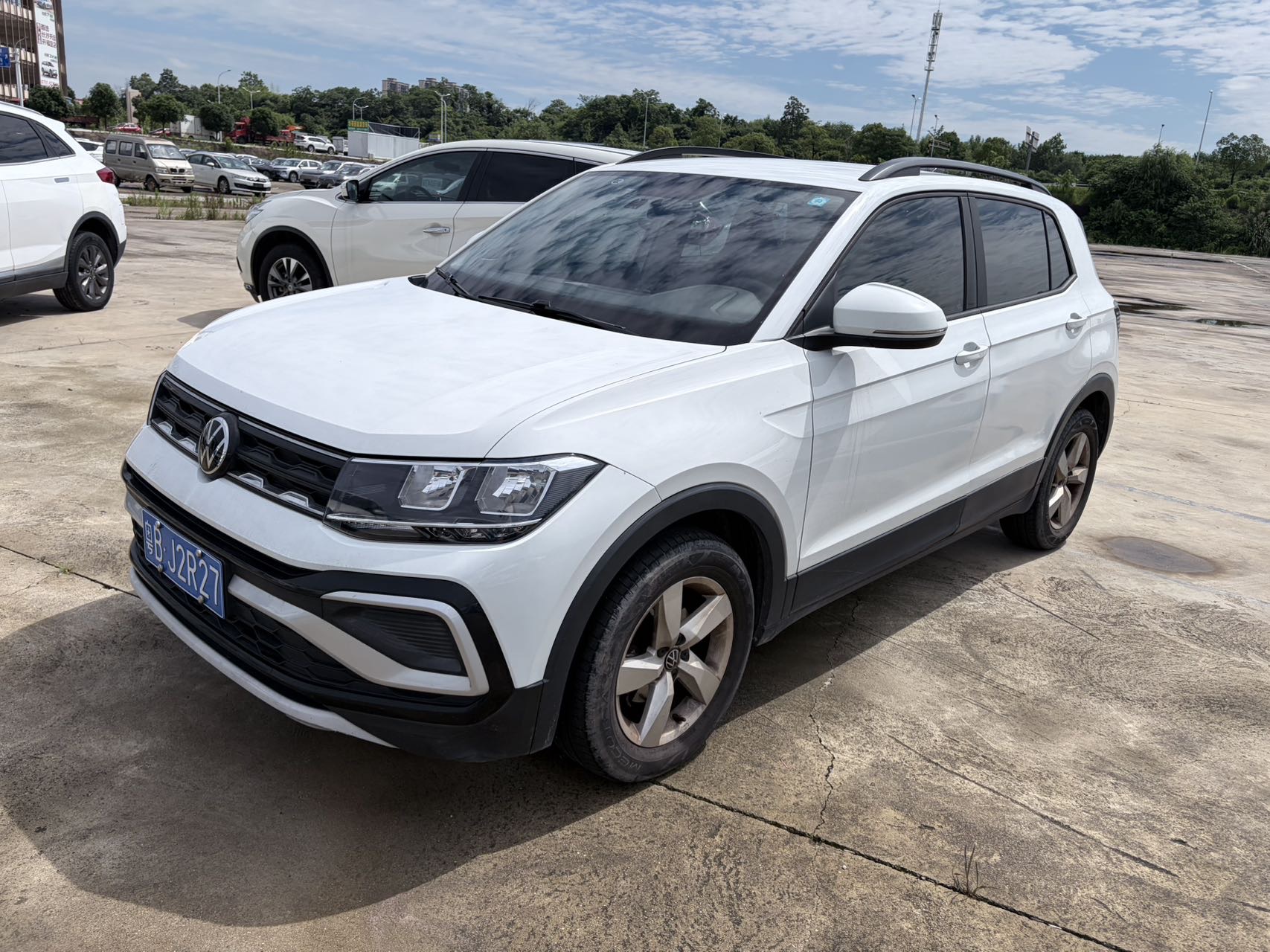
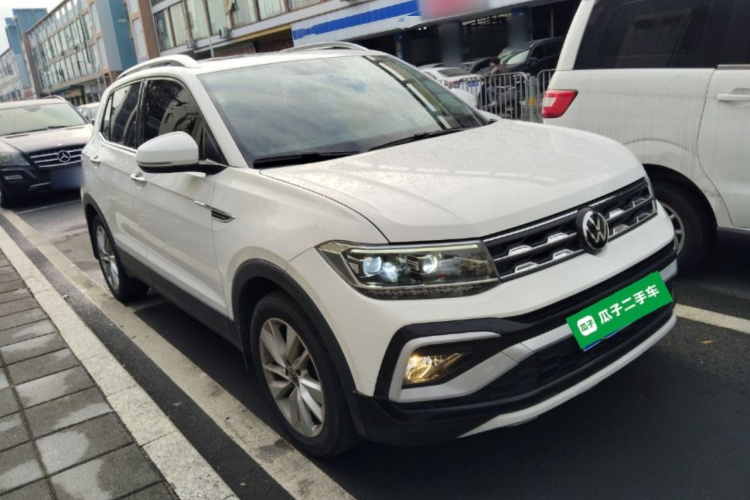
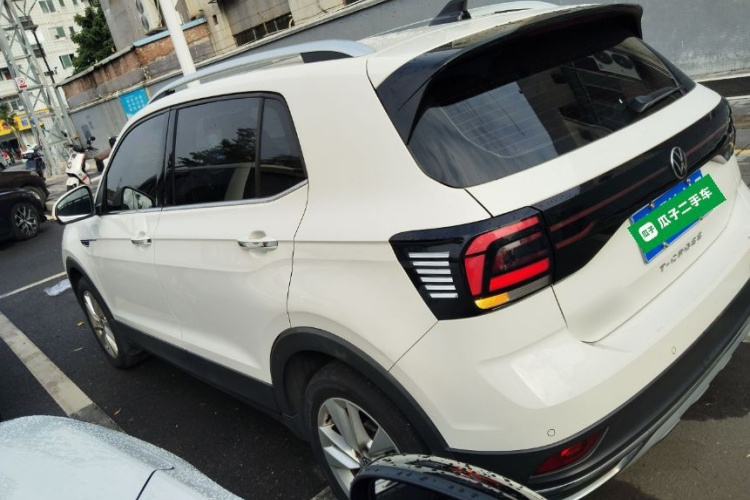
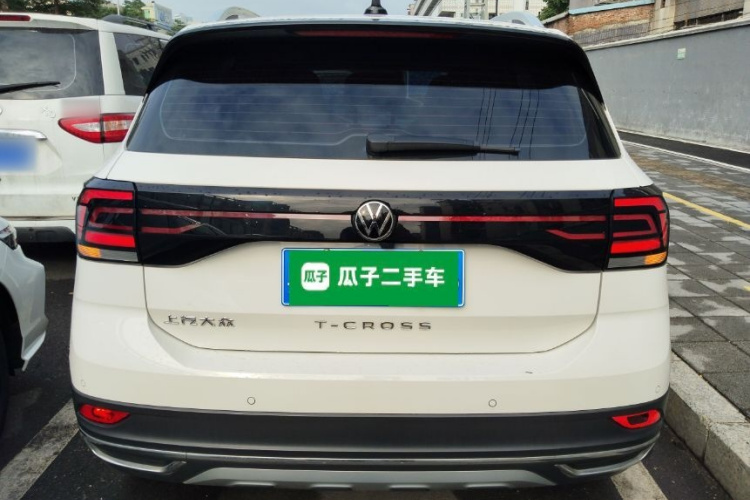
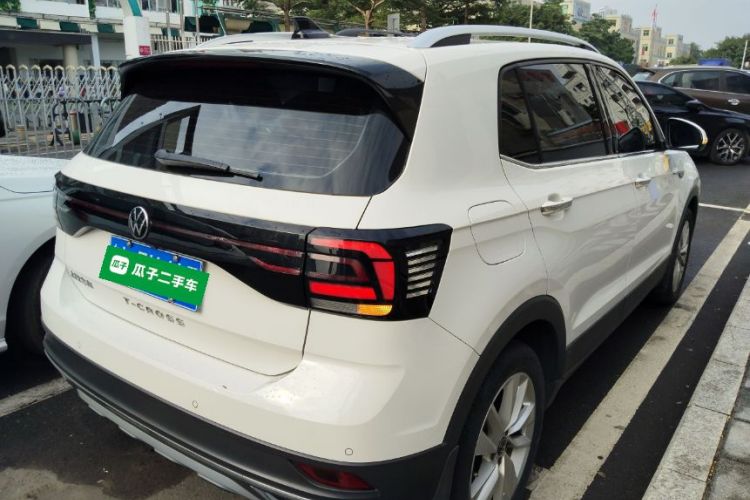



Basic Information

BrandVolkswagen
SeriesT-Cross
Year2020
First Registration2020/12
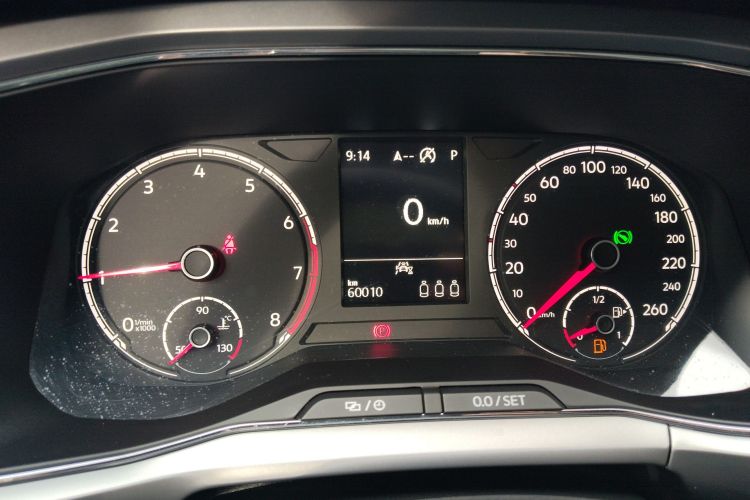
Mileage60,000km
Transfer Count1times
FuelGasoline
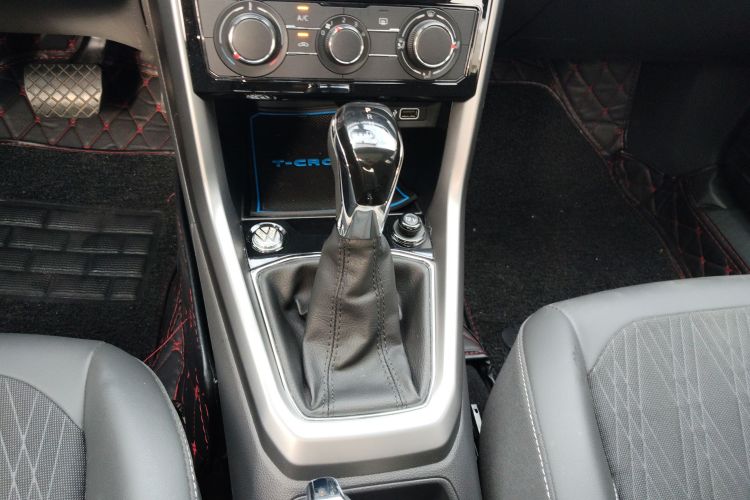
TransmissionManumatic
Engine1.5L 113 L4
ColorWhite
Seats-

Condition Description

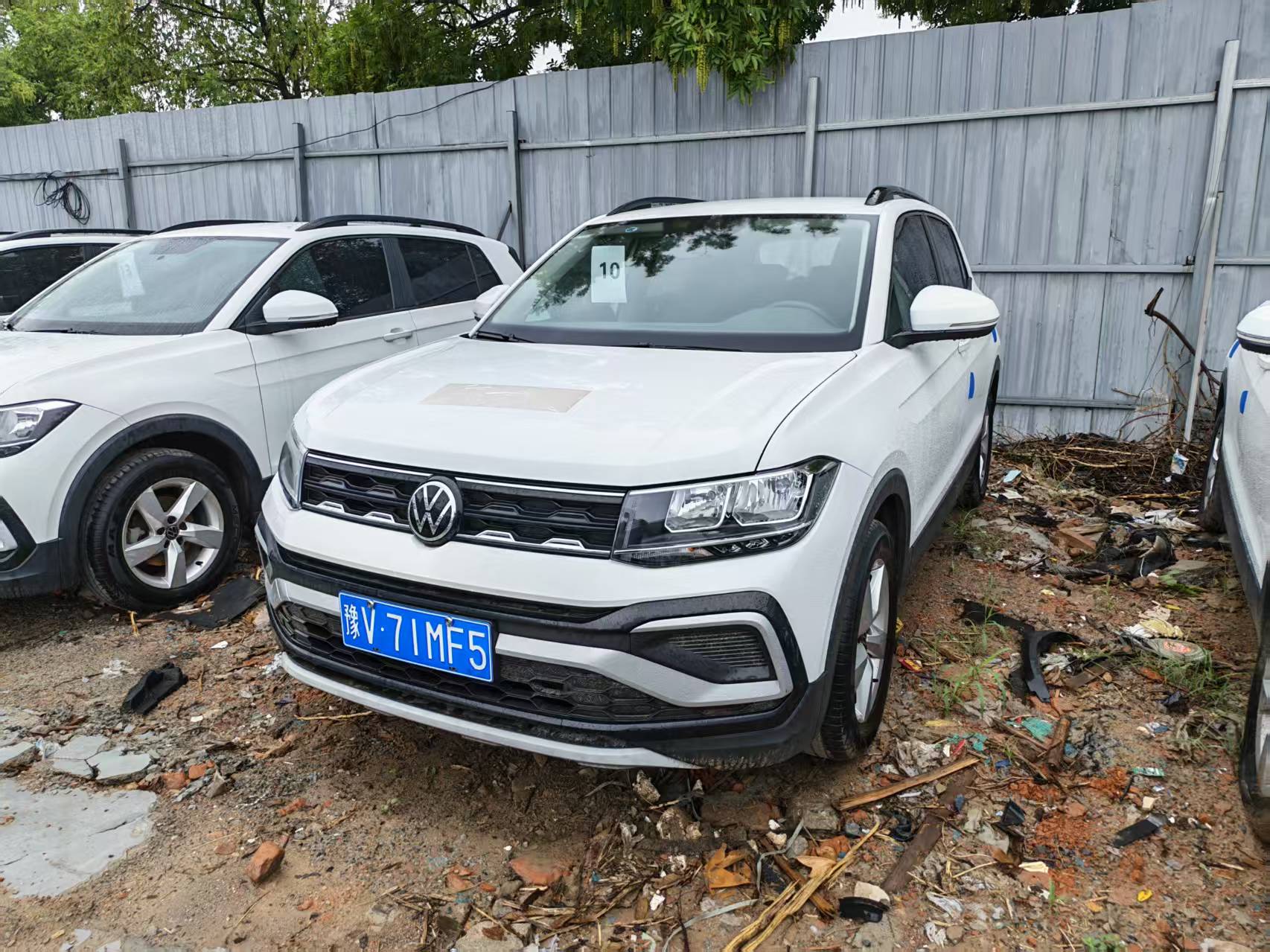
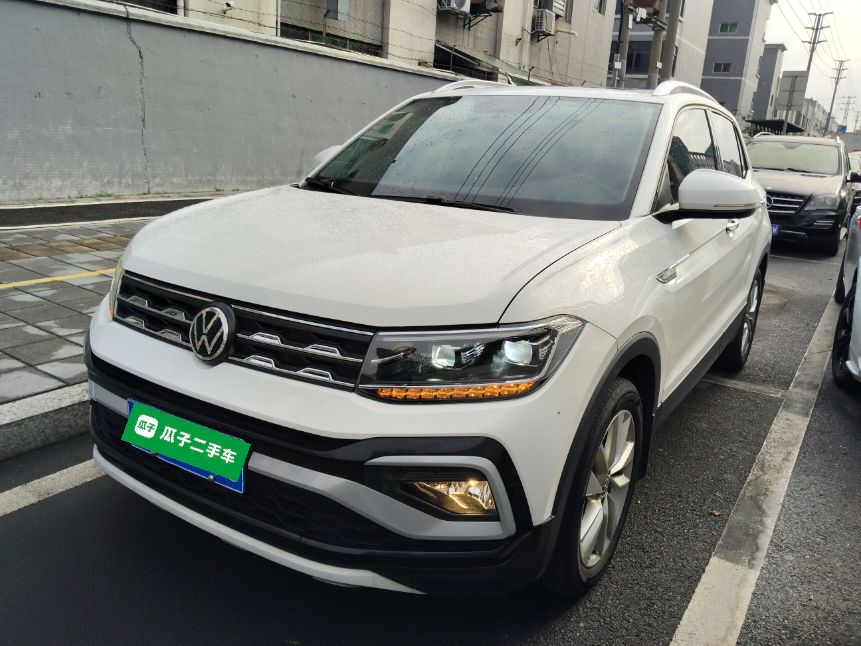
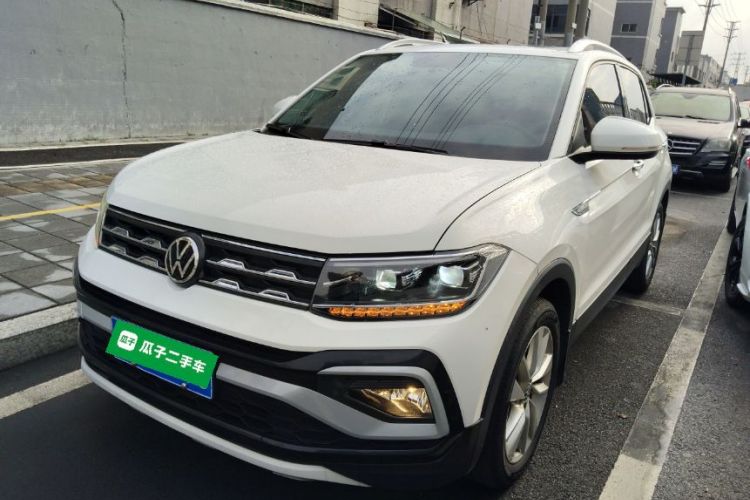
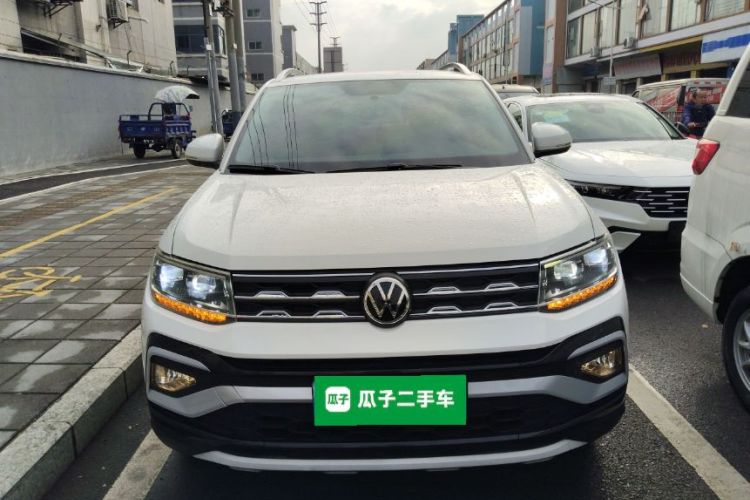
Vehicle in good condition, passed inspection; vehicle in fair condition, 1 claim filed, 1 ownership transfer.

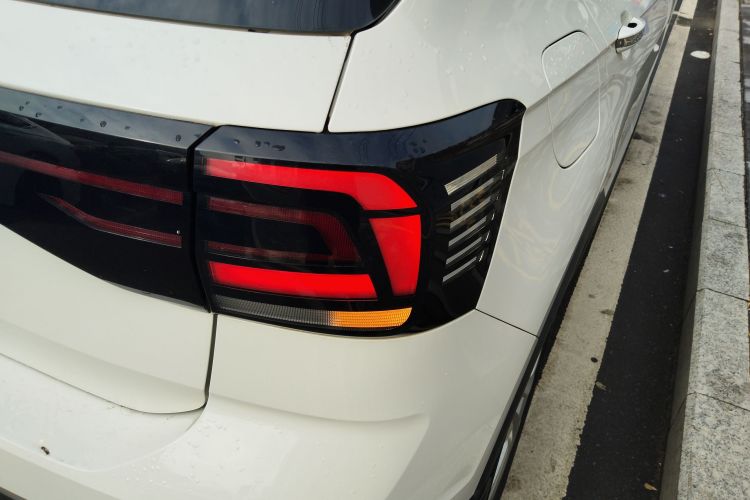
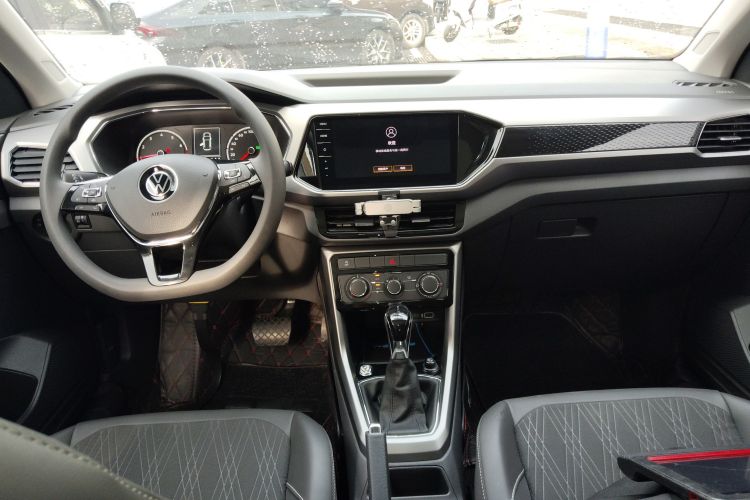
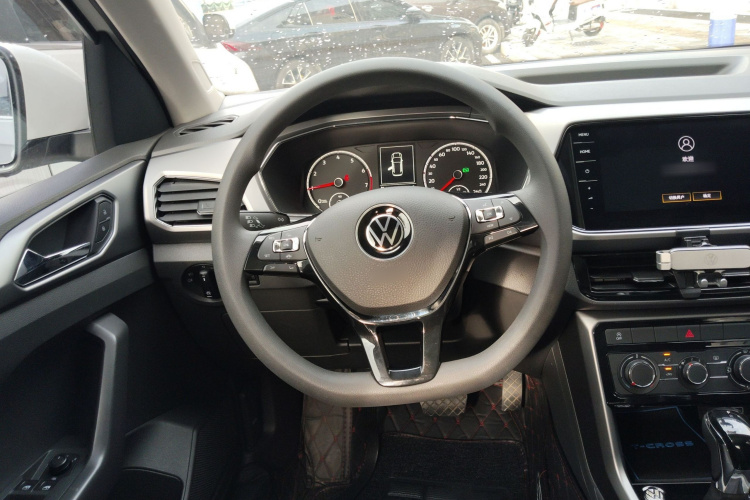
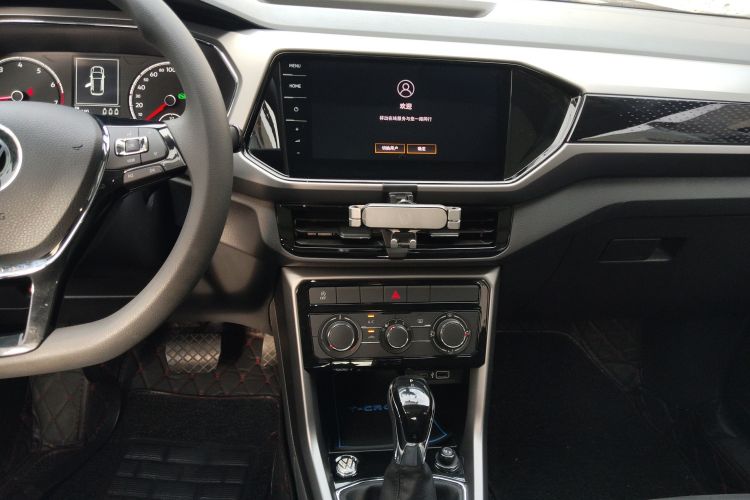
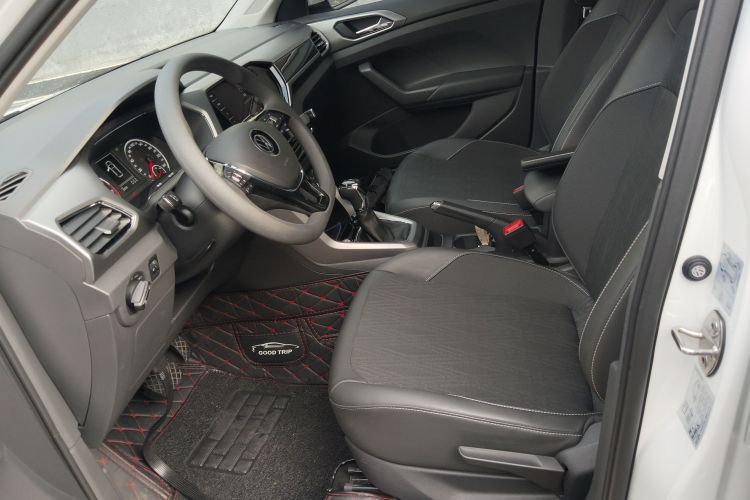
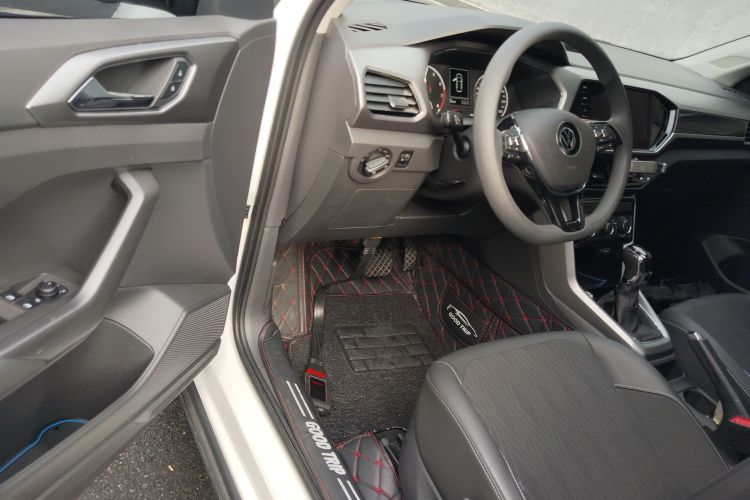
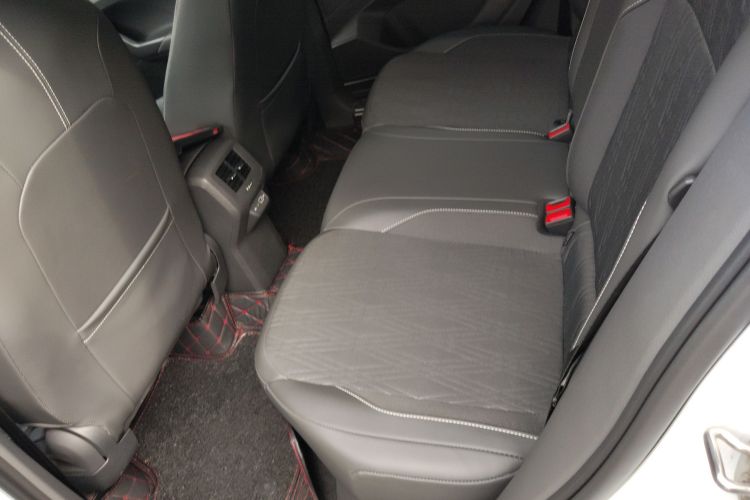
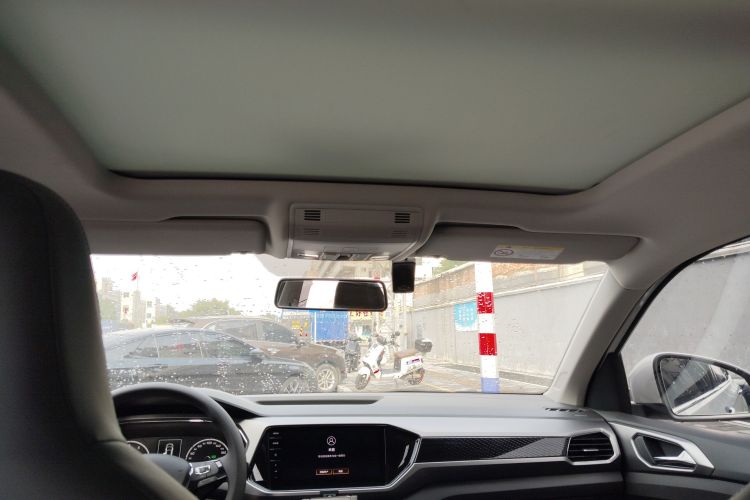
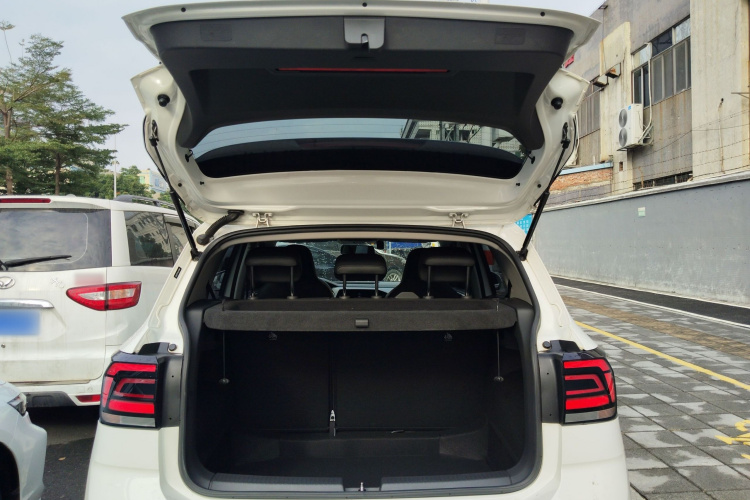
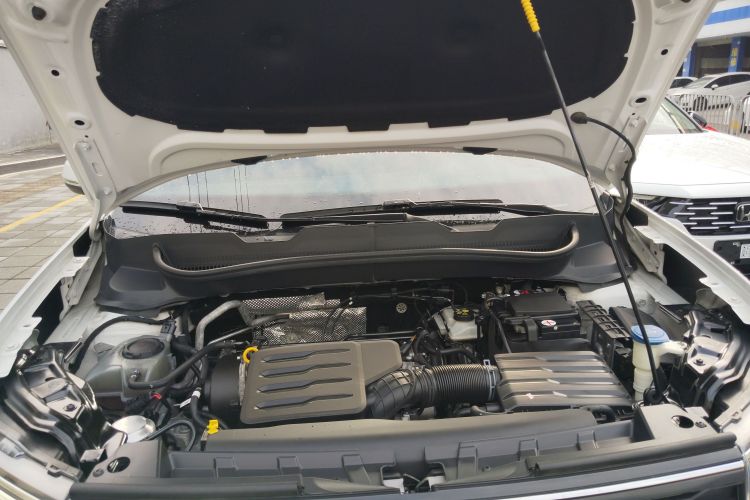
This Volkswagen T-Cross SUV boasts excellent brand recognition and resale value. It features a luxurious and comfortable interior, a smooth driving experience, and a wealth of practical features, offering excellent value for money. Highlights include a panoramic sunroof, reversing camera, keyless start system, and smartphone connectivity, providing a more convenient and comfortable driving experience. This particular vehicle is 6 years old, with an average annual mileage of 10,000 kilometers, indicating low usage frequency. It has one previous ownership transfer record. The exterior may show noticeable signs of wear and tear. The interior is in good condition with normal signs of use. The overall body structure is intact, although there are a few minor issues. Fluid levels are normal, and the powertrain is functioning well.

Configuration Highlights

✓Panoramic Sunroof
✓Cornering Lights
✓Ambient Lighting
✓Smartphone Connectivity
✓High Beam Assist
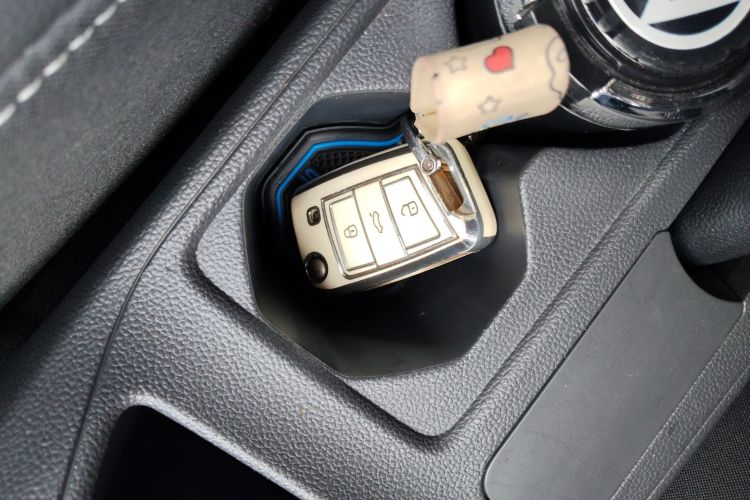
✓Keyless Entry
✓Backup Camera
✓High-definition Low Beam
✓Engine Start-Stop
✓Cruise Control
✓Keyless Start
✓Rear Air Vents
✓Tire Pressure Monitoring
✓Heated Mirrors
✓Hill Start Assist
✓Rear Parking Sensors
✓Anti-pinch Windows

Q&A

More

What is a Certificate of Origin and do I need one to import a used car from China?

A Certificate of Origin (CO) is an official document stating where the vehicle was manufactured. For imports from China, it matters more than many buyers expect. First, customs value: many countries apply duty rates based on the country of manufacture, not where you bought the car. A CO proves the vehicle is Chinese-built, which determines the correct tariff line—skipping it can mean reassessment, fines, or seizure at destination. Second, trade agreements: some countries have preferential tariffs for Chinese goods that only apply with a valid CO. Request a CO issued by the China Council for the Promotion of International Trade (CCPIT) or China Customs, not a self-printed form. Check that the VIN, engine number, and buyer details match your purchase documents exactly. Make receiving the CO a condition before your final payment, and keep the original—customs at destination will ask for it.


For countries with strict anti-dumping laws, do the low-priced used new energy vehicles you export face the risk of being confiscated by customs on the grounds of dumping?

This is a macro policy minefield. Although used cars are rarely classified as dumping, if your single import quantity is too large and the declared price is significantly lower than local similar products, it can easily trigger an investigation by the tax bureau. We strongly recommend B2B buyers to break down shipments into smaller batches and use multiple invoices for customs clearance.

If the customs of the destination country values the vehicle higher than your commercial invoice amount, leading to a surge in duties, who is responsible?

The customs of the destination country has the right to disregard the commercial invoice and reassess the value based on its internal database (such as the customs valuation red book). Any additional duties incurred are a result of the importing country's policy and are fully borne by the buyer (importer).