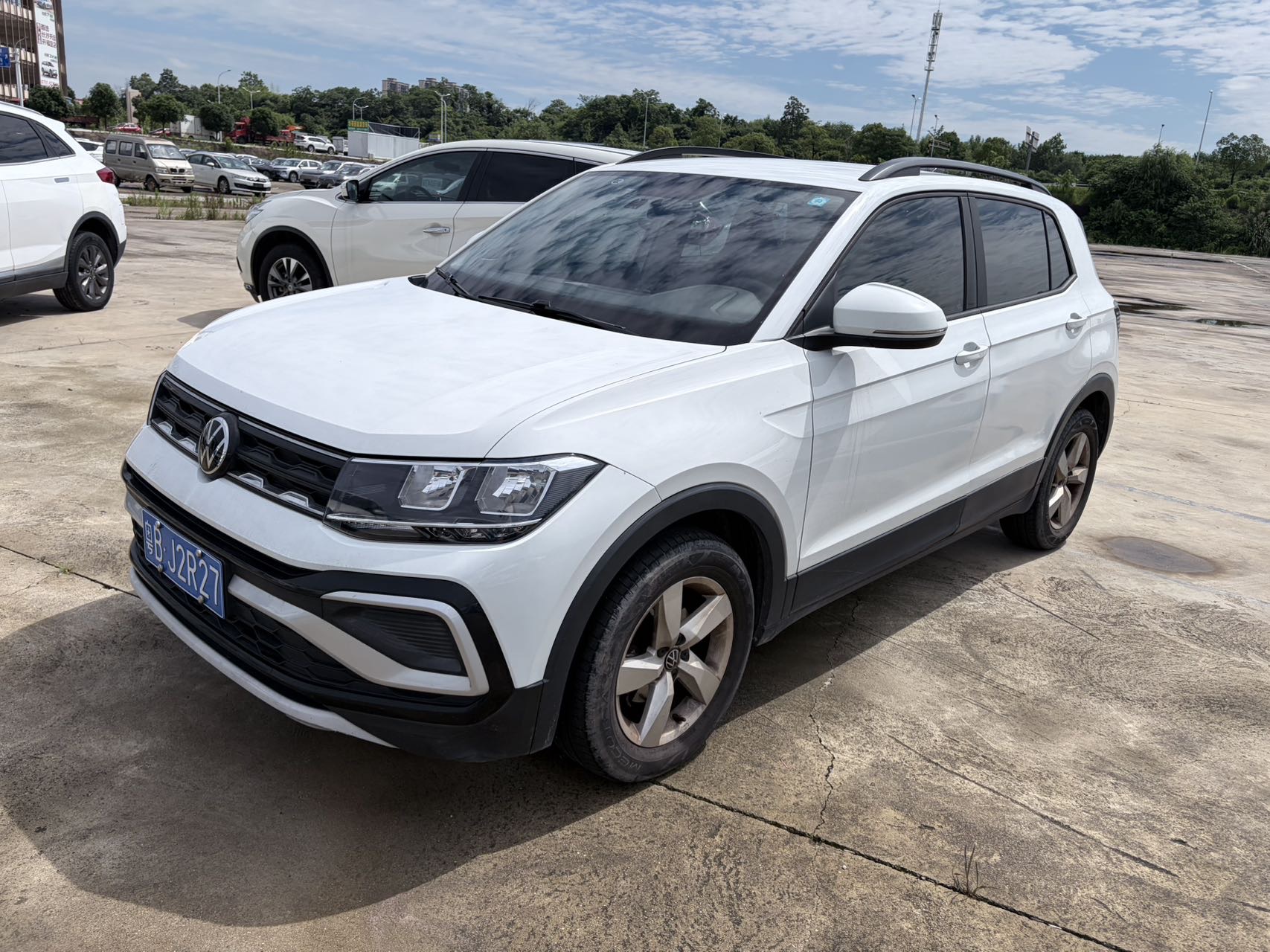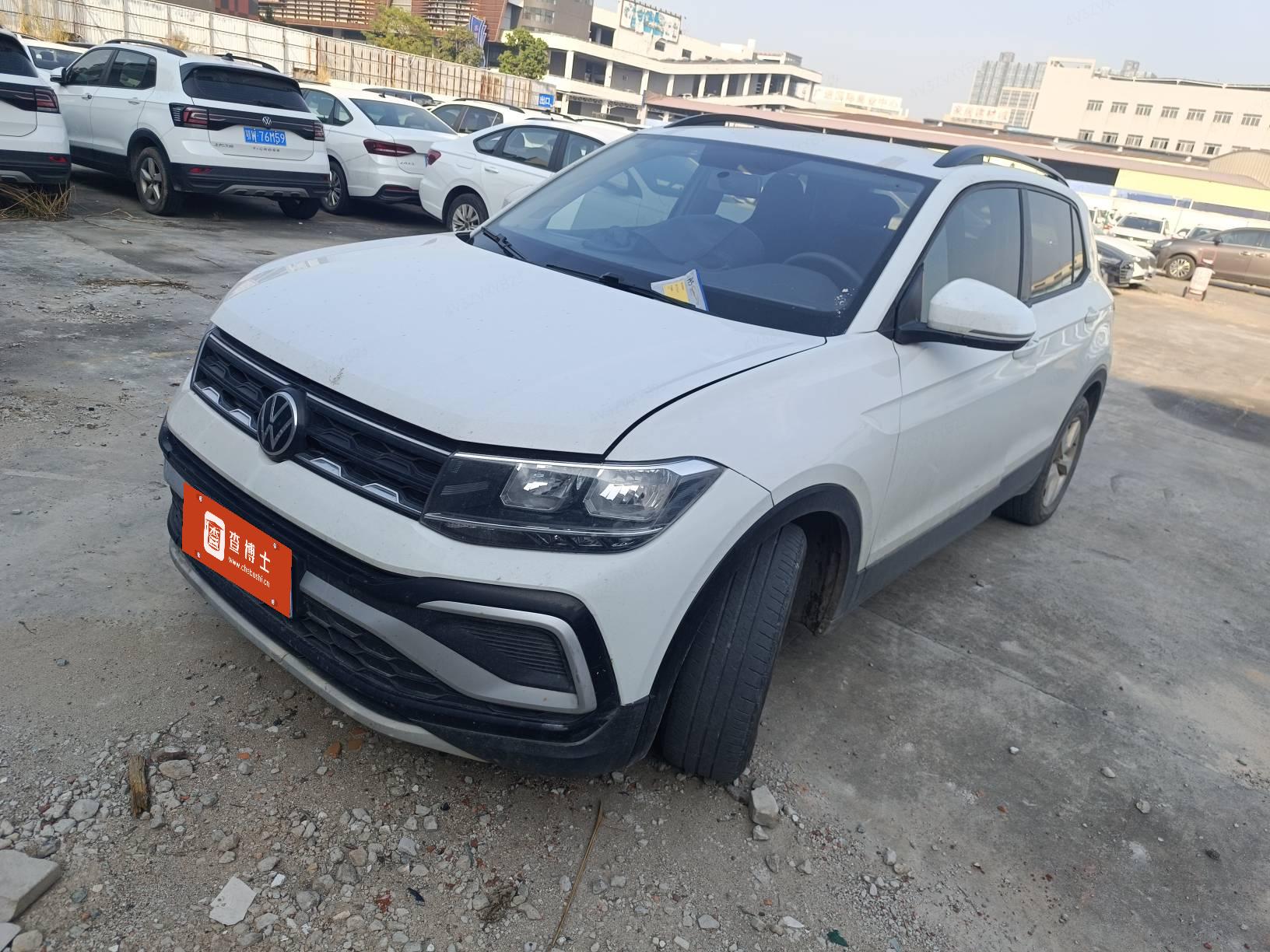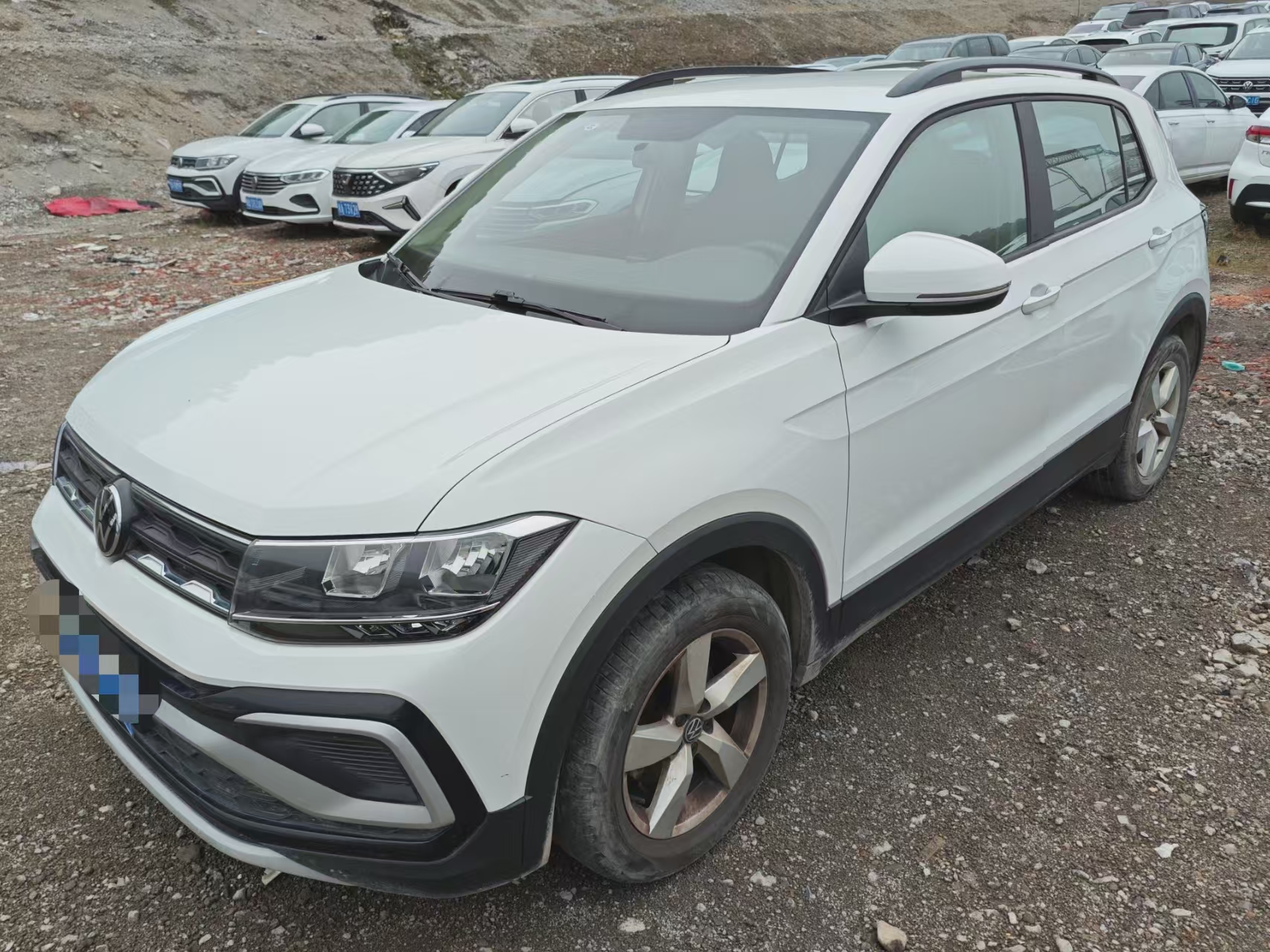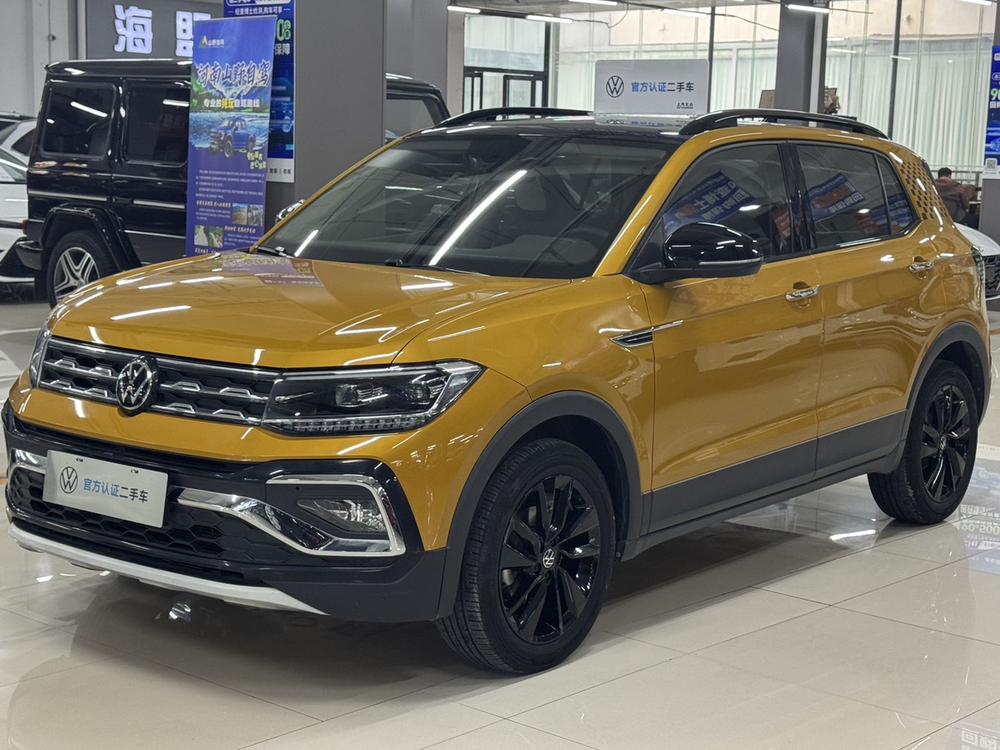
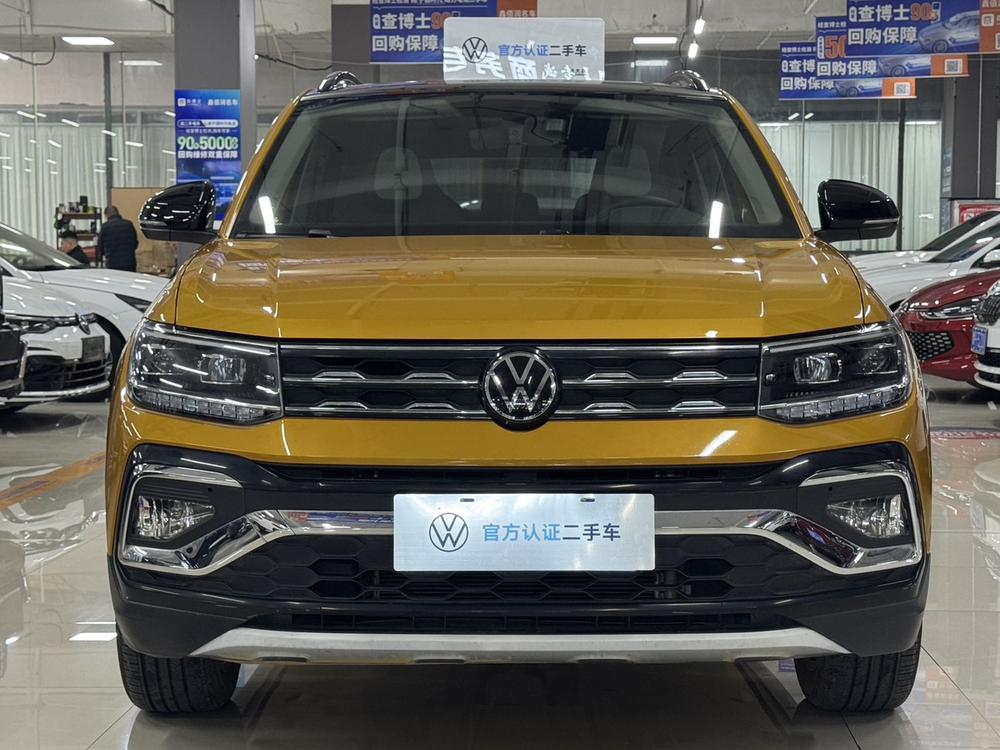
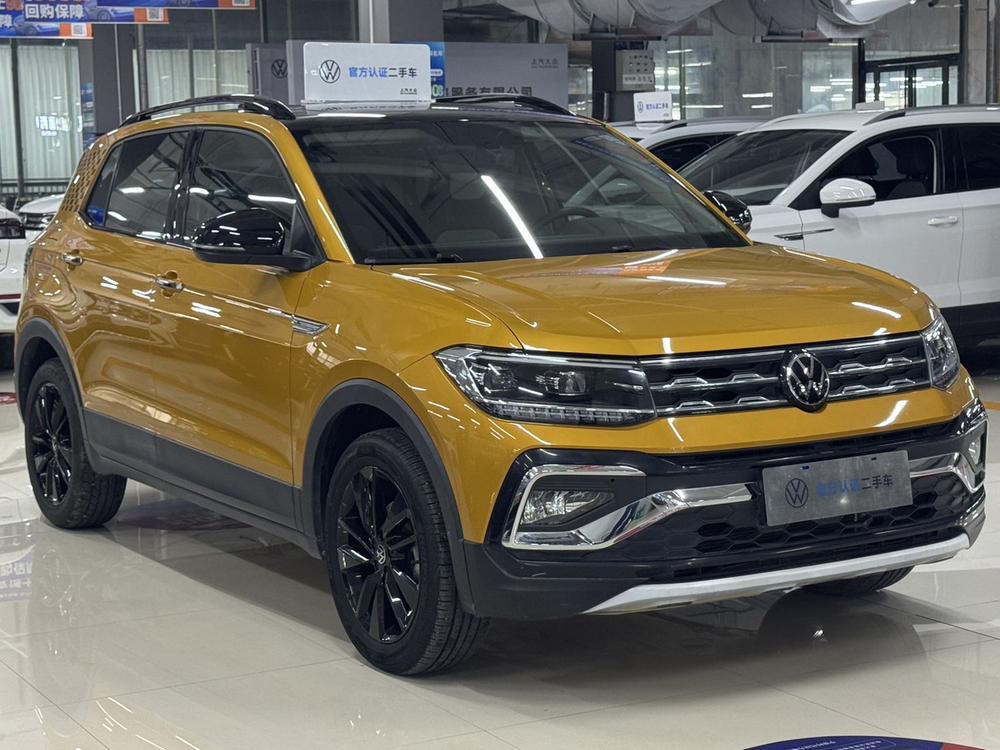
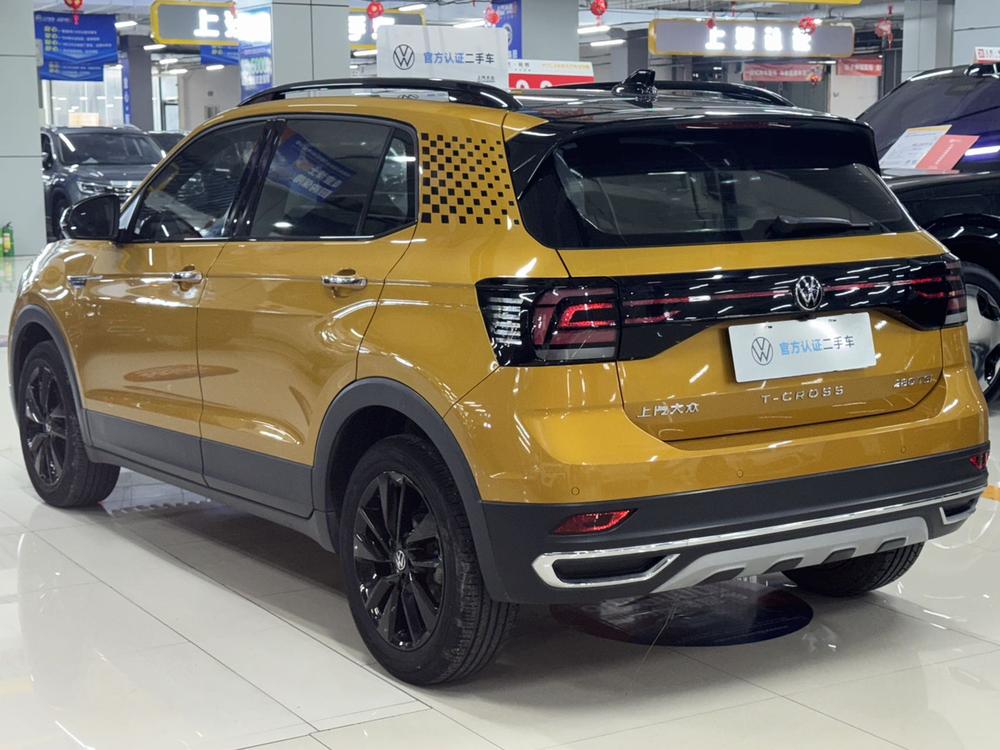
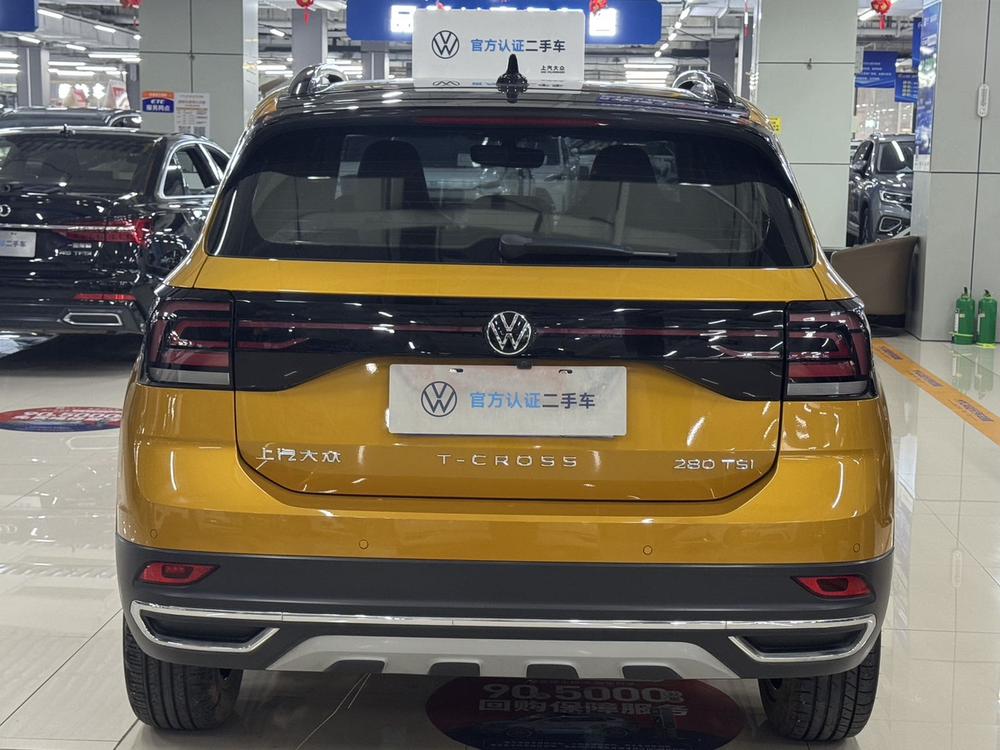
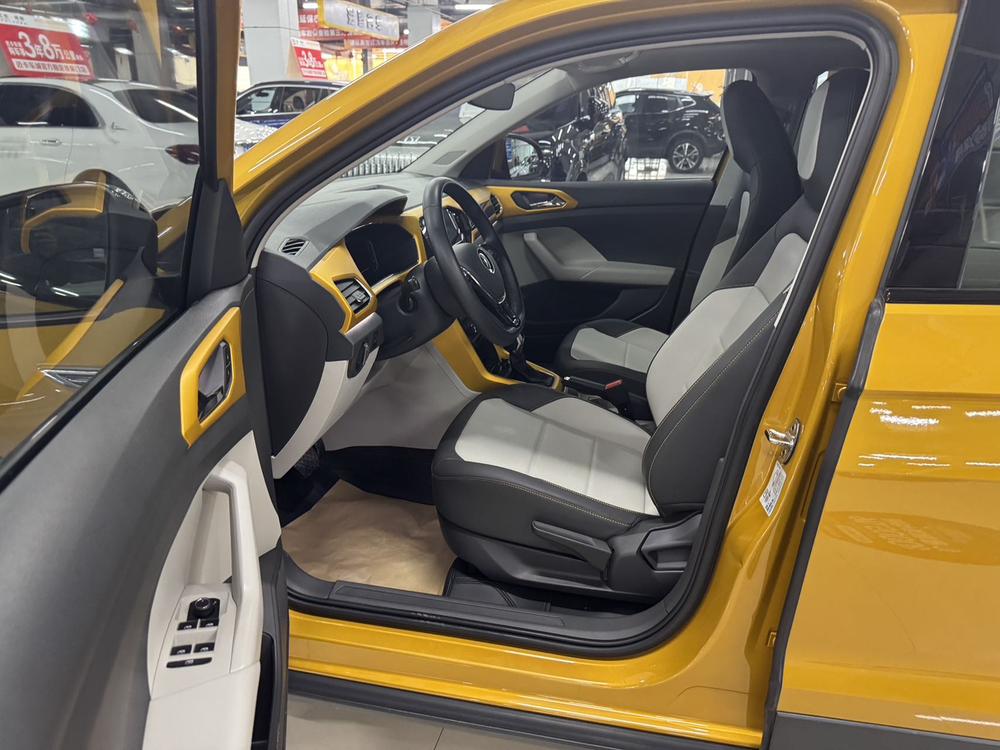
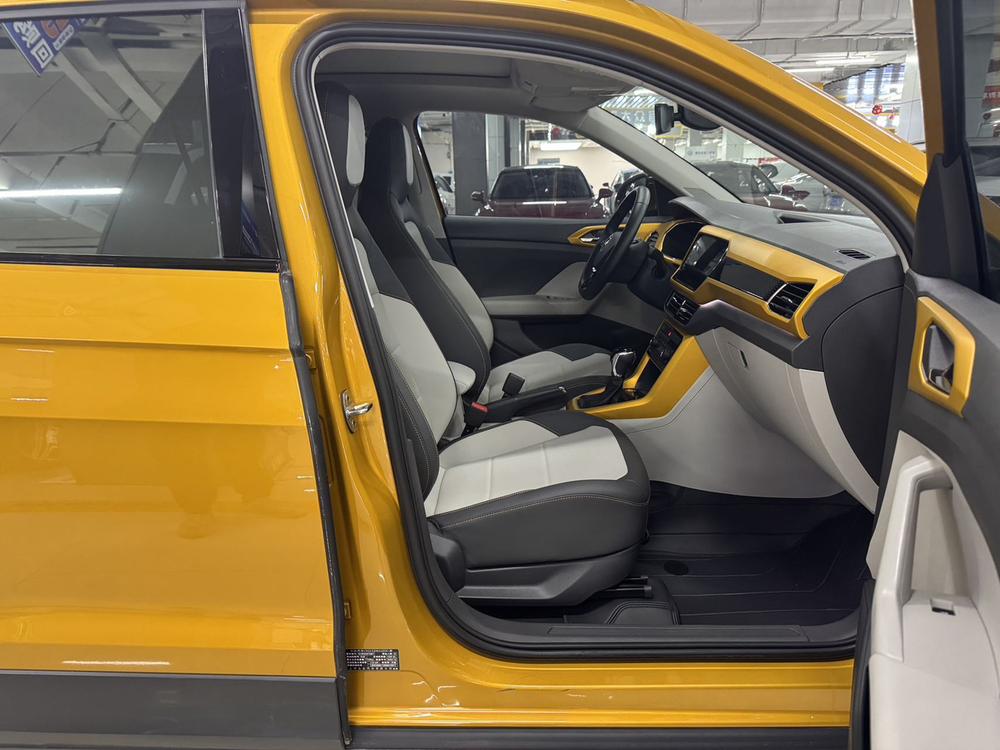
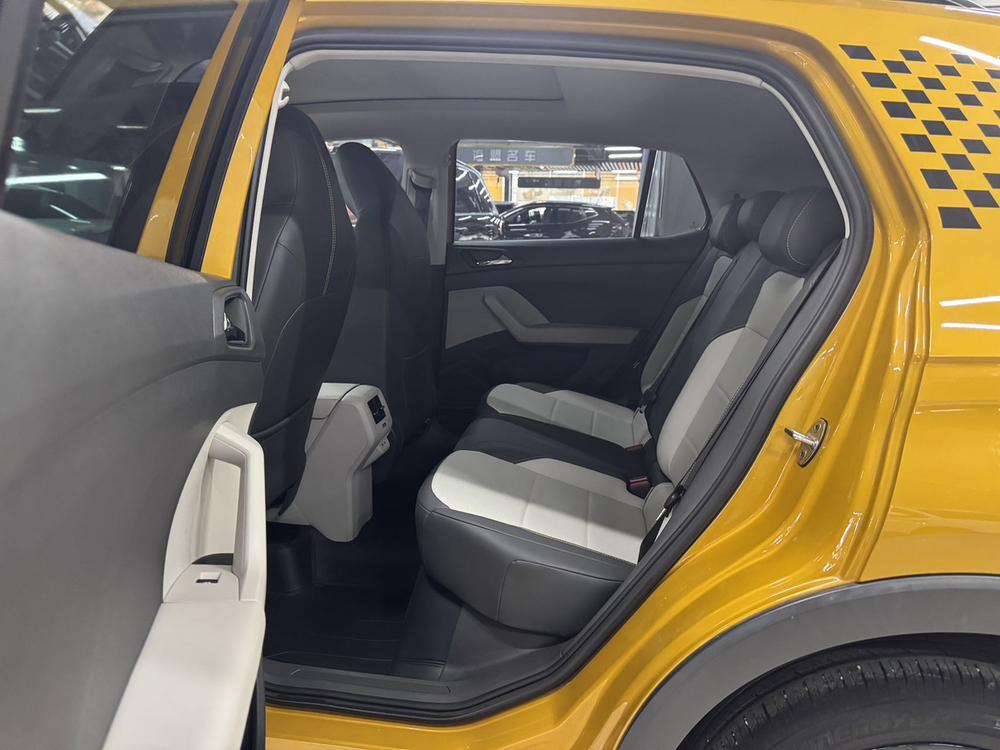
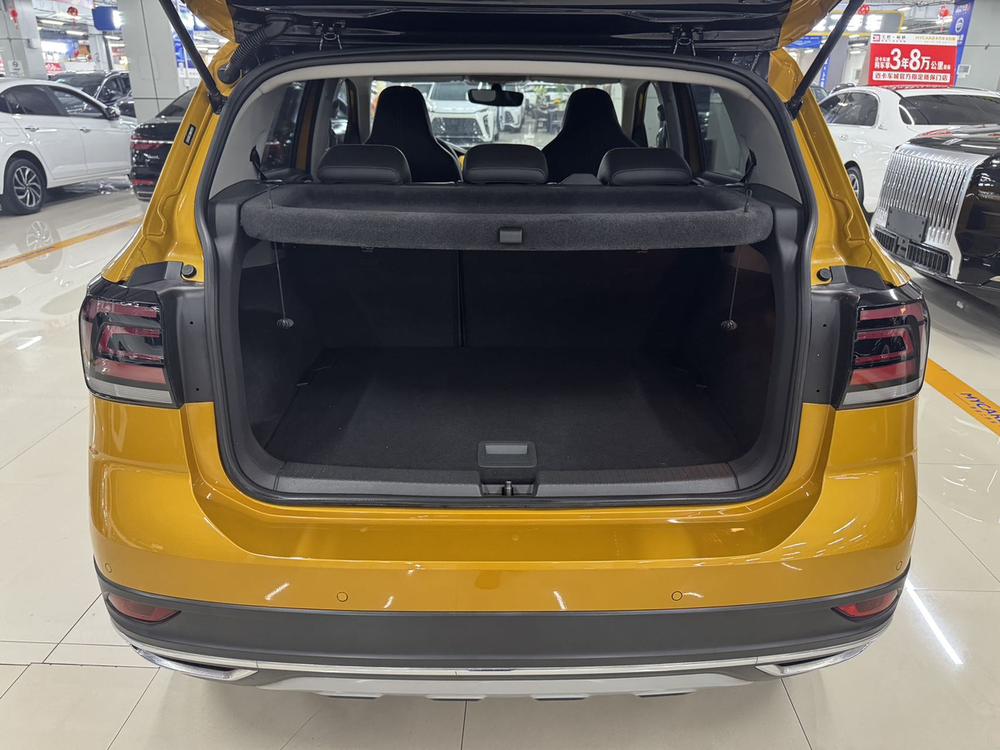
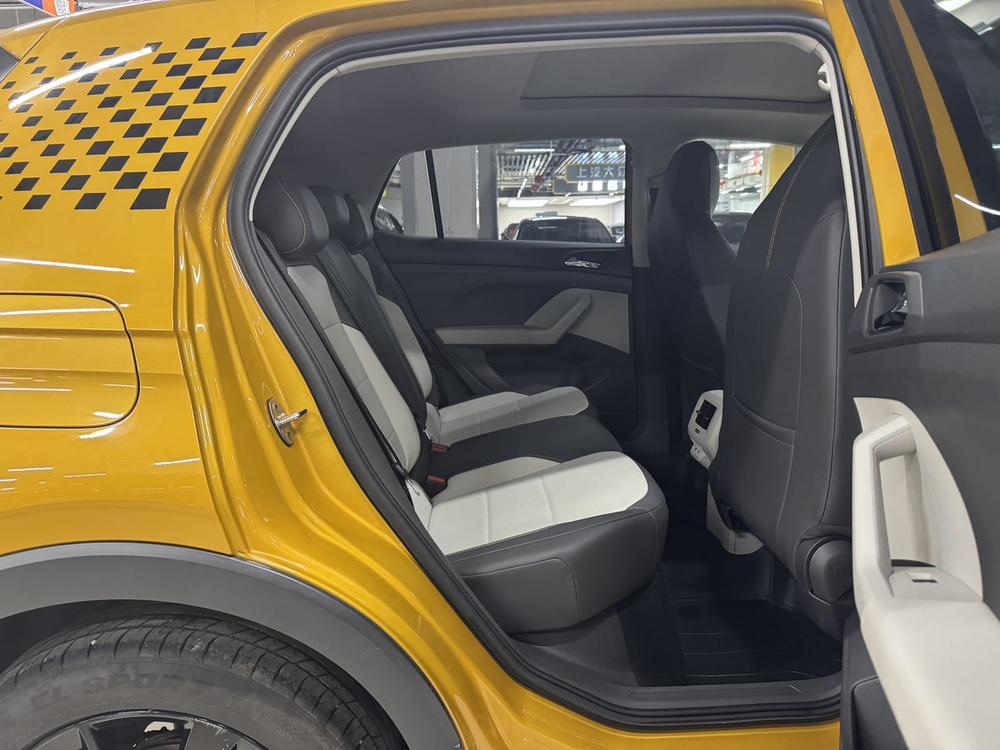
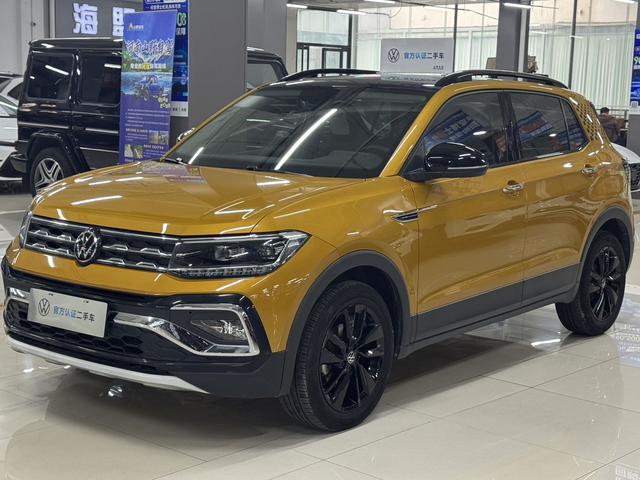



Basic Information

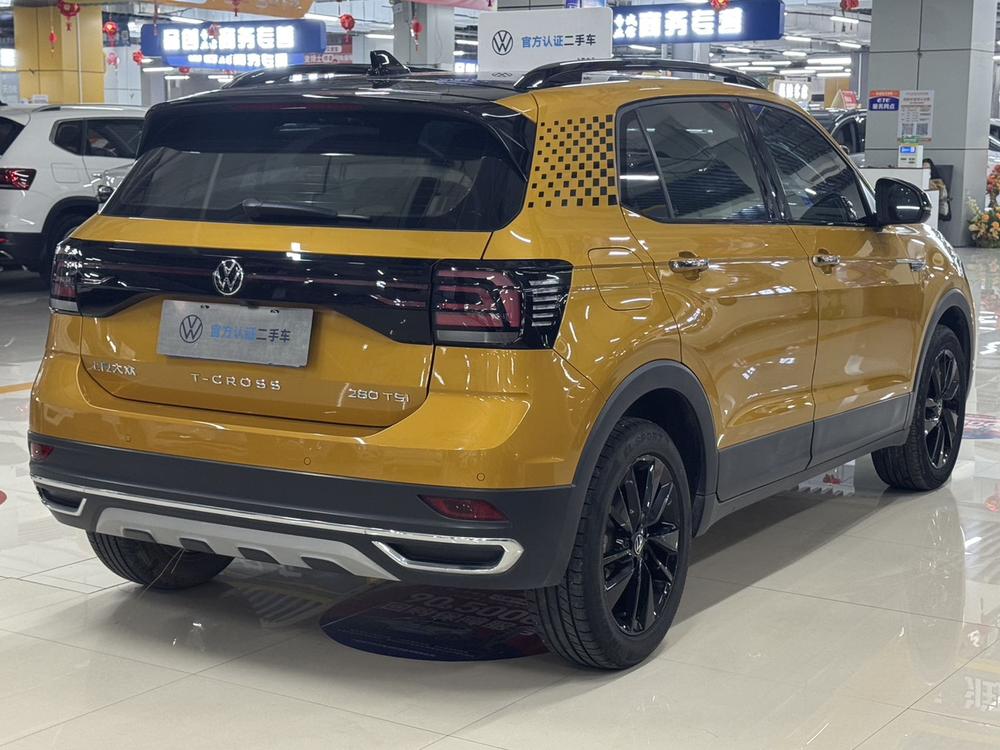
BrandVolkswagen
SeriesT-Cross
Year2022
First Registration2022/12
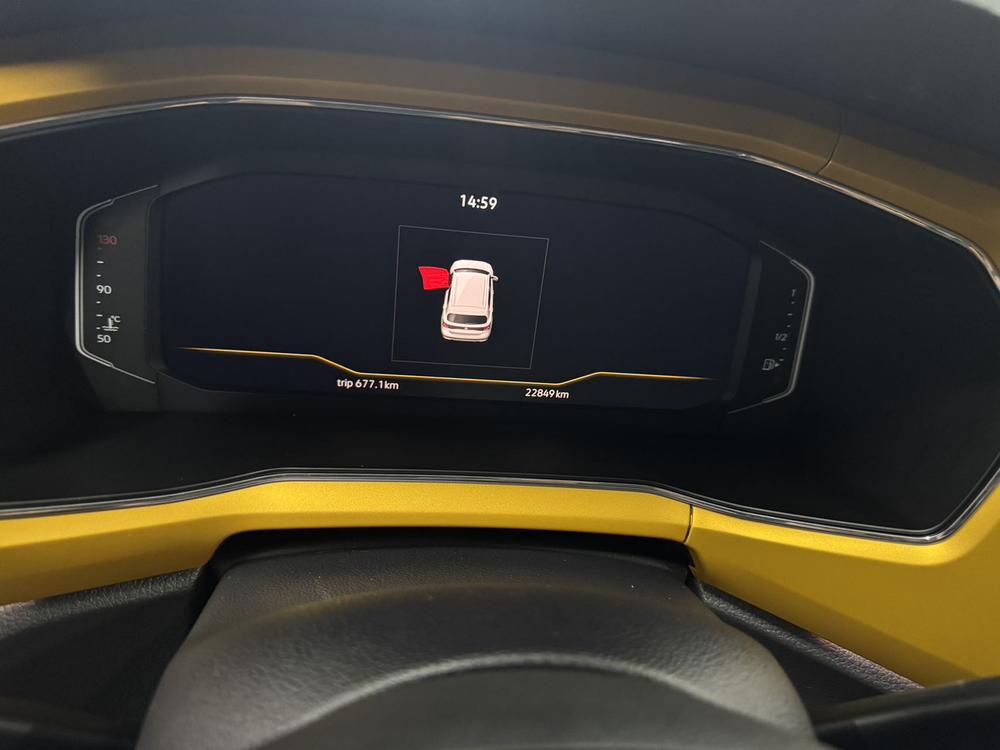
Mileage22,000km
Transfer Count0times
FuelGasoline
TransmissionDCT
Engine1.4T 150 L4
Color
Seats-

Condition Description

官方质检 · 60天全车质保· 7天无理由有偿退车

Configuration Highlights

✓上牌时间: 2022-12
✓表显里程: 2.2万公里
✓车源地: 郑州
✓排放标准: 国六
✓百公里加速: 8.8s
✓发动机: 1.4T
✓轴距: 2651mm
✓变速箱: 自动
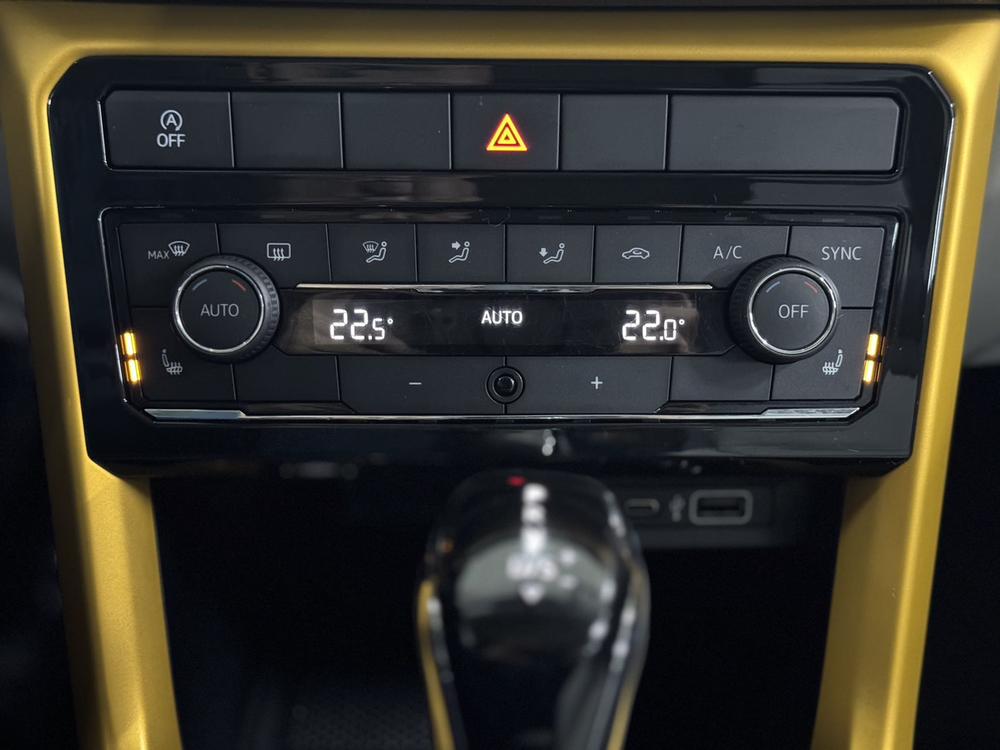
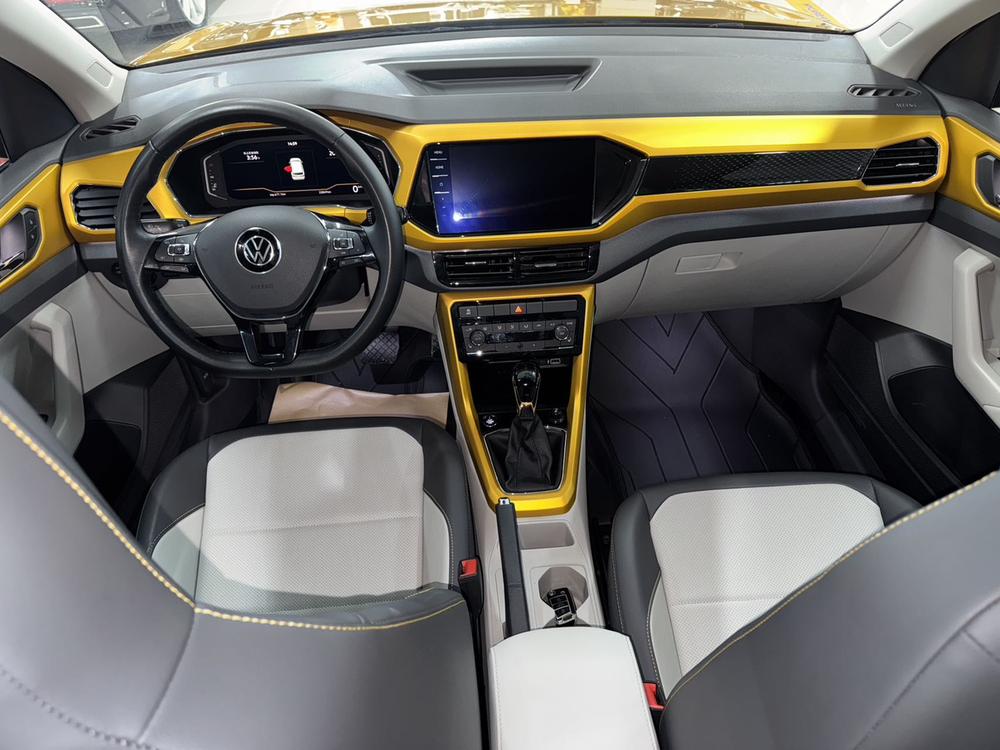
✓功能配置: 18项
✓安全配置: 5项
✓动力类型: 前驱
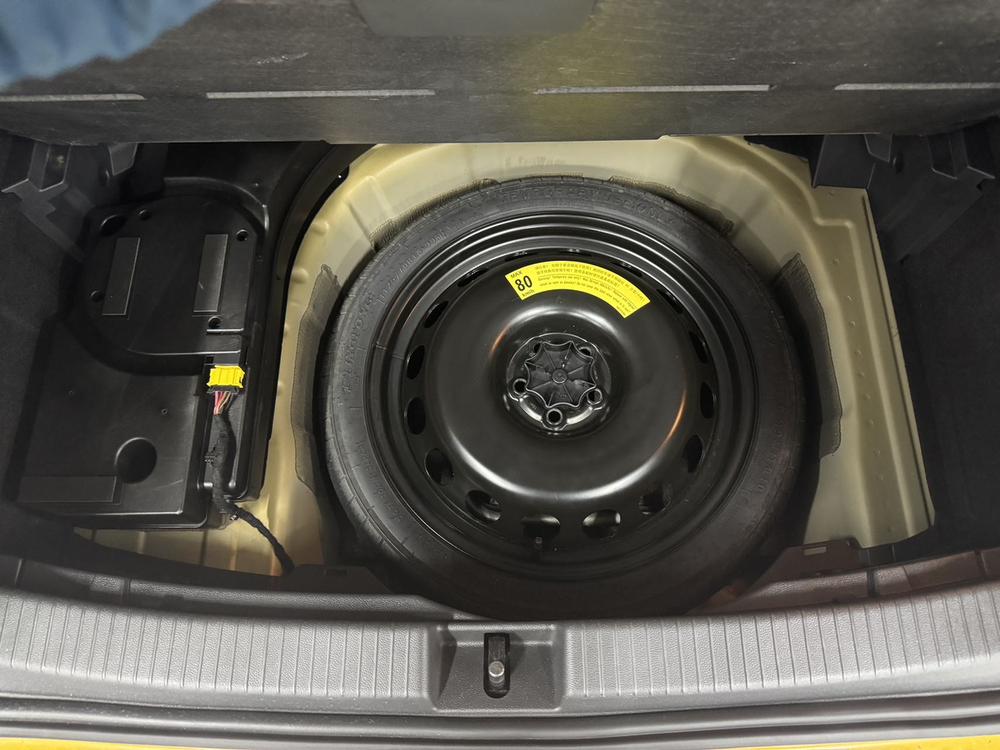
✓空间舒适性: 一般

Q&A

More

Will the manufacturer's smartphone app and connected services work in my country after I import a used Chinese EV?

This is one of the most common disappointments after importing a Chinese EV, so check before you buy. Many Chinese EVs rely on an embedded SIM that only works on Chinese carrier networks. Once the car leaves China, remote functions — battery status, pre-conditioning, charging control, and locating the car — may stop working entirely. Some brands let you transfer the account to a foreign phone number, but many require a Chinese ID or Chinese phone number for registration, which you cannot provide. What to do before purchase: ask the exporter to test the app functions live on video while the car is still in China, including remote air-conditioning and battery percentage reading. Ask the brand's official customer service (in writing) whether overseas account activation is supported for your specific model and year. Workarounds if the official app does not work: some functions may still operate locally through the car's own settings, such as scheduled charging from the dashboard. Third-party OBD dongles with companion apps can sometimes restore battery monitoring and pre-conditioning. The car itself drives fine without connected services, but if app functionality matters to you, treat it as a purchase criterion, not an afterthought.


How is payment typically structured when buying a used car from a Chinese exporter, and how do I stay safe?

A typical payment structure looks like this: 1. Deposit: 10-30% after you confirm the car and price, often to reserve the vehicle and start the inspection. 2. Balance: paid after you approve the inspection report, but before or at shipment. A common safeguard is paying against a copy of the bill of lading, with telex release of the original B/L after funds arrive. 3. Never send 100% upfront to a new supplier. Use traceable methods (T/T bank transfer to a corporate account matching the company name, or escrow for first orders) and keep every agreement in writing. 4. Timeline: quote within days, inspection 3-7 days, booking and loading 1-2 weeks, ocean transit 3-6 weeks, customs clearance 3-10 days. Red flags: personal bank accounts, pressure to skip inspection, prices far below market.

How do I assess rust and underbody condition in a used car from China when buying remotely?

Rust is one of the most underestimated problems in remote buying. Request specific evidence: photos of the underbody, wheel arches, door sills, and around the windshield seal; close-ups of suspension mounting points; and ideally paint thickness readings across panels (factory paint is typically 80-120μm; heavy patches suggest bodywork). Northern Chinese cars may have winter road-salt corrosion; coastal cars can show surface rust on exposed metal. Surface rust on exhaust and bolts is normal—structural rust on frame rails, subframes, or brake lines is a deal-breaker, especially if the car is headed to a humid or coastal market. Have the inspector tap suspicious areas during the video call: flaky or bubbling metal sounds hollow. Walk away if the seller refuses underbody photos.