






Basic Information

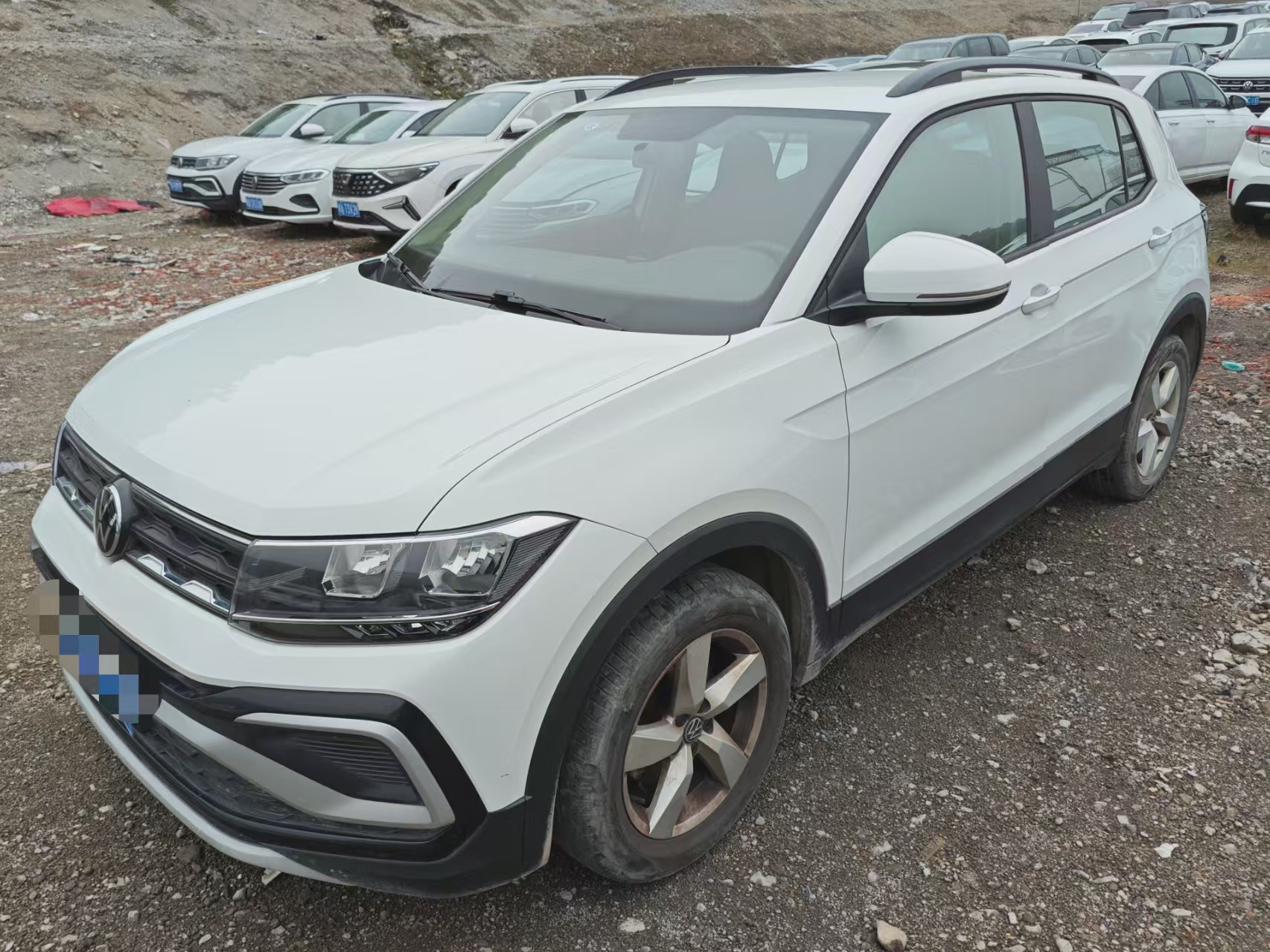
BrandVolkswagen
SeriesT-Cross
Year2022
First Registration2022/06
Mileage21,500km
Transfer Count-
FuelGasoline
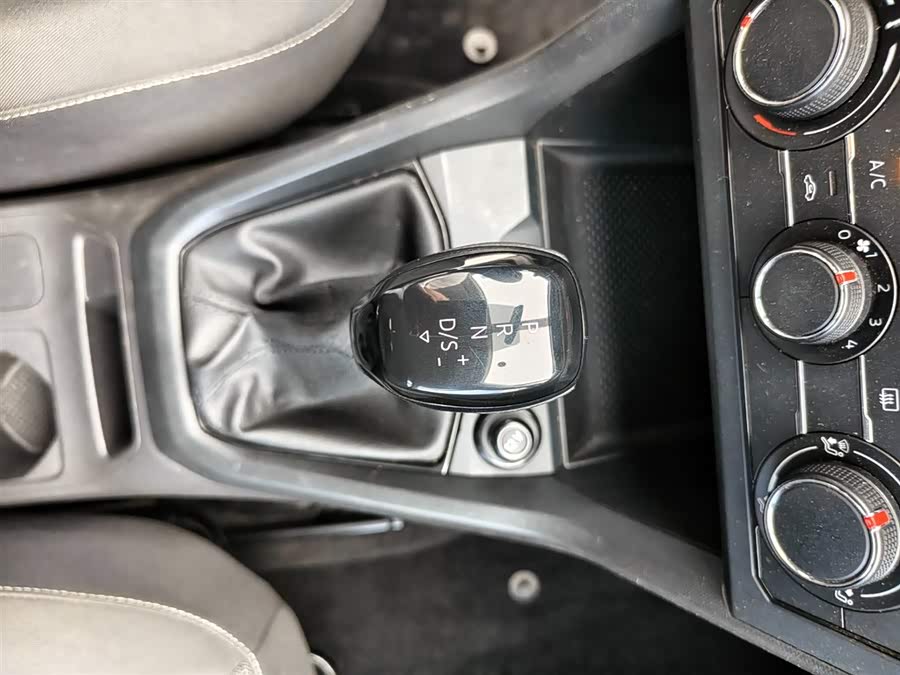
TransmissionDCT
Engine1.4T 150 L4
ColorWhite
Seats-

Condition Description

very good

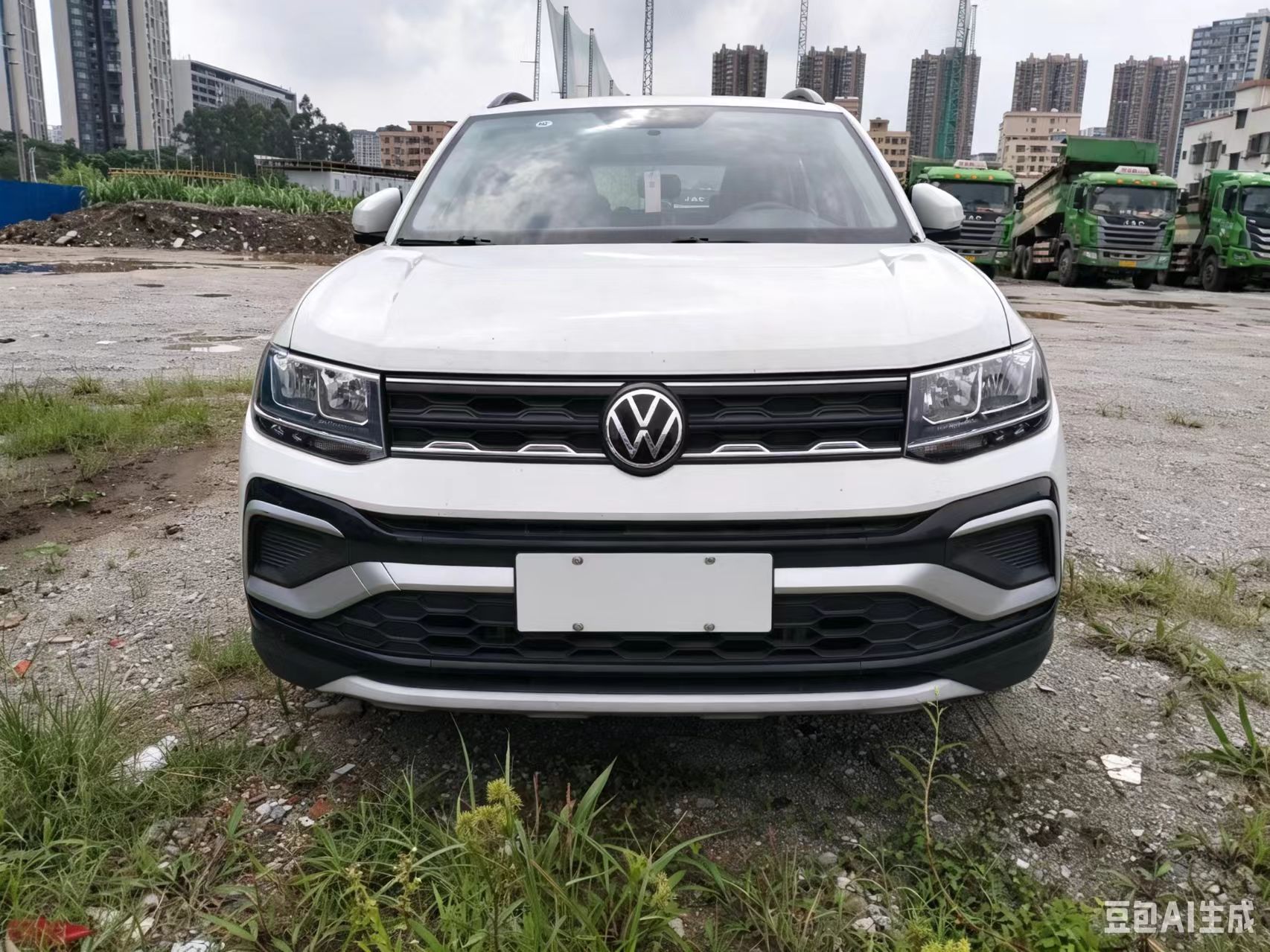
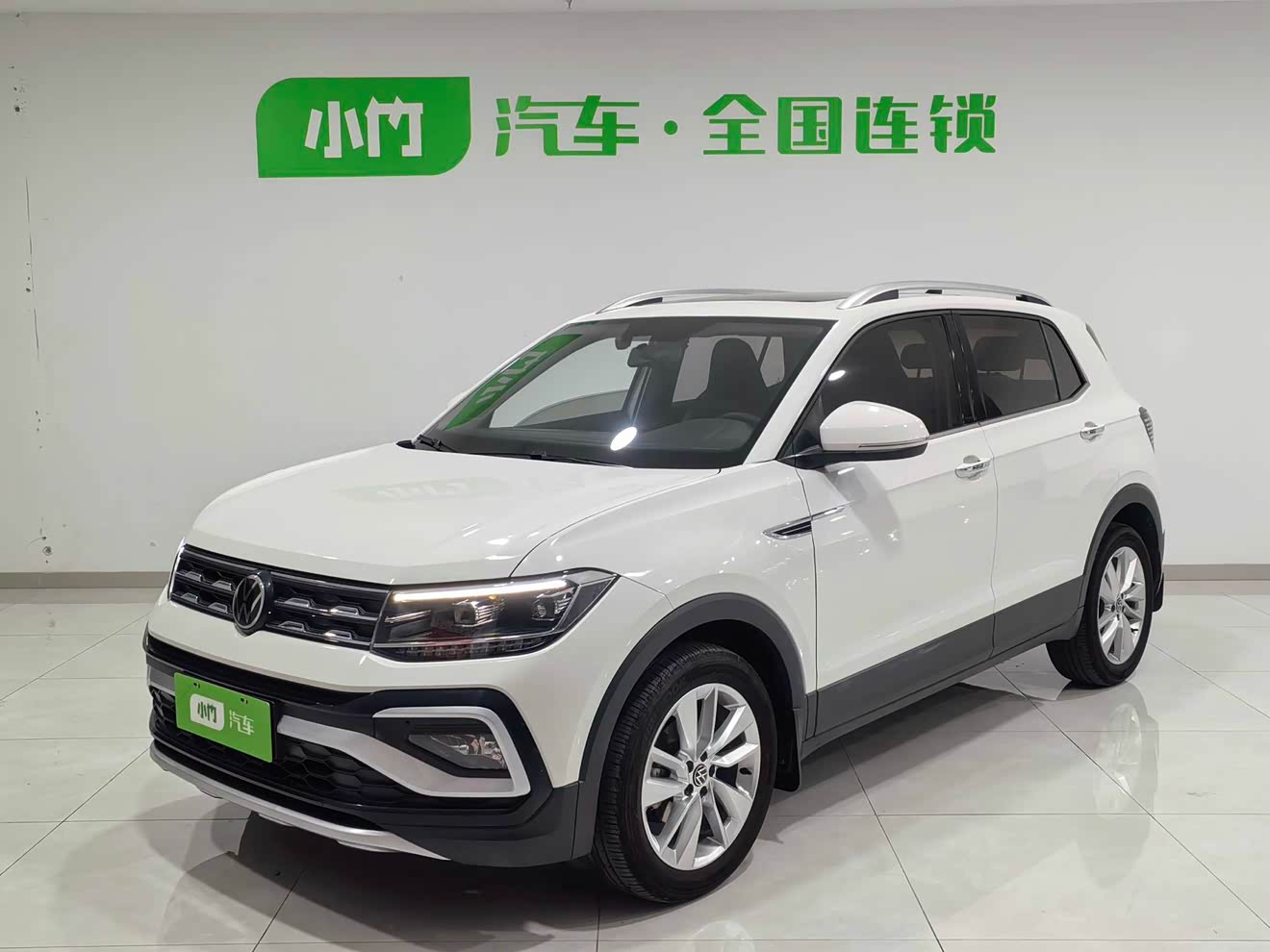
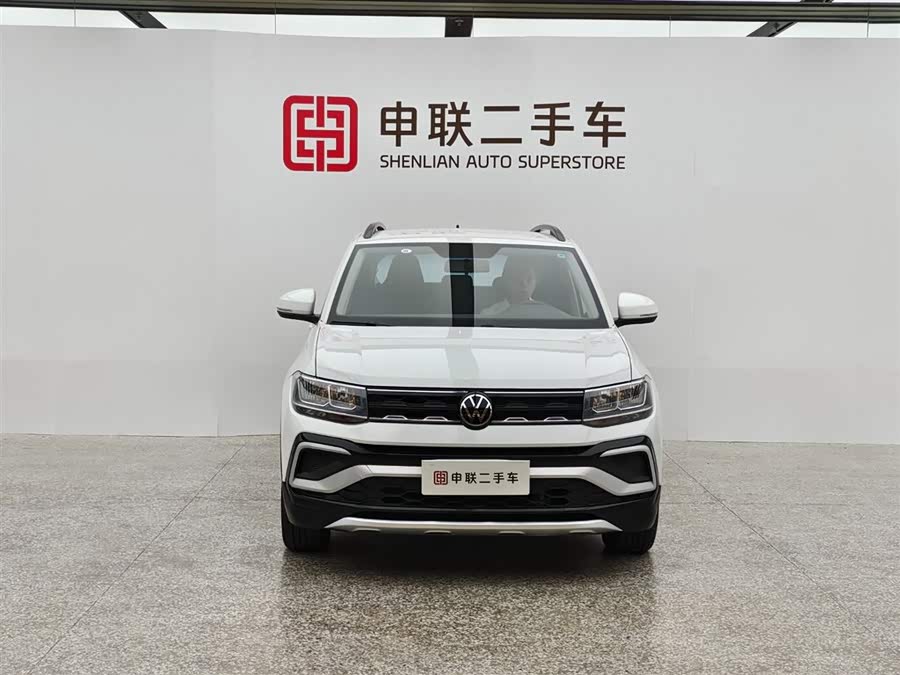
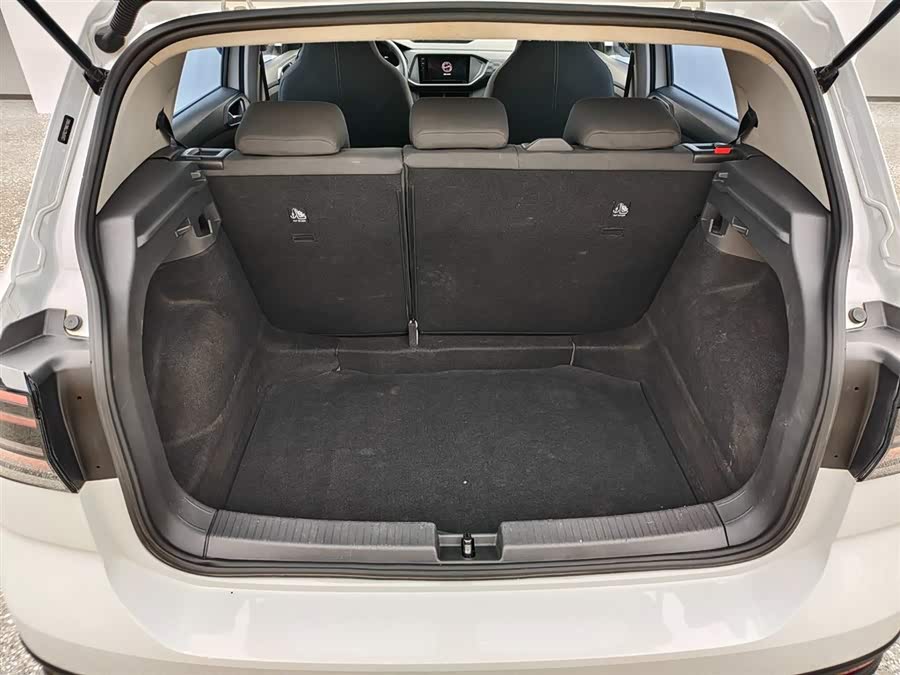
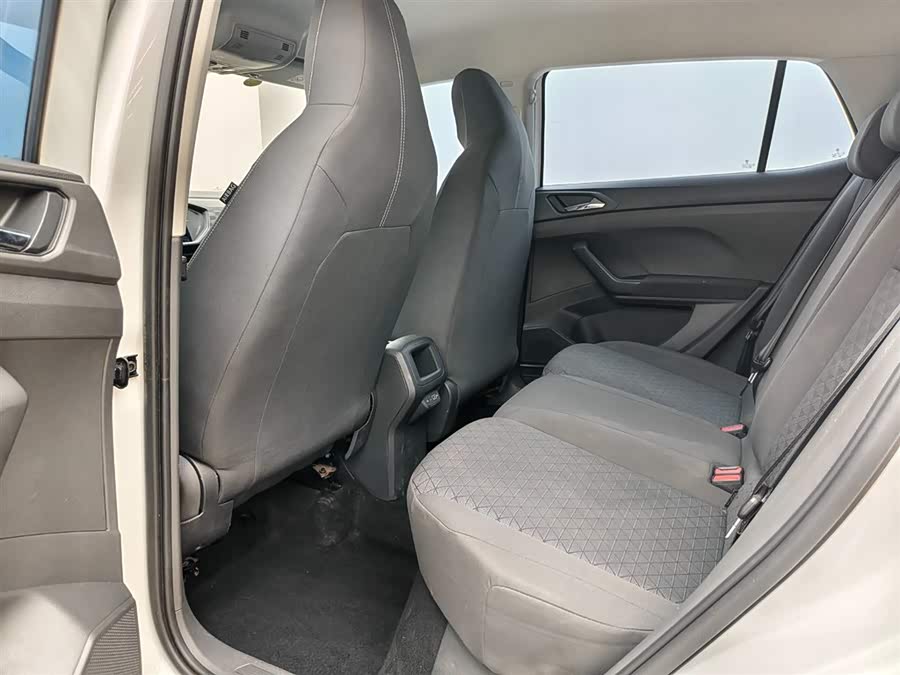
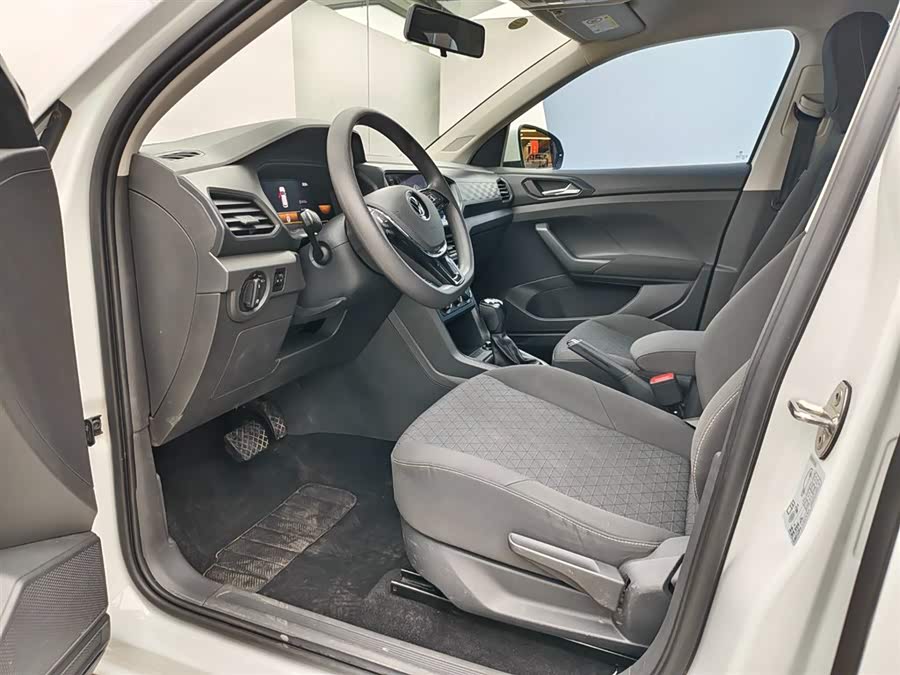
【Chassis Number】019301 【Vehicle Name】Volkswagen T-Cross 2022 280TSI DSG Comfort Edition 【Drive Type】2WD 【Color】White 【Manufacture Date】March 2022 【First Registration】June 2022 【Mileage】21,500km 【Engine Displacement】1.4T 【Vehicle Condition】Ready to Deliver 【Keys】2 【Compulsory Insurance】June 2026 【Origin】Changchun 【Vehicle Condition】Original Paint Vehicle Configuration: Electric sunroof, LED headlights, cruise control, multi-function steering wheel, electric seats, heated front seats, one-touch window lift, keyless start, automatic start-stop

Newly added
0 transfers

Configuration Highlights

✓Active Safety System
✓ISOFIX Child Seat Anchors
✓Keyless Start System
✓Digital Instrument Cluster
✓Bluetooth/Hands-free
✓Connected Car
✓Cornering Lights
✓PM2.5 Air Filter
✓Rear Air Vents

Accident & Maintenance Records

Accident Record

🔗 Open Link

Maintenance Record

🔗 Open Link

Document Information

Inspection Expiry Date2026/06
Warranty Expiry Date-
Insurance Expiry Date2026/06

Q&A

More

Are there specific photos or reports from the lift perspective regarding the concealed parts of the chassis (such as the suspension system and shock absorber leaks)?

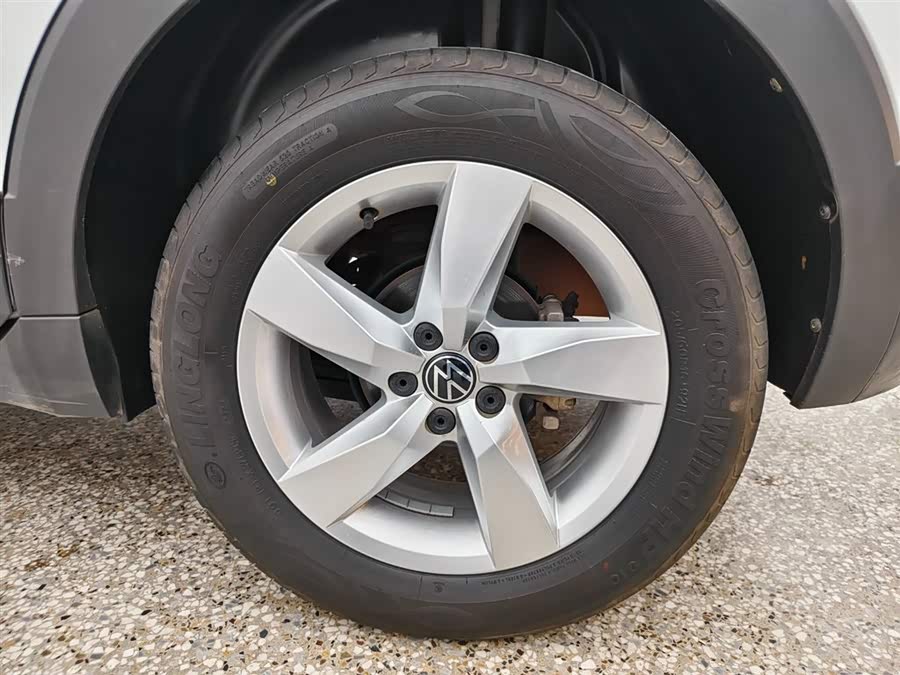
Definitely. Lifting the chassis is a mandatory part of our standards. The report will specifically show whether there are oil stains on the front and rear shock absorber cylinders, if the rubber boots of the lower control arm ball joints are torn, and if the steering tie rods are loose or deformed.
Why are the shipping costs for used electric vehicles (EVs) usually higher than for internal combustion engine vehicles (ICEs)?

Pure electric vehicles are classified as Class 9 Dangerous Goods due to their large lithium batteries, leading to strict shipping regulations. Shipping companies have high requirements for the loading position and fire isolation measures for dangerous goods, and some roll-on/roll-off ships refuse to accept used EVs. As a result, EVs often require more expensive special container shipping and incur additional handling fees for hazardous materials.

When calculating the total cost of a used car, what percentage of the car price do you recommend setting aside for "unforeseen local preparation costs"?

Based on practical risk assessment, we strongly recommend setting aside 3% to 5% of the car price as a buffer fund for even the highest-rated used cars, to cover oil changes, new tires, minor shipping scratches, and local inspection labor costs.