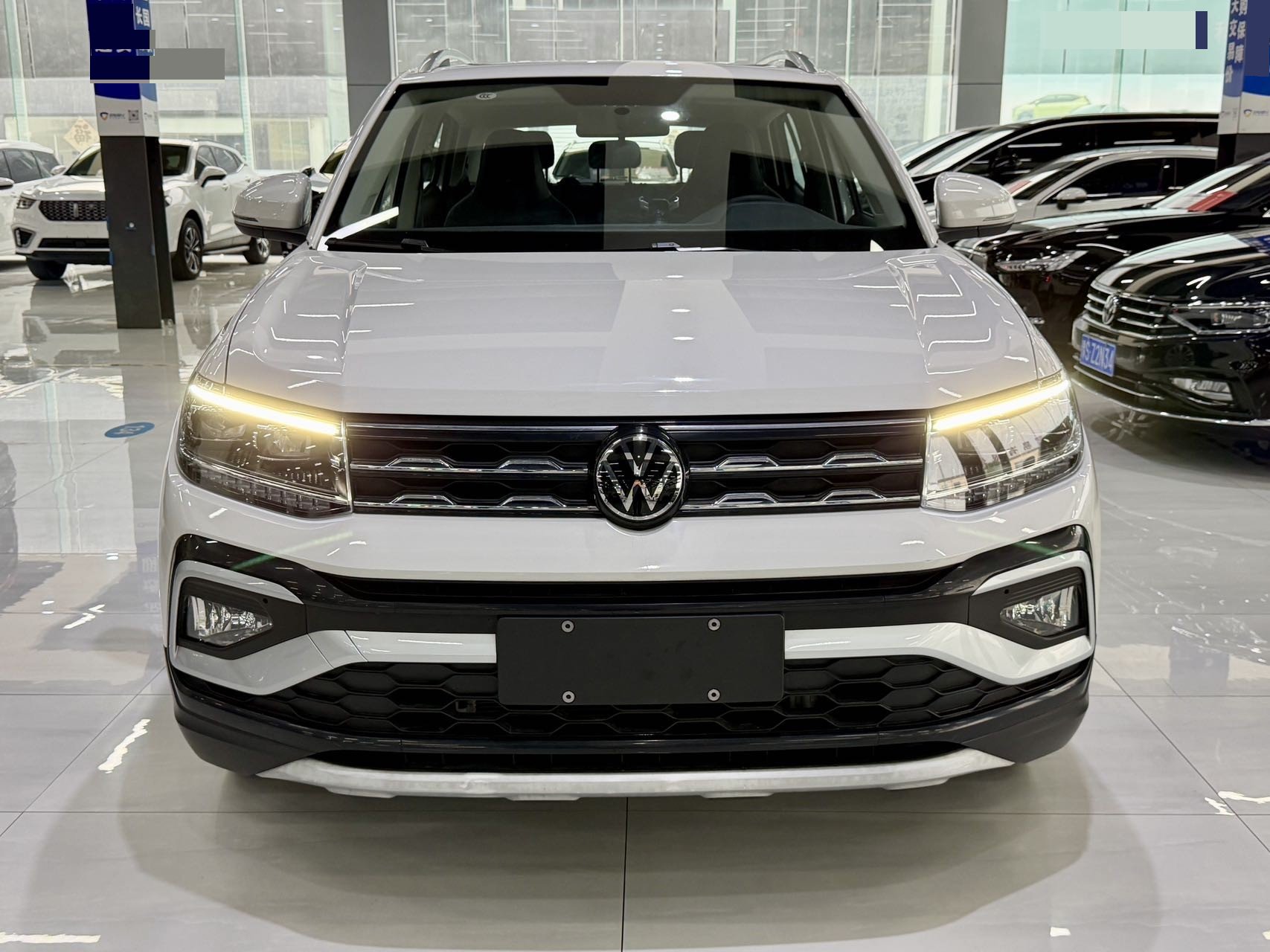
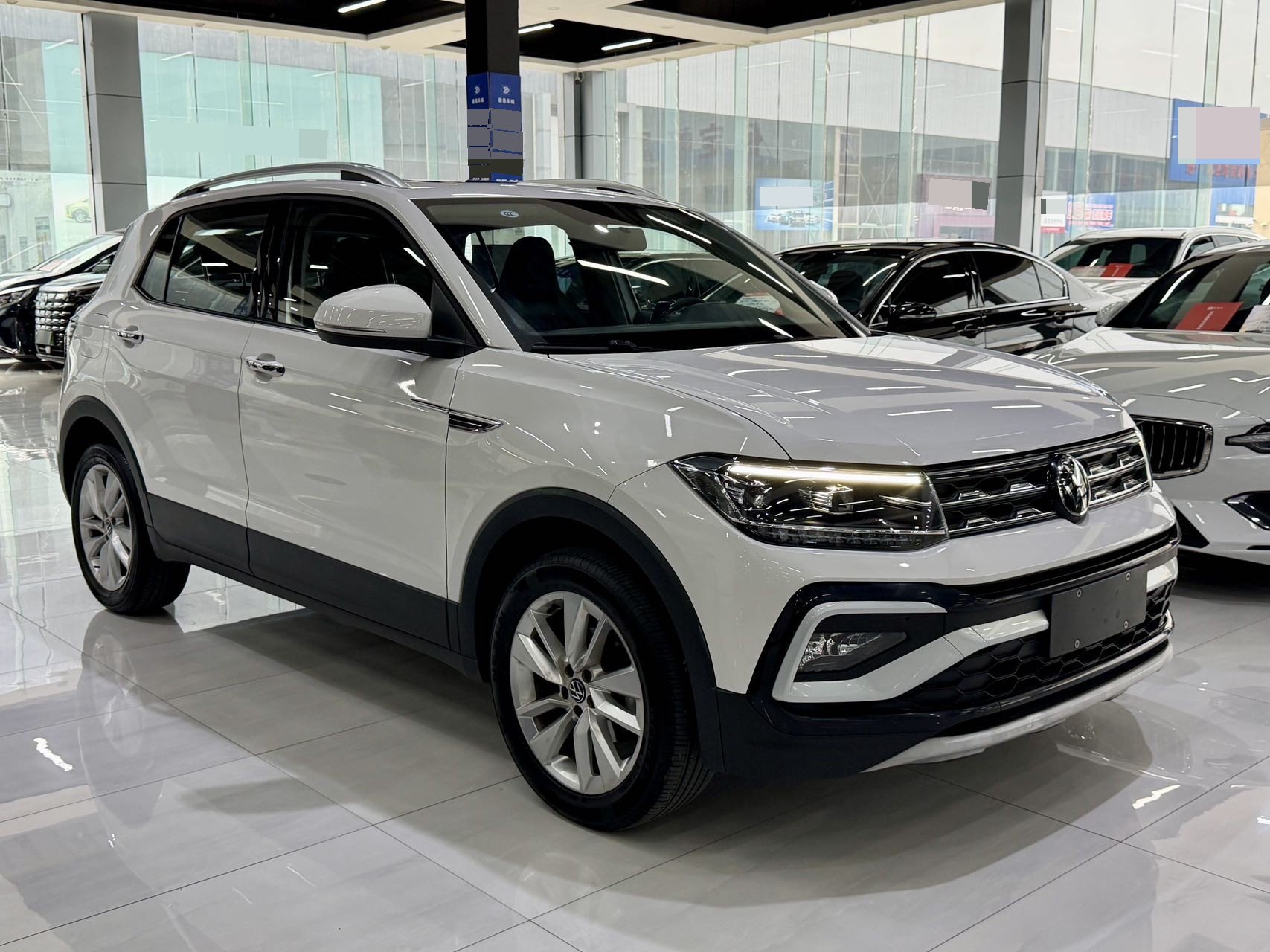
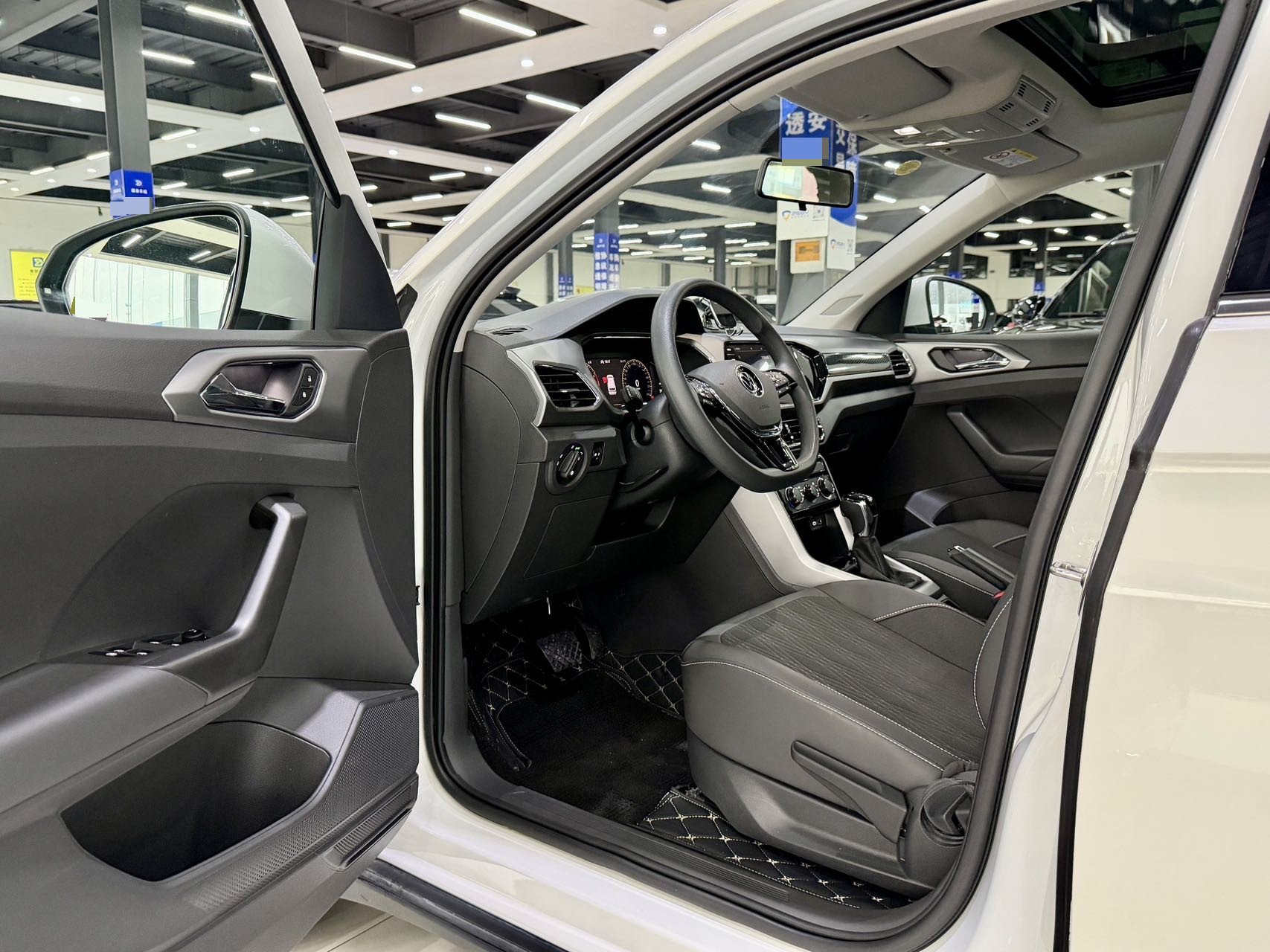
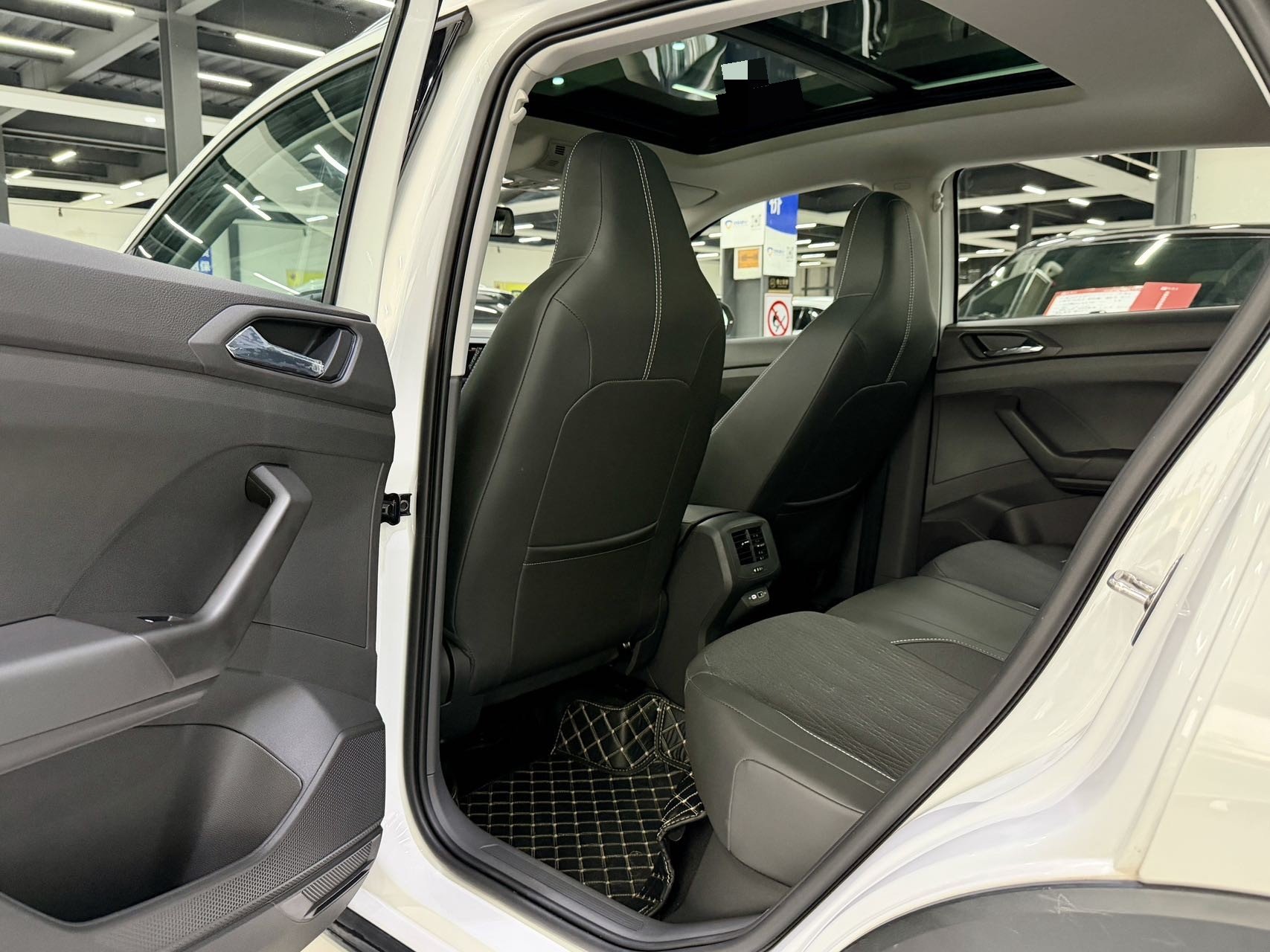
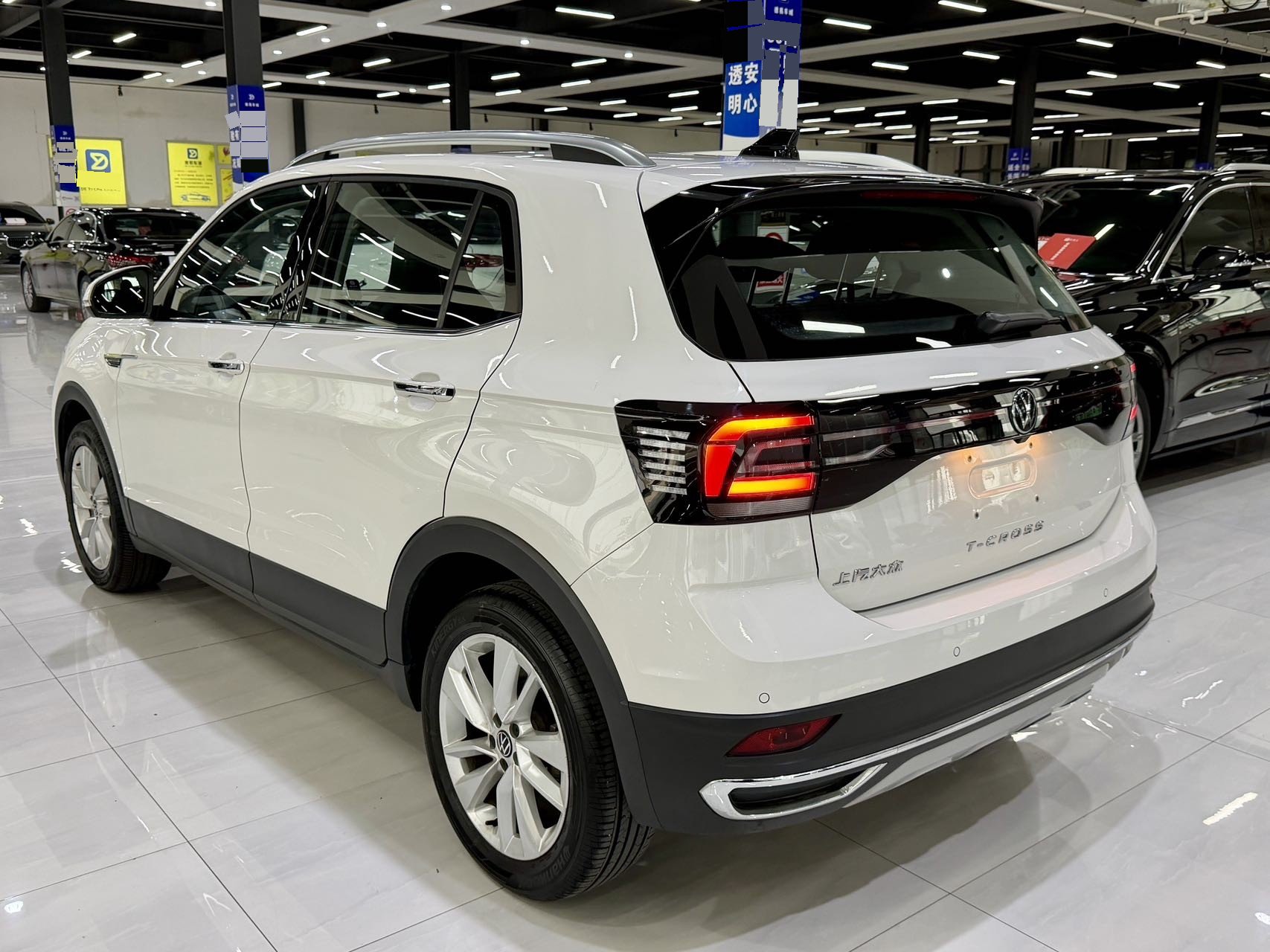
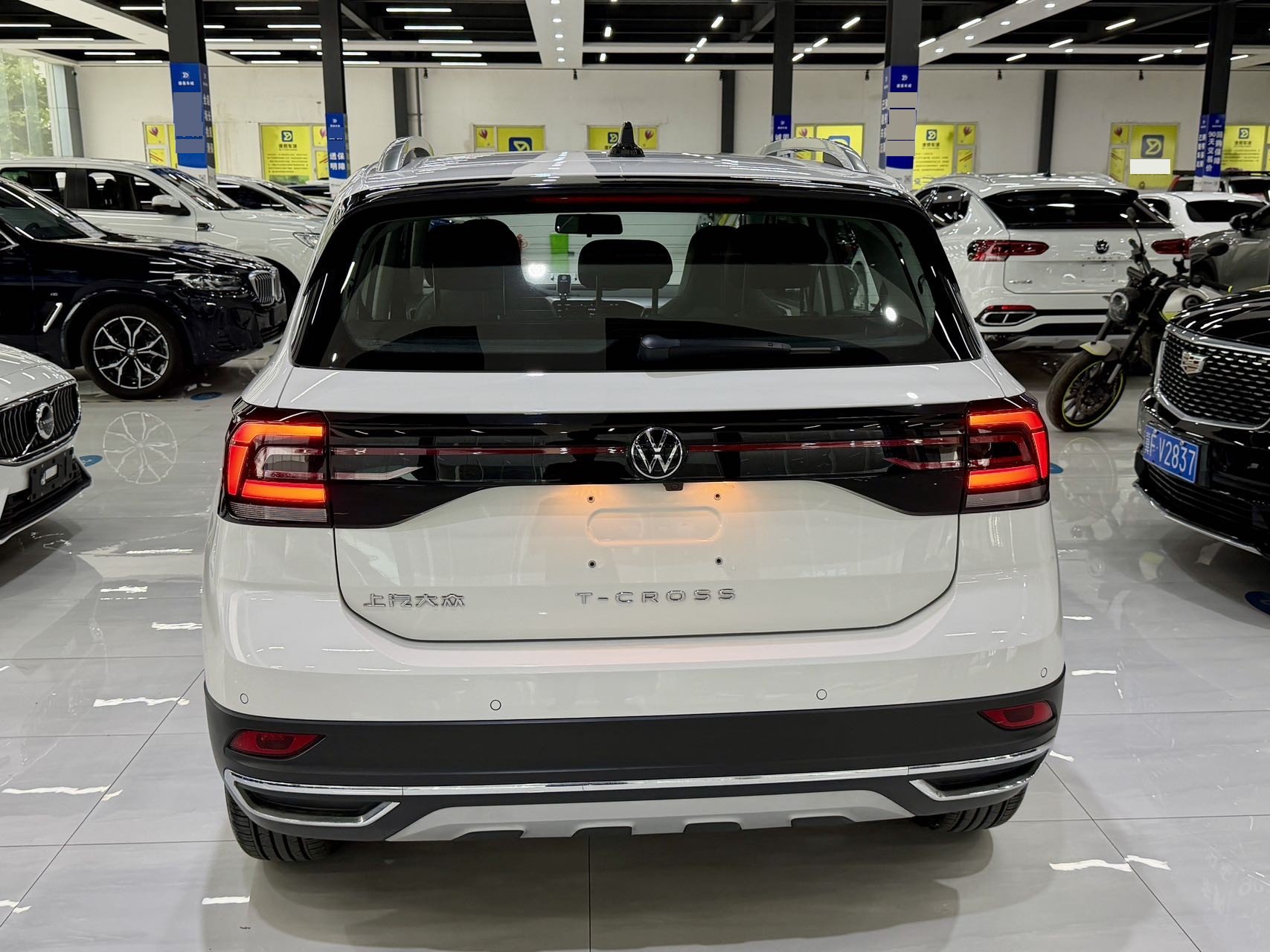
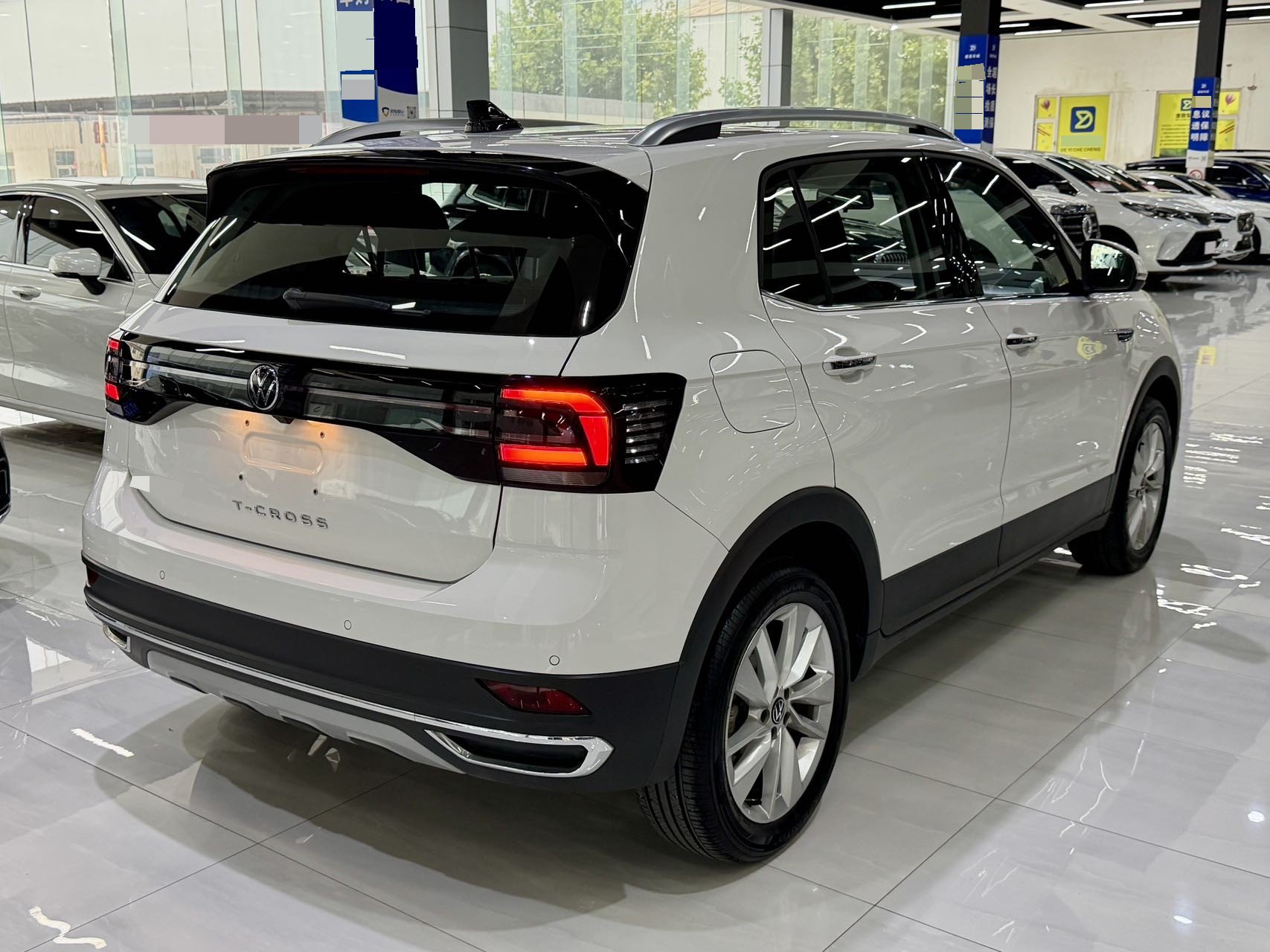



Basic Information

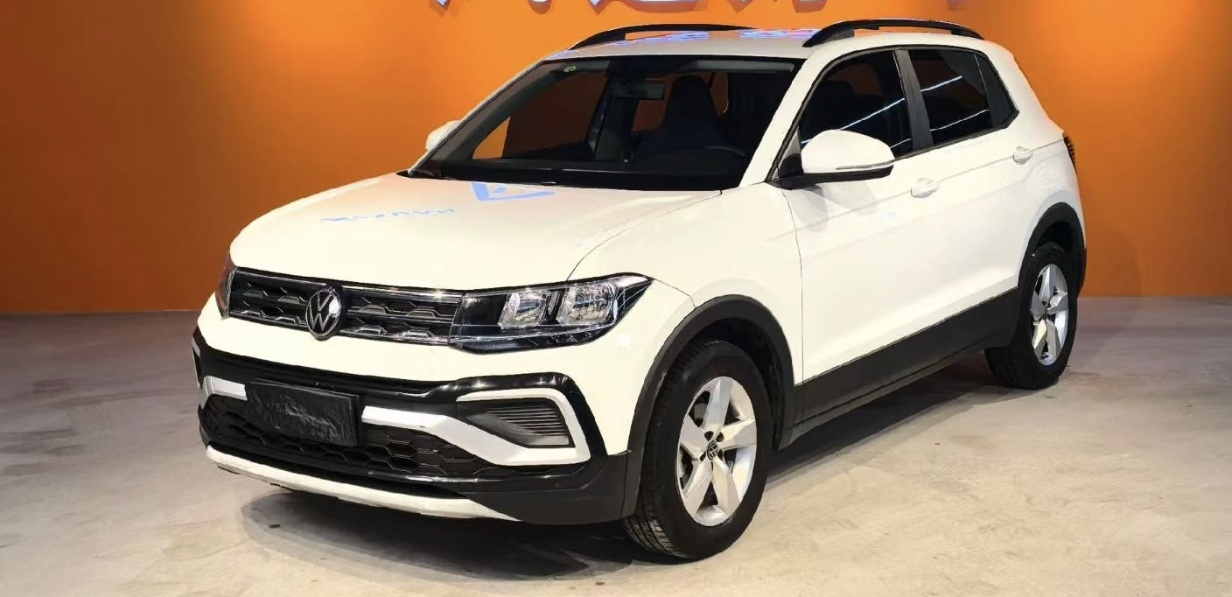
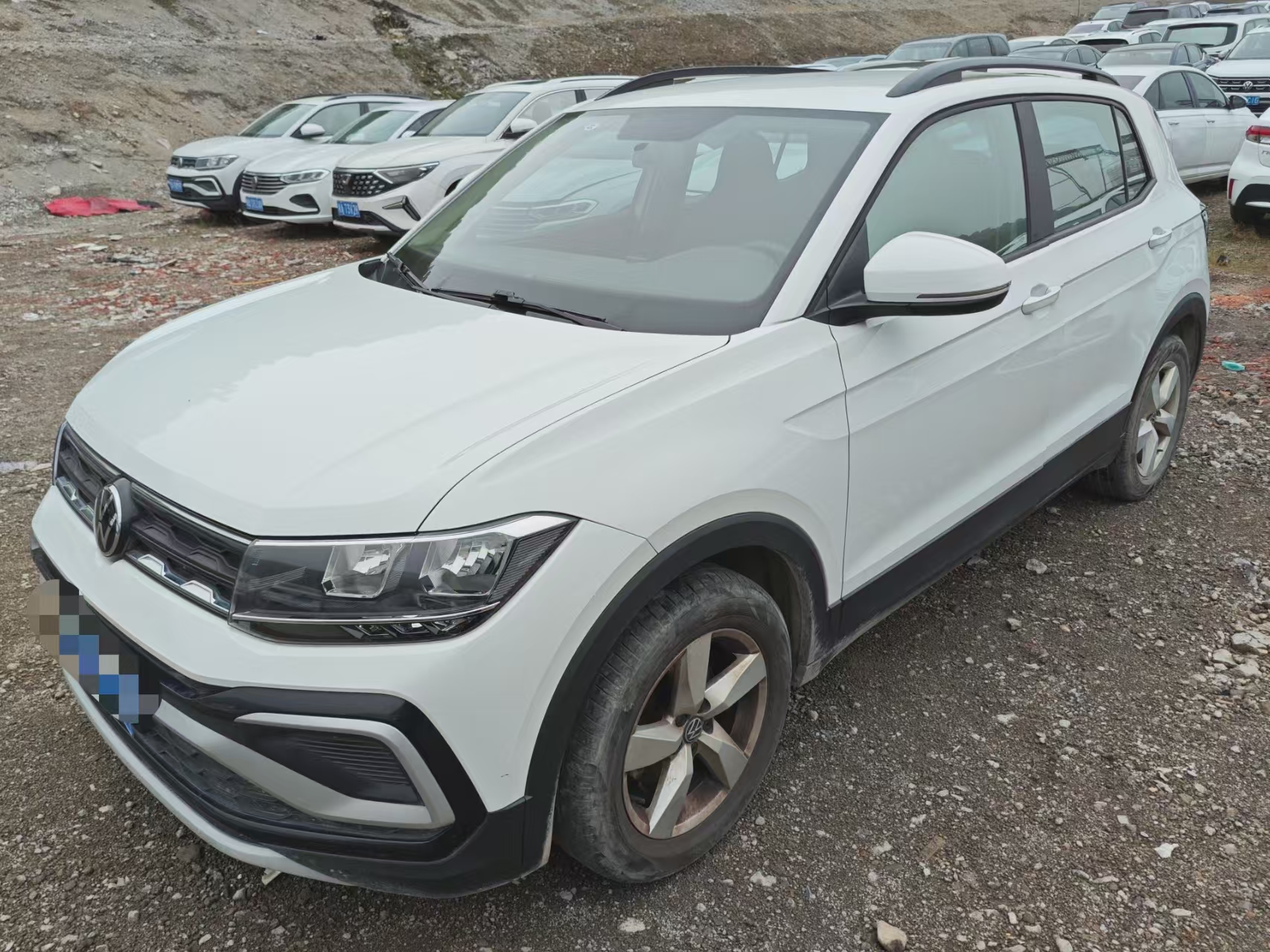
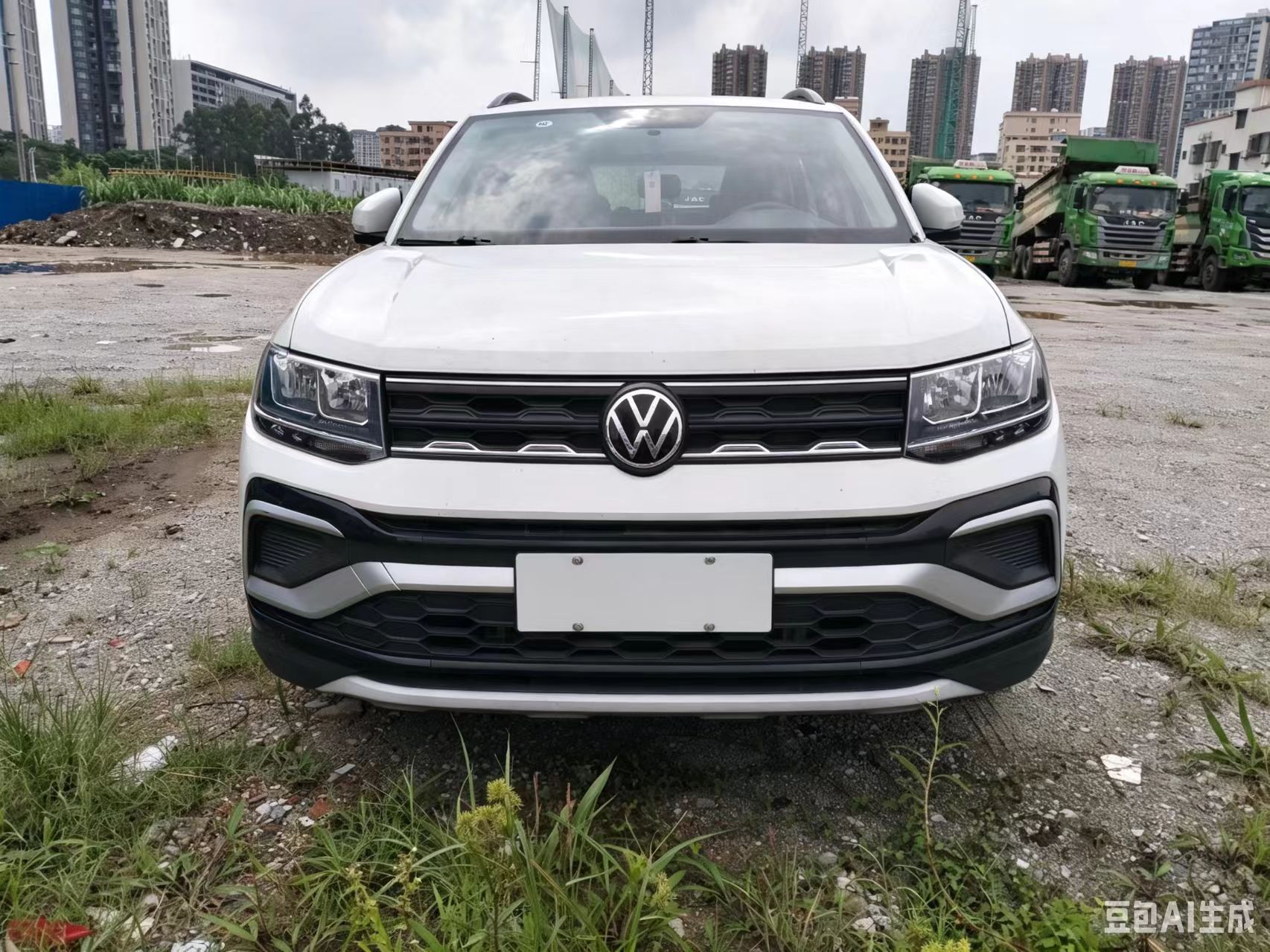
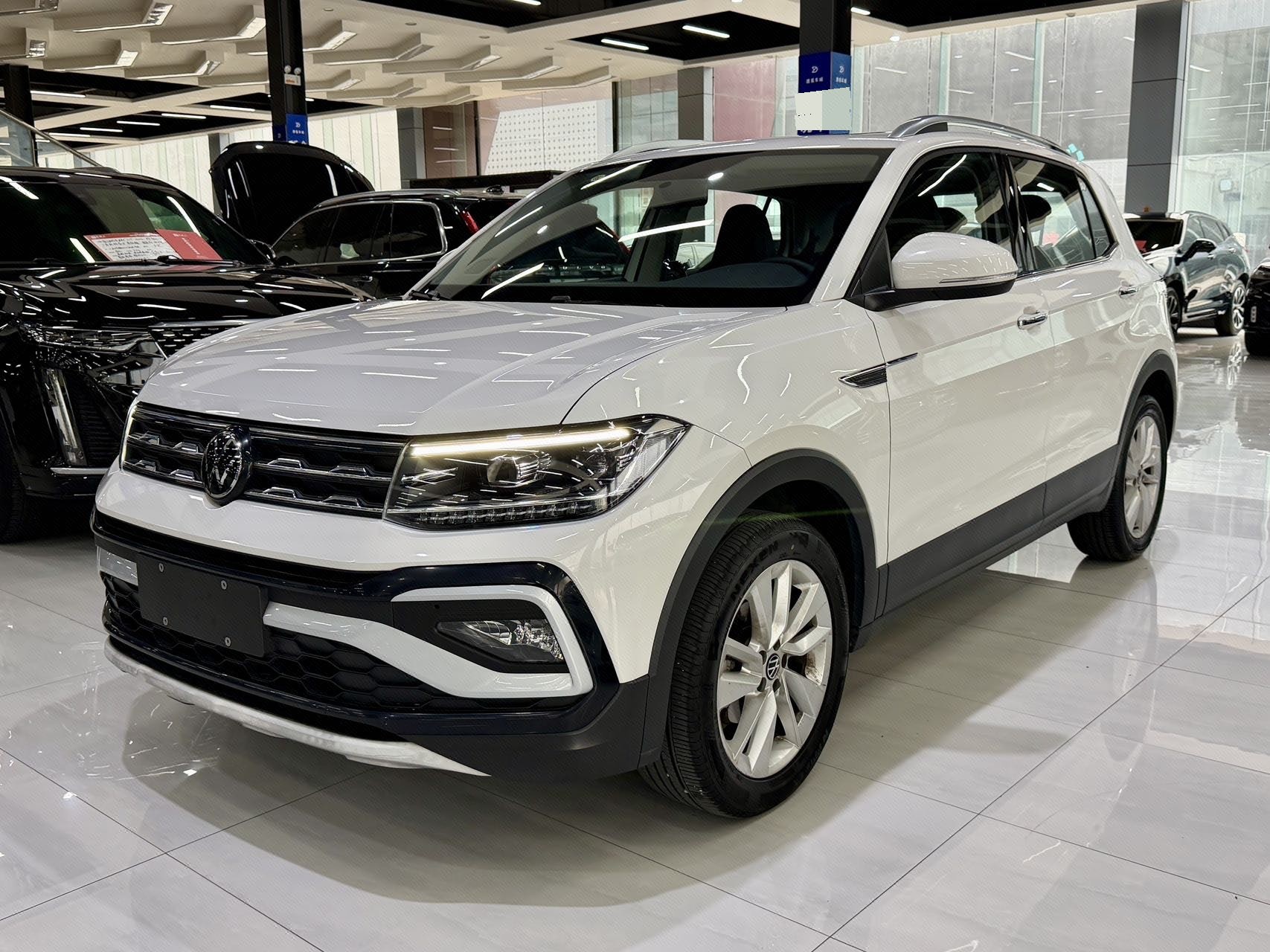
BrandVolkswagen
SeriesT-Cross
Year2022
First Registration2022/12
Mileage22,000km
Transfer Count0times
FuelGasoline
TransmissionManumatic
Engine1.5L 113 L4
ColorWhite
Seats-

Condition Description

Original paint, manufactured October 2022, 1.4T

Document Information

Inspection Expiry Date-
Warranty Expiry Date-
Insurance Expiry Date2026/12

Q&A

More

Will the FOB or CIF prices we have signed change due to sudden surges in international shipping costs caused by geopolitical issues or emergencies (like the Red Sea crisis)?

Our shipping quotes are typically valid for only 7 to 14 days. If a CIF contract is signed and there are significant fluctuations in shipping costs due to war surcharges or route changes imposed by the shipping company before the vehicle is actually loaded, we will transparently provide you with the official price increase notice from the shipping company. At that point, we reserve the right to renegotiate the freight difference or allow you to change the trade terms to FOB, letting you designate your own freight forwarder for booking.


How to confirm that the car windows are all original factory parts and not replaced due to an accident?

The technician will check the production date codes and brand logos in the lower left corner of all the car's glass (including the windshield, four doors, and rear window) to see if they match the vehicle's factory date on the nameplate. If any glass is found to have a date later than the vehicle's production date, it will be recorded as evidence of a "previous damage replacement."

Beyond the car price, what costs should I budget when importing a used car from China?

A realistic budget has several layers beyond the vehicle price. First, inland logistics in China: moving the car to the export port typically costs $300-$800. Second, export handling: inspection, customs declaration and paperwork usually add $500-$1,000. Third, ocean freight. A 20ft container to most destinations runs $1,200-$3,000 depending on route; RoRo shipping can be cheaper for driveable cars. Add marine insurance, usually 0.3%-0.5% of the car value. Fourth, destination charges: port handling, customs duties, VAT/GST and local registration fees. These vary widely; some countries charge duties of 20%-80% of the vehicle value plus an excise based on engine capacity. Finally, any compliance work: inspection certificates, modifications to meet local standards, or homologation. Ask your exporter for a full CIF quote and have a local customs broker confirm destination taxes before you commit.