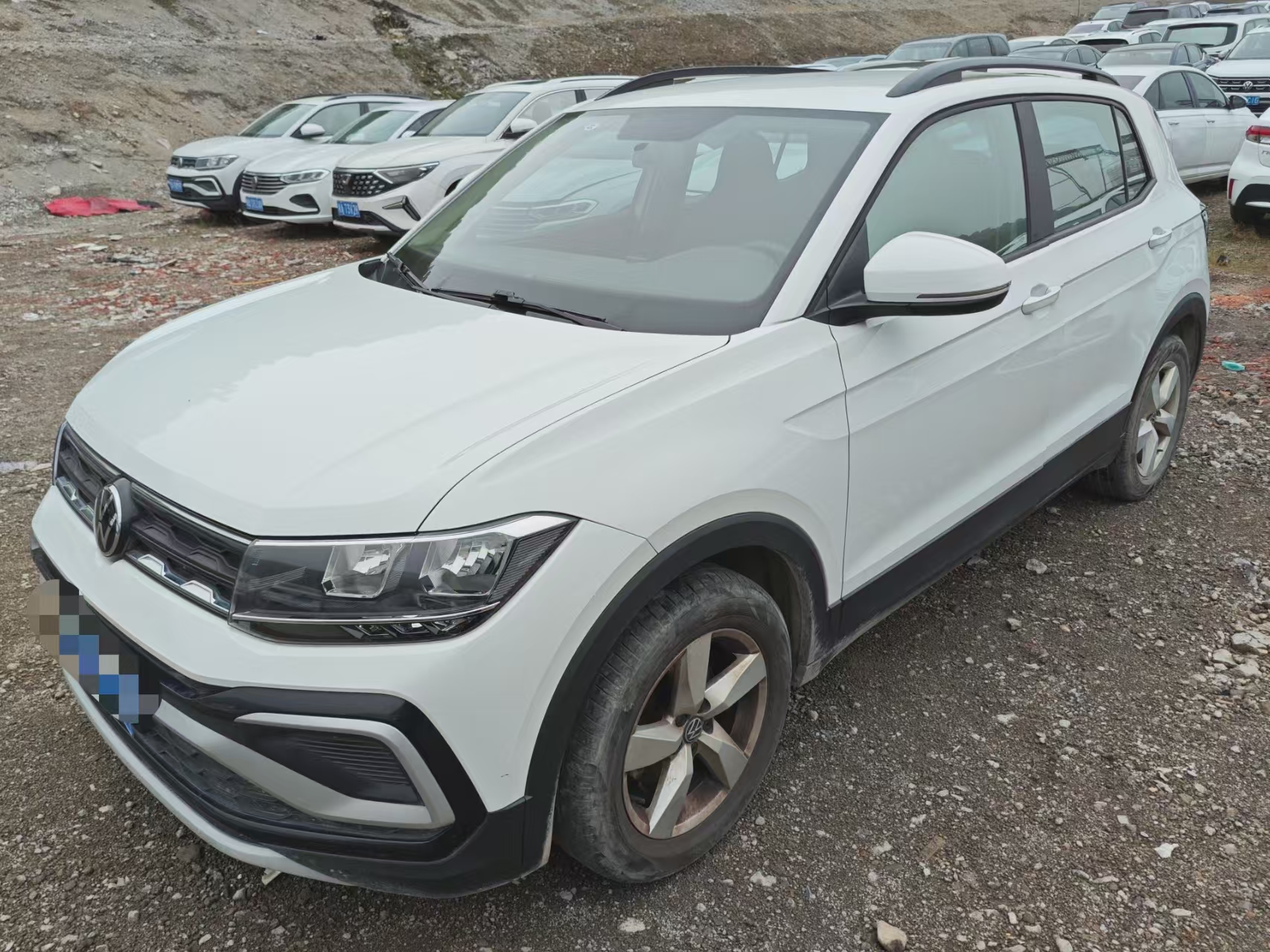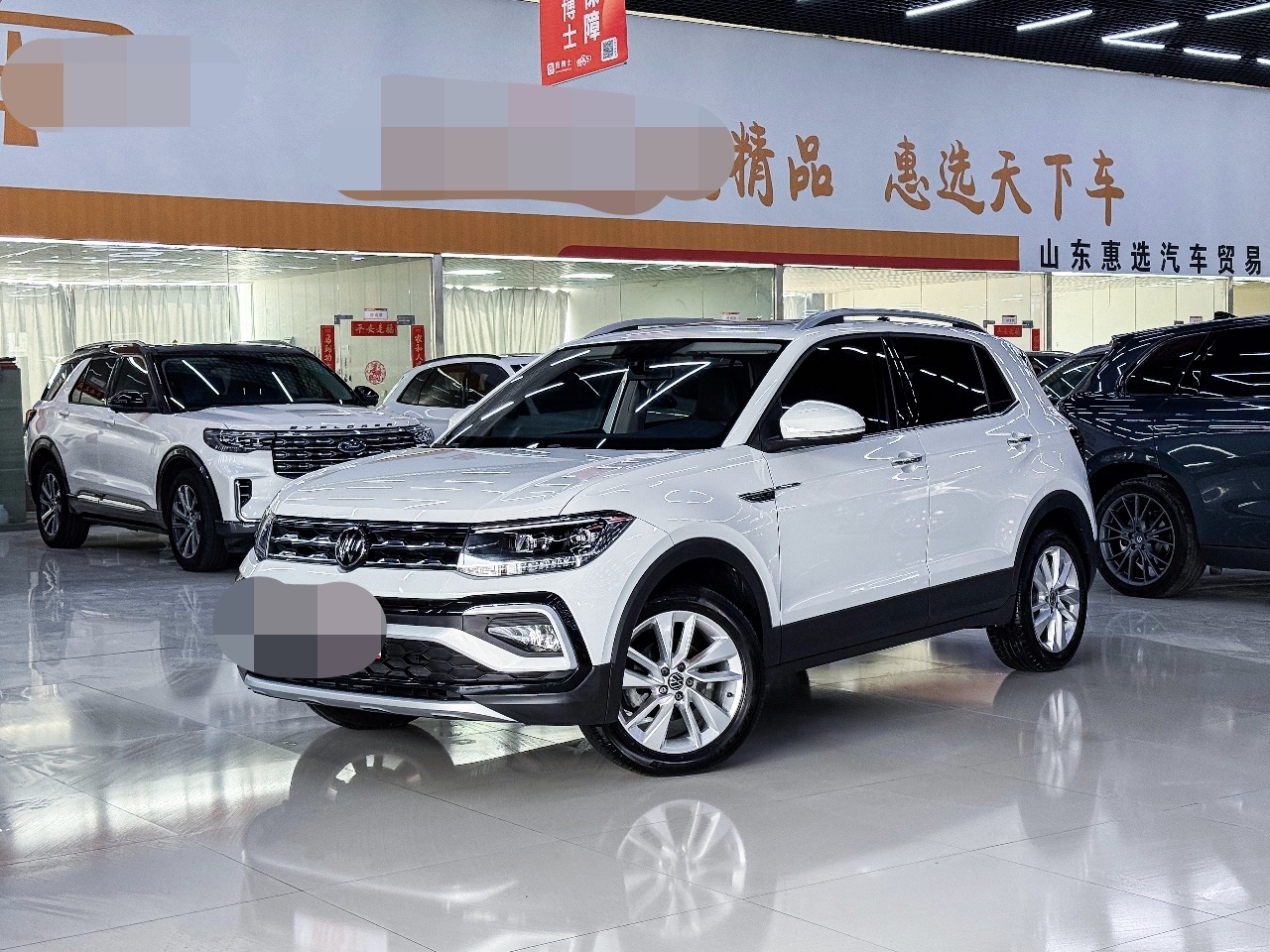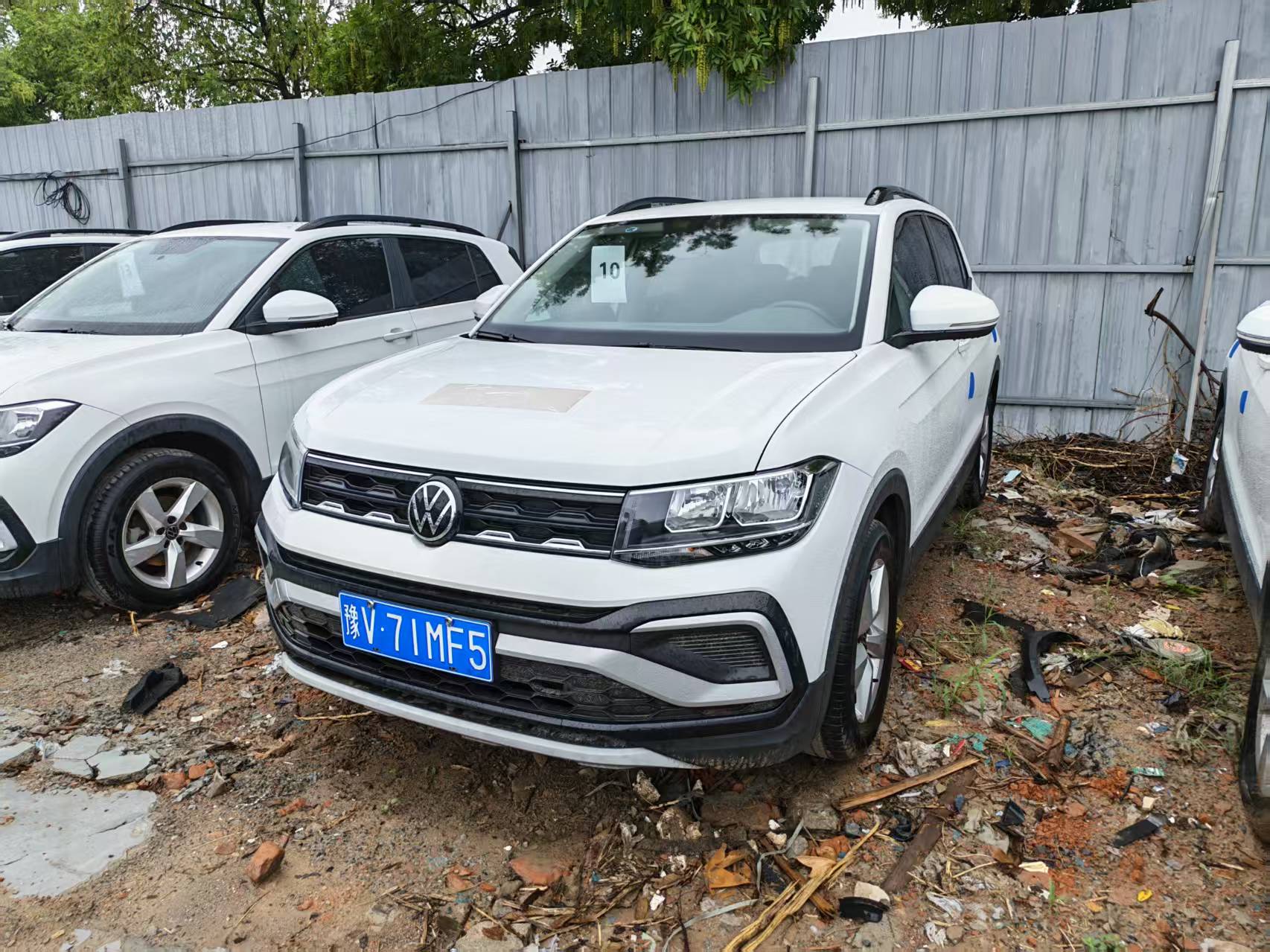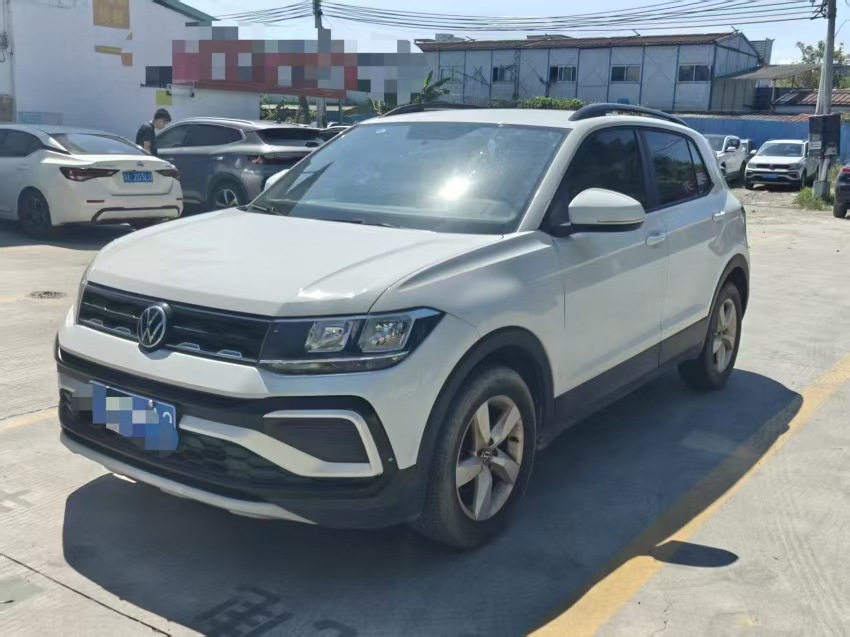
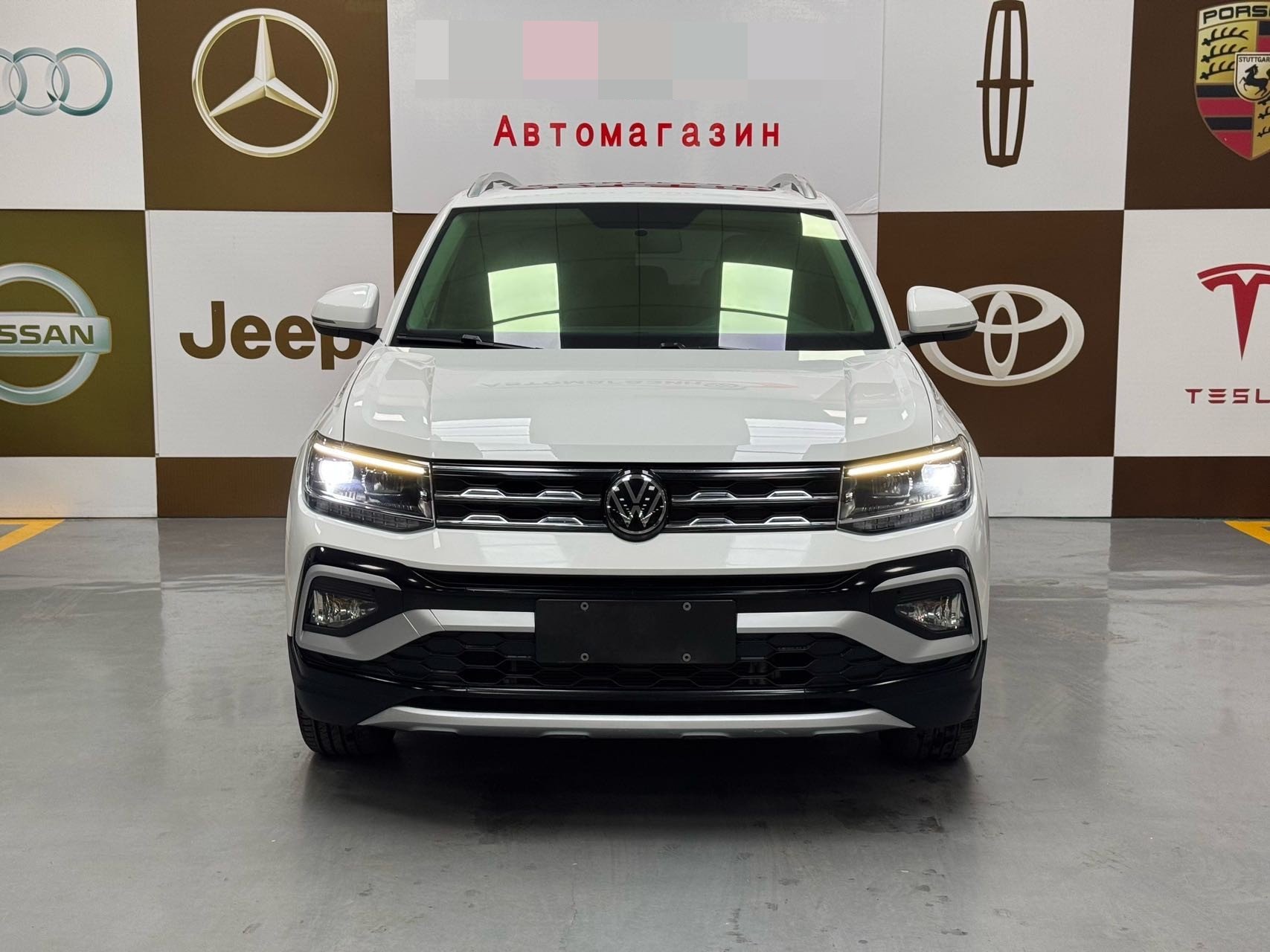


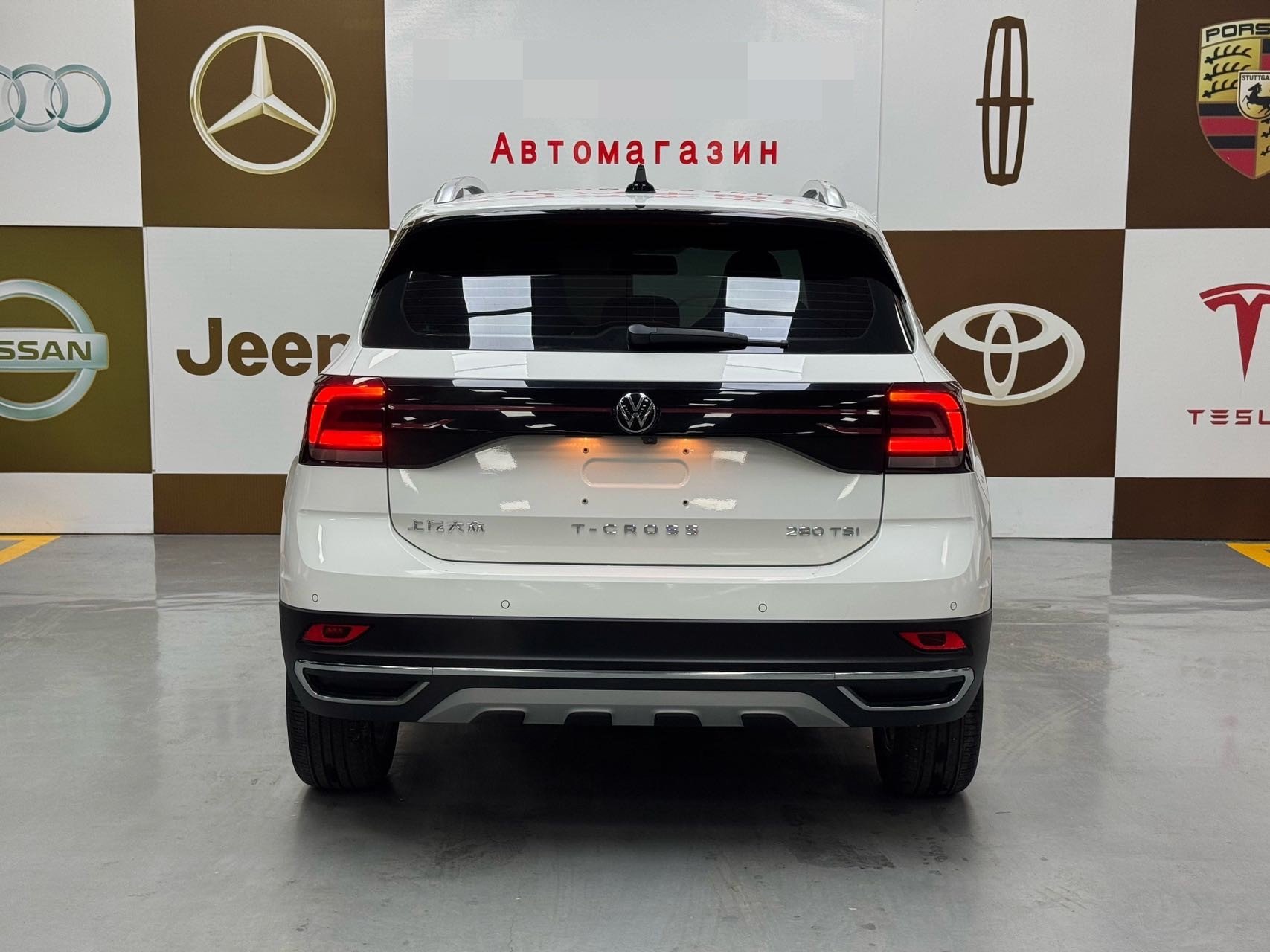
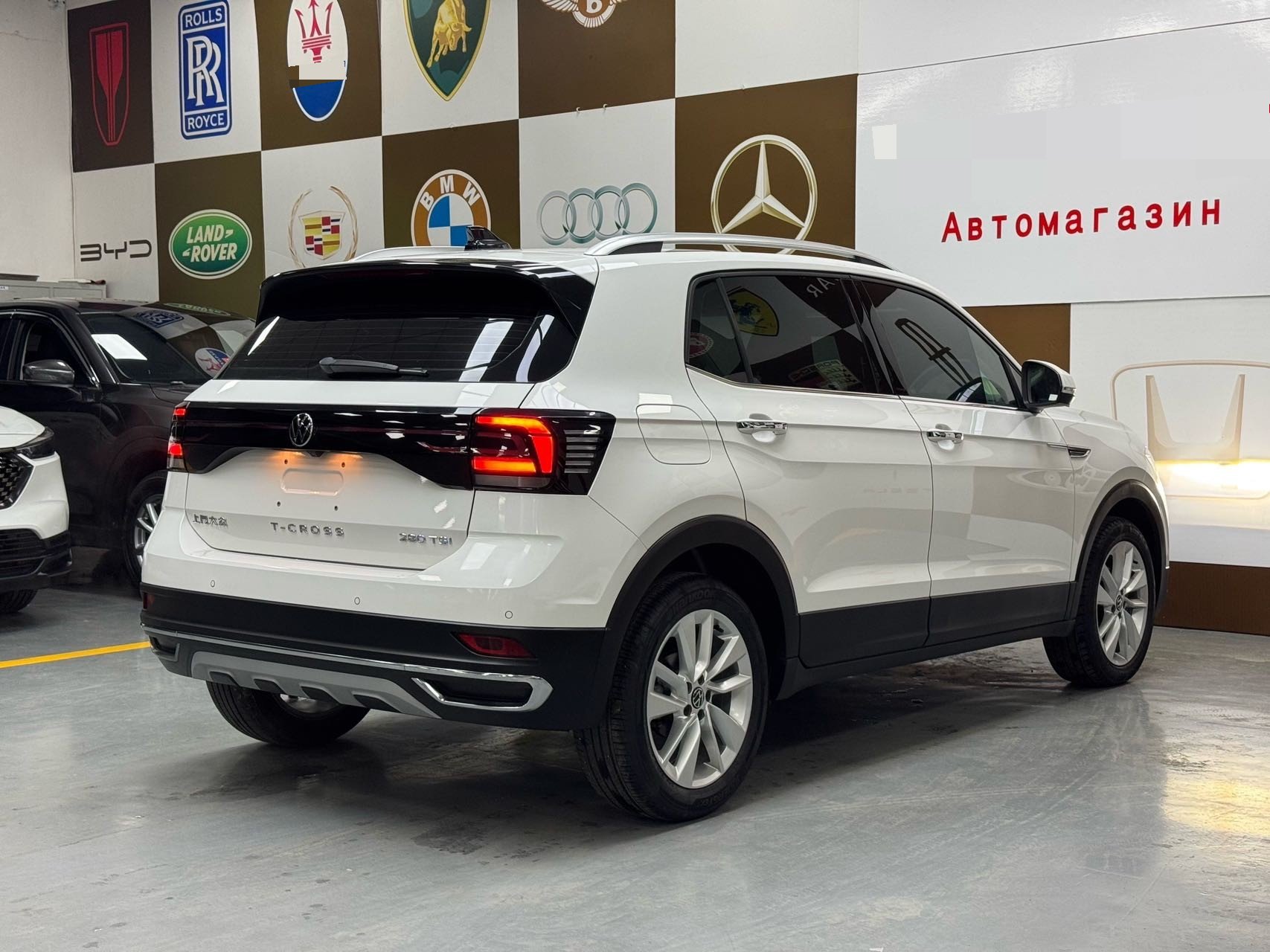
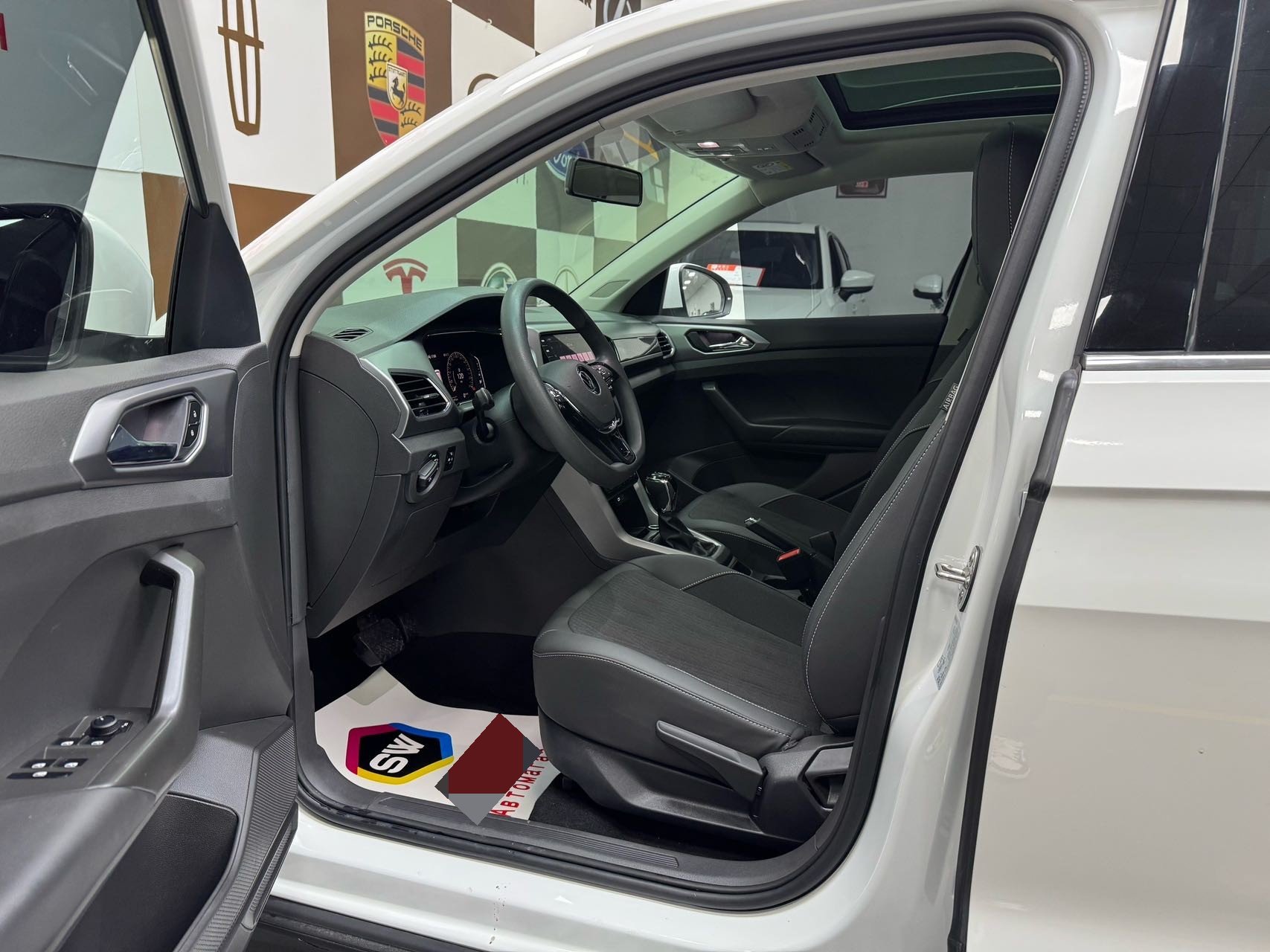
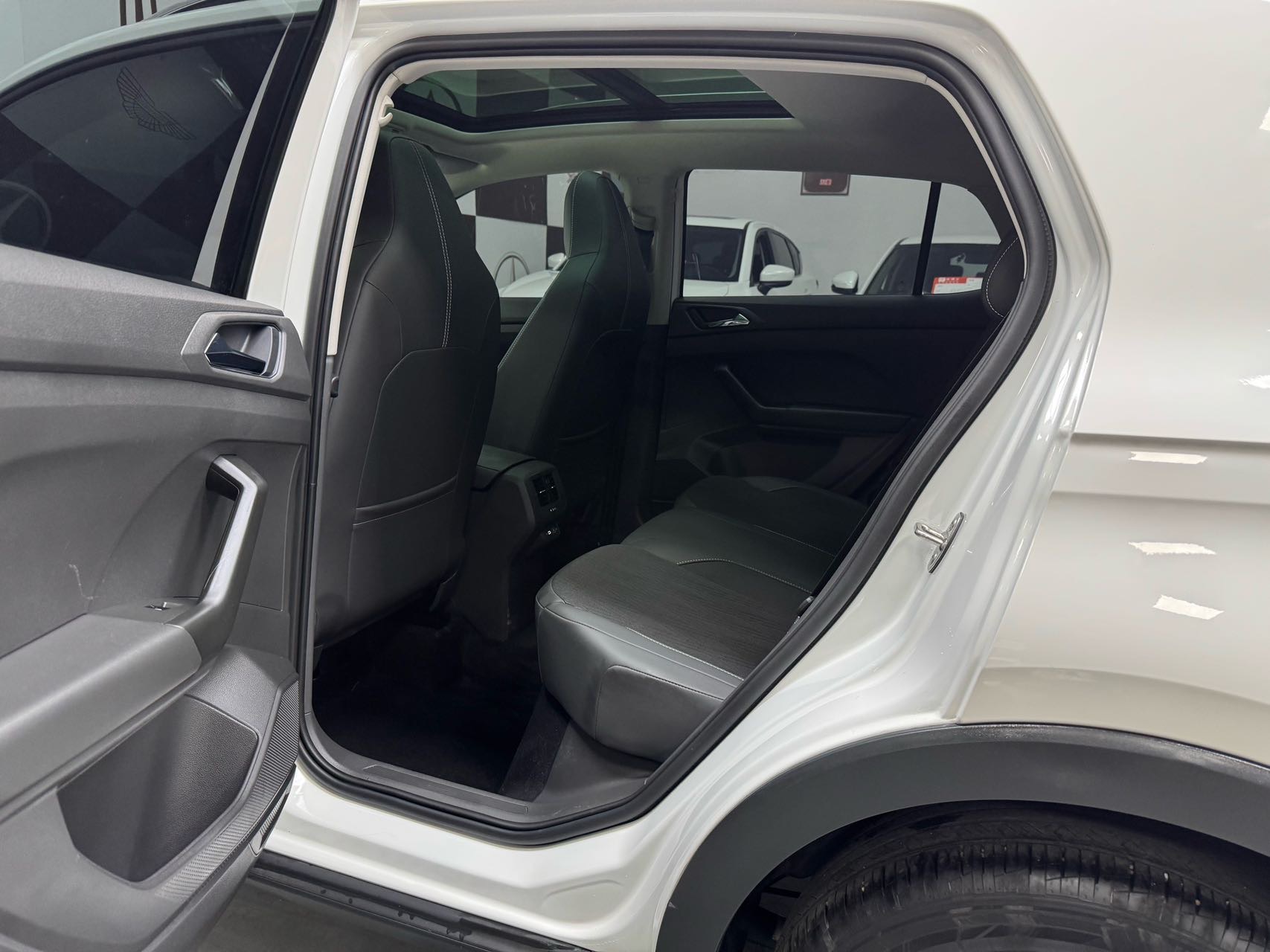
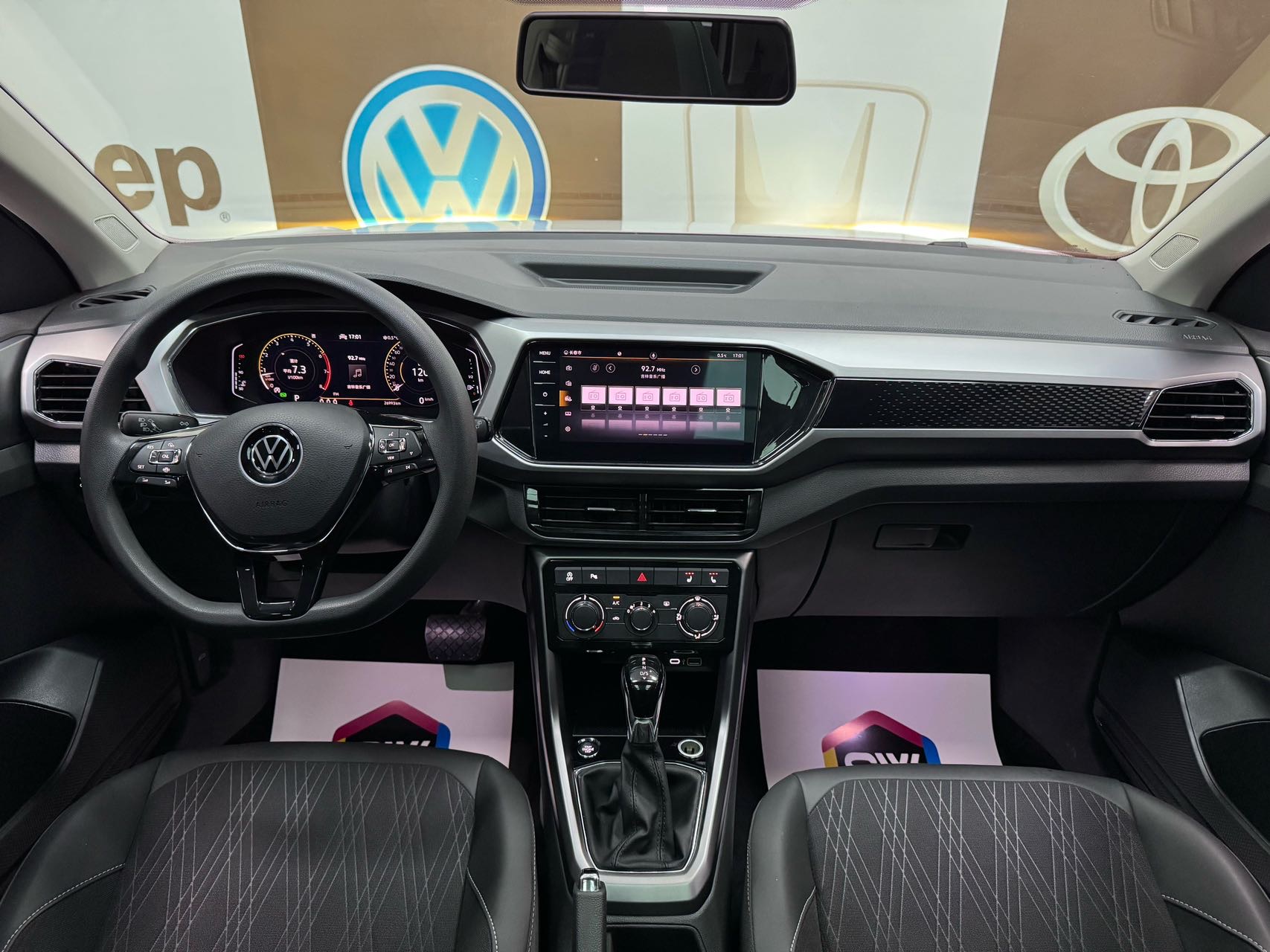
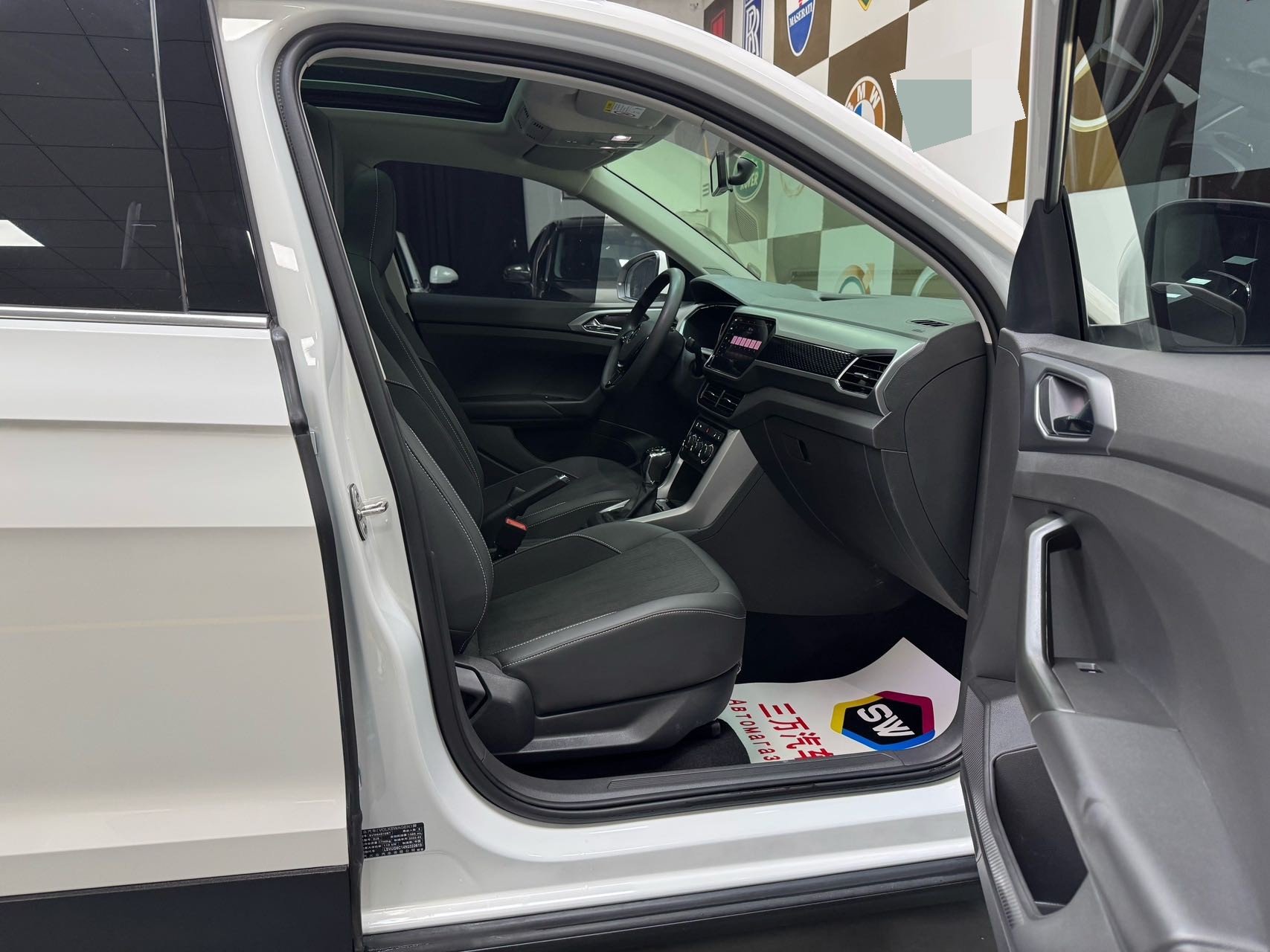
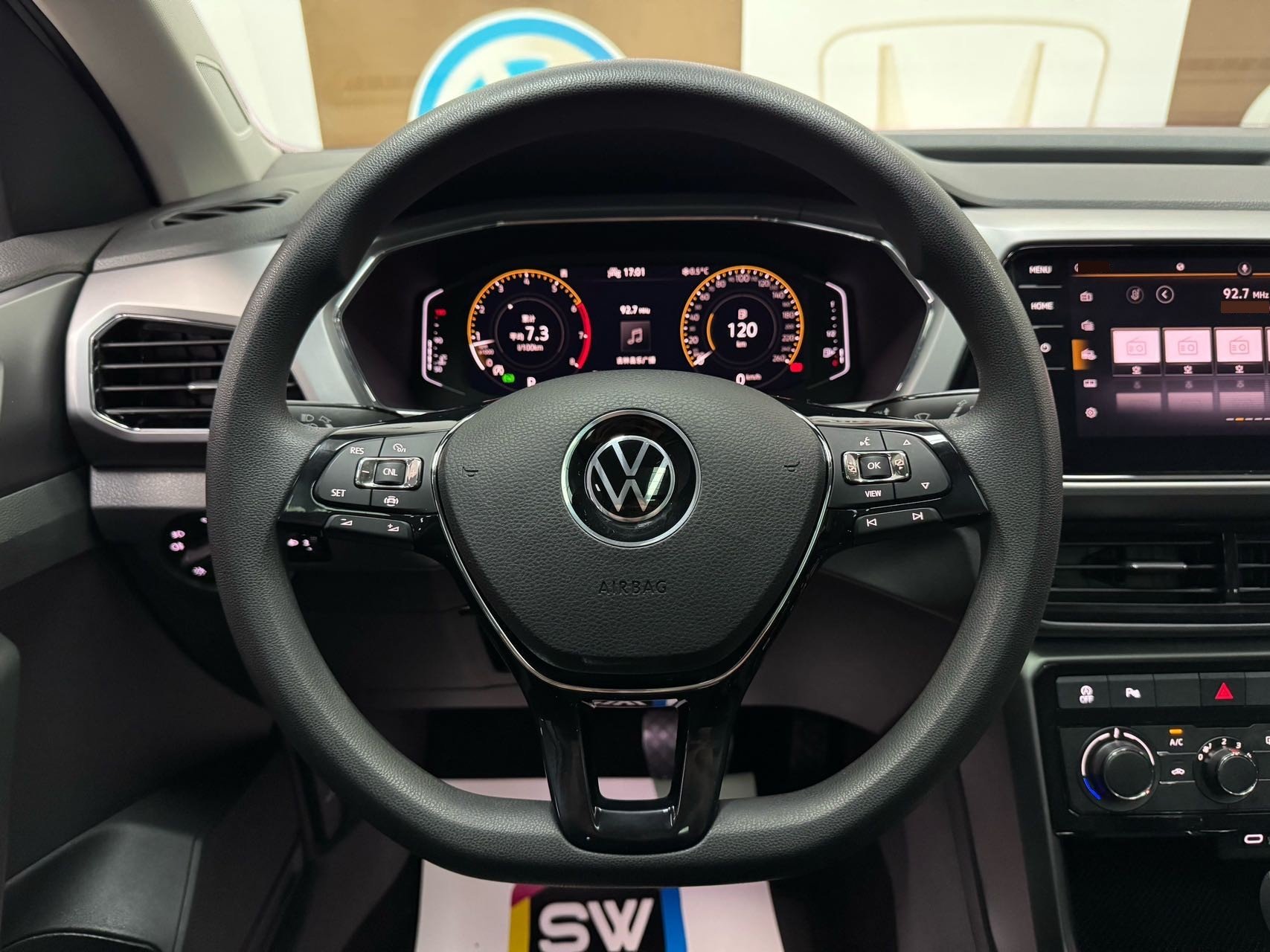



Basic Information

BrandVolkswagen
SeriesT-Cross
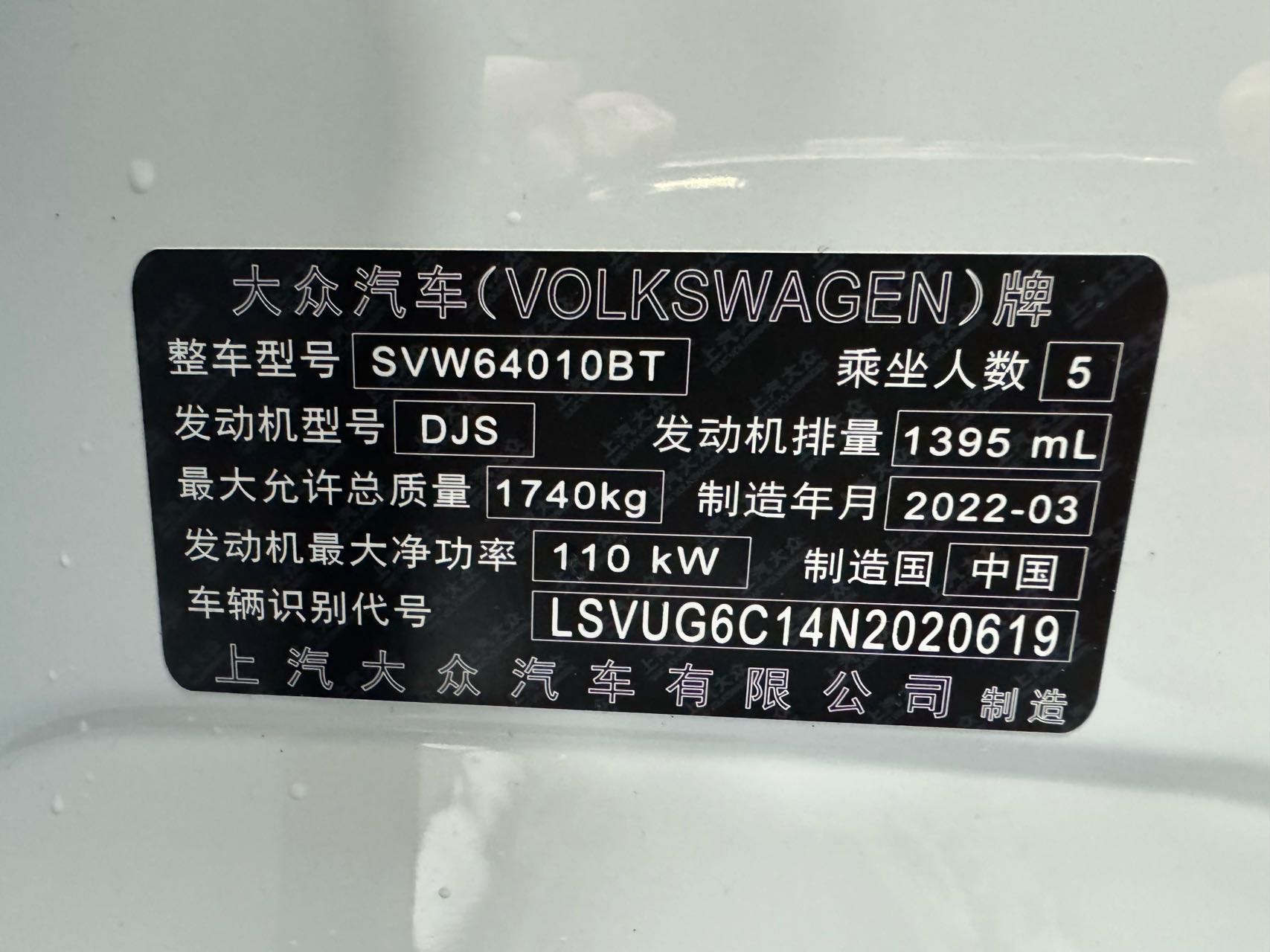
Year2022
First Registration2022/12
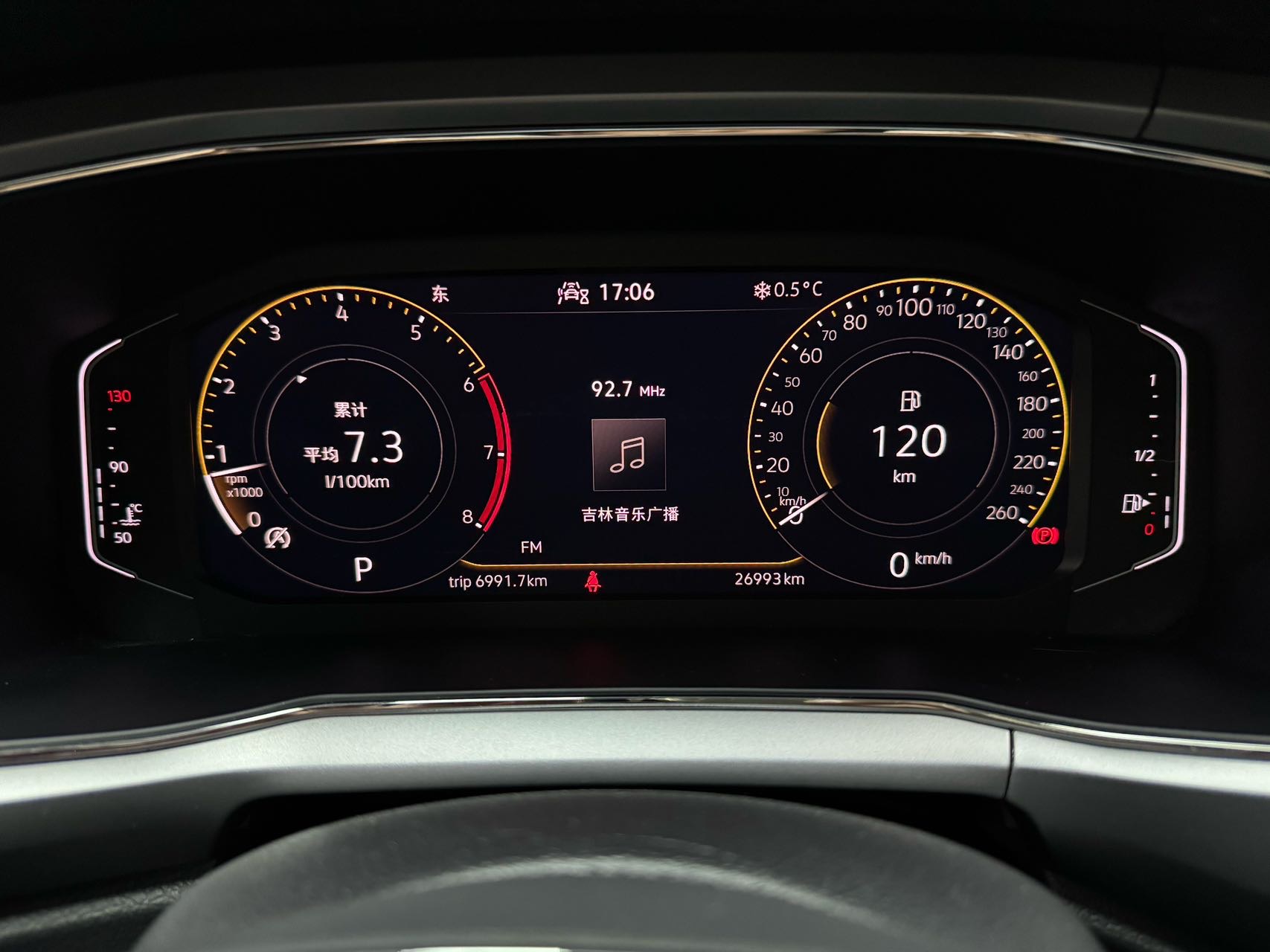
Mileage27,000km
Transfer Count0times
FuelGasoline
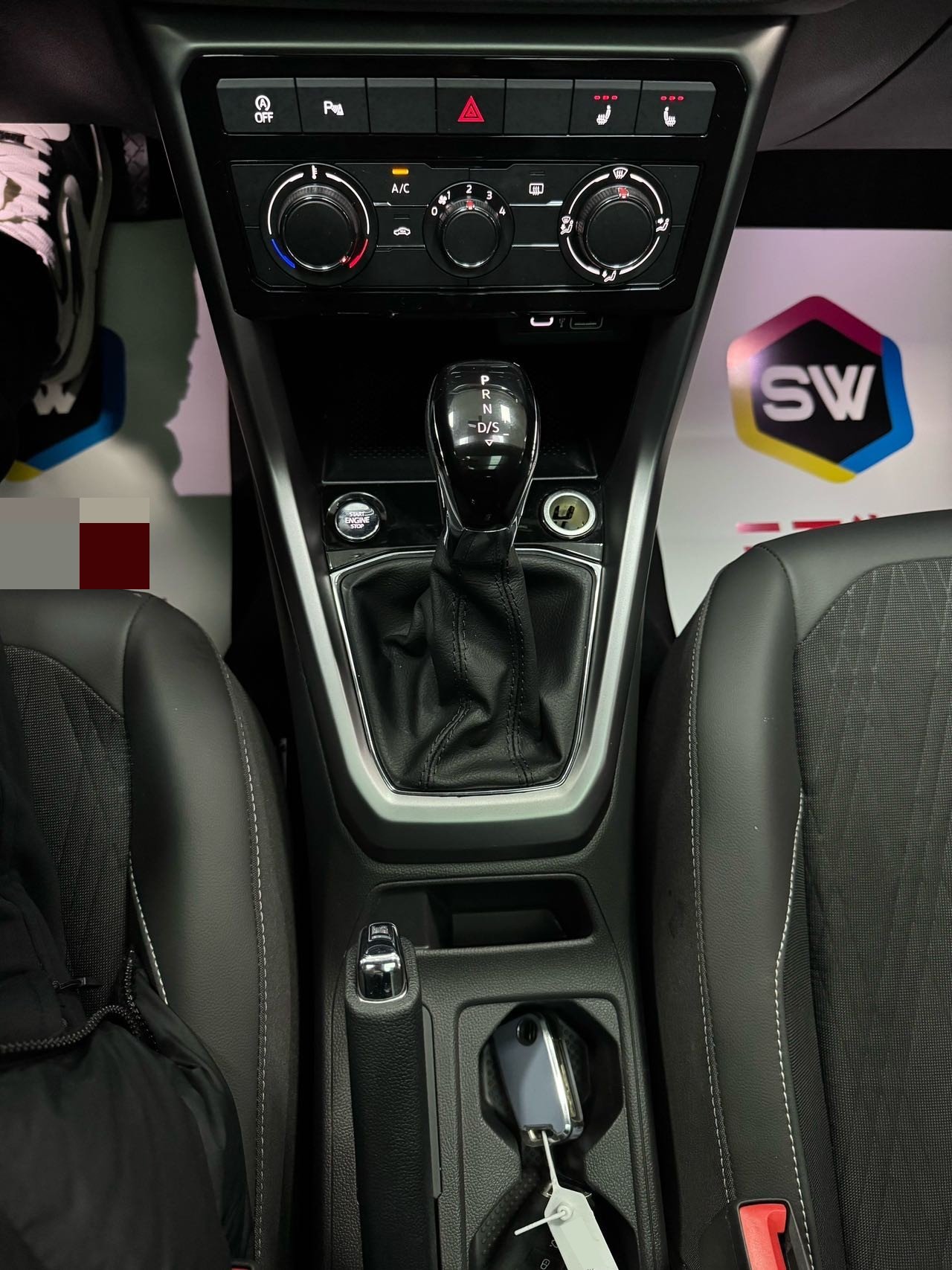
TransmissionManumatic
Engine1.5L 113 L4
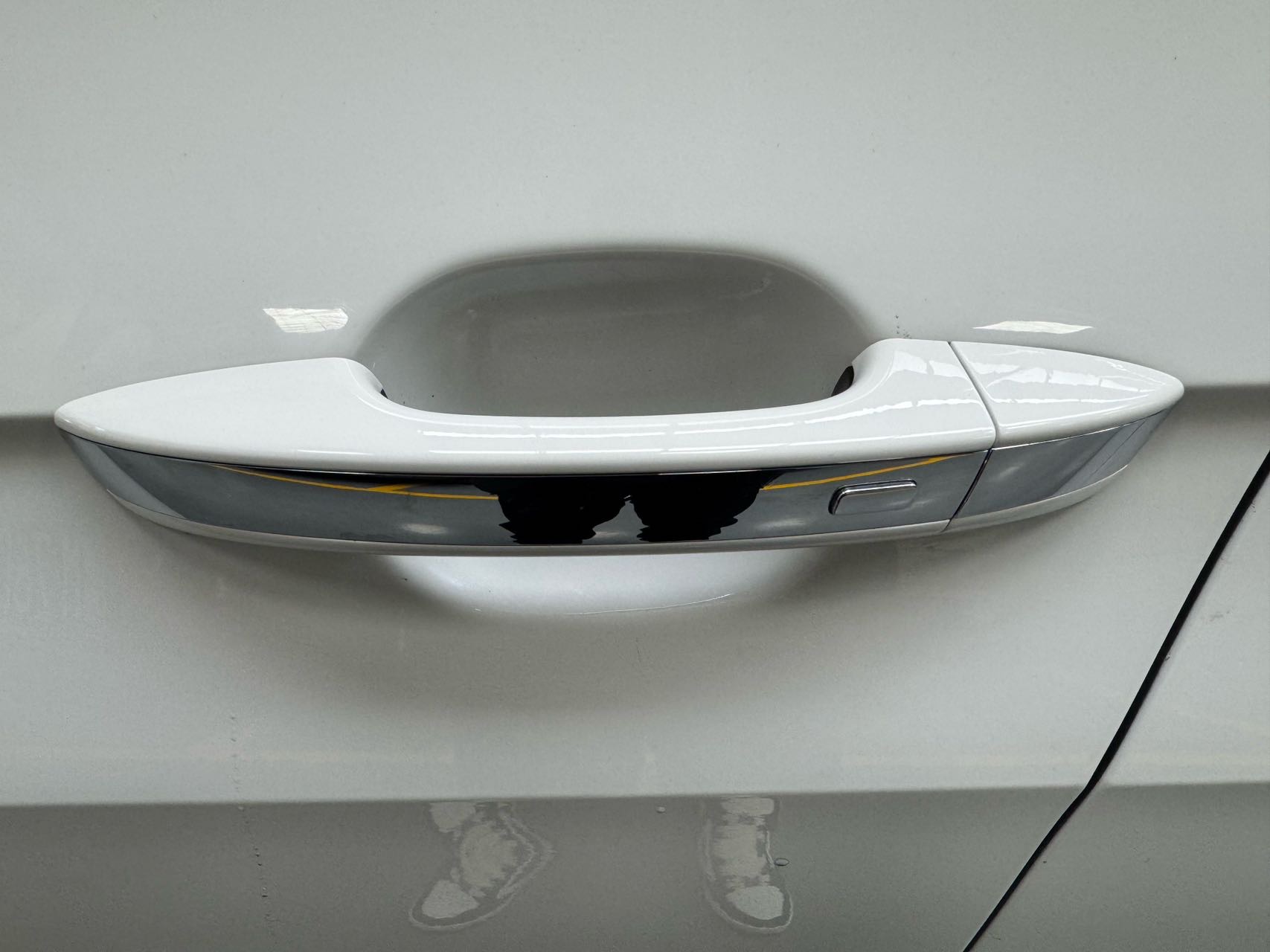
ColorWhite
Seats-

Condition Description

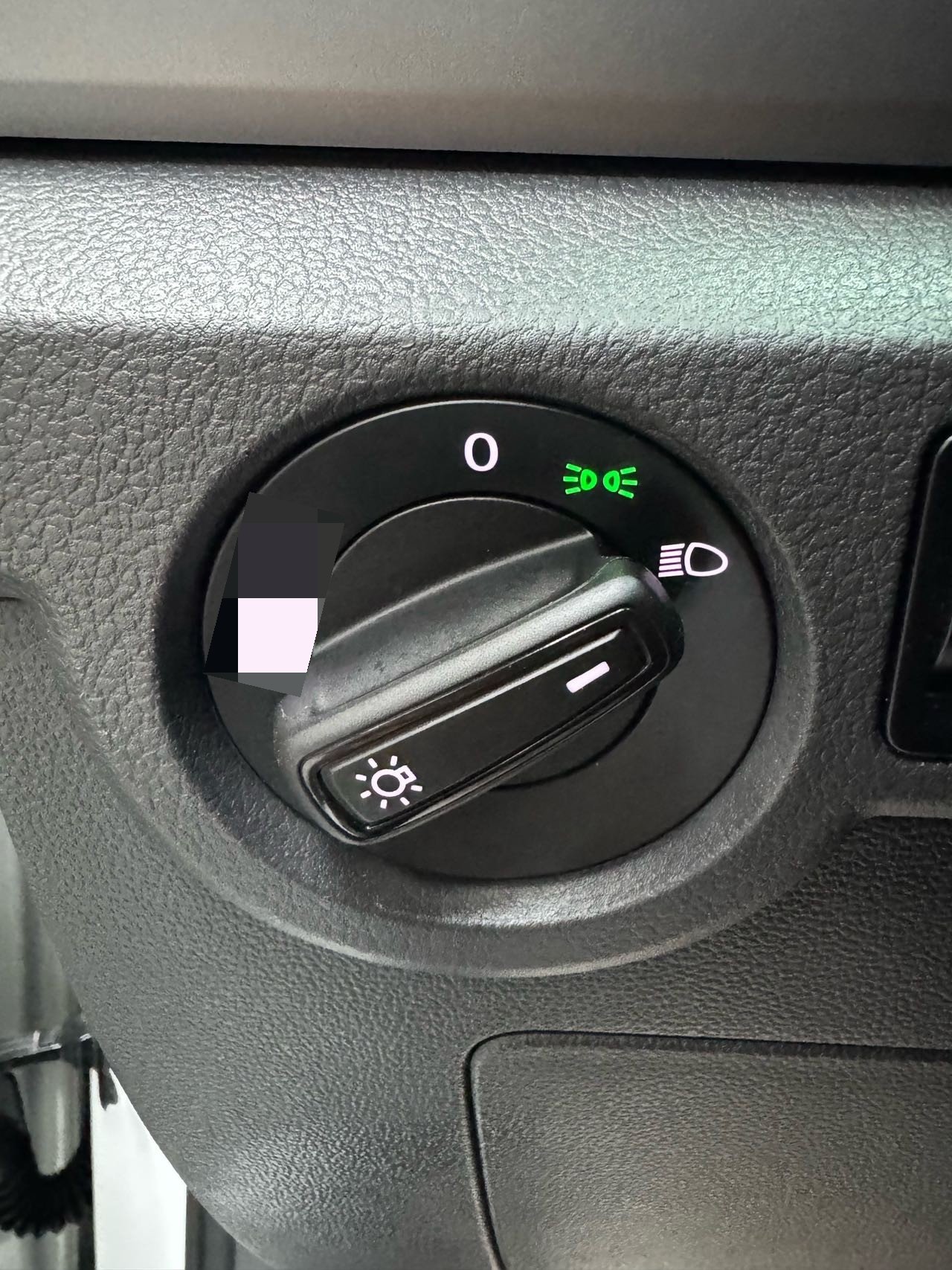
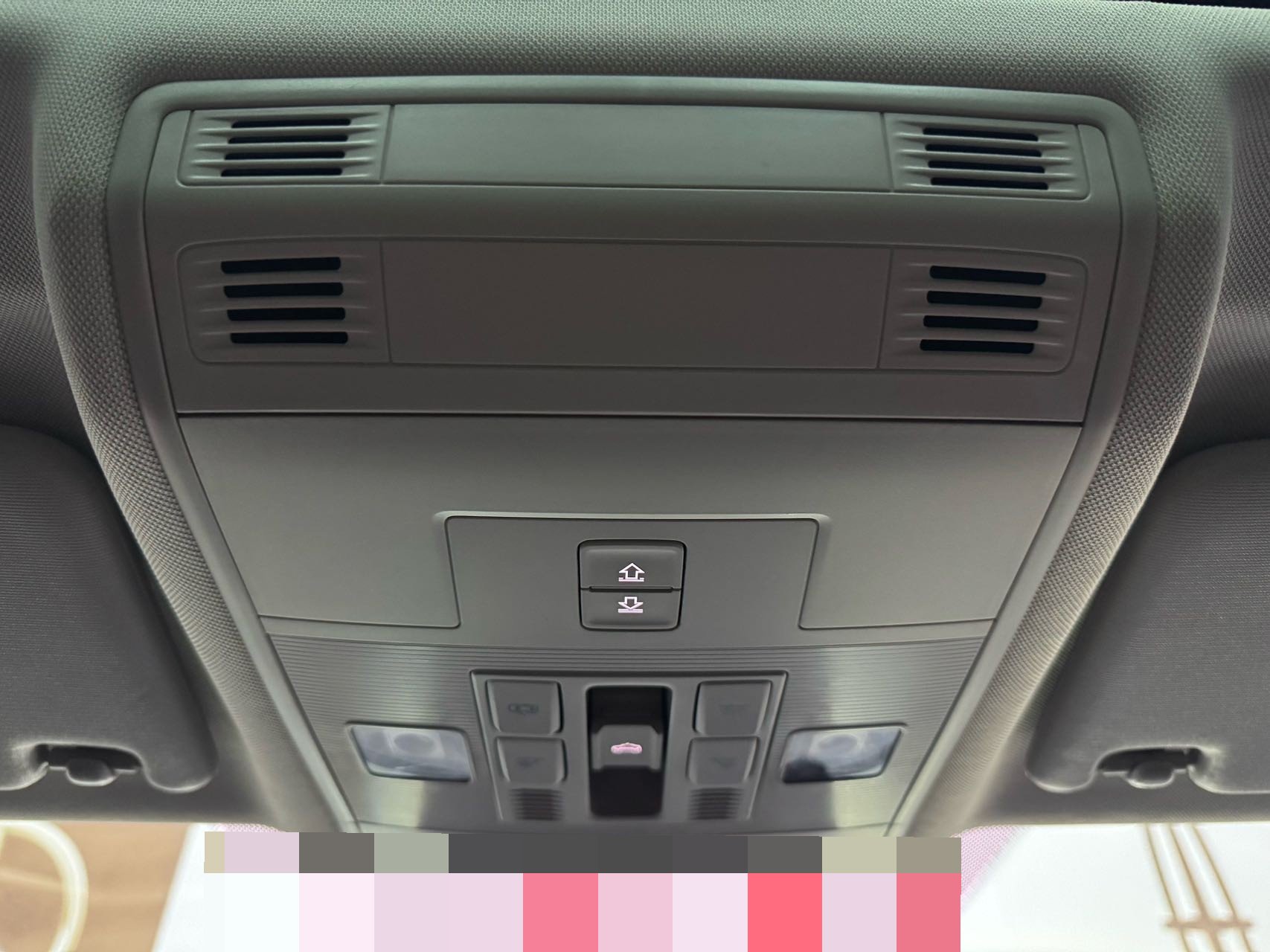
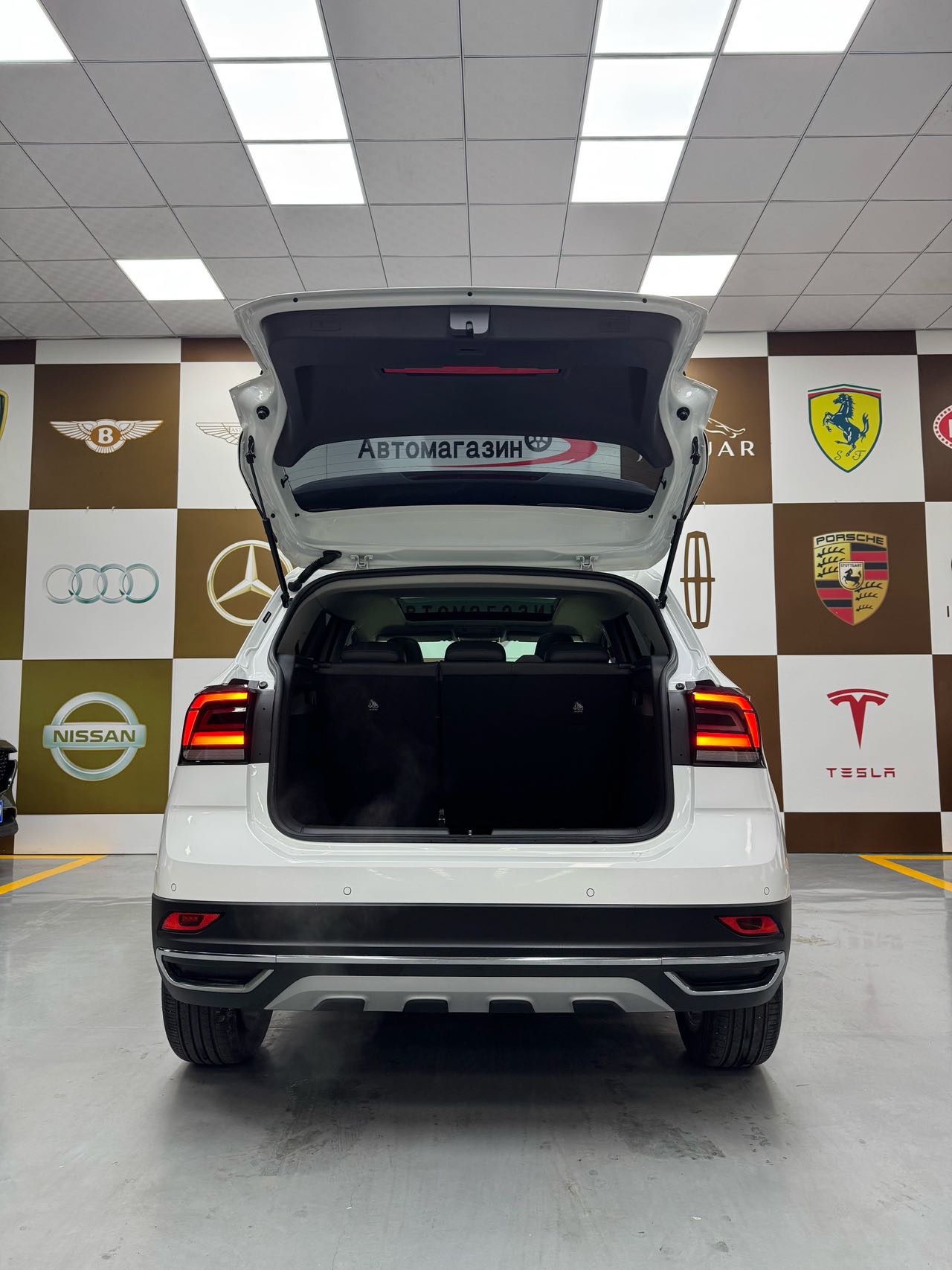
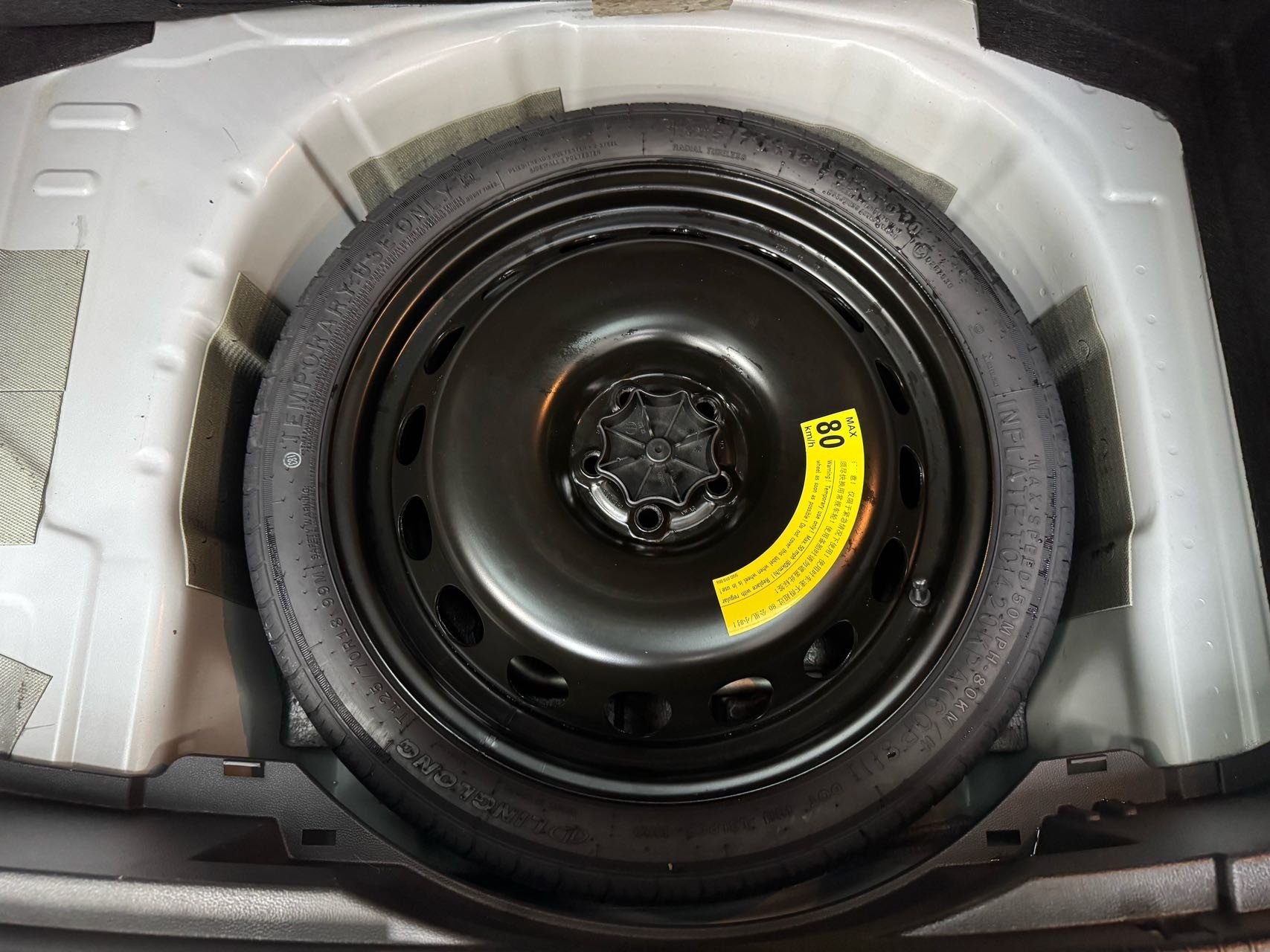
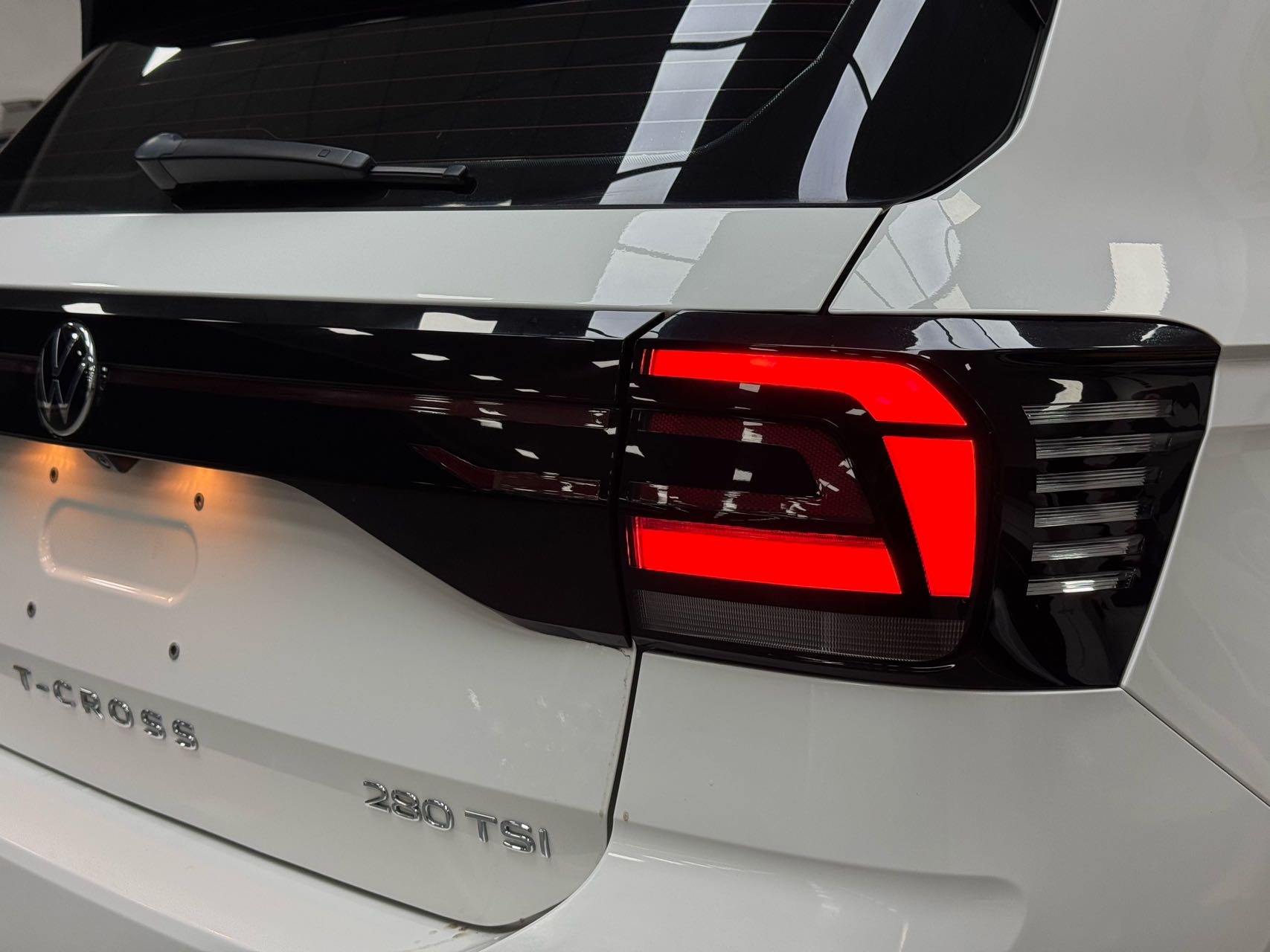
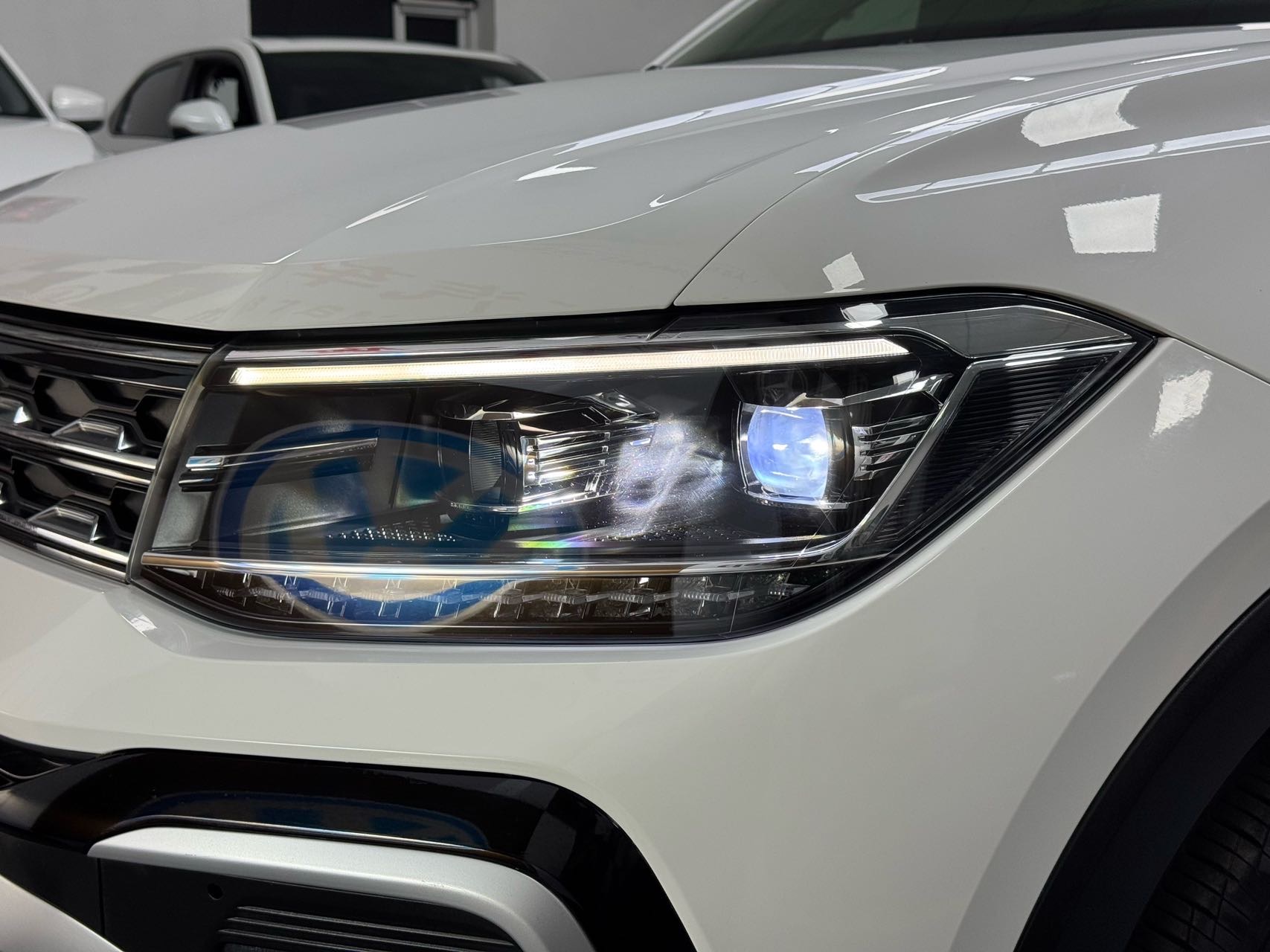
Original paint throughout, actual odometer reading, no data repair, exterior flawless.

Document Information

Inspection Expiry Date-
Warranty Expiry Date-
Insurance Expiry Date2026/12

Q&A

More

Does the vehicle-to-load (V2L) feature on used Chinese EVs work in my country, and how do I check it remotely?

V2L lets an EV power external appliances through a discharge port, typically 2.2 to 6 kW. Whether it works abroad depends on three things. First, hardware: the car must have a V2L discharge port or adapter, and the OBC must support discharge mode—not all trims include it. Confirm the exact trim has V2L before paying. Second, frequency compatibility: Chinese models output 220V/50Hz, which matches most of Asia, Africa and Europe, but not North America's 110V/60Hz without an external transformer. Third, software region locks: some brands disable discharge functions for exported units. To verify remotely, ask the seller for a live video: connect a load (a kettle or work light), start discharge from the infotainment menu, and show no error messages. Also request a screenshot of the discharge settings page. If V2L matters to you, write it into the contract as a confirmed working feature.


How do I decode a Chinese VIN and what can it tell me about a used car before I buy?

A Chinese VIN is 17 characters, and decoding it takes minutes but reveals a lot. Positions 1-3 are the World Manufacturer Identifier. Cars sold domestically in China usually start with L (for example LFV for FAW-VW, LGB for Dongfeng Nissan), which tells you it was built in China rather than imported. Position 10 is the model year letter or number. Positions 4-8 describe the model, body type, and drivetrain, so you can verify the seller's description matches the actual car. Cross-check the VIN in three places: the plate at the base of the windshield, the sticker on the door jamb or B-pillar, and the registration certificate. Mismatched VINs or signs the plates were re-riveted are a serious red flag for a cloned or rebuilt vehicle. Use the VIN to pull a history report from a Chinese data provider and to verify recall status with the manufacturer. Any seller who hesitates to share the full VIN is telling you something important.

How can I verify the odometer reading is genuine on a Chinese used car from abroad?

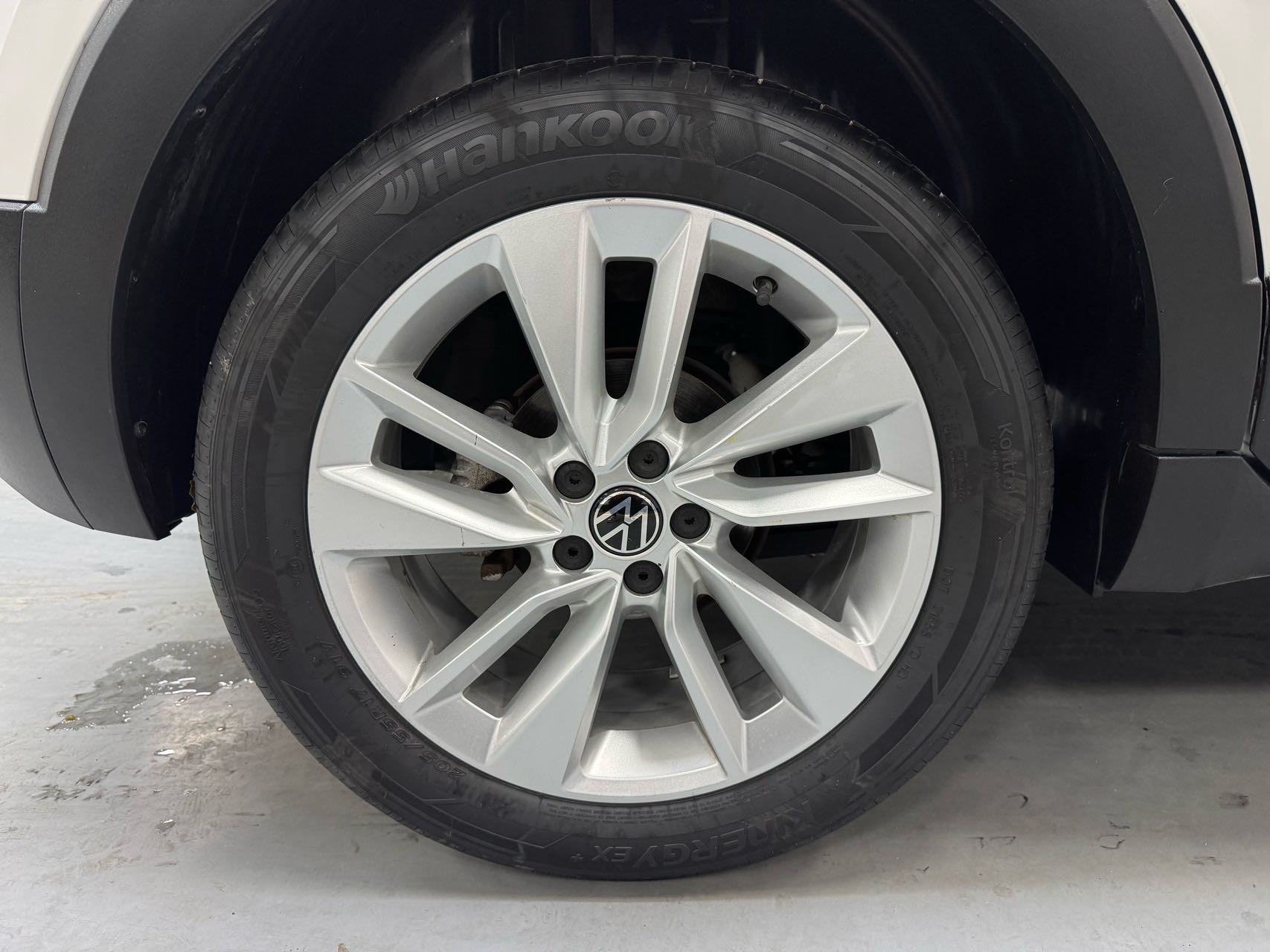
Odometer fraud exists everywhere, but cross-checking several data points makes it hard to fake: 1) Maintenance records: ask for service history with mileage entries. Gaps or resets are red flags. 2) Tire wear: a car showing 30,000 km should not have nearly bald tires. Compare tread depth against the claimed mileage. 3) Pedals, steering wheel, and seat bolsters: heavy wear on these with low odometer readings is a classic mismatch. 4) Diagnostic scan: request an OBD readout. Many control modules store mileage data internally — if the ECU shows 120,000 km while the dash shows 40,000, you have your answer. 5) Vehicle history report: in China, apps and platforms can pull insurance claim records and registration history, which often reveal the true mileage trail. Always request a live video showing the odometer with the engine running, and have the number written into your contract.