


24H

Basic Information

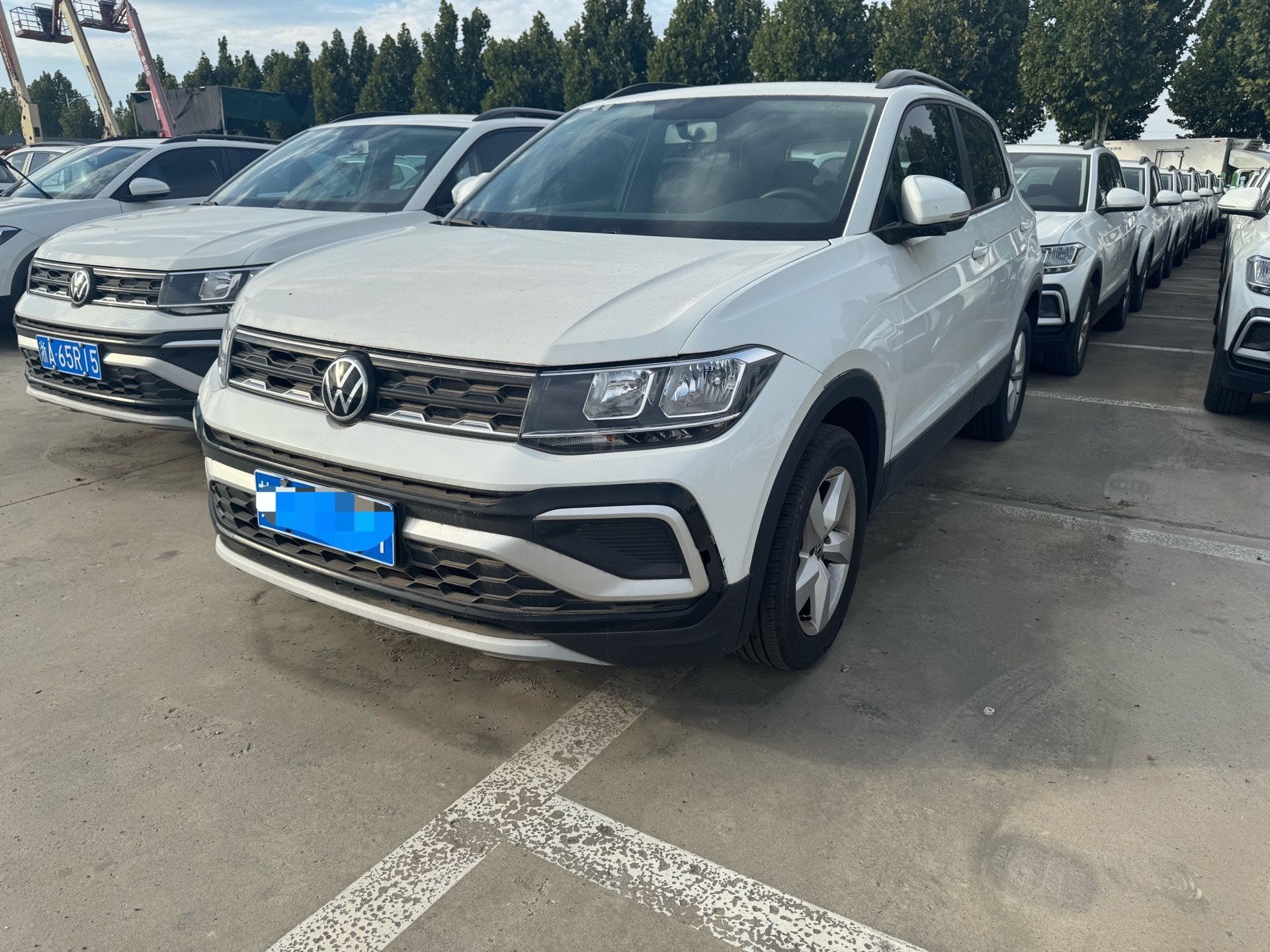
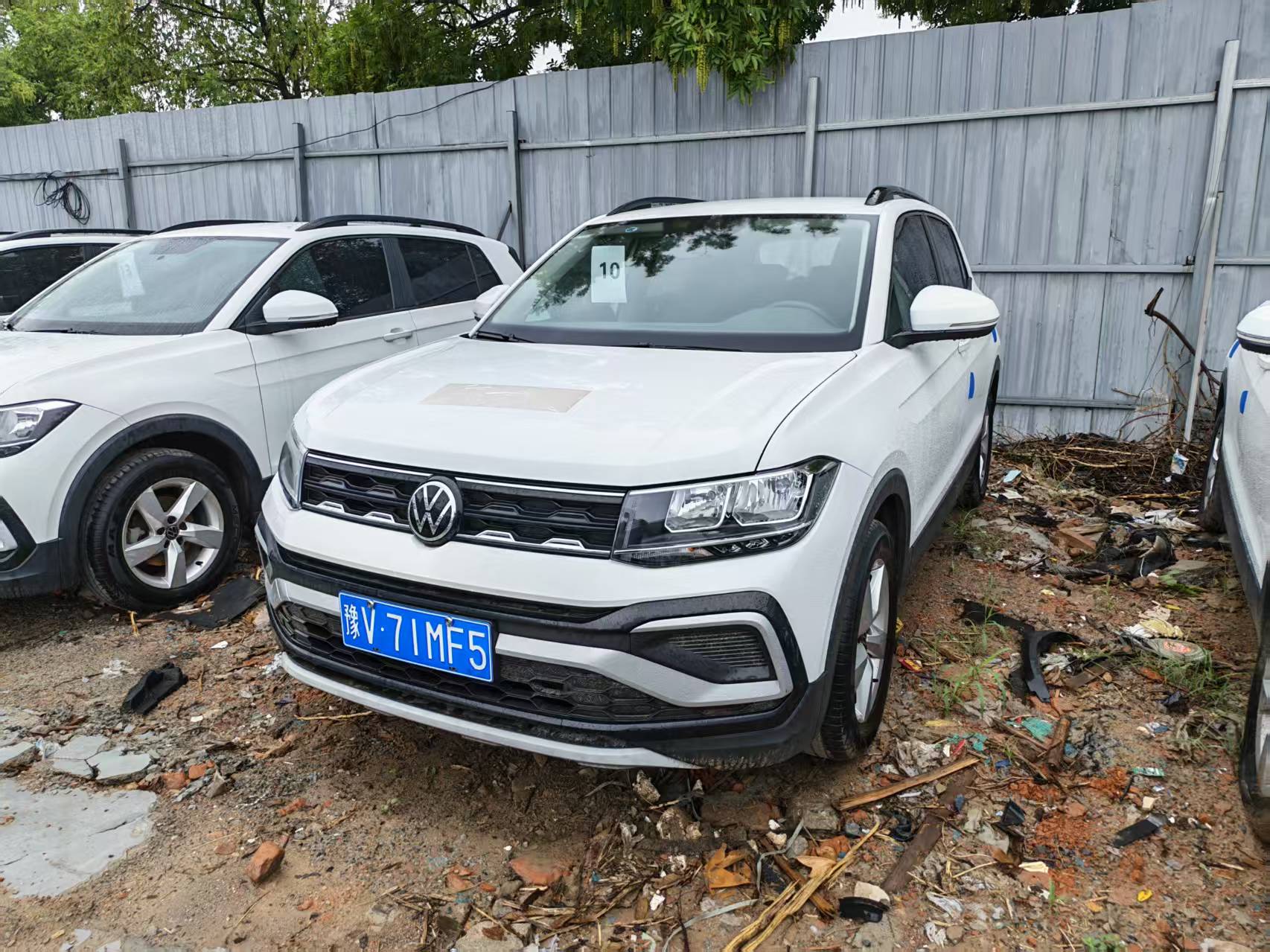
BrandVolkswagen
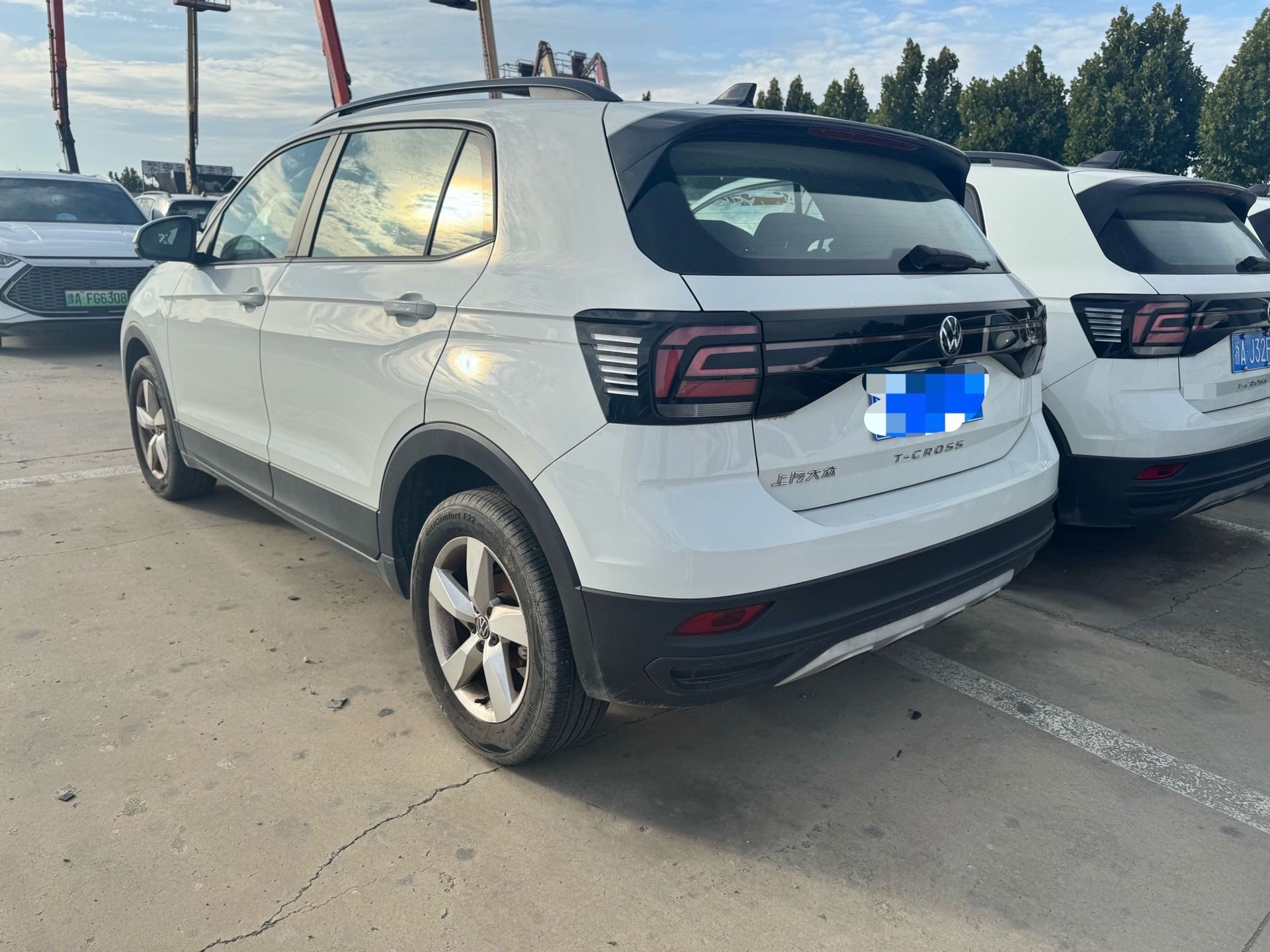
SeriesT-Cross
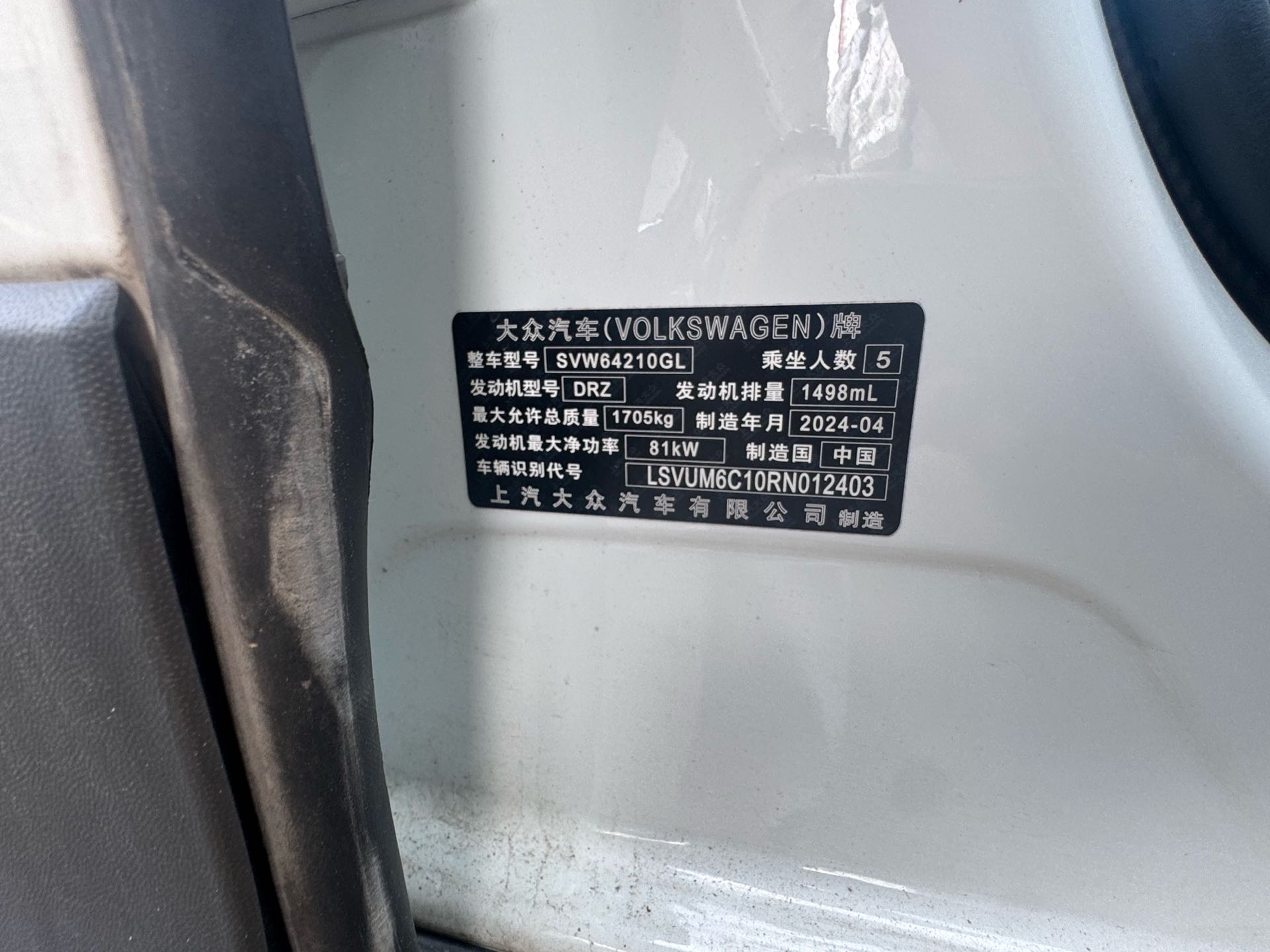
Year2024
First Registration2024/04
Mileage33,000km
Transfer Count0times
FuelGasoline
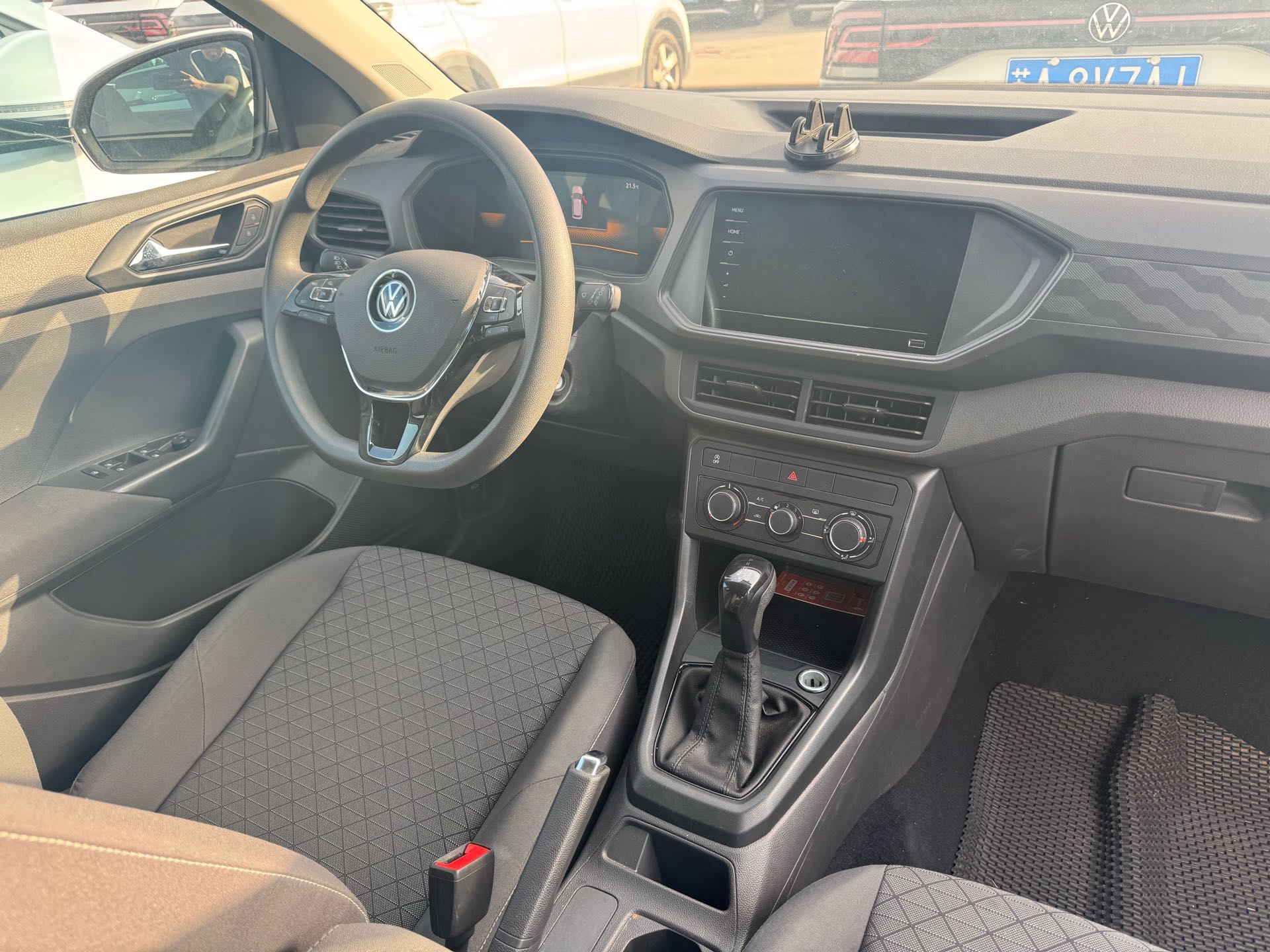
TransmissionManumatic
Engine1.5L 110 L4
ColorWhite
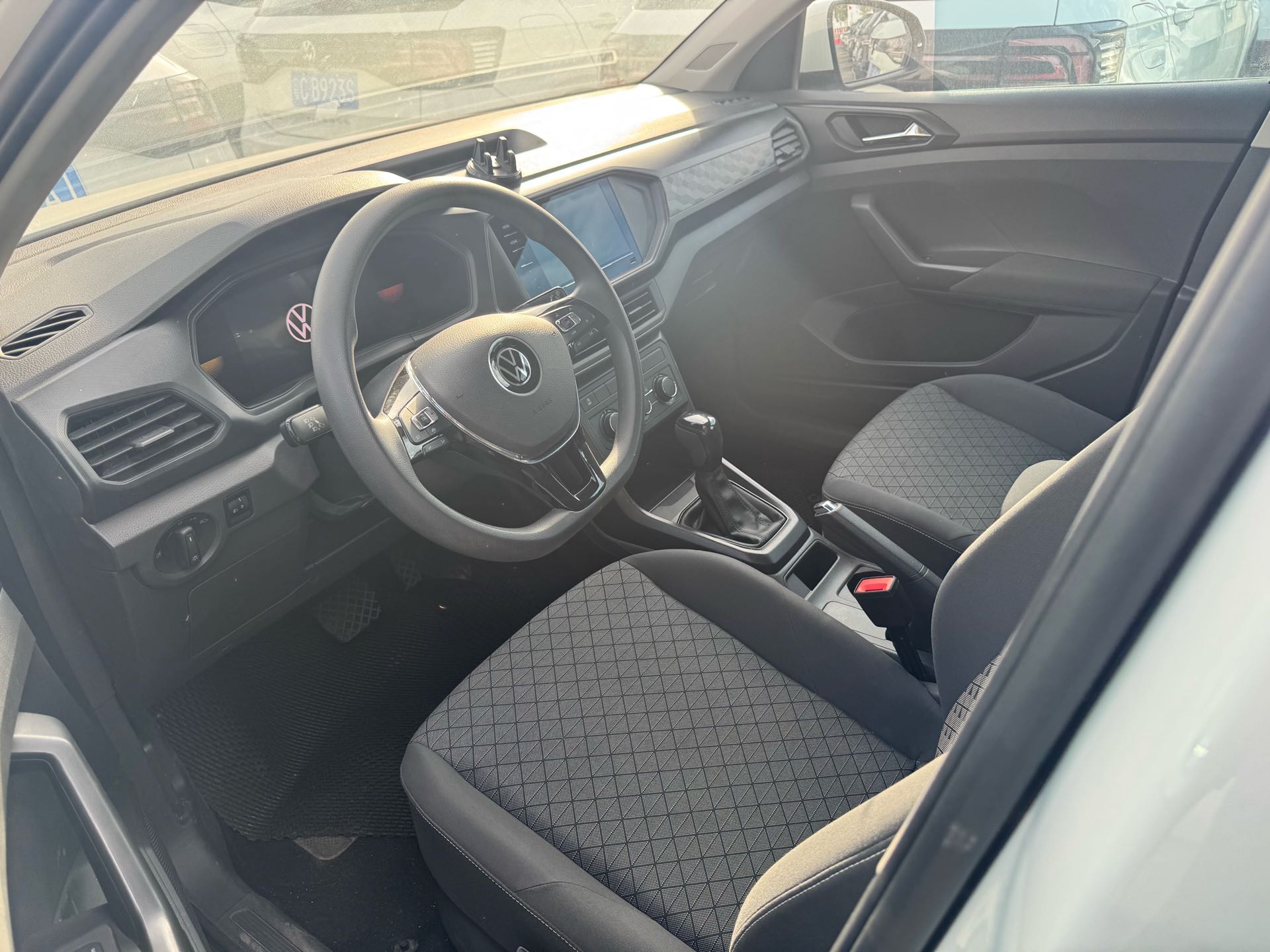
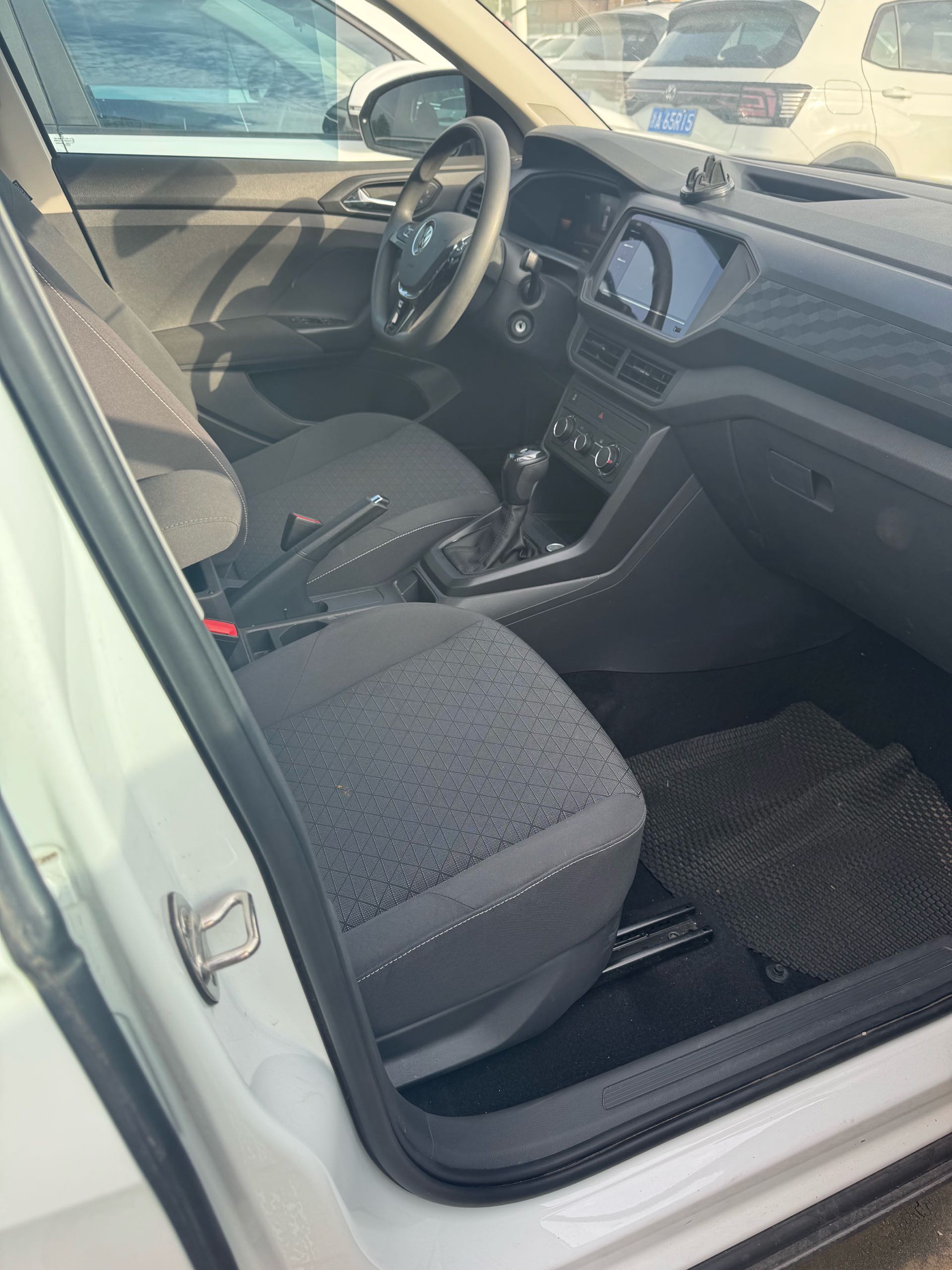
Seats5seats

Condition Description

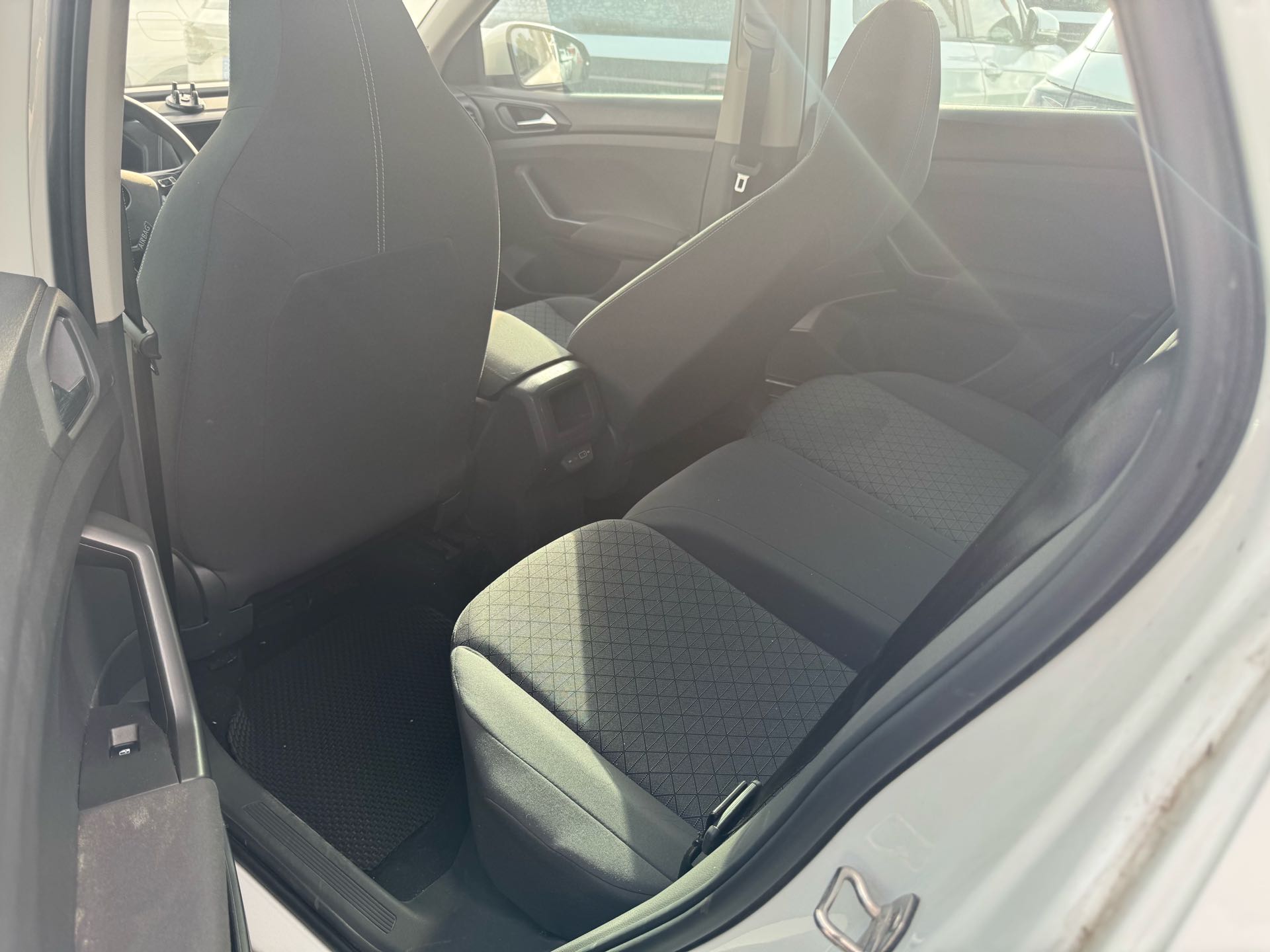
Multiple vehicles available. Good condition, low mileage. Models from 2023, 2024, and 2025 are available.

Document Information

Inspection Expiry Date-
Warranty Expiry Date-
Insurance Expiry Date2026/10

Q&A

More

How do you assess the leak risk of vehicles with panoramic sunroofs?

We maintain an absolute skeptical attitude. In addition to regular visual inspections, we focus on checking for sediment accumulation around the sunroof drainage channels and look for water stains under the A-pillar trim and front floor mats. This is the only effective physical evidence to determine if the sunroof drainage holes are blocked, leading to hidden leaks.
How can I judge the real mechanical condition of a used car from China without seeing it in person?

Remote mechanical assessment relies on documented evidence: 1. Cold-start video: Ask for a video of the engine starting from cold — listen for rattles, watch for smoke (blue = oil burning, white = possible head gasket issue). 2. OBD scan: A full diagnostic scan reveals fault codes in the engine, gearbox, and electronics. Request the raw scan report, not a screenshot summary. 3. Service records: Cross-check mileage against maintenance records and inspection stickers; consistent records indicate a cared-for car. 4. Fluid check: Photos of the oil dipstick and coolant color tell a lot — milky oil or rusty coolant are red flags. 5. Test drive video: A short drive video shows gear shifts, braking, and steering behavior. Combine these with the pre-shipment inspection report. A seller who refuses to provide cold-start video or OBD data is a warning sign.

What is a Certificate of Origin and why do I need one when importing a car from China?

A Certificate of Origin (C/O) is an official document stating where the vehicle was manufactured. Customs authorities use it to decide which tariff rates and trade agreements apply to your import. Why it matters: many countries offer preferential tariffs for certain origins. With a valid C/O, such as the ASEAN-China Form E or a GSP Form A, you may pay reduced or zero duty. Without it, you typically pay the standard, higher rate. The certificate must match the vehicle exactly: VIN, make, model and invoice details. It is usually issued by the China Council for the Promotion of International Trade (CCPIT) or customs authorities. Practical tips: request the C/O before shipment, because adding it later is slow; check that your country's customs accepts the specific C/O format; and confirm with your broker whether your vehicle category qualifies for preferential rates. This single document can save you thousands in duty.