


Sold

Basic Information

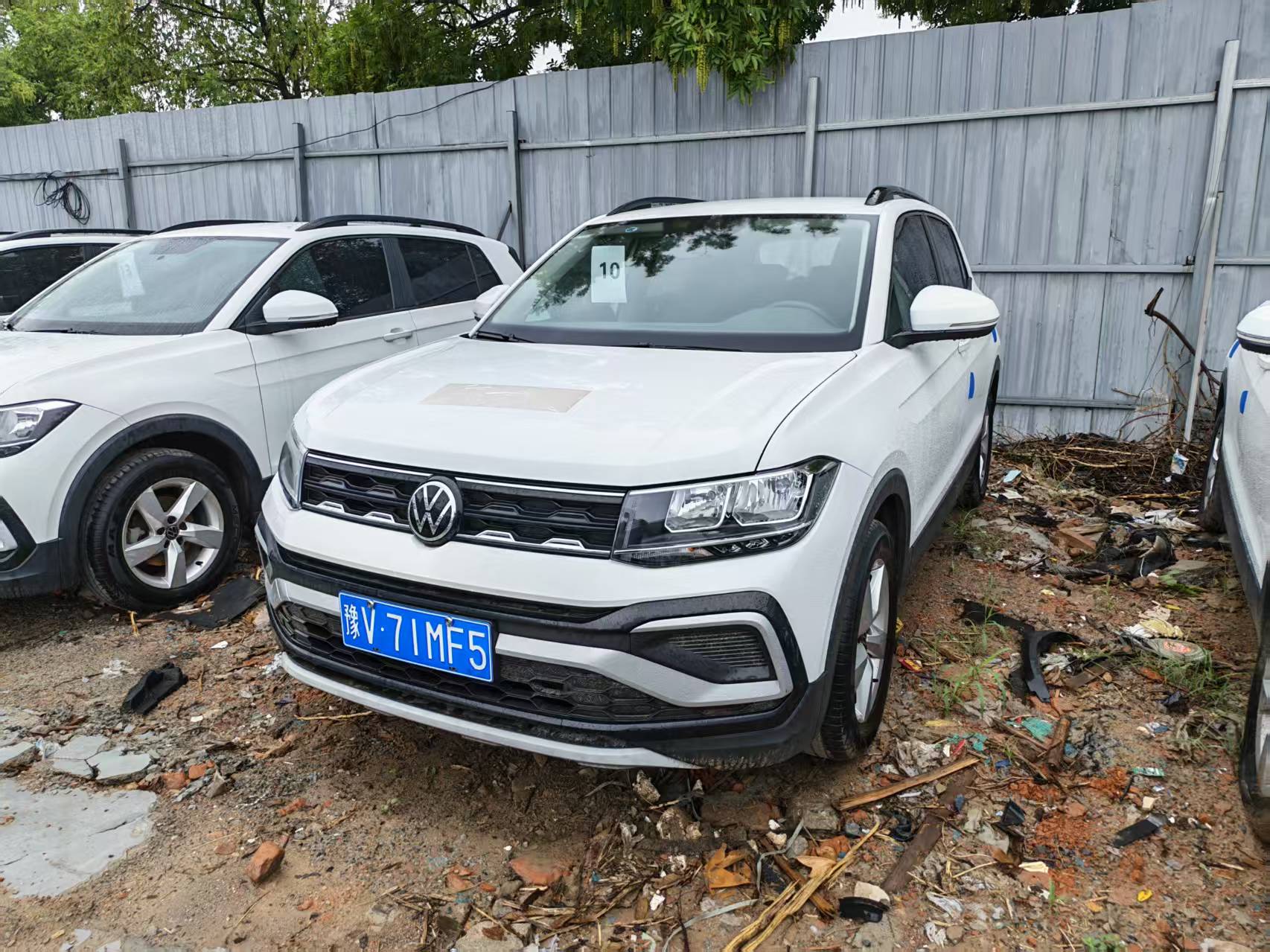
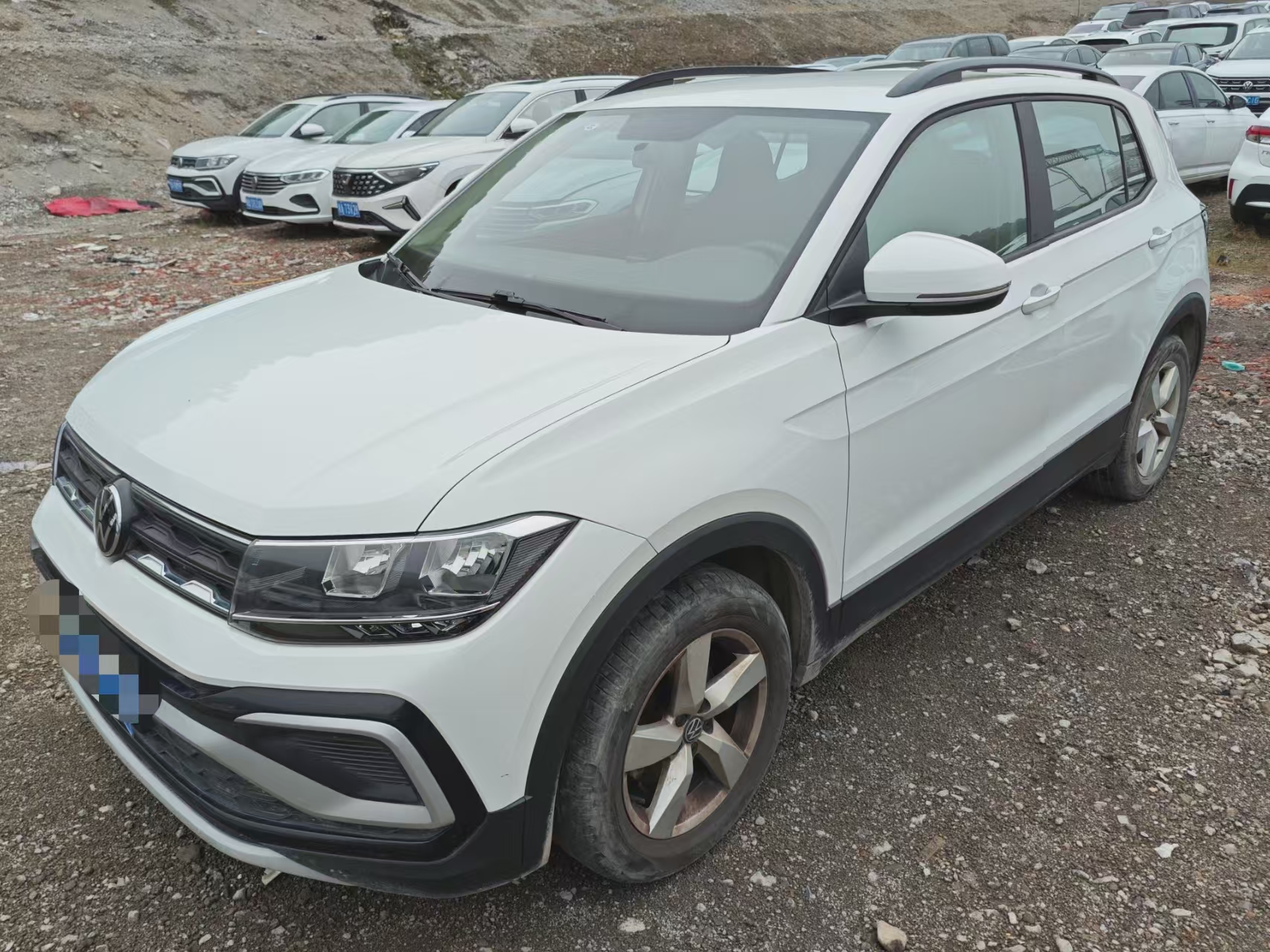
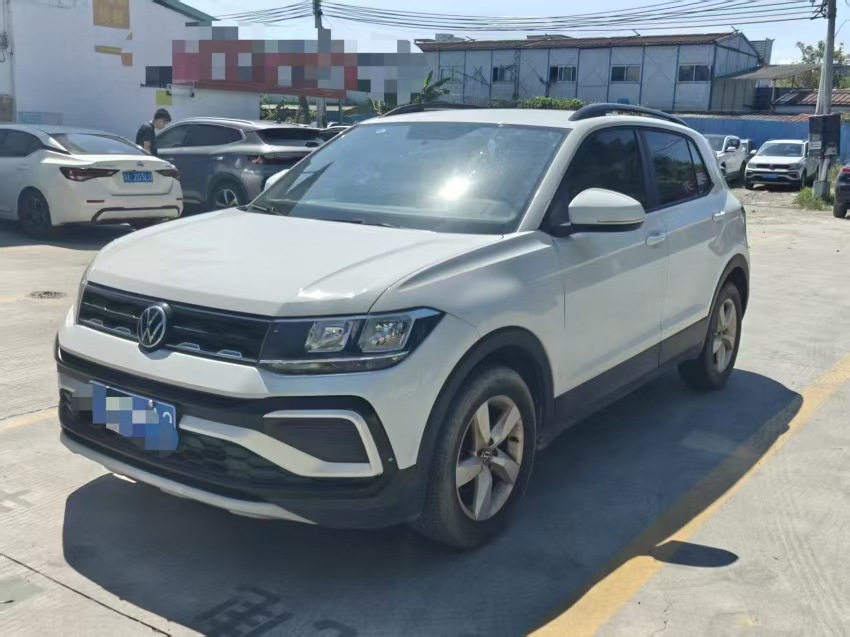
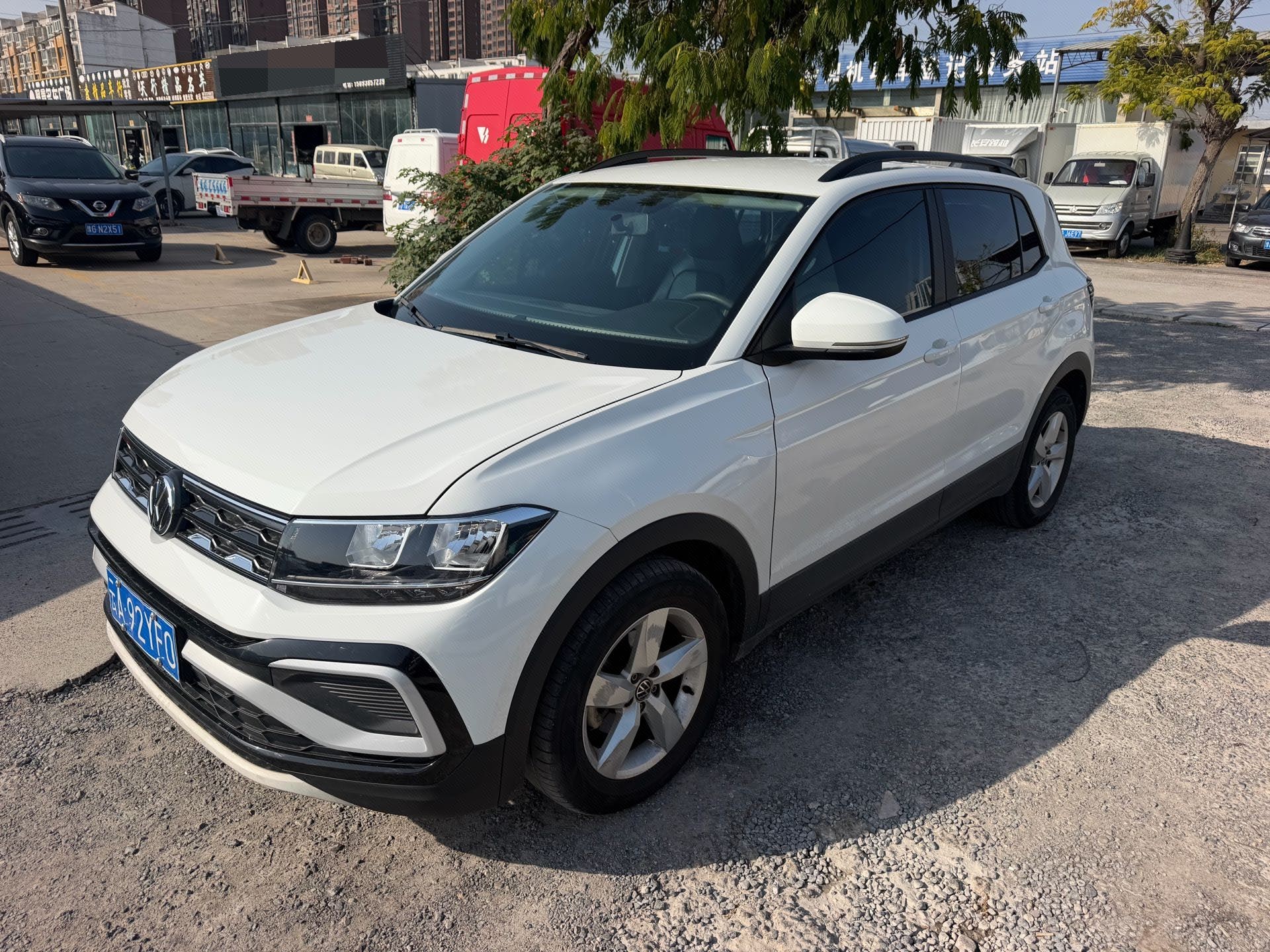
BrandVolkswagen
SeriesT-Cross
Year2025
First Registration2025/04
Mileage30,000km
Transfer Count0times
FuelGasoline
TransmissionManumatic
Engine1.5L 110 L4
ColorWhite
Seats5seats

Condition Description

Front-end assembly replaced; from the four doors rearward, the vehicle remains in original condition with no repair records.

Document Information

Inspection Expiry Date-
Warranty Expiry Date-
Insurance Expiry Date2027/04

Q&A

More

Can I designate my freight forwarder in China to pick up the goods directly from your warehouse (EXW delivery)?

Yes, but this falls under EXW (Ex Works) terms. In this case, the seller's risk transfers at the moment the goods are ready at the warehouse. Any subsequent domestic trucking accidents, customs inspections at the port, or issues with obtaining export licenses will be fully borne by your designated freight forwarder.


What is a Certificate of Origin and why do I need one when importing a car from China?

A Certificate of Origin (C/O) is an official document stating where the vehicle was manufactured. Customs authorities use it to decide which tariff rates and trade agreements apply to your import. Why it matters: many countries offer preferential tariffs for certain origins. With a valid C/O, such as the ASEAN-China Form E or a GSP Form A, you may pay reduced or zero duty. Without it, you typically pay the standard, higher rate. The certificate must match the vehicle exactly: VIN, make, model and invoice details. It is usually issued by the China Council for the Promotion of International Trade (CCPIT) or customs authorities. Practical tips: request the C/O before shipment, because adding it later is slow; check that your country's customs accepts the specific C/O format; and confirm with your broker whether your vehicle category qualifies for preferential rates. This single document can save you thousands in duty.

When calculating the total cost of a used car, what percentage of the car price do you recommend setting aside for "unforeseen local preparation costs"?

Based on practical risk assessment, we strongly recommend setting aside 3% to 5% of the car price as a buffer fund for even the highest-rated used cars, to cover oil changes, new tires, minor shipping scratches, and local inspection labor costs.