



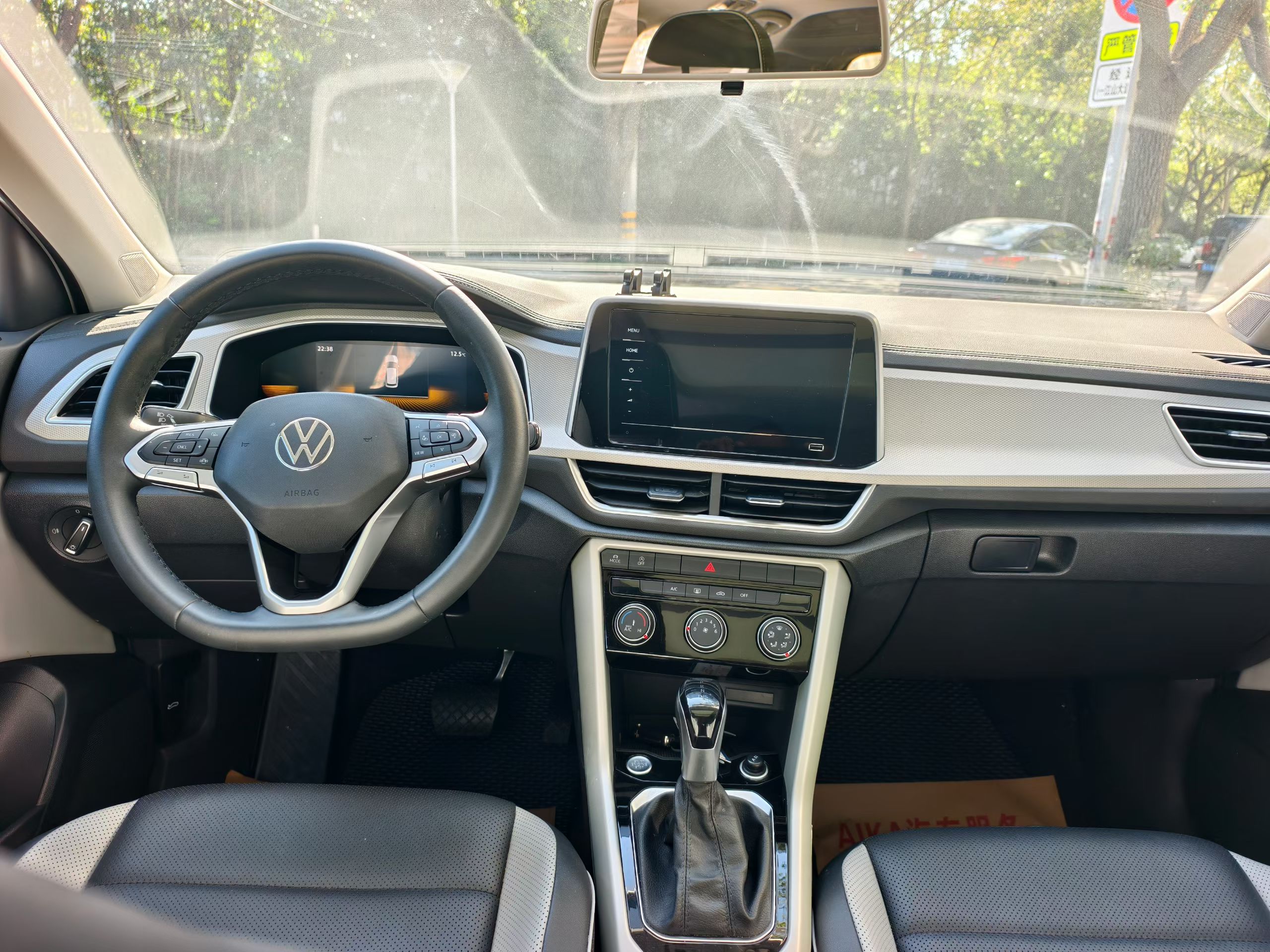
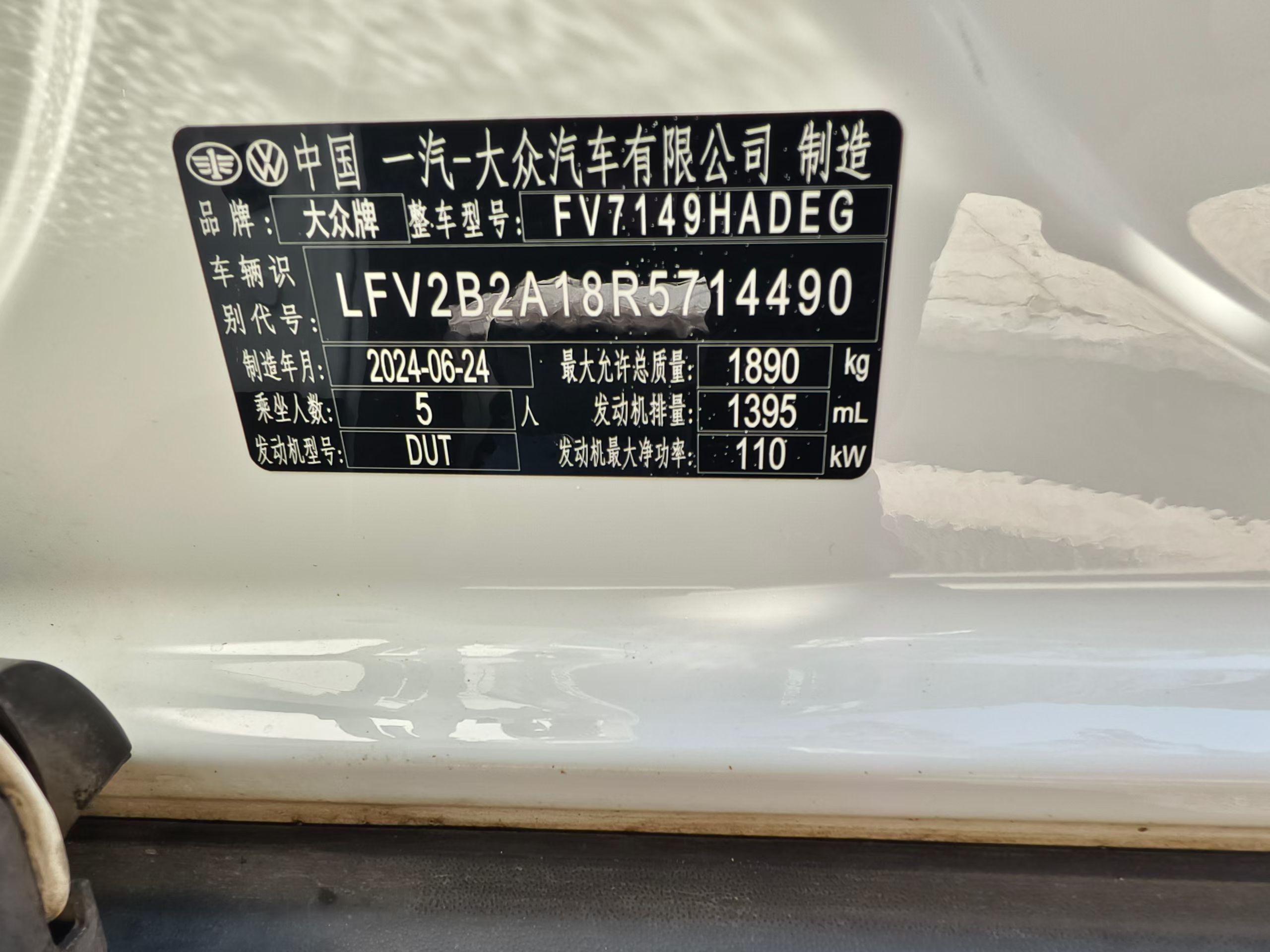



Basic Information

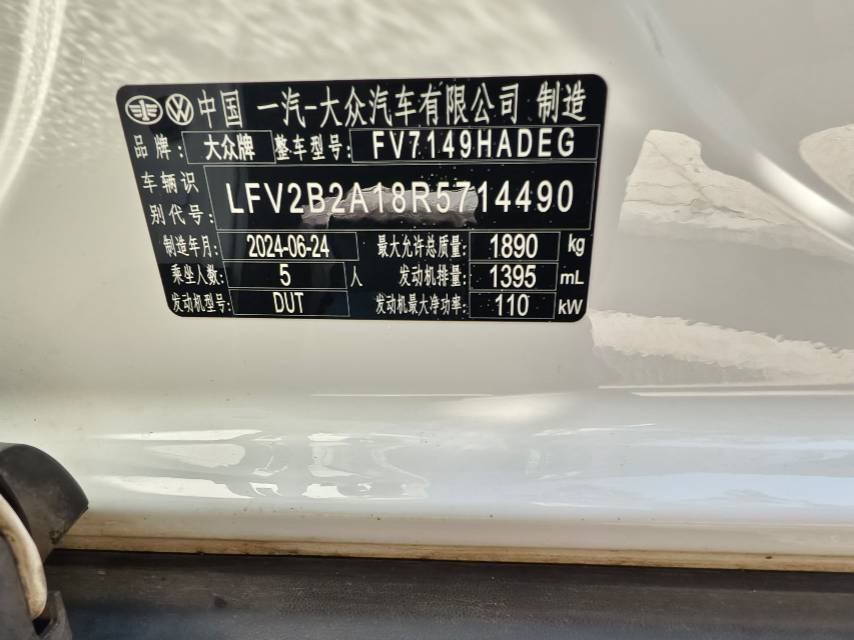
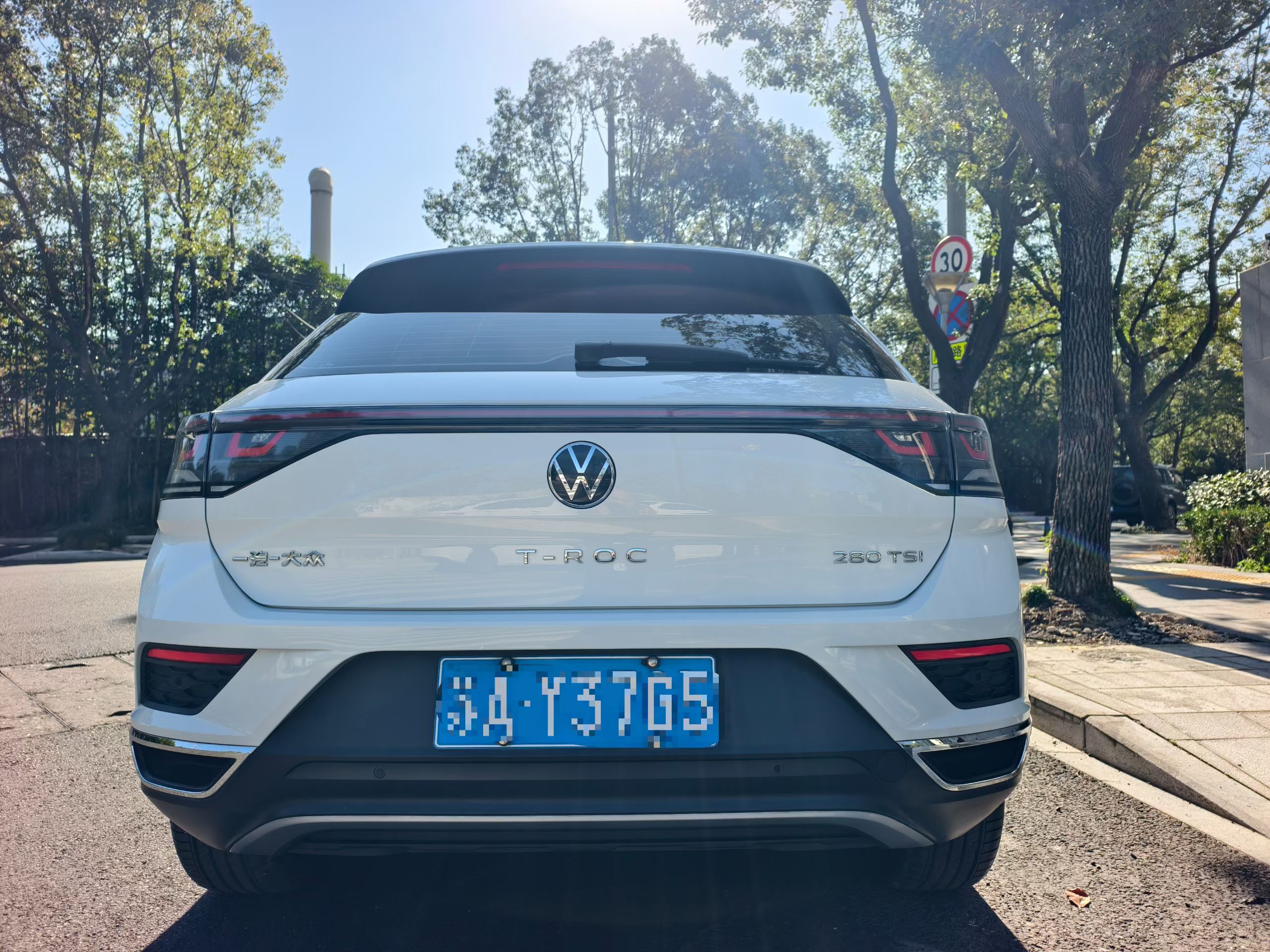
BrandVolkswagen
SeriesT-Roc
Year2024
First Registration2024/09
Mileage50,000km
Transfer Count0times
FuelGasoline
TransmissionDCT
Engine1.4T 150 L4
ColorWhite
Seats-

Condition Description

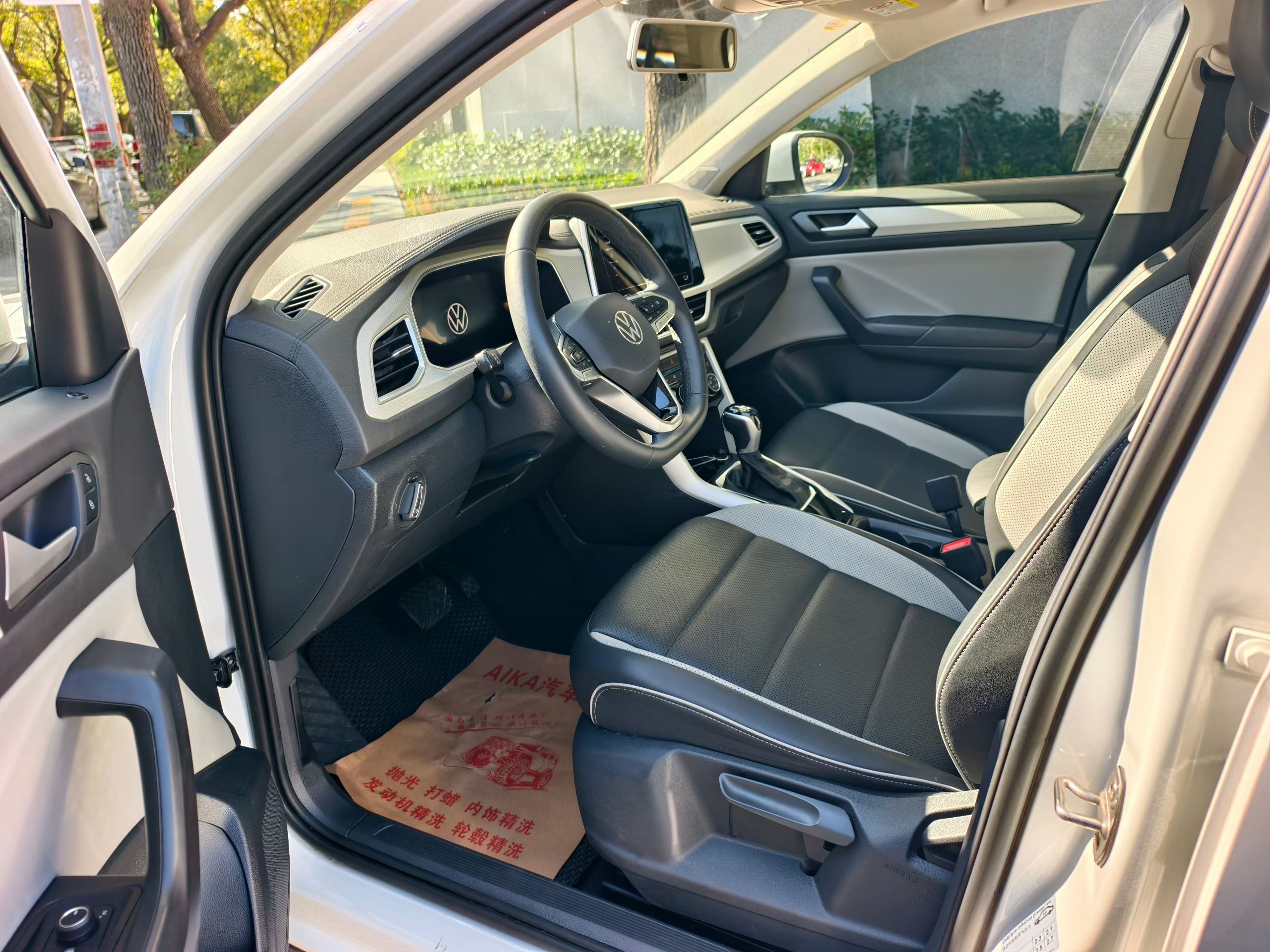
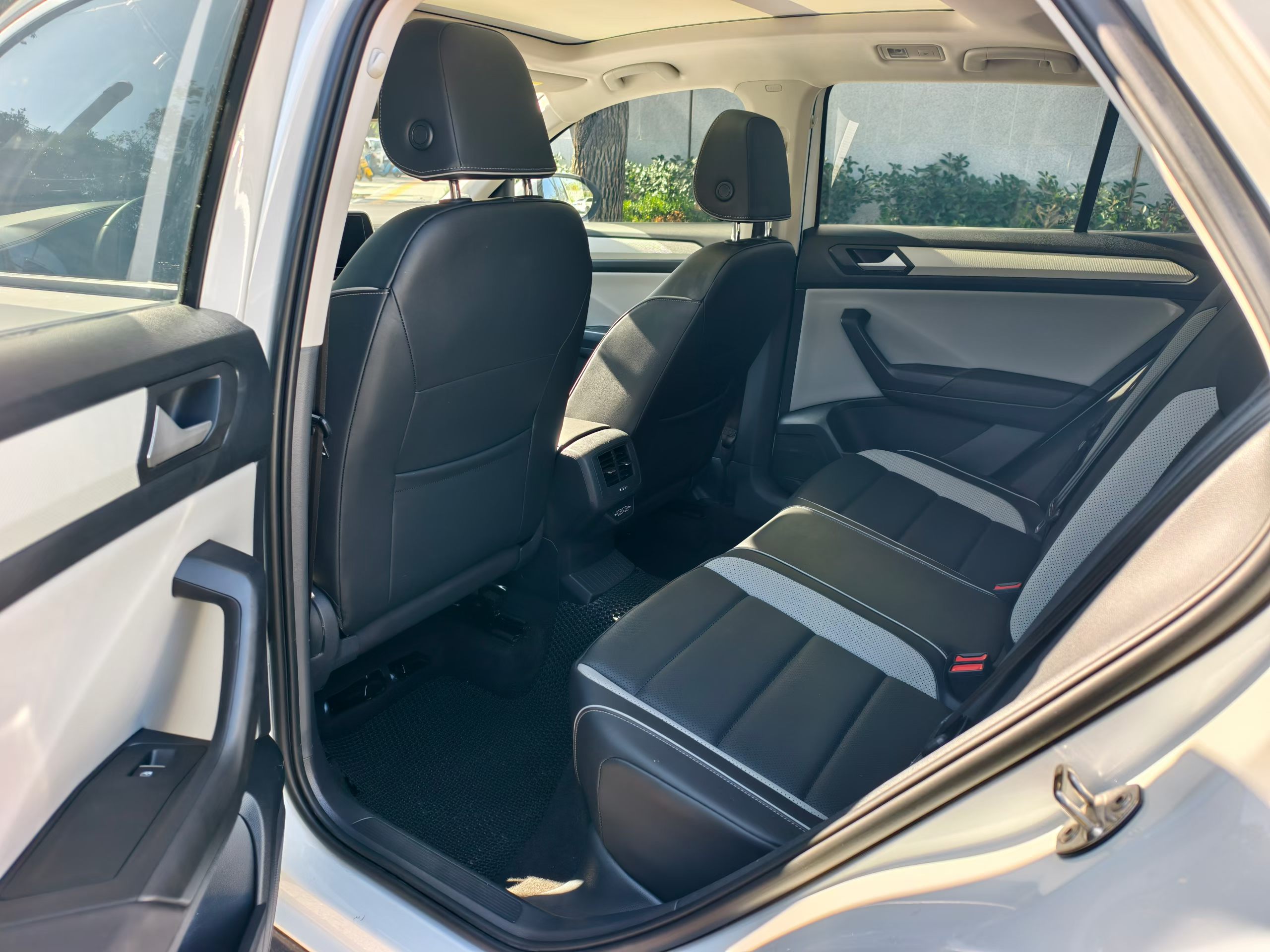
General condition

Original paint throughout, excellent condition.

可议价
已上架
New
Wholesale

Configuration Highlights

✓品牌: 大众
✓车系: 探歌
✓车型: T-ROC探歌 2024款 280TSI DSG两驱时光版
✓能源类型: 燃油车
✓发动机: 1.4T
✓变速箱: 7挡干式双离合
✓驱动方式: 前置前驱
✓排放标准: 国VI
✓指导价: 15.89万
✓车源编号: 12809680
✓VIN: LFV2*******714490

Document Information

Inspection Expiry Date2028/09
Warranty Expiry Date-
Insurance Expiry Date2027/09

Q&A

More

How do I read and interpret a Chinese vehicle history report—what do the records and codes mean, and which findings should stop the deal?

A Chinese history report (查博士, 精真估, or 4S-shop records) usually contains several sections. Here's how to read them. Accident records: entries tagged 重大事故 (major accident) or listings at an insurance payout above 30% of the car's value are serious red flags. Airbag deployment is a deal-breaker for most buyers. Mileage timeline: check that mileage increases logically between service visits. A sudden drop between two dates means odometer tampering—walk away. Ownership count: more than 3 owners in 5 years suggests a problem car. Also check the 使用性质 field: a car registered as 营运 (commercial/taxi use) has a much shorter legal lifespan. Maintenance entries: consistent 4S dealership records are a good sign; long gaps aren't necessarily fatal if the owner used independent shops, but ask for receipts. Cross-check the report against the VIN plate, registration certificate, and physical inspection. If the report shows no accidents but paint thickness readings say otherwise, trust the metal, not the paper.


If a car frequently transfers between extremely cold areas (like Northeast China) and extremely hot areas (like Hainan), would you provide special risk warnings?

Absolutely. The extreme temperature fluctuations will significantly accelerate the aging of chassis rubber parts, oil seals, and interior plastics. For vehicles frequently dispatched across such latitudes, we will conduct fatigue resistance checks on chassis rubber parts that are twice as stringent as those for vehicles in temperate regions.

How do you detect carbon buildup and wear inside the engine using technology without deep disassembly?

We use two steps: 1. Insert a medical-grade endoscope through the spark plug hole to visually inspect cylinder wall scratches and carbon buildup on the piston top; 2. Extract an engine oil sample to check for large metal debris or emulsification (caused by coolant leakage).