





24H

Basic Information

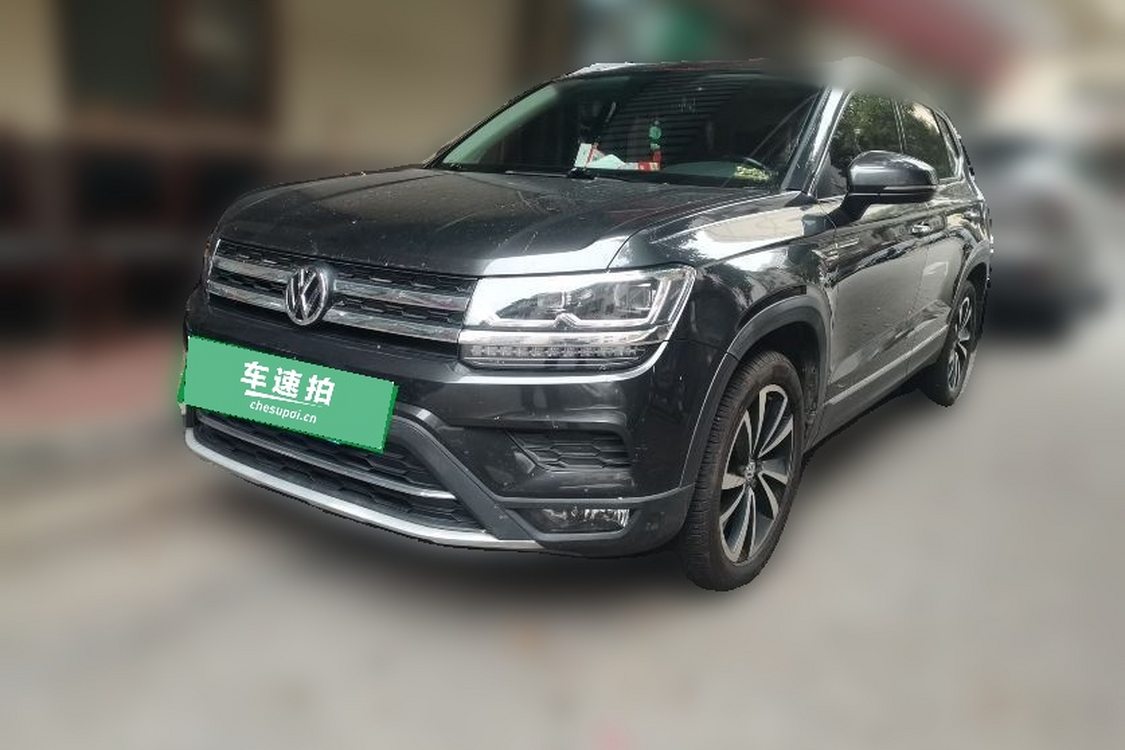
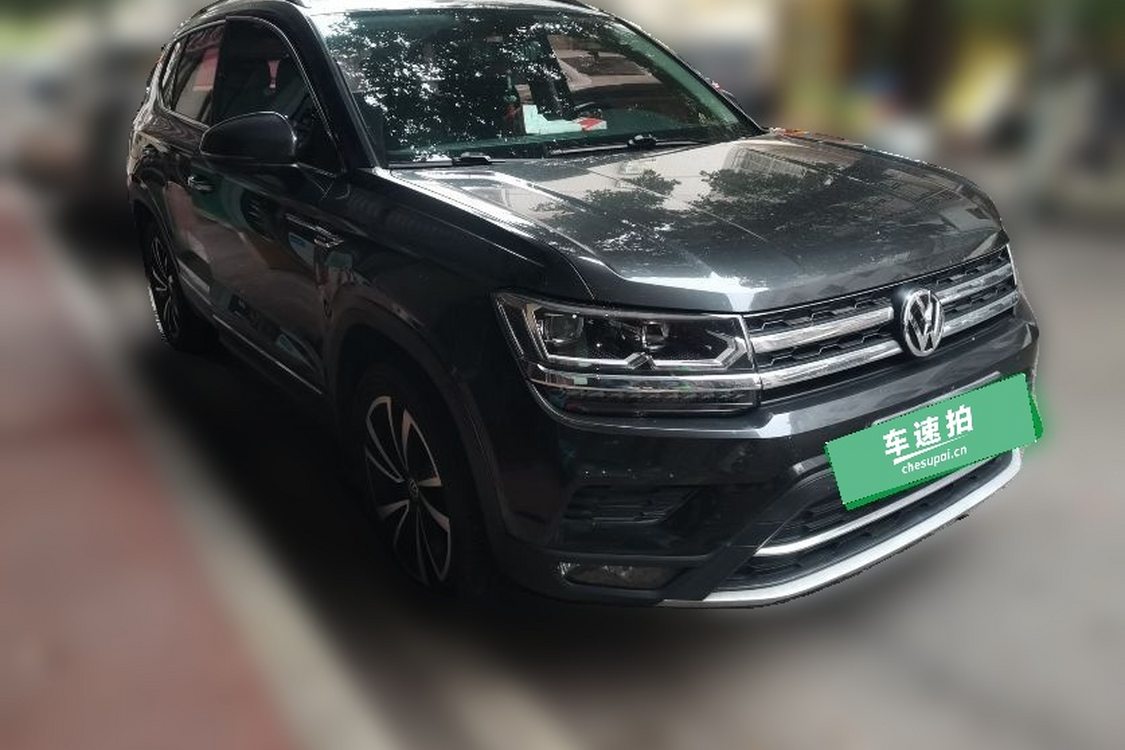
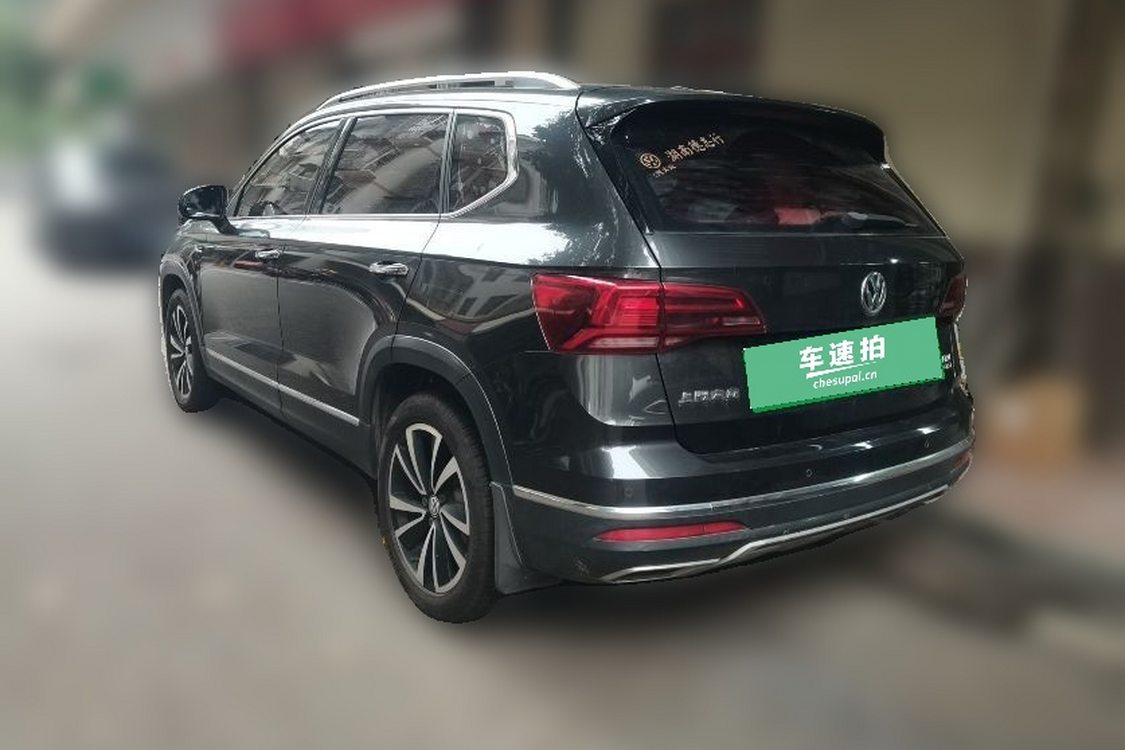
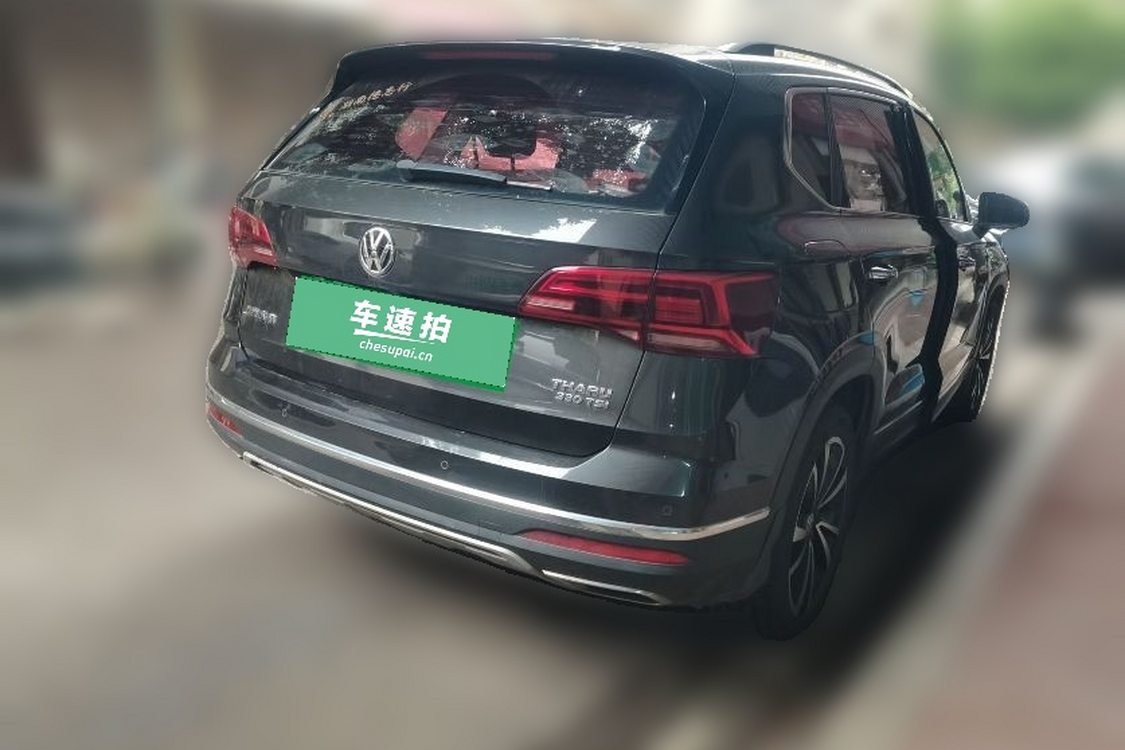
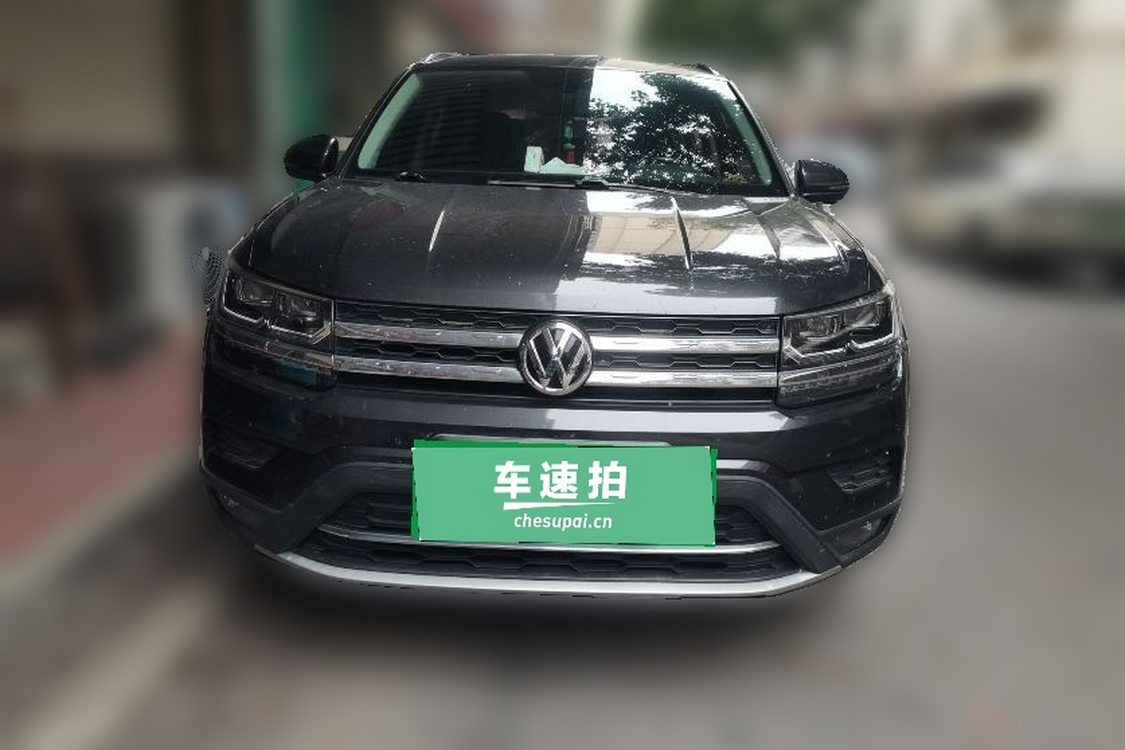
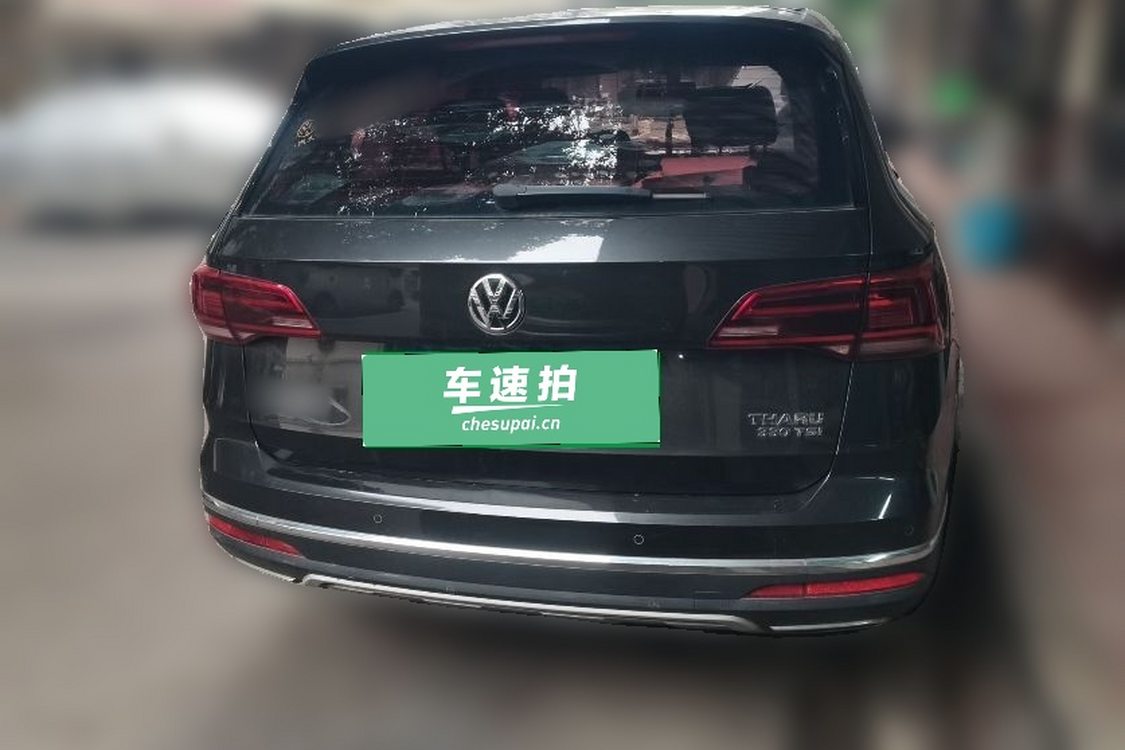
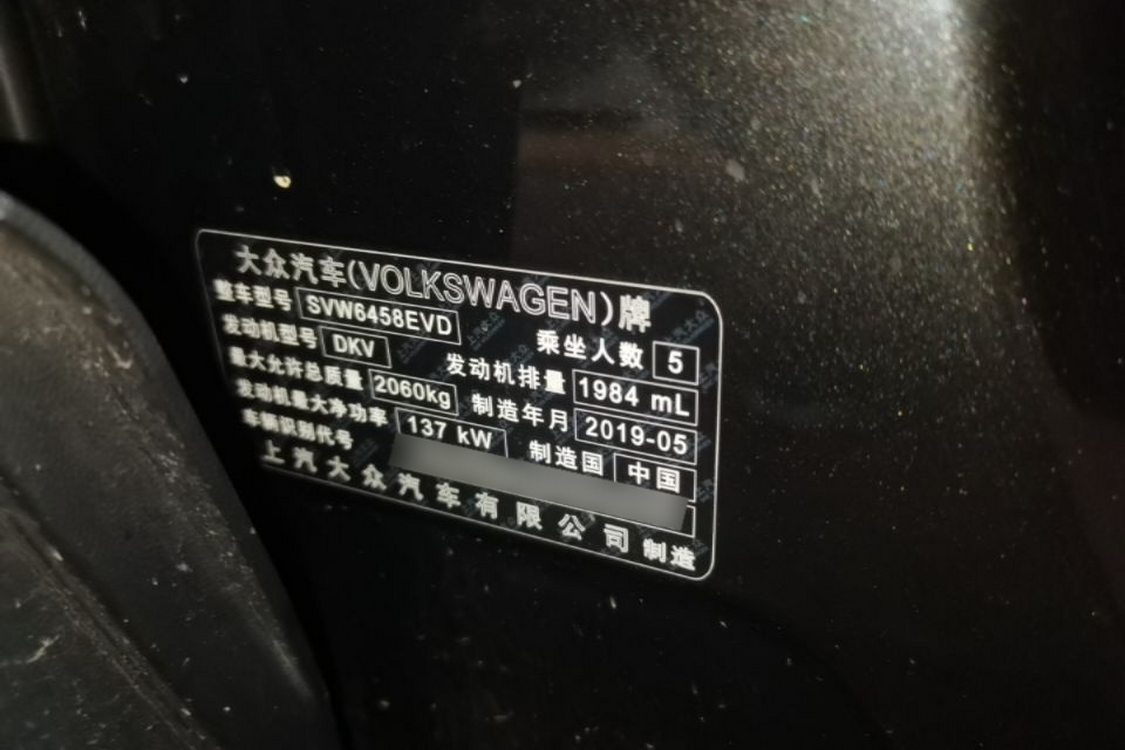
BrandVolkswagen
SeriesTharu
Year2019
First Registration2019/08
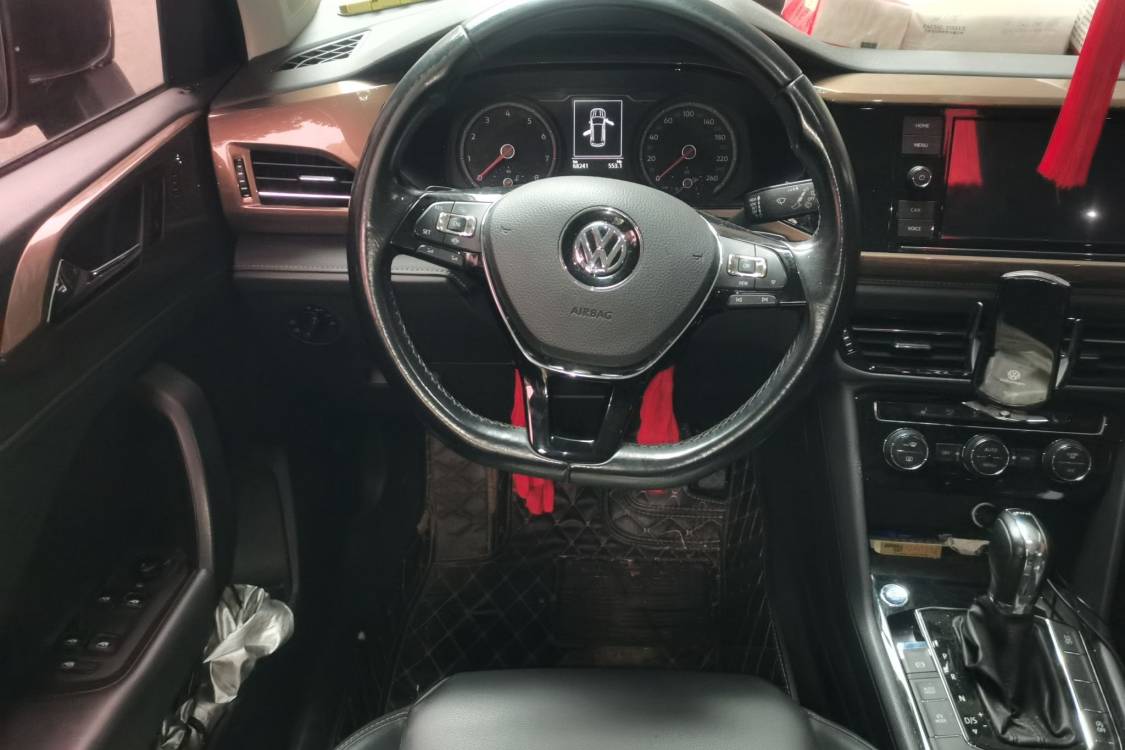
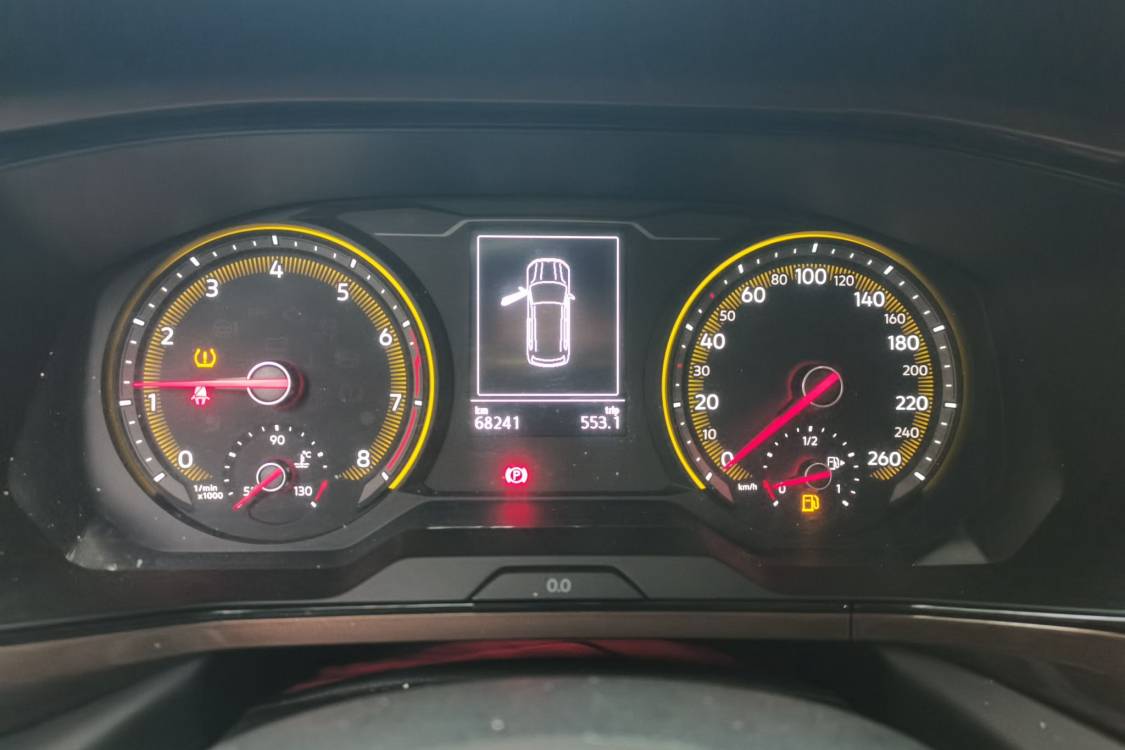
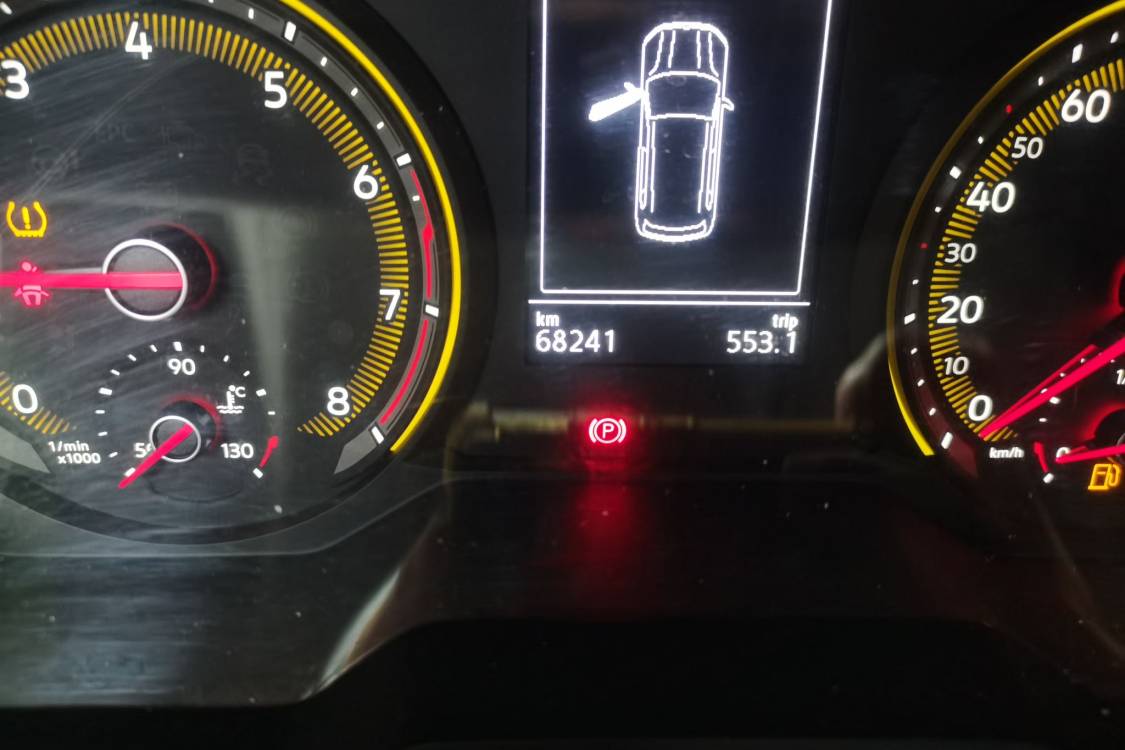
Mileage68,200km
Transfer Count1times
FuelGasoline
TransmissionDCT
Engine2.0T 186 L4
ColorGrey
Seats-

Condition Description

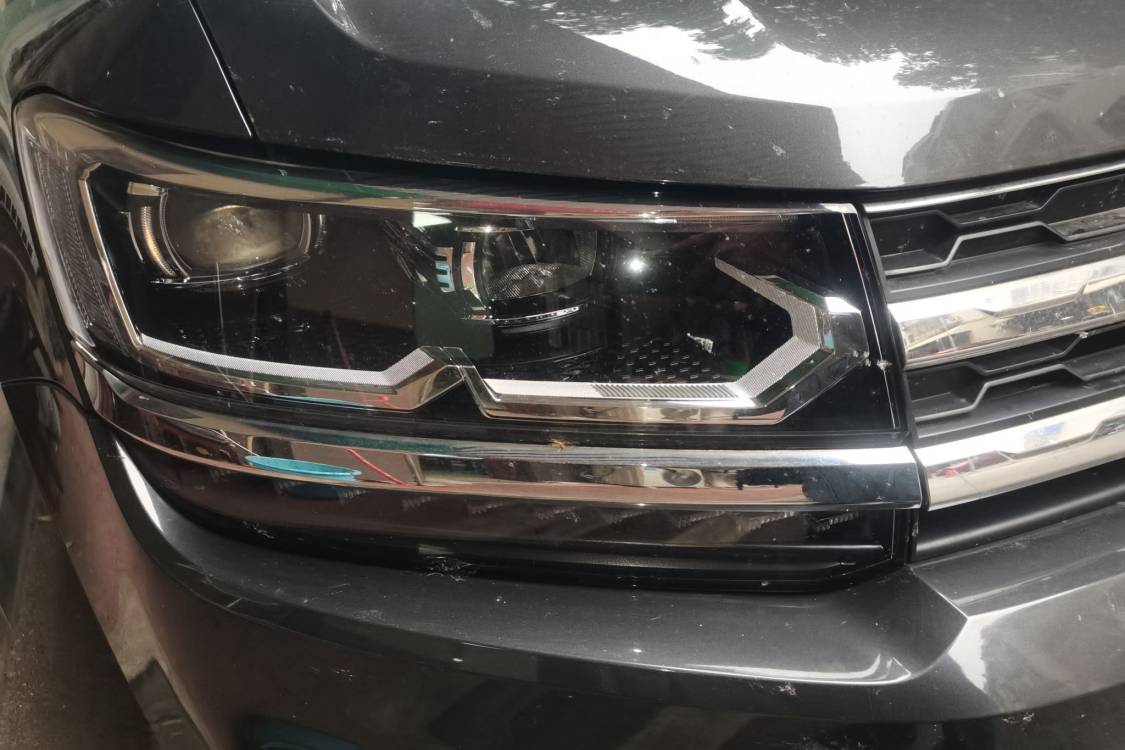
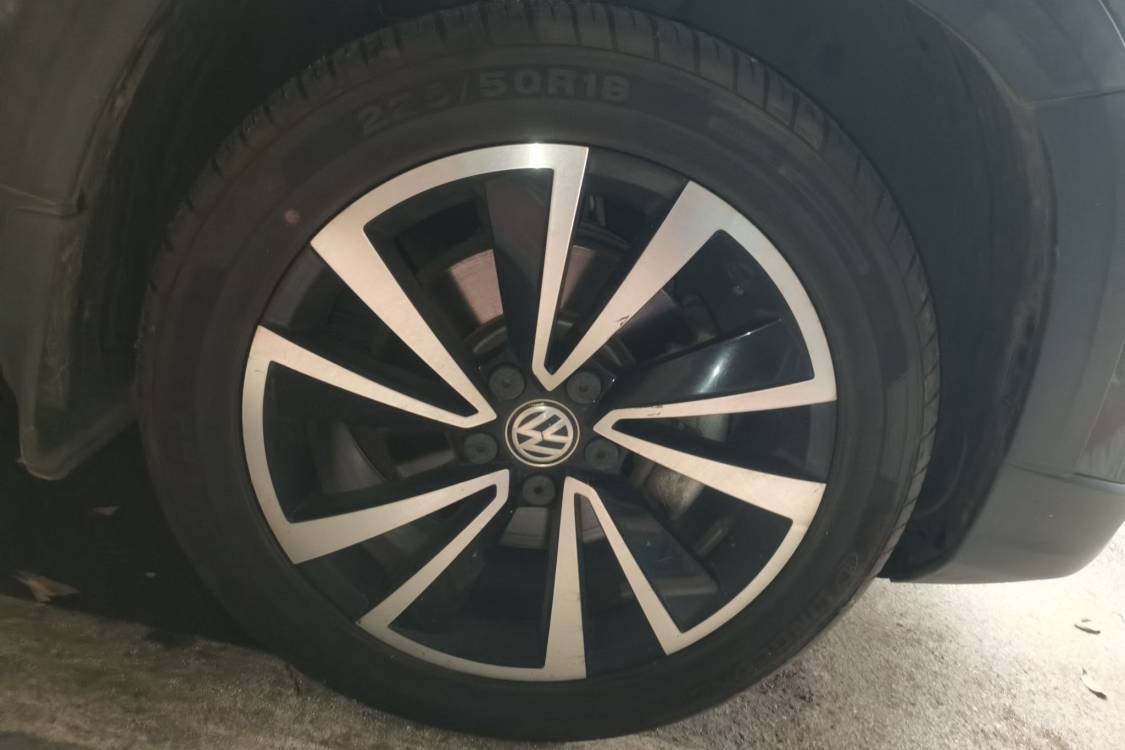
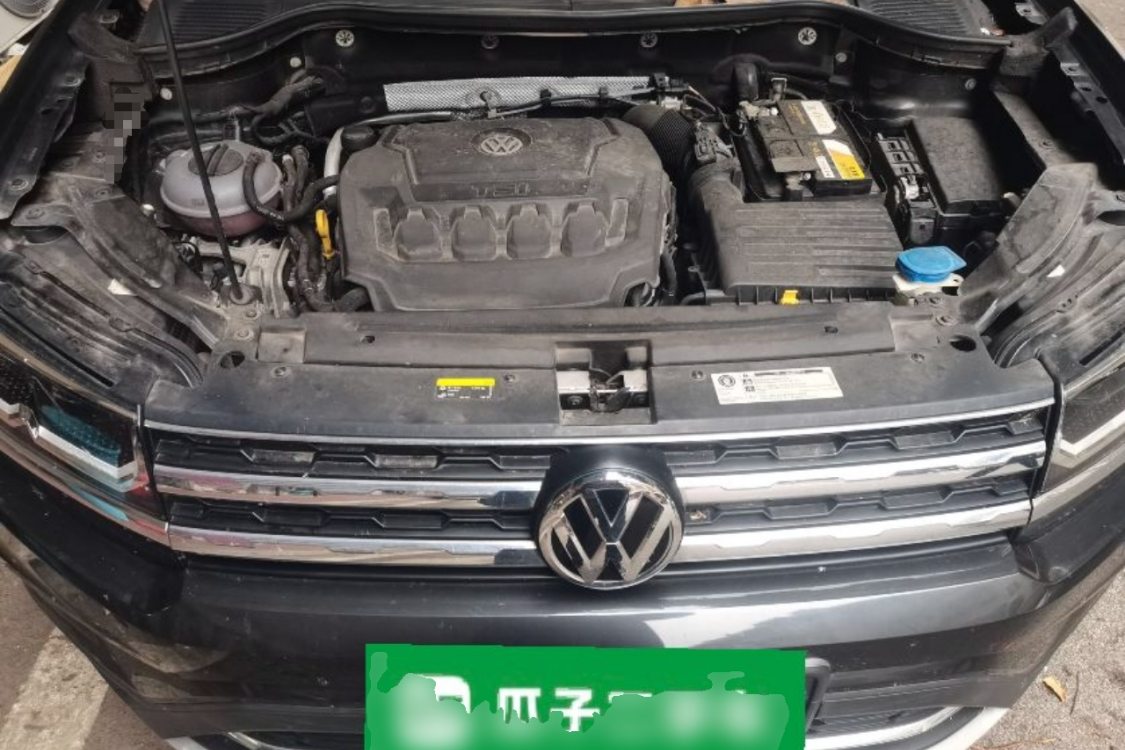
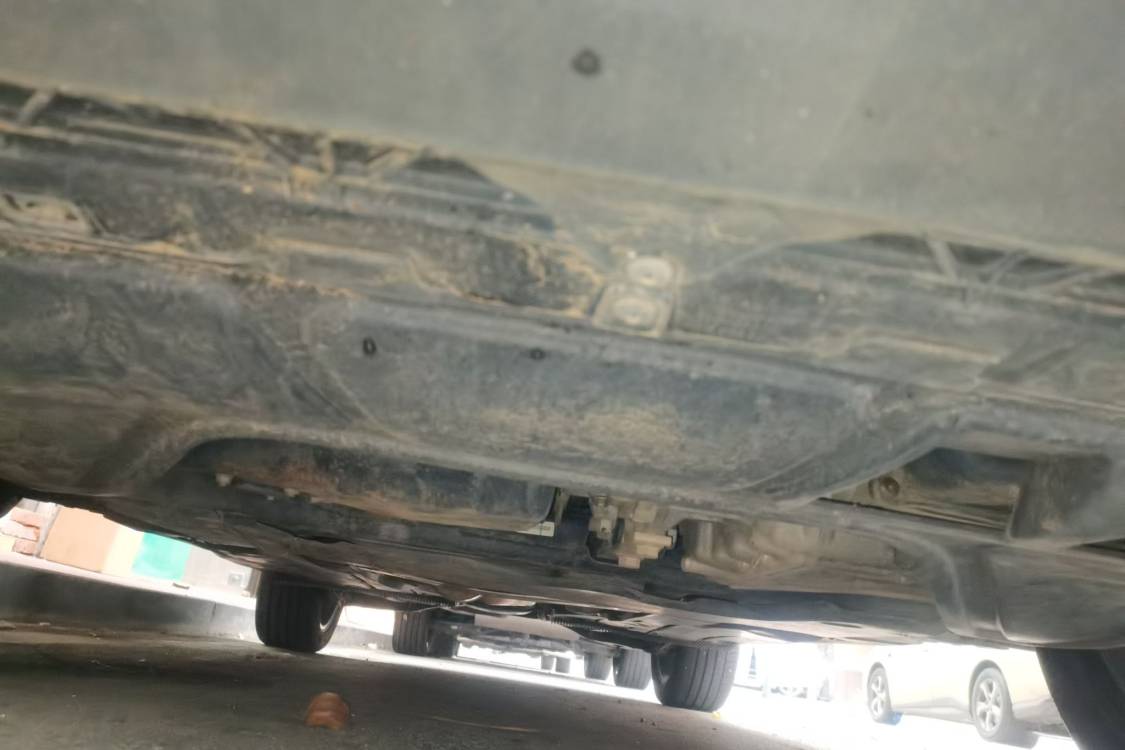
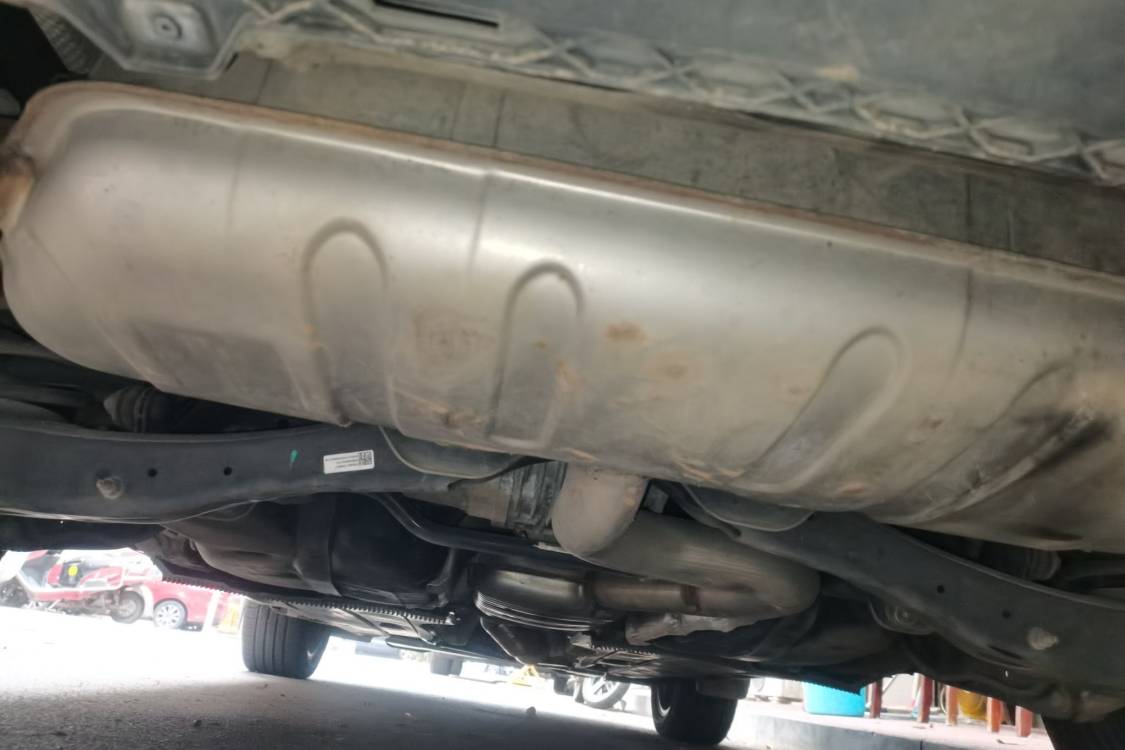
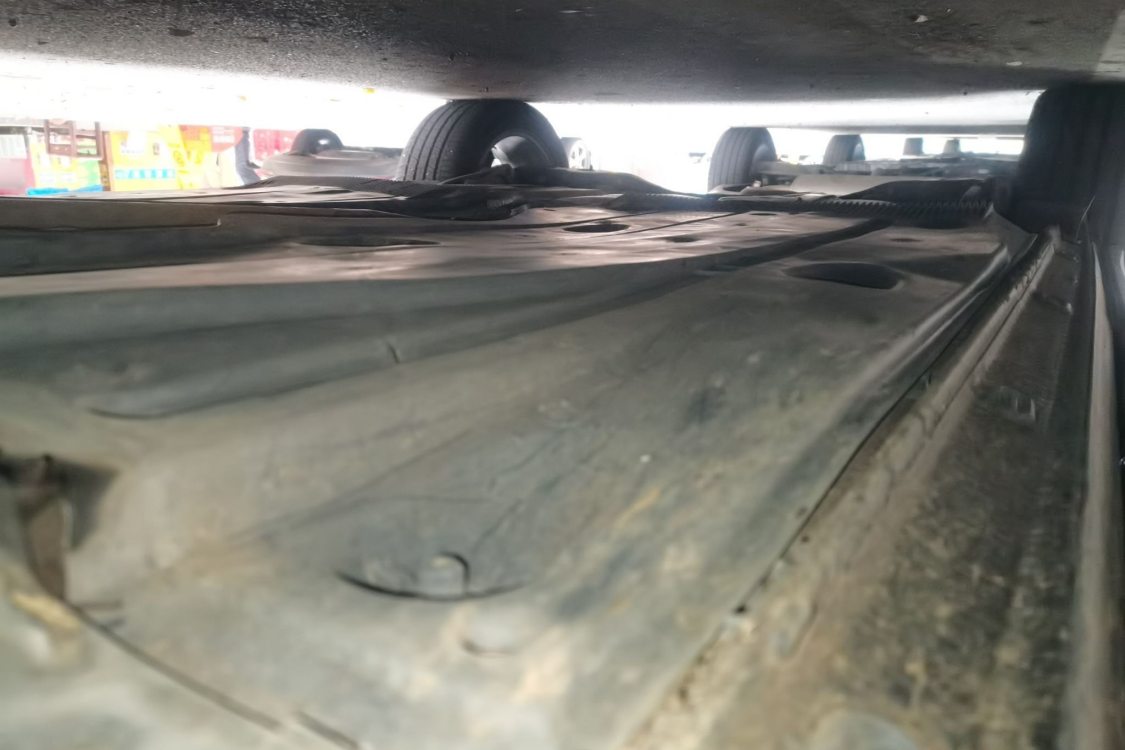
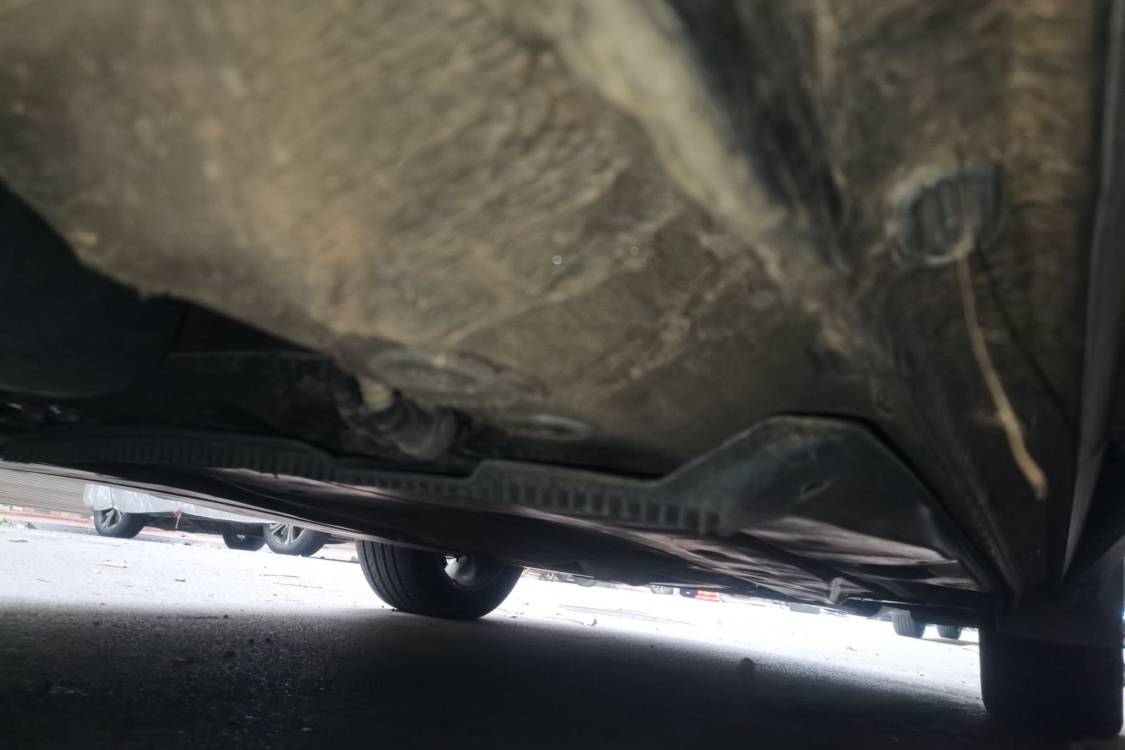
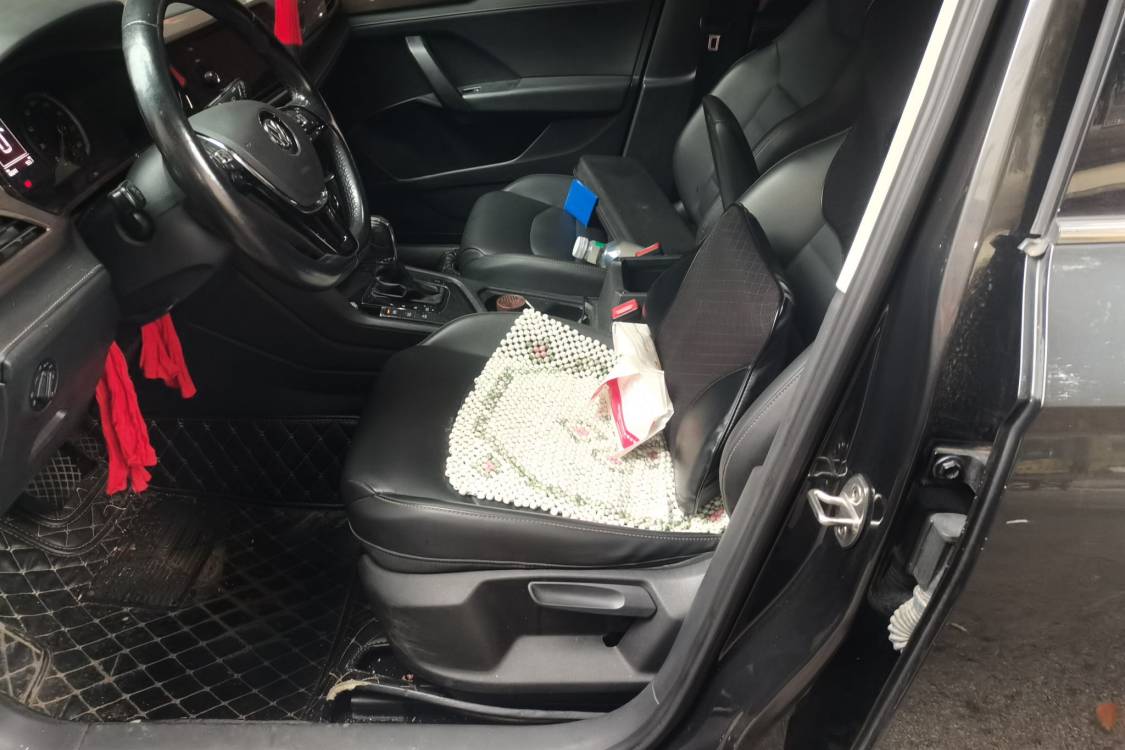
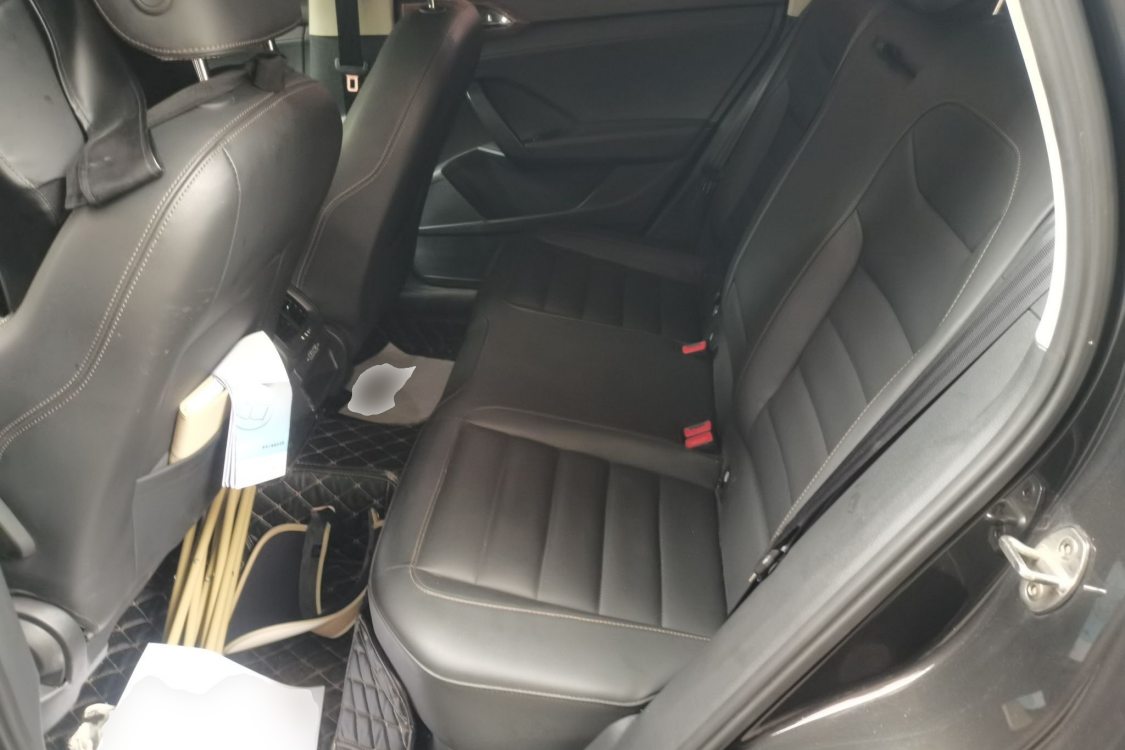
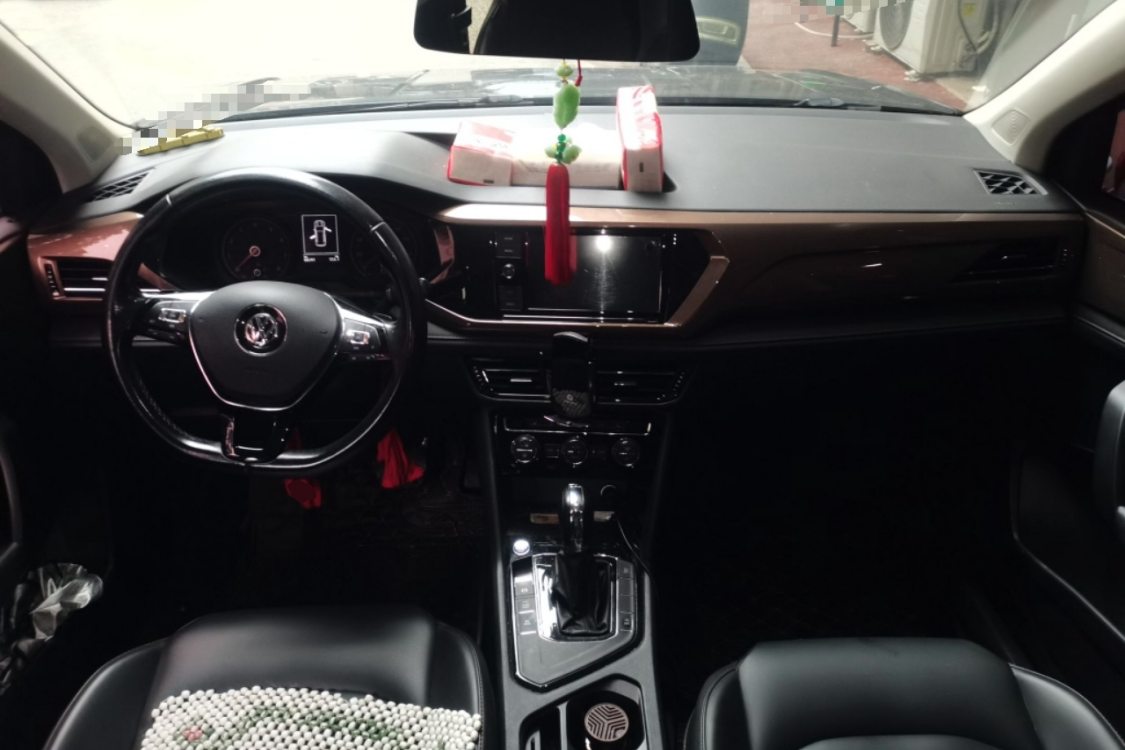
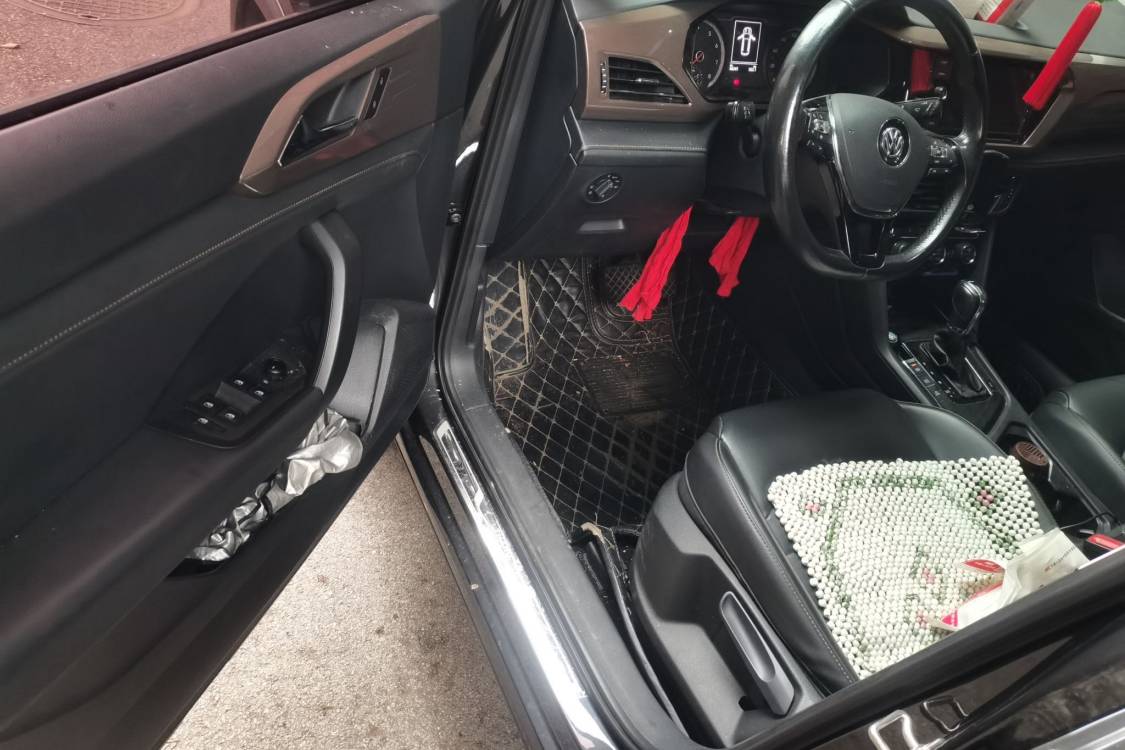
Localized body damage or repair marks present. No accident-related damage or repair to structural or reinforcing components. Vehicle performance (including three-electric system) has degraded or is limited.

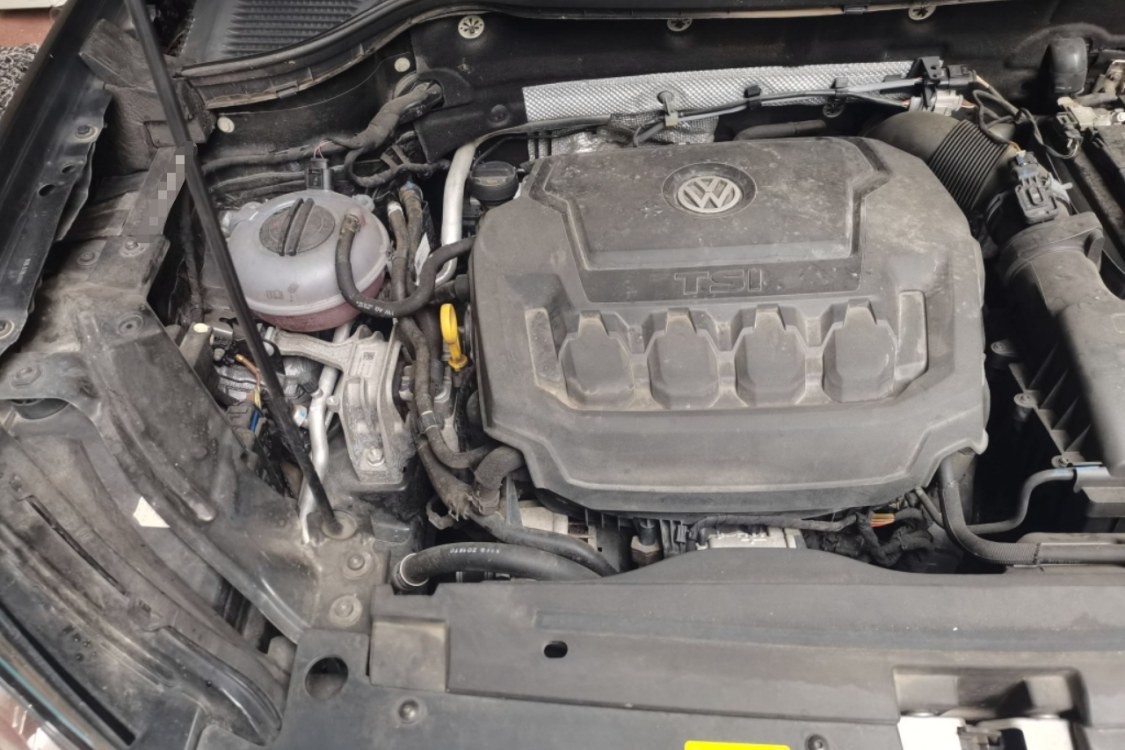
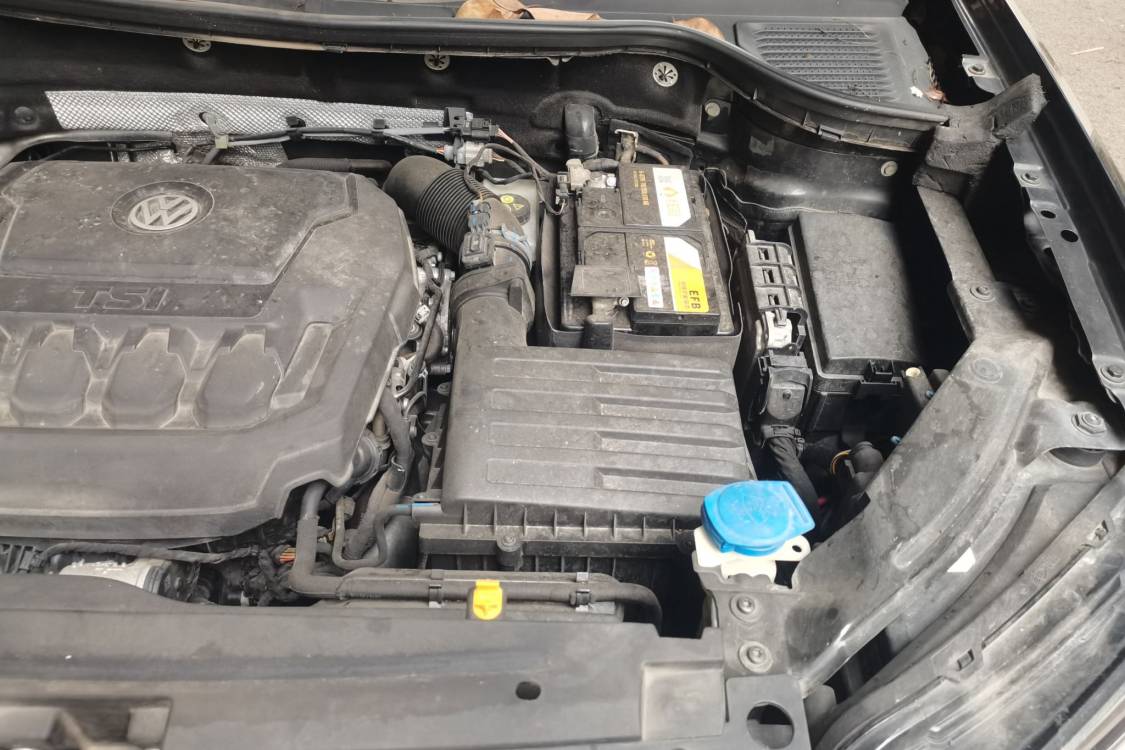
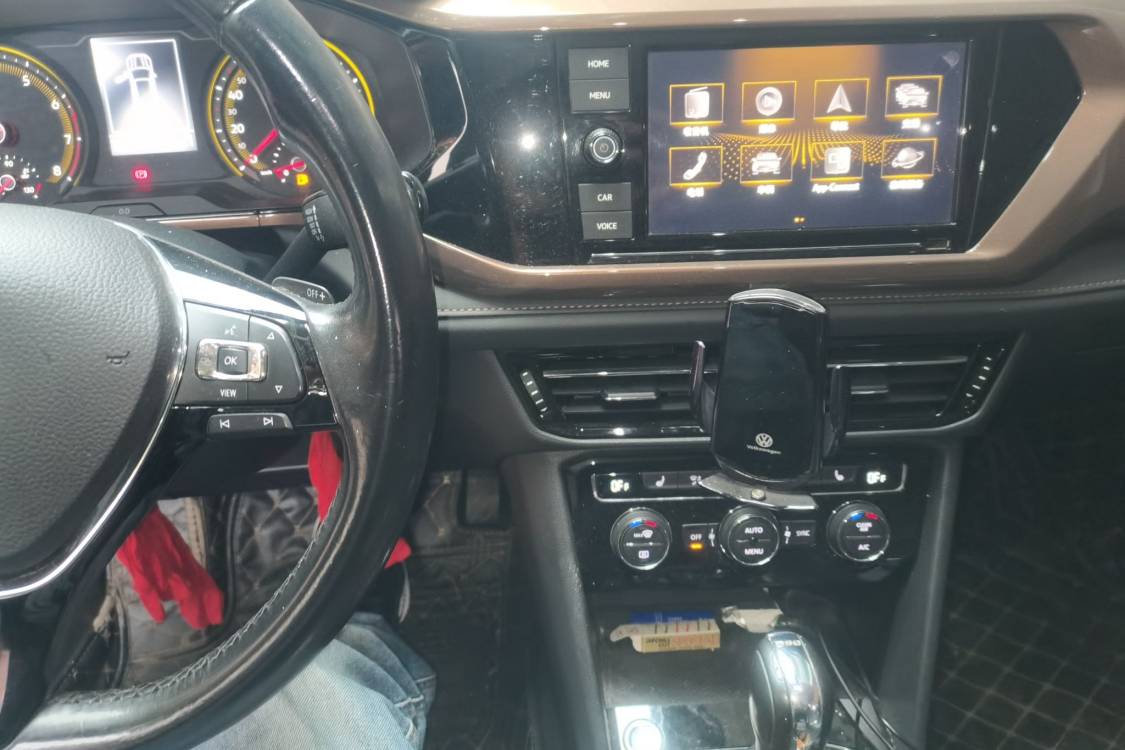
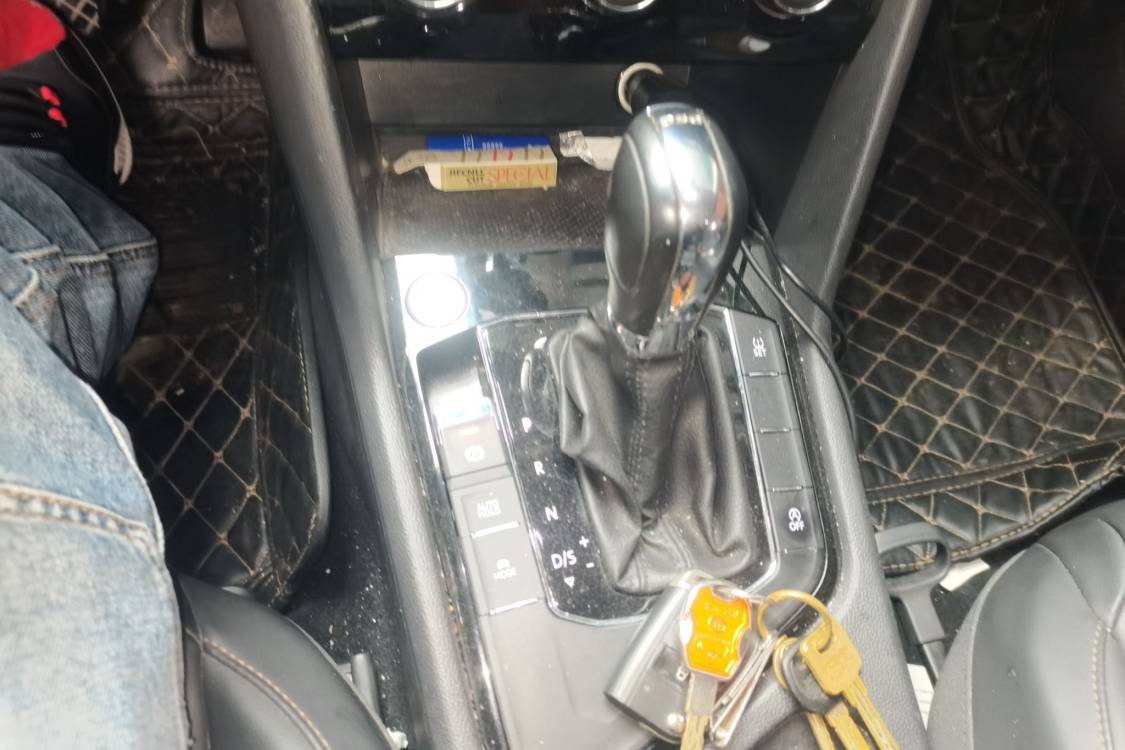
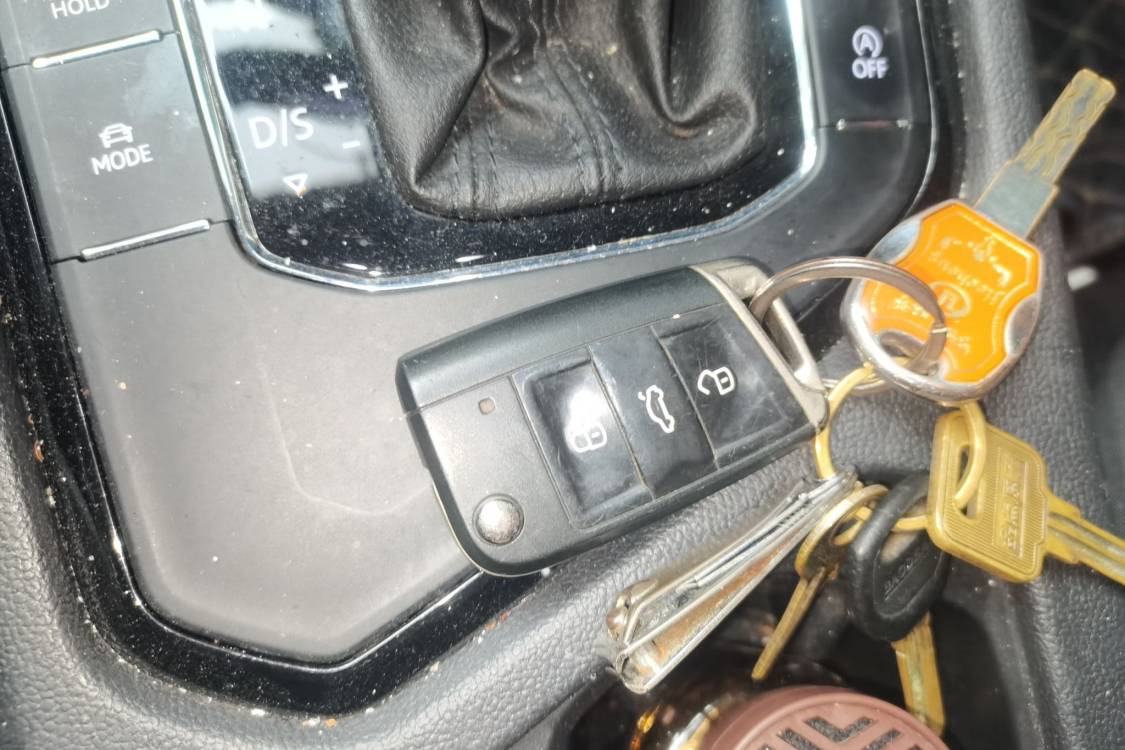
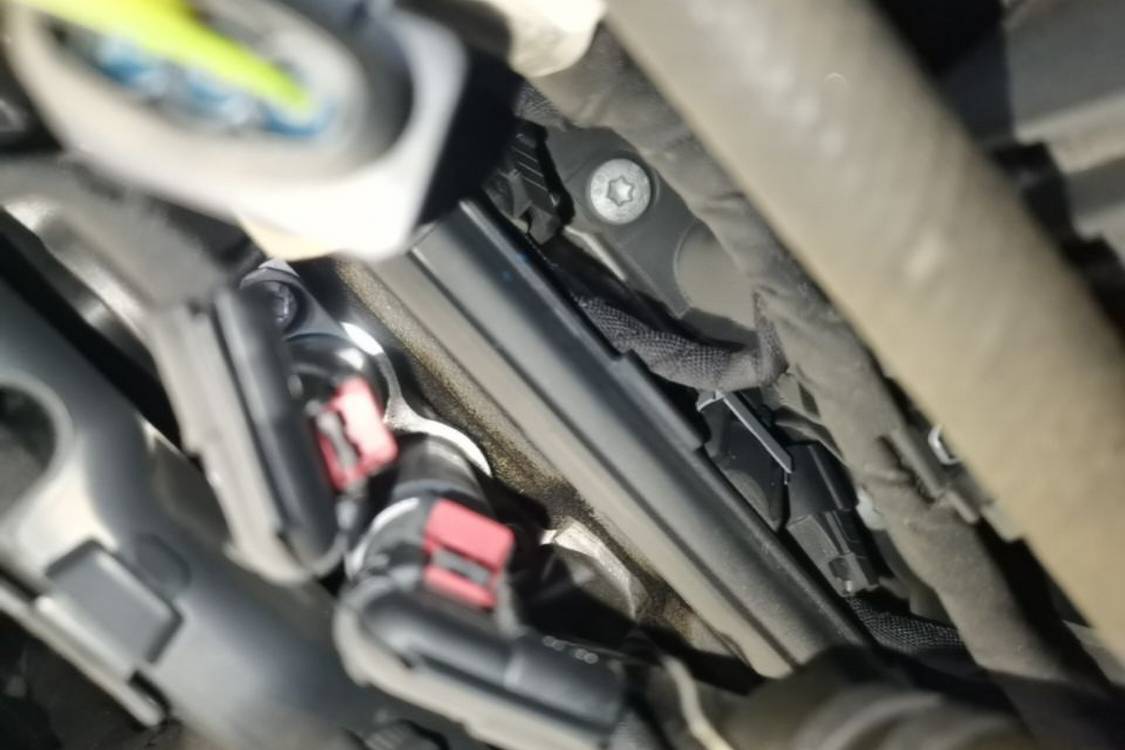
Accident inspection: no damage to main structure, reinforcing parts, or panels; hinges normal. Engine bay inspection: valve cover gasket oil leak. Exterior: 1 area of sheet metal repair, 1 area of repaint. Interior: most features normal; airbags, seatbelts, dashboard, instruments, and lighting system normal. Startup inspection: major components normal. No onboard tools.

电话直连
可讲价

Document Information

Inspection Expiry Date2027/08
Warranty Expiry Date-
Insurance Expiry Date2027/05

Q&A

More

When calculating the total cost of a used car, what percentage of the car price do you recommend setting aside for "unforeseen local preparation costs"?

Based on practical risk assessment, we strongly recommend setting aside 3% to 5% of the car price as a buffer fund for even the highest-rated used cars, to cover oil changes, new tires, minor shipping scratches, and local inspection labor costs.


How long is your quotation valid? What is the basis for re-quoting after it expires?

Our FOB vehicle quotes are typically valid for 72 hours (as domestic retail vehicle sources can be sold at any time); sea freight quotes are valid for 7 to 14 days (depending on shipping line changes). After expiration, prices need to be recalculated based on real-time exchange rates and domestic procurement conditions.

What is a Certificate of Origin and why do I need one when importing a car from China?

A Certificate of Origin (C/O) is an official document stating where the vehicle was manufactured. Customs authorities use it to decide which tariff rates and trade agreements apply to your import. Why it matters: many countries offer preferential tariffs for certain origins. With a valid C/O, such as the ASEAN-China Form E or a GSP Form A, you may pay reduced or zero duty. Without it, you typically pay the standard, higher rate. The certificate must match the vehicle exactly: VIN, make, model and invoice details. It is usually issued by the China Council for the Promotion of International Trade (CCPIT) or customs authorities. Practical tips: request the C/O before shipment, because adding it later is slow; check that your country's customs accepts the specific C/O format; and confirm with your broker whether your vehicle category qualifies for preferential rates. This single document can save you thousands in duty.