Basic Information

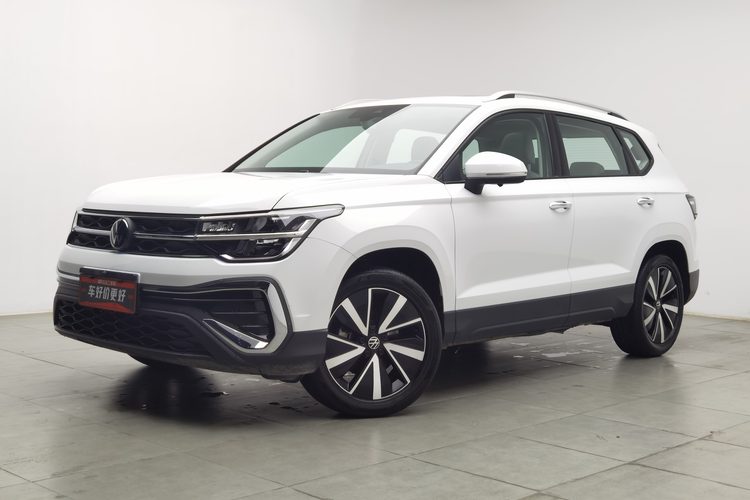
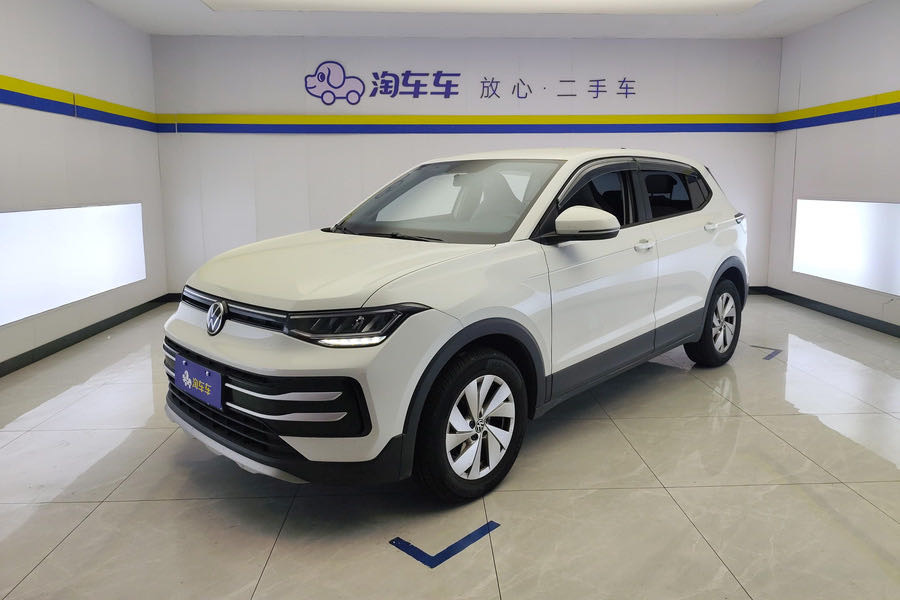
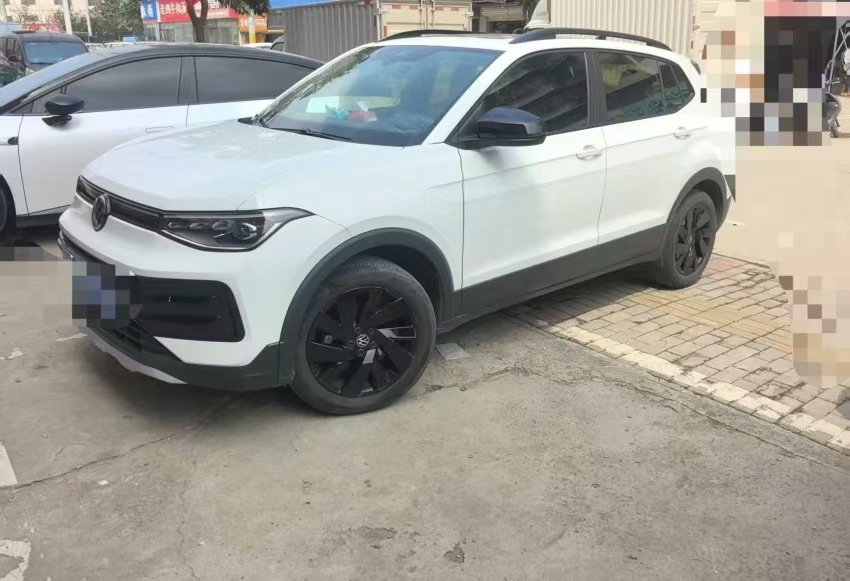
BrandVolkswagen
SeriesTharu
Year2020
First Registration2020/04
Mileage25,000km
Transfer Count-
FuelGasoline
TransmissionDCT
Engine1.4T 150 L4
ColorWhite
Seats-

Condition Description

Vehicle performance is good. Structural, reinforced, and panel components have no accident-related damage or repairs. The three-electric system (battery, motor, electronic control) has no damage.

Accident inspection: main structure, reinforced components, panels, and hinges have no damage or abnormalities. Engine bay: key mechanical components are normal. Exterior: no issues. Interior: most features are normal; airbags, seatbelts, dashboard, instruments, and lighting system are normal. Startup inspection: main components are normal. Onboard tools: none.

电话直连
可讲价
平台物流
可转售
零过户
新检测标准升级>
非泡水

Document Information

Inspection Expiry Date2028/04
Warranty Expiry Date-
Insurance Expiry Date2027/04

Q&A

More

How is the degree of wear on the interior defined? (e.g., steering wheel, seat patina or cracking)

Interior assessment is divided into three core areas: the driver's high-frequency contact area (steering wheel, gear shift, edge of the driver's seat), central control button area, and rear seats and ceiling. The natural sheen of leather surfaces (patina) is normal; however, any physical damage (such as leather tearing, fabric burn holes, or plastic breakage) will be classified as "structural interior damage" and clearly marked.
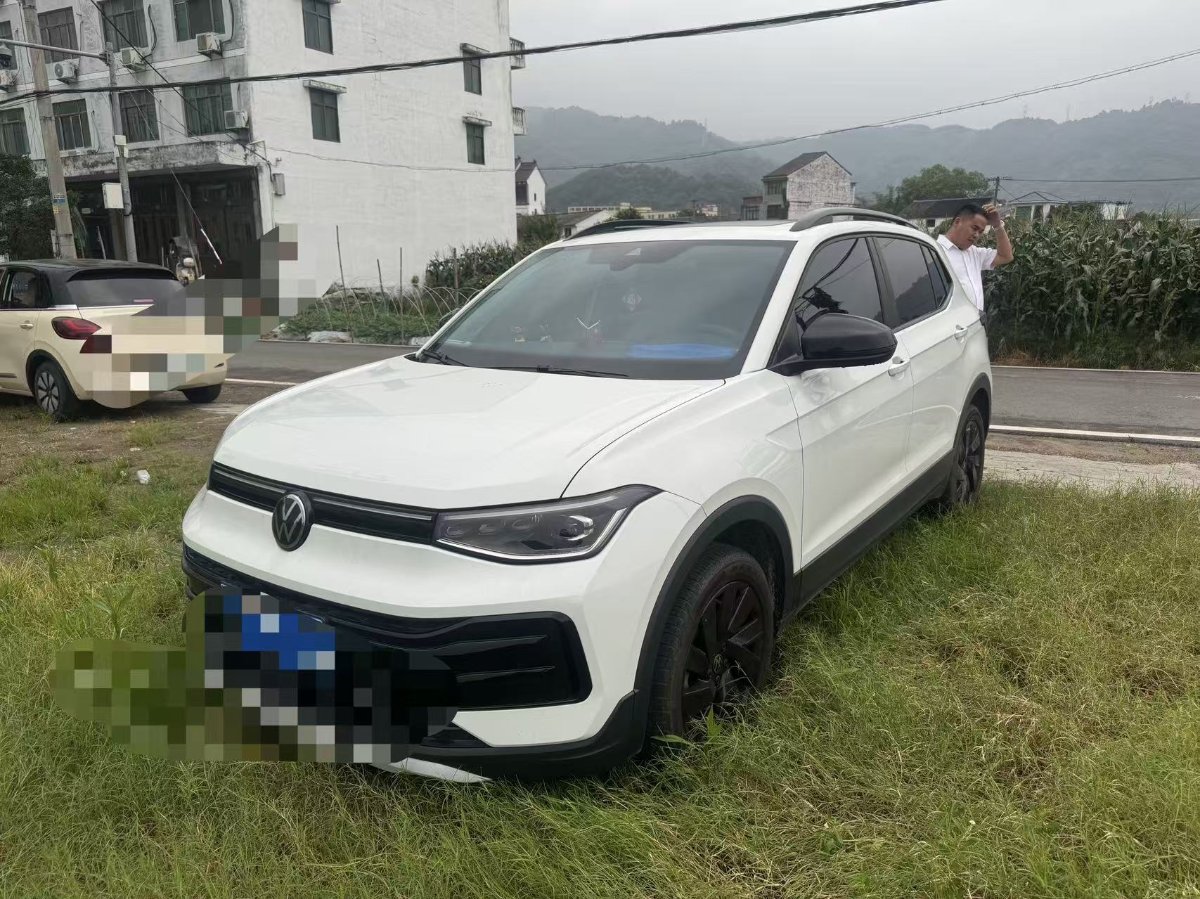
What are the specific thresholds for tiered pricing (Volume Discount) in B2B bulk purchasing?

Our bulk discounts are not simply calculated by the number of units, but by shipping batches. Typically, consolidating enough for a 40-foot container (which can hold 2-3 vehicles, depending on size) can waive some logistics fees; purchasing more than 5 units at once triggers tiered discounts.

When calculating the total cost of a used car, what percentage of the car price do you recommend setting aside for "unforeseen local preparation costs"?

Based on practical risk assessment, we strongly recommend setting aside 3% to 5% of the car price as a buffer fund for even the highest-rated used cars, to cover oil changes, new tires, minor shipping scratches, and local inspection labor costs.