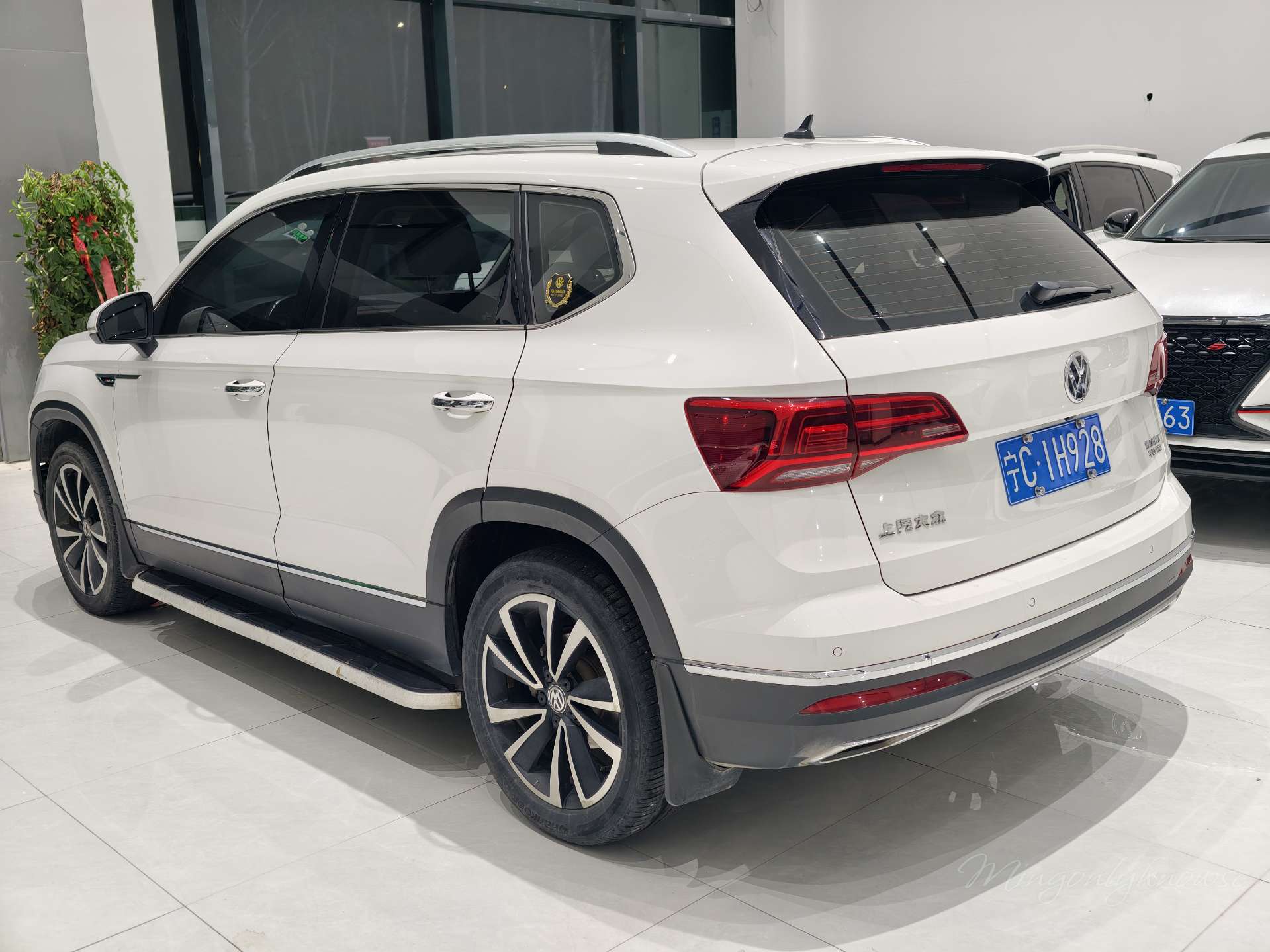
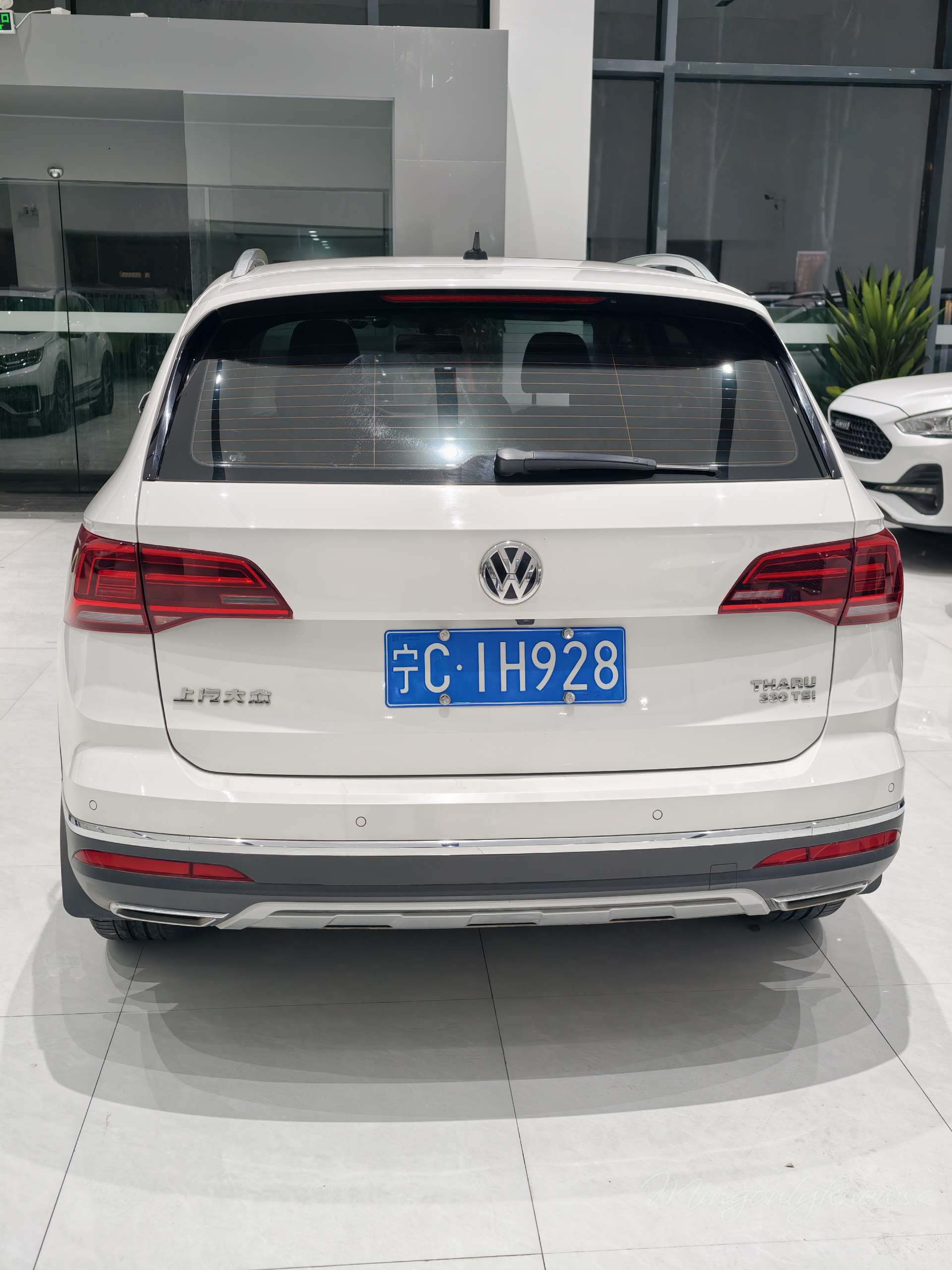
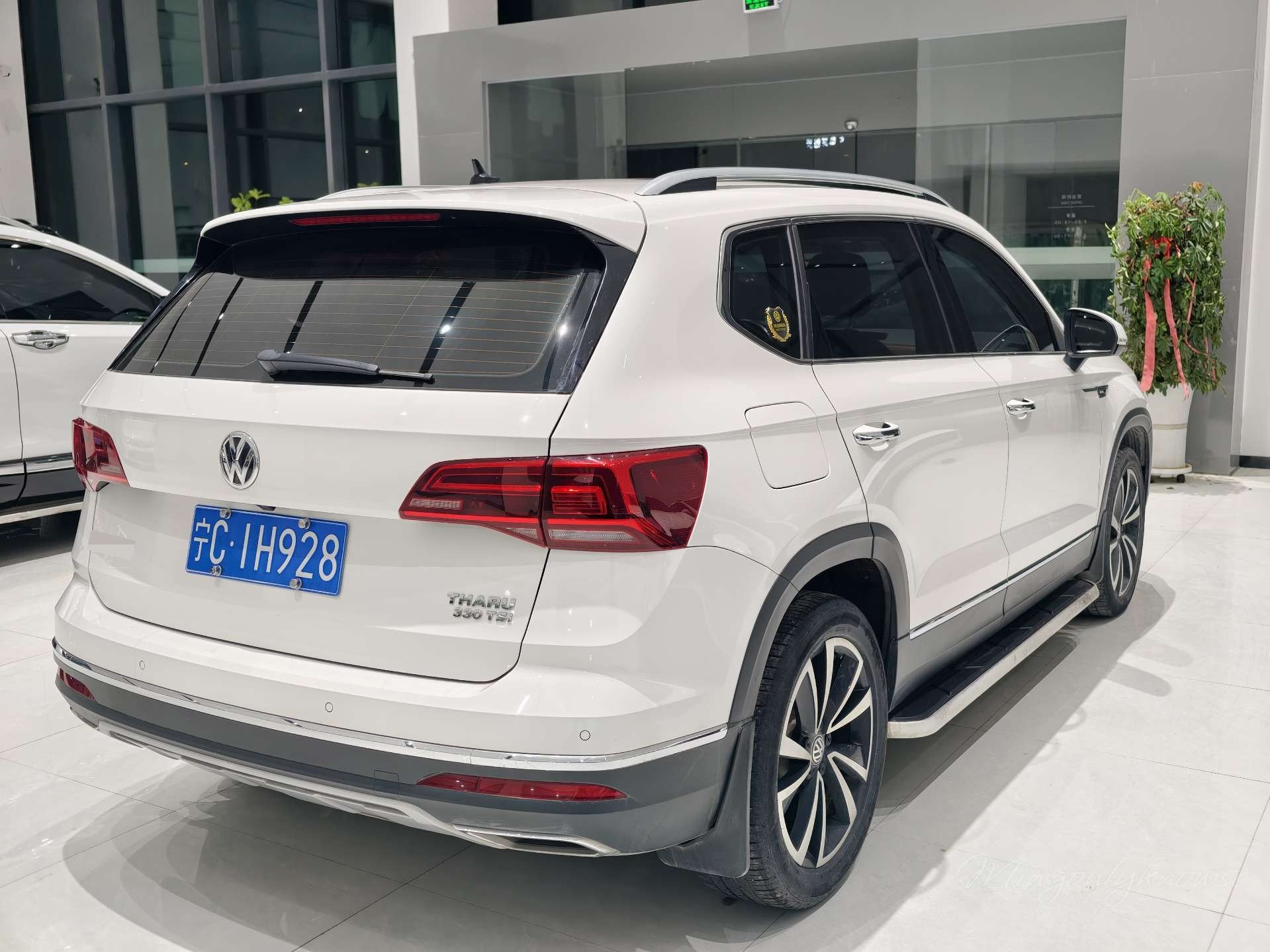



Basic Information

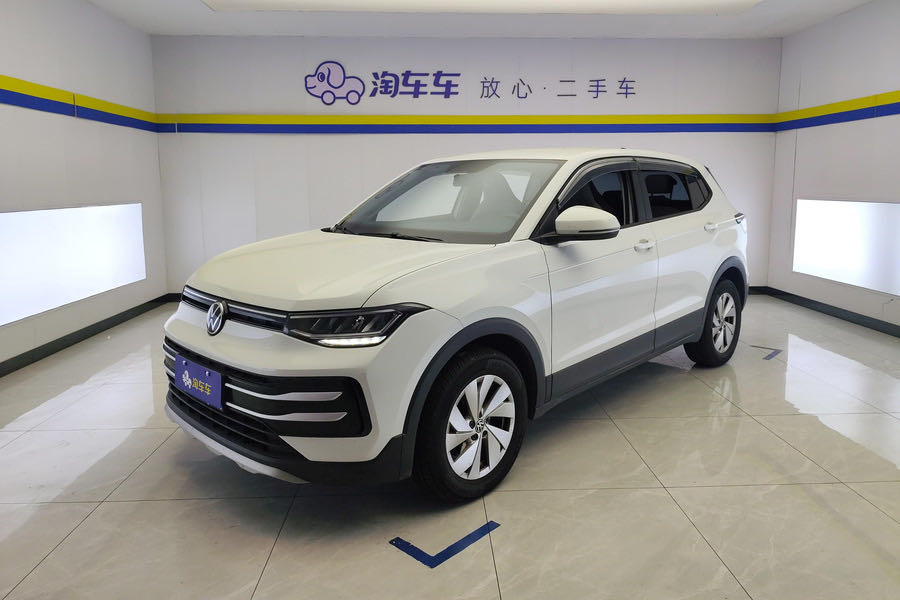
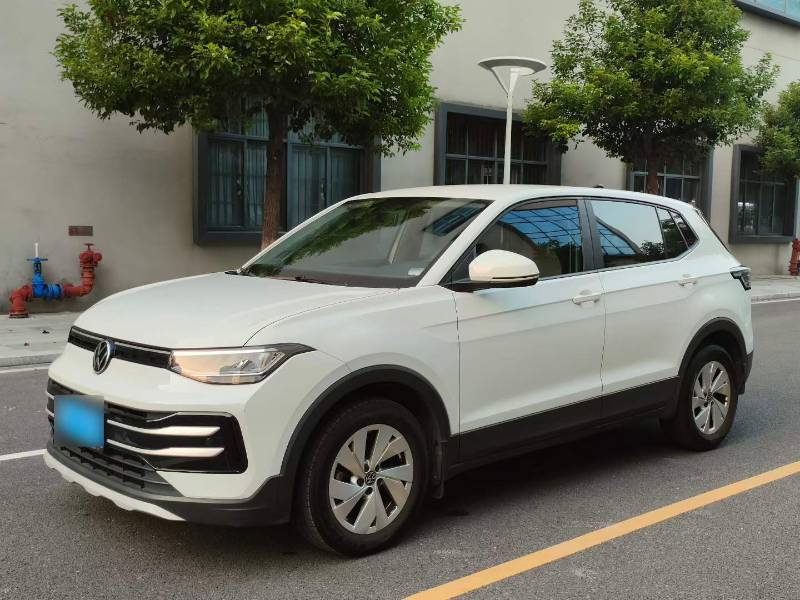
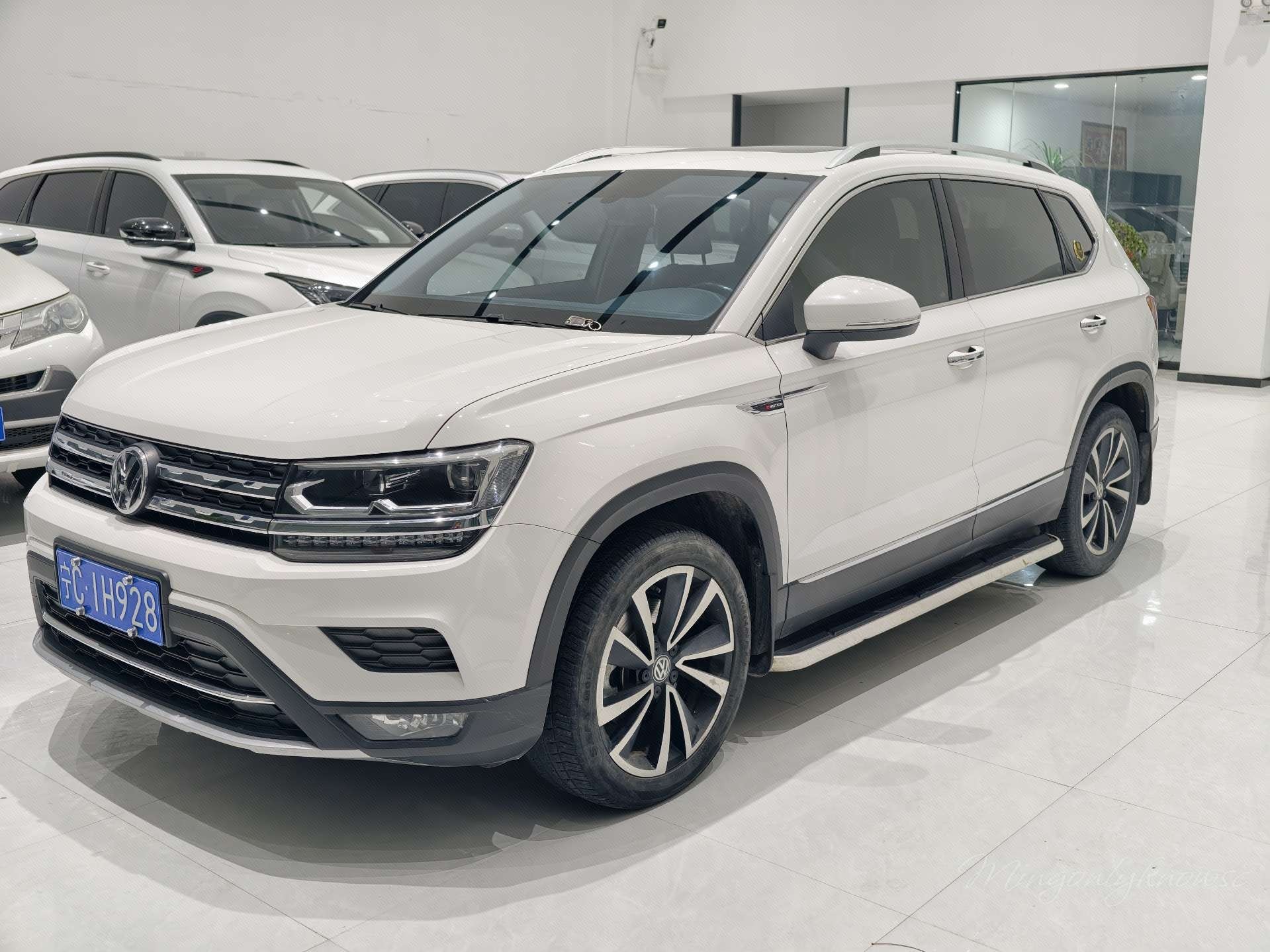
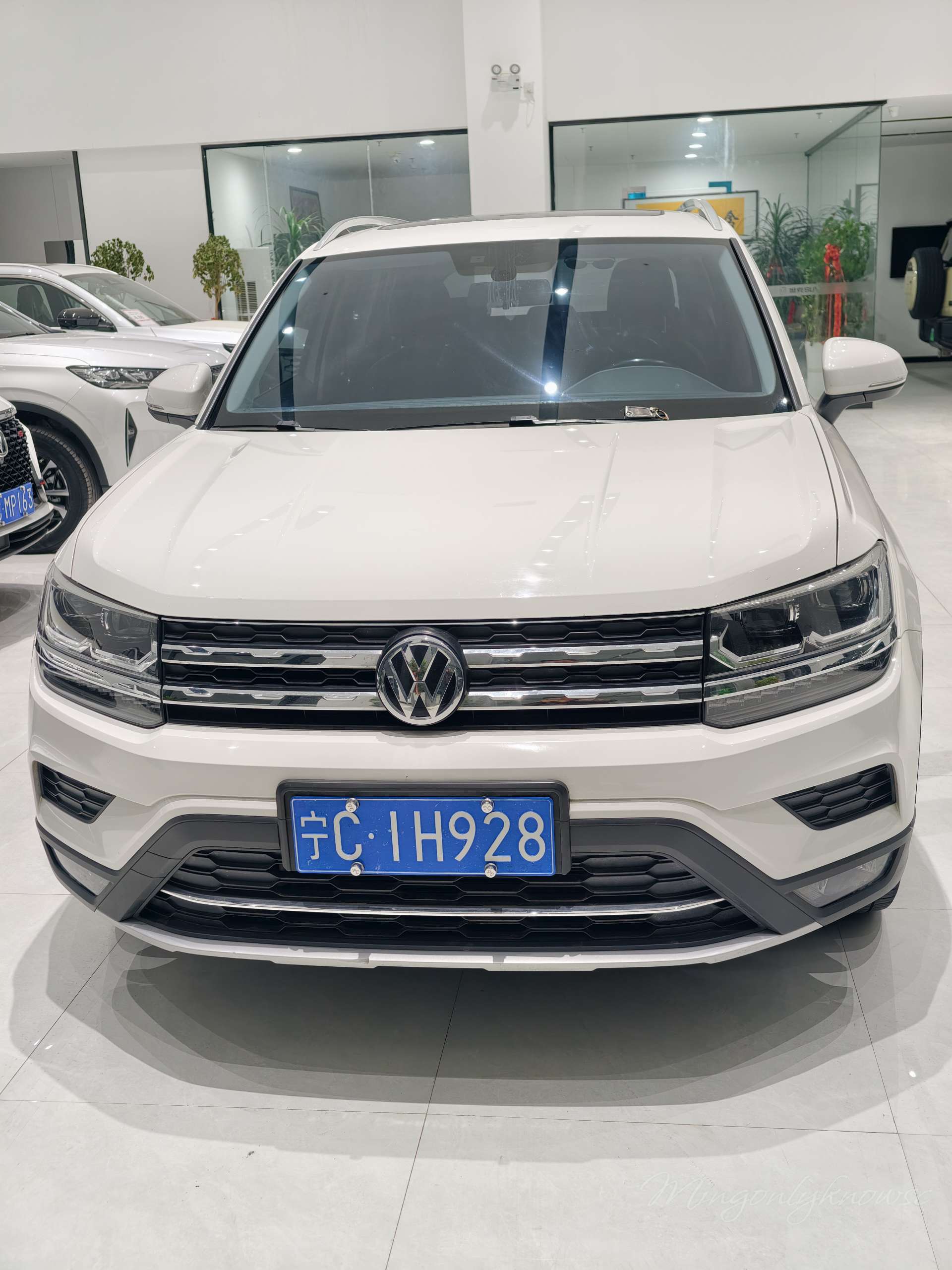
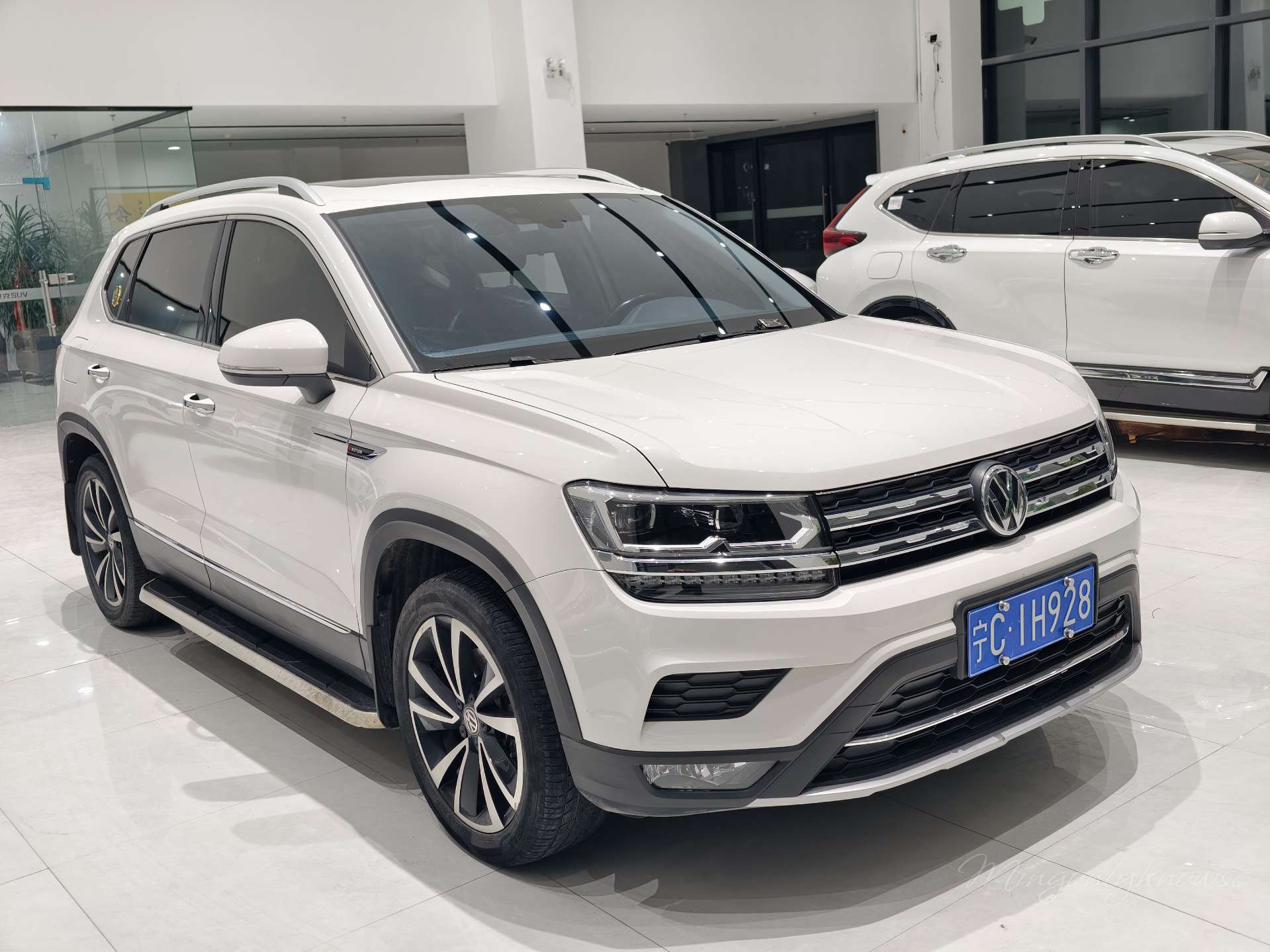
BrandVolkswagen
SeriesTharu
Year2020
First Registration2020/06
Mileage102,000km
Transfer Count0times
FuelGasoline
TransmissionDCT
Engine2.0T 186 L4
ColorWhite
Seats-

Condition Description

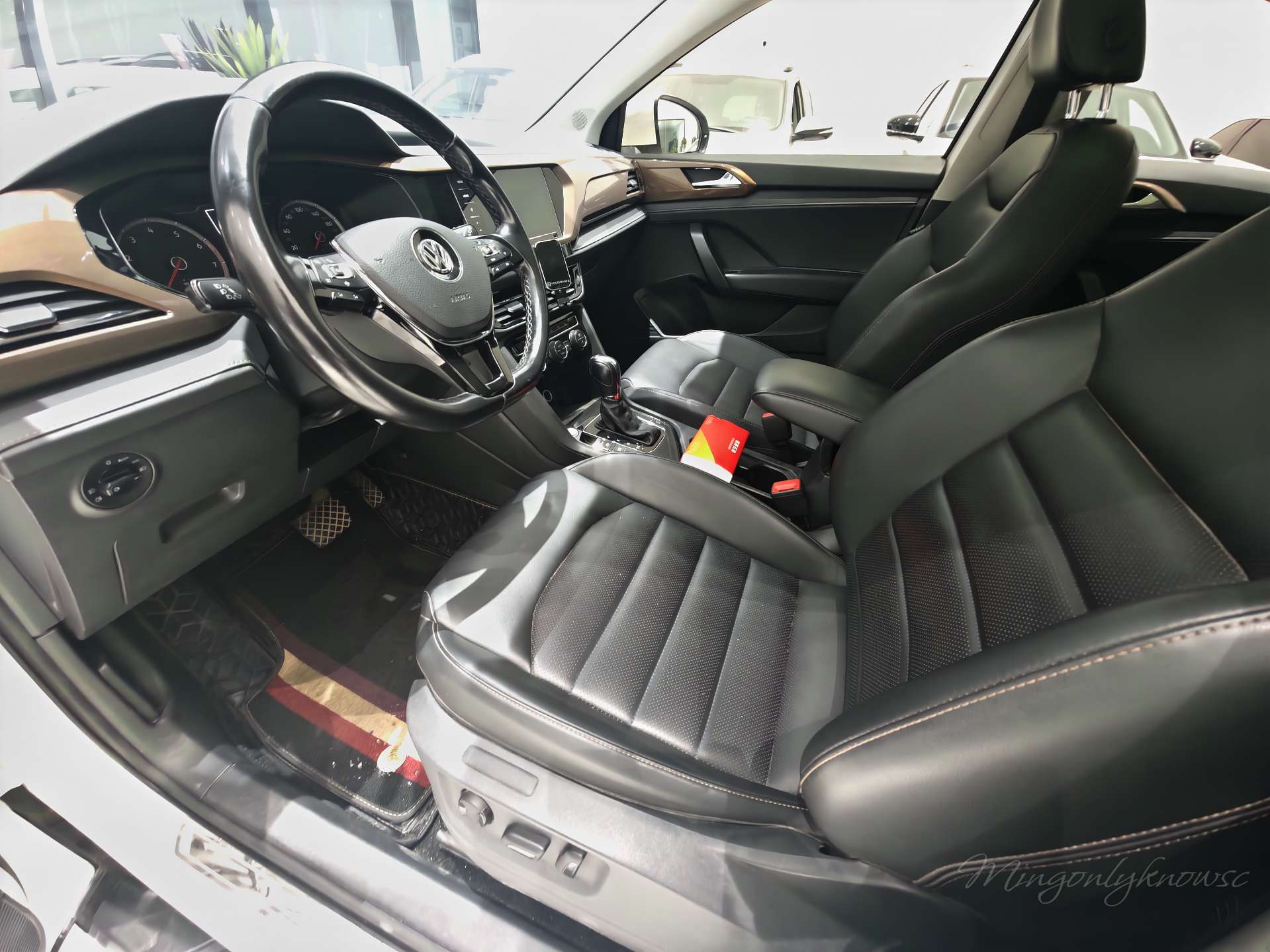
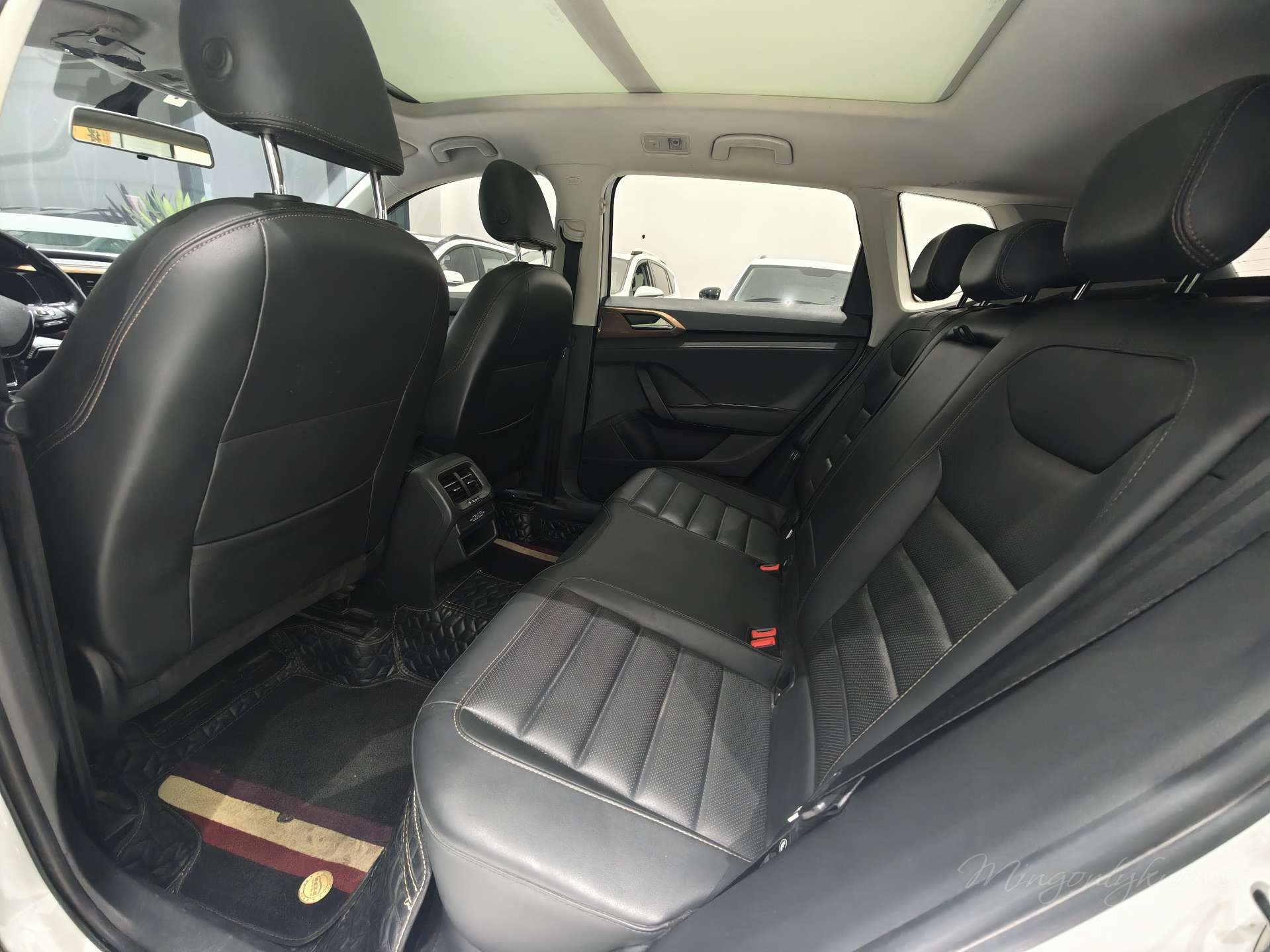
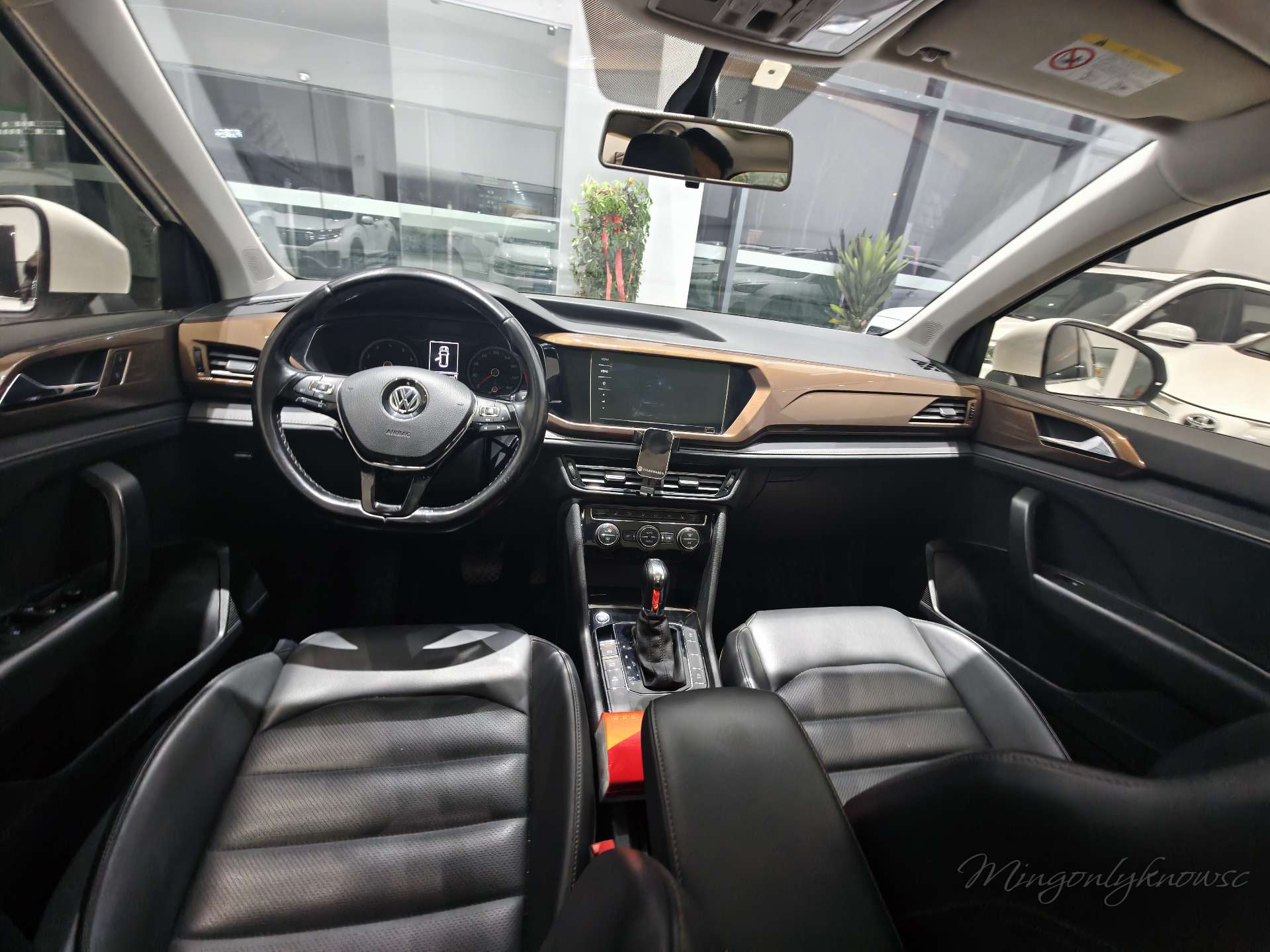
Original condition, one repainted panel, second-hand car, passes third-party inspection.

Document Information

Inspection Expiry Date-
Warranty Expiry Date-
Insurance Expiry Date2027/06

Q&A

More

Who is responsible if a vehicle is damaged in a rear-end collision during inland highway transport to a port in China?

Under FOB or CIF terms, all risks before crossing the ship's rail are borne by the seller (us). For minor scratches, we will provide a price discount based on the damage assessment; for serious damage, we will immediately terminate the vehicle delivery, refund the full amount, or replace it with a vehicle of equivalent configuration.


Which export documents should the Chinese seller provide, and how do I verify they are authentic?

The standard set: commercial invoice, packing list, bill of lading, export customs declaration, certificate of origin, and a copy of the vehicle title/registration. How to verify: the bill of lading number should be trackable on the shipping line's website; the certificate of origin is verifiable through CCPIT's online system; and the VIN must match across all documents, the inspection report, and the car itself. Ask for scans of everything before paying the balance, and have a freight forwarder review the set. Mismatched VINs, missing title copies, or vague promises that "documents will follow" are red flags worth pausing the deal over.

How does customs clearance work at destination when importing a used car from China, and who handles it?

Customs clearance at destination is usually handled by a licensed customs broker, not the exporter. You can hire one yourself or use a broker recommended by your shipping agent. The typical flow: your broker files the import declaration using the documents the exporter must provide — the commercial invoice, packing list, bill of lading, and the certificate of origin. Depending on your country's rules, you will also need to pay import duty, VAT or sales tax, and any excise or environmental levies before the car is released. Things that commonly delay clearance: mismatched VIN numbers between documents, missing pre-shipment inspection certificates (required in some African and Middle Eastern countries), or non-compliance with your country's used-car import age limits. Budget 3–10 working days for clearance after the vessel arrives, plus storage fees if documents are incomplete. Tip: send all documents to your broker for review before the ship departs China — fixing errors at origin is much cheaper than demurrage at destination.