48H

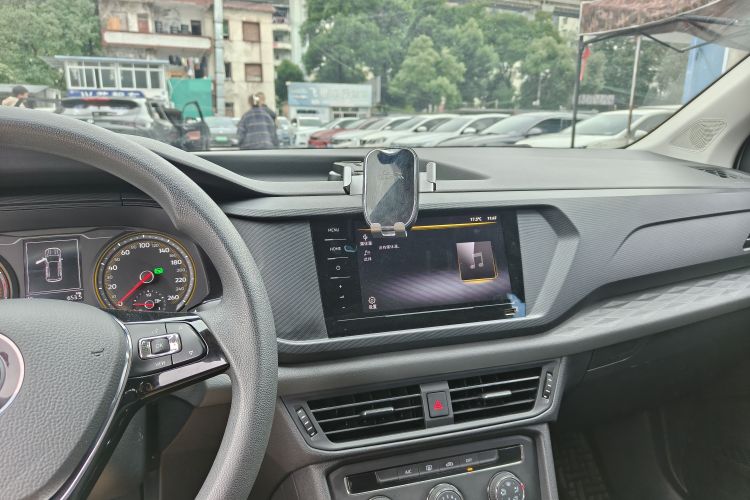
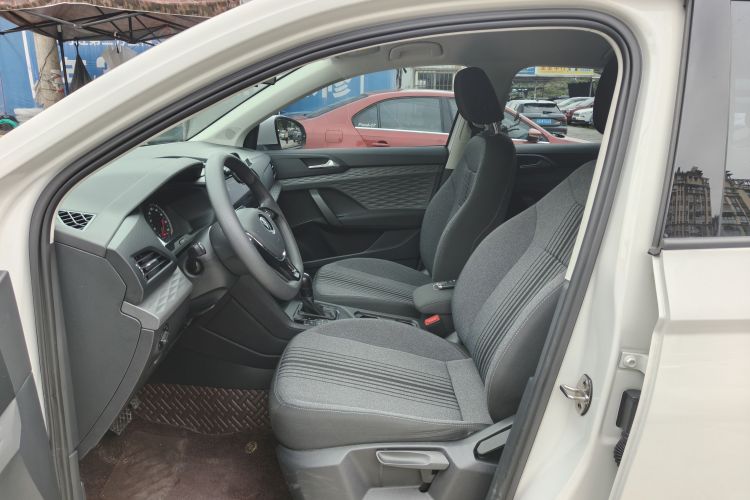
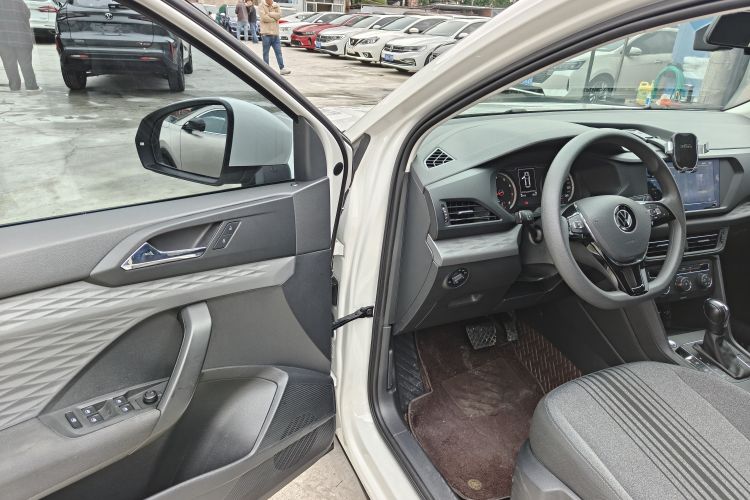
Basic Information

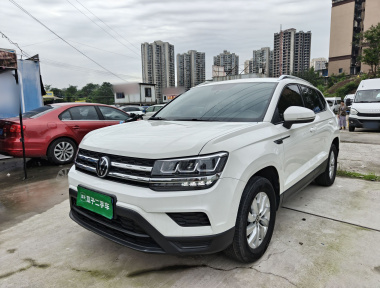
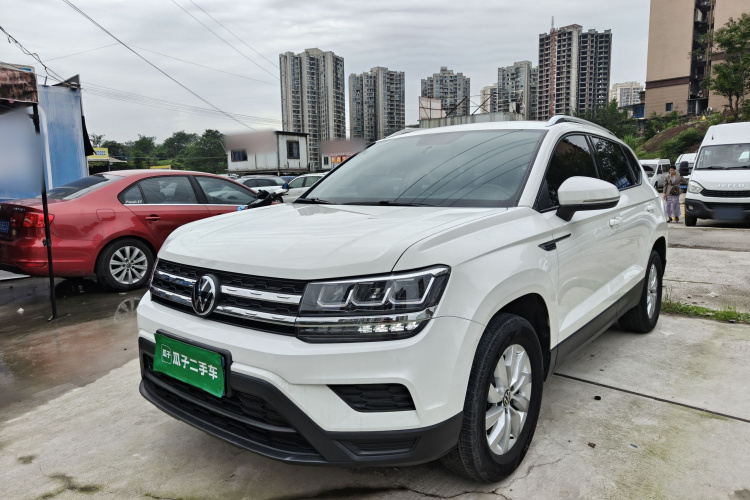
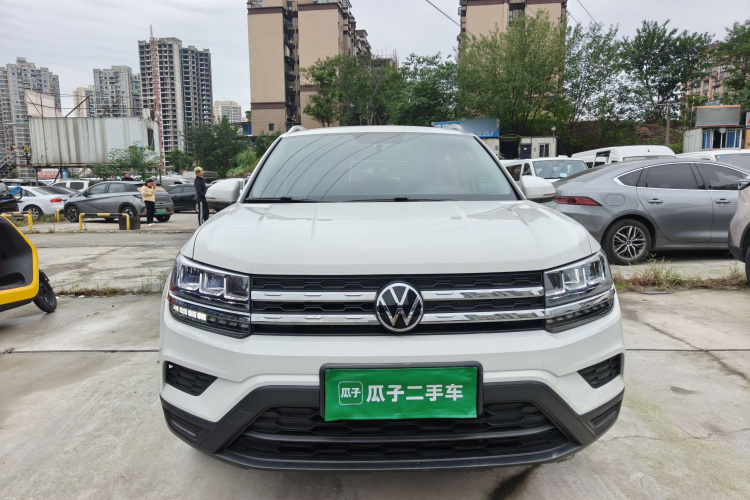
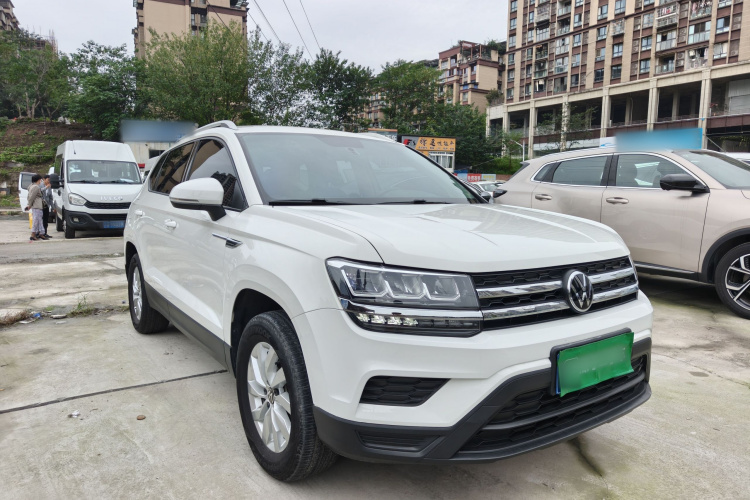
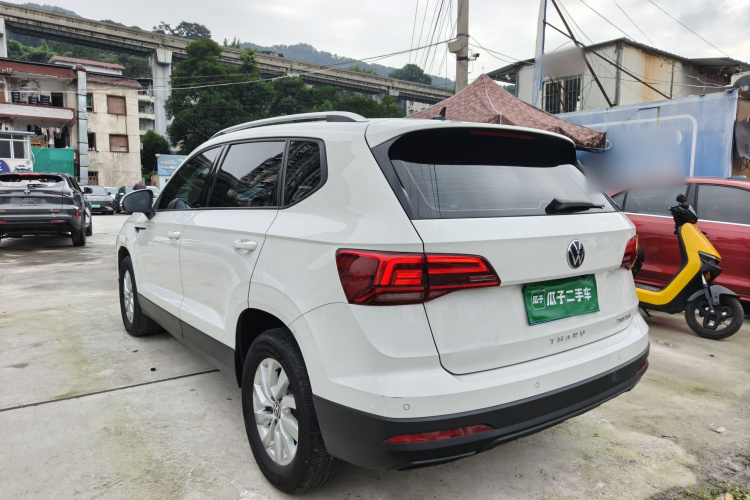
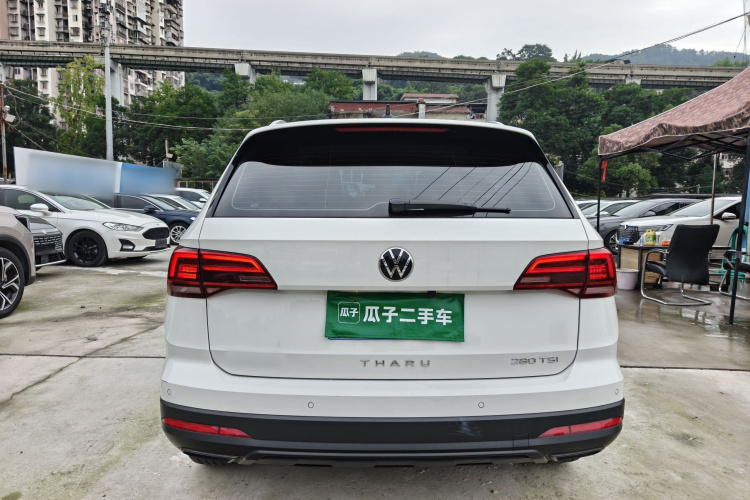
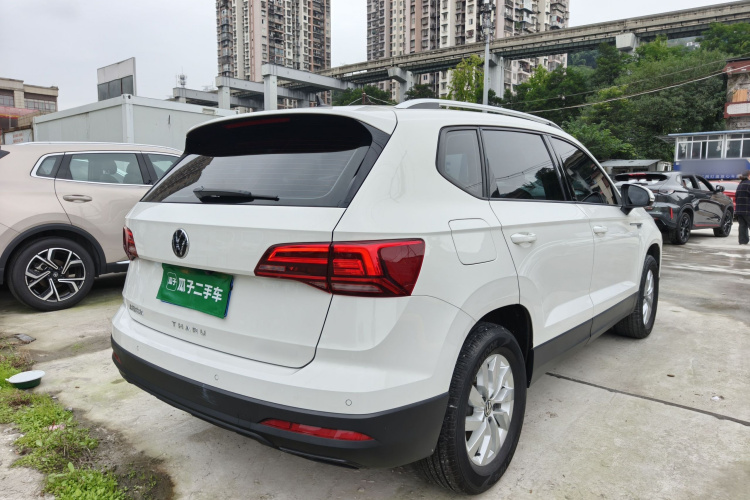
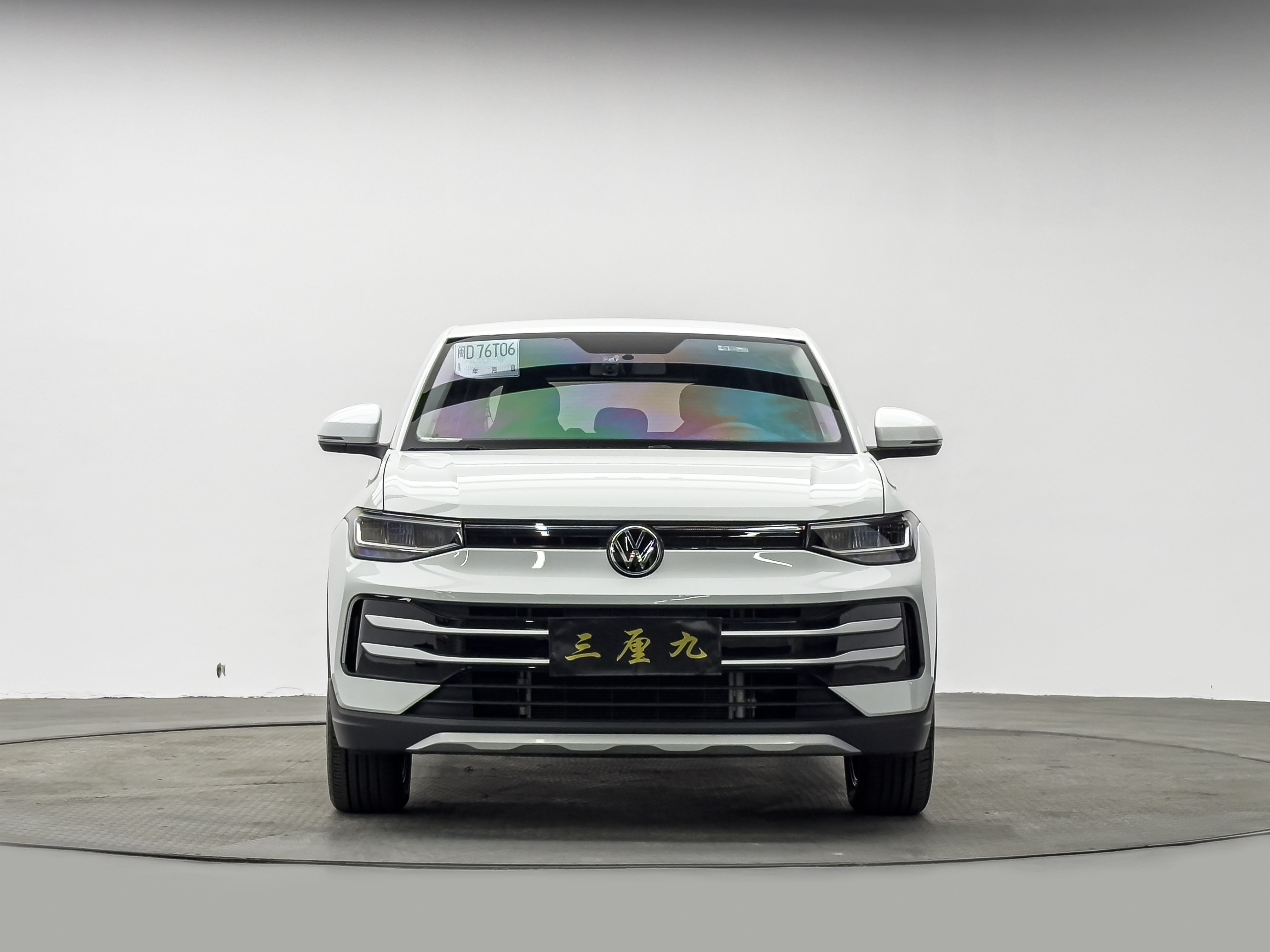
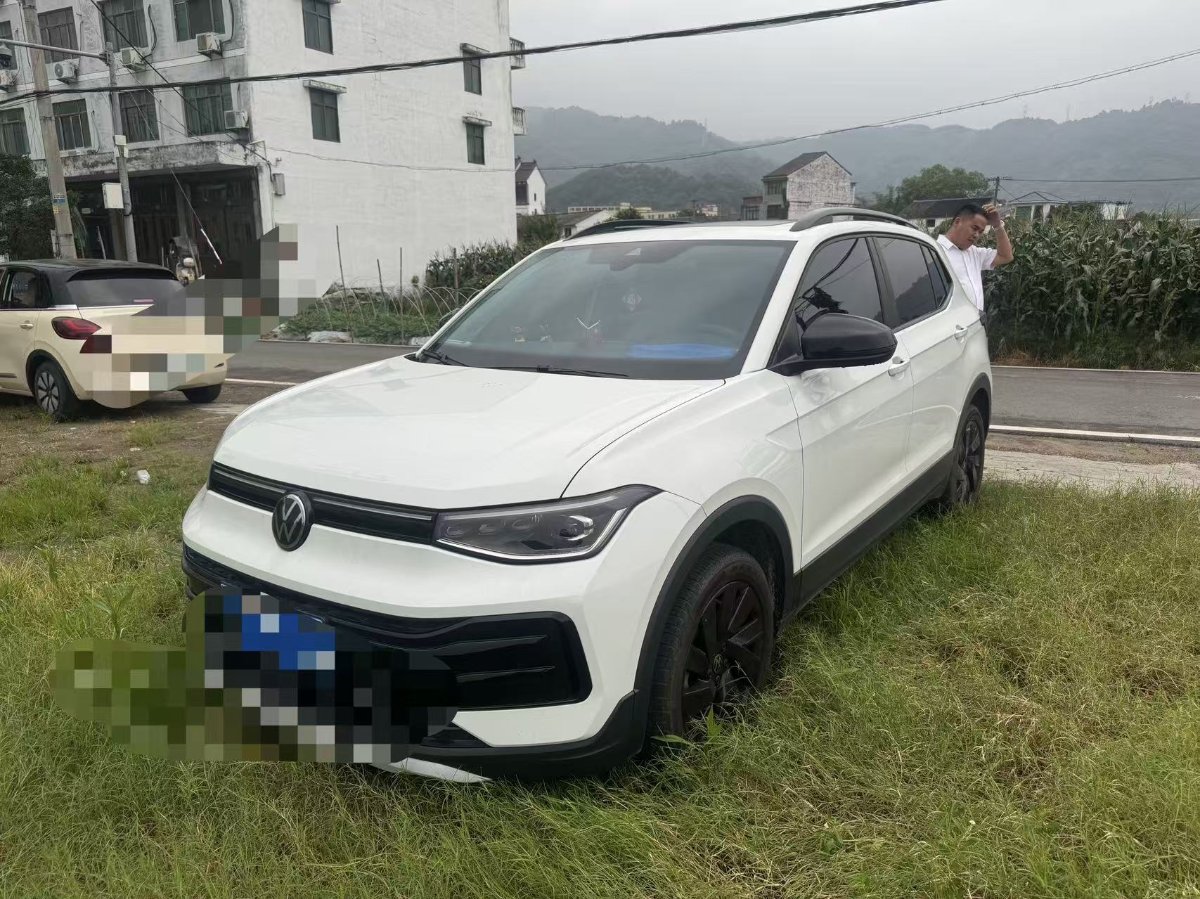
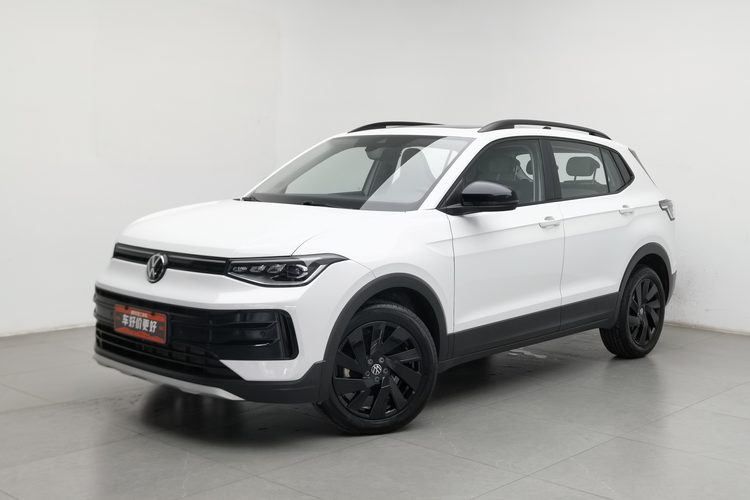
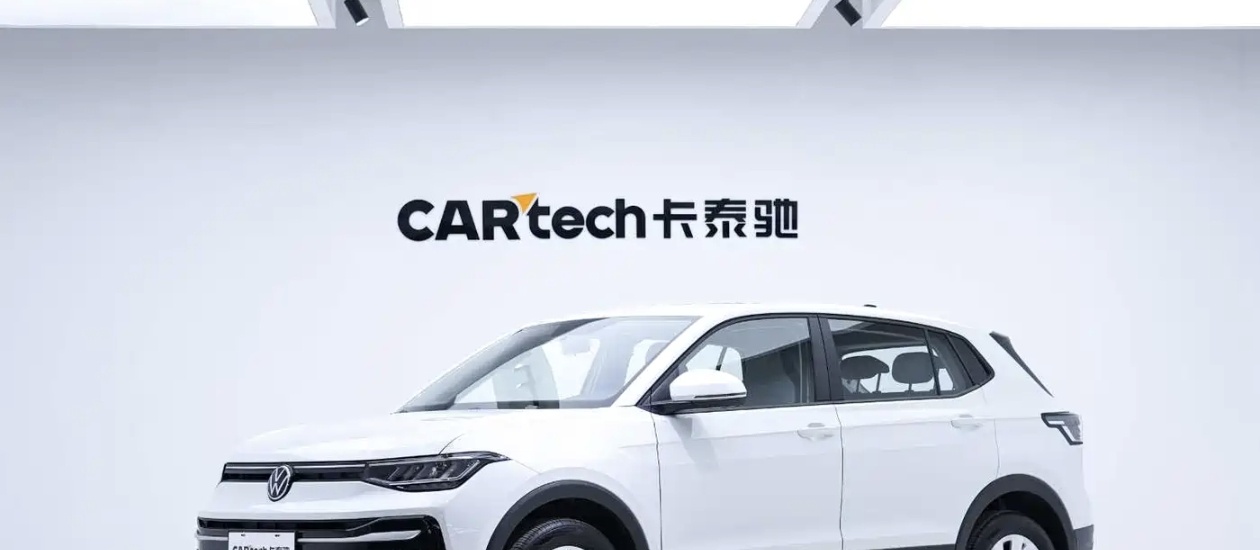
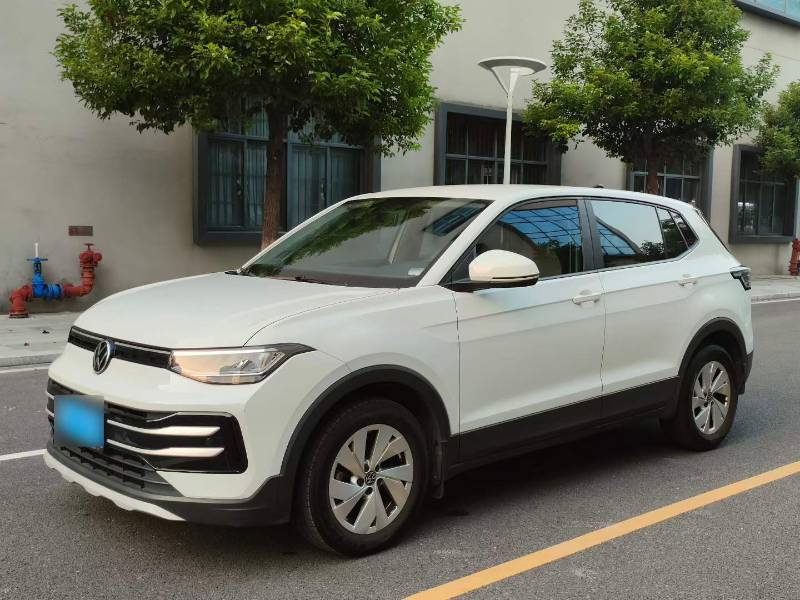
BrandVolkswagen
SeriesTharu
Year2022
First Registration2022/01
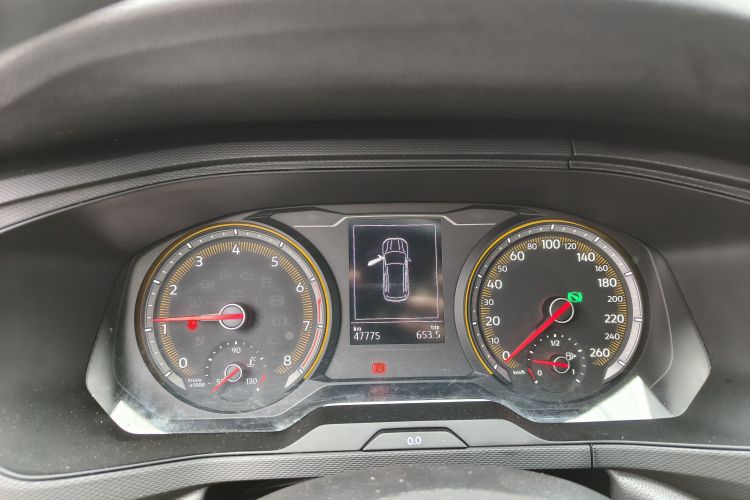
Mileage47,800km
Transfer Count0times
FuelGasoline
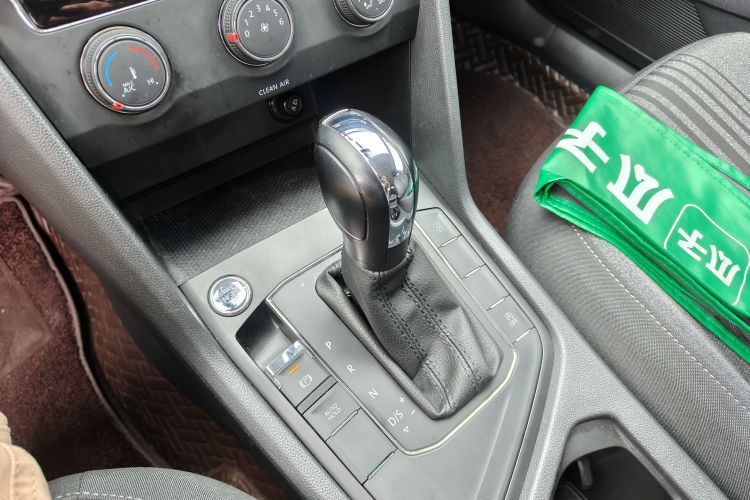
TransmissionDCT
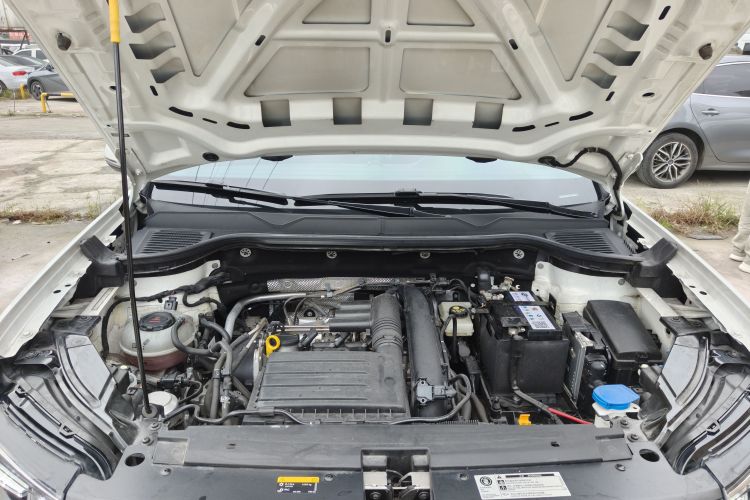
Engine1.4T 150 L4
Color
Seats-

Condition Description

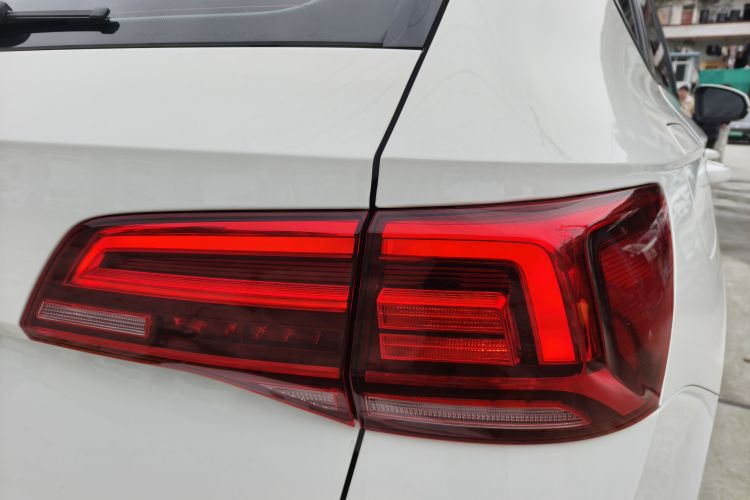
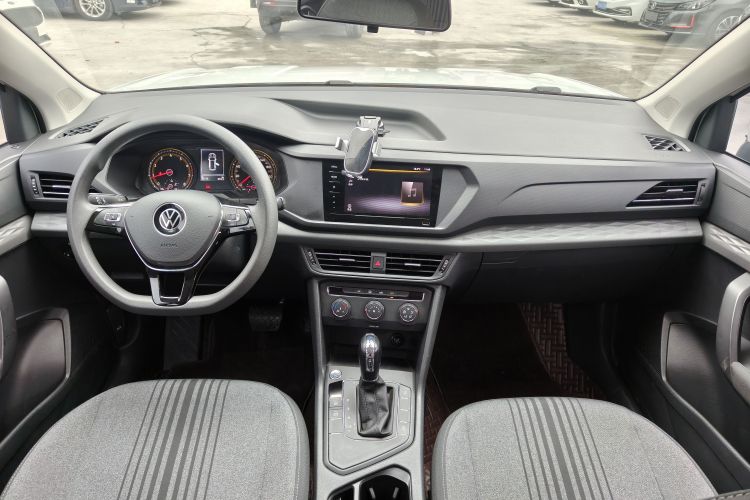
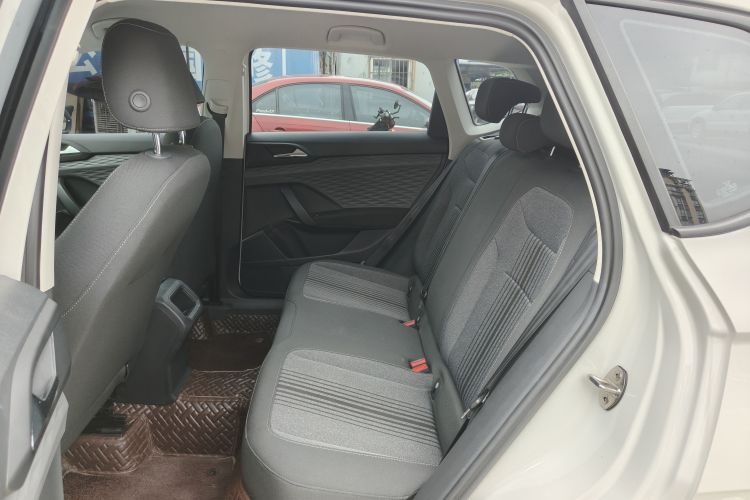
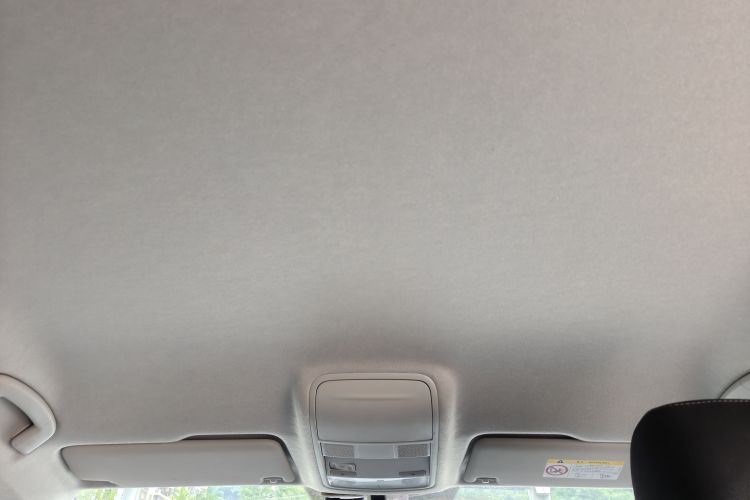
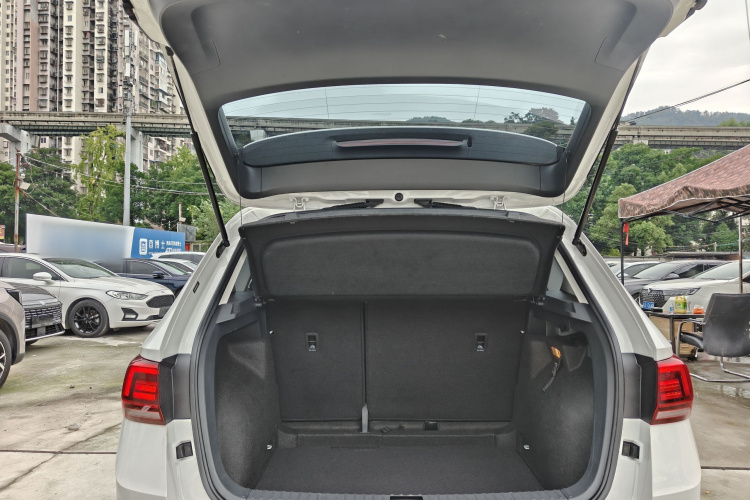
Basic condition: excellent | 0 insurance claims | 0 transfers

Q&A

More

Is the shipping insurance rate for used new energy vehicles higher than that for traditional fuel vehicles? What is the deductible?

Yes. Due to the significant difficulty in extinguishing lithium battery fires, insurance companies typically charge 20%-40% higher rates for comprehensive coverage on used EVs compared to ICE vehicles. Additionally, the absolute deductible for minor scratches on the body will also be increased accordingly.

Will OTA remote upgrades and mobile app control still work after the vehicle is exported overseas?

We must inform you objectively: Most Chinese car manufacturers' connected services (cloud servers) are restricted by data security regulations and overseas network limitations. Once the vehicle leaves China, the factory-installed SIM card will become inactive. This means that official OTA upgrades and factory mobile app remote controls (like pre-cooling the car or unlocking doors) typically cannot be used overseas. The vehicle will operate as a standalone version, but this will not affect basic driving and physical button functions.

What is the difference between EXW, FOB, and CIF prices from a Chinese exporter, and which incoterm should I choose as a first-time buyer?

EXW means you pay only for the car at the seller's yard—you handle everything else, including inland transport in China and export clearance, which is impractical from overseas. FOB includes delivery to the port and export customs clearance; you pay for ocean freight and insurance. CIF adds freight and basic insurance to a named destination port. For a first-time buyer, FOB is usually the best balance: the exporter, who knows Chinese logistics, handles the complicated part, while you control the freight booking and can shop rates among forwarders. Watch for exporters quoting unrealistically low FOB prices and making margin on inflated 'shipping services' later. Get a separate freight quote before signing, and compare the exporter's CIF offer against FOB plus your own freight estimate. Ask explicitly whether the price includes inspection, export license fees, and port charges—ambiguity here is the most common source of disputes.