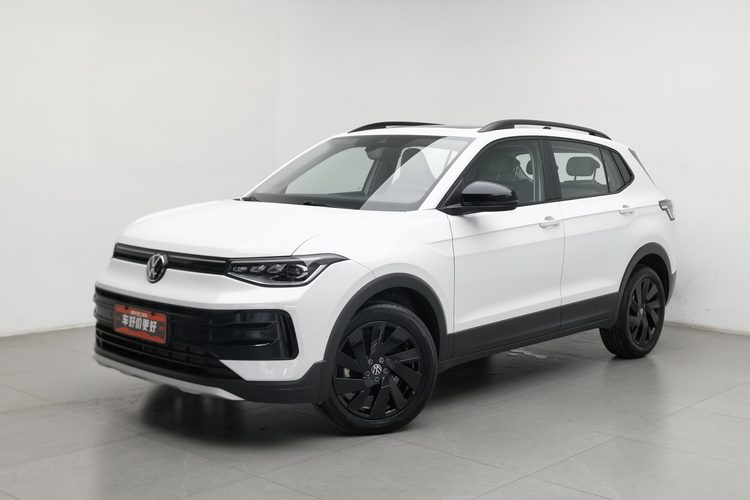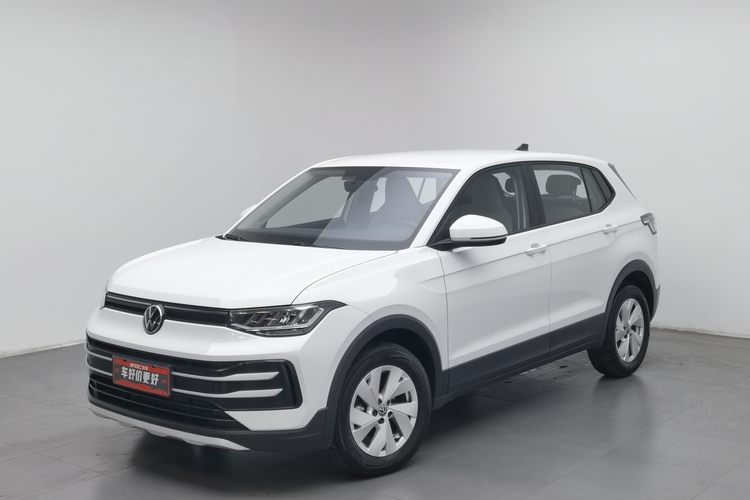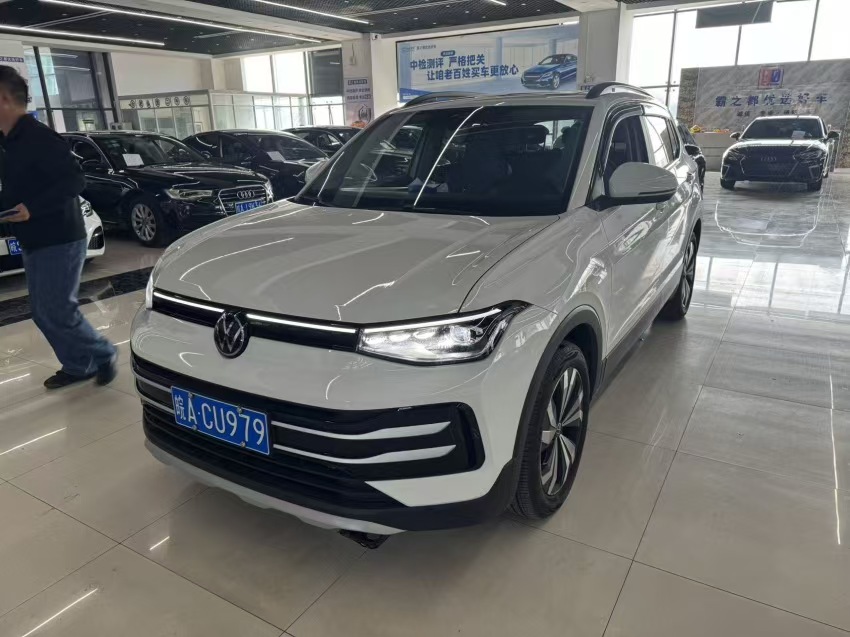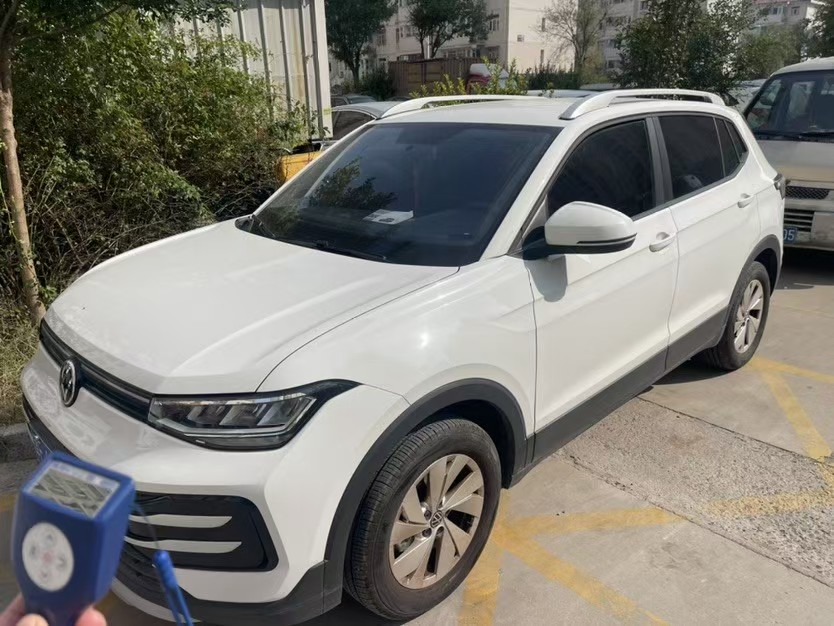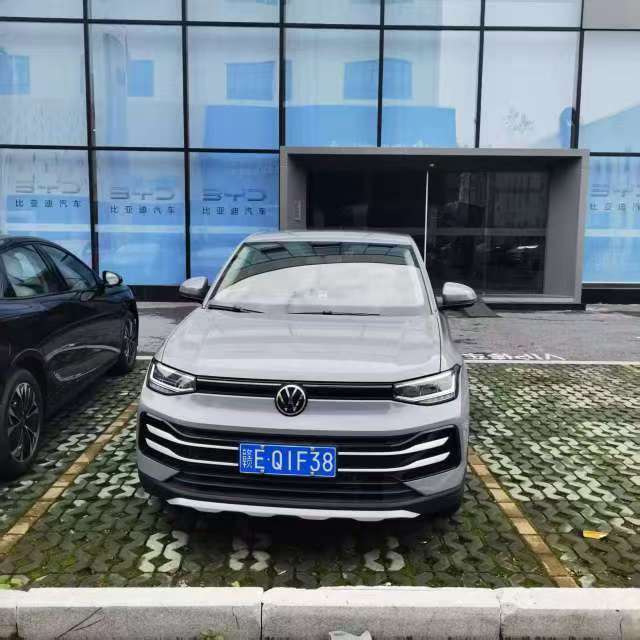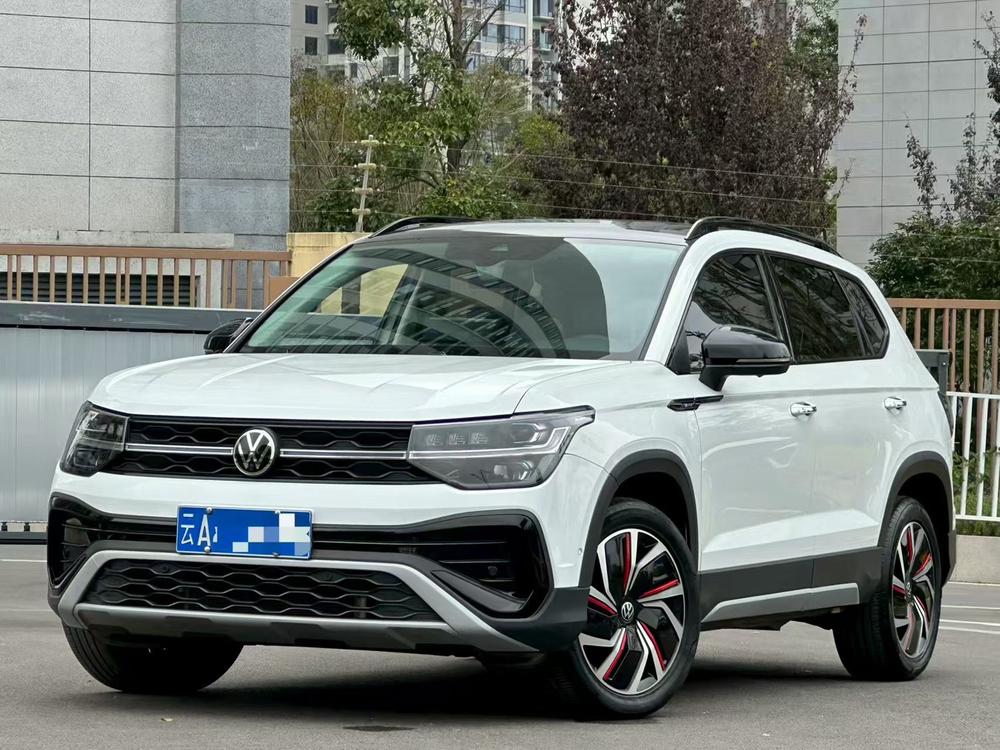
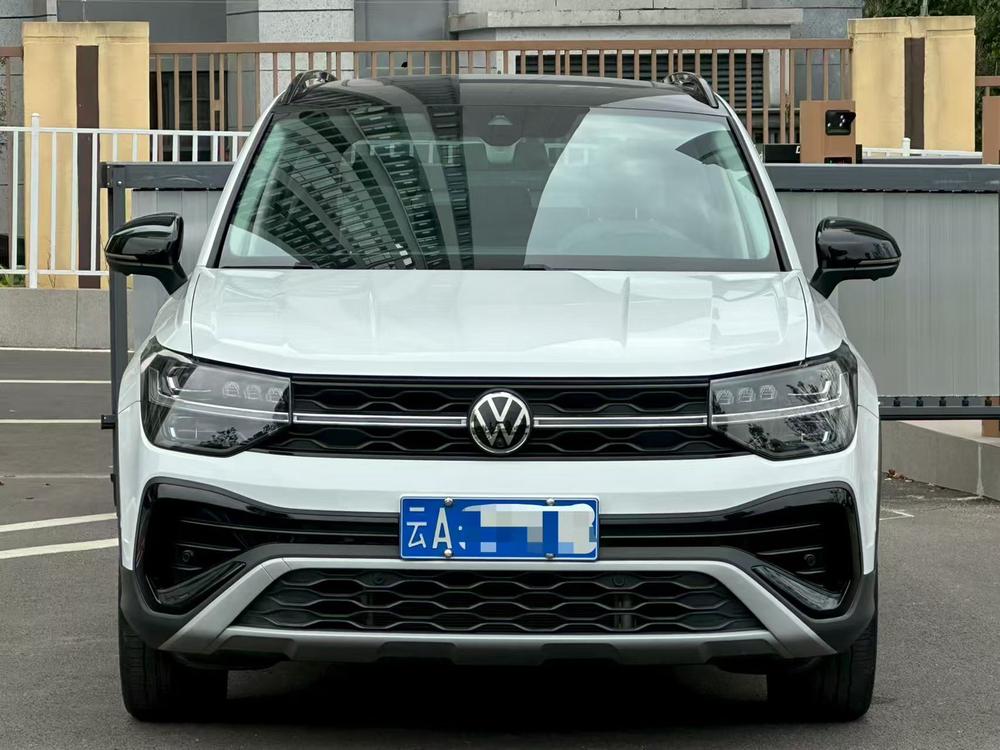
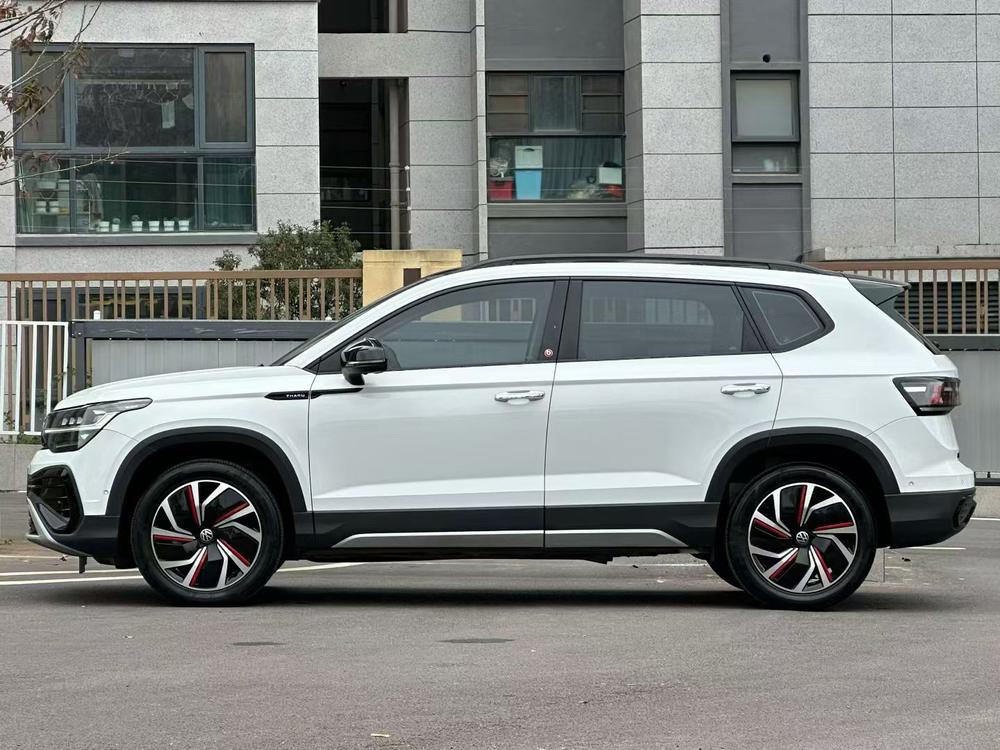
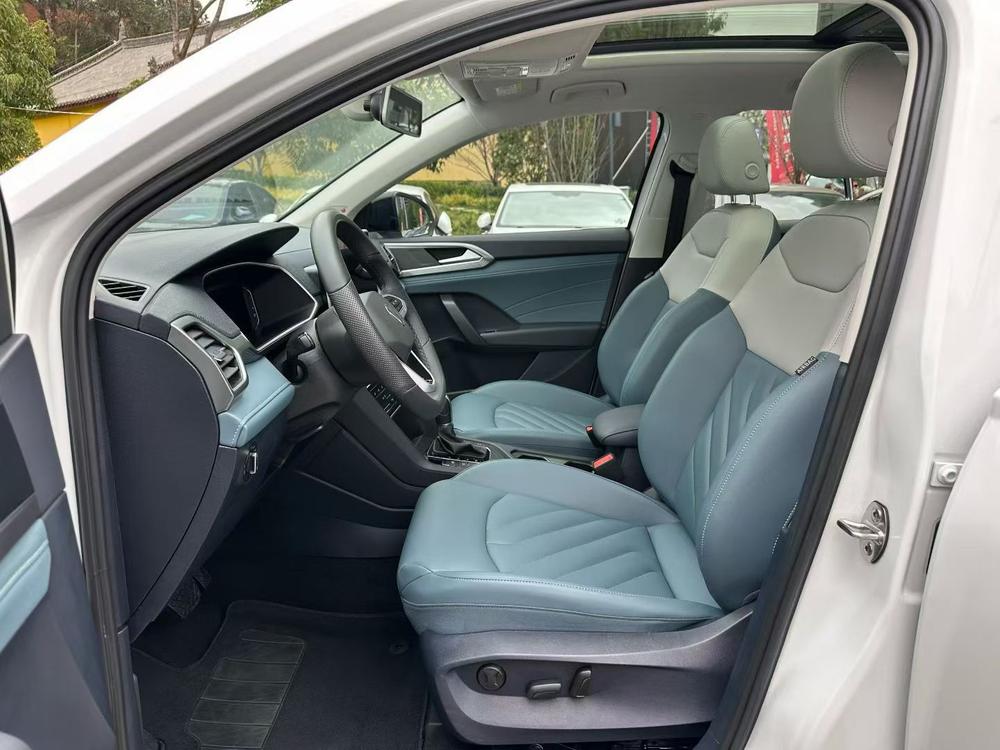
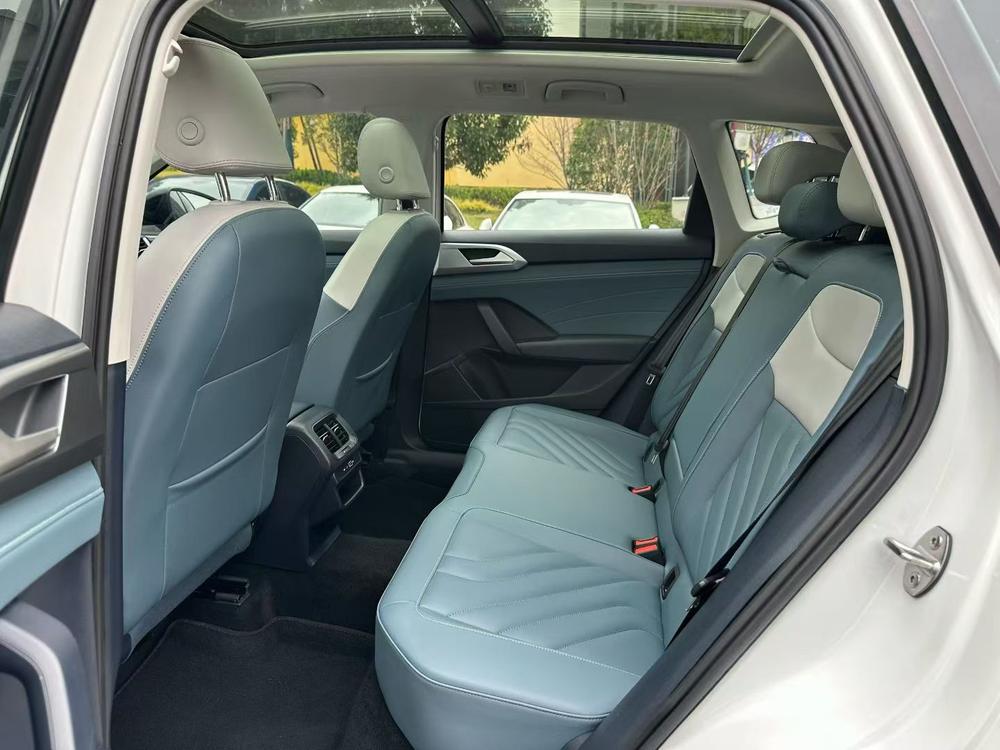
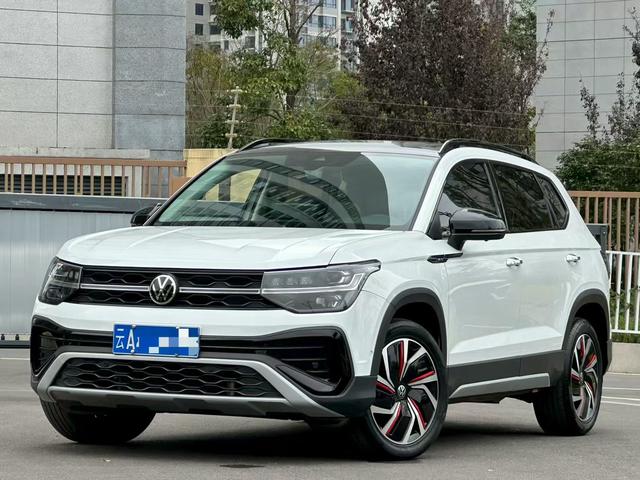



Basic Information

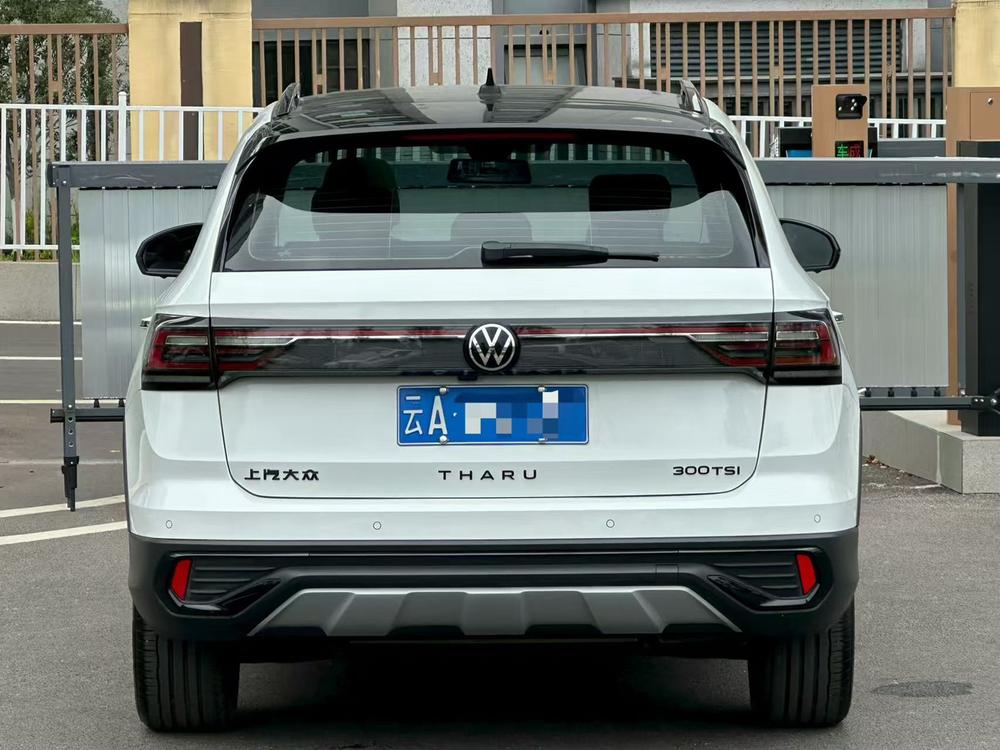
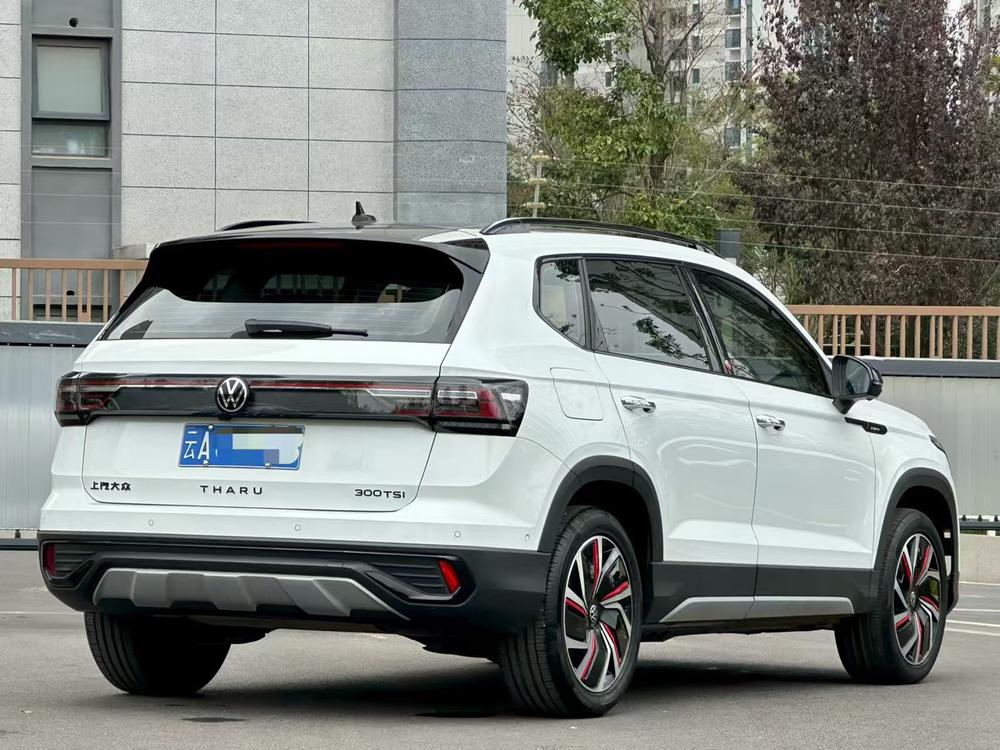
BrandVolkswagen
SeriesTharu
Year2024
First Registration2024/07
Mileage20,000km
Transfer Count0times
FuelGasoline
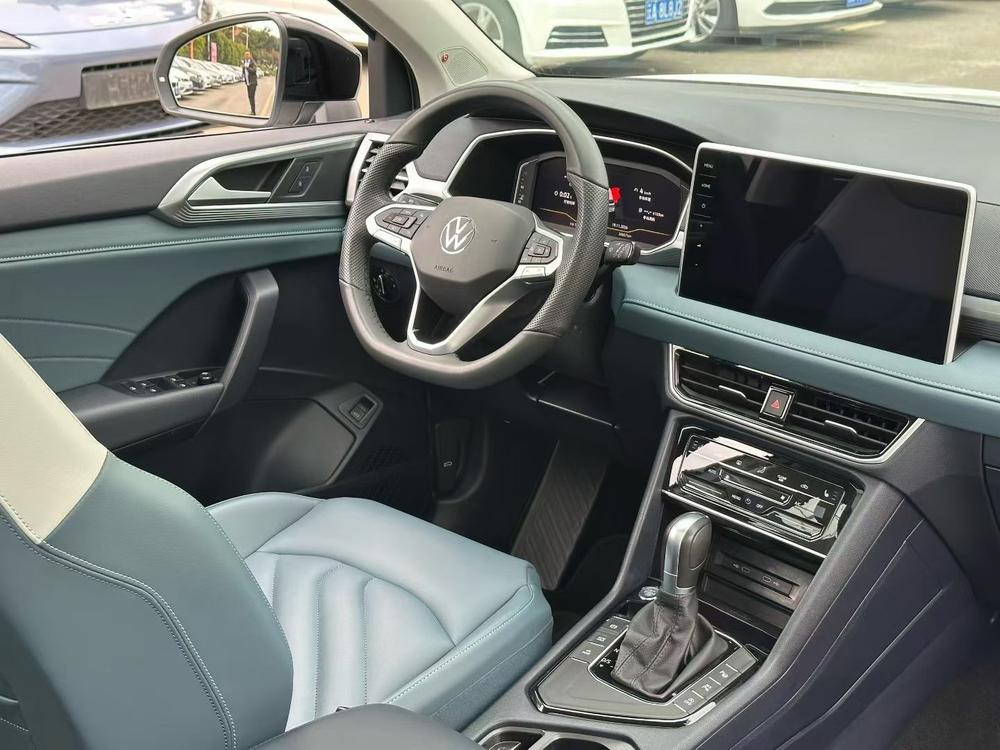
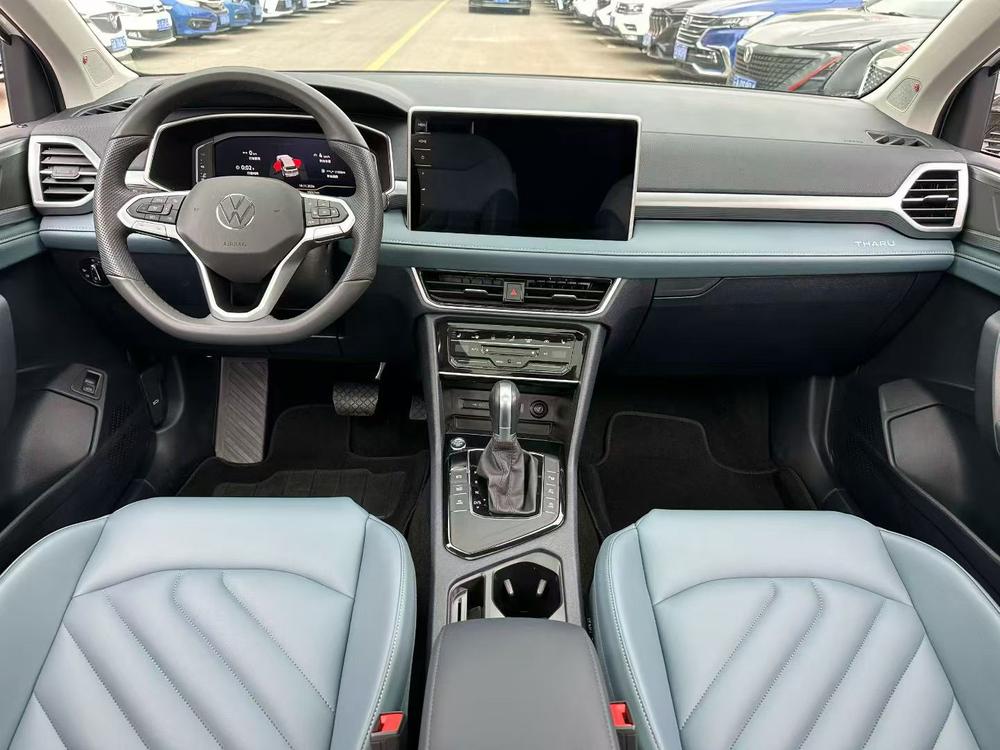
TransmissionDCT
Engine1.5T 160 L4
Color
Seats5seats

Condition Description

官方质检 · 60天全车质保· 7天无理由有偿退车

Configuration Highlights

✓上牌时间: 2024-07
✓表显里程: 2万公里
✓车源地: 昆明
✓排放标准: 国六
✓百公里加速: 9.7s
✓发动机: 1.5T
✓轴距: 2680mm
✓变速箱: 自动
✓功能配置: 27项
✓安全配置: 9项
✓动力类型: 前驱
✓空间舒适性: 不错

Q&A

More

How can I decode a Chinese VIN, and what does it tell me about a used car's origin and specs?

A Chinese-market VIN has 17 characters, and several positions are genuinely useful. Characters 1-3 are the WMI: the first character L confirms the car was built in China, and the next two identify the manufacturer (for example LFV for FAW-VW, LSV for SAIC-VW, LGX for BYD). Character 10 is the model year code, and character 11 usually identifies the assembly plant. Cross-check the decoded data against the vehicle nameplate on the B-pillar and the Chinese registration certificate. If the decoded plant or year contradicts the paperwork, walk away — relabeled VIN plates are a classic sign of a rebuilt or cloned vehicle. Generic online decoders cover Chinese domestic models poorly. In practice, ask your exporter or inspection agent to pull the manufacturer's build sheet using the VIN: it lists factory options, battery supplier and production date, which is far more reliable than any free decoder.


When B2B buyers make bulk purchases, can they request to combine the accessory costs and vehicle price on the same commercial invoice to reduce overall tariffs?

No, this is a serious customs violation. Complete vehicles (HS Code 8703) and auto parts (HS Code 8708, etc.) are subject to completely different import tax rates. Combining them on one invoice could lead to the invoice being returned by customs and may expose you to tax fraud accusations at the destination port.

How do I verify the ownership and registration history of a used car in China before buying it for export?

Verifying ownership protects you from buying a car that can't legally be exported. Start with the registration certificate (机动车登记证书), China's title document. It lists every owner change with dates. Ask the seller for clear photos of all pages — check that the current seller's name matches the latest entry. Next, ask for the seller's ID (or business license for a dealer) and confirm it matches the registration certificate. A mismatch is a red flag unless there's a documented agency arrangement. Also verify the vehicle isn't mortgaged or seized: the registration certificate has a section for mortgage records, and your inspection agent can check the official vehicle management system by VIN. Finally, confirm the car is deregistered (or can be) before export — Chinese law requires deregistration and an export certificate for used cars leaving the country. Summary: title photos, seller ID match, no mortgage flags, export-ready status. Any gap in this chain should stop the deal.