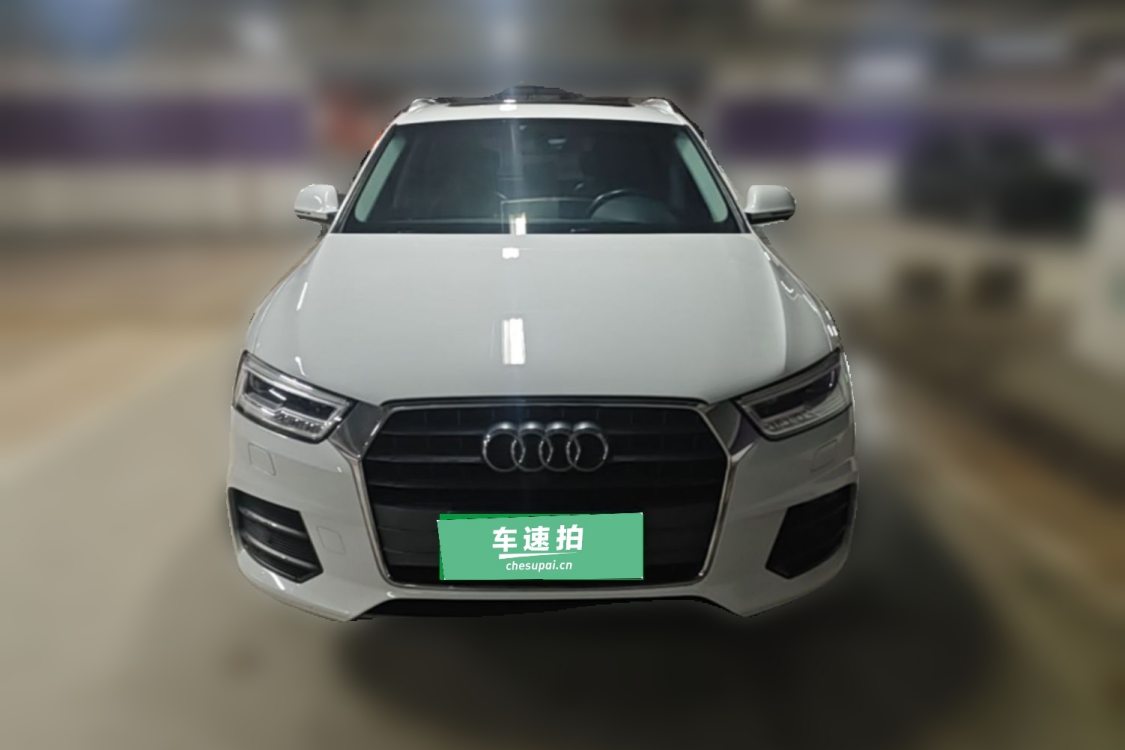
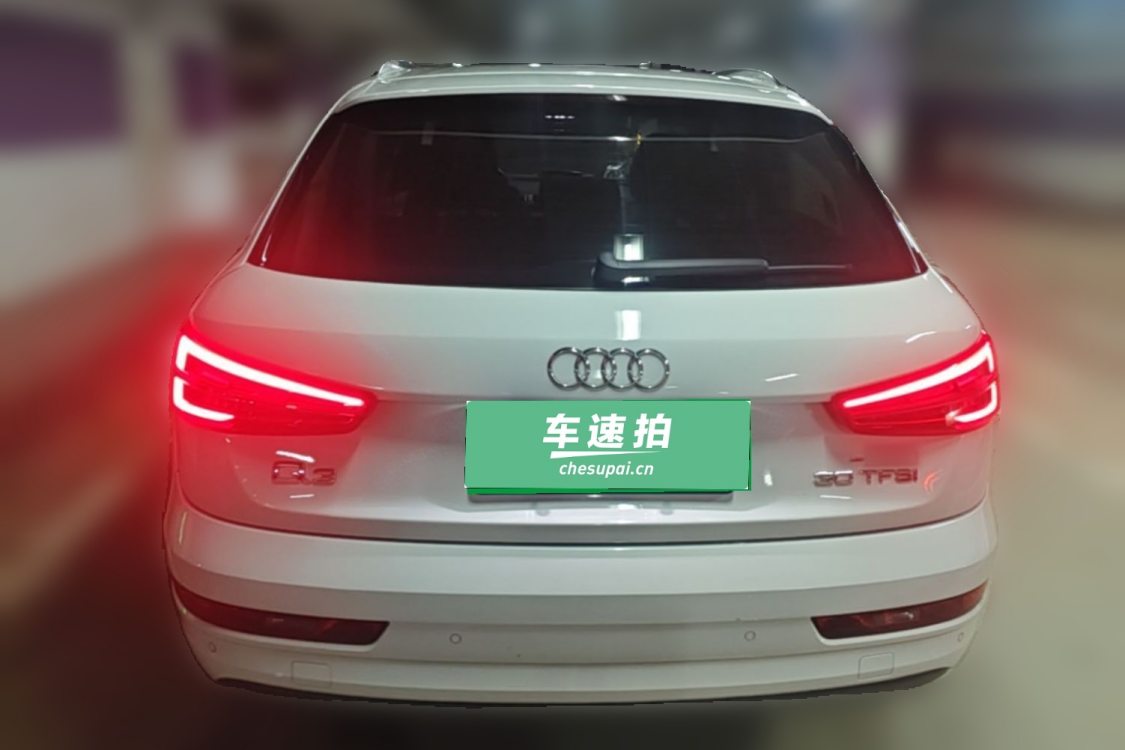
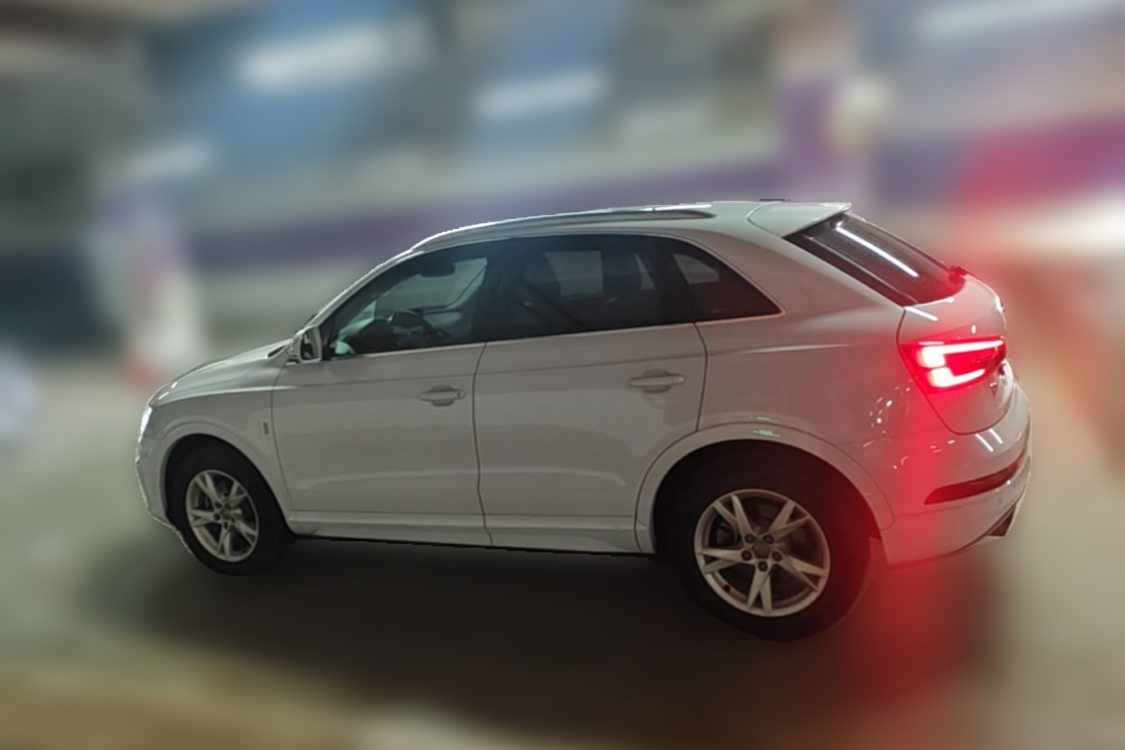



48H

Basic Information

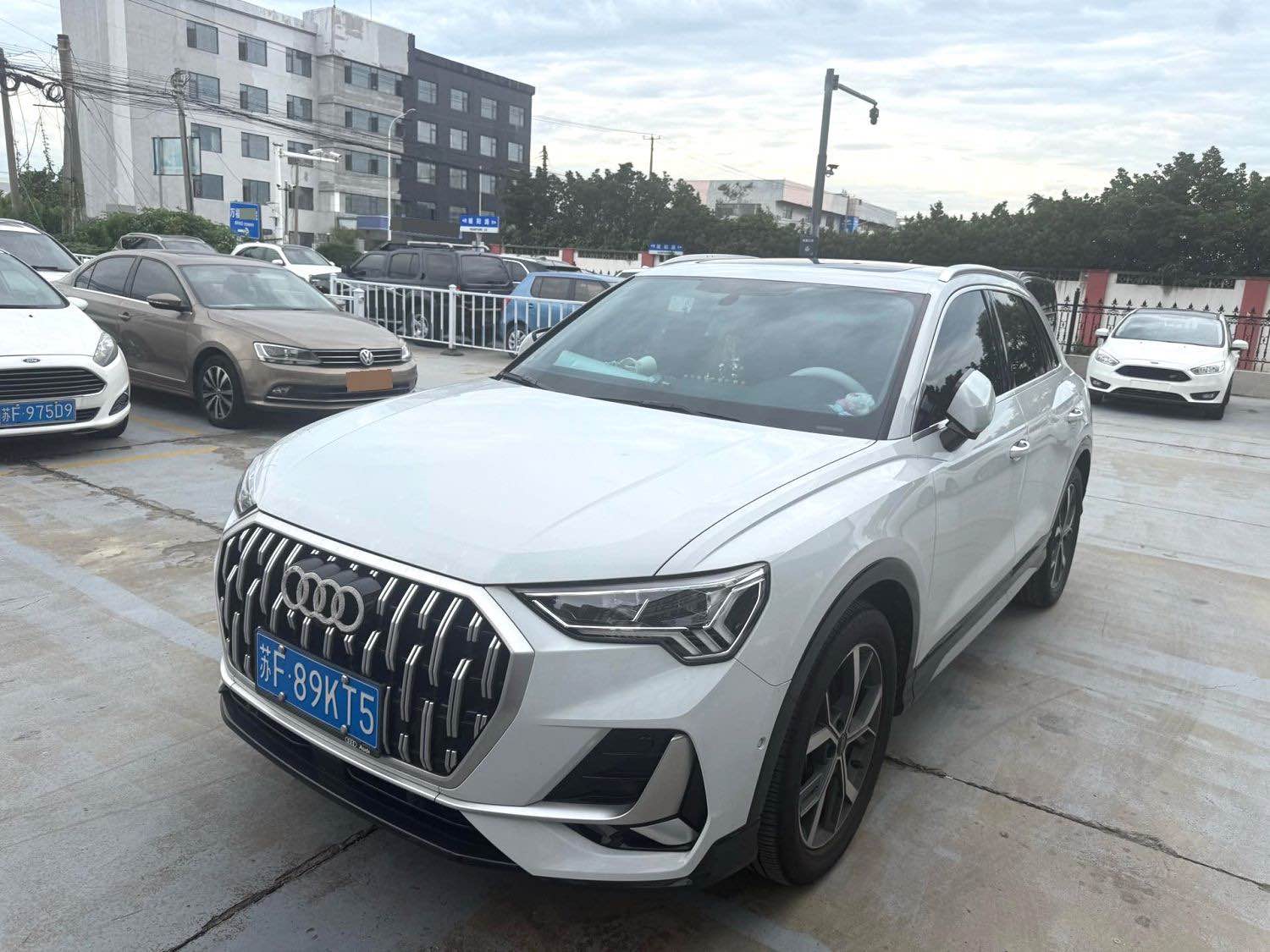
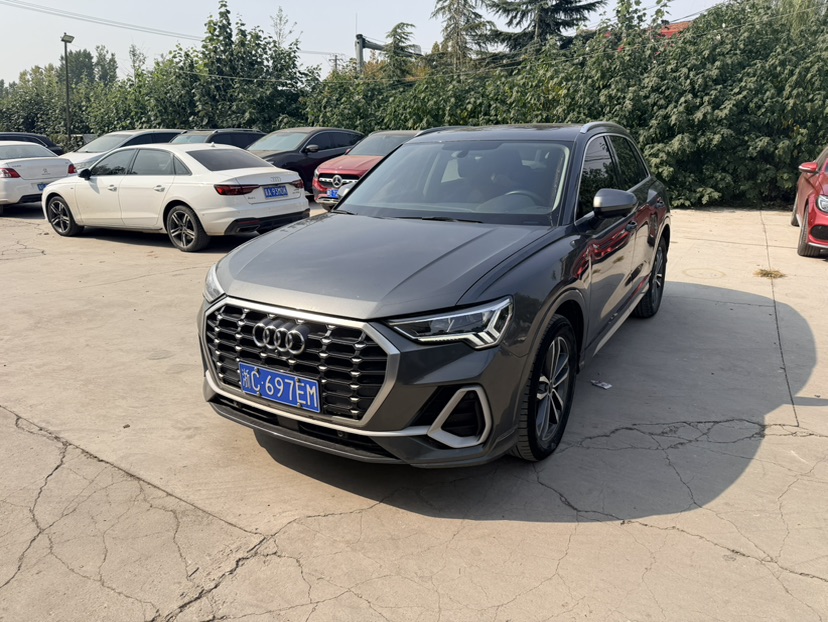
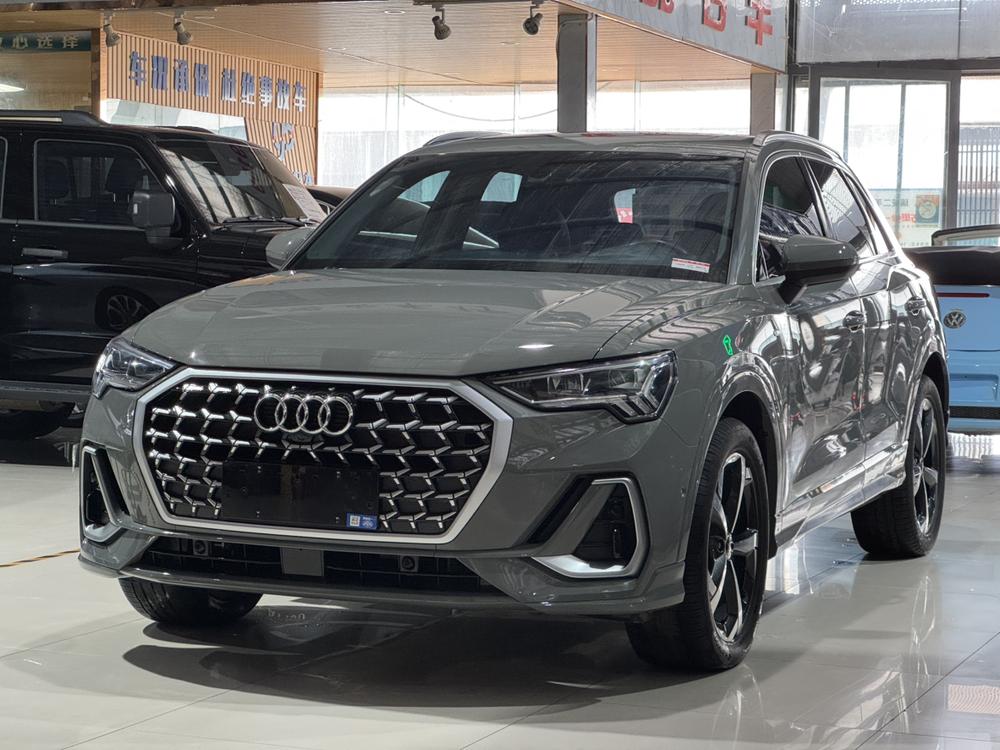
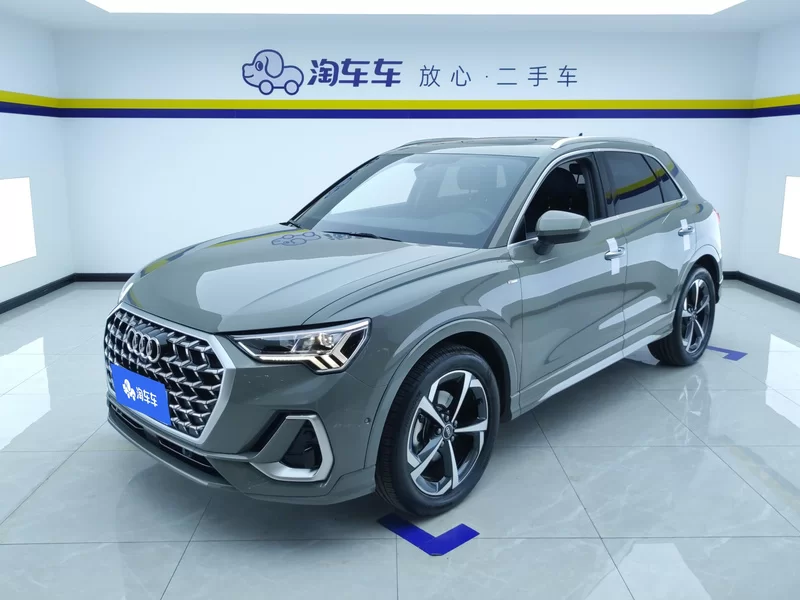
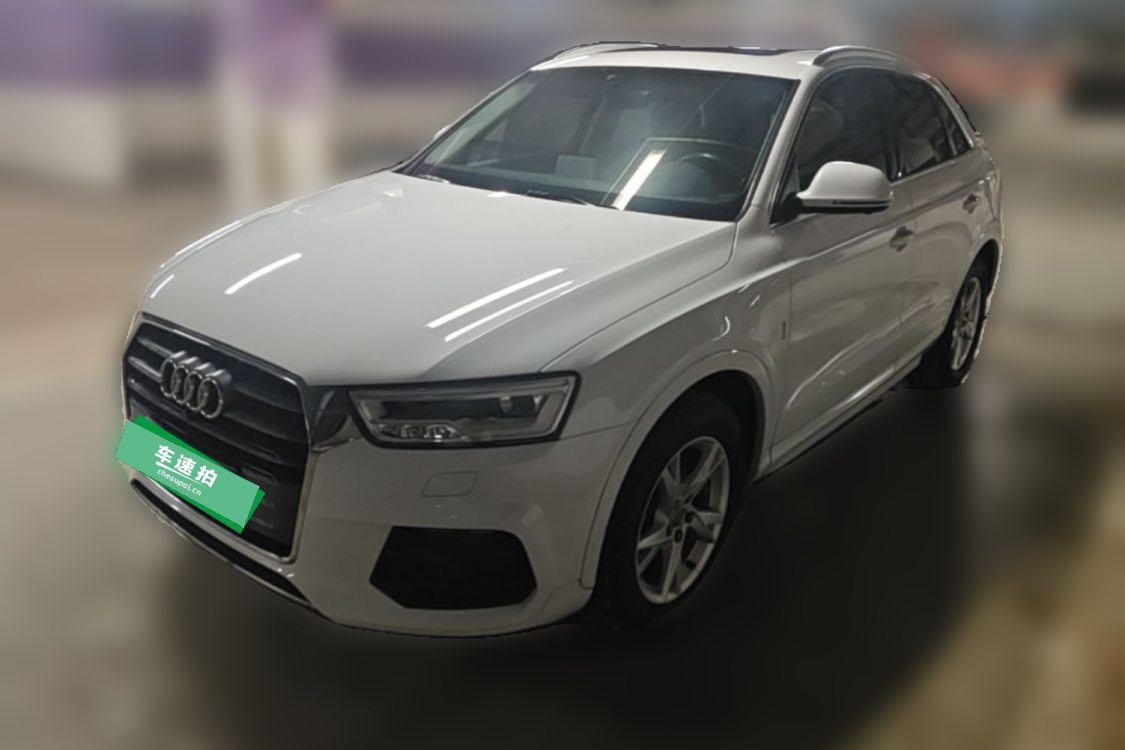
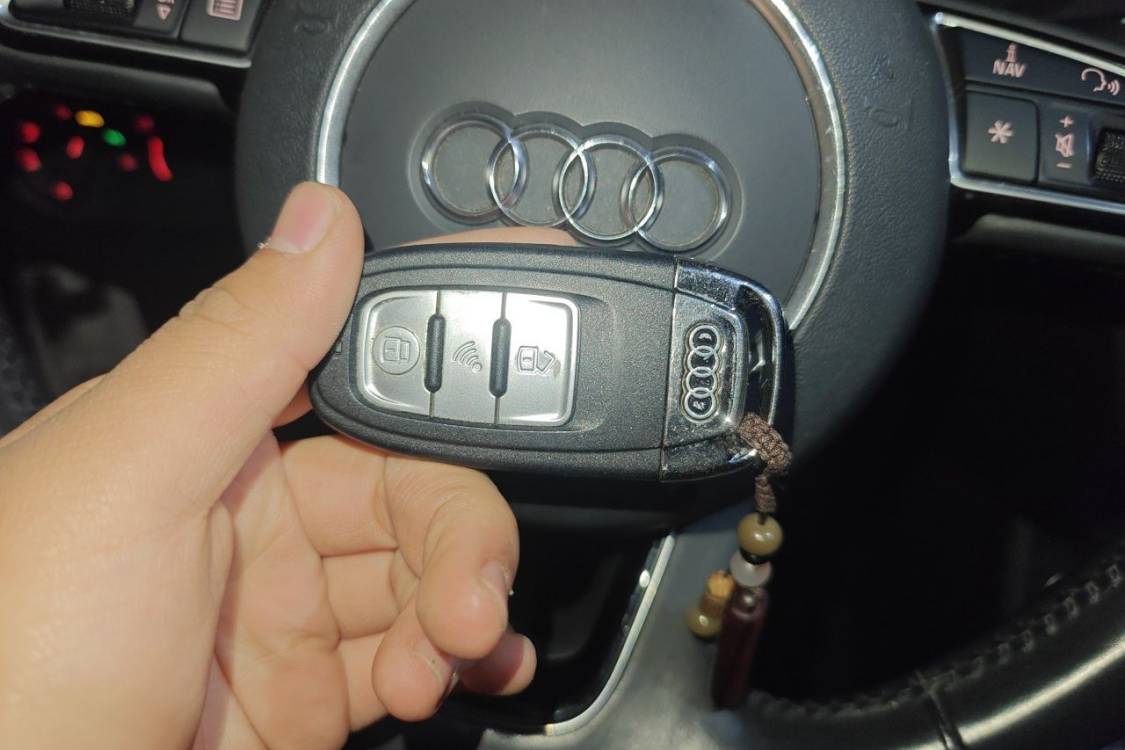
BrandAudi
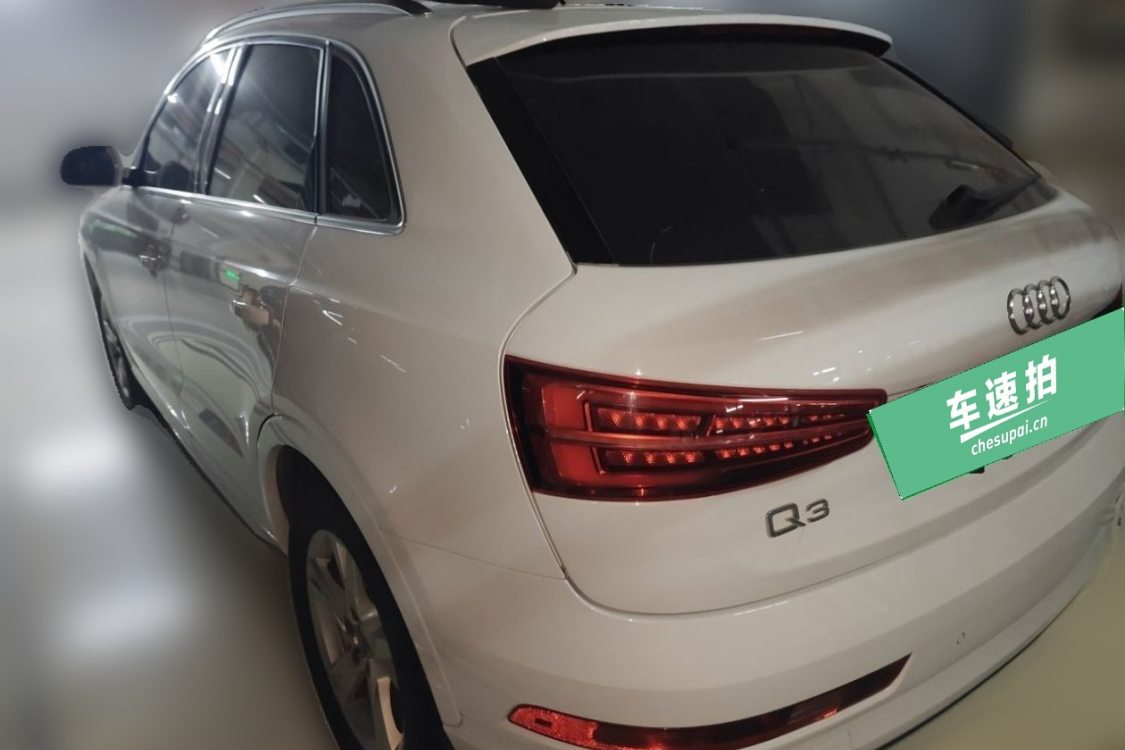
SeriesQ3
Year2018
First Registration2018/10
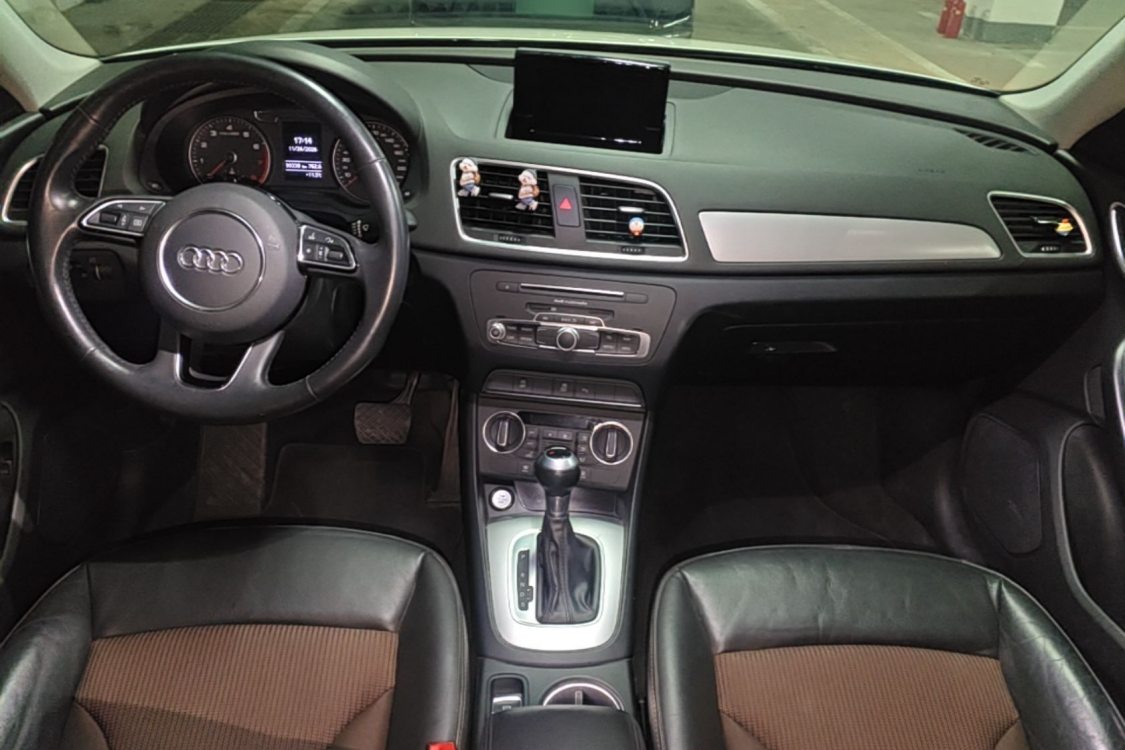
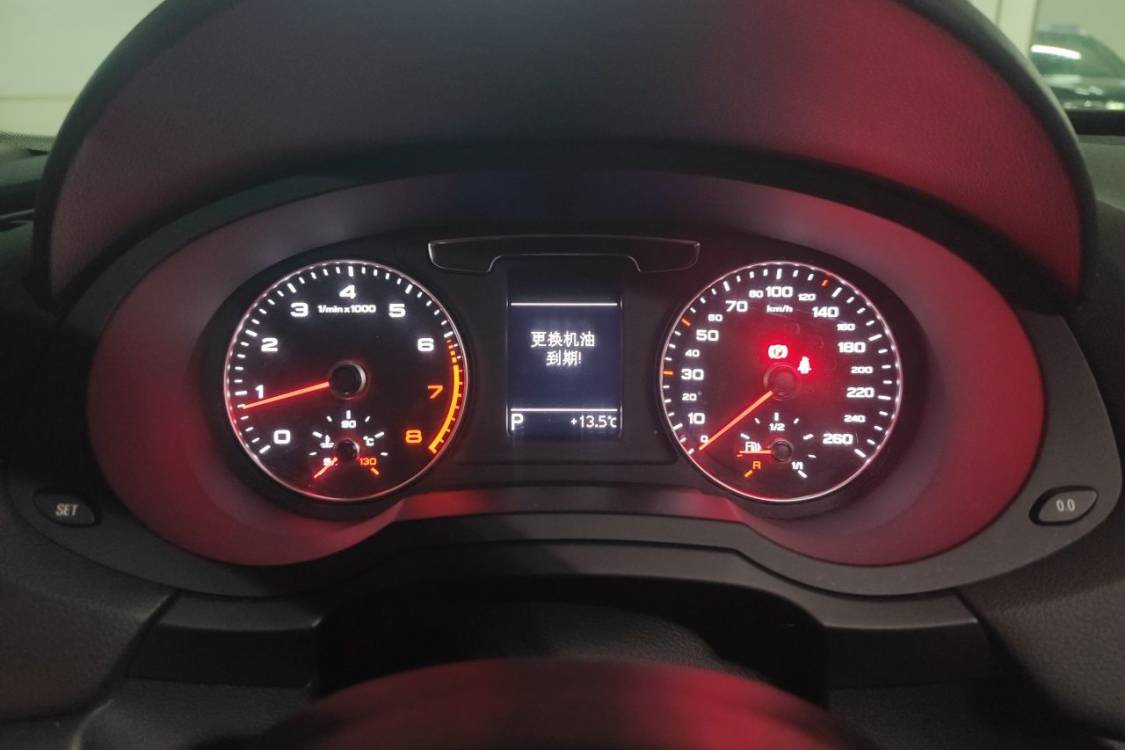
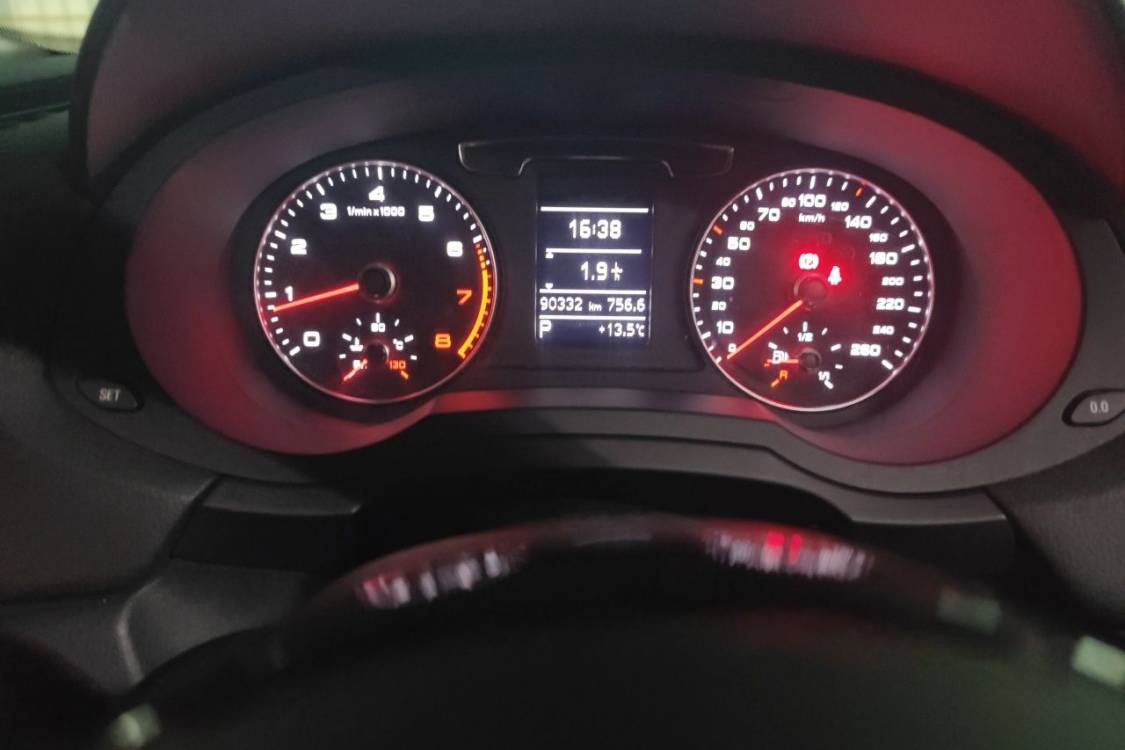
Mileage90,300km
Transfer Count2times
FuelGasoline
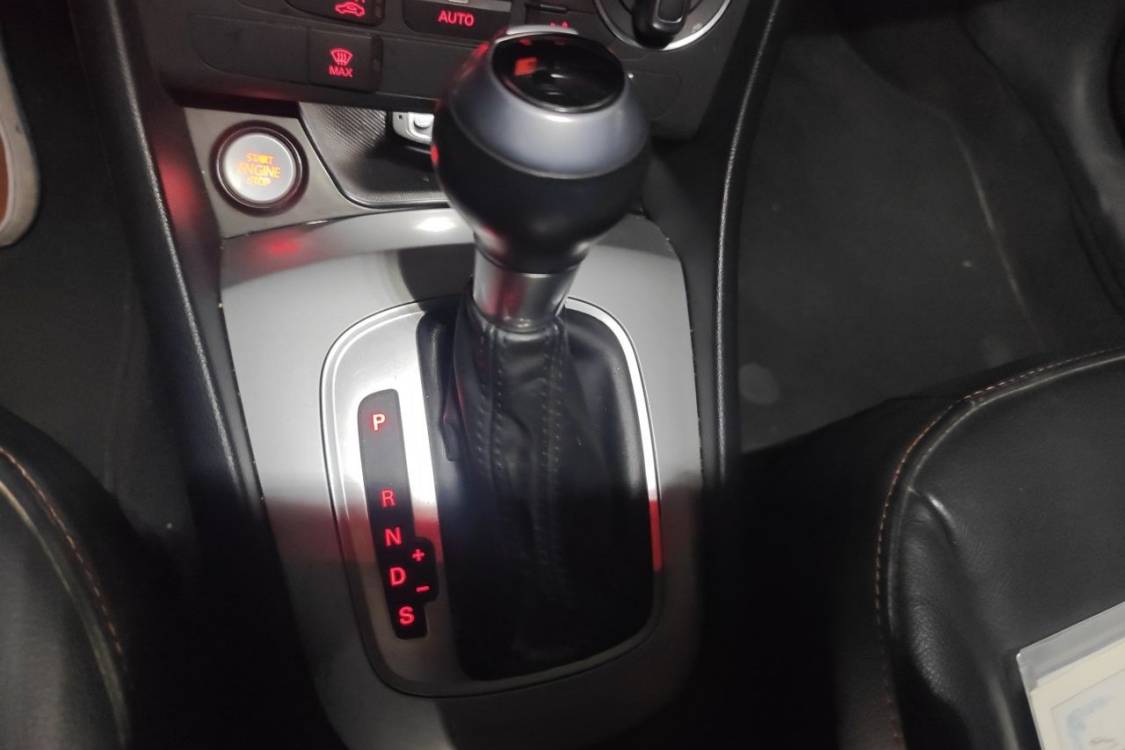
TransmissionDCT
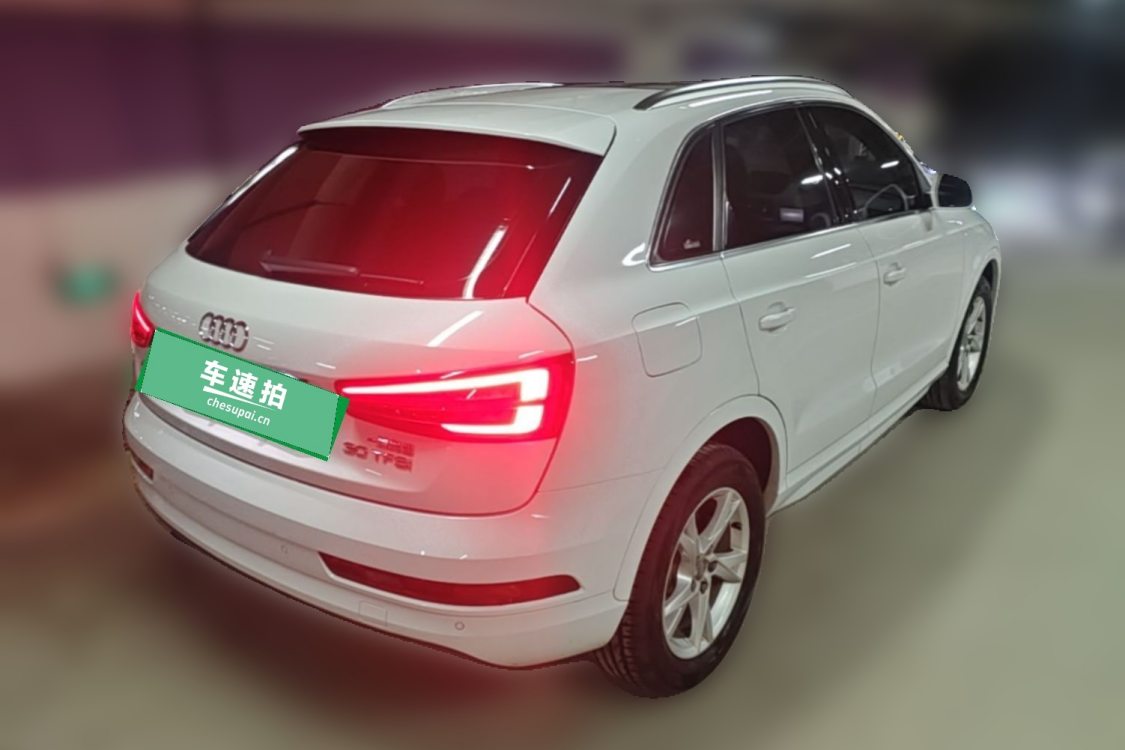
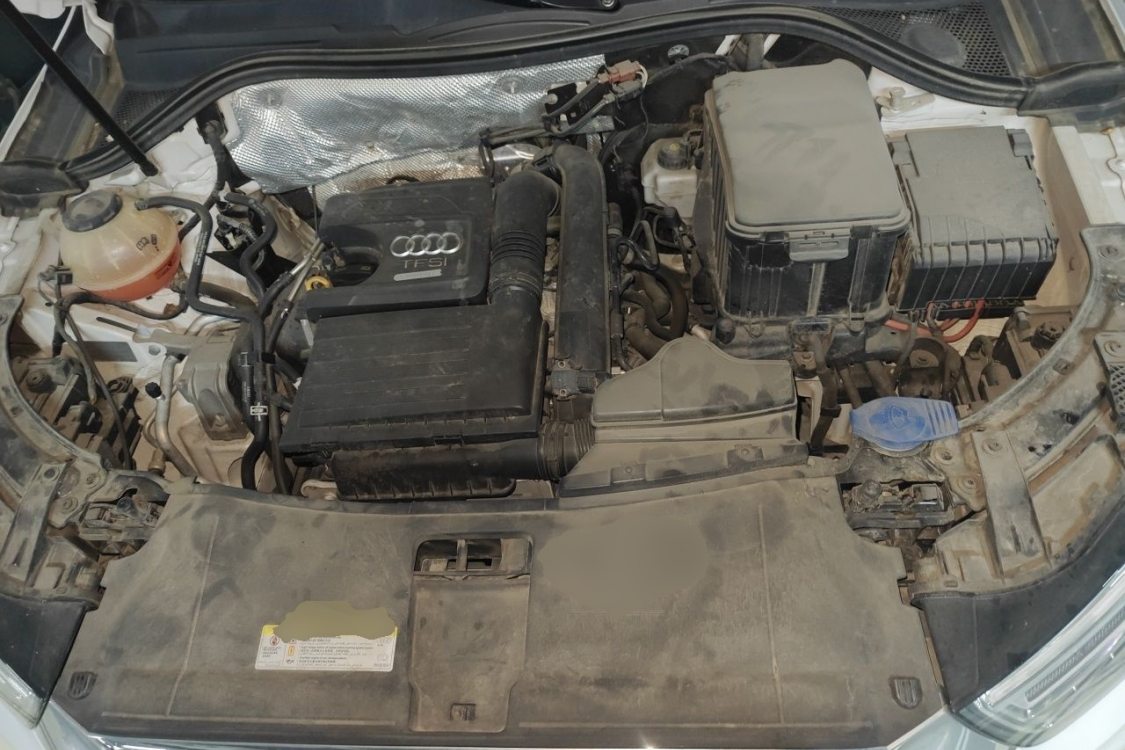
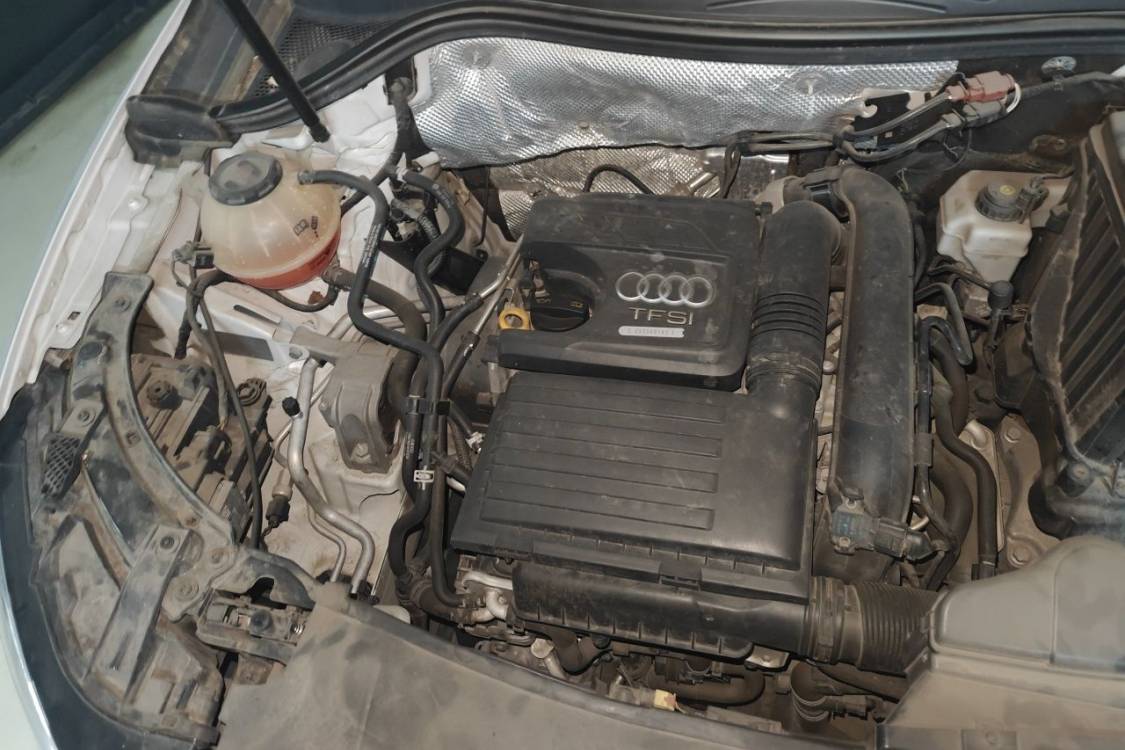
Engine1.4T 150 L4
ColorWhite
Seats-

Condition Description

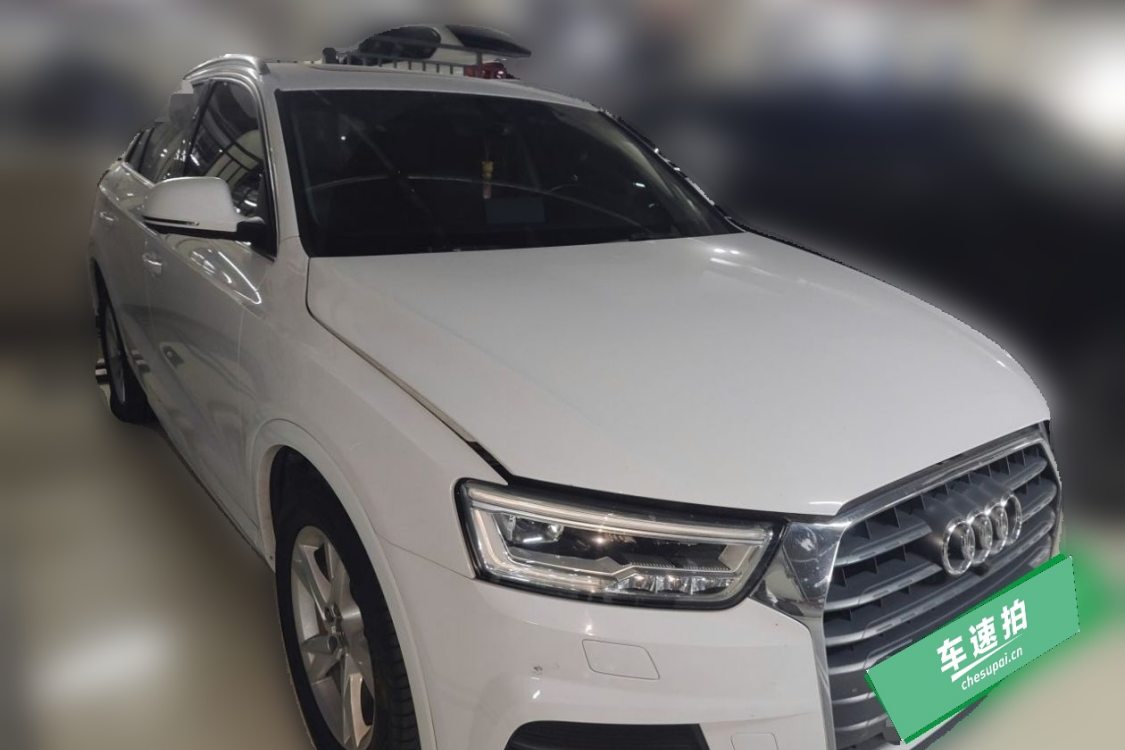
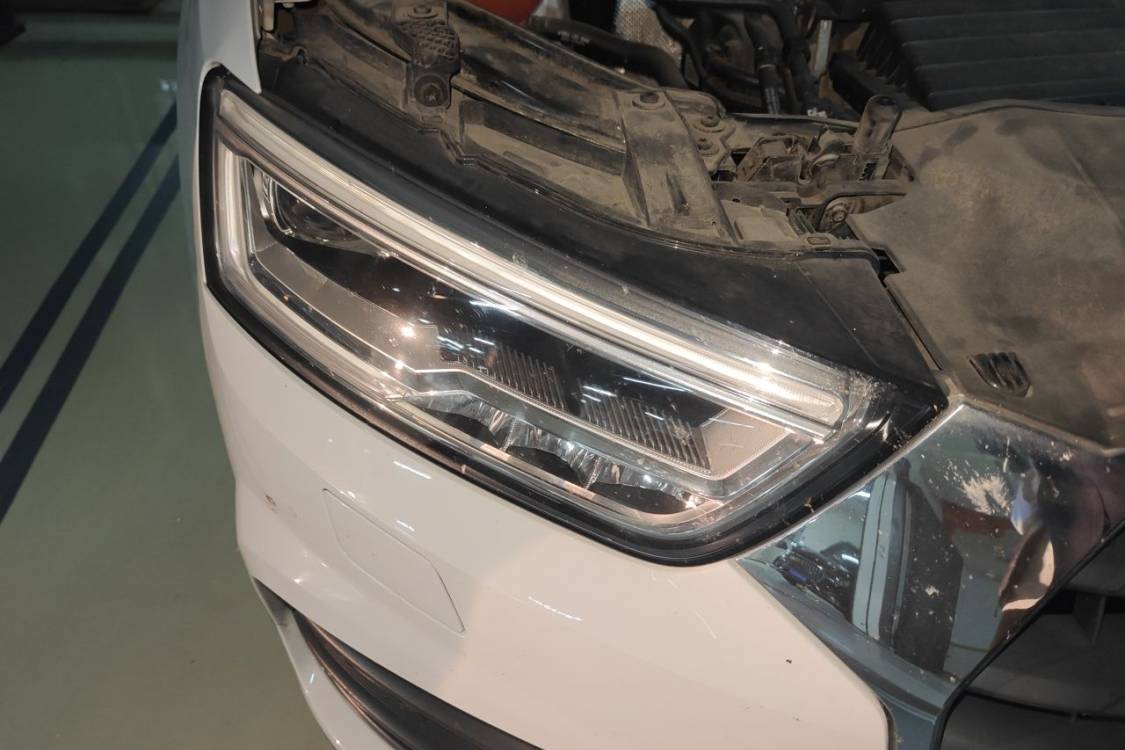
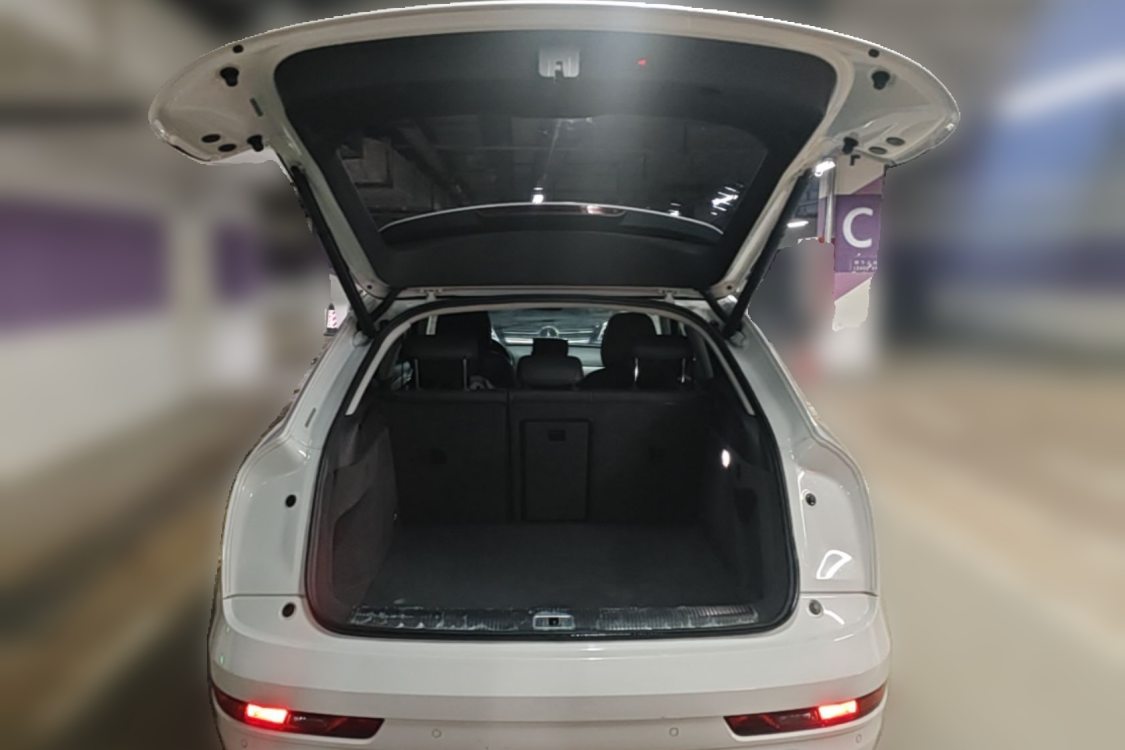
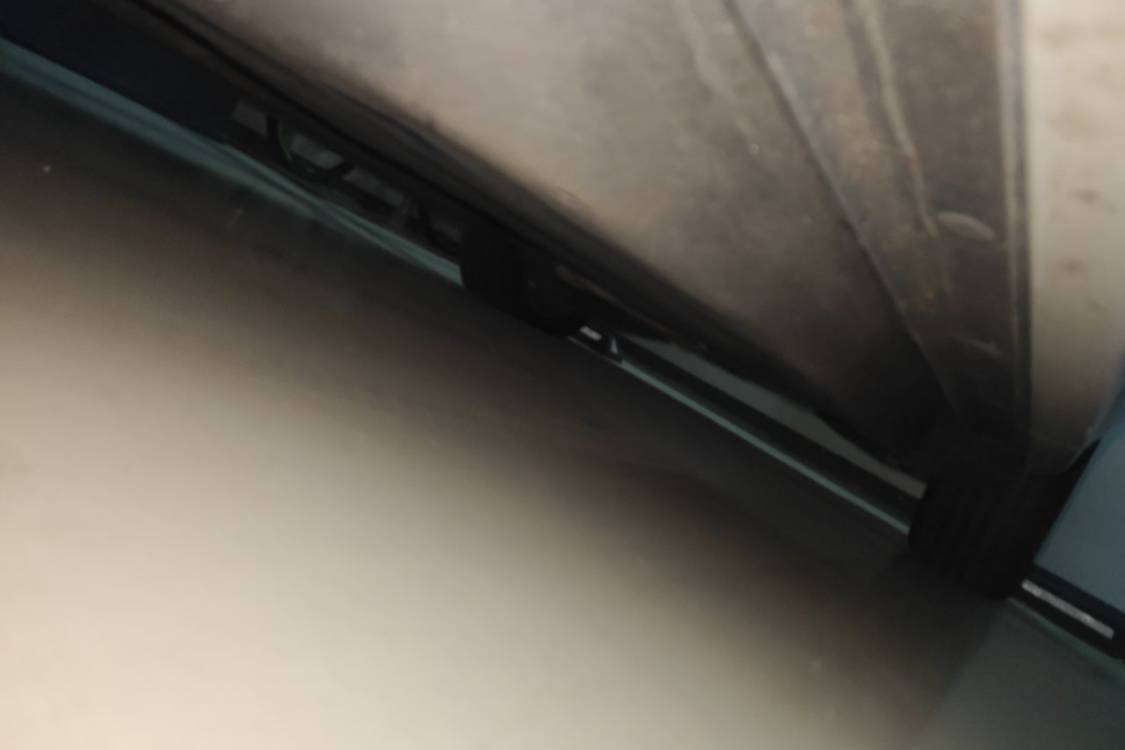
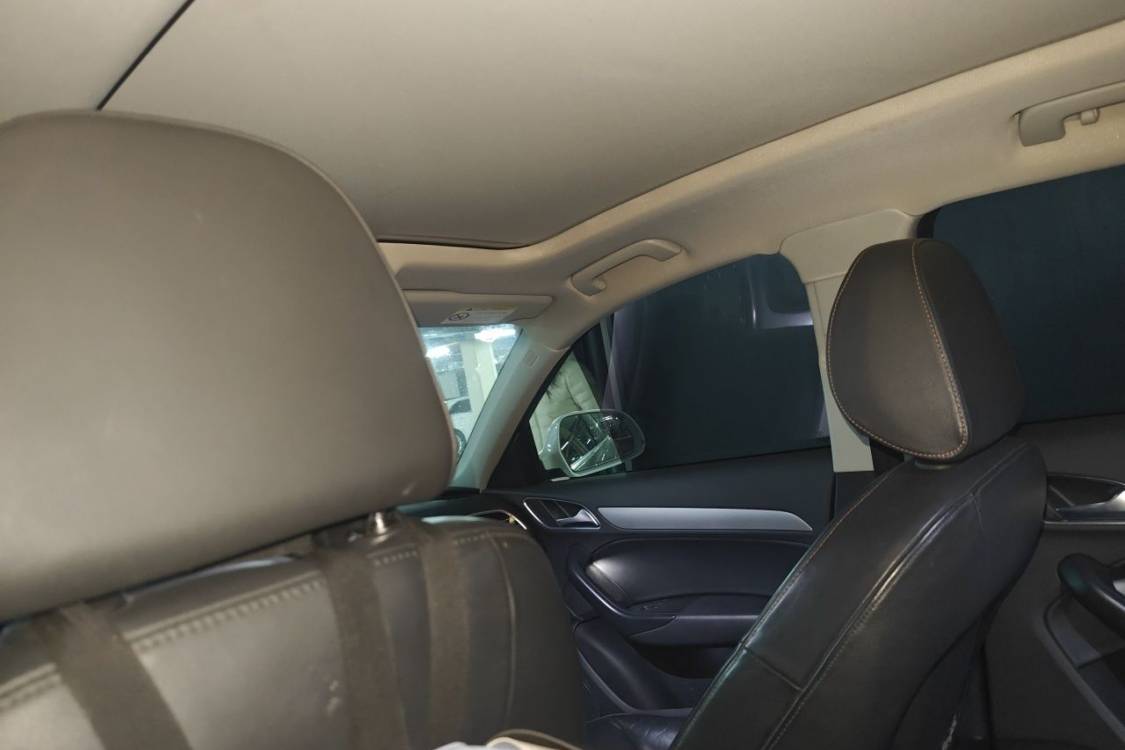
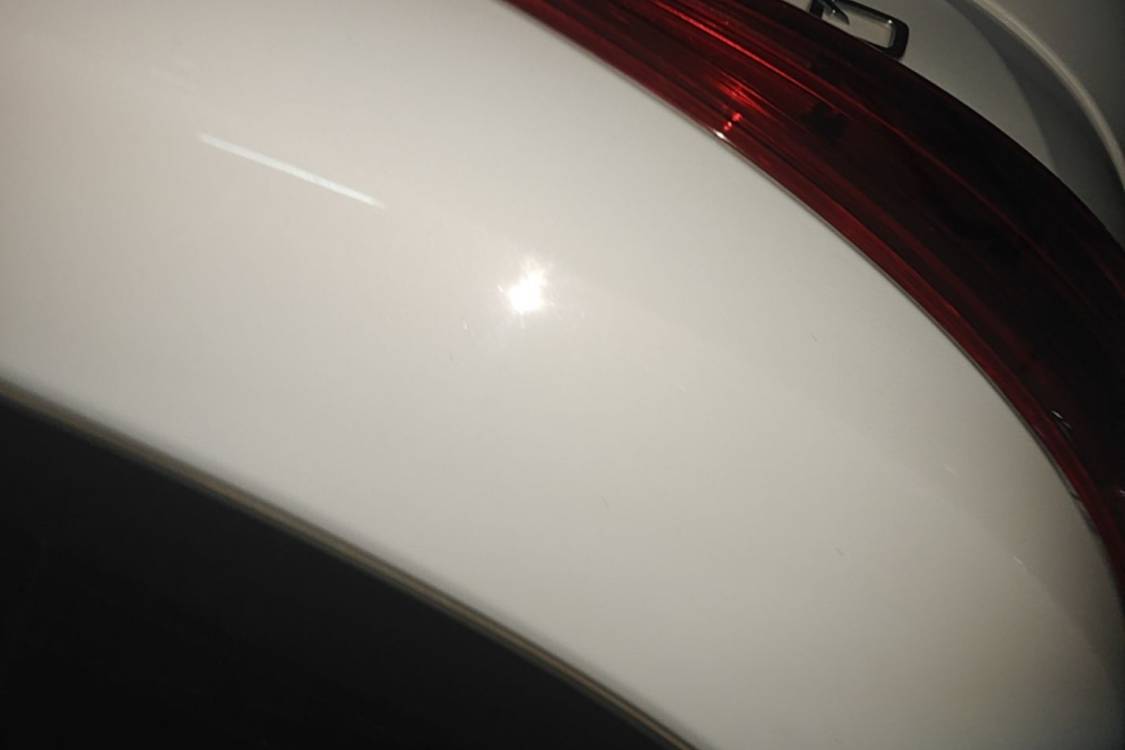
Localized body damage or repair marks present; no accident-related damage or repairs to structural or reinforcement parts. Vehicle performance (including three-electric system) has degraded or is limited.

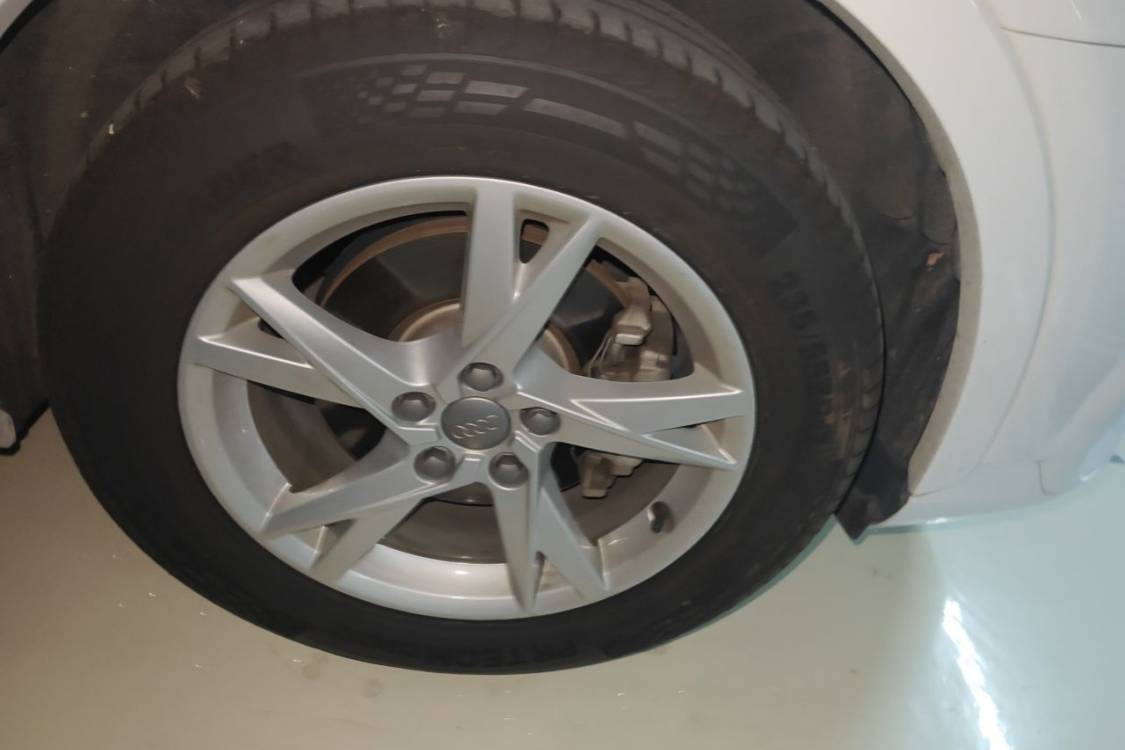
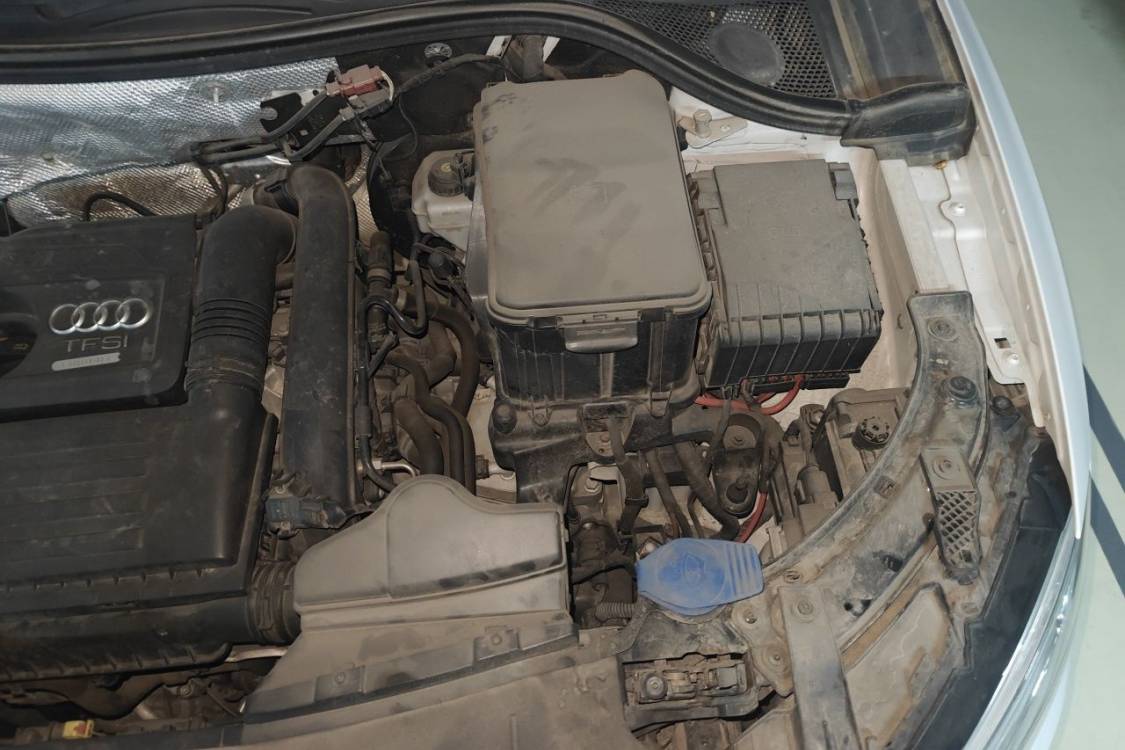
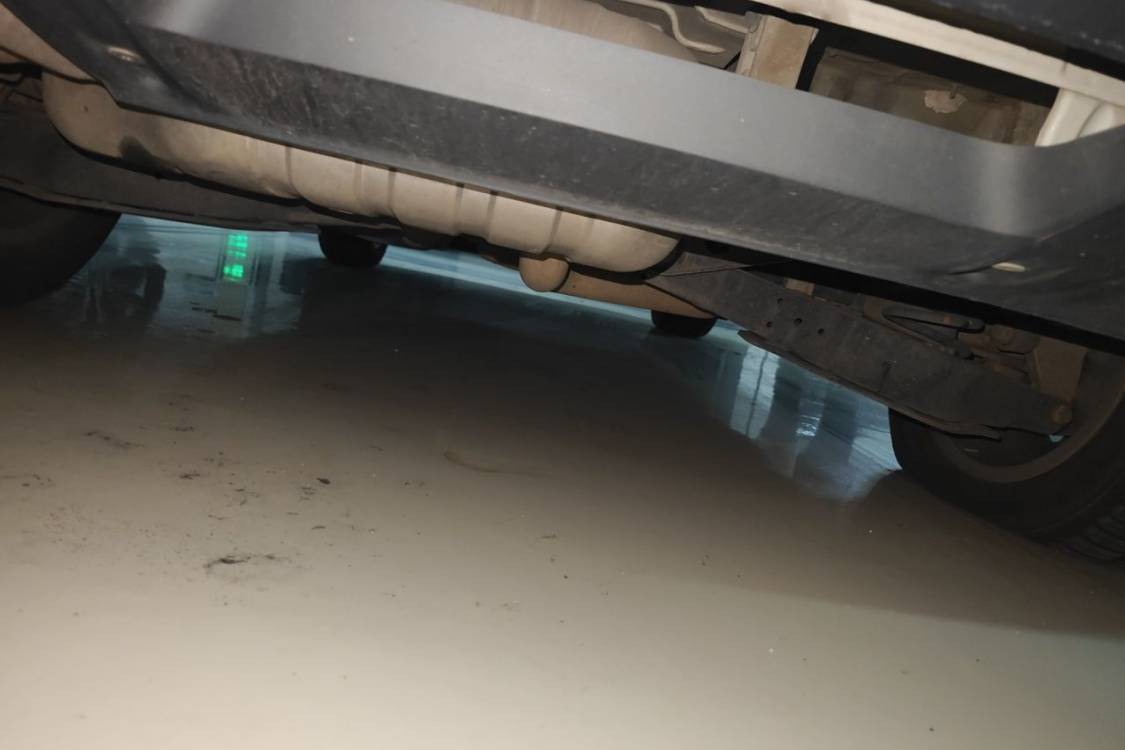
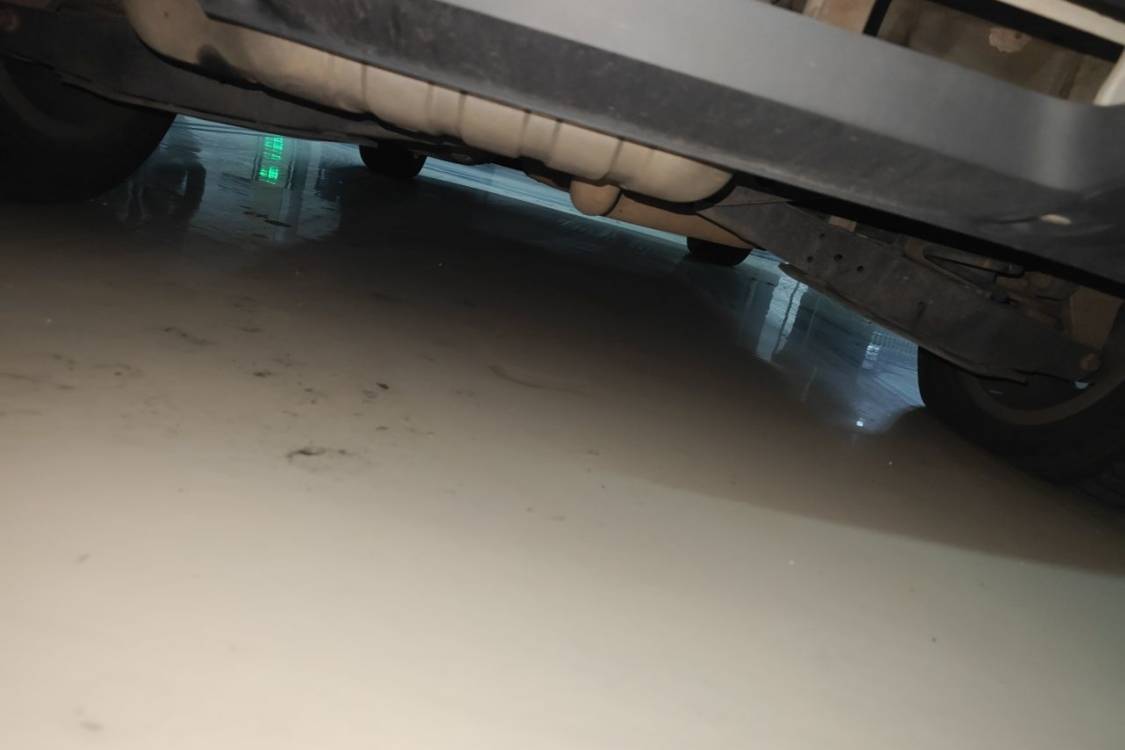
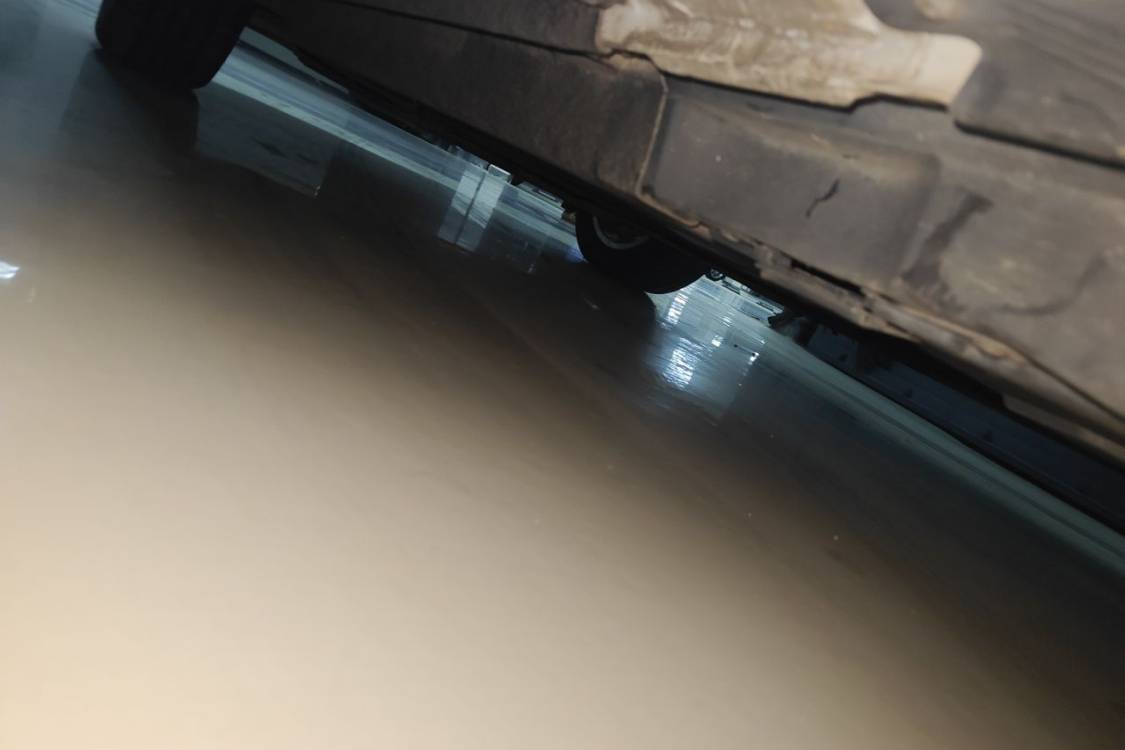
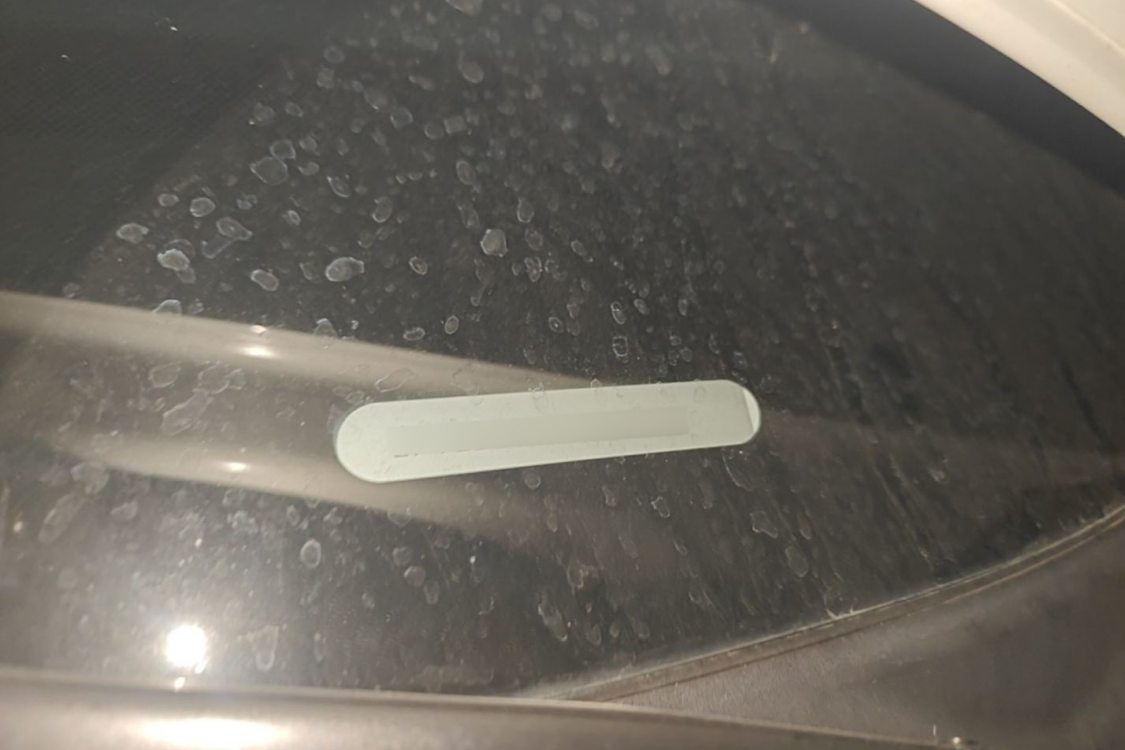
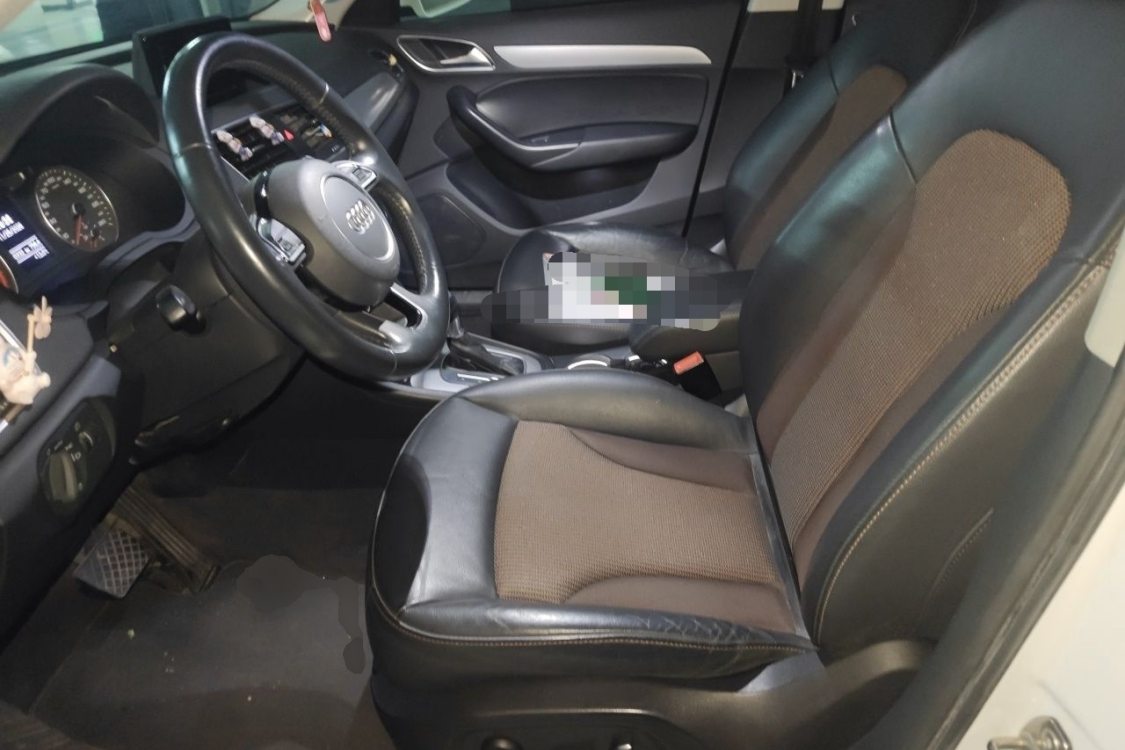
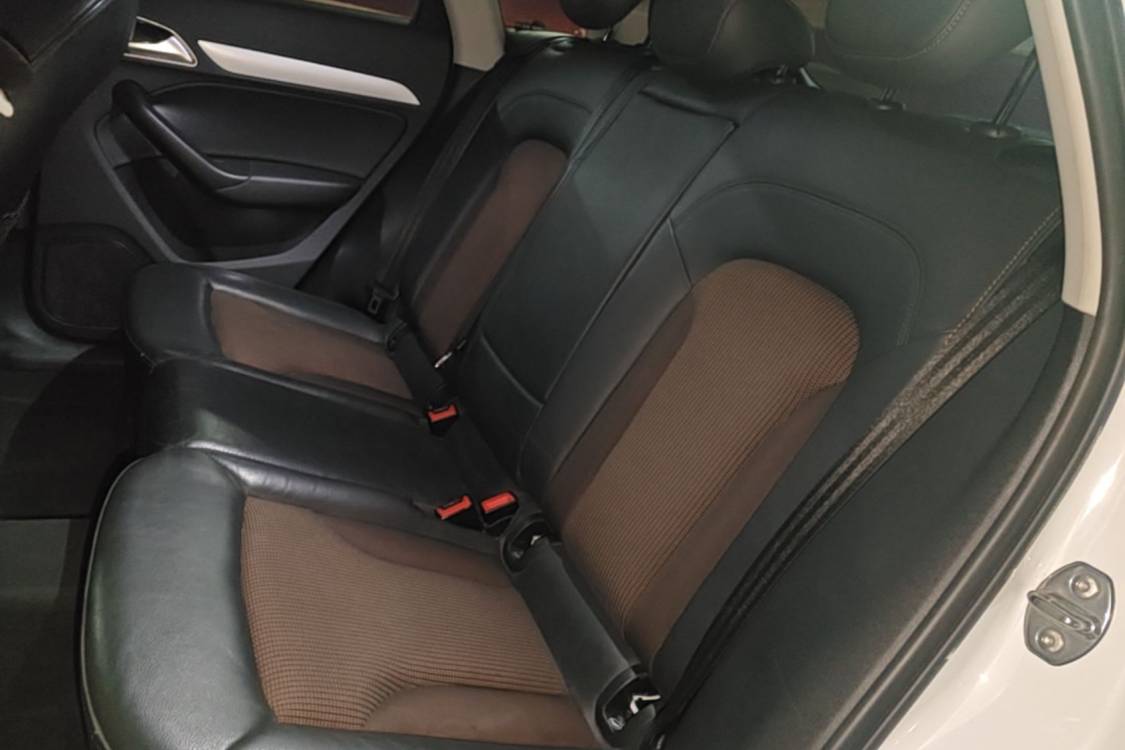
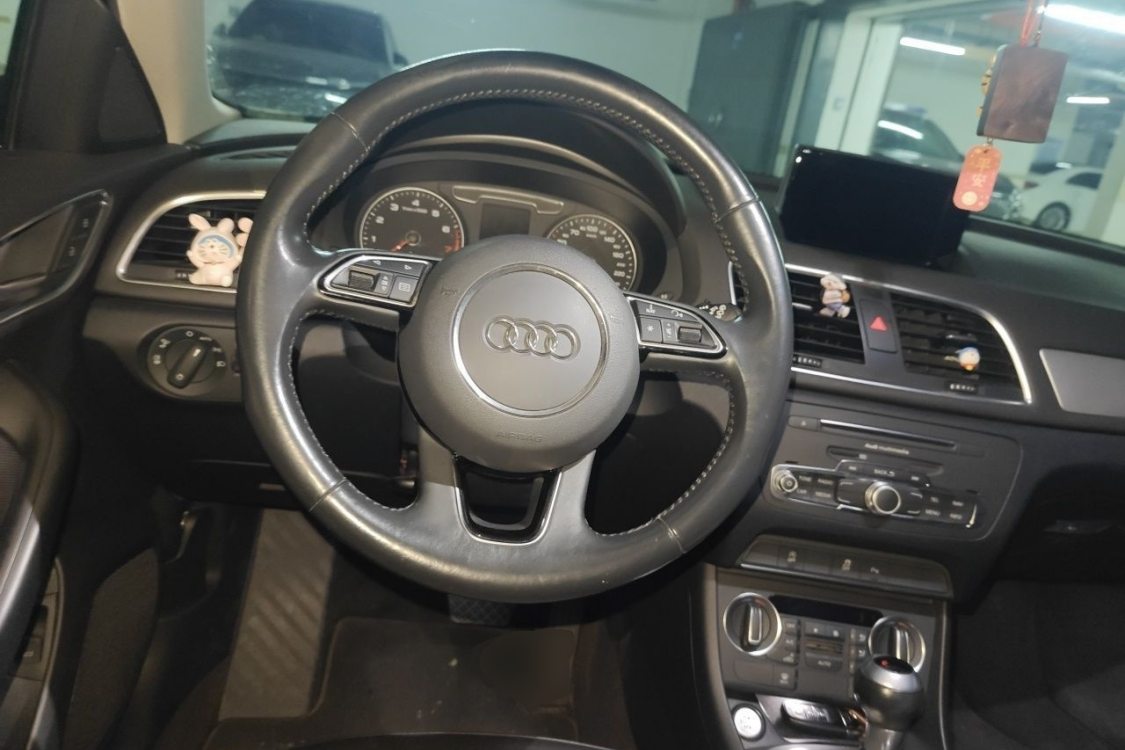
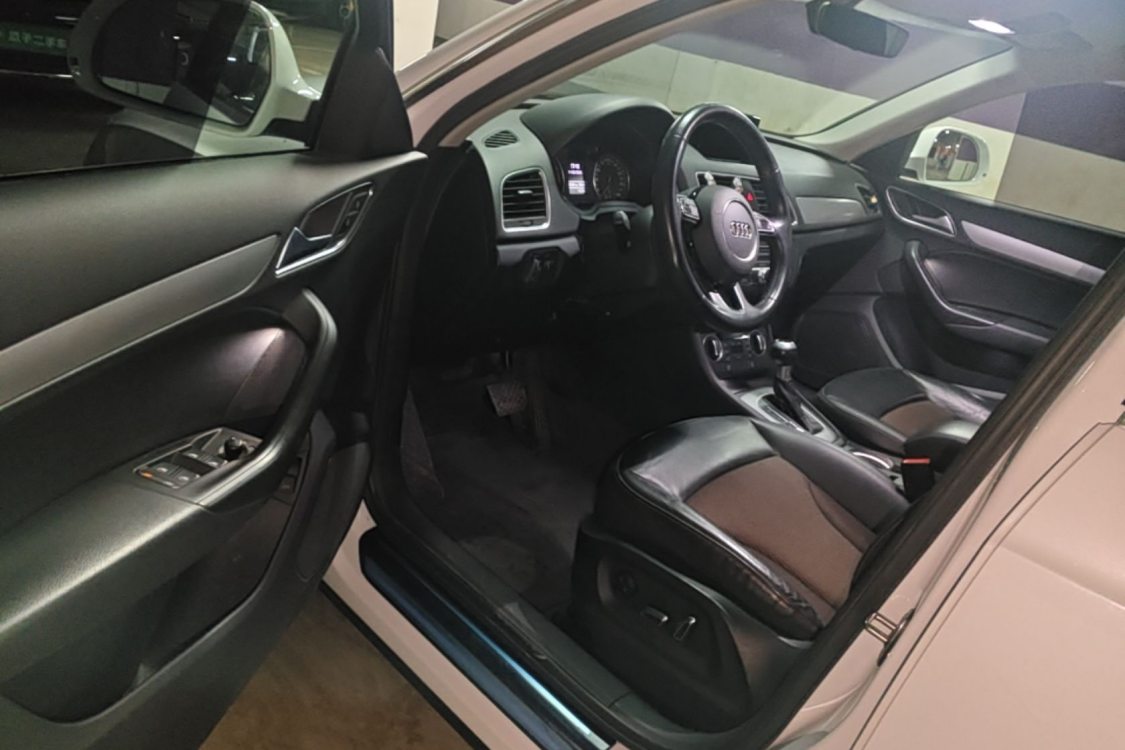
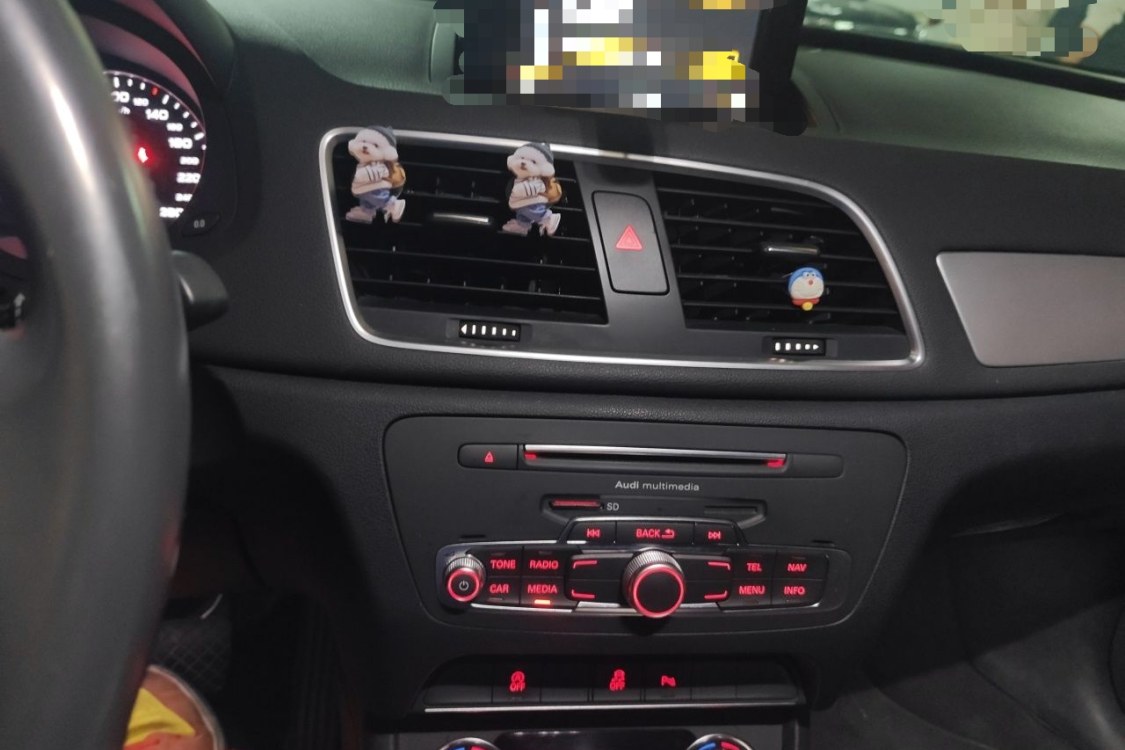
Accident inspection: main structure, reinforcement parts, and panels undamaged; hinges normal. Engine bay: key mechanical components normal. Exterior: 1 replaced part, 1 repainted area. Interior: most features normal; airbags, seatbelts, dashboard, instruments, and lighting system normal. Startup check: main components normal. Onboard tools: none.

可讲价
平台物流
可转售
VIP车源
3个工作日内过户
公转私
新检测标准升级>
必卖车源
非泡水

Document Information

Inspection Expiry Date2028/10
Warranty Expiry Date-
Insurance Expiry Date2027/07

Q&A

More

How to ensure there are no stubborn odors in the car (like smoke, pet smells, or mold)?

Odors are difficult to convey through images, so our quality inspectors conduct subjective smell assessments and record them. For vehicles with severe smoke or mold odors, if deep ozone sterilization is ineffective, we will downgrade the vehicle and mark the report with a red "Odor Warning" at the top.


Large international wire transfers (T/T) usually require anti-money laundering (AML) review. What materials will you provide to assist?

If your remitting bank requires verification of the transaction's authenticity, we will promptly provide: a commercial invoice (PI) signed and stamped by both parties, a scanned copy of the vehicle purchase contract, and our legal export enterprise registration certificate from the Ministry of Commerce in China.

Is China's "National VI B" emission standard equivalent to Europe's Euro VI standard?

From a technical perspective, China's "National VI B (China VI-b)" is one of the strictest emission standards globally, with limits on carbon monoxide, nitrogen oxides, and particulate matter that are even stricter than some of Europe's Euro VI standards. However, the two are not legally recognized by each other, depending on your country's import regulations.