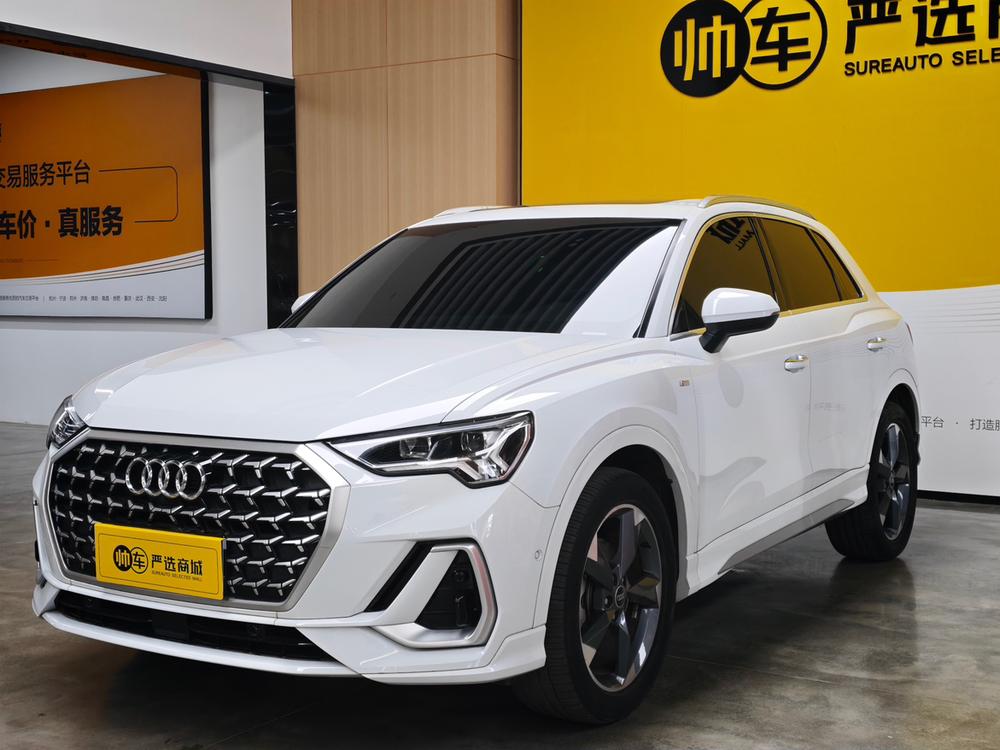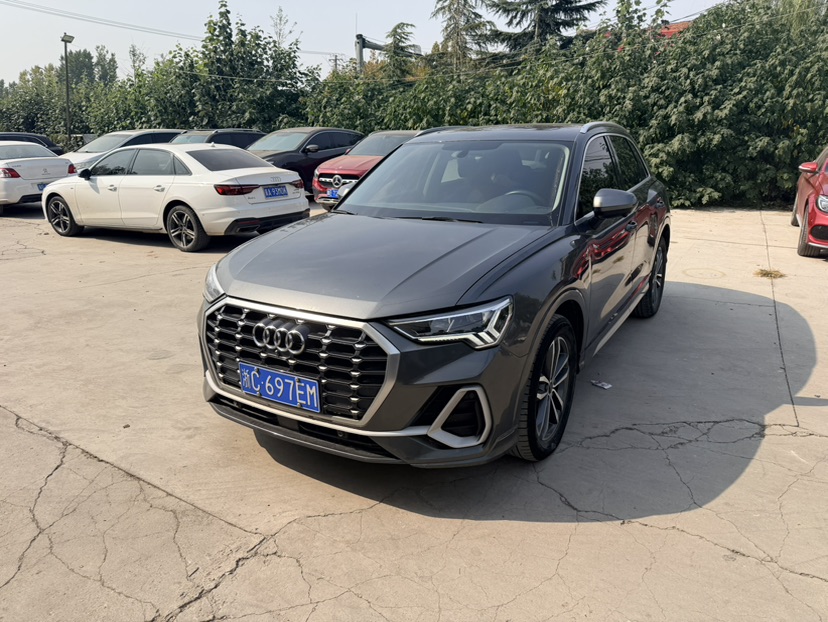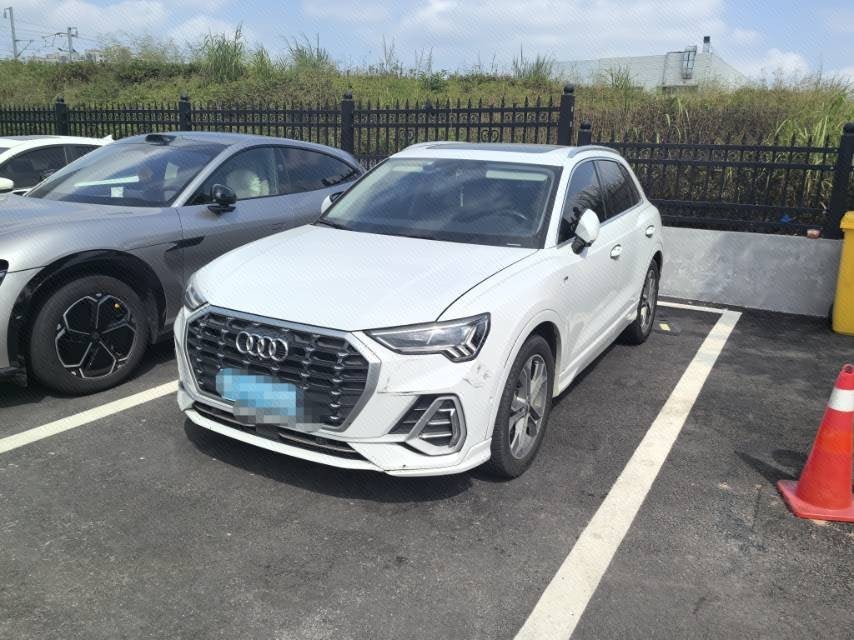
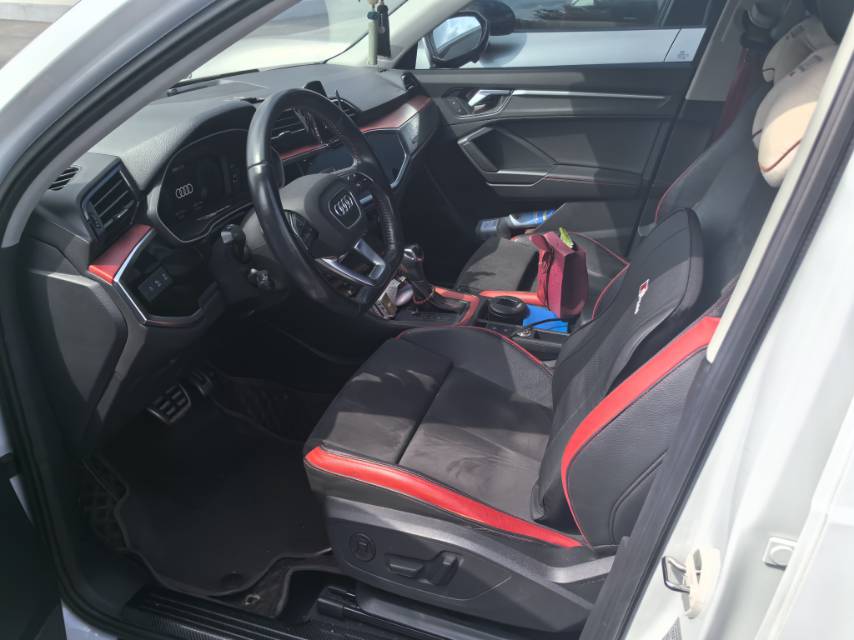
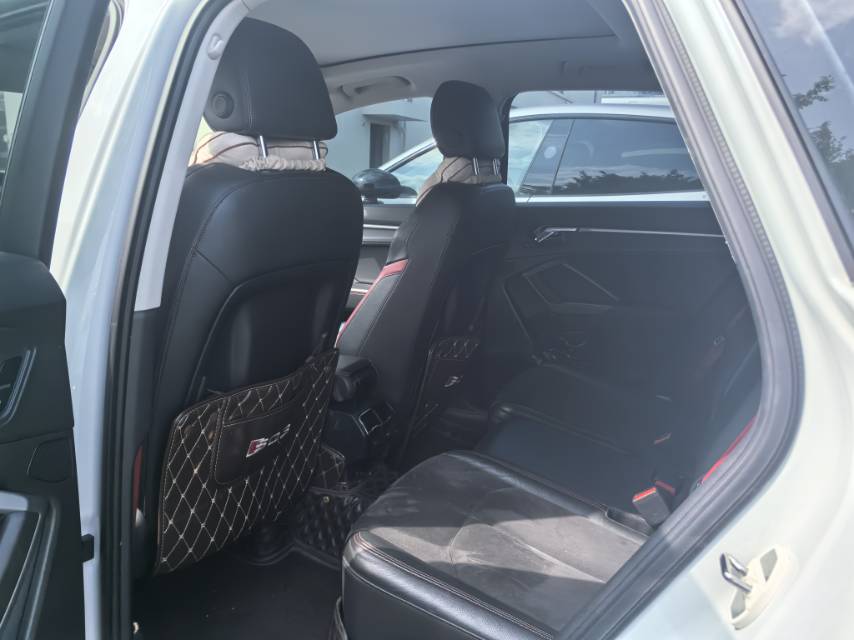
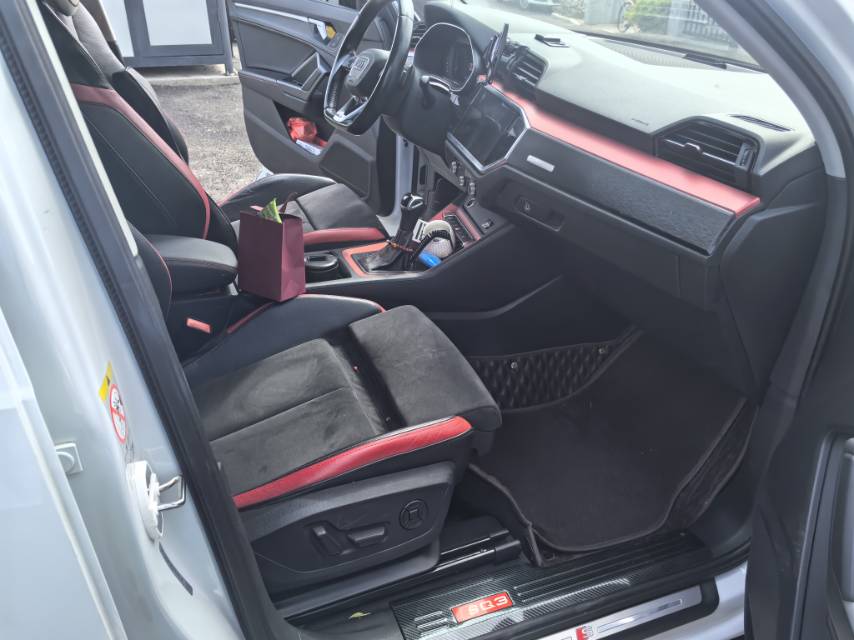
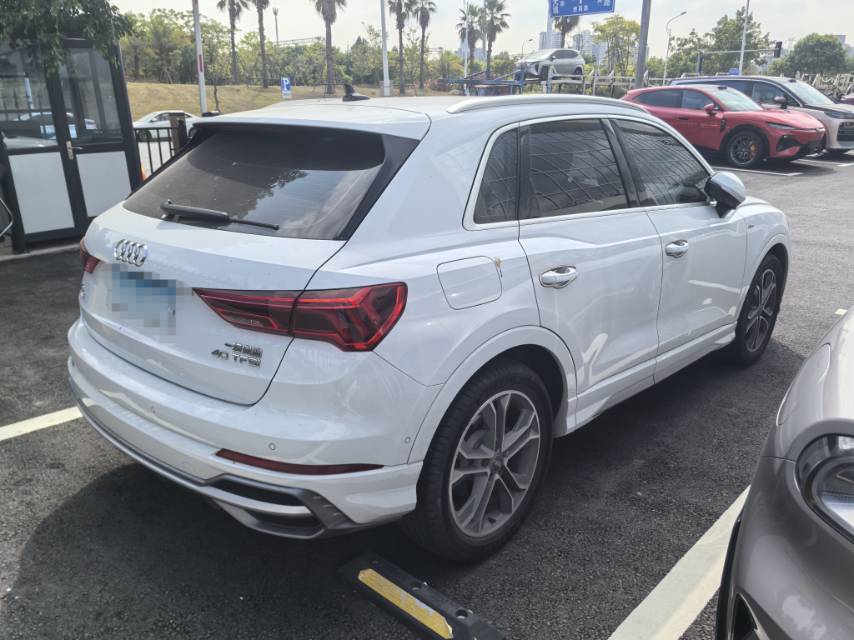
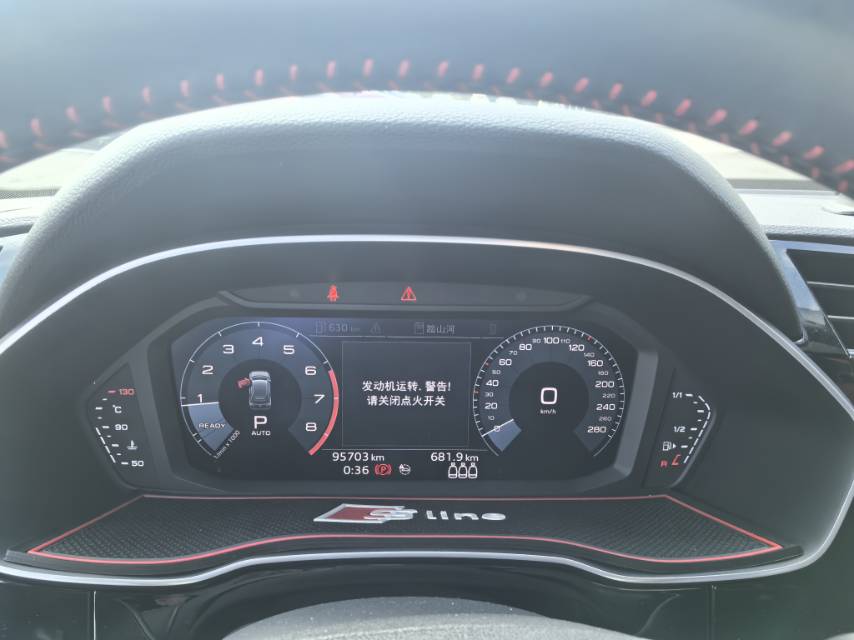



Basic Information

BrandAudi
SeriesQ3
Year2020
First Registration2020/10
Mileage96,000km
Transfer Count0times
FuelGasoline
TransmissionDCT
Engine2.0T 186 L4
ColorWhite
Seats-

Condition Description

Original condition, several panels have been repaired and repainted, 5 panels need repainting.

Document Information

Inspection Expiry Date-
Warranty Expiry Date-
Insurance Expiry Date2027/10

Q&A

More

How does the buying process actually work step by step when importing a used car from China?

A typical safe flow looks like this: 1. Sourcing: you pick a car from listings; the exporter confirms availability, sends photos, video and a condition report. 2. Contract: a written sales contract stating VIN, price, included costs, inspection standards and delivery terms (FOB or CIF). 3. Deposit: usually 10–30% after you or a third party verify the car. Pay to a company account, never personal. 4. Inspection: independent pre-shipment inspection; you approve the report before shipping. 5. Balance payment: due before shipment, against copy of the bill of lading. 6. Shipping and documents: exporter sends original documents by courier; you track the vessel. 7. Arrival: your customs agent clears the car, you pay duties and collect it. Timeline: typically 3–8 weeks from deposit to arrival, depending on route. Any exporter pushing for 100% upfront payment should be treated as a red flag.


What is a safe step-by-step process for buying a used car from a Chinese exporter without visiting in person?

1) Verify the company: business license, export track record, and a live video call where they show the actual car and its VIN. 2) Hire an independent pre-shipment inspection. 3) Sign a contract stating the VIN, specs, price, Incoterm, and refund conditions. 4) Pay a 20–30% deposit by bank transfer only after the contract is signed — never the full amount, and never to a personal account. 5) After the inspection passes, pay the balance against a copy of the bill of lading. 6) Track the shipment and prepare import documents. 7) Inspect the car on arrival before releasing any final documents. Each step is a checkpoint. Don't let the seller rush you past one.

How do I assess rust and underbody condition in a used car from China when buying remotely?

Rust is one of the most underestimated problems in remote buying. Request specific evidence: photos of the underbody, wheel arches, door sills, and around the windshield seal; close-ups of suspension mounting points; and ideally paint thickness readings across panels (factory paint is typically 80-120μm; heavy patches suggest bodywork). Northern Chinese cars may have winter road-salt corrosion; coastal cars can show surface rust on exposed metal. Surface rust on exhaust and bolts is normal—structural rust on frame rails, subframes, or brake lines is a deal-breaker, especially if the car is headed to a humid or coastal market. Have the inspector tap suspicious areas during the video call: flaky or bubbling metal sounds hollow. Walk away if the seller refuses underbody photos.