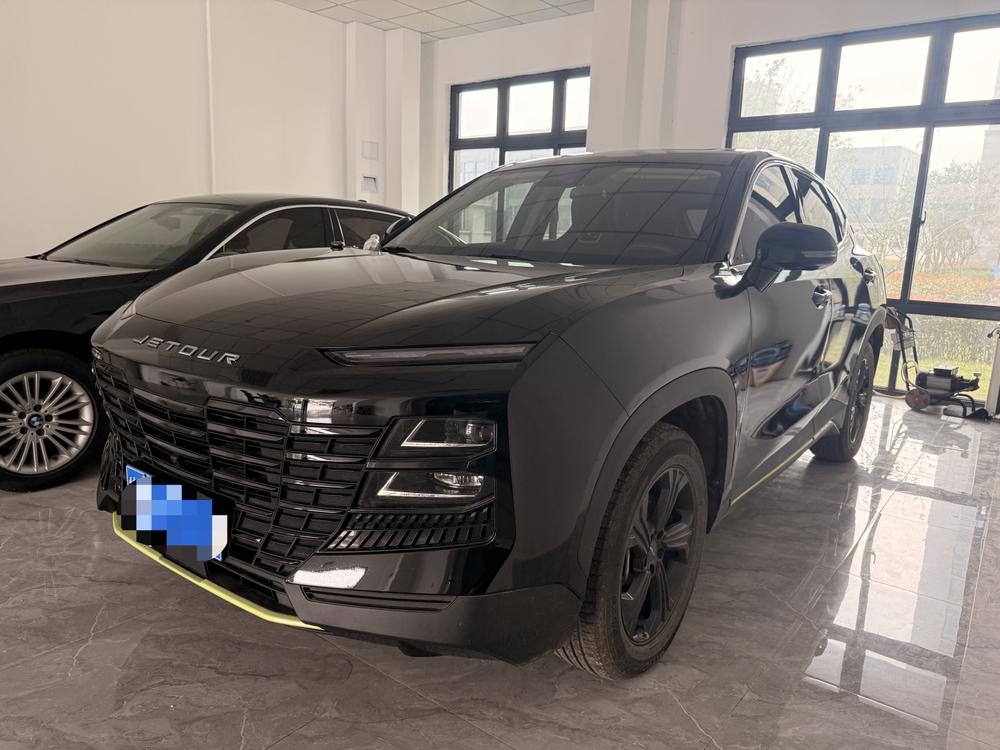
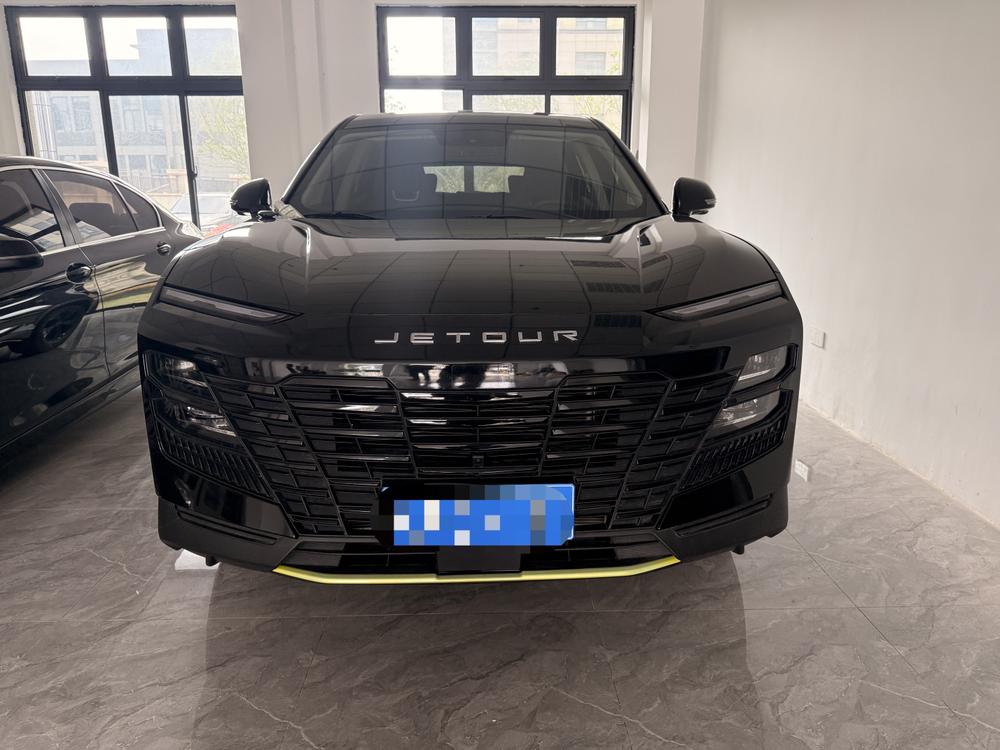
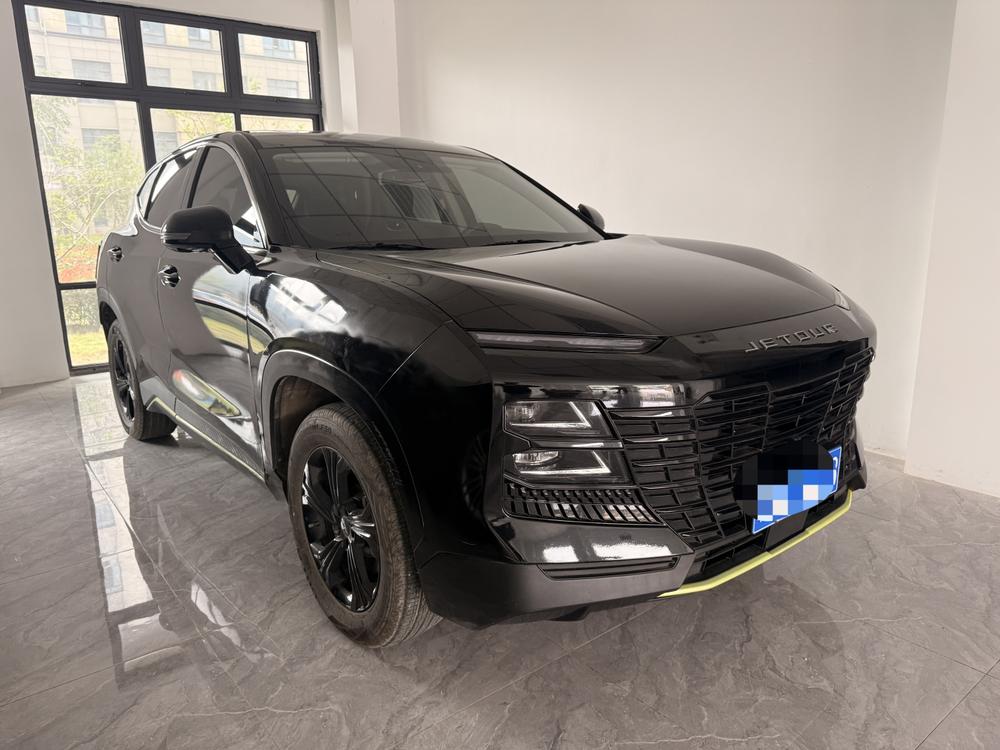
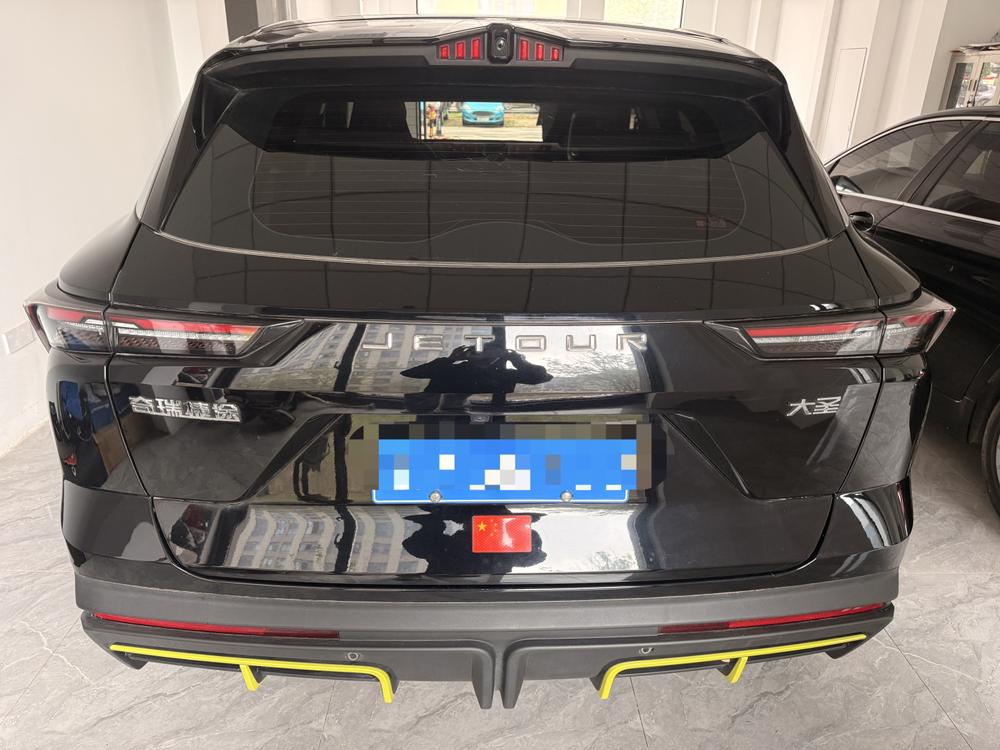
48H

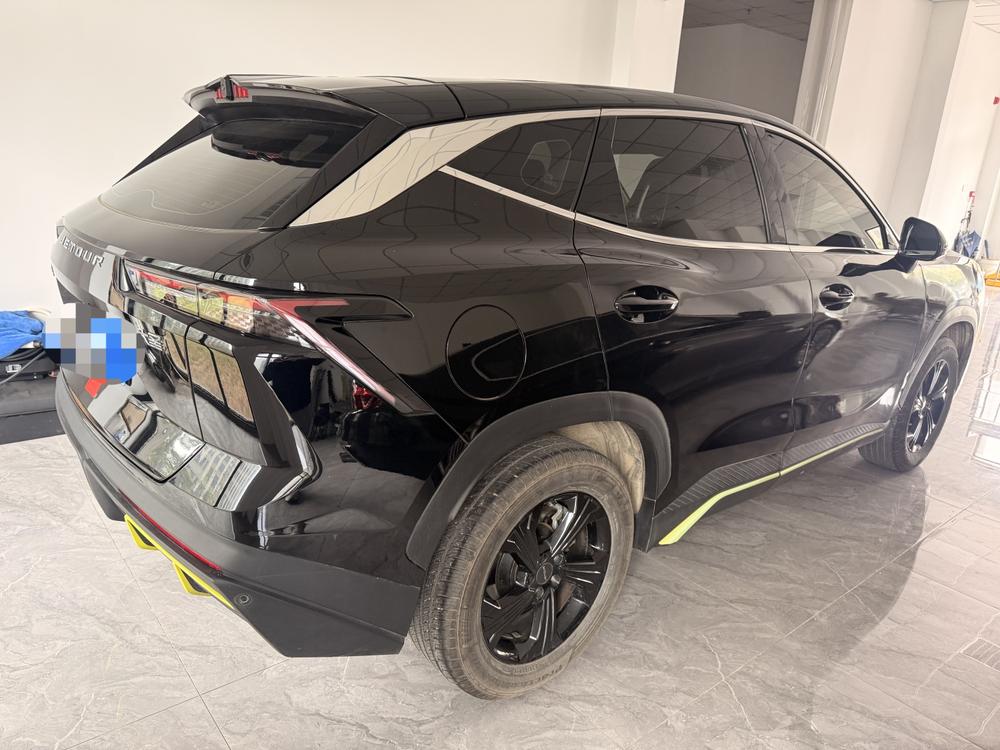
Basic Information

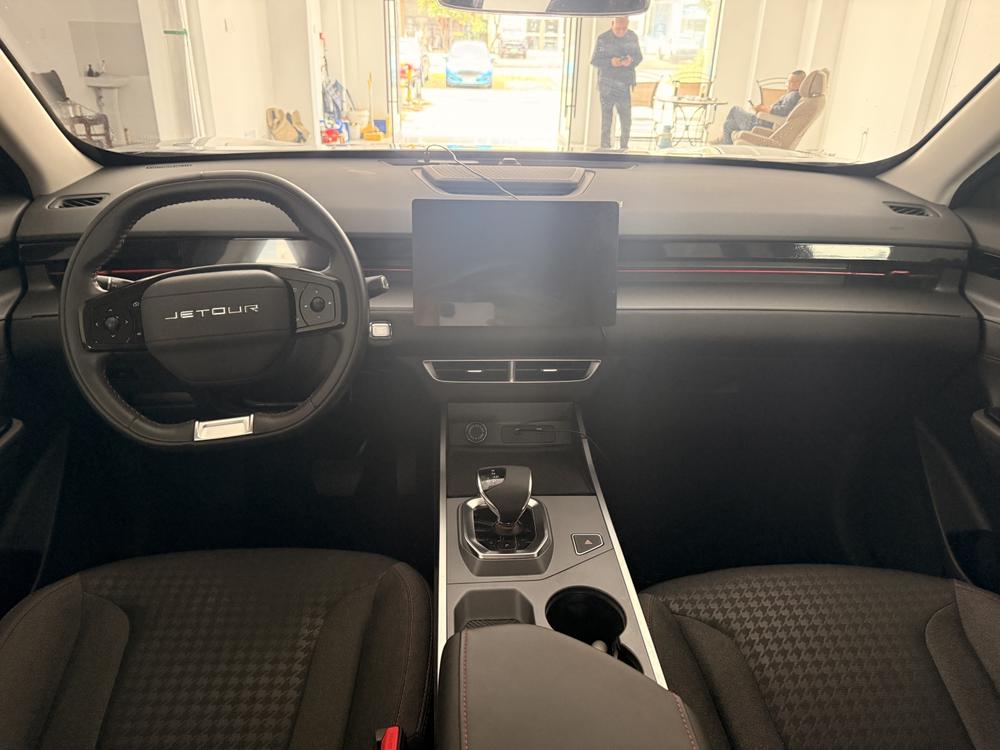
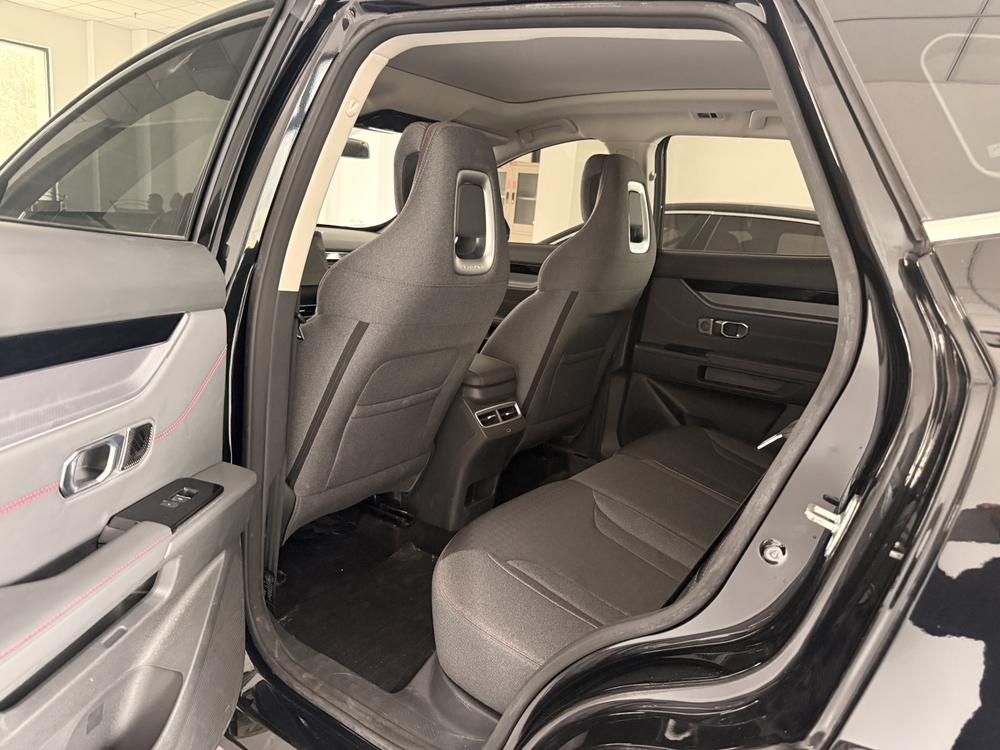
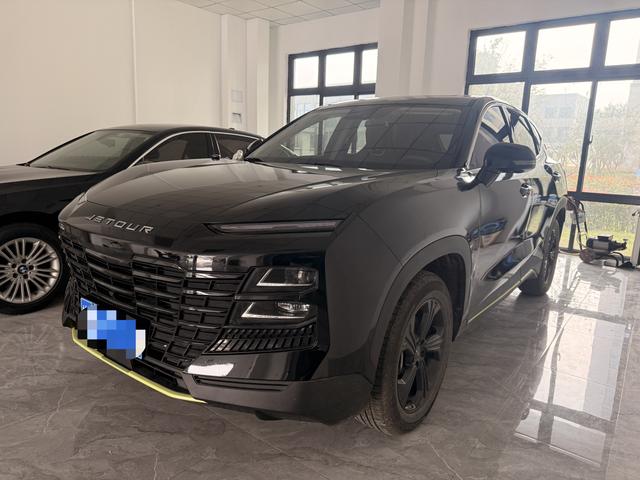
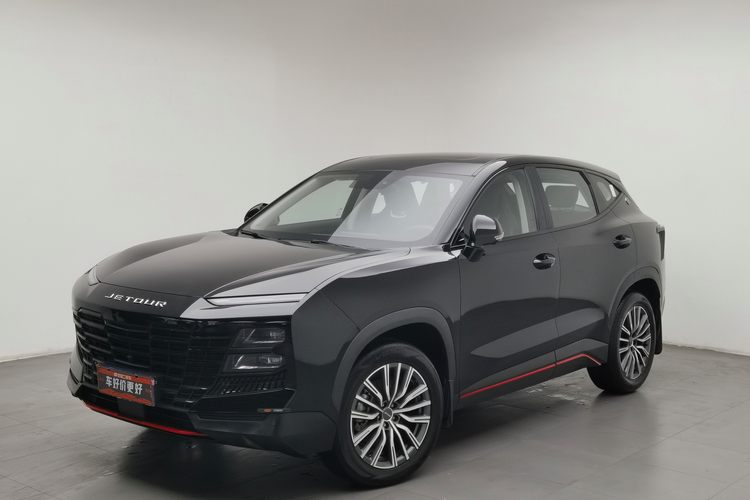
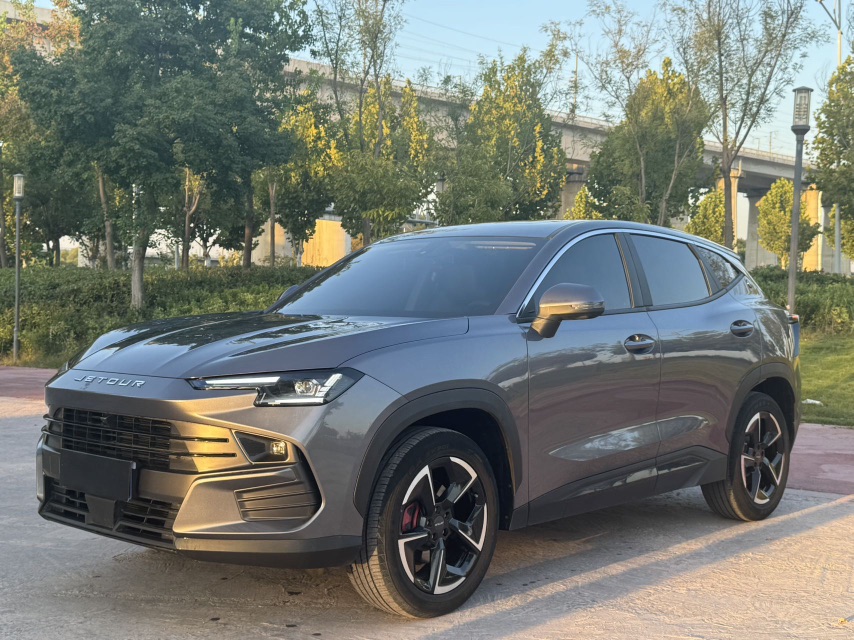
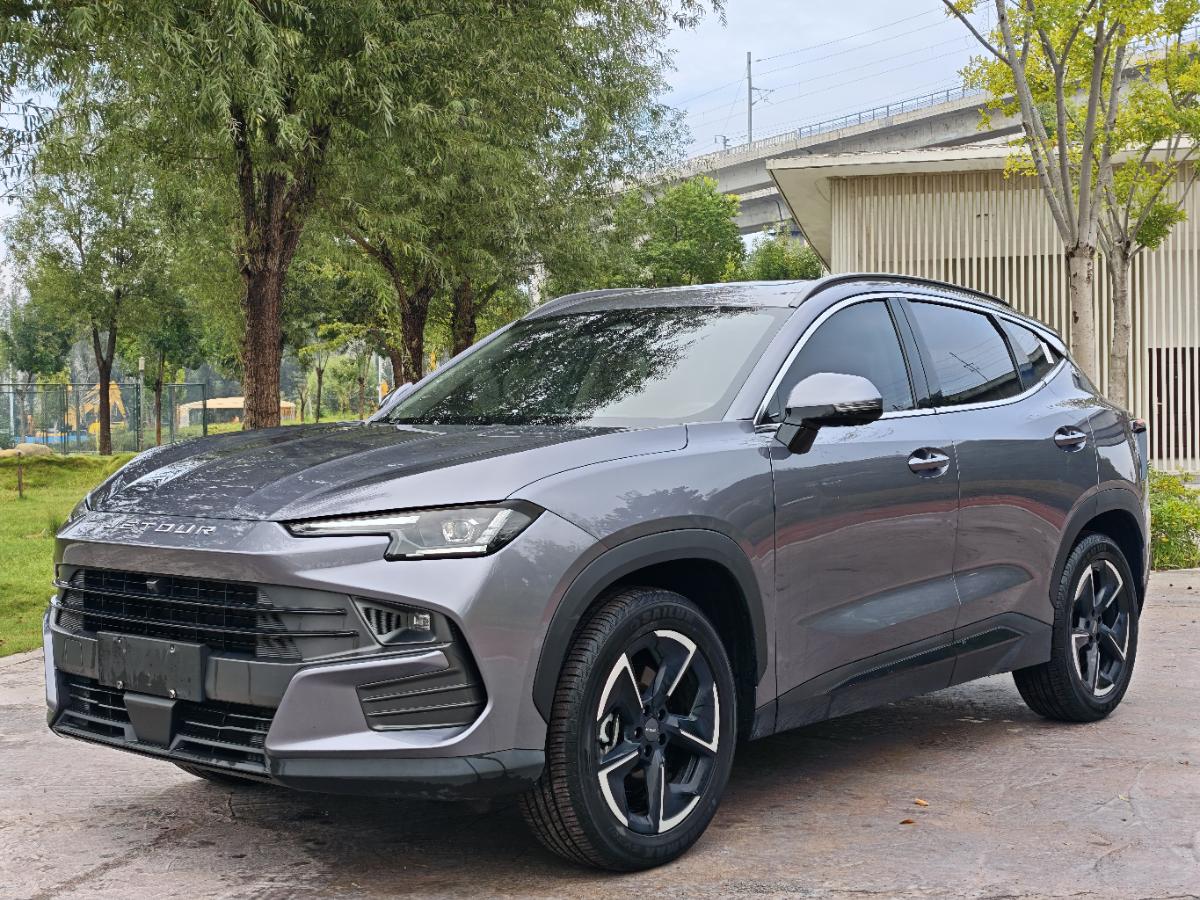
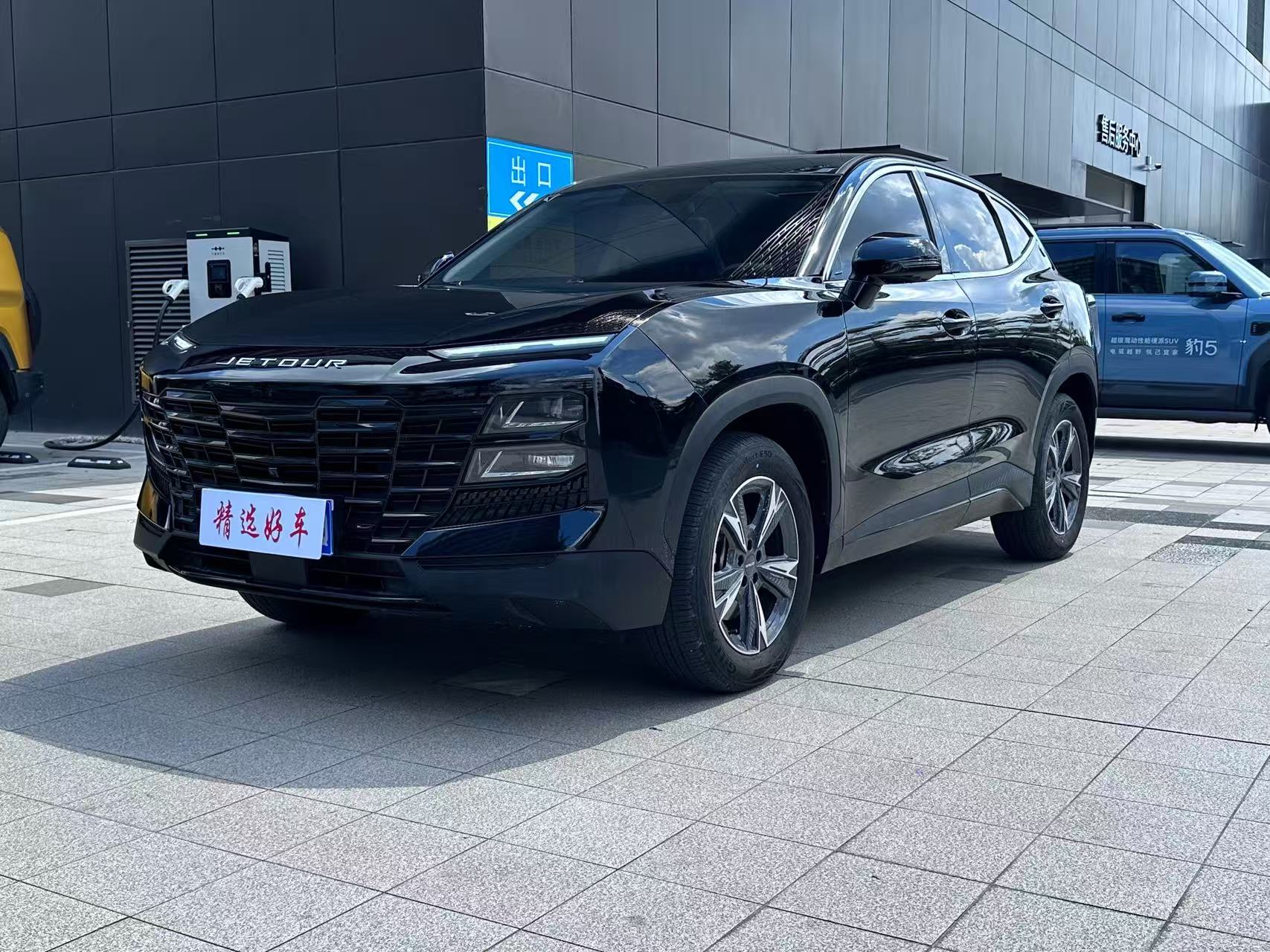
BrandJetour
SeriesDashing
Year2025
First Registration2025/02
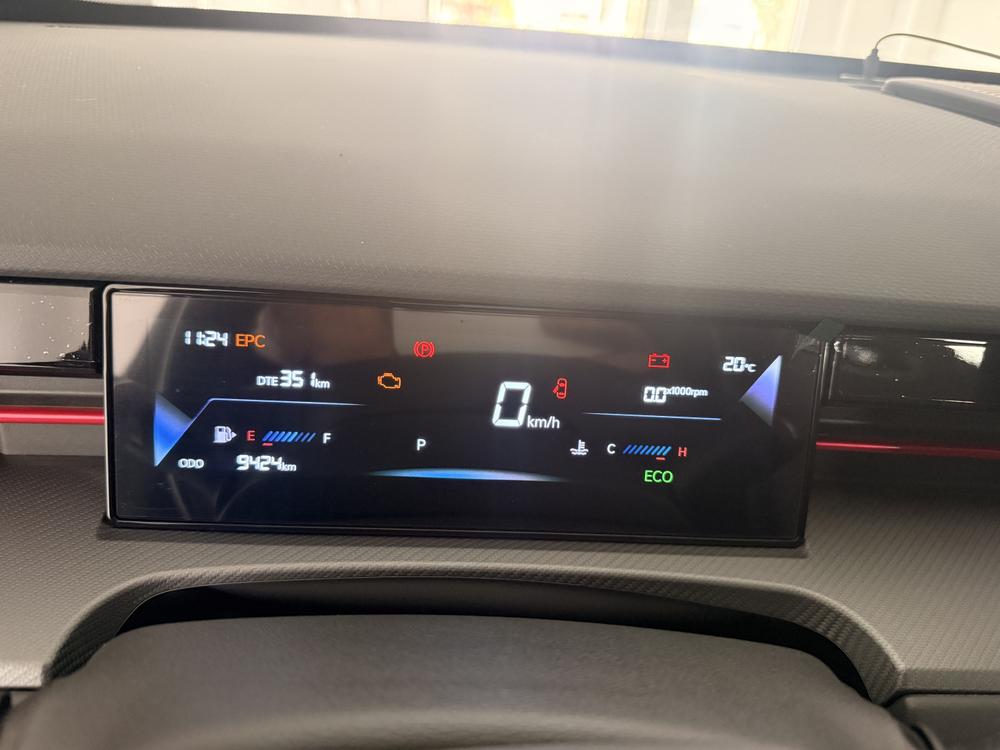
Mileage9,500km
Transfer Count0times
FuelGasoline
TransmissionDCT
Engine1.5T 156 L4
Color
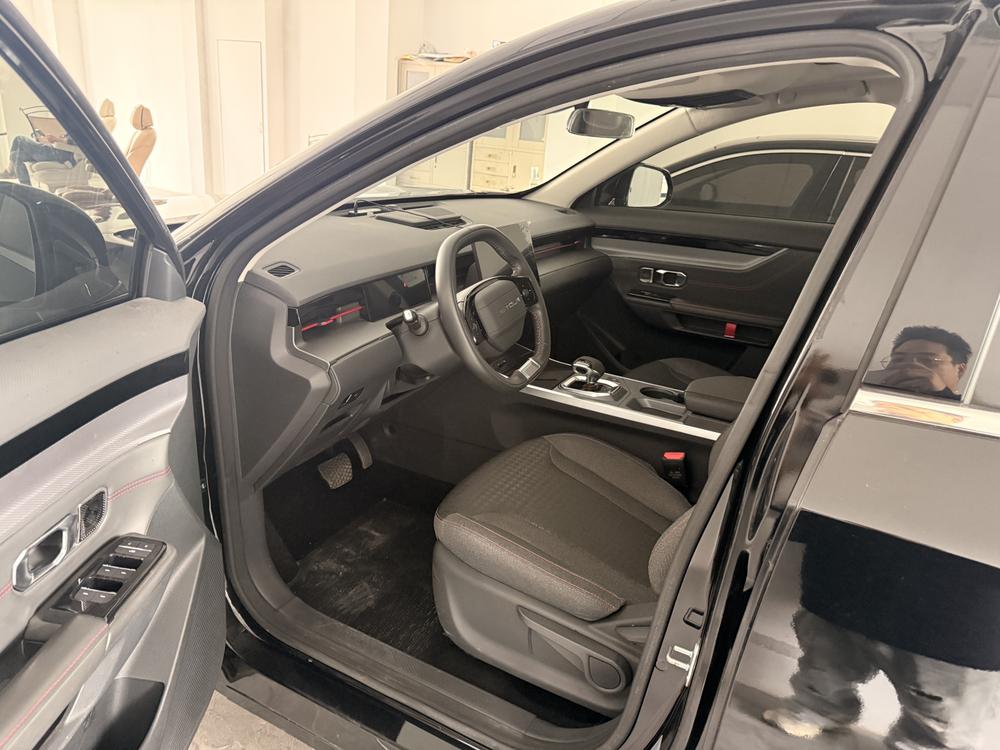
Seats5seats

Condition Description

官方质检 · 60天全车质保· 7天无理由有偿退车

Configuration Highlights

✓上牌时间: 2025-02
✓表显里程: 0.9万公里
✓车源地: 芜湖
✓排放标准: 国六b
✓发动机: 1.5T
✓轴距: 2720mm
✓变速箱: 自动
✓最大功率: 115kW
✓功能配置: 17项
✓安全配置: 3项
✓动力类型: 前驱
✓空间舒适性: 好

Q&A

More

Are the quality assessment standards for used commercial vehicles (pickups, light vans) the same as for passenger cars?

Completely different. The assessment of commercial vehicles focuses on: the extent of wear/deformation in the cargo area, whether the frame has been twisted due to overload, the fatigue of the leaf springs, and the emissions of the diesel engine. Minor exterior scratches carry very little weight in the assessment of commercial vehicles.

Is there a mechanical emergency switch if the hidden door handle cannot pop out due to extreme cold?

Almost all compliant models with hidden door handles have a mechanical emergency pull cable designed inside the car or under the vehicle. If the target country's climate is extreme, we will record a practical emergency door opening tutorial video for you before shipping.

What export documents come with a used car shipped from China, and which ones do customs in my country require?

A compliant shipment from China includes a standard document set. Verify you receive all of them before the ship departs, because correcting documents mid-transit is slow and expensive. The core set: commercial invoice, bill of lading (original, if your country requires presentation for customs), packing list, certificate of origin, and the export customs declaration. For used cars, also expect the Chinese registration certificate copy, deregistration proof, and a condition/inspection report. Some destinations require additional certificates — GCC states need GSO conformity, EU countries need COC or individual approval, several African nations require BESC/ECTN tracking numbers issued before loading. Your customs broker will typically need the invoice and bill of lading at minimum, plus proof of vehicle age and emissions where age limits apply. Ask your exporter for scanned copies the day the vessel sails, not when it arrives: pre-clearance can cut port storage fees significantly. One caution: the invoice value must match your payment records. Under-declaring to save duties is customs fraud in most countries and risks seizure.