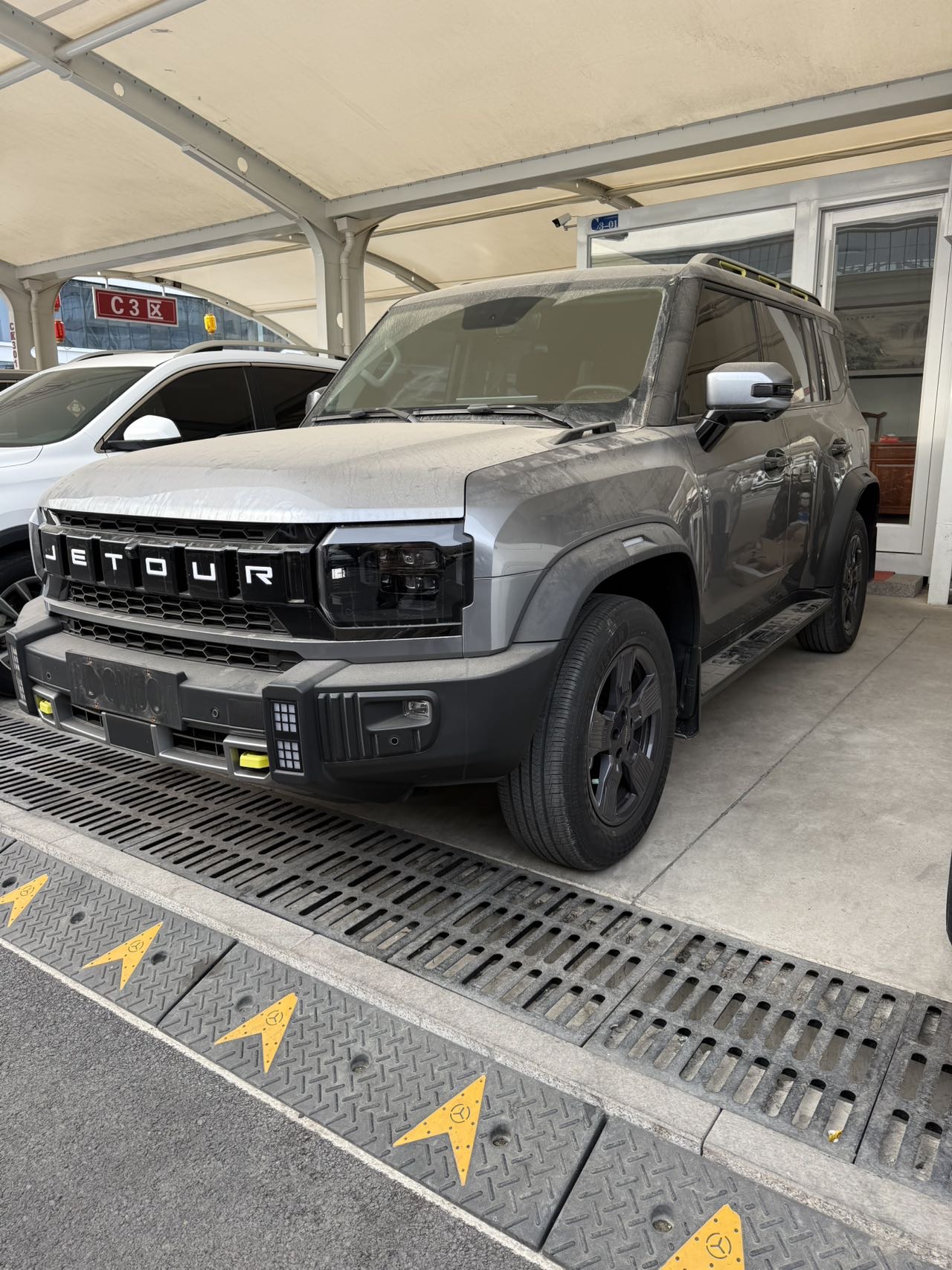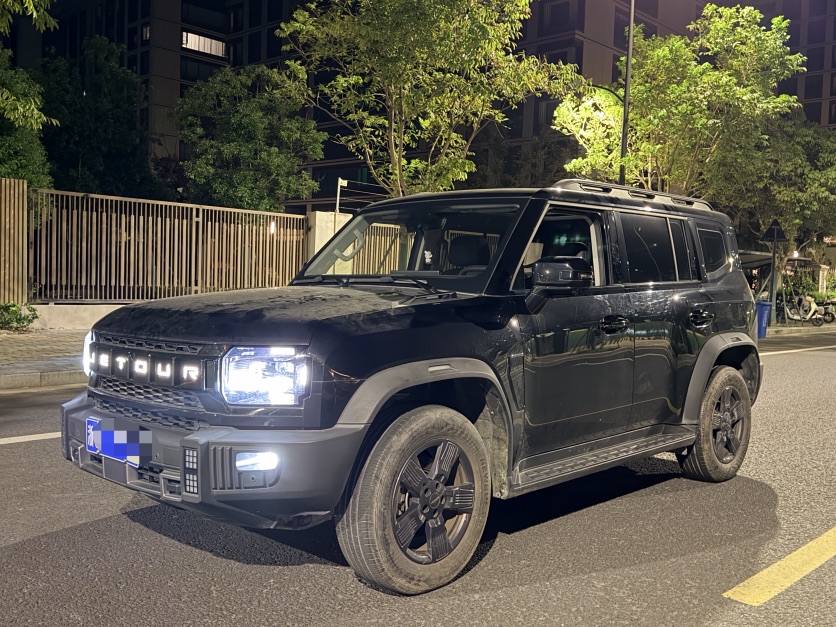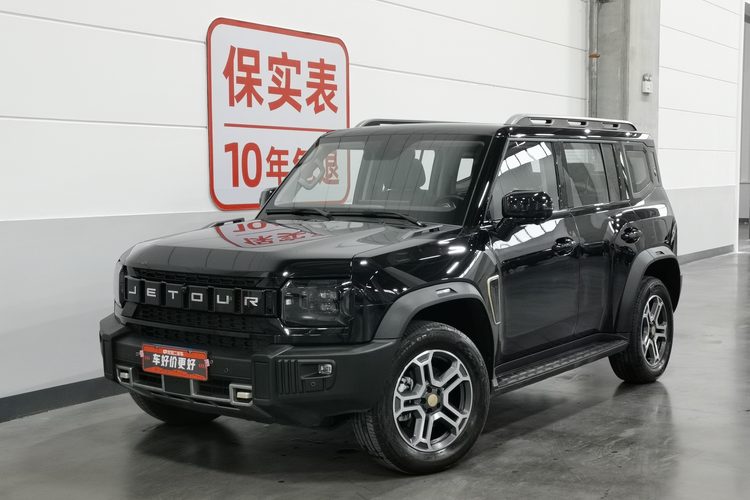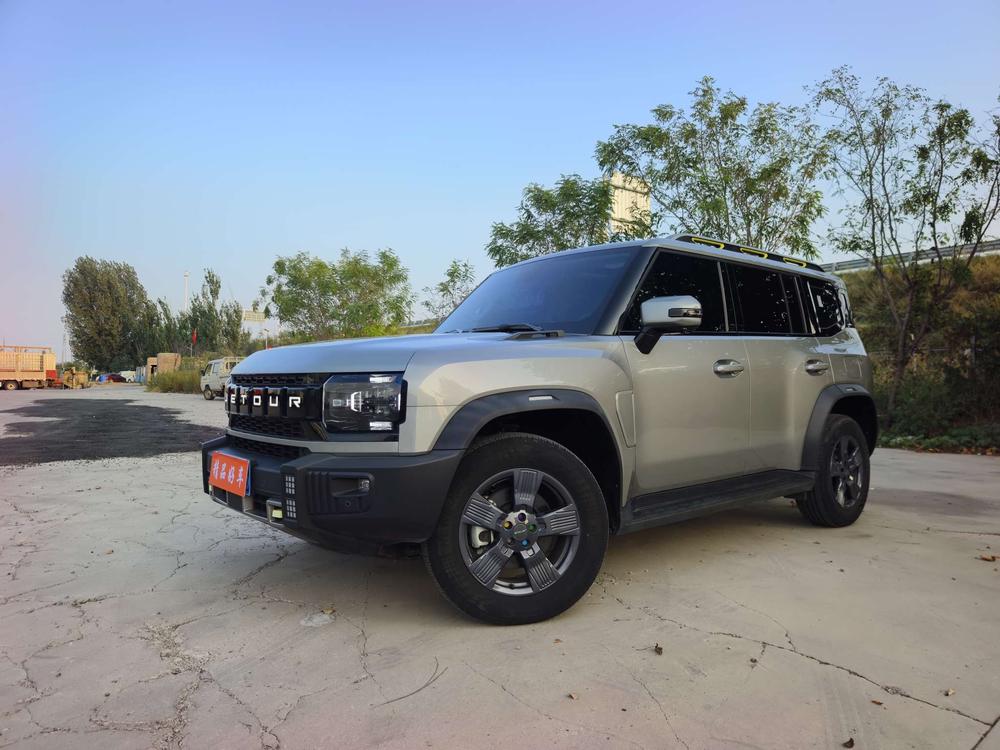
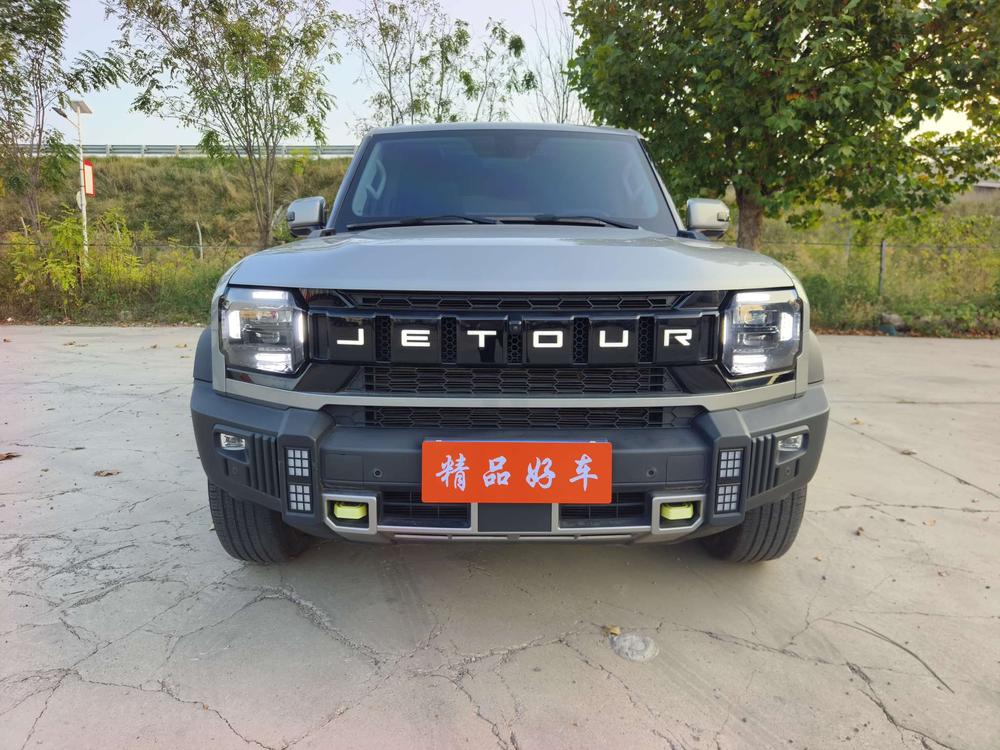
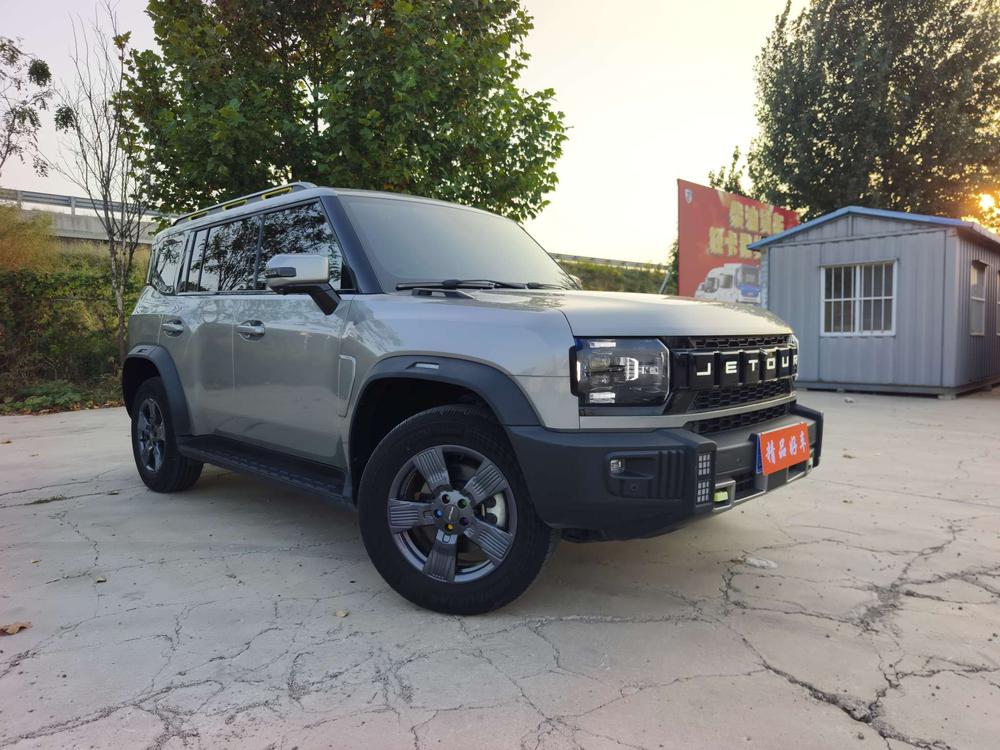
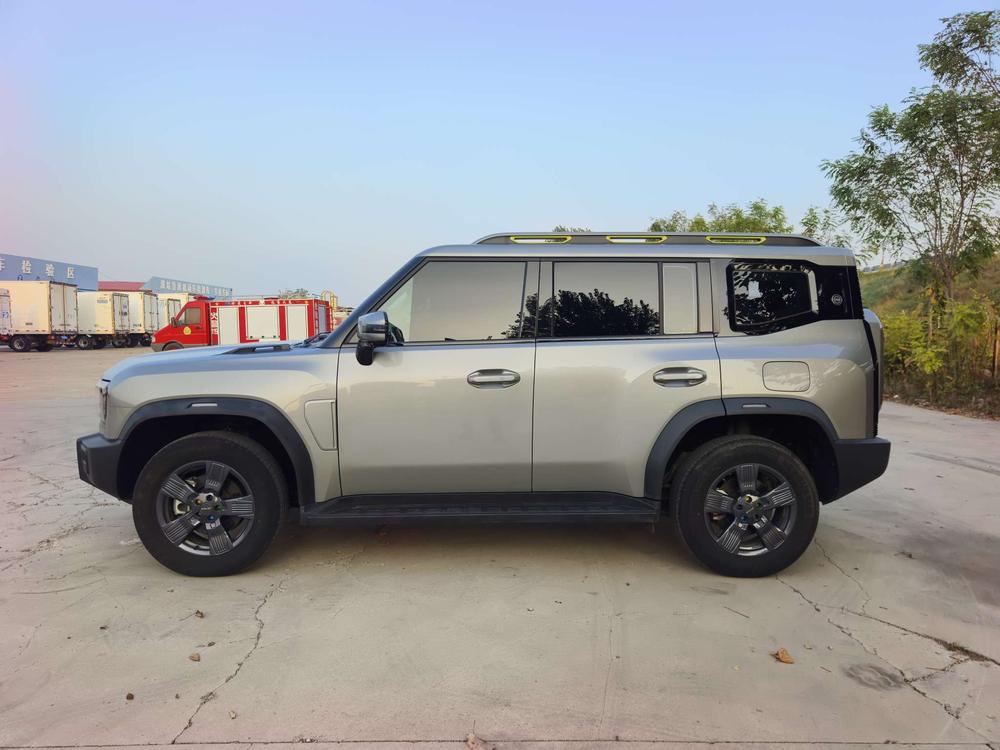
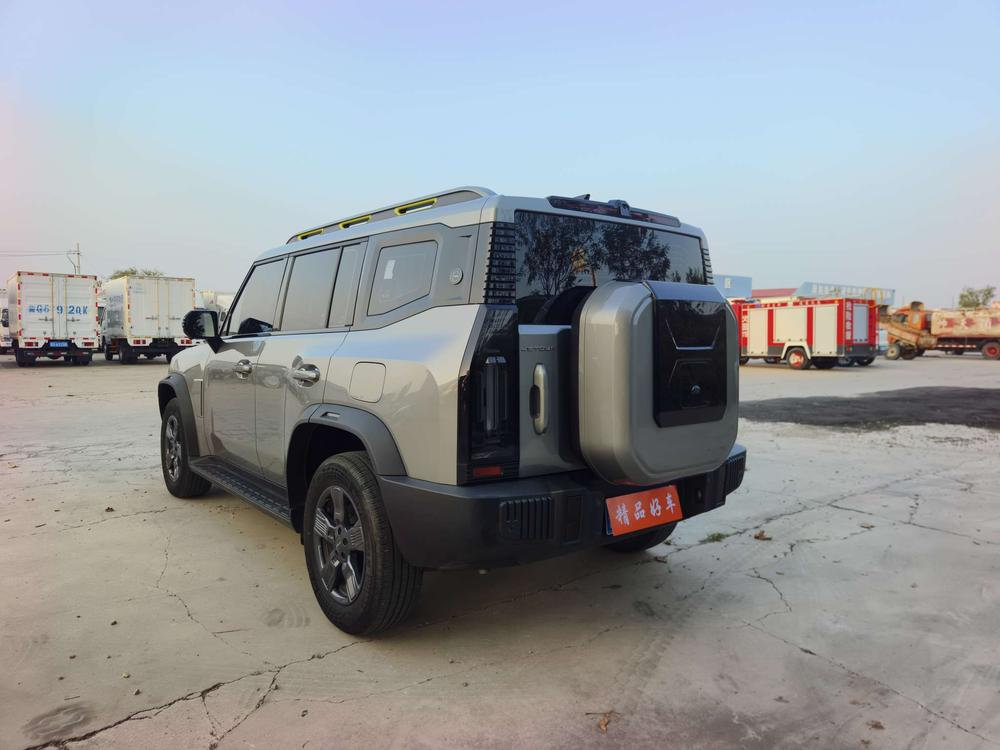
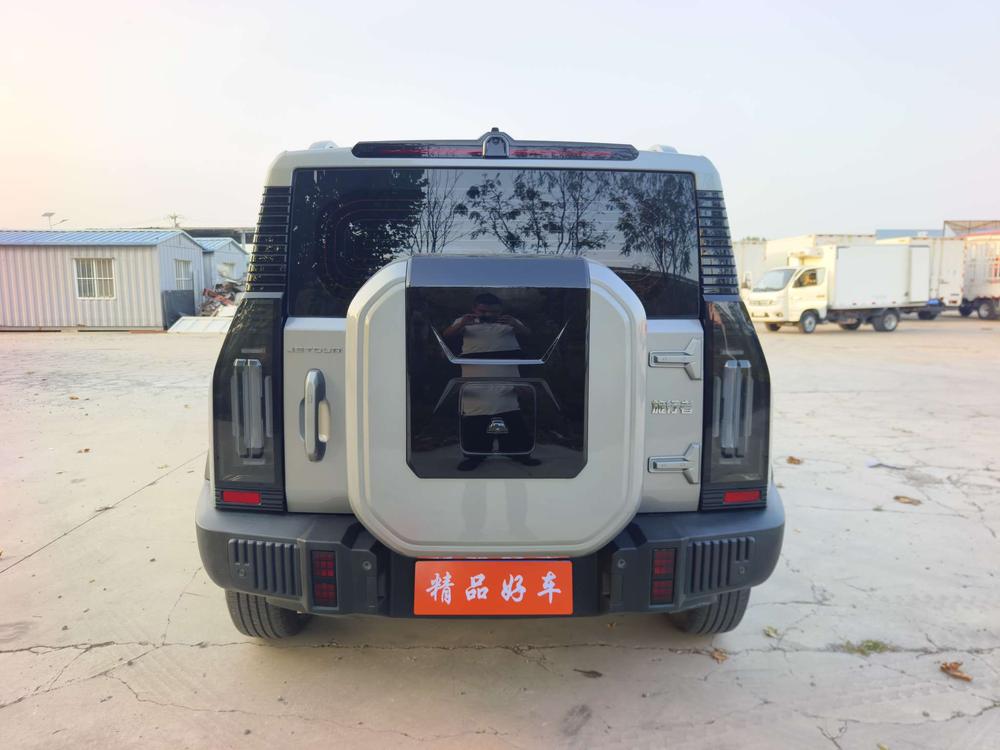
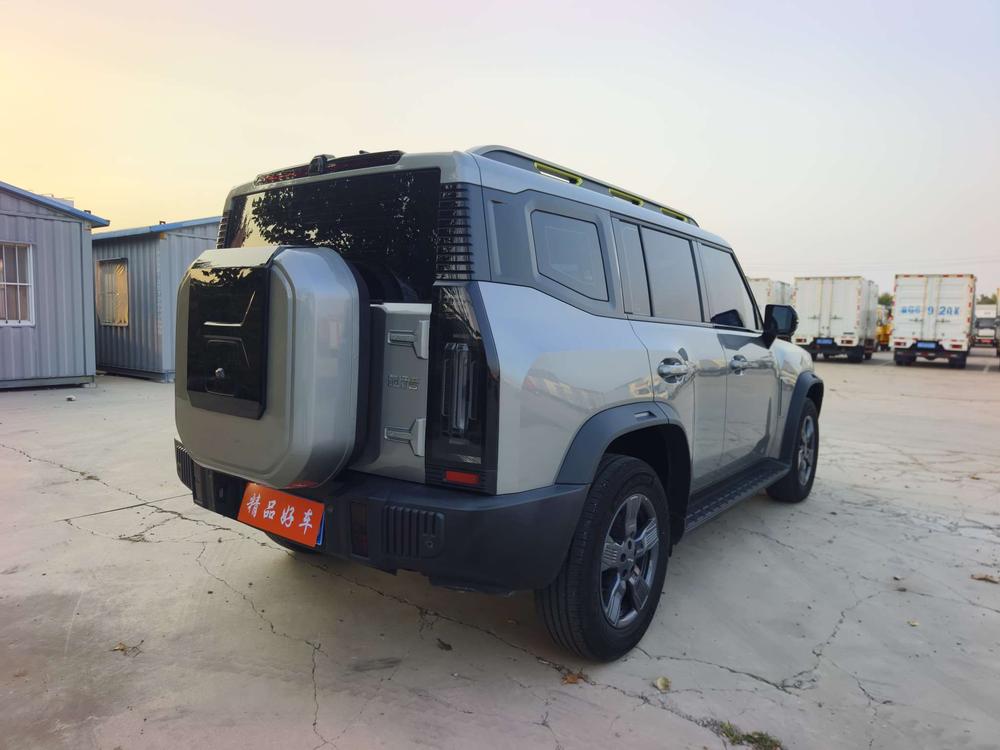
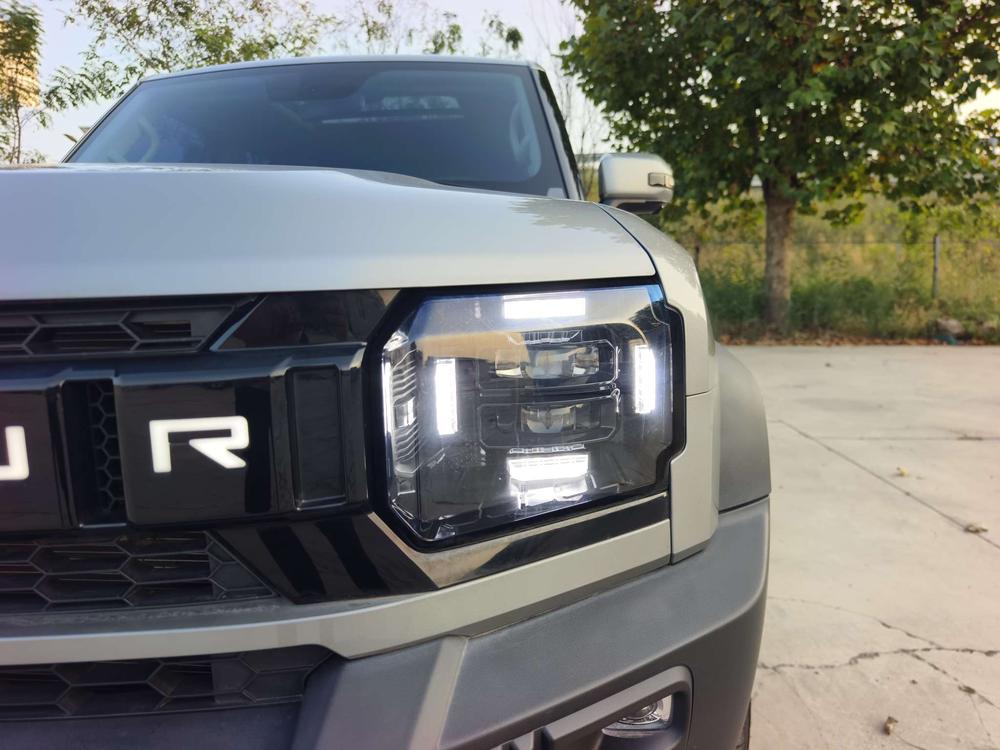
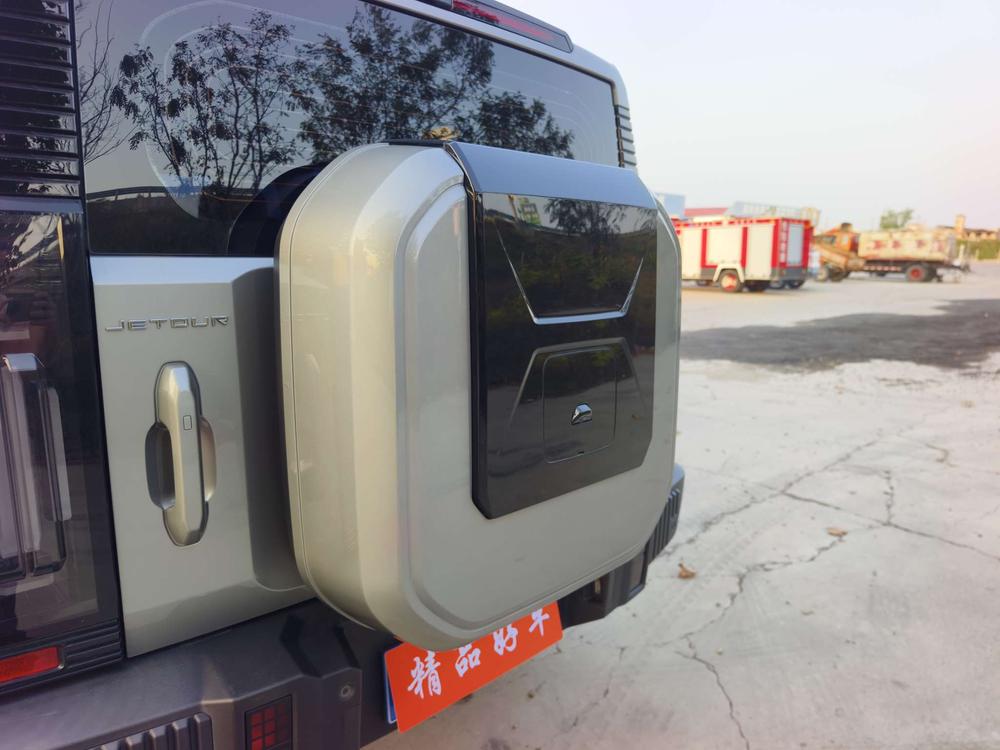
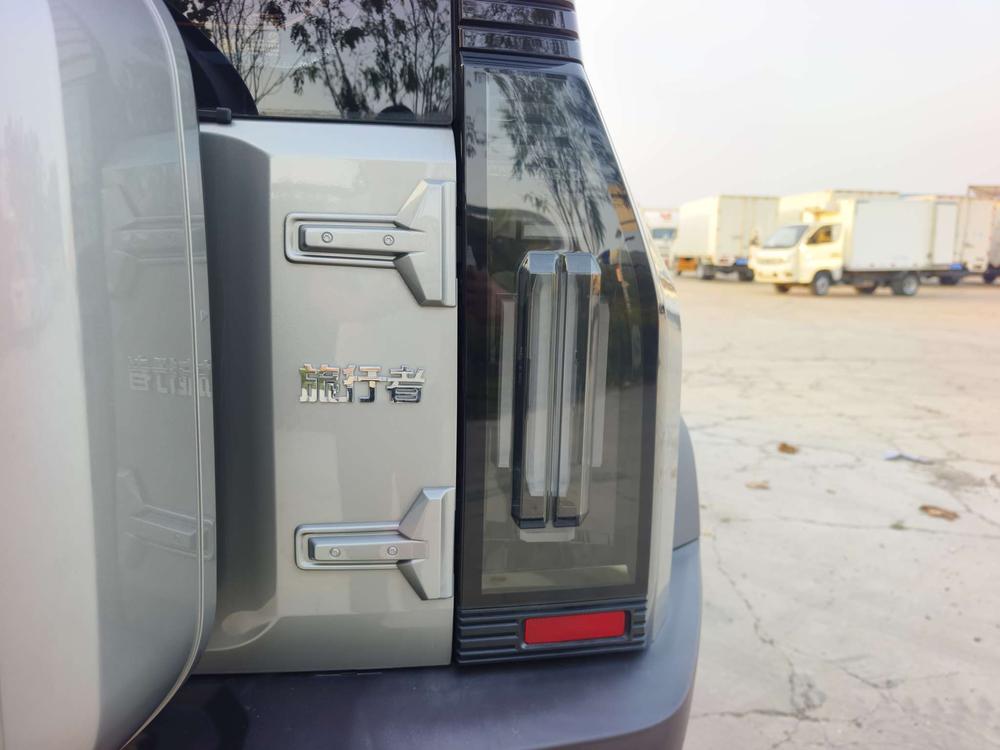
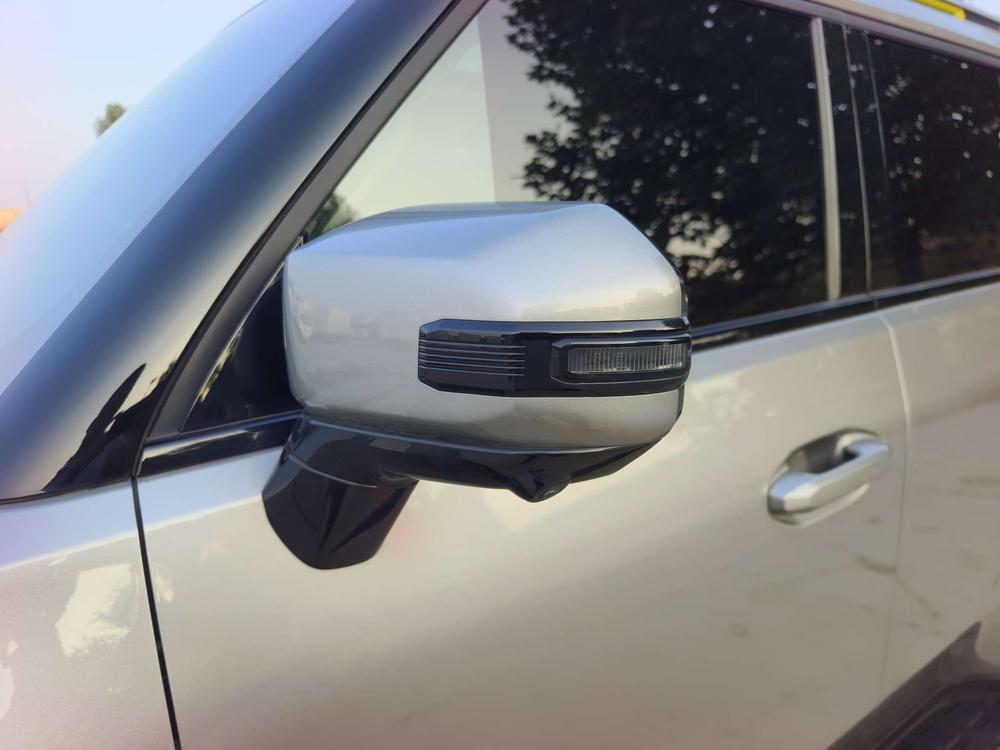
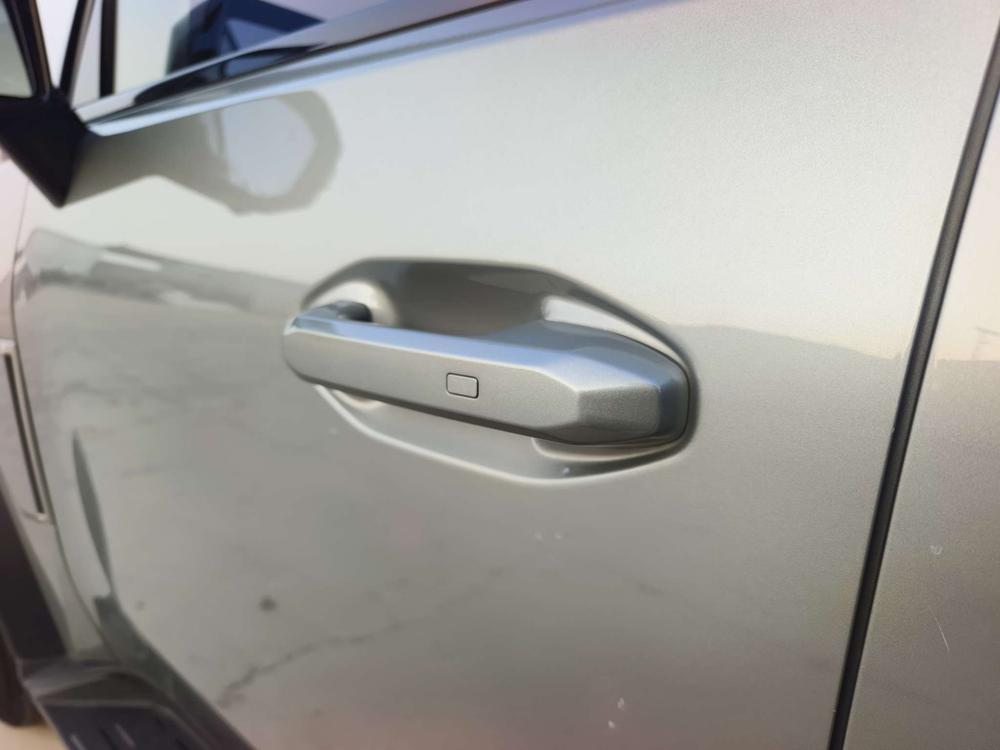
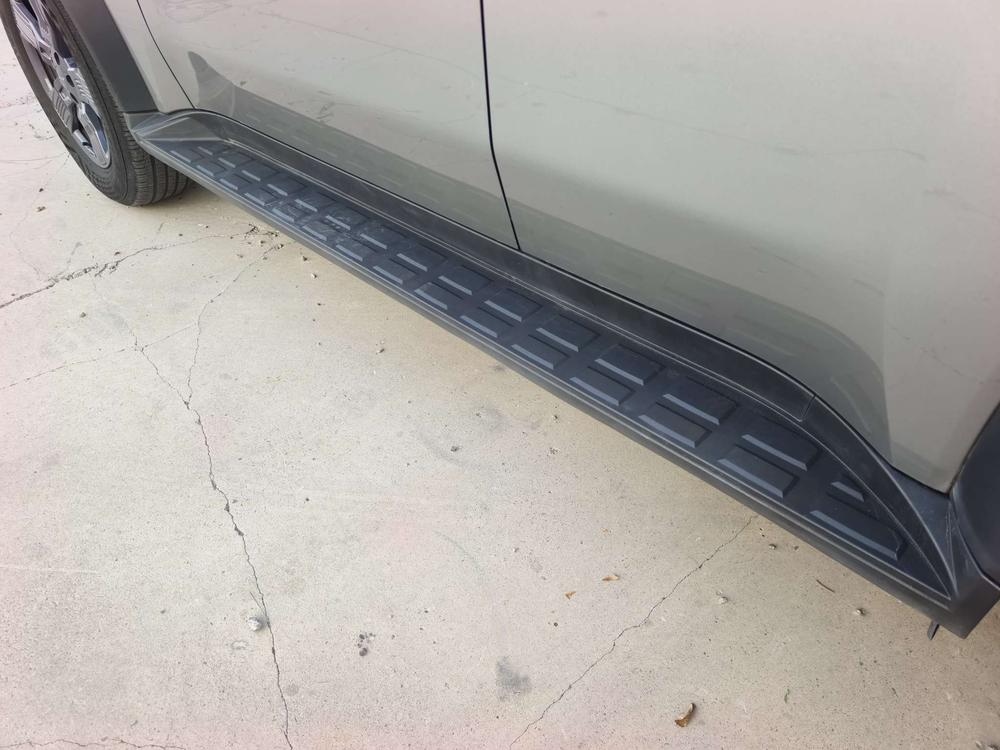
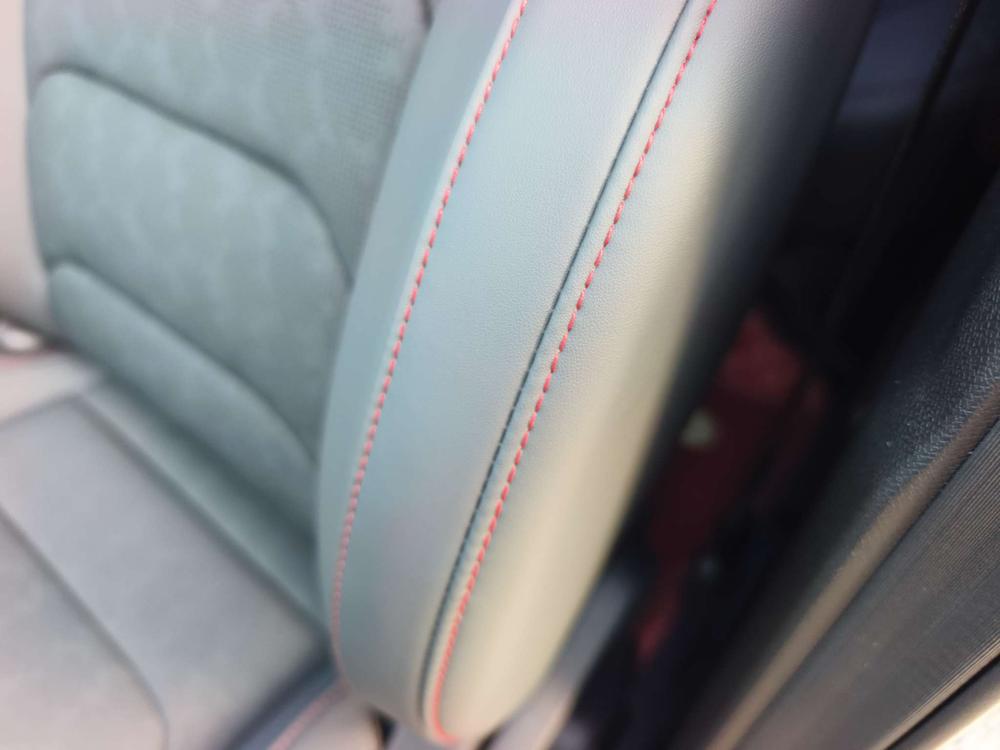
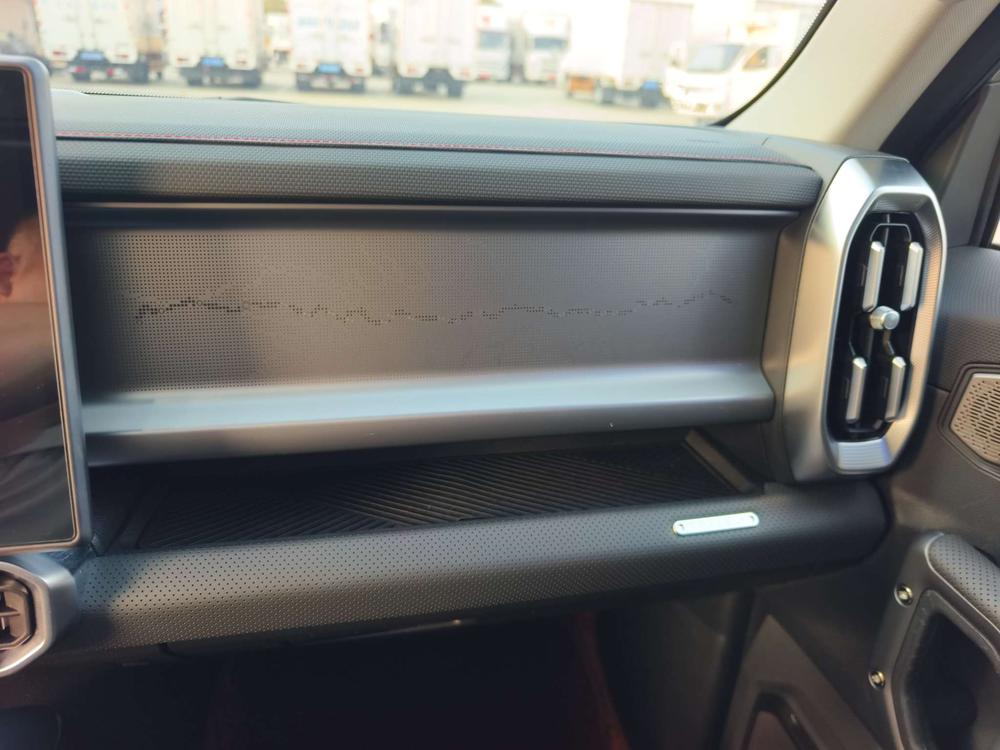
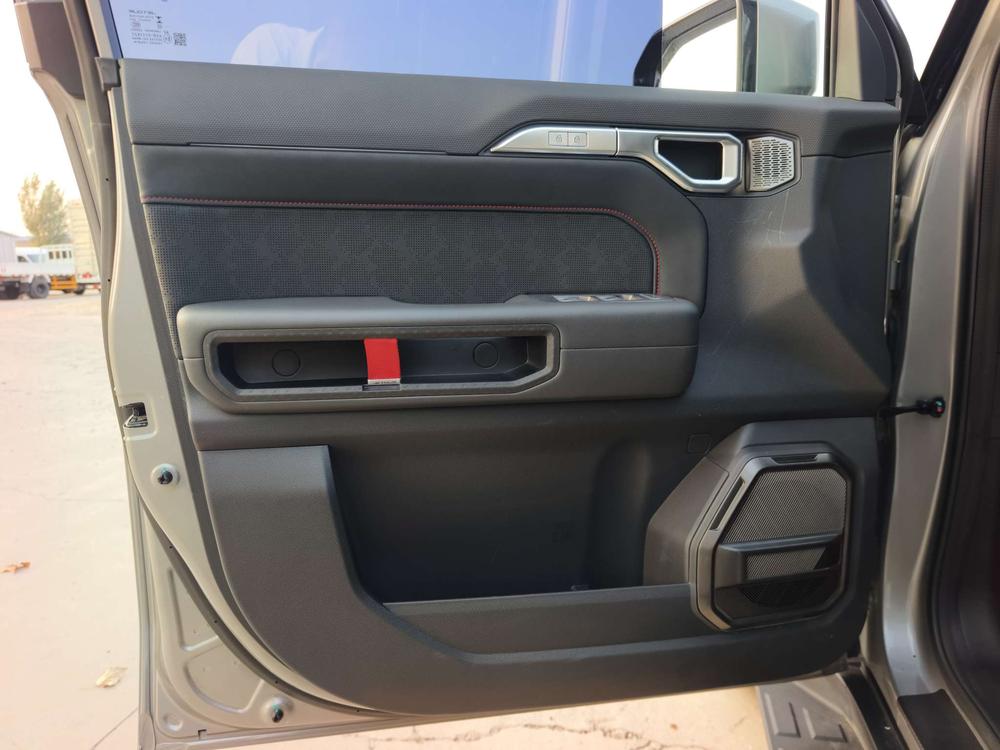
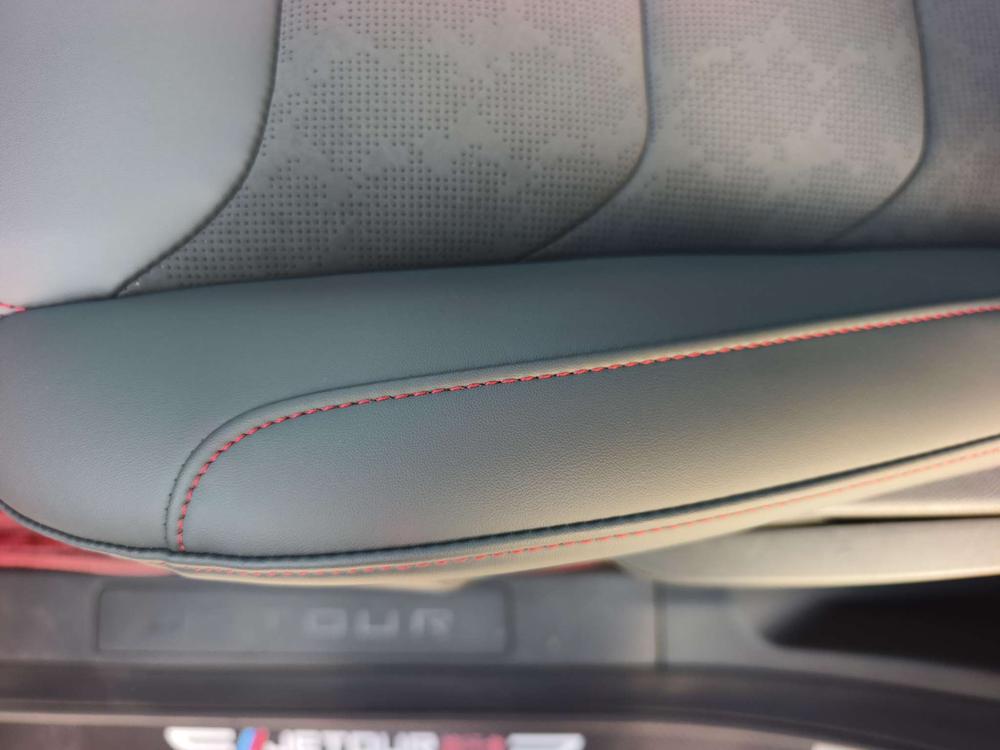
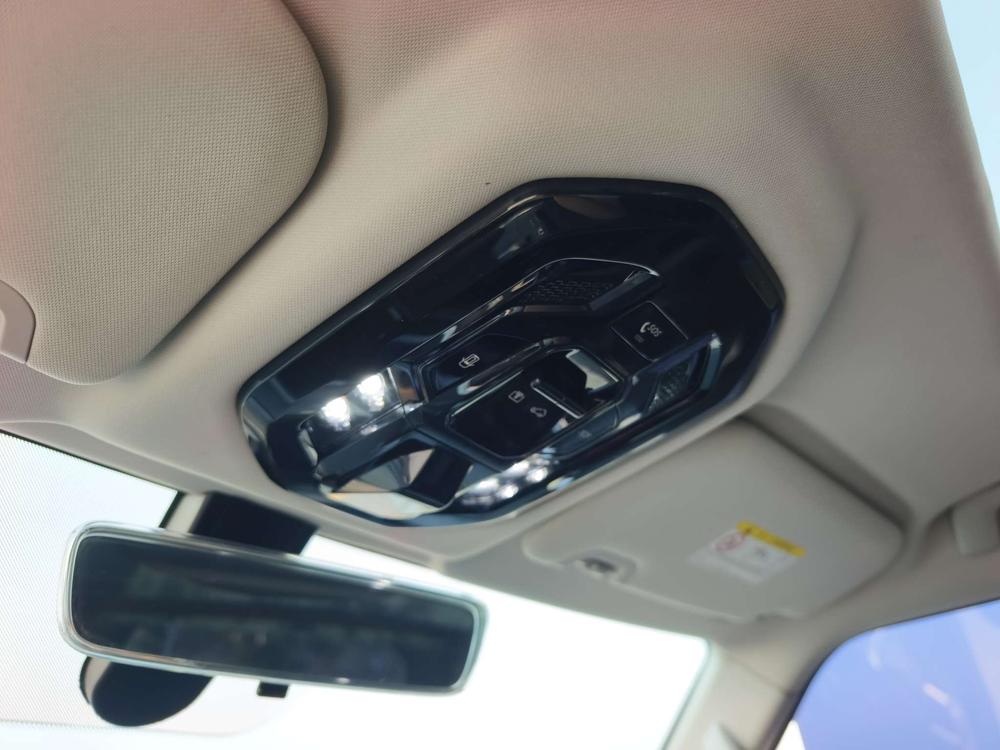
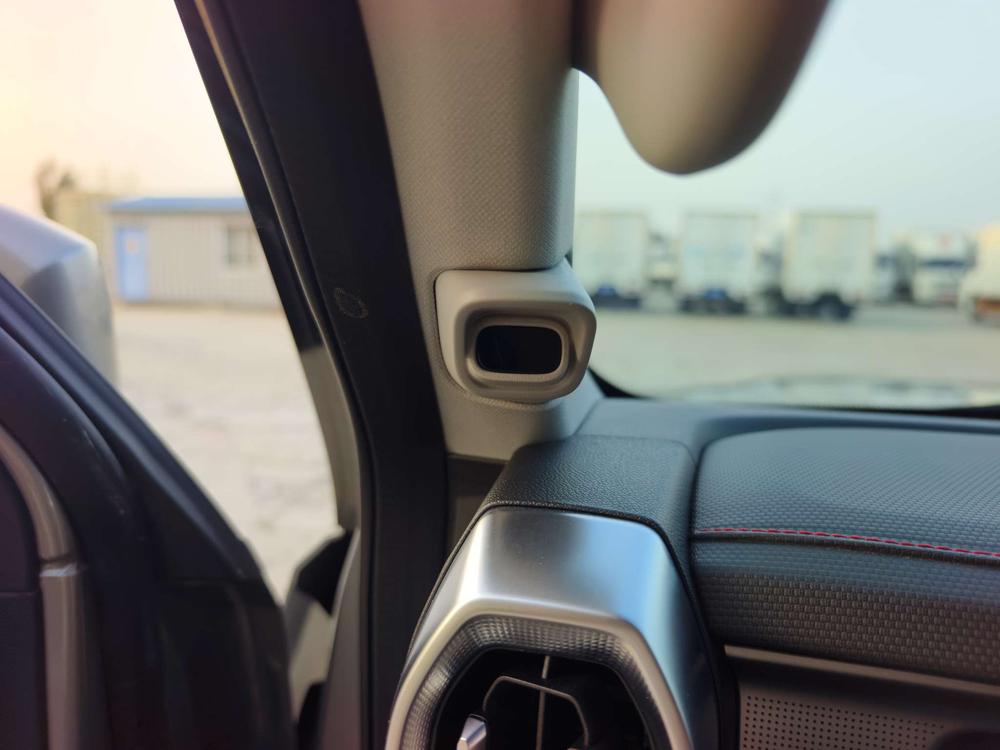
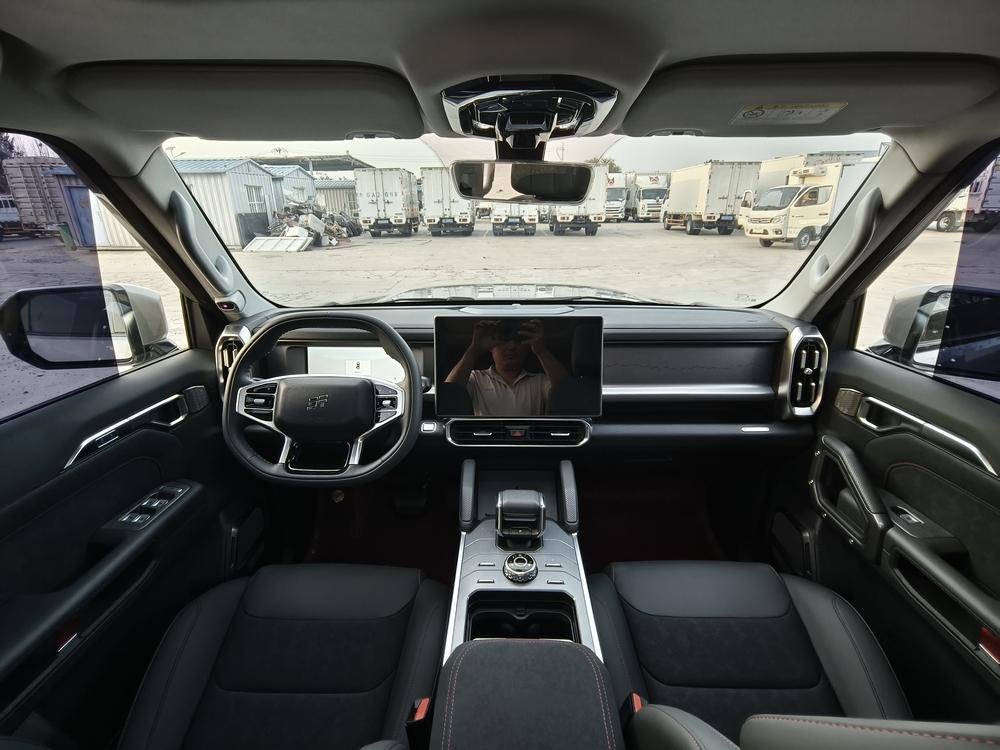
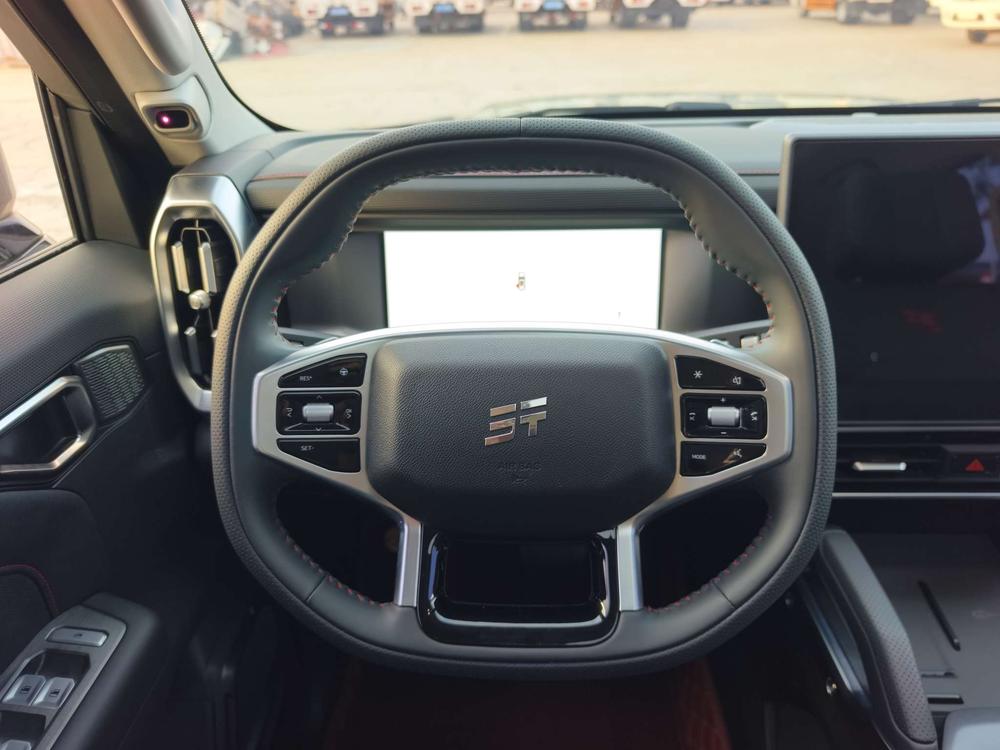
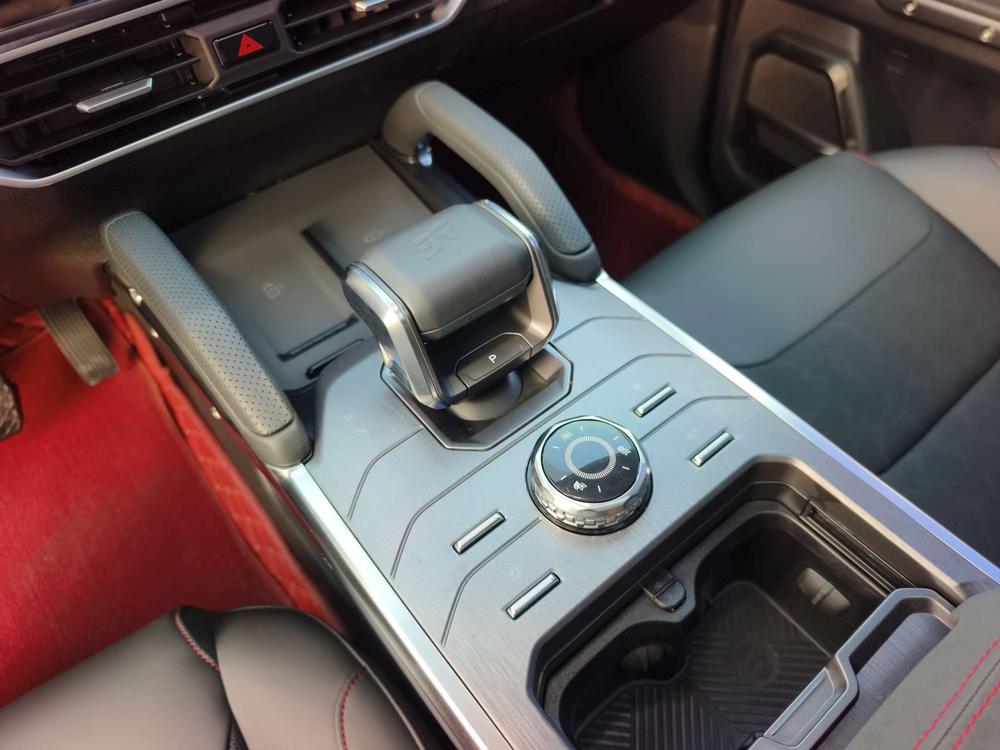
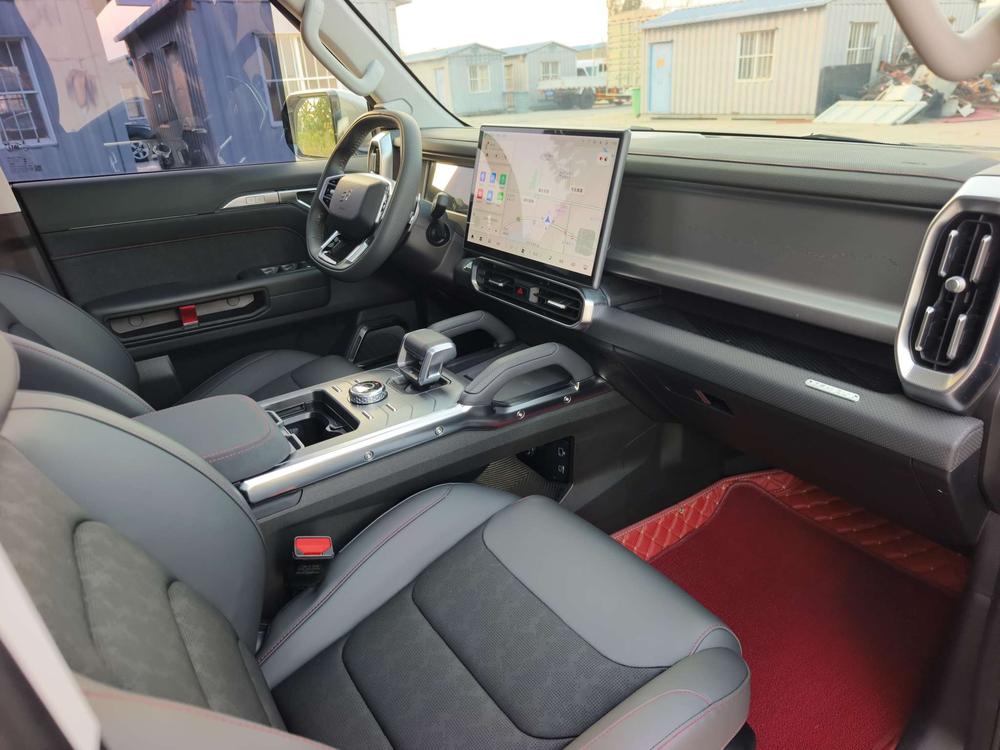
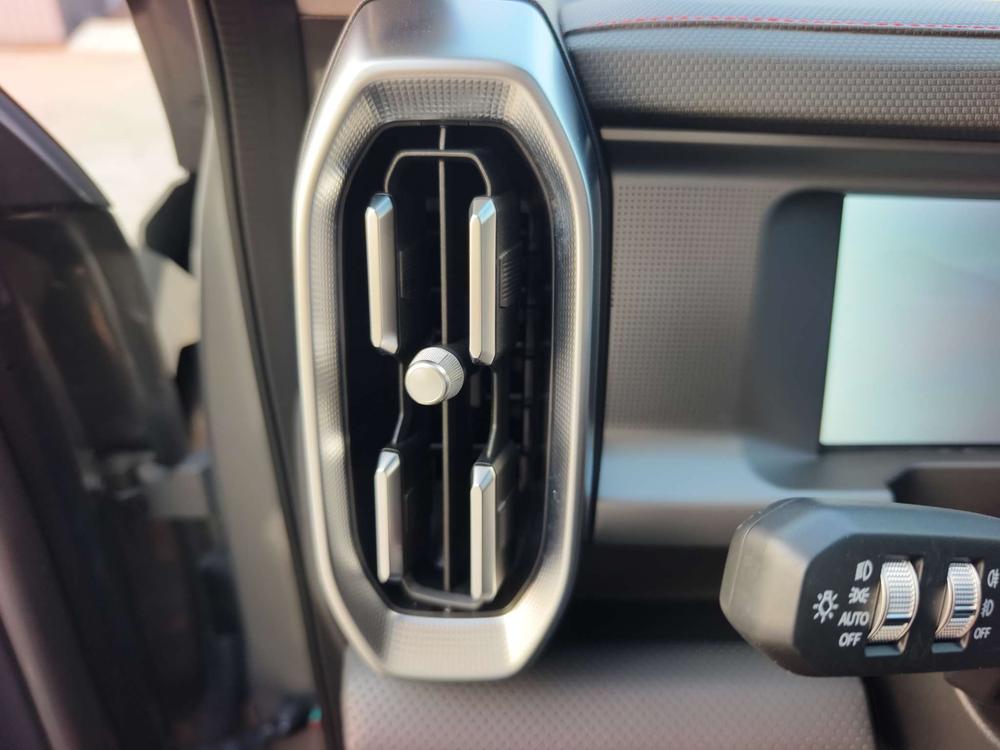
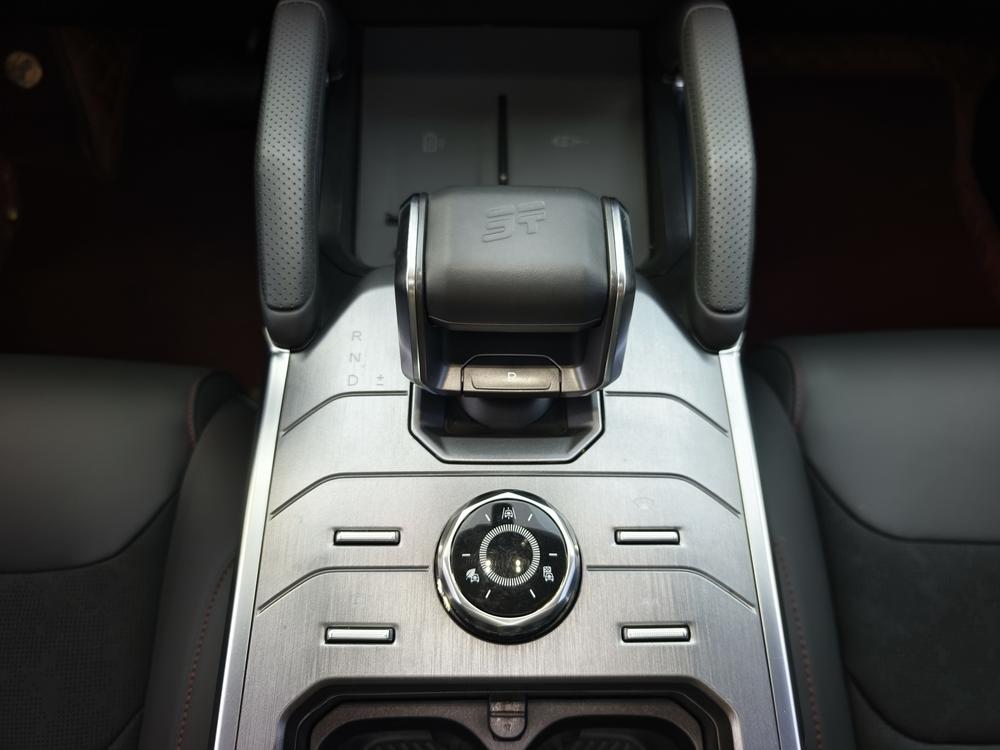
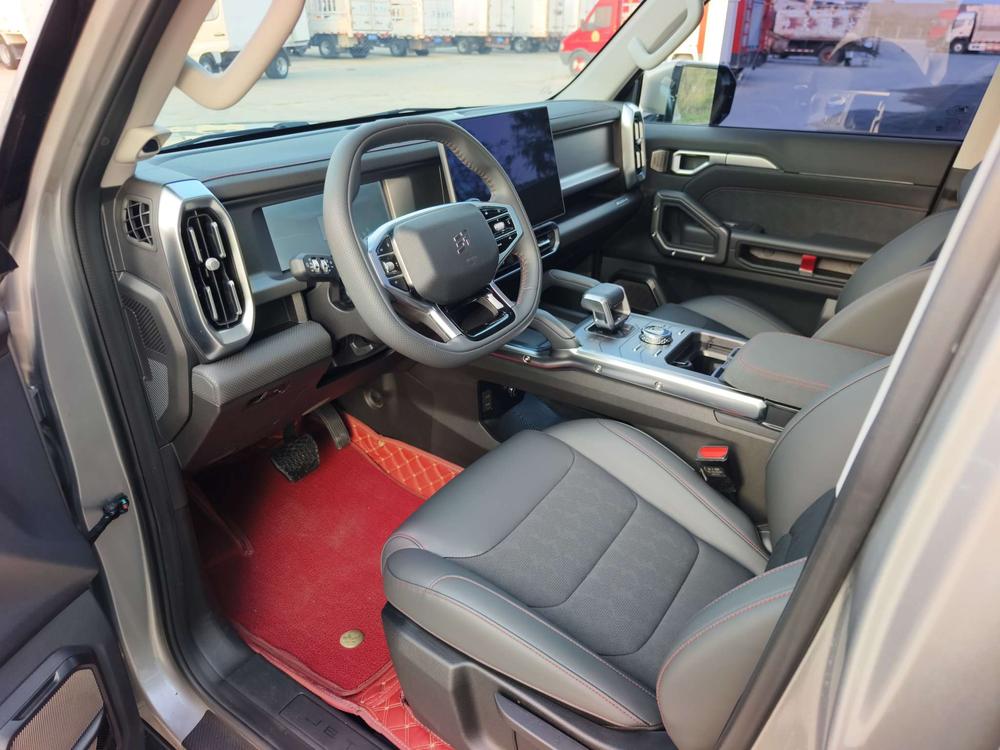
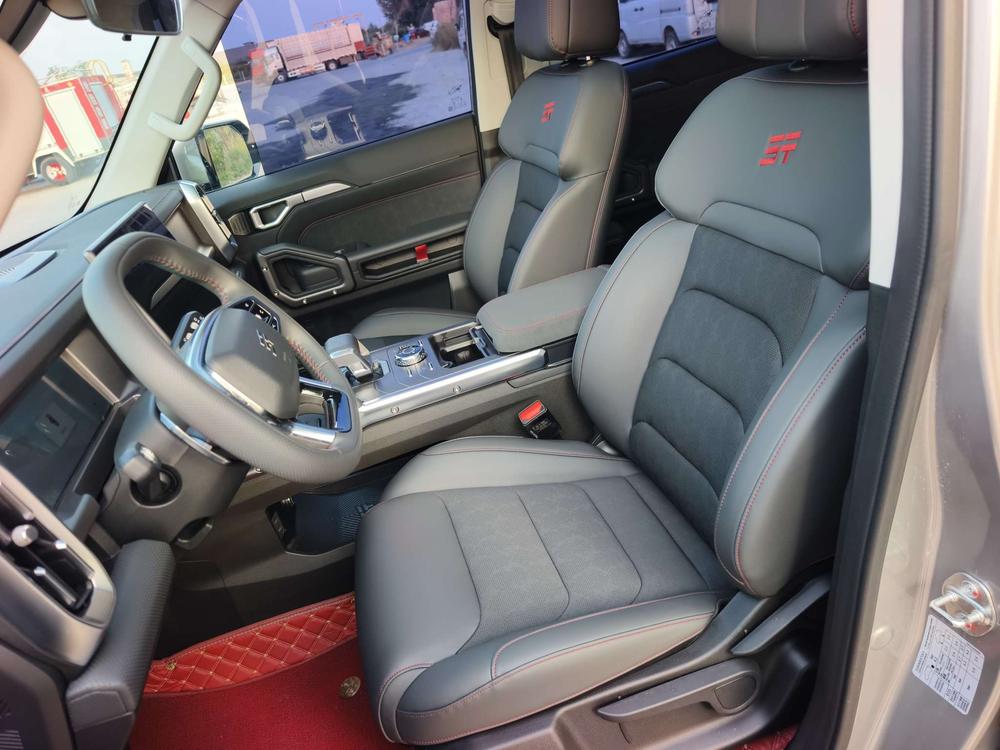
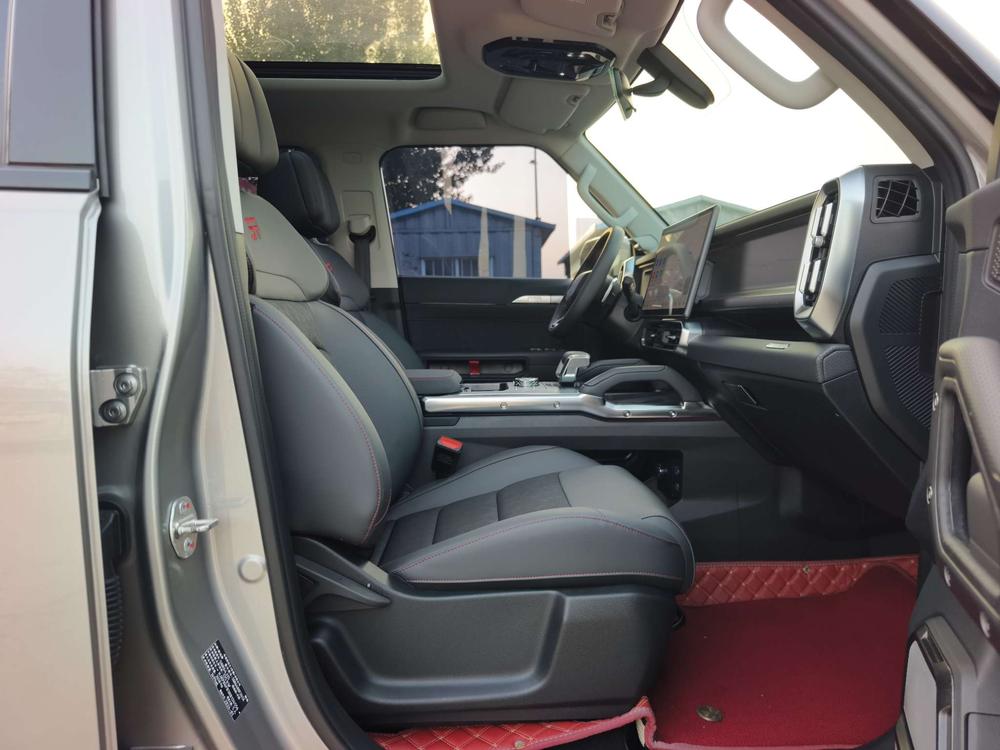
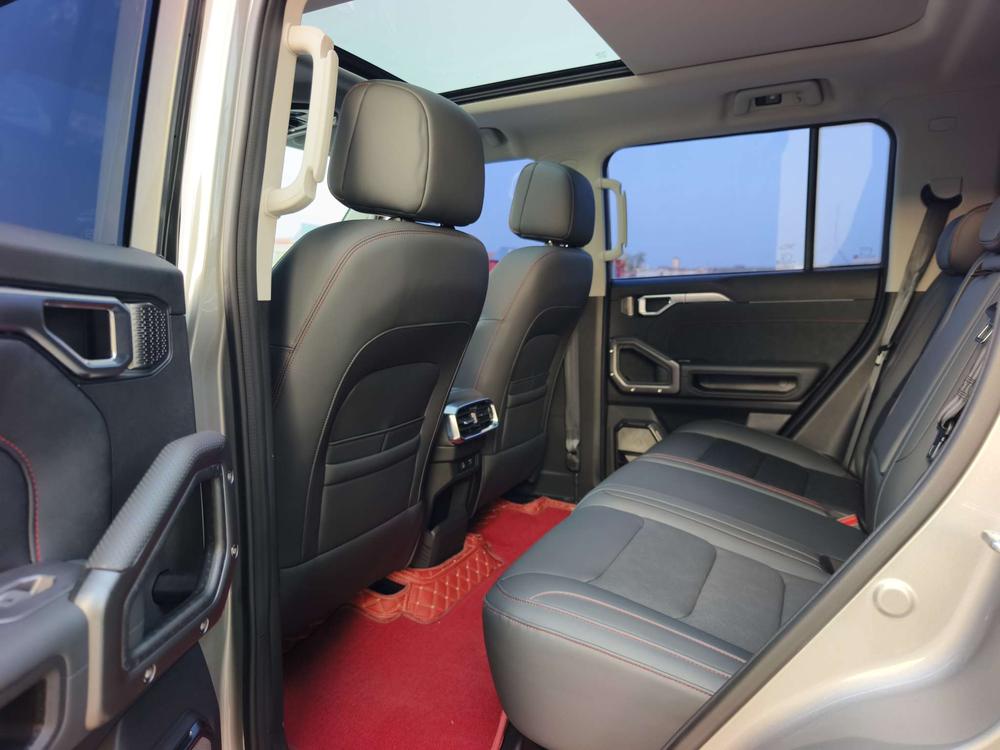
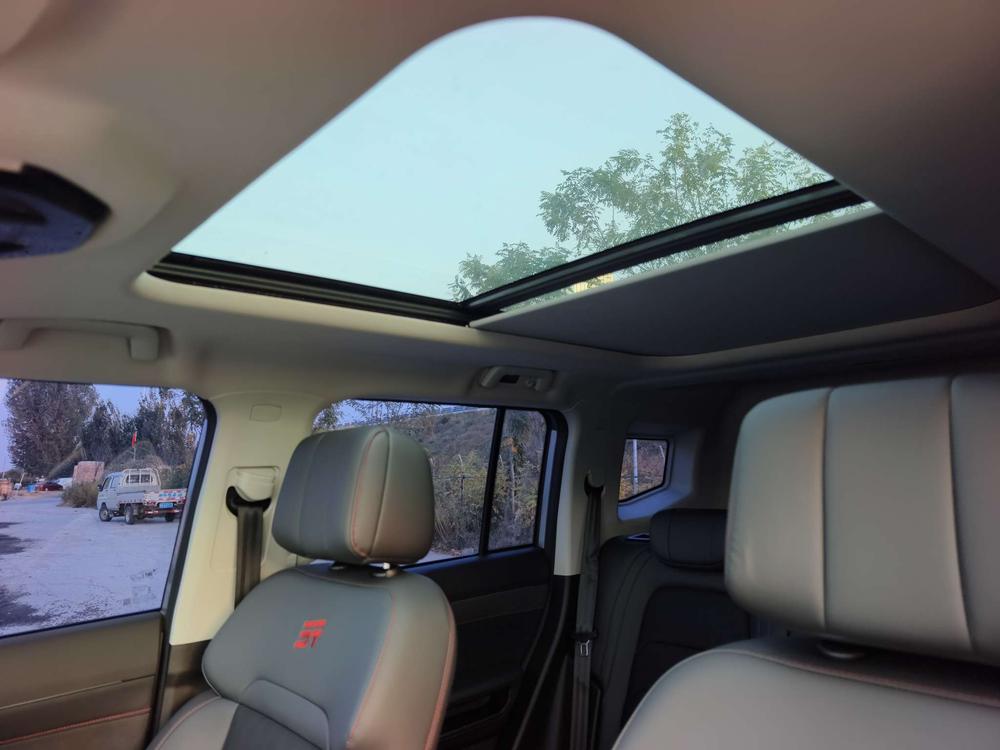



Basic Information

BrandJetour
SeriesTraveller
Year2024
First Registration2024/02
Mileage20,200km
Transfer Count0times
FuelGasoline
TransmissionDCT
Engine1.5T 184 L4
Color
Seats5seats

Condition Description

官方质检 · 60天全车质保· 7天无理由有偿退车

Configuration Highlights

✓上牌时间: 2024-02
✓表显里程: 2.0万公里
✓车源地: 潍坊
✓排放标准: 国六
✓发动机: 1.5T
✓轴距: 2800mm
✓变速箱: 自动
✓最大功率: 135kW
✓功能配置: 22项
✓安全配置: 6项
✓动力类型: 前驱
✓空间舒适性: 很好

Q&A

More

What if the used car I imported from China turns out to be a bad deal—can I return it or get a refund?

In practice, returning an imported car is extremely difficult, so your protection must be built in before payment, not after. Once a used car has been exported, reversing the transaction involves re-export paperwork, duties, and freight costs that typically exceed any refund you'd recover. Most exporters' contracts treat the sale as final once the bill of lading is issued. What you can realistically do: 1. If the car differs materially from the contract (wrong VIN, undisclosed accident, tampered odometer), you have grounds for a claim. Document everything and negotiate a partial refund or repair credit—full refunds are rare. 2. If the seller committed outright fraud, you can pursue legal action in China or report to the platform, but cross-border enforcement is slow and costly. 3. Some exporters offer a short arrival warranty (usually 30-90 days) covering major mechanical failures. Claims require immediate notification, third-party inspection reports, and proof the damage existed at shipment. The practical takeaway: never rely on the possibility of a return. Spend the money on a thorough pre-shipment inspection and clear contract terms instead—it's far cheaper than a dispute.


Who is responsible for damages to the vehicle during maritime transport?

Be sure to purchase cargo insurance (all-risk or water damage insurance). In case of damage, claim with the bill of lading, insurance policy, and proof of damage at the destination port.

How do I vet a Chinese used-car exporter before sending any money?

Vetting takes a day and can save you thousands. Work through this checklist. Verify the business: ask for the company registration number and check it on China's National Enterprise Credit Information system or a commercial registry tool. Confirm the registered address matches where they claim to operate, and that their business scope includes vehicle export. Check export credentials: they must hold a used-vehicle export license issued by Chinese commerce authorities. Ask for the license and a recent export declaration showing they actually ship cars. Test their knowledge: a real exporter answers detailed questions about your destination country's import rules (age limits, left/right-hand drive, emission standards) without hesitation. Vague answers about your own country's requirements are a red flag. Structure payments safely: small deposit (10-20%), balance only against inspection reports and shipping documents, ideally through a payment method with recourse. Refuse full prepayment by irreversible transfer—no legitimate exporter requires it.