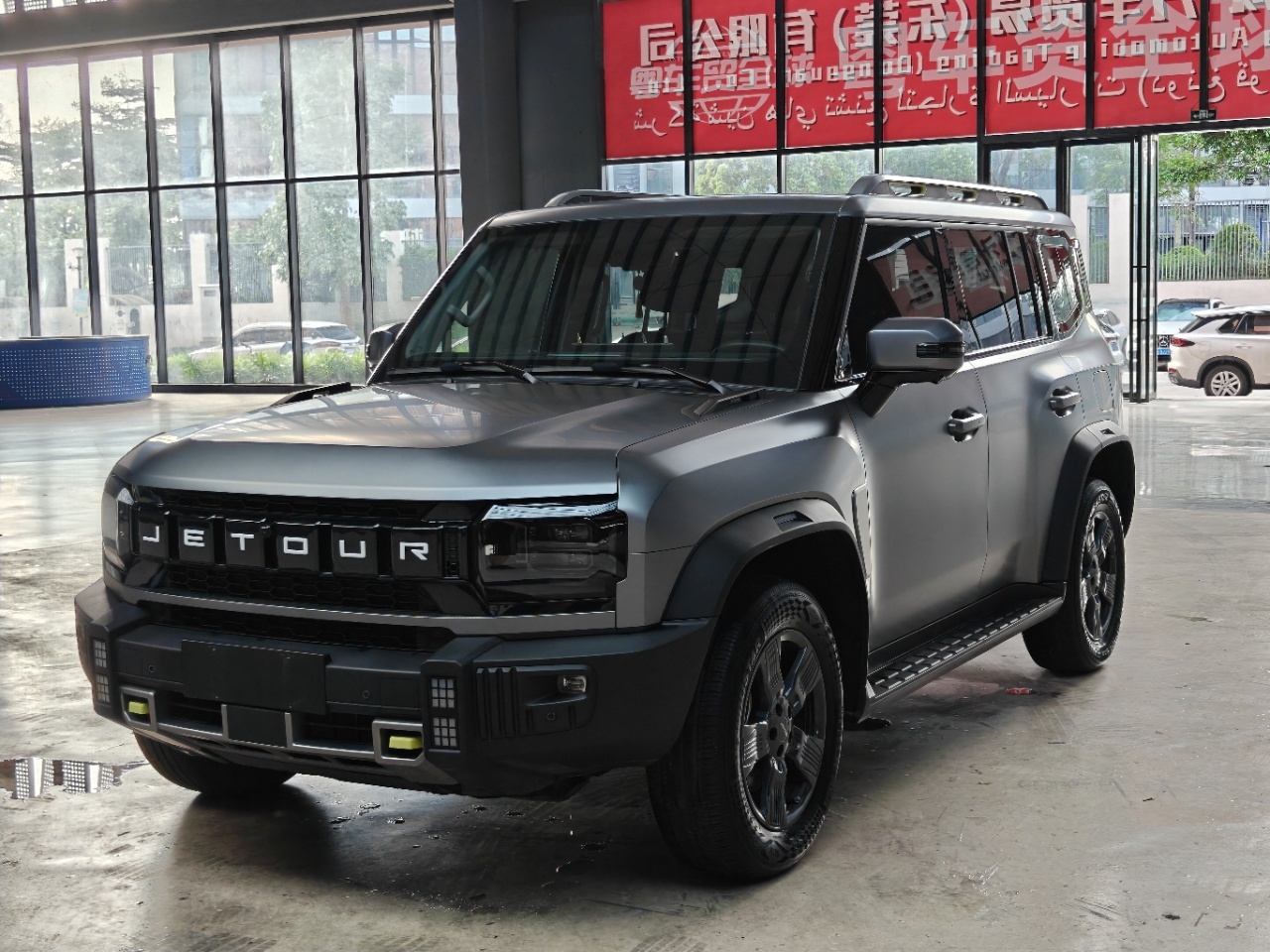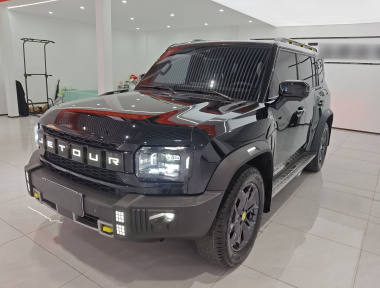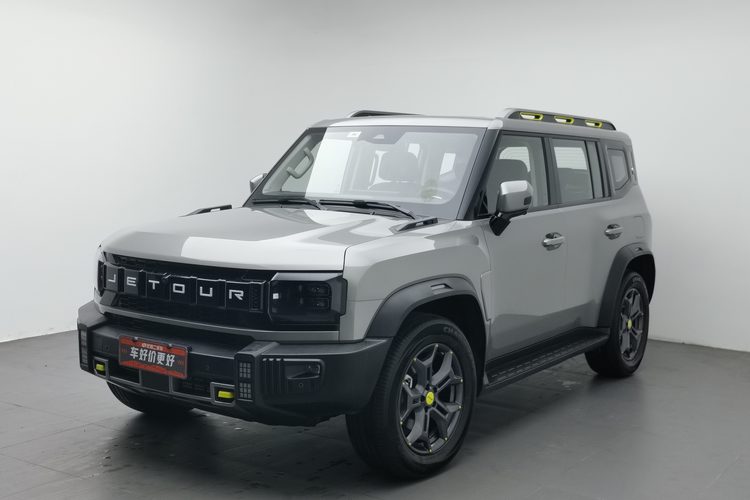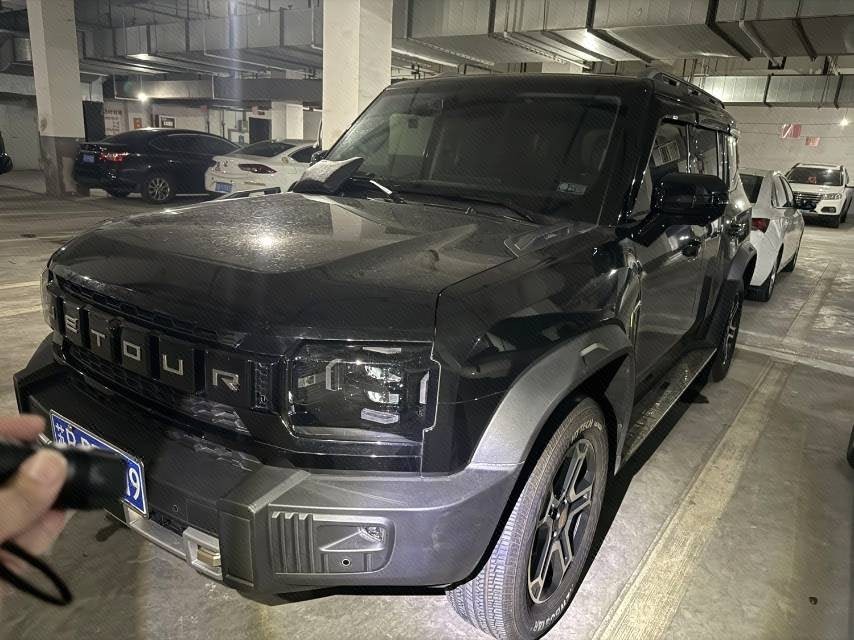
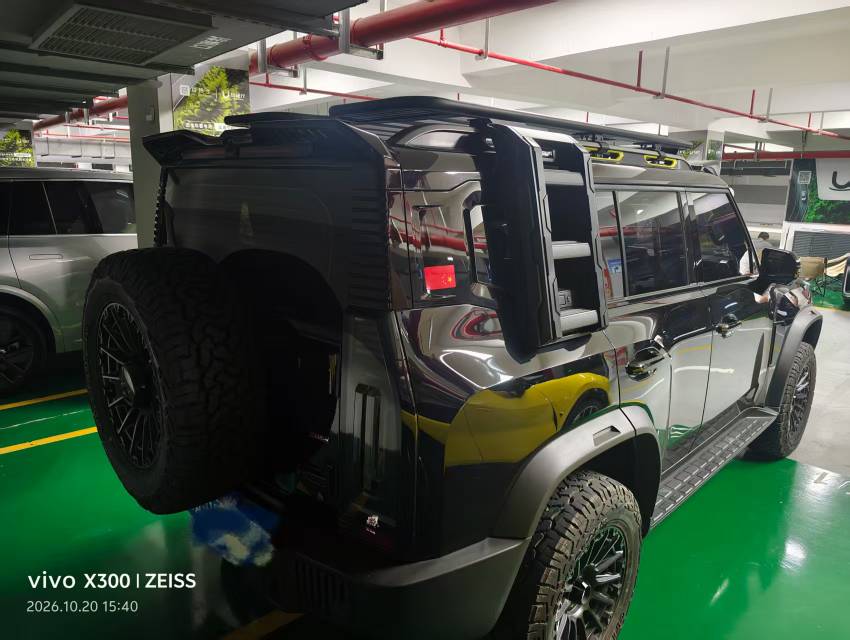



Has the vehicle's VIN (chassis number) been polished or altered?
We will carefully check if the chassis number on the windshield, chassis, and door frame matches.
Replace a headlight.
We will carefully check if the chassis number on the windshield, chassis, and door frame matches.
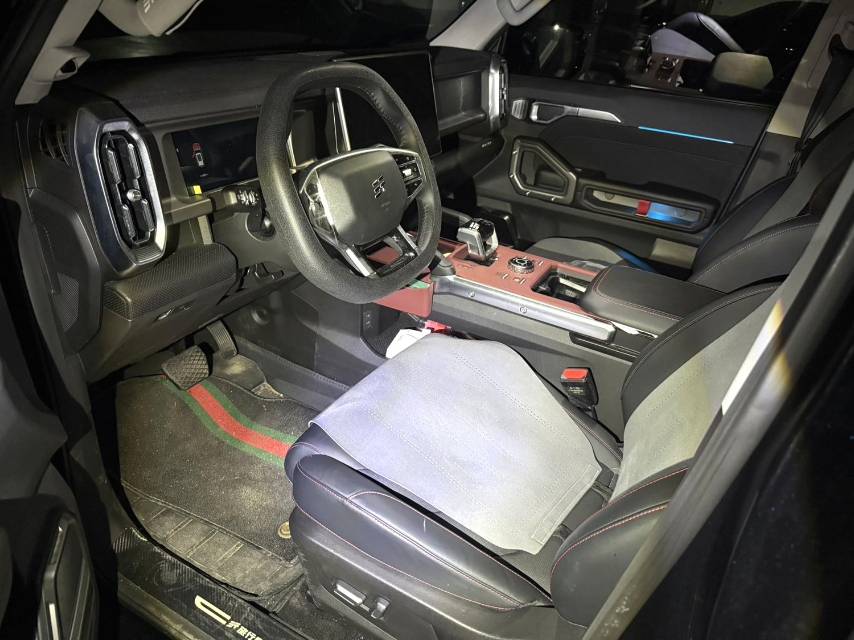
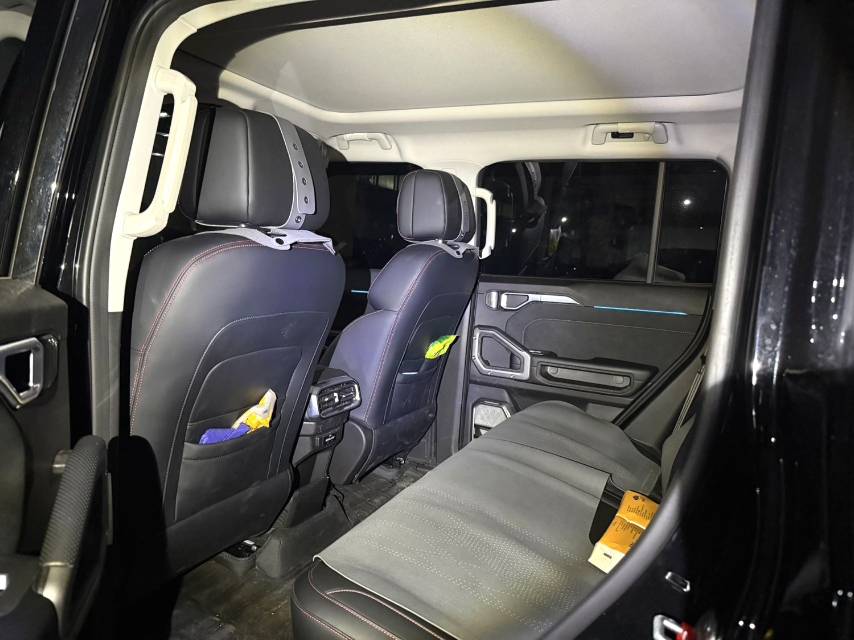
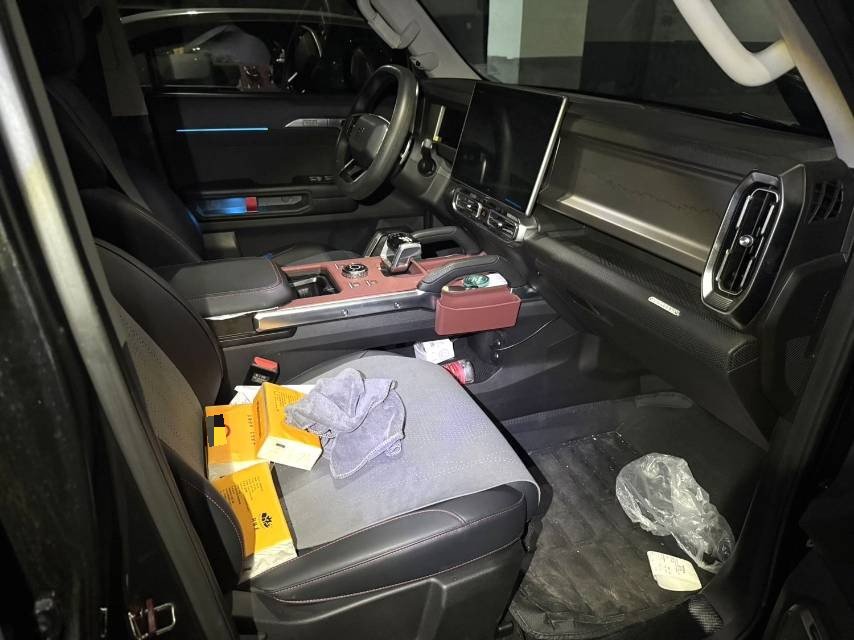
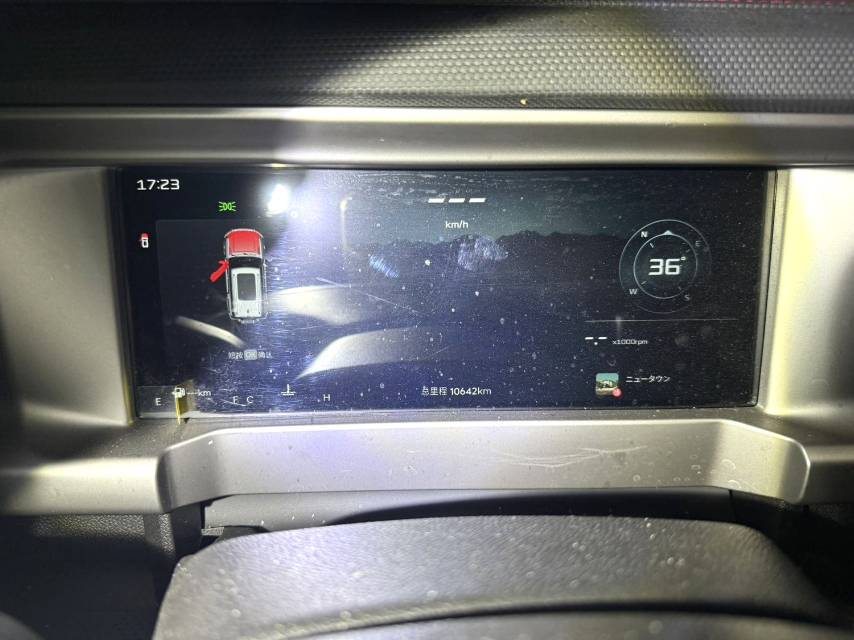
Interior wear is harder to fake than an odometer and often reveals true usage better than any document. Focus on high-contact points the seller rarely restores. The driver's seat bolster shows creasing and cracking by 80,000-100,000 km even with covers. Steering wheel leather polishes smooth and darkens with hand oils; a shiny wheel with low claimed mileage is a red flag. Pedal rubbers wear through at similar rates — check accelerator, brake, and clutch depth. Second-row wear patterns tell you how the car was used: heavy child-seat indentations suggest family use (usually gentler), while uniform rear wear with clean front suggests commercial or ride-hailing duty. Check seat rails for rust (indicates water ingress) and look under floor mats for moisture staining or musty smell — flood cars often hide it there. Also examine the infotainment and instrument cluster: Chinese EVs log usage data internally, and a dealer diagnostic readout can cross-check driving hours against mileage. Request close-up, well-lit photos of these specific points during your live video inspection rather than relying on the seller's gallery.
Recalls and software updates depend on the brand's official presence in your country. Recalls: ask the seller for the VIN and confirm with the manufacturer whether any recall campaigns apply. Some Chinese brands have overseas service networks that honor recalls even for exported used cars; others don't. OTA updates: many connected features update over the air regardless of location, but some are region-locked. Before buying, ask the seller to confirm the car's software region and whether updates work outside China. Practical steps: keep your export documents and purchase invoice—they may be required to prove eligibility for warranty or recall work. Join owner communities for your model, as they share firmware and service information, and budget for dealer-level diagnostics at an independent shop familiar with Chinese vehicles. If the brand has no local presence, parts and software support will come mostly from parallel importers, so factor that into your decision.