


48H

Basic Information

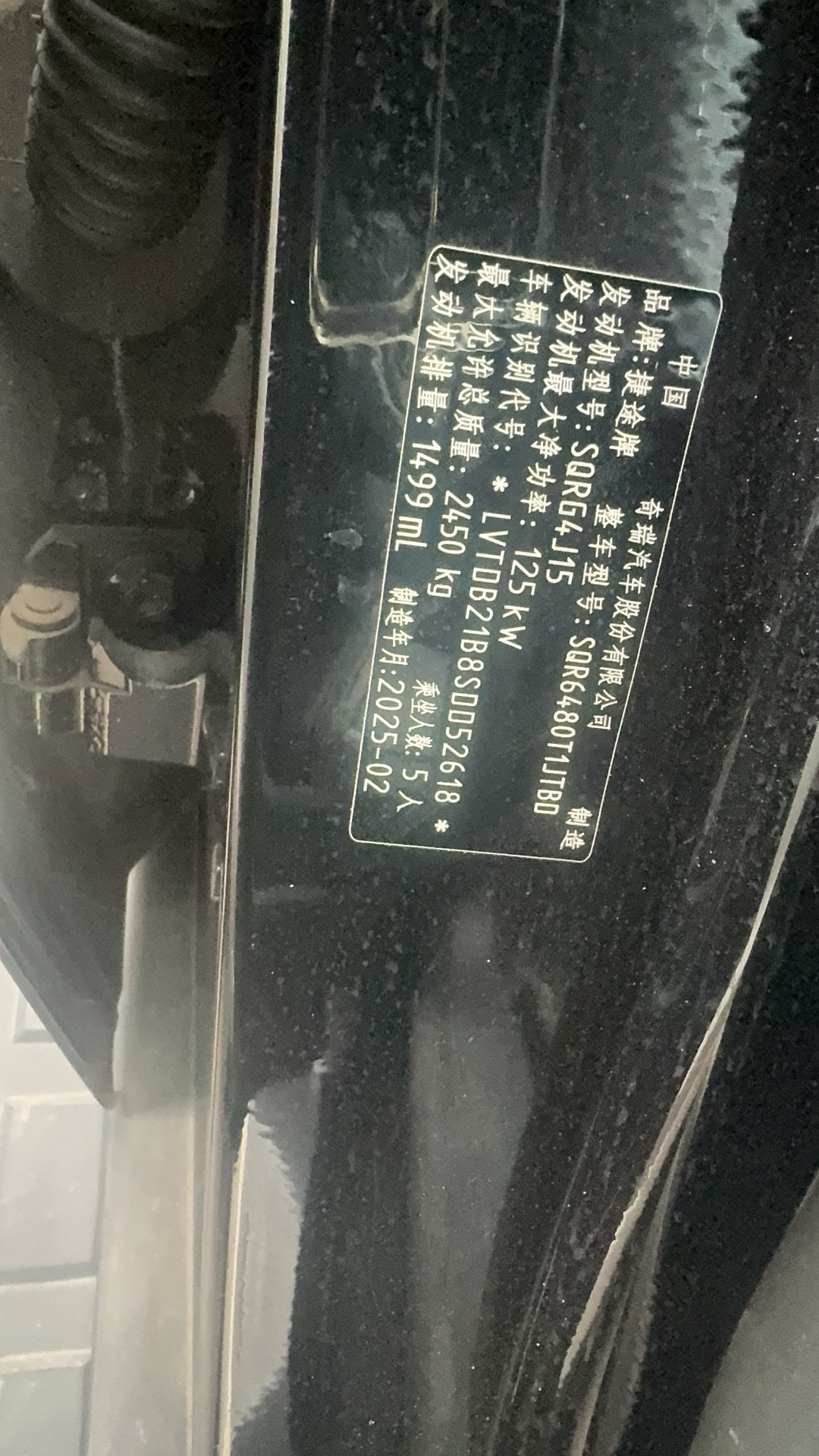
BrandJetour
SeriesTraveller
Year2025
First Registration2025/09
Mileage25,000km
Transfer Count0times
FuelGasoline
TransmissionDCT
Engine1.5T 184 L4
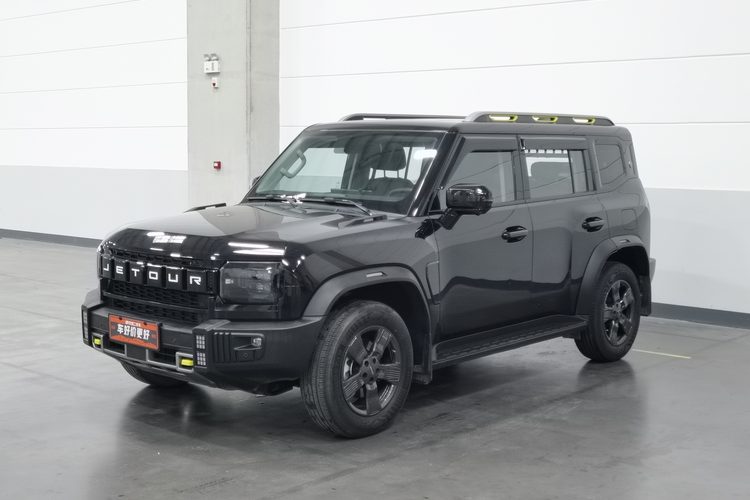
ColorBlack
Seats5seats

Condition Description

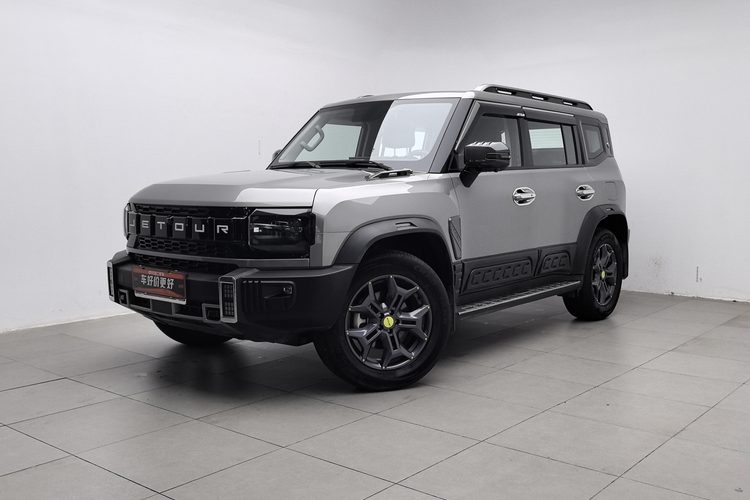
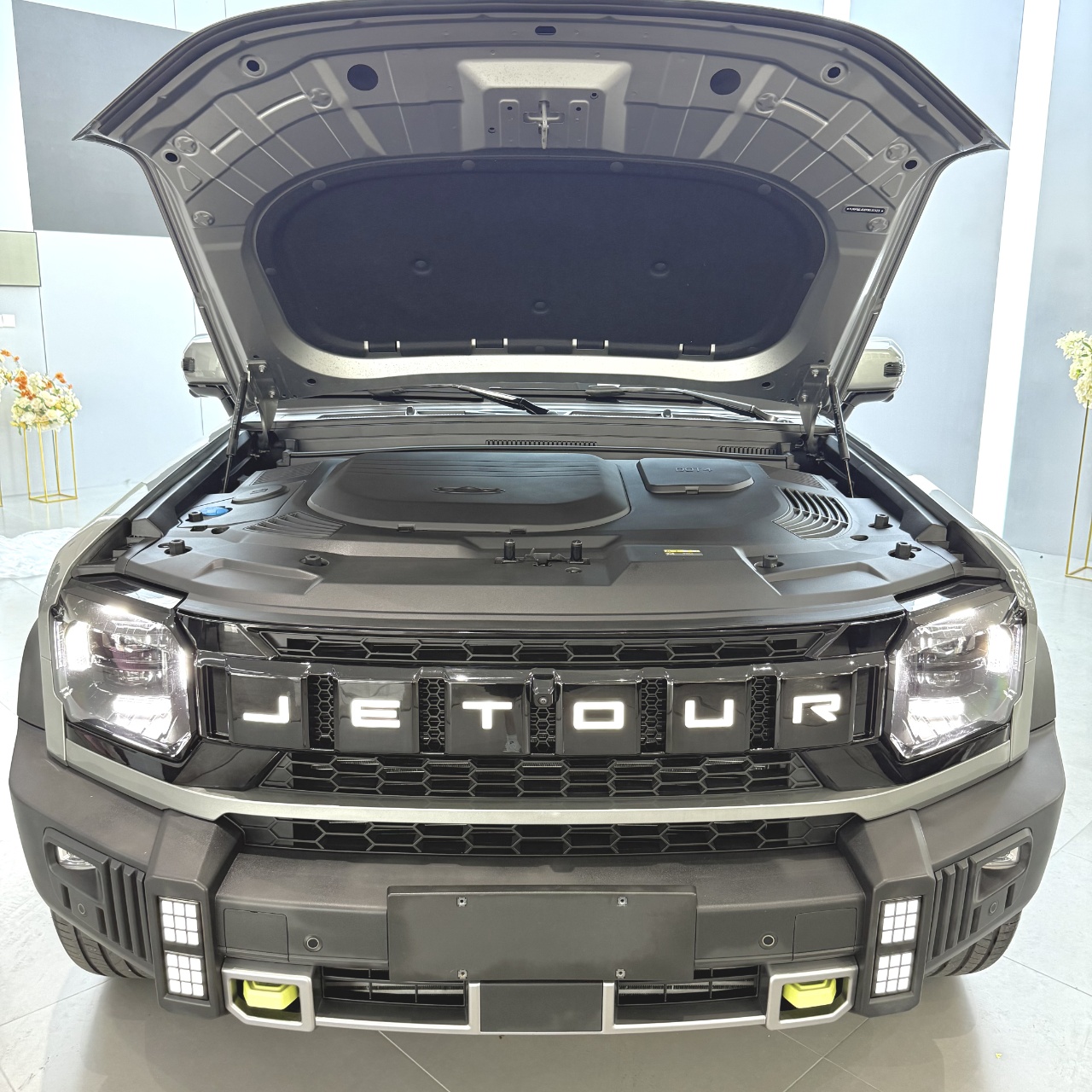
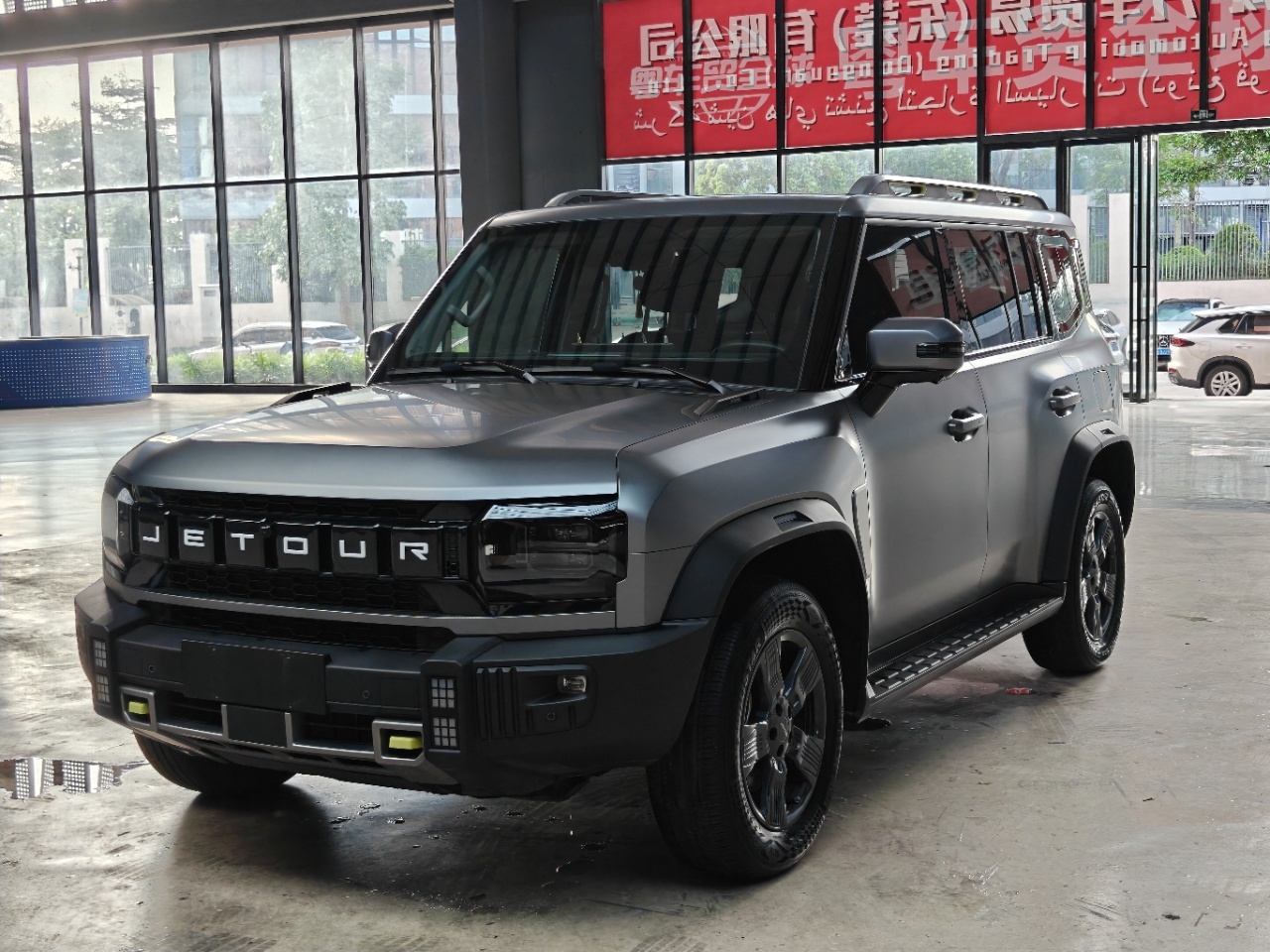
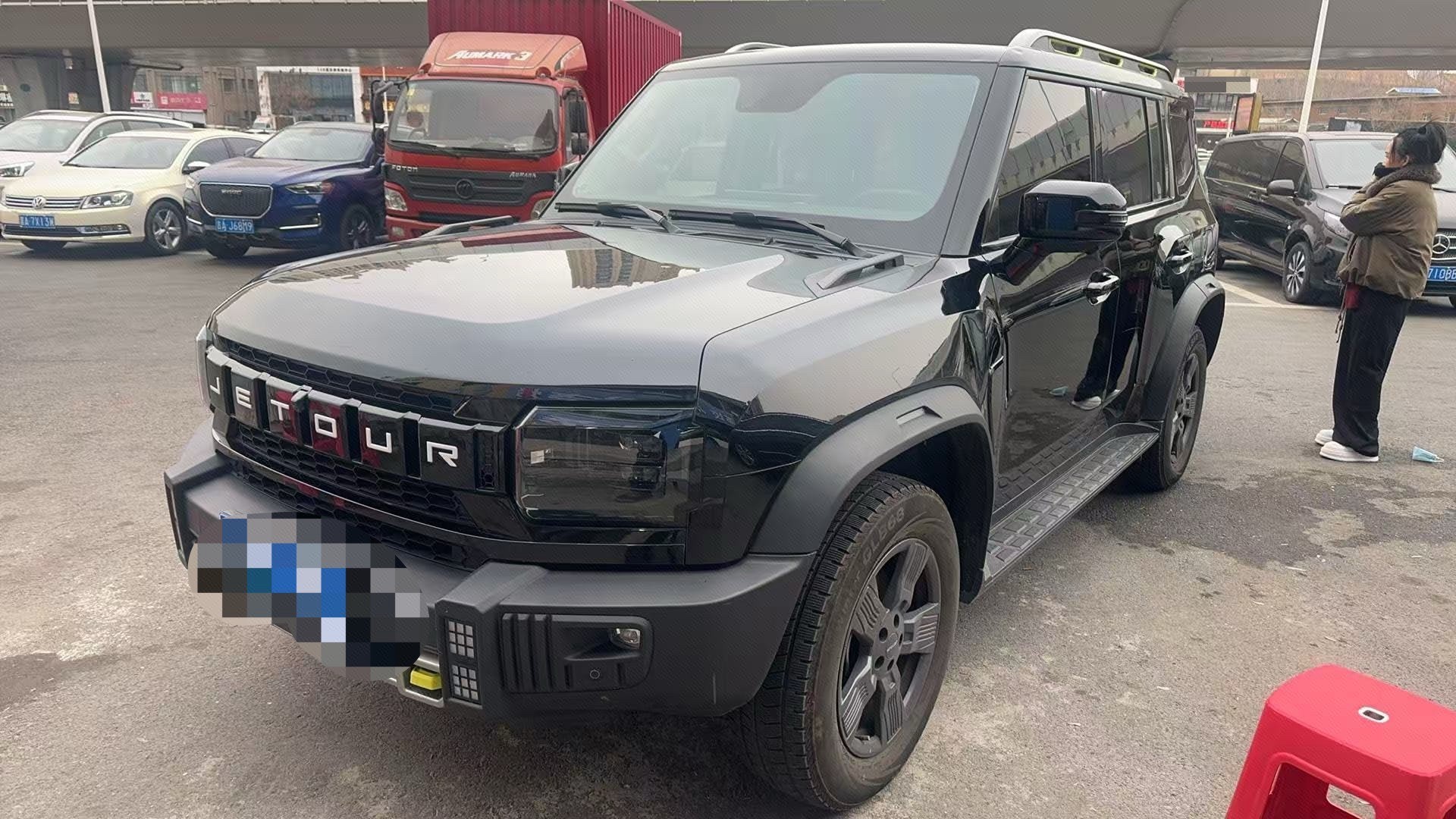
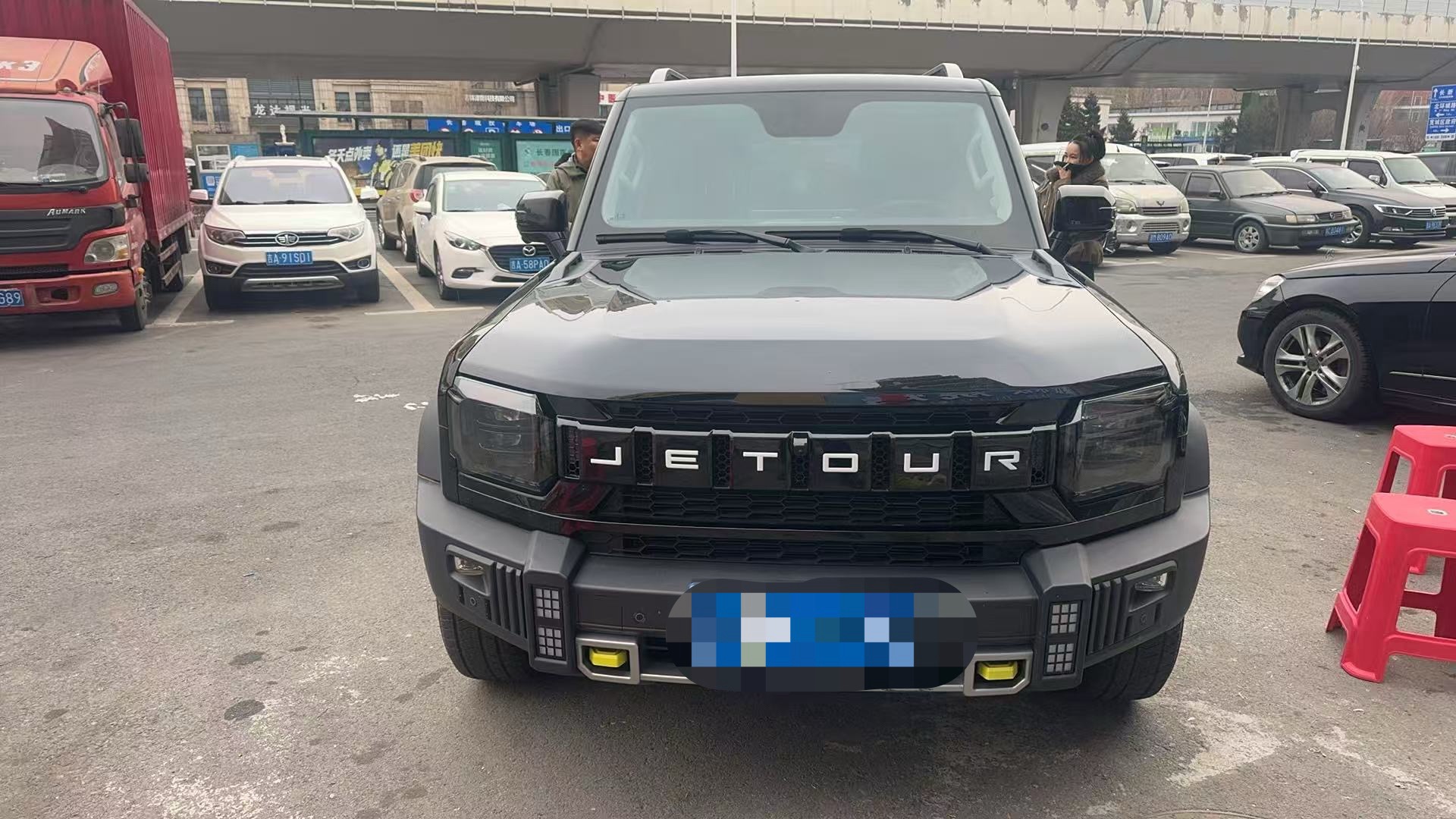
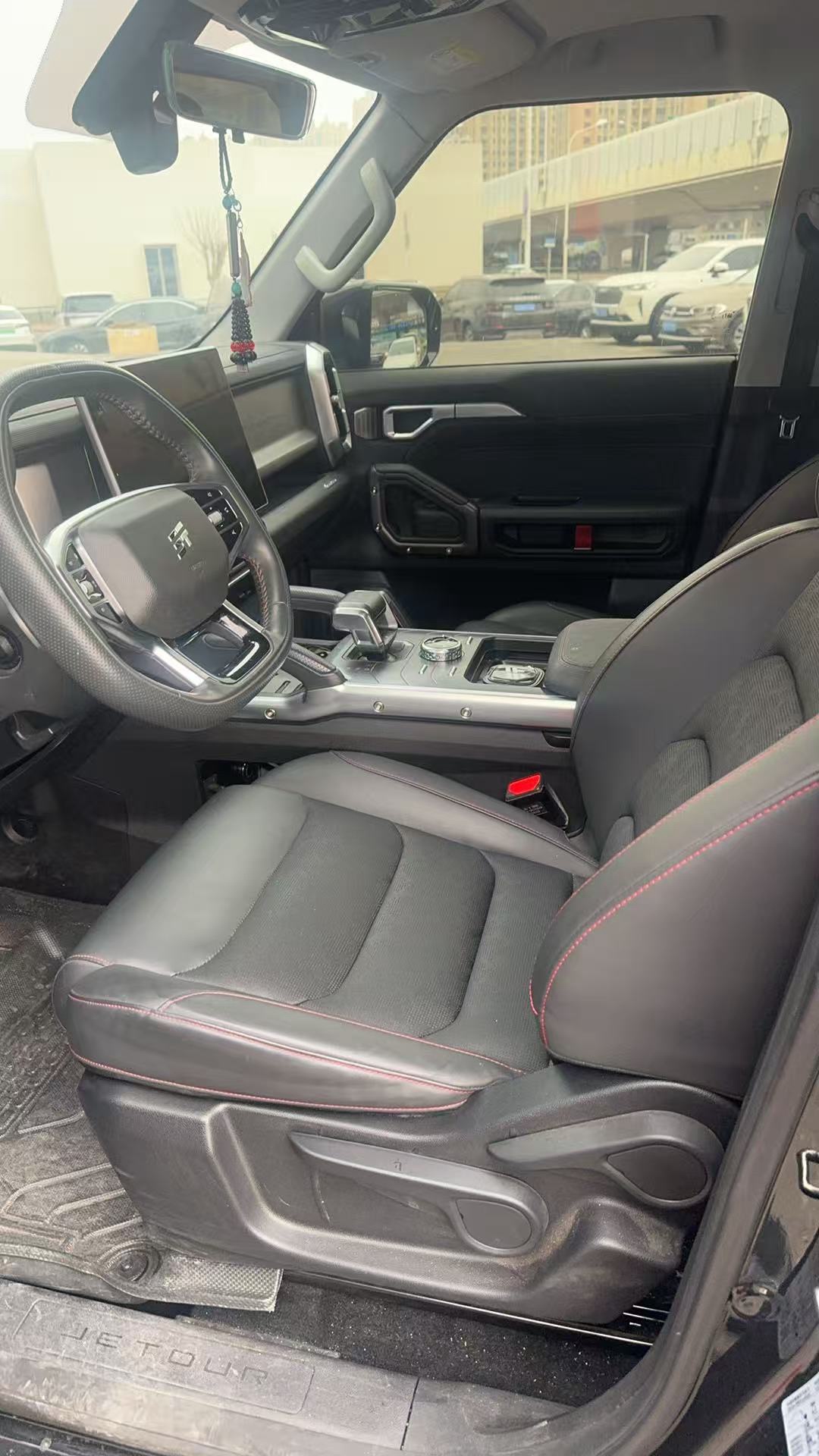
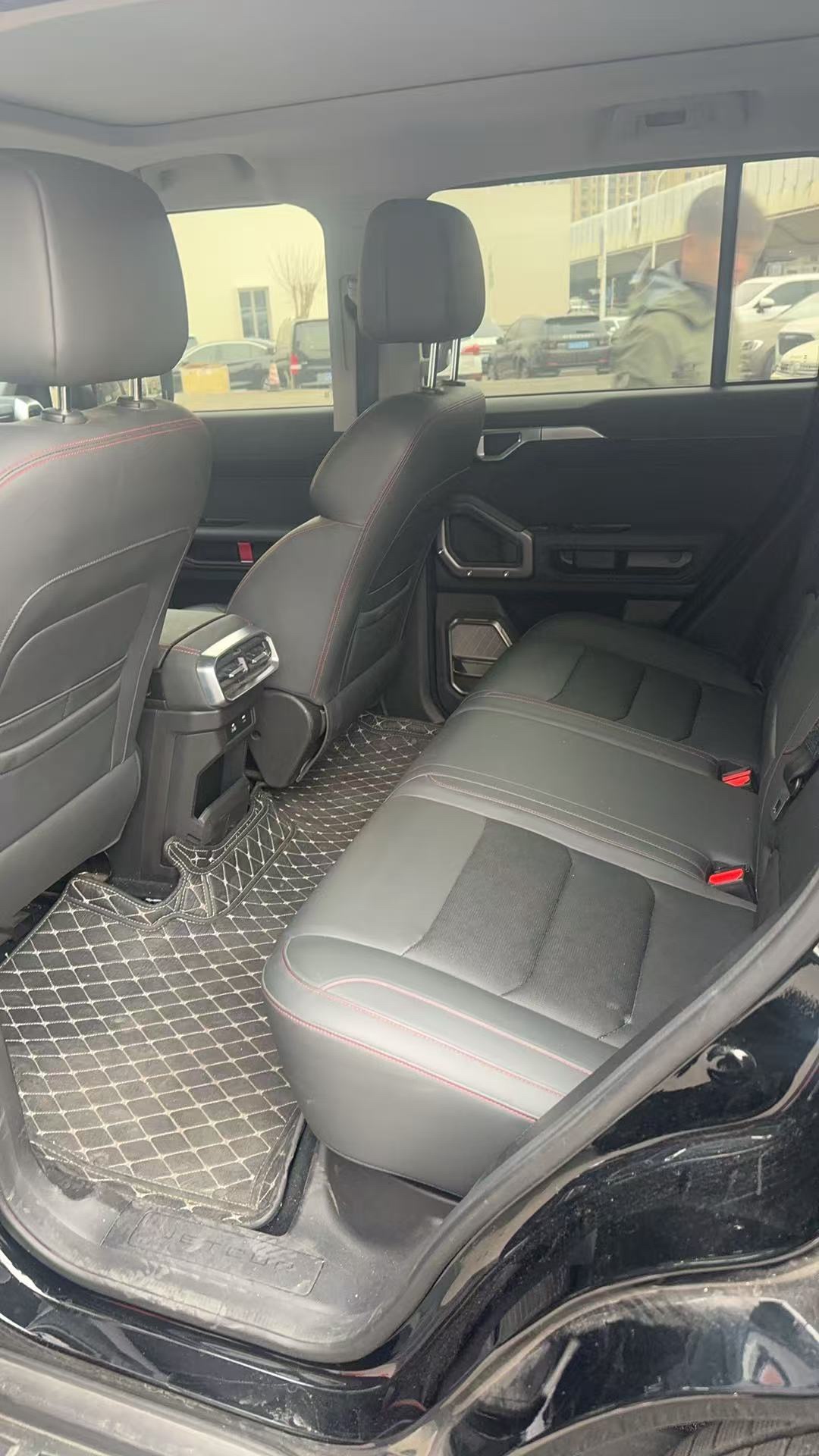
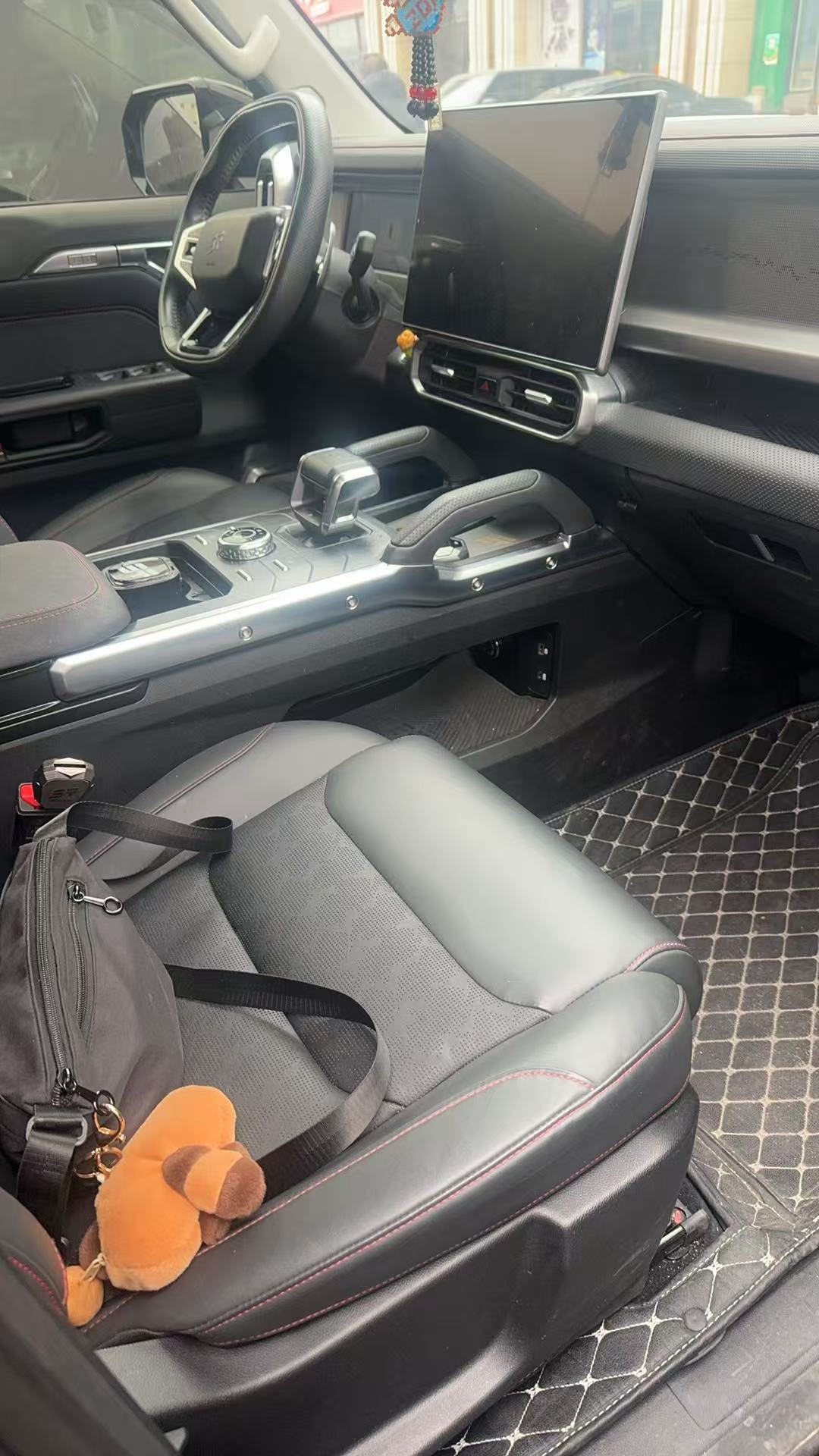
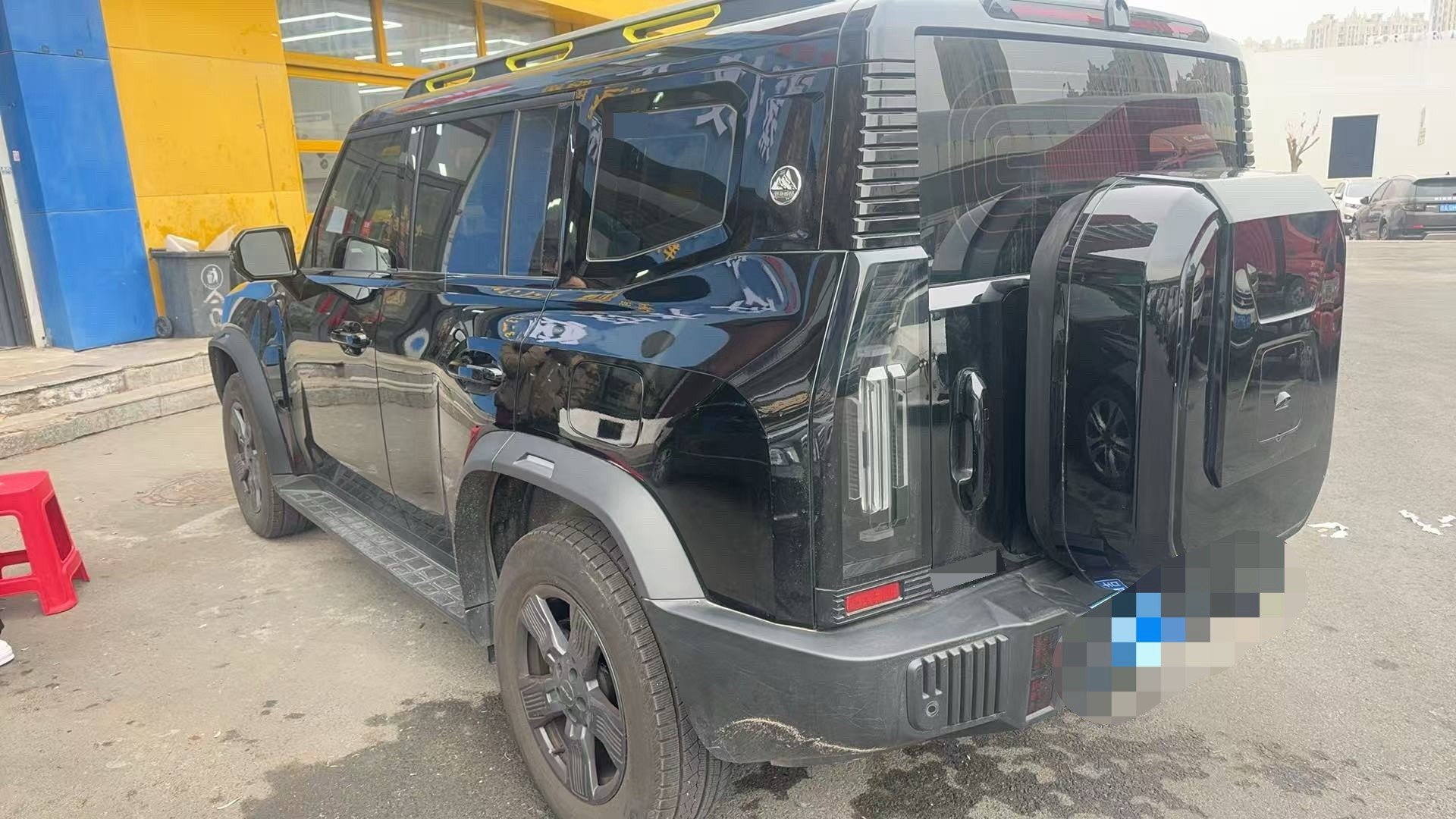
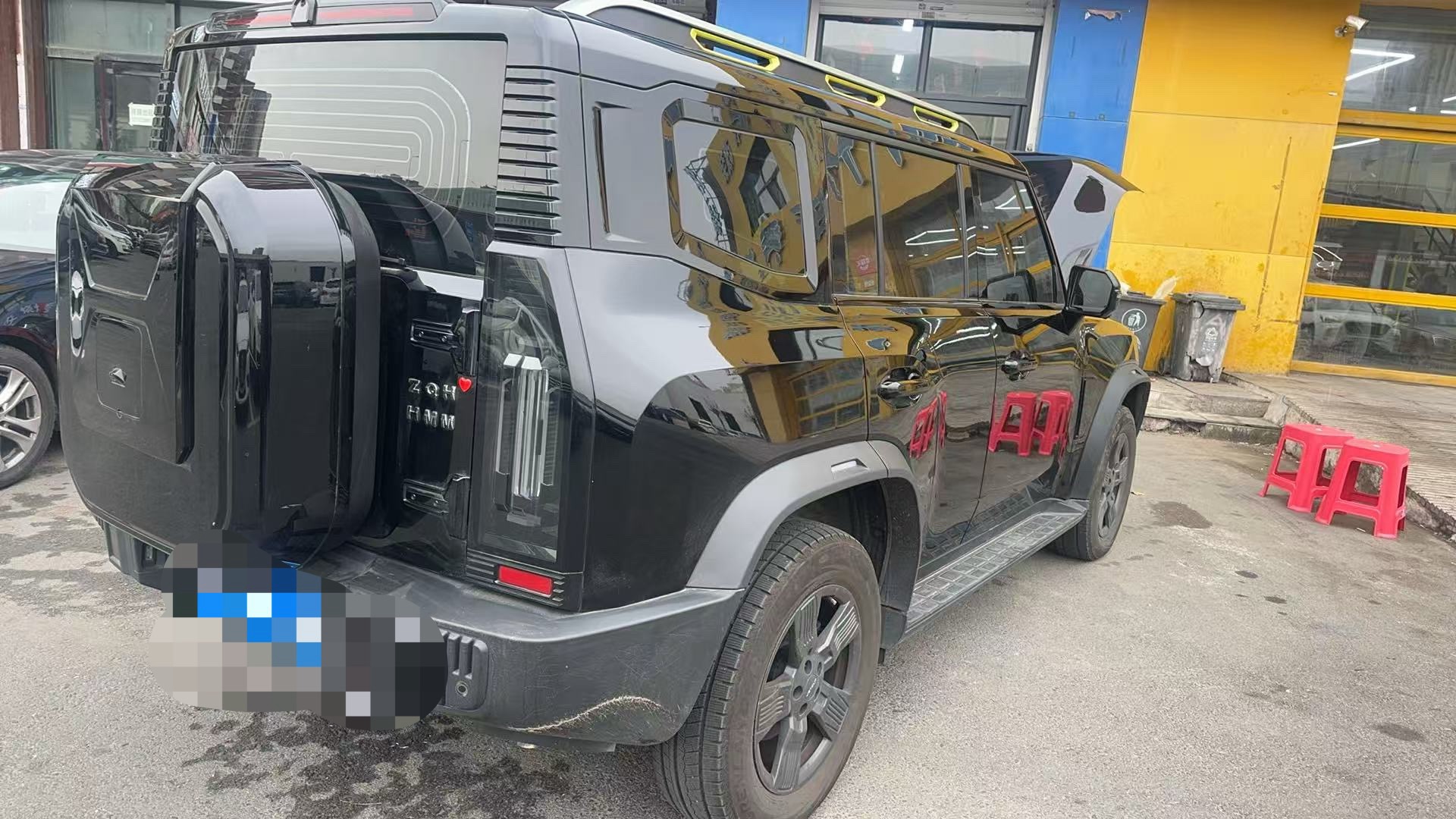
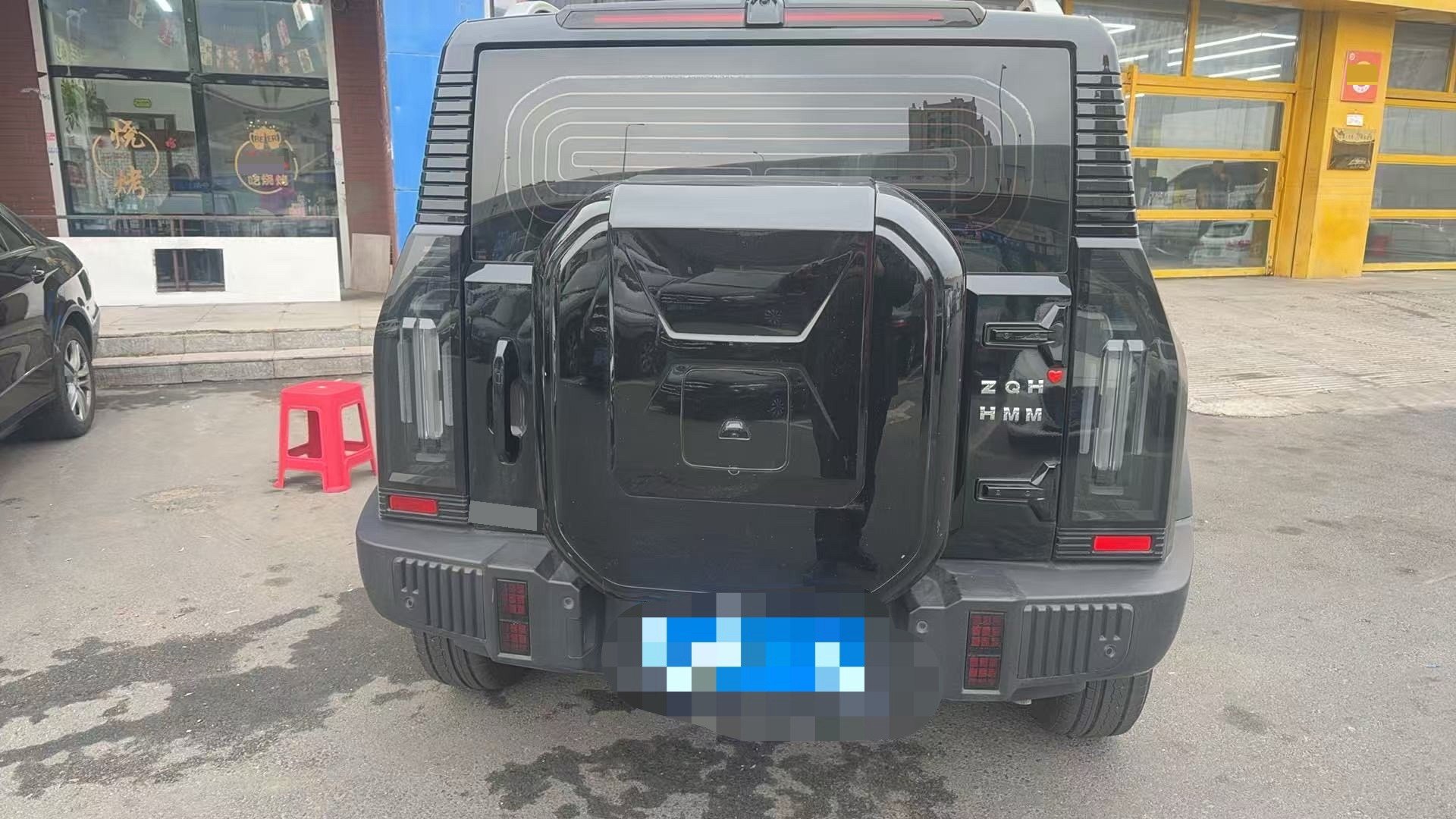
First owner, all original paint, 0 insurance claims, paint protection film.

Document Information

Inspection Expiry Date-
Warranty Expiry Date-
Insurance Expiry Date2027/04

Q&A

More

What can a cold-start video tell me about a used Chinese car's engine, and what should raise concern?

A cold start is when hidden engine problems show up most clearly, so ask the seller for a video filmed after the car has sat overnight. Have them film the dashboard first (warning lights should illuminate, then go out after start), then the engine bay and exhaust. What to listen for: a brief rattle for the first second or two can be normal (timing chain tensioner), but persistent knocking, metallic tapping or grinding means walk away. The idle should settle smoothly within 30-60 seconds; shaking or hunting RPM suggests ignition, injection or mount problems. What to look for: thick blue smoke at startup points to oil burning, and white smoke that doesn't clear suggests coolant issues. If the video is long enough, watch how quickly the coolant temperature rises. One video can't replace a proper inspection, but a seller who refuses to provide a genuine cold-start video is telling you something too.


What seasonal factors should I consider when scheduling my car's shipment from China?

Timing your shipment can save money and avoid delays. Peak season: August to October and the weeks before Chinese New Year are the busiest—rates rise and space is tight, so book 3-4 weeks ahead. Chinese New Year (late January or February) shuts down factories and ports for about two weeks. Weather: summer brings typhoons to South China ports such as Shenzhen and Guangzhou, which can delay departures; winter fog affects northern ports like Tianjin and Qingdao. Consider the destination too: shipping to Europe or the Gulf during winter is fine, but if your car will travel by rail or road through Central Asia, deep-winter departures face cold-weather handling requirements and slower border crossings. Practical tip: if you're not in a hurry, shipping in the off-season (March to June) is usually 10-20% cheaper. Always confirm the vessel's estimated departure and arrival dates in writing, and ask for tracking once the car is loaded.

How can I verify the odometer reading is genuine on a Chinese used car from abroad?

Odometer fraud exists everywhere, but cross-checking several data points makes it hard to fake: 1) Maintenance records: ask for service history with mileage entries. Gaps or resets are red flags. 2) Tire wear: a car showing 30,000 km should not have nearly bald tires. Compare tread depth against the claimed mileage. 3) Pedals, steering wheel, and seat bolsters: heavy wear on these with low odometer readings is a classic mismatch. 4) Diagnostic scan: request an OBD readout. Many control modules store mileage data internally — if the ECU shows 120,000 km while the dash shows 40,000, you have your answer. 5) Vehicle history report: in China, apps and platforms can pull insurance claim records and registration history, which often reveal the true mileage trail. Always request a live video showing the odometer with the engine running, and have the number written into your contract.